 Deutsch ▾
 Nederlands
 English (US)
 English (UK)
 Italiano
 Português
 Español
 Français
Medizinisches Freiwilligenprogramm in Tanzania – Arusha
Ein Krankenhauseinsatz in Arusha für qualifizierte Ärzte, Krankenpfleger und Hebammen. Arbeite mit tansanischen Klinikern an einer vielfältigen und anspruchsvollen Patientenversorgung, mit Unterkunft im Freiwilligenhaus und allen Mahlzeiten inklusive.
- Hospital placements in Arusha for qualified doctors, nurses and midwives
- Work with Tanzanian clinicians across a busy and varied caseload
- Exposure to tropical and infectious disease and to trauma care
- Community outreach in surrounding villages when numbers allow
- Placements from 1 to 12 weeks
- Volunteer house with three meals a day, WiFi, security and a sociable common area
- Weekends free for the Serengeti, Ngorongoro Crater, Tarangire and Lake Manyara
Who this programme is for
This programme is open to qualified, registered doctors and nurses — and to registered midwives, clinical officers and other licensed healthcare professionals. You will need to be fully qualified and currently registered with your national regulator (the GMC or NMC in the UK, or the equivalent body in your country).
It is not a student elective. If you are a medical, nursing or pre-med student looking for an elective placement, our sister brand Med Trips runs programmes designed specifically for students, with the supervision and sign-off that university placements require.
About the programme
The Medical Volunteer Program in Arusha places qualified clinicians in hospitals in and around the city, in northern Tanzania. You will work alongside Tanzanian doctors and nurses across a busy caseload, and see conditions that are uncommon in high-resource systems — malaria and other tropical and infectious disease, late presentations, and a high volume of road traffic trauma, which is particularly common in Arusha.
Arusha sits below Mount Meru, and is the gateway to the northern safari circuit — the Serengeti, Ngorongoro Crater, Tarangire and Lake Manyara are all within reach at the weekend.
How your department is allocated
This is the main thing to understand before you apply: you cannot choose your department in advance. Placements are allocated by the hospital, based on where they need clinical support during the weeks you are there, and on what your registration and experience allow you to do. The clinical leads make that decision on arrival, and rotations between departments are at their discretion.
We will always pass on your areas of interest, and in practice most participants do spend time in more than one department over a longer placement. But we will not promise you a specific ward, speciality or theatre list before you travel, and you should not book this programme expecting one.
Where you will be placed
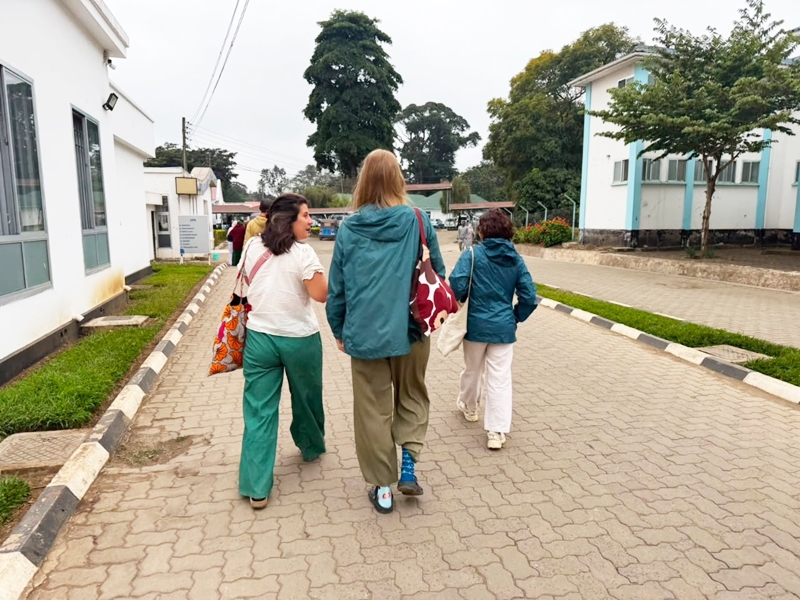
Sample placement — St. Elizabeth Hospital, Arusha. Known locally as “Kwa Father Babu”, St. Elizabeth is in the Ngarenaro suburb and is one of the three largest hospitals in Arusha. As a Council Designated Hospital it acts as a referral centre for local dispensaries and health centres, and receives patients from other hospitals for services they do not provide. It offers both inpatient and outpatient care.
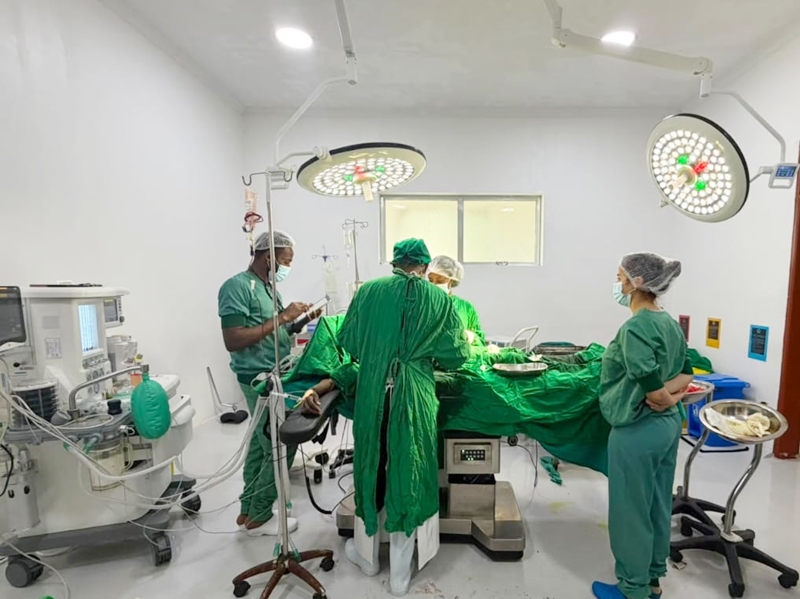
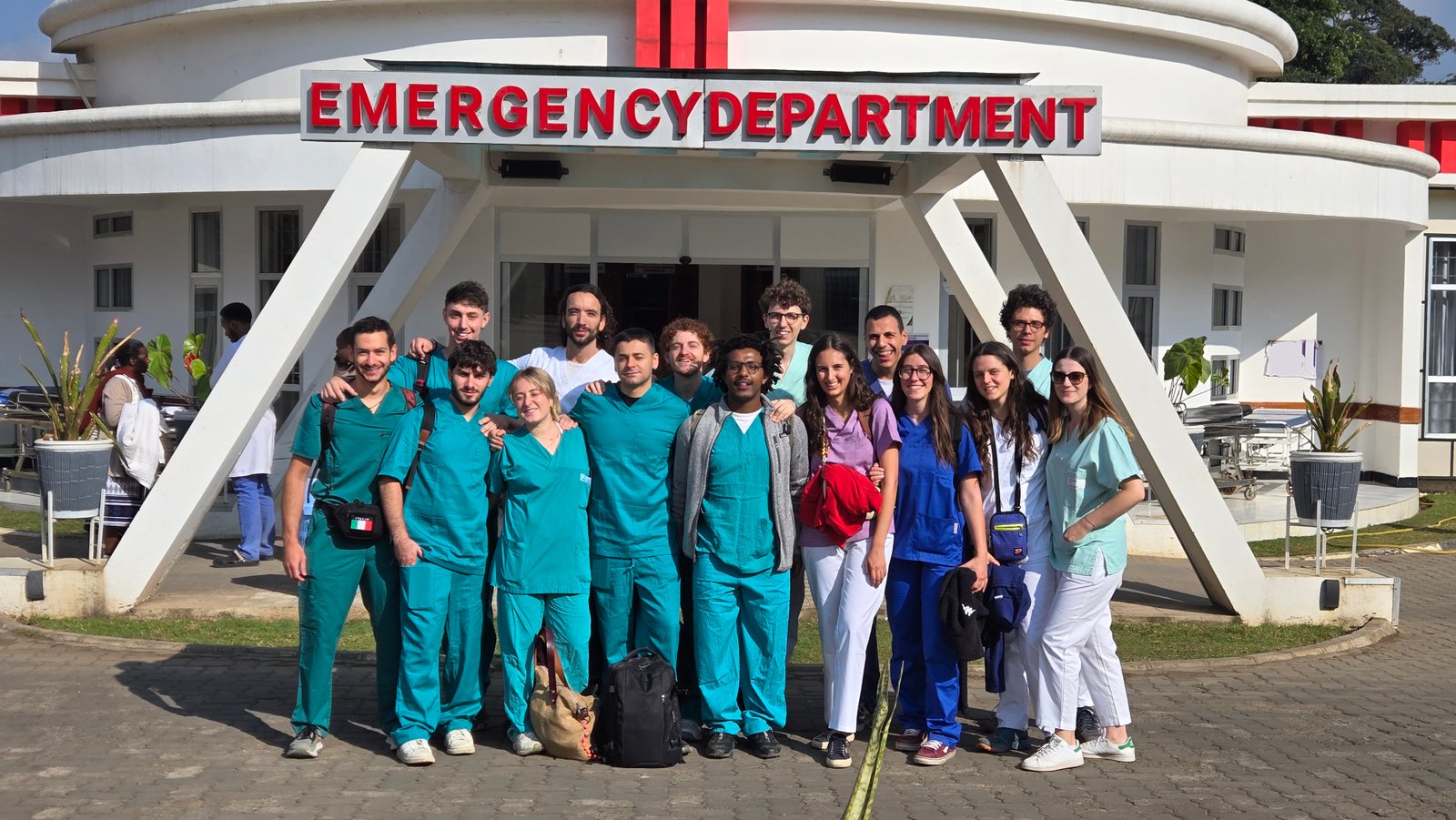
Departments there include outpatients and emergency medicine, internal medicine, the surgical ward, ophthalmology, paediatrics and neonatology, intensive care, theatre, obstetrics and gynaecology, physiotherapy, dental, radiology, pharmacy and the laboratory. This is a sample only — we work with several hospitals in and around Arusha and you may be placed at any of them.
Your role on placement
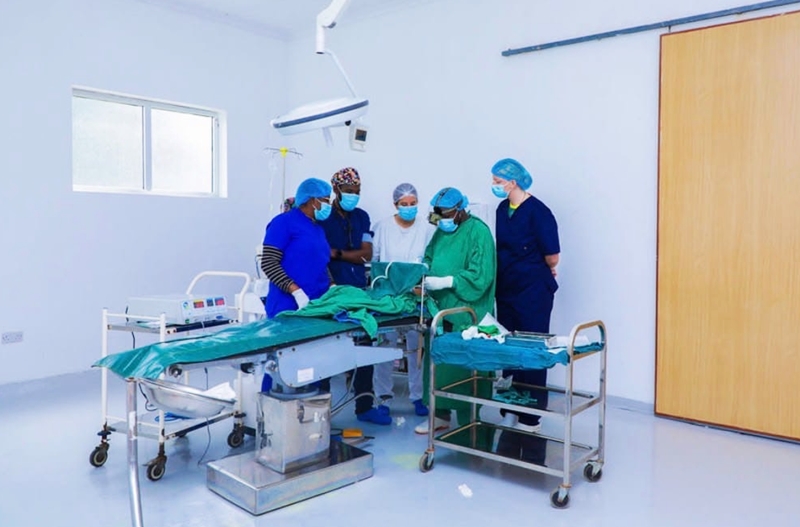
You will be paired with an experienced local supervisor. As a registered professional you will typically be involved in ward rounds, clinics and theatre, and may assist with procedures within your scope of practice and at your supervisor's discretion — wound care, observations, minor procedures and similar. Hands-on involvement is never guaranteed: it depends on your registration, your experience, the supervising clinician's judgement and the patient's consent.
When enough clinicians are on the programme at the same time, the local team also runs community outreach in surrounding villages, providing care to people with little access to health services. Outreach requires a minimum number of participants, so it cannot be guaranteed for any given week.
Ein typischer Tag
A typical week on the programme in Arusha looks like this:
- Sunday — arrival in Arusha
- Monday — orientation with the local coordinator, covering safety, culture, language, food, places to visit and things to do in Tanzania
- Tuesday to Friday — placement at the hospital or clinic
- Weekends — free to explore the city or head out on safari
Daily timings
- Breakfast from 07:30
- At the placement 08:30 to 12:30, then 14:00 to 15:00
- Lunch from 12:30
- Dinner from 18:30
The same pattern continues Monday to Friday from the second week onwards. Timings vary depending on the placement and department you are allocated to.
Leben im Programm
Starttermine
Wöchentliche Starttermine, ganzjährig – wählen Sie eine beliebige Woche innerhalb der nächsten zwei Jahre.
Programmgebühren nach Dauer
Die Preise enthalten Ihre Buchungsanzahlung von €229 – sie wird von Ihrer gesamten Programmgebühr abgezogen. Ihre Anzahlung bleibt ein Jahr gültig, in dem Sie sich für mehrere Programme anmelden können. Bei Kreditkartenzahlungen in USD oder AUD fällt eine internationale Bankgebühr von 5 % an.
| Dauer | Gesamtpreis | |
|---|---|---|
| 1 Woche | €853 | |
| 2 Wochen | €1,071 | |
| 3 Wochen | €1,276 | |
| 4 Wochen | €1,575 | |
| 5 Wochen | €1,893 | |
| 6 Wochen | €2,251 | |
| 7 Wochen | €2,588 | |
| 8 Wochen | €2,927 | |
| Jede weitere Woche | +€340 / Woche |
Richtwertumrechnung – Ihre Buchung wird in der Währung abgerechnet, die Sie beim Bezahlvorgang auswählen.
✓ Wofür Sie bezahlen
- 24-hour assistance and support from our in-country staff
- Comprehensive pre-departure information and support from the Volunteering Solutions team
- Airport pickup from Kilimanjaro or Arusha airport
- Orientation on arrival
- Three meals a day
- Accommodation at the volunteer house
- Assistance booking weekend safaris and other trips
- Medical insurance
- Certificate of participation (on request)
Nicht enthalten
- Airfare
- Visa and work permit fee (work permit charges are payable in country)
- Return airport drop (can be arranged at extra cost)
- Local transport
- Vaccinations
- Weekend safaris and excursions
Unterkunft & Verpflegung
Airport transfer
You will be met at Kilimanjaro International Airport and transferred to your accommodation in Arusha. If you are flying into Nairobi instead, there is a direct shuttle or bus to Arusha and we will collect you from the bus station. Transfers can also be arranged from Arusha Airport, which currently serves domestic flights only, for anyone arriving from Dar es Salaam or Zanzibar.
Accommodation
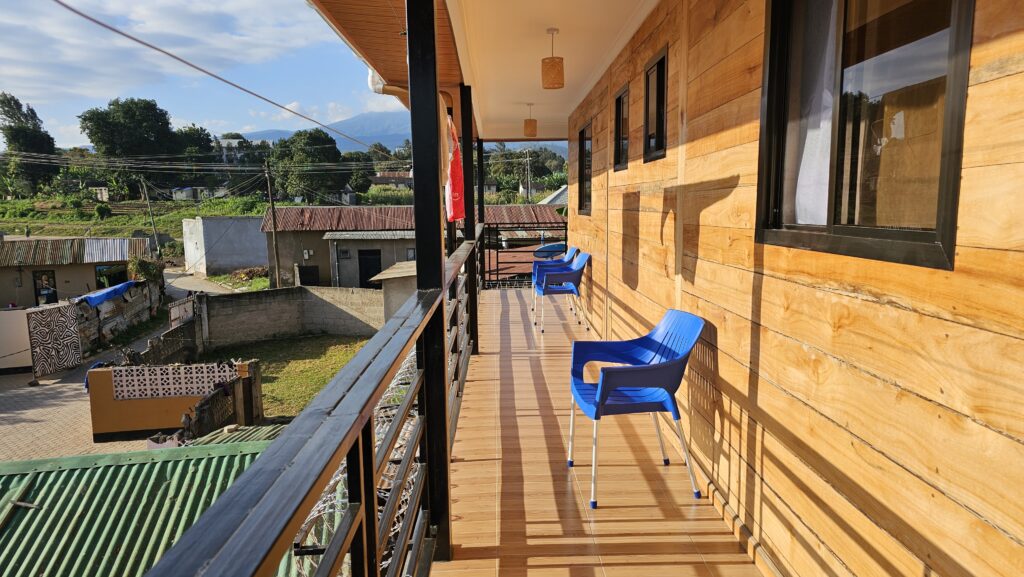
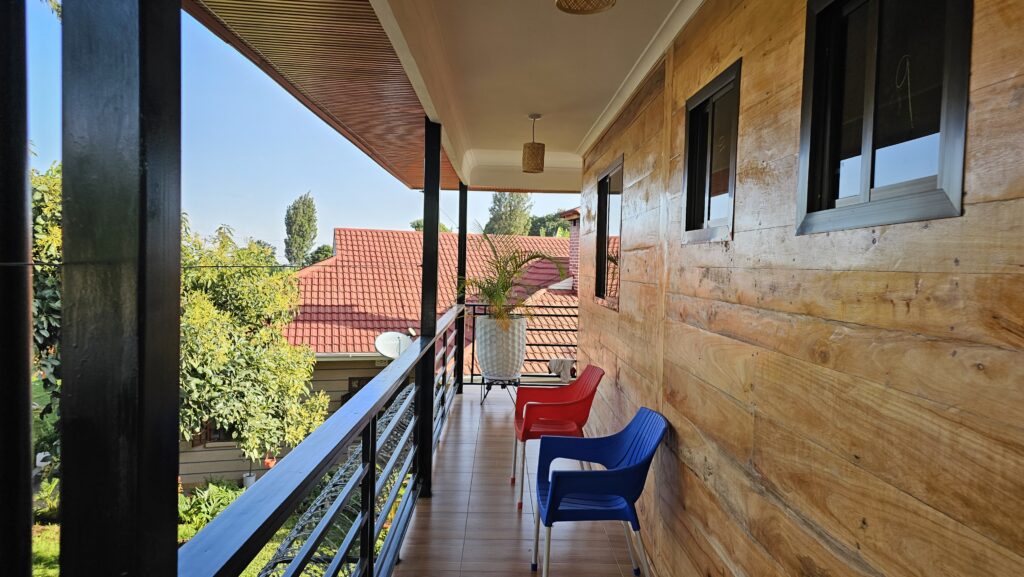
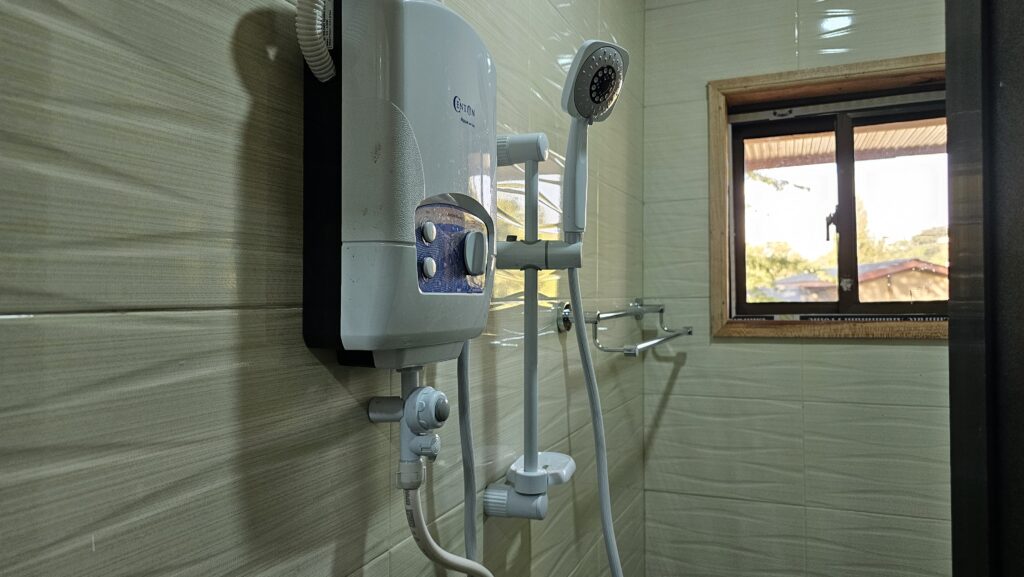
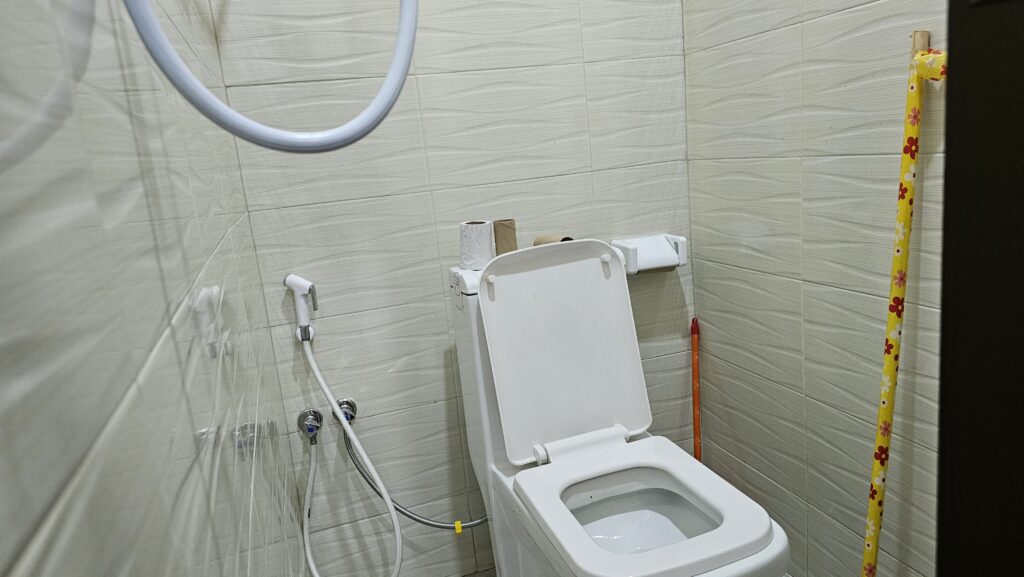
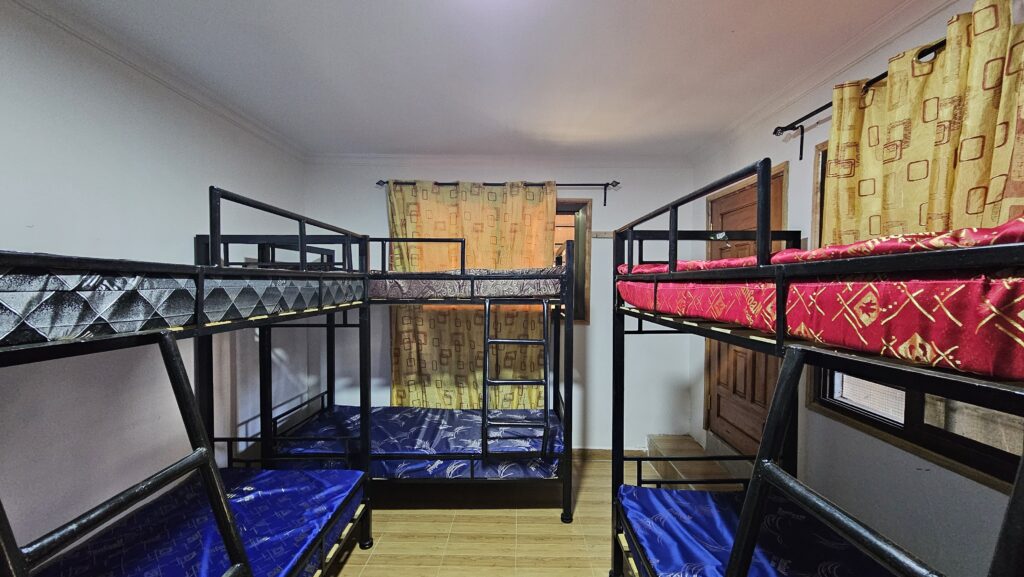
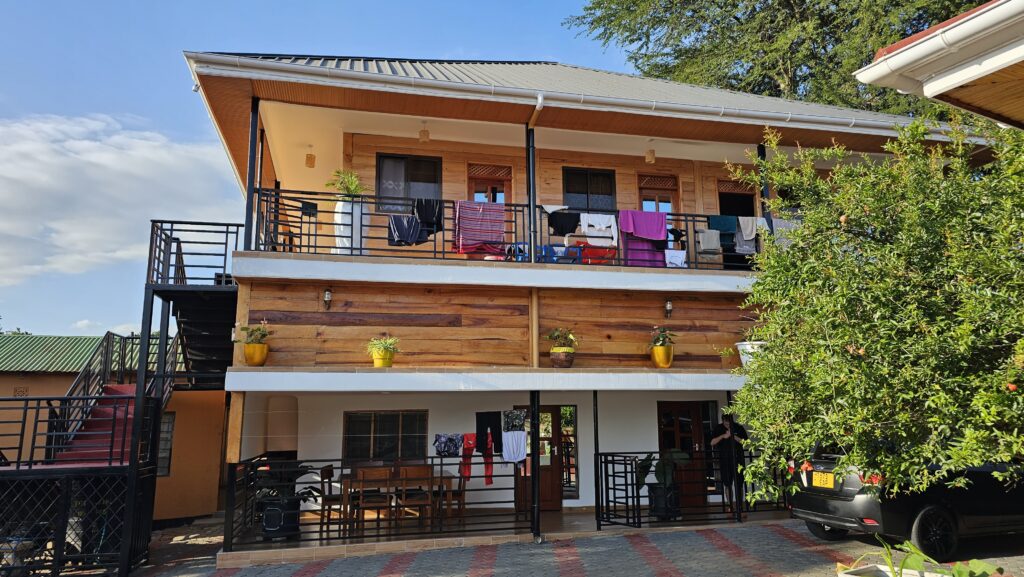
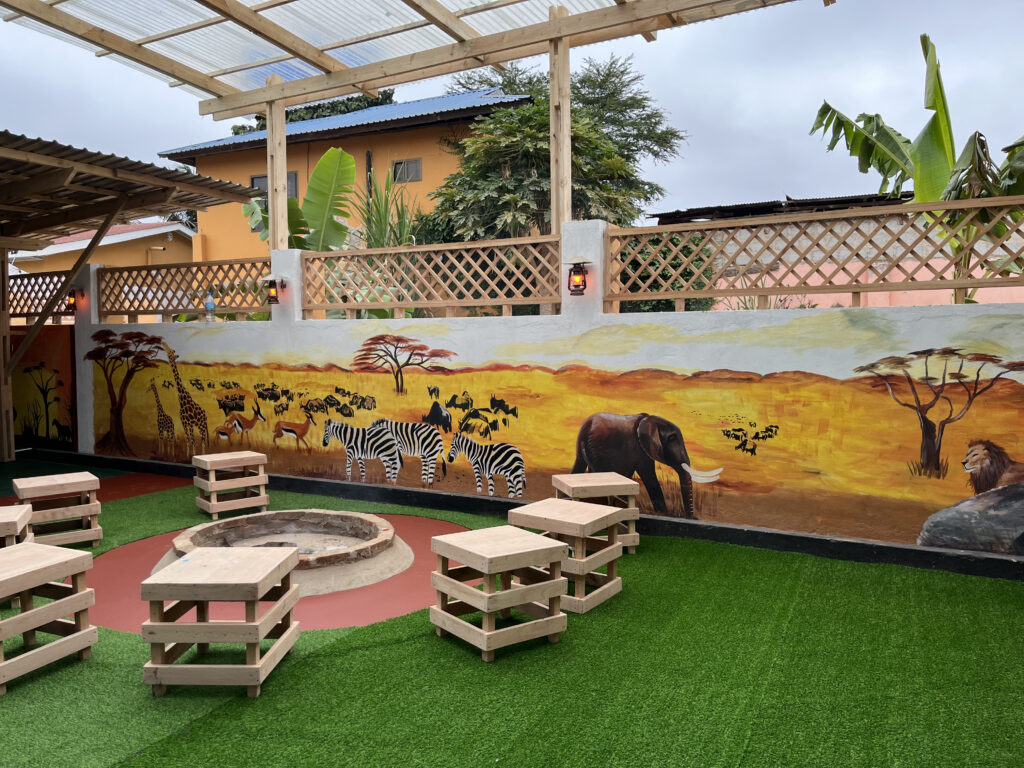
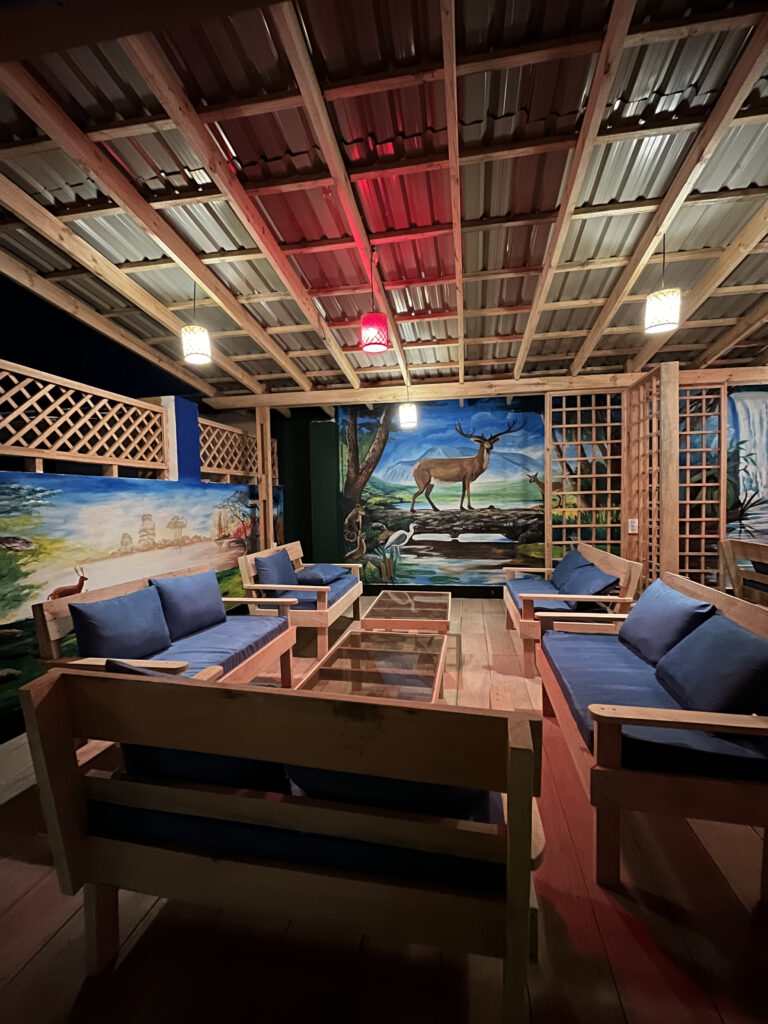
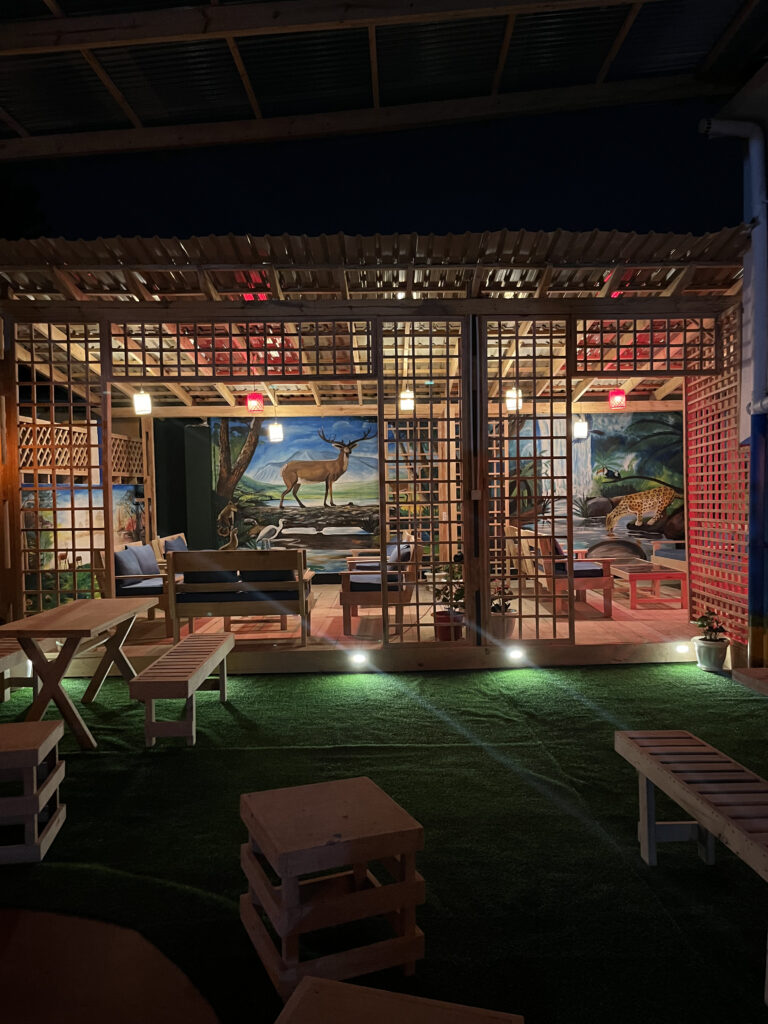
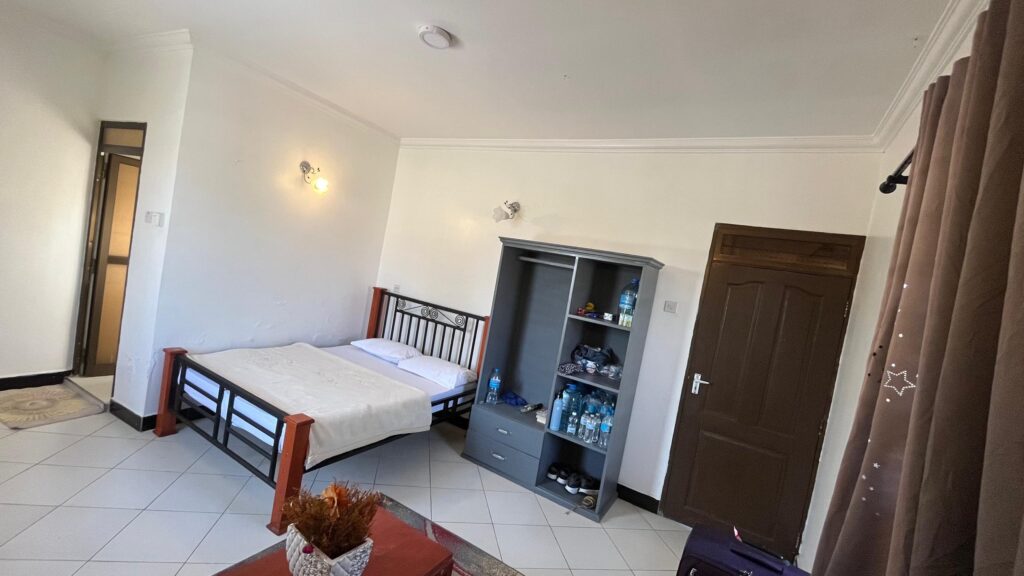
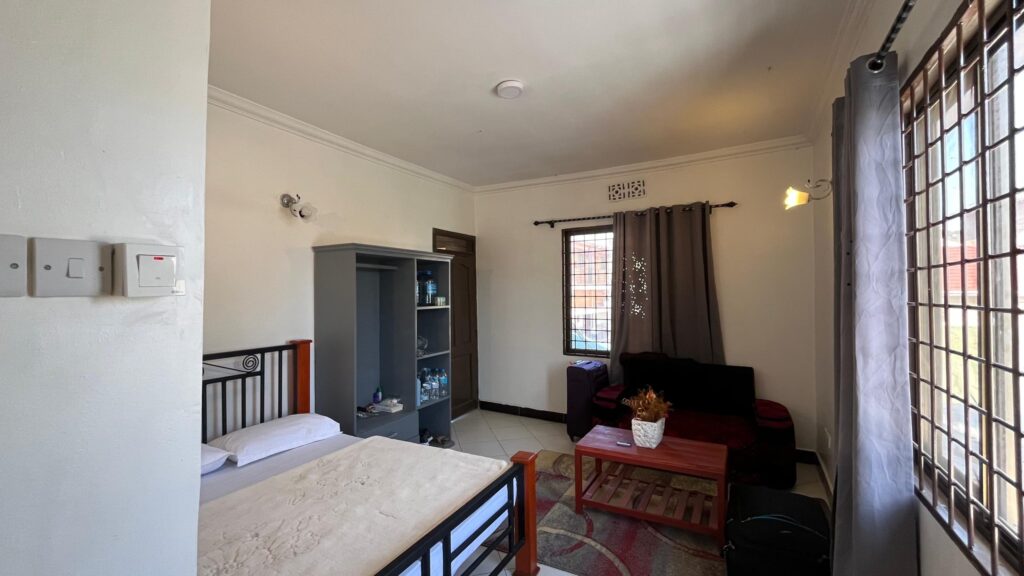
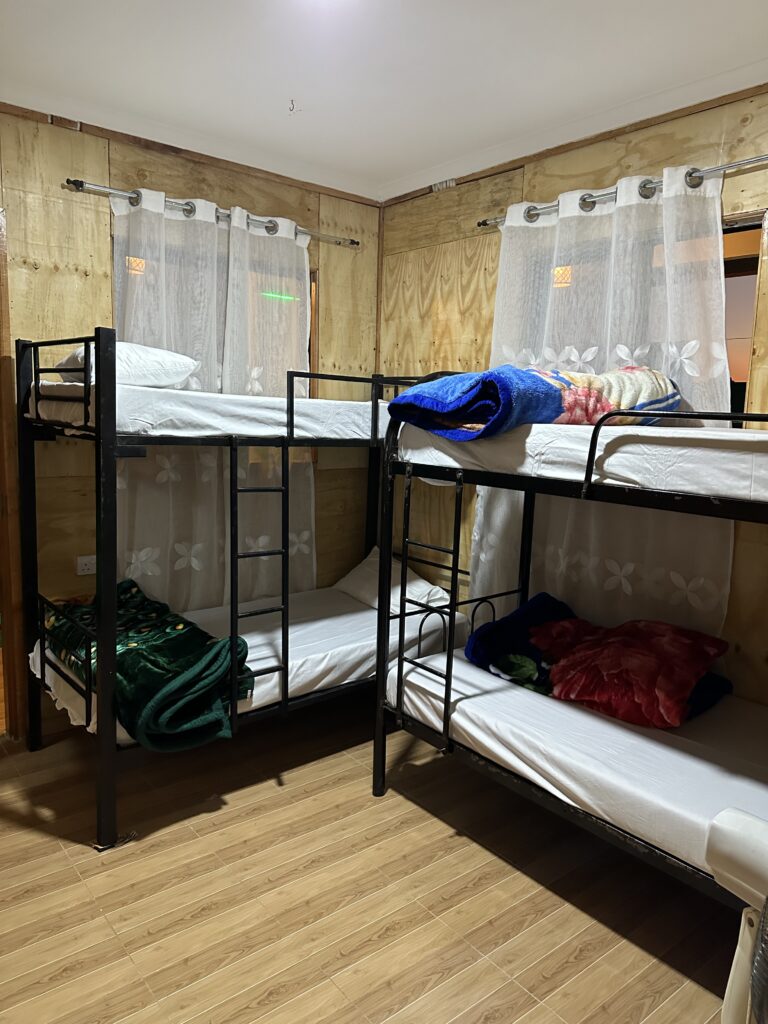
Volunteers stay in a dedicated volunteer house in Arusha, in shared rooms, with private room upgrades available on request at additional cost.
The house has:
- Comfortable shared rooms, with private upgrades available
- A staffed kitchen with freshly prepared meals
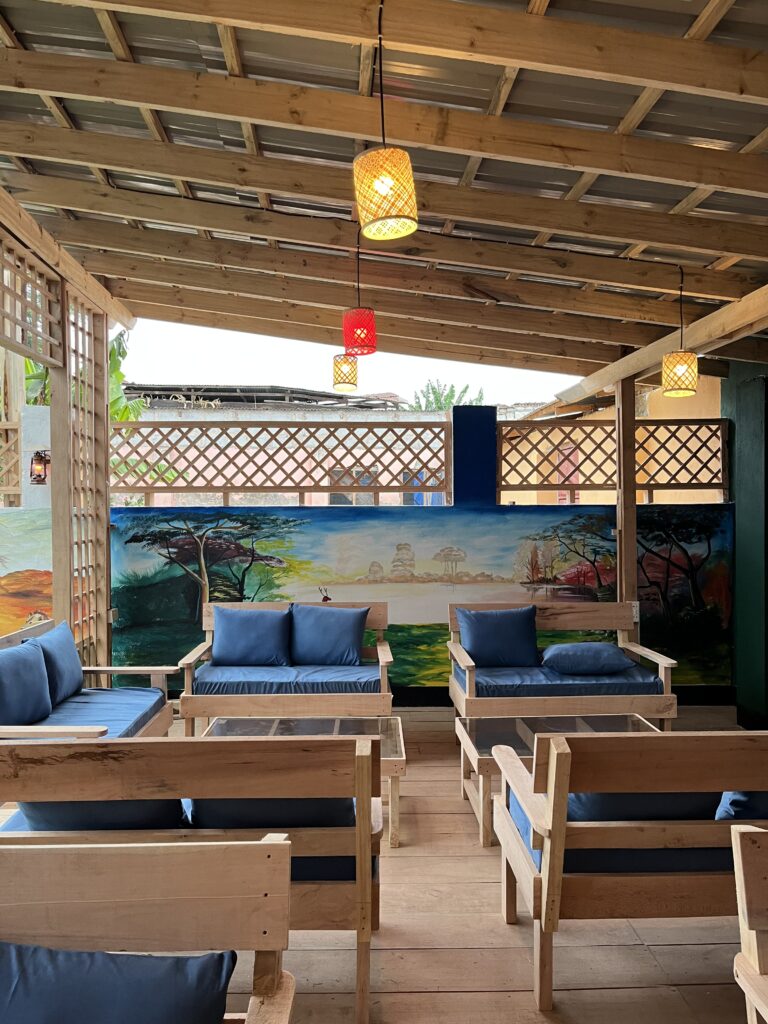
- A spacious common area
- Games including snooker and table tennis
- WiFi throughout
- CCTV and a security guard on duty
It is about 25 minutes on foot from Arusha's clock tower, and can accommodate more than 50 people, so it is a sociable base. Laundry can be done by hand in the washing area, or given to helpers at additional cost.
Orientation
The local coordinator runs a full orientation covering safety, the local area and transport, cultural guidance, and things to see and do in Arusha. Afterwards you will be introduced to your placement and given a guided tour of the town.
Meals
Three meals a day are provided, mixing Western and Tanzanian food. Breakfast is tea or coffee, toast with butter and jam, seasonal fruit and eggs. Lunch and dinner include rice, spaghetti, chapati, mashed potato, chips, salads, Tanzanian stews and fruit. Breakfast and dinner are served at the house; lunch is usually packed to take to your placement, or eaten back at the house if you return earlier.
Your free time
Arusha is the gateway to Tanzania's northern safari circuit. Most volunteers take a safari at some point during their placement — the Serengeti, Ngorongoro Crater, Lake Manyara and Tarangire are all reachable for a weekend. Closer to the city you can visit Maasai villages, the Snake Park, Arusha National Park, Lake Duluti, Chemka Hot Springs and Materuni Waterfalls. Weekend trips are at additional cost.
Von Freiwilligen in Tanzania
Häufig gestellte Fragen
Can I choose which department I work in?
No. The hospital allocates your department based on where they need support while you are there and what your registration and experience allow. We pass on your interests, and over a longer placement most people spend time in more than one area, but we cannot promise a specific ward, speciality or theatre list before you travel.
Do I need to be a qualified doctor or nurse?
Yes. This programme is for fully qualified, currently registered healthcare professionals — doctors, nurses, midwives and clinical officers. You will be asked for proof of registration with your national regulator. Students and pre-med applicants should look at our sister brand Med Trips, which runs student elective programmes.
What do I need to provide before I travel?
Proof of current professional registration, a CV, a copy of your passport and a clean criminal record check. You should also bring your own scrubs or lab coat.
Will I have independent clinical responsibility?
No. You are supernumerary and work under the supervision of local clinicians at all times. What you are able to do hands-on is decided by your supervisor, within your scope of practice and with patient consent.
How long can I stay?
Placements run from 1 to 12 weeks. Longer placements generally give you more variety, as you are more likely to rotate through more than one department.
Vereinbaren Sie einen Termin mit einem Programmberater.
Wir helfen Ihnen gerne – in einem 20-minütigen Einzelgespräch erhalten Sie detaillierte Informationen, Expertenrat und Unterstützung bei der Antragstellung.
Vereinbaren Sie ein kostenloses TreffenWeitere Projekte in Tanzania
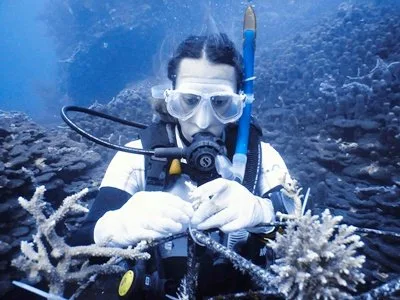
Coral Restoration & Sea Turtle Conservation by Scuba Diving in South Tanzania
Volunteers work in the project in Mikindani Mtwara are involved in all activities performed to restore the coral…
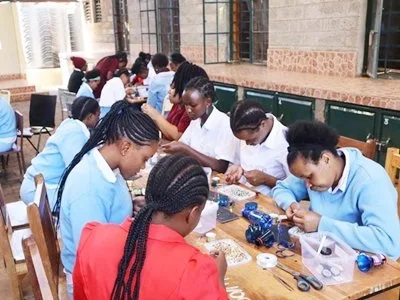
Frauenförderung in Arusha, Tansania
Unterstützen Sie eine lokale Nichtregierungsorganisation bei ihrer großartigen Arbeit, jungen Frauen, die aufgrund einer frühen Schwangerschaft die Schule…
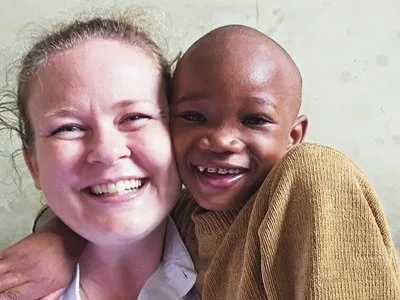
Special Needs Care Volunteer Program in Arusha – Tanzania
Unterstützen Sie Kinder mit Behinderungen wie Zerebralparese, Autismus und Down-Syndrom in einem Förderzentrum in Arusha, Tansania. Freiwillige helfen…