 Español ▾
 Nederlands
 English (US)
 English (UK)
 Deutsch
 Italiano
 Português
 Français
Programa de Voluntariado Médico en Kenia
Prácticas hospitalarias en Nairobi para médicos, enfermeros y matronas cualificados. Trabaje junto a profesionales sanitarios kenianos en hospitales y clínicas de distrito. El alojamiento, las comidas y la asistencia en el país las 24 horas están incluidos.
- Hospital and clinic placements in and around Nairobi, for qualified doctors, nurses and midwives
- Work alongside Kenyan clinicians in Level 3 and Level 4 district hospitals
- Exposure to presentations rarely seen in high-resource systems
- Placements from 1 to 12 weeks, starting most weeks of the year
- Accommodation, breakfast and dinner, airport pickup and orientation included
- 24/7 support from our in-country team in Nairobi
- Weekends free for safari, Nairobi National Park, Karura Forest and the Maasai Market
Who this programme is for
This programme is open to qualified, registered doctors and nurses — and to registered midwives, clinical officers and other licensed healthcare professionals. You will need to be fully qualified and currently registered with your national regulator (the GMC or NMC in the UK, or the equivalent body in your country).
It is not a student elective. If you are a medical, nursing or pre-med student looking for an elective placement, our sister brand Med Trips runs programmes designed specifically for students, with the supervision and sign-off that university placements require.
About the programme
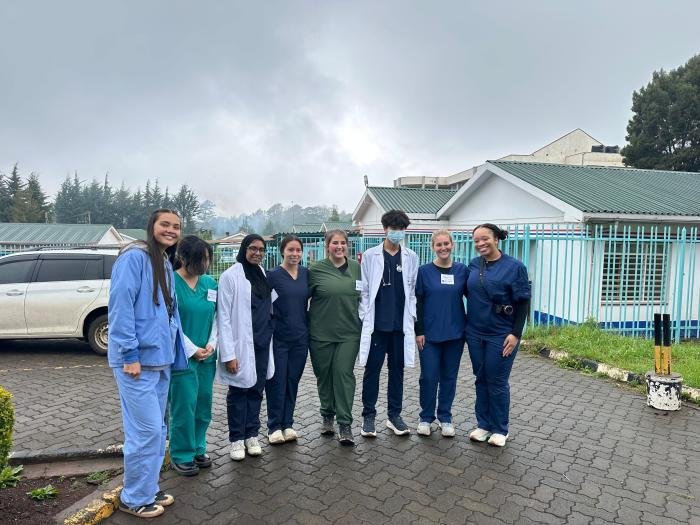
The Medical Volunteer Program in Kenya places qualified clinicians in hospitals and clinics in and around suburban Nairobi. You will work alongside Kenyan doctors, clinical officers and nurses who manage a caseload very different from the one you are used to — often with far fewer resources, and with presentations you may rarely see at home, including advanced infectious disease, late-presenting pathology and trauma.
Most placements are in smaller hospitals and Level 3 and Level 4 district hospitals, some in suburban Nairobi and some serving informal settlements. The work is genuinely useful to the teams you join, and for most volunteers it is also a serious professional experience: seeing how clinical decisions are made when imaging, laboratory turnaround and drug availability cannot be assumed.
How your department is allocated
This is the main thing to understand before you apply: you cannot choose your department in advance. Placements are allocated by the hospital, based on where they need clinical support during the weeks you are there, and on what your registration and experience allow you to do. The clinical leads make that decision on arrival, and rotations between departments are at their discretion.
We will always pass on your areas of interest, and in practice most participants do spend time in more than one department over a longer placement. But we will not promise you a specific ward, speciality or theatre list before you travel, and you should not book this programme expecting one.
Where you will be placed
Your placement is assigned according to availability and logistics at the time you travel. Departments that commonly host volunteers include outpatients, accident & emergency, maternity, obstetrics & gynaecology, general wards, internal medicine, paediatrics, the burns unit, surgery and theatre, the critical care unit, counselling, pharmacy and the laboratory.
Sample placement — Tigoni District Hospital. Tigoni is a Level 4 district hospital in Kiambu West, in the Limuru constituency, with more than 200 beds and cots across inpatient and outpatient departments. Services include antenatal care, caesarean section, immunisation, tuberculosis diagnosis and treatment, family planning, radiology and antiretroviral therapy. Patient numbers vary considerably day to day. This is one example only — you may be placed at another hospital in or around Nairobi.
Transport to and from your placement is not included in the programme fee. Your local coordinator will suggest the most practical options; most volunteers use Uber or Bolt and share the cost, and we suggest budgeting around €5–€7 per day.
Your role on placement
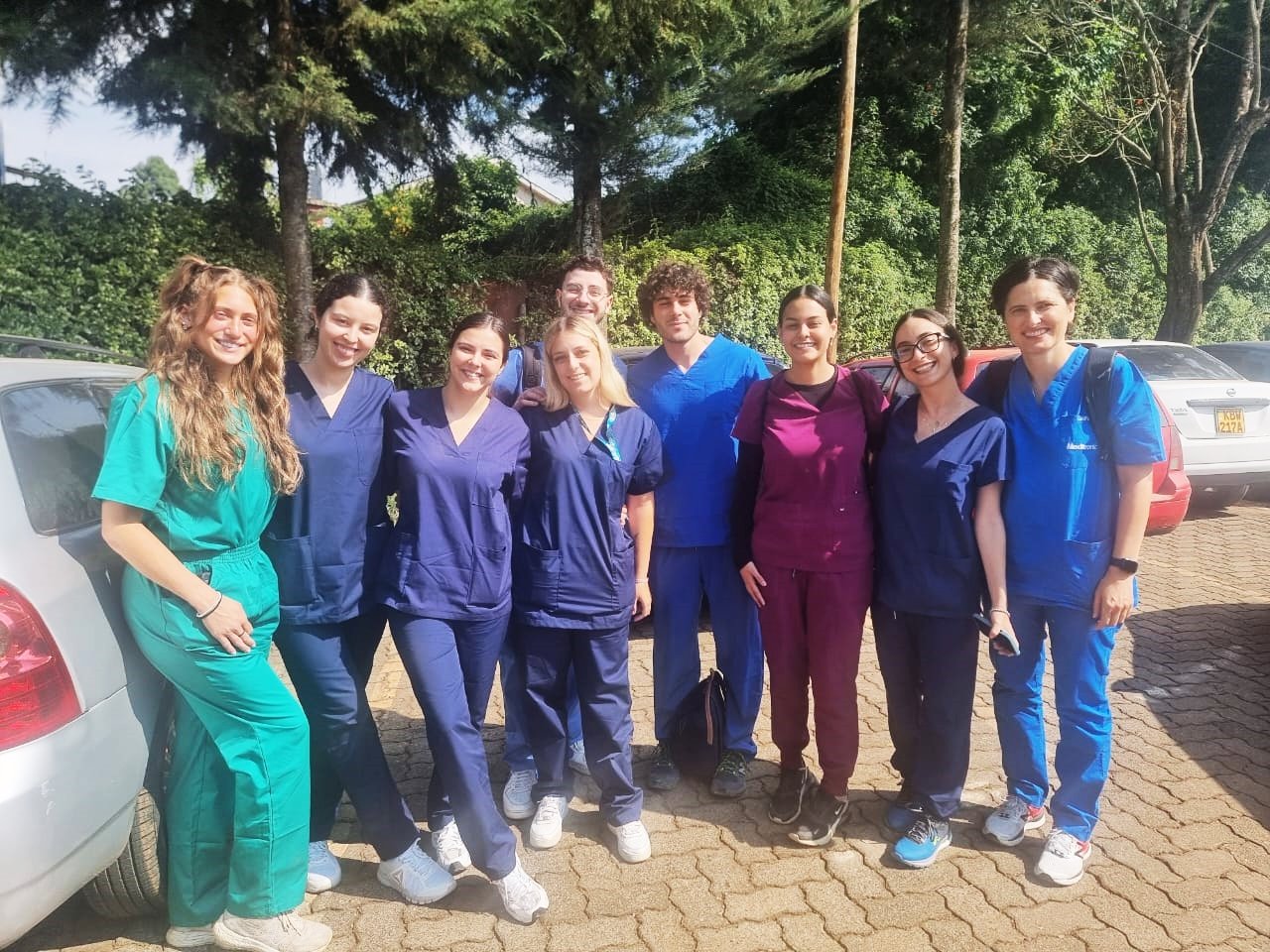
What you do depends on your qualification, your experience and the judgement of the supervising clinician. As a registered professional you will usually be given more responsibility than a student would be, but the hospital still decides what is appropriate, and patient consent applies as it would anywhere. In practice volunteers support ward rounds, clinics and theatre lists, take histories and observations, assist with procedures within their scope of practice, and share knowledge with local colleagues.
You should arrive expecting to work within the local system rather than to change it, and to be supernumerary rather than to hold independent clinical responsibility. Volunteers who get the most from the placement are the ones who are useful, adaptable and willing to learn from staff who do a great deal with very little.
Un día típico
A typical week on the programme in Nairobi looks like this:
- Sunday — arrival in Nairobi and transfer to your accommodation
- Monday — orientation with the local coordinator (safety, culture, language, transport, places to eat and things to do), then an introduction to your placement and the hospital team
- Tuesday to Friday — placement
- Weekends — free
Daily timings
- Breakfast from 07:30 (at the accommodation)
- Leave for the placement around 08:00
- At the placement 09:00 to 16:00
- Lunch 13:00 to 14:00 (not included — most volunteers take a packed lunch or eat near the hospital)
- Dinner from 19:30 (at the accommodation)
The same pattern continues from the second week onwards. Timings vary depending on your final placement and the department you are allocated to.
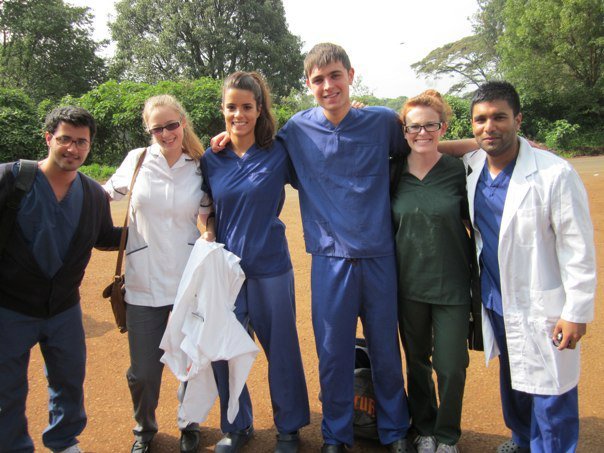
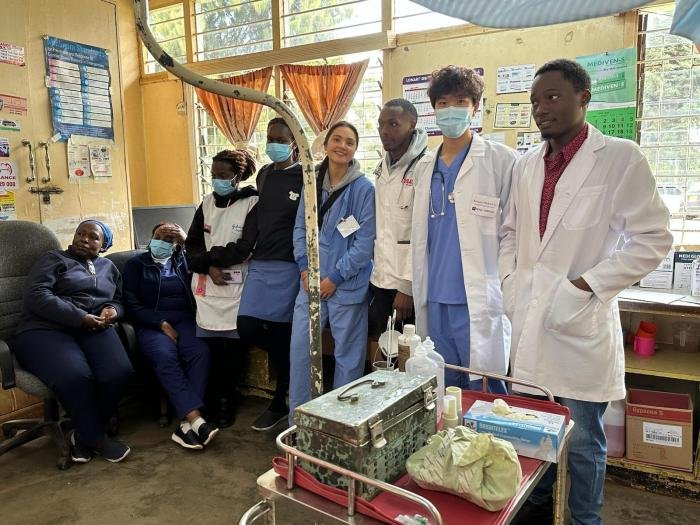
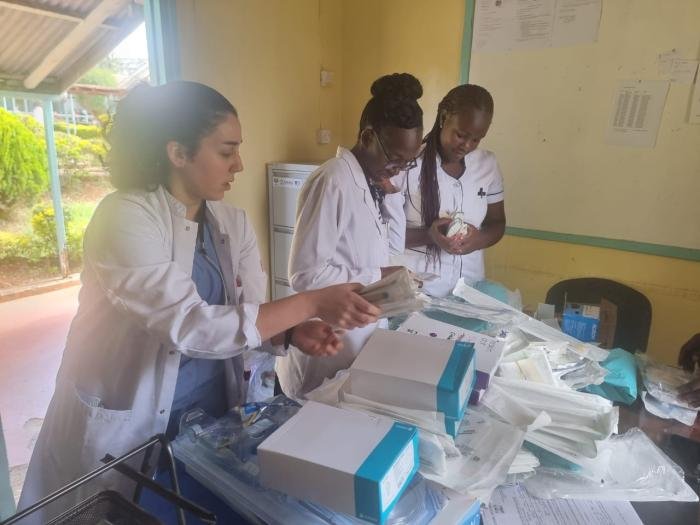
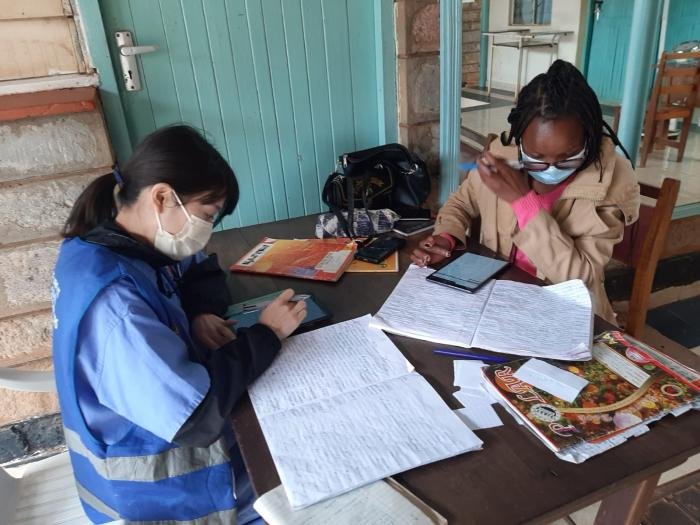
La vida en el programa
Fechas de inicio
Fechas de inicio semanales, durante todo el año: elige cualquier semana de los próximos dos años.
Costos del programa según la duración
Los precios incluyen tu depósito de reserva de €229, que se descuenta del importe total de tu programa. Tu depósito es válido durante un año, en el que puedes inscribirte en varios programas. Se aplica una comisión bancaria internacional del 5% a los pagos con tarjeta de crédito en USD o AUD.
| Duración | Precio total | |
|---|---|---|
| 1 semana | €726 | |
| 2 semanas | €920 | |
| 3 semanas | €1,114 | |
| 4 semanas | €1,308 | |
| 5 semanas | €1,502 | |
| 6 semanas | €1,696 | |
| 7 semanas | €1,890 | |
| 8 semanas | €2,084 | |
| Cada semana adicional | +€194 / semana |
Conversión indicativa: el cargo a su reserva se realizará en la moneda que seleccione al finalizar la compra.
✓ Lo que estás pagando
- 24-hour assistance and support from our in-country staff
- Comprehensive pre-departure information and support from the Volunteering Solutions team
- Airport pickup from Nairobi airport
- Orientation on arrival
- Two meals a day on weekdays, three at weekends
- Accommodation for the duration of your placement
- Assistance booking weekend safaris and other trips
- Medical insurance
- Certificate of participation (on request)
No incluido
- Airfare
- Lunch on weekdays
- Visa fee
- Return airport drop (can be arranged at extra cost)
- Local transport to and from your placement (budget around €5–€7 per day)
- Vaccinations
- Weekend safaris and excursions
Alojamiento y comidas
Airport transfer
You will be met at Jomo Kenyatta International Airport in Nairobi by the local coordinator or a representative. If you are arriving overland or are already in Kenya, we will arrange a meeting point in Nairobi beforehand. Nairobi is a major East African hub with good international connections.
Accommodation
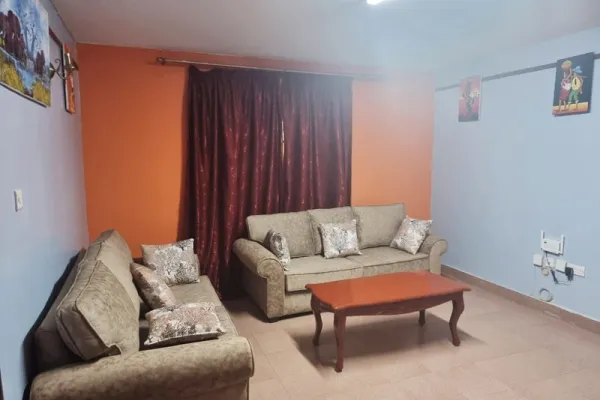
Volunteers stay in the Lower Kabete area of Nairobi, about 20–25 minutes from Westlands and Parklands (good restaurants and shopping) and around 30 minutes by car from the city centre.
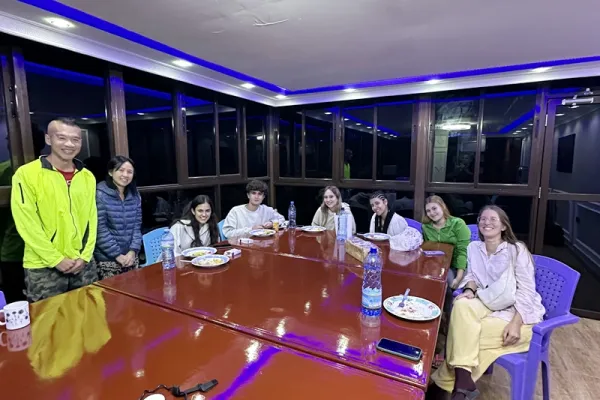
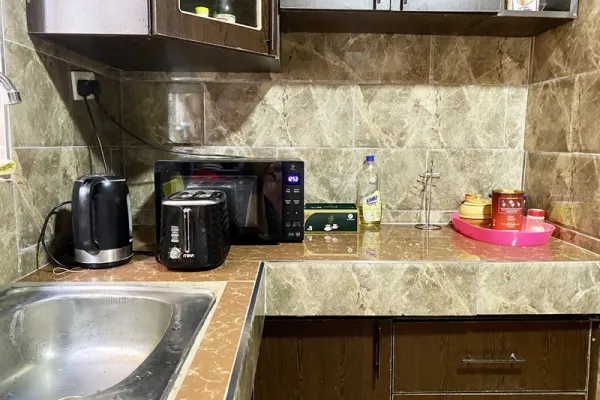
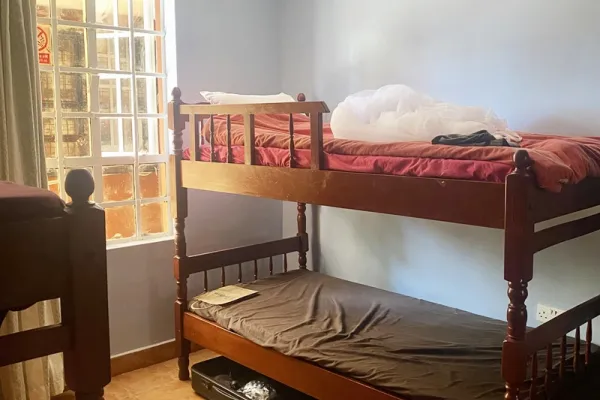
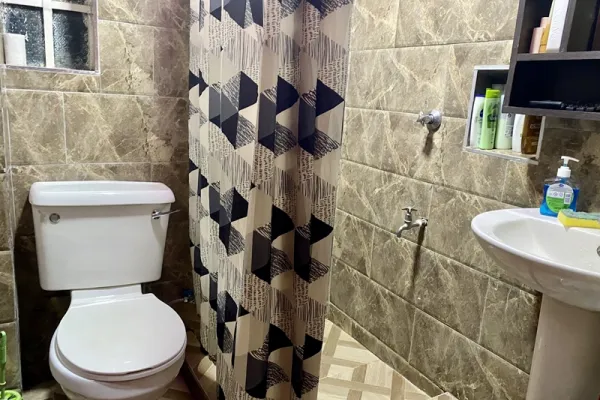
Accommodation is in a gated apartment complex, where we use four or five apartments across different floors. Rooms are shared, usually four people to a room in bunk beds. Private rooms are available in the same complex on request at additional cost — something a number of our qualified volunteers prefer.
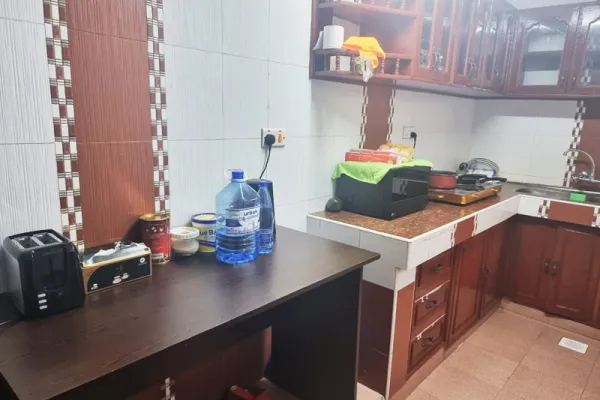
Facilities include hot showers, a microwave, induction hob, refrigerator and WiFi. There is no air conditioning, which Nairobi's climate does not really require. Bottled water is bought locally from a market within walking distance. For laundry, most volunteers hand wash or use a laundromat a short walk from the apartments.
Orientation
Your local coordinator runs an orientation in Nairobi covering safety, the area, your placement, transport and weekend travel. On the same day they will show you the nearest market, help you change money and get a local SIM card.
Meals
Two meals a day are provided on weekdays (breakfast and dinner) and three at weekends. Breakfast supplies — bread, eggs, butter, fruit, tea and coffee — are provided for you to prepare yourself.
Lunch is not included. Most volunteers take a packed sandwich or fruit to the placement, or eat at or near the hospital. Dinner is cooked at the house and typically includes lentils, chapatis, mandazi, spaghetti, pilau, chips, githeri and fruit. Tell the coordinators about any allergies or dietary requirements and they will accommodate them.
Getting around
Most volunteers use Uber or Bolt to reach their placement and to get around Nairobi.
Your free time
Most volunteers go on safari at the weekend — usually a two-day or extended three-day trip. In the city there is plenty to see: the Maasai Market, Bomas of Kenya, the Giraffe Centre, the elephant sanctuary and Karura Forest. Further afield you can cycle in Hell's Gate National Park at Naivasha (1.5 hours), climb Mount Longonot (1.5 hours), visit Thomson's Falls (3 hours) or head to the coast at Mombasa. We can also arrange group safaris to the Maasai Mara, Amboseli, Lake Nakuru and Nairobi National Park. Weekend trips are at additional cost.
De voluntarios en Kenya
Preguntas frecuentes
Can I choose which department I work in?
No. The hospital allocates your department based on where they need support while you are there and what your registration and experience allow. We pass on your interests, and over a longer placement most people spend time in more than one area, but we cannot promise a specific ward, speciality or theatre list before you travel.
Do I need to be a qualified doctor or nurse?
Yes. This programme is for fully qualified, currently registered healthcare professionals — doctors, nurses, midwives and clinical officers. You will be asked for proof of registration with your national regulator. Students and pre-med applicants should look at our sister brand Med Trips, which runs student elective programmes.
What do I need to provide before I travel?
Proof of current professional registration, a CV, a copy of your passport and a clean criminal record check. You should also bring your own scrubs or lab coat.
Will I have independent clinical responsibility?
No. You are supernumerary and work under the supervision of local clinicians at all times. What you are able to do hands-on is decided by your supervisor, within your scope of practice and with patient consent.
How long can I stay?
Placements run from 1 to 12 weeks. Longer placements generally give you more variety, as you are more likely to rotate through more than one department.
Programe una reunión con un asesor del programa.
Estamos aquí para ayudarle: una consulta individual de 20 minutos con información detallada, asesoramiento de expertos y orientación para la solicitud.
Reserva una reunión gratuitaMás proyectos en Kenya
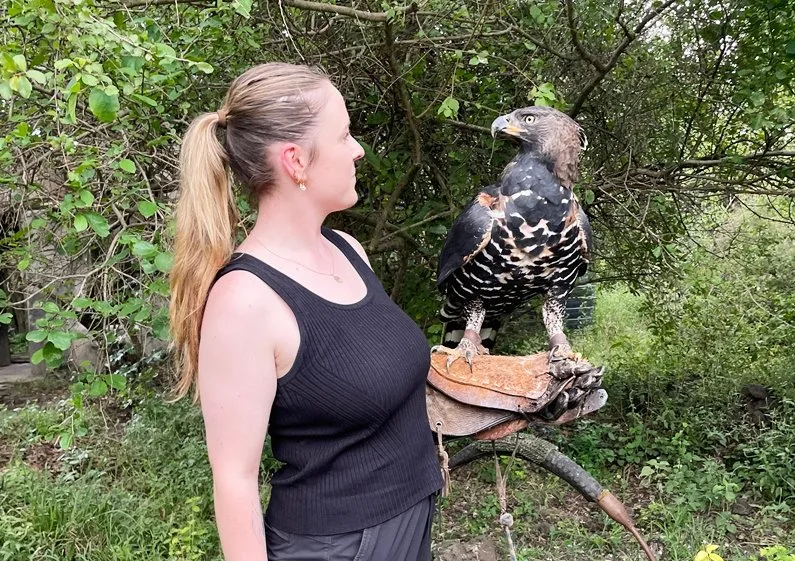
Programa de Conservación y Rehabilitación de Aves Rapaces de Kenia
Trabaja directamente con majestuosas aves rapaces en el Valle del Rift de Kenia, apoyando esfuerzos reales de rescate,…
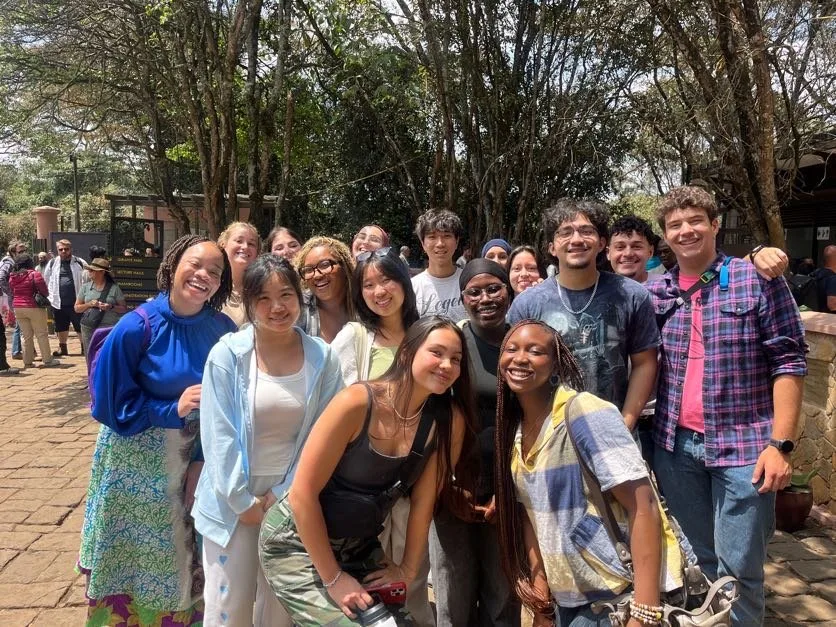
Programa especial de voluntariado de 1 semana en Kenia
¡Únete como voluntario al Programa Especial de Voluntariado de 1 Semana en Kenia, trabaja en la ciudad de…

Programa especial de voluntariado de 2 semanas en Kenia
El programa especial de voluntariado de dos semanas en Kenia permite a los voluntarios cuidar niños en una…