 Deutsch ▾
 Nederlands
 English (US)
 English (UK)
 Italiano
 Português
 Español
Frauenförderung in San Ramon de Alajuela
Schließen Sie sich dem Frauenförderungsprogramm von Volunteering Solutions in Costa Rica an und unterstützen Sie eine lebensverändernde Initiative, die benachteiligte Frauen durch Bildung, emotionales Wohlbefinden und Kompetenzentwicklung fördert. Freiwillige spielen eine Schlüsselrolle dabei, Frauen zu mehr Selbstvertrauen zu verhelfen, ihnen einkommensschaffende Fähigkeiten zu vermitteln und sie auf dem Weg zu langfristiger finanzieller Unabhängigkeit zu begleiten.
Das von Volunteering Solutions angebotene Frauenförderungsprogramm in Costa Rica ist eine gemeinschaftsorientierte Initiative zur Unterstützung von Frauen, die soziale, wirtschaftliche und persönliche Herausforderungen bewältigen müssen. Geschlechterungleichheit und eingeschränkter Zugang zu Bildung und Beschäftigungsmöglichkeiten beeinträchtigen weiterhin viele Frauen in ganz Lateinamerika, weshalb Maßnahmen zur Stärkung von Frauen von entscheidender Bedeutung sind.
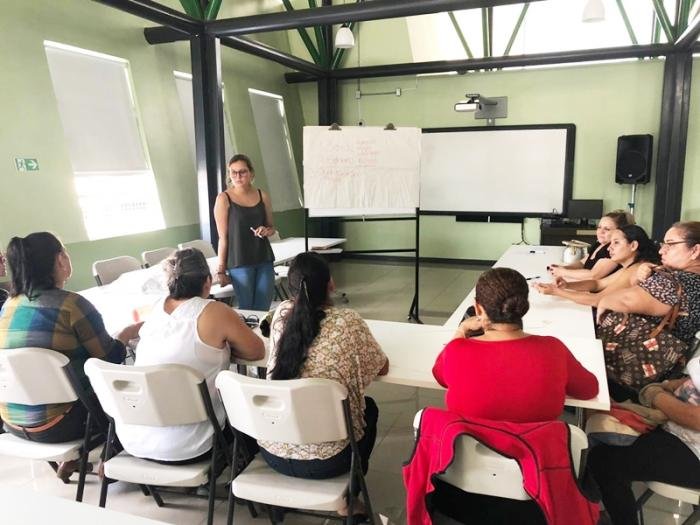
Dieses Programm soll Frauen durch eine Kombination aus Bildungsangeboten, psychologischer Unterstützung und beruflicher Weiterbildung dabei helfen, Selbstvertrauen, praktische Fähigkeiten und emotionale Stärke aufzubauen. Ein besonderer Schwerpunkt liegt auf einkommensschaffenden Maßnahmen, Unternehmertum und Finanzbildung, um den Teilnehmerinnen den Weg zu wirtschaftlicher Unabhängigkeit und einem nachhaltigen Lebensunterhalt zu ebnen.
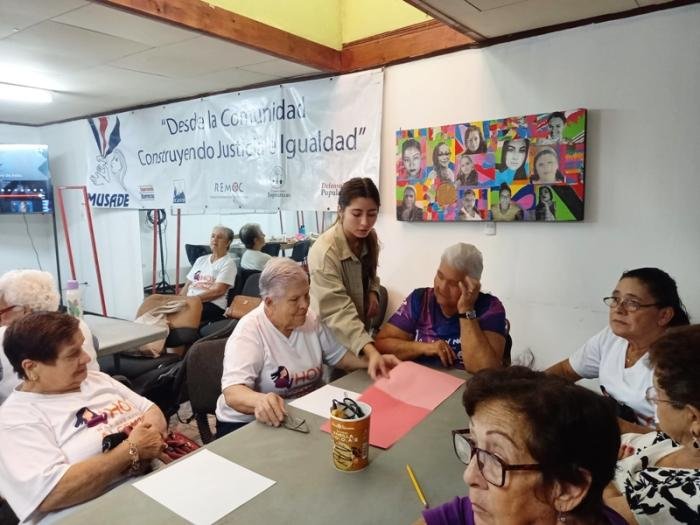
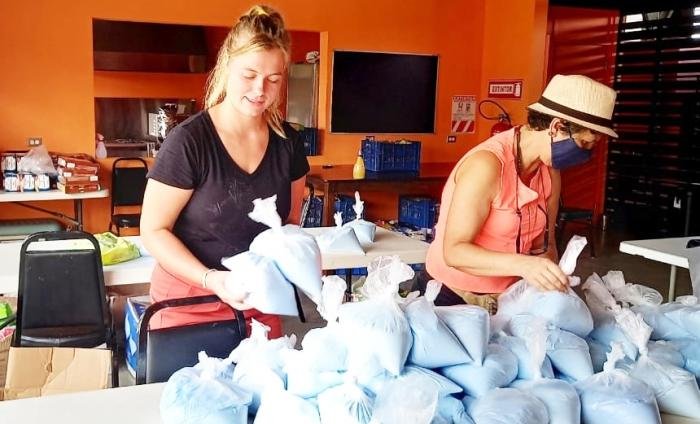
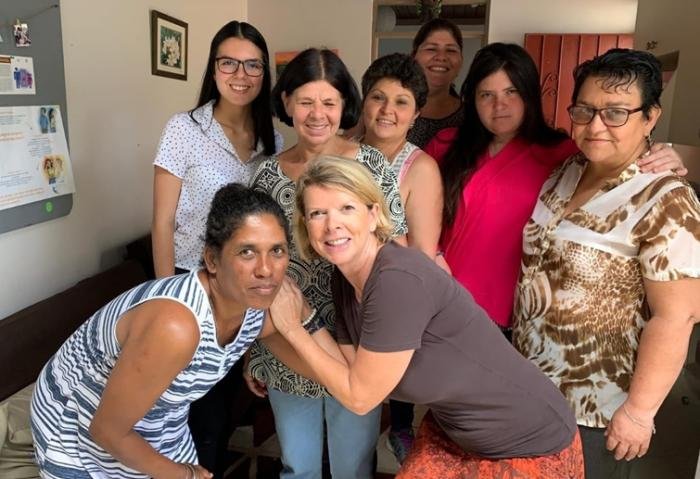
Ehrenamtliche arbeiten eng mit lokalen Mitarbeitern und Partnerorganisationen zusammen, um Workshops durchzuführen, Mentoring anzubieten und die täglichen Programmaktivitäten zu unterstützen. Durch ihren Einsatz, ihre Fähigkeiten und ihre Begeisterung tragen sie dazu bei, ein sicheres und unterstützendes Umfeld zu schaffen, in dem Frauen die nötigen Kompetenzen entwickeln können, um ihre Lebensqualität zu verbessern und ihre Rolle in ihren Familien und Gemeinschaften zu stärken.
Die Programmplätze befinden sich in und um San Ramon de Alajuela.
Ehrenamtliche Aufgaben und Verantwortlichkeiten
Die Aufgaben von Freiwilligen können je nach individuellen Fähigkeiten, Erfahrungen und den Bedürfnissen des Programms variieren. Typische Aufgaben umfassen:
Bildungs- und Kompetenzentwicklungsförderung
-
Mitarbeit in Workshops mit Schwerpunkt auf Lebenskompetenzen, Selbstentwicklung und beruflicher Ausbildung
-
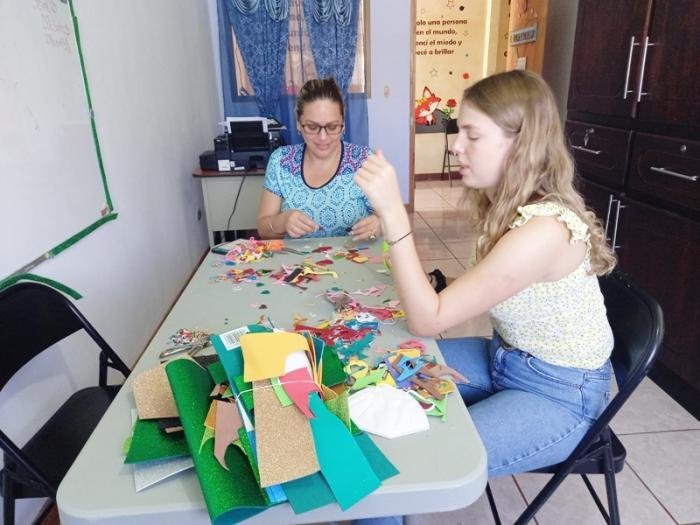
Unterstützung einkommensschaffender Aktivitäten wie Kunsthandwerk, Kleinunternehmensinitiativen oder qualifikationsbasierter Schulungen
-
Unterstützung der Teilnehmer bei der Verbesserung ihrer Organisations-, Kommunikations- und Zeitmanagementfähigkeiten
Psychologische und emotionale Unterstützung
-
Aktivitäten zur Förderung des Selbstwertgefühls und des Selbstvertrauens
-
Ermutigung und empathisches Zuhören in einem sicheren und respektvollen Umfeld anbieten.
-
Qualifizierte Freiwillige können unter Aufsicht bei psychologischen Unterstützungssitzungen mitwirken.
Finanzbildung und Unternehmertum
-
Vermittlung grundlegender Finanzkompetenz, Budgetplanung und Fähigkeiten im Umgang mit Geld
-
Unterstützung bei der Unternehmensberatung und der Entwicklung kleiner einkommensgenerierender Projekte
-
Wir helfen Frauen, verantwortungsvolle Finanzplanung und langfristige finanzielle Sicherheit zu verstehen.
Marketing- und Öffentlichkeitsarbeit
-
Unterstützung bei Marketing und Werbung für Produkte, die von Programmteilnehmern entwickelt wurden.
-
Unterstützung von Initiativen im Bereich digitales Marketing, einschließlich Social Media und Online-Marketing
-
Beitrag zur Steigerung der Sichtbarkeit und des Bewusstseins für die Initiative zur Stärkung der Rolle der Frau innerhalb der lokalen Gemeinschaft
Durch ihr Engagement helfen die Freiwilligen von Volunteering Solutions Frauen, Selbstvertrauen aufzubauen, finanzielle Unabhängigkeit zu erlangen und nachhaltige positive Veränderungen in ihrem Leben und ihren Gemeinschaften zu bewirken.
Anforderungen und Teilnahmeberechtigung
Freiwillige müssen mindestens 18 Jahre alt sein und ein echtes Interesse an Frauenförderung, Gemeindeentwicklung, Bildung oder Sozialarbeit haben. Grundlegende Spanischkenntnisse sind erforderlich oder die Bereitschaft, vor dem Einsatz einen Spanischkurs zu besuchen, um eine effektive Kommunikation innerhalb der Gemeinde zu gewährleisten. Freiwillige sollten mitfühlend, geduldig und aufgeschlossen sein, sich an das lokale Arbeitsumfeld anpassen und kulturelle Unterschiede respektieren können. Die Bereitschaft, die Programmrichtlinien zu befolgen und mit den lokalen Mitarbeitern und anderen Freiwilligen zusammenzuarbeiten, ist für eine erfolgreiche und bereichernde Erfahrung unerlässlich. Freiwillige mit einer Ausbildung in Psychologie oder Sozialarbeit sind in diesem Projekt besonders willkommen. Alle Freiwilligen müssen ein einwandfreies polizeiliches Führungszeugnis vorlegen.
Unterkunft und Verpflegung
Flughafentransfer
Freiwillige werden am geplanten Anreisetag vom internationalen Flughafen San Jose oder von Hotels in unmittelbarer Nähe des Flughafens abgeholt. Die Flughafenabholung erfolgt ausschließlich zwischen 8:00 und 22:00 Uhr. Bitte beachten Sie, dass Sie bei einer späteren Ankunft (geplant oder verspätet) nach 22:00 Uhr gegebenenfalls die Kosten für ein Hostel/Hotel für die erste Nacht selbst tragen müssen. Sollte ein Teilnehmer an den festgelegten Terminen verhindert sein, wird eine zusätzliche Gebühr von 75 US-Dollar für den zusätzlichen Transport und die private Einweisung erhoben.
Unterkunft
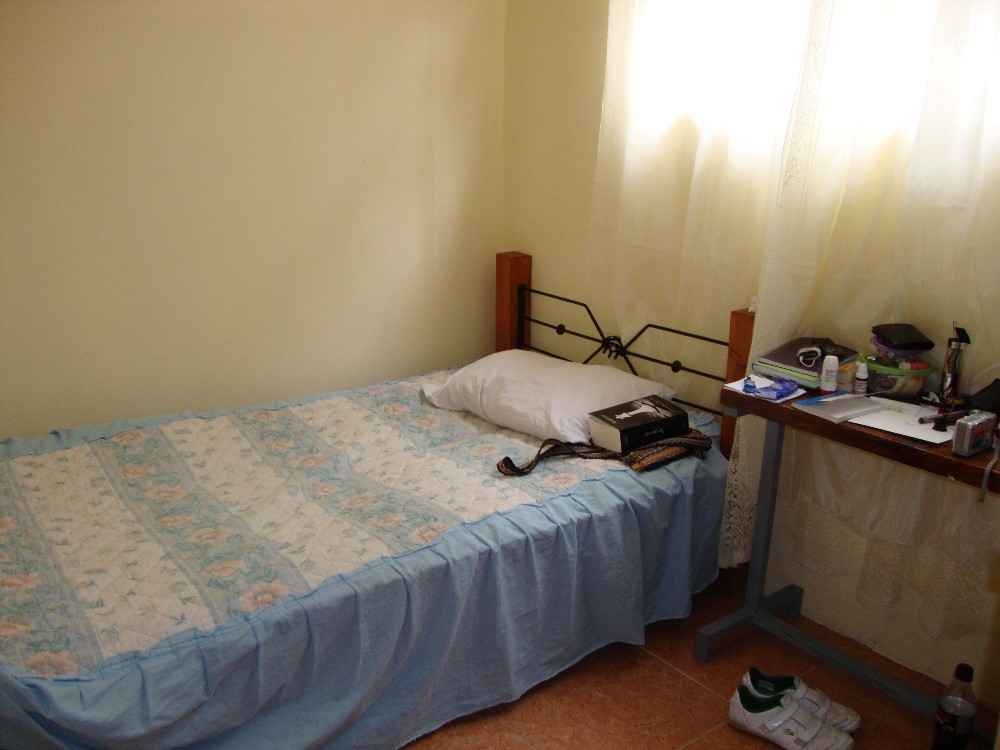
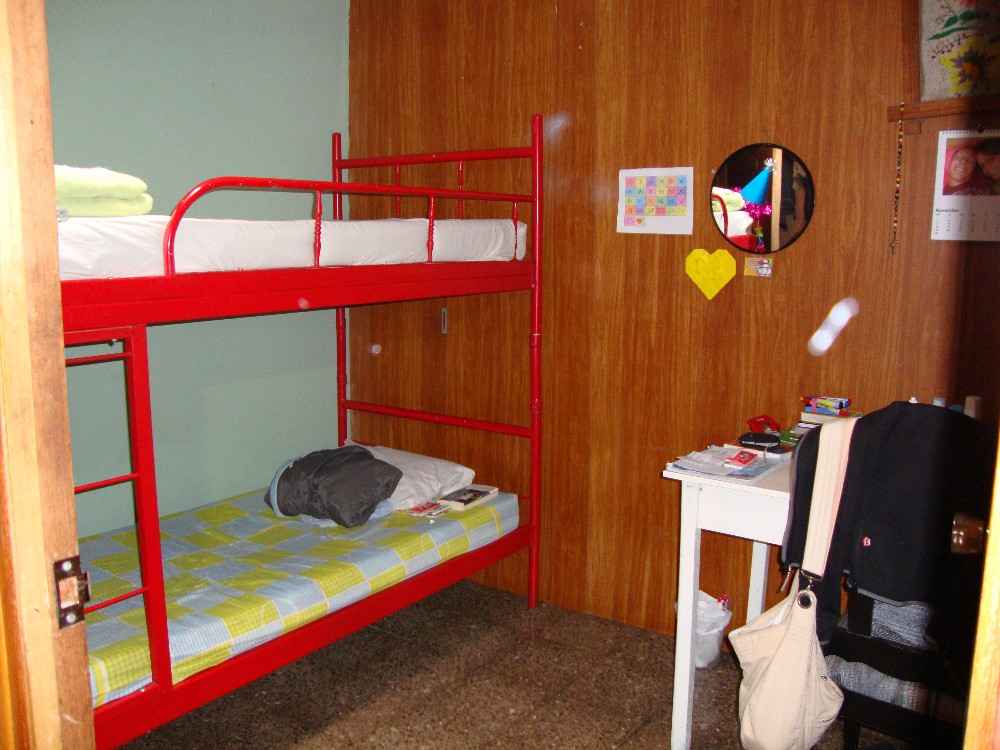
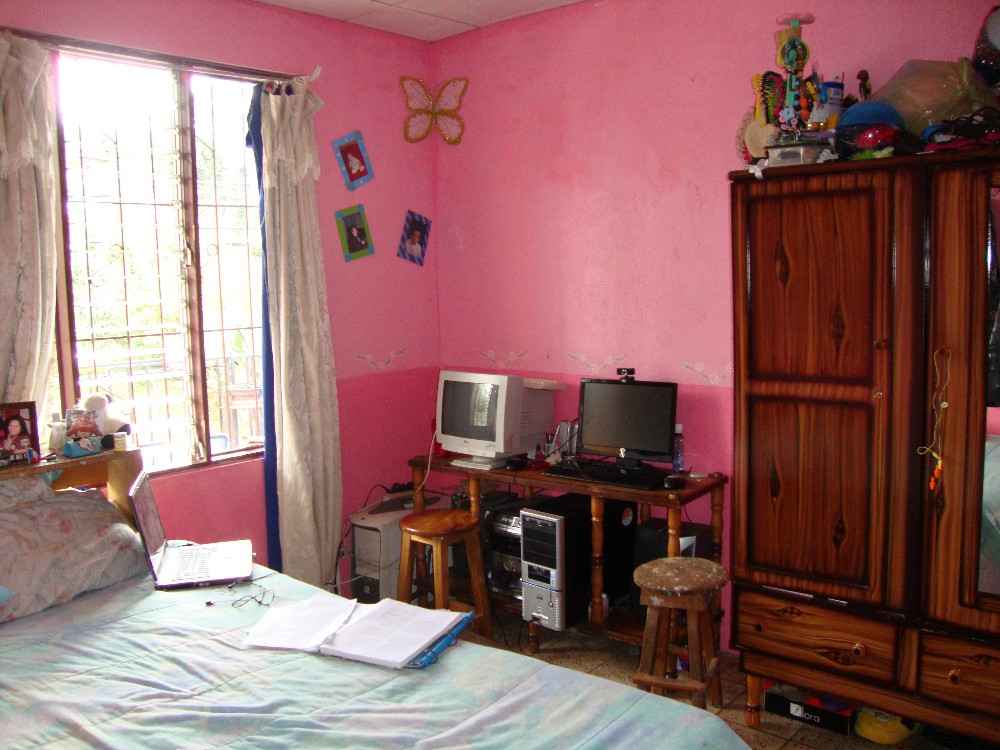
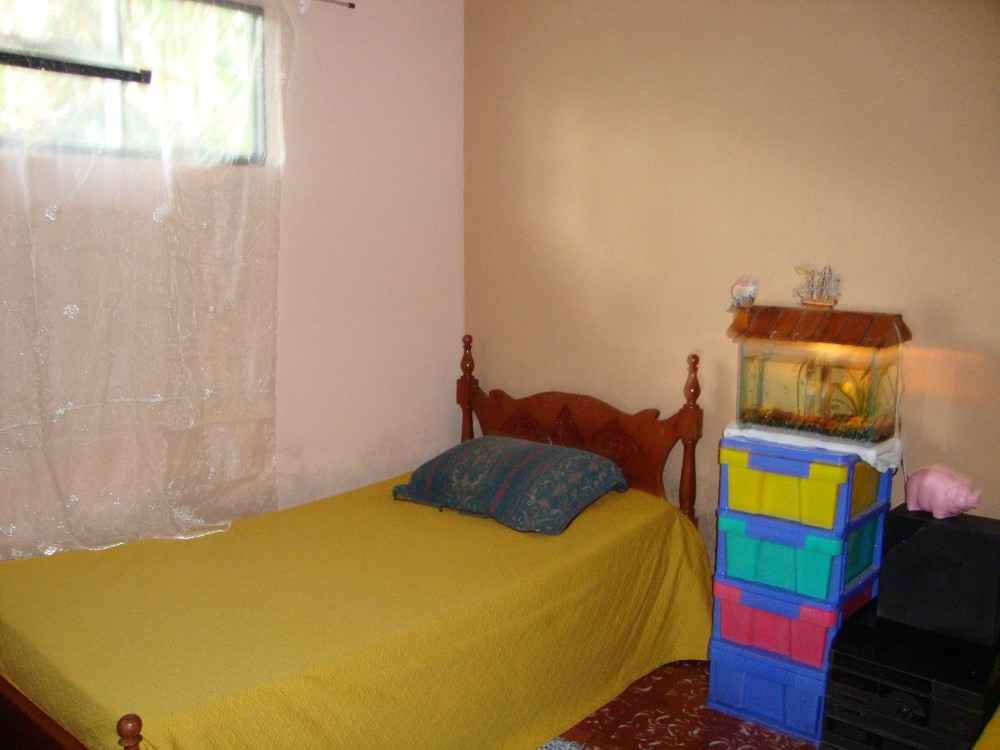
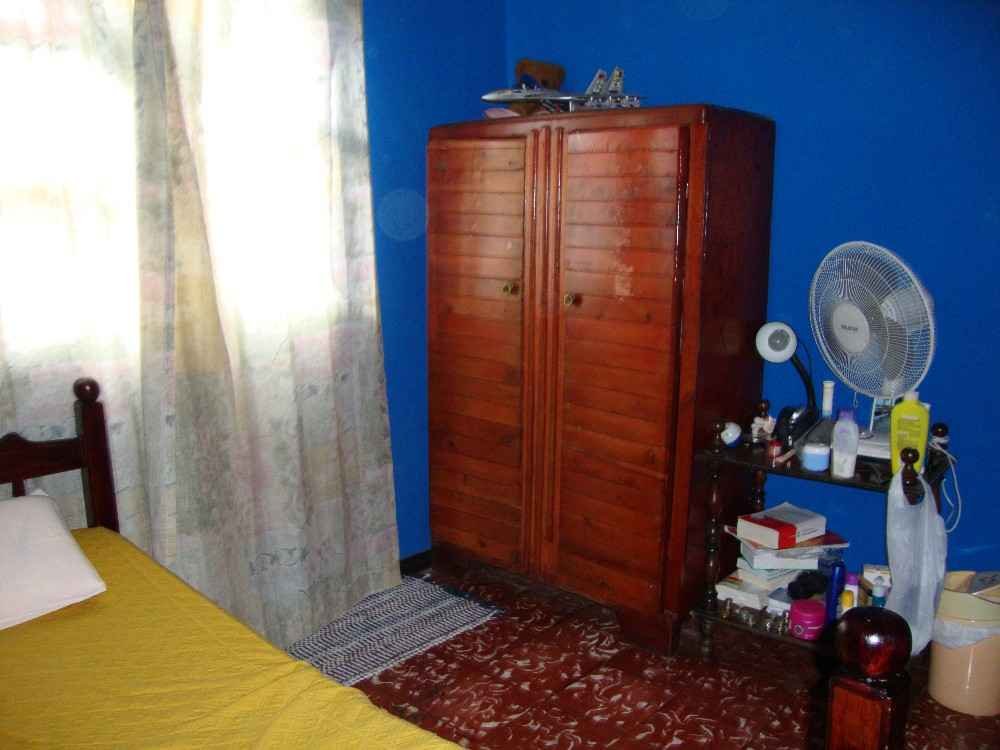
Als Freiwilliger haben Sie die Möglichkeit, in die lokale Kultur einzutauchen, indem Sie bei einer Gastfamilie wohnen. So lernen Sie den Alltag der Einheimischen besser kennen und können gleichzeitig Ihre Spanischkenntnisse verbessern. Für alle Freiwilligen ist eine komfortable und sichere Unterkunft gewährleistet. Sie erhalten entweder ein eigenes Zimmer oder teilen es sich mit einem anderen Freiwilligen, sofern Sie in derselben Familie wohnen.
Orientierung
Alle Freiwilligen erhalten ab dem Projektbeginn eine Orientierungsveranstaltung. Diese wird von den lokalen Mitarbeitern durchgeführt und behandelt Themen wie costa-ricanische Gepflogenheiten, Regeln und Erwartungen, Sicherheitsvorkehrungen sowie eine Einführung in das jeweilige Projekt und den Einsatzort.
Mahlzeiten
Die Freiwilligen erhalten täglich zwei warme Mahlzeiten im Haus ihrer Gastfamilie. Die lokale Küche Costa Ricas ist eine Fusion verschiedener internationaler Einflüsse. Typische Lebensmittel sind Reis, Gemüse, Bohnen, Schweinefleisch, Fleisch, Hühnchen usw.
Während Ihrer Freizeit
Freiwillige können ihre Freizeit frei nutzen, um Sehenswürdigkeiten zu besichtigen oder einzukaufen. San Ramón liegt im zentralen Tal von Costa Rica und bietet eine Vielzahl von Attraktionen, die sowohl natürliche Schönheit als auch kulturelle Bedeutung widerspiegeln. Hier sind einige Sehenswürdigkeiten in und um San Ramón, die Sie unbedingt besuchen sollten:
-
Wasserfall La Fortuna – Obwohl er nicht in San Ramón selbst liegt, ist dieser atemberaubende Wasserfall nur eine kurze Autofahrt entfernt und zählt zu den beliebtesten Naturattraktionen der Region.
-
Catarata Río Bonito – Ein wunderschöner, weniger bekannter Wasserfall in der Nähe von San Ramón, ideal zum Wandern, Schwimmen und um den umliegenden Regenwald zu genießen.
-
Museo de San Ramón – Ein lokales Museum, das Einblicke in die Geschichte, Kultur und Entwicklung der Region bietet und historische Artefakte und Ausstellungsstücke zum Erbe der Region präsentiert.
-
Kulturelle Veranstaltungen – San Ramón ist bekannt für seine lebendige Kulturszene mit lokalen Festivals, Musik- und Theateraufführungen das ganze Jahr über. Informieren Sie sich unbedingt über die aktuellen Veranstaltungen während Ihres Besuchs!
-
Nebelwaldreservat Monteverde – Obwohl es etwas weiter von San Ramón entfernt liegt, bietet der Nebelwald von Monteverde atemberaubende Ausblicke und die Möglichkeit, Wildtiere zu beobachten, darunter eine vielfältige Palette an Pflanzen- und Tierarten.
-
Vulkan Arenal – Ein bedeutendes Touristenziel in der Nähe, wo Sie den Nationalpark Vulkan Arenal erkunden, wandern gehen, in heißen Quellen entspannen oder die landschaftliche Schönheit der Gegend genießen können.
-
Santo Cristo Wasserfall – Ein abgelegenerer und ruhigerer Wasserfall außerhalb der Stadt, ideal für Naturliebhaber, die eine friedliche Umgebung suchen.
Kaffeetouren – Erkunden Sie die Kaffeeplantagen in und um San Ramón, um mehr über die Kaffeeherstellung zu erfahren und einige der besten Kaffees Costa Ricas zu probieren.
Ein typischer Tag
Freiwillige arbeiten in der Regel von Montag bis Freitag etwa sechs Stunden täglich. Der übliche Zeitplan liegt zwischen 8:00 und 16:00 Uhr, wobei die genauen Arbeitszeiten je nach Tagesablauf und Programmbedarf variieren können. Das Programm zur Stärkung von Frauen steht ganzjährig zur Verfügung und bietet flexible Teilnahmezeiten von 2 bis 24 Wochen. Die Einsatzorte befinden sich in und um San Ramón de Alajuela, Costa Rica.
Leben im Programm
Starttermine
Wöchentliche Starttermine, ganzjährig – wählen Sie eine beliebige Woche innerhalb der nächsten zwei Jahre.
Programmgebühren nach Dauer
Die Preise enthalten Ihre Buchungsanzahlung von €229 – sie wird von Ihrer gesamten Programmgebühr abgezogen. Ihre Anzahlung bleibt ein Jahr gültig, in dem Sie sich für mehrere Programme anmelden können. Bei Kreditkartenzahlungen in USD oder AUD fällt eine internationale Bankgebühr von 5 % an.
| Dauer | Gesamtpreis | |
|---|---|---|
| 4 Wochen | €1,844 | |
| 5 Wochen | €1,967 | |
| 6 Wochen | €2,091 | |
| 7 Wochen | €2,216 | |
| 8 Wochen | €2,340 | |
| Jede weitere Woche | +€170 / Woche |
Richtwertumrechnung – Ihre Buchung wird in der Währung abgerechnet, die Sie beim Bezahlvorgang auswählen.
✓ Wofür Sie bezahlen
- Unterstützung und Kommunikation vor der Abreise
- Informationsleitfaden vor der Abreise
- Unterkunft bei einer Gastfamilie mit zwei Mahlzeiten pro Tag
- Teilnahme an kulturellen Aktivitäten
- Lokale Unterstützung
- Praktikumskoordination
- Orientierung
- Willkommen am Flughafen mit Transfer zur Gastgemeinde/einfache Fahrt
- Teilnahmebescheinigung (auf Anfrage)
Nicht enthalten
- Flughafentransfer
- Flugkosten
- Reisekrankenversicherung
- Wochenendurlaub
- Persönliche Ausgaben
- Wäscherei
Unterkunft & Verpflegung

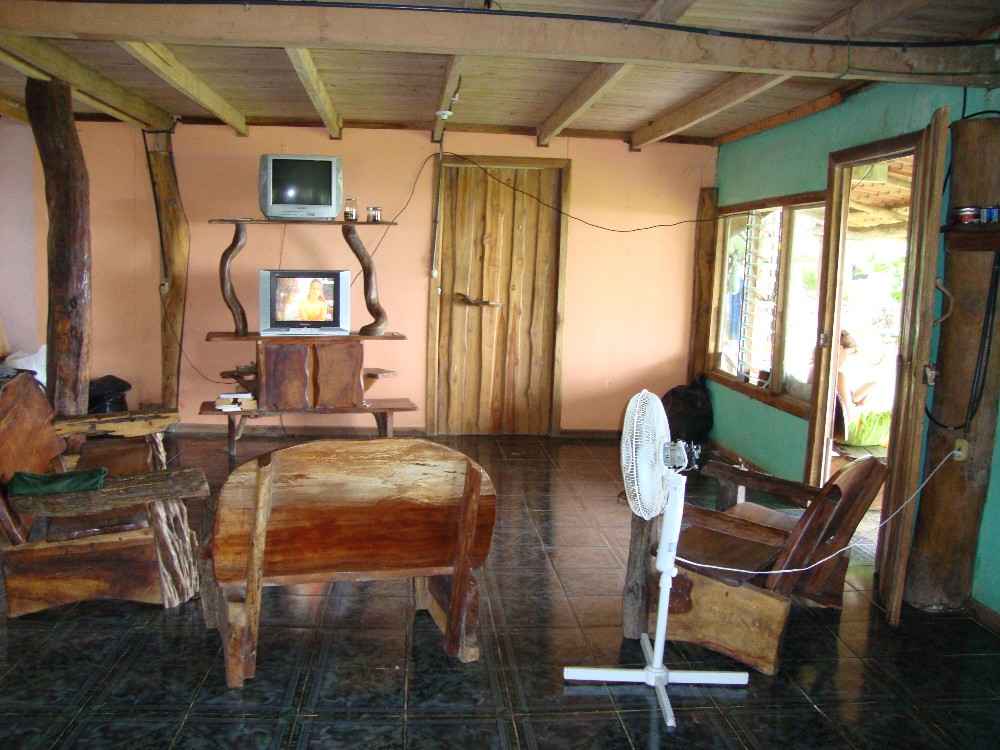
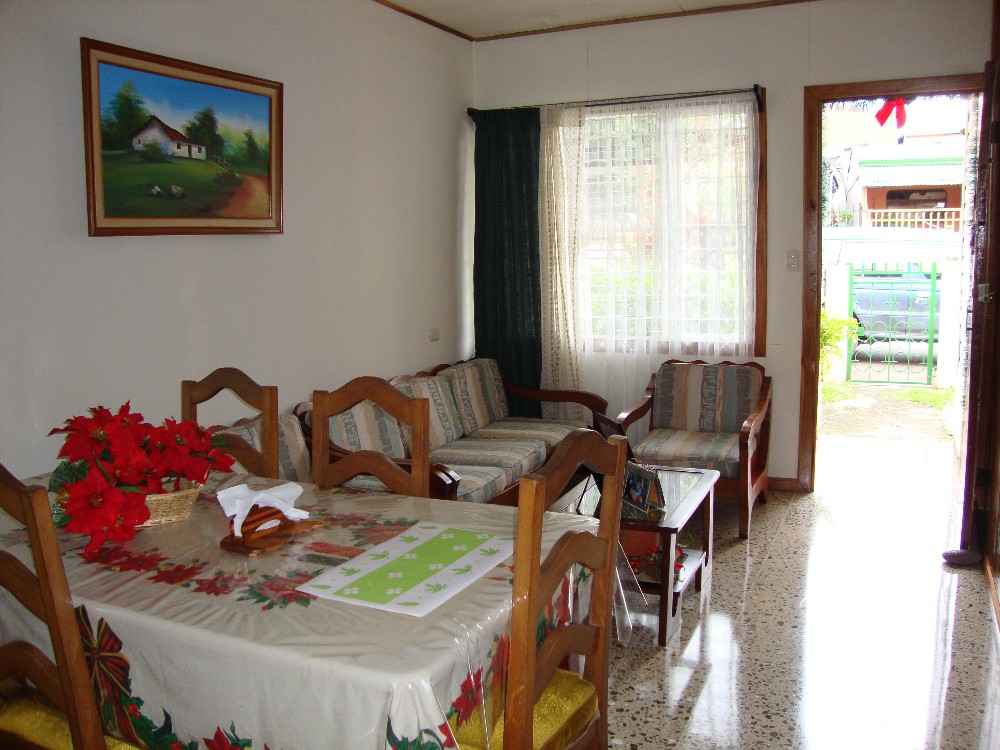


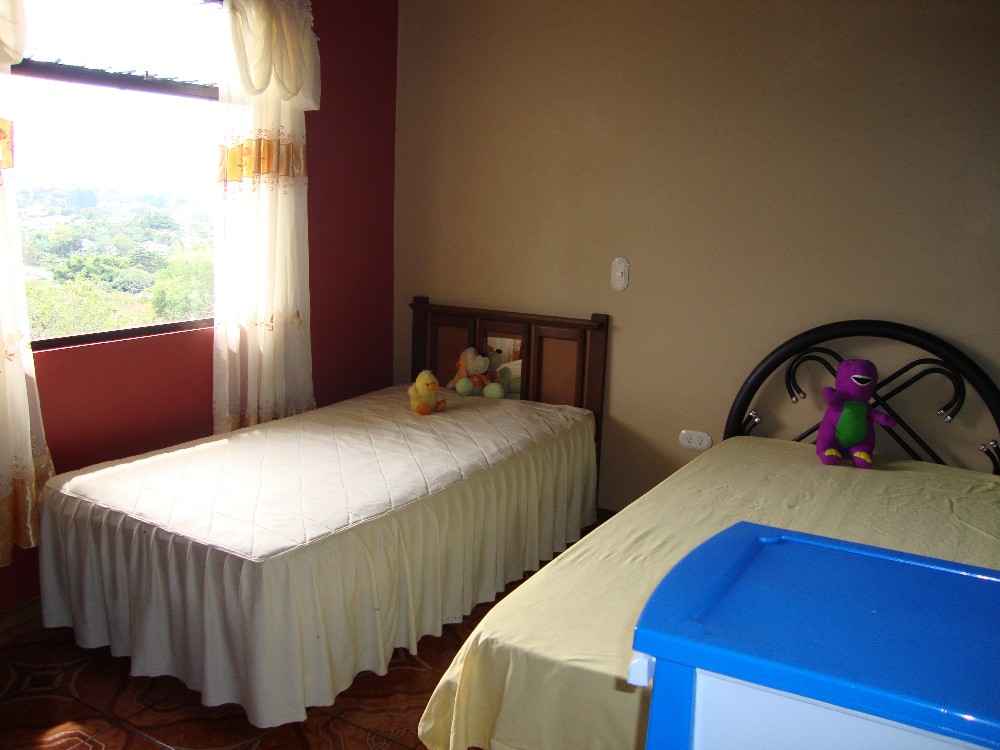
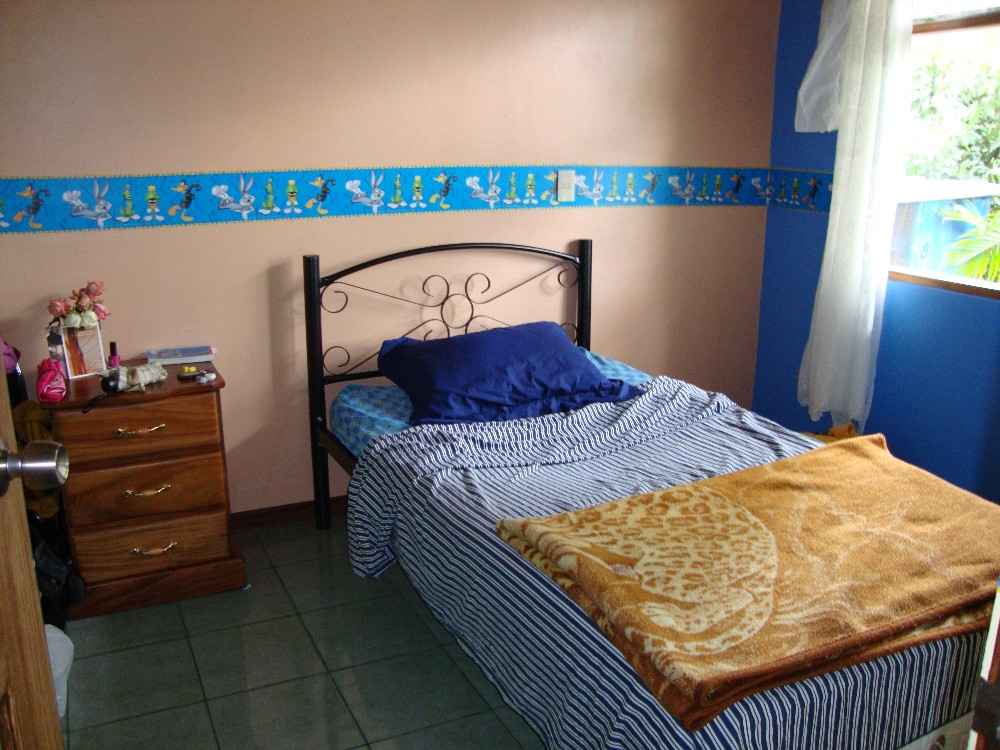
Von Freiwilligen in Costa Rica
Häufig gestellte Fragen
Wann sollte ich mich für die Freiwilligenprogramme in Costa Rica bewerben?
Es wird empfohlen, sich für die Projekte zu bewerben, sobald die Termine für den Freiwilligeneinsatz/die Reise feststehen, da die Plätze begrenzt sind. Die Anmeldegebühr gilt für ein ganzes Jahr und kann vor dem gewünschten Einsatzzeitraum entrichtet werden, um die Teilnahme rechtzeitig zu bestätigen. Sobald Sie Ihre Reisedaten festgelegt haben, empfehlen wir Ihnen, sich für das Programm zu bewerben und Ihren Platz zu sichern. Die Plätze werden in der Reihenfolge der Anmeldungen vergeben.
rnWie lange dauert die Bearbeitung meines Antrags? Wird mein Antrag angenommen?
Die Bearbeitung Ihrer Bewerbung und die Bestätigung Ihres Platzes dauern in der Regel 10–12 Werktage. Nach Prüfung Ihres Lebenslaufs und Ihrer Unterlagen wird Ihre Buchung bestätigt und die Bestätigung in Ihrem Konto aktualisiert. Dort können Sie die Informationen einsehen. Die Zusage hängt von der Verfügbarkeit von Plätzen im Projekt sowie den Teilnahmevoraussetzungen (Alter, Qualifikationen, Erfahrung etc.) ab.
rnGibt es irgendwelche Voraussetzungen für die Teilnahme an den Freiwilligenprogrammen in Costa Rica?
Nachfolgend sind die notwendigen Voraussetzungen für die Teilnahme an den Freiwilligenprojekten in Costa Rica aufgeführt:
Für die Bereiche Lehre, Kinderbetreuung und Spanisch-Sprachkurse müssen Freiwillige zu Beginn des Programms mindestens 17 Jahre alt sein. Für alle anderen Programme gilt ein Mindestalter von 18 Jahren.
Freiwillige, die am medizinischen Freiwilligenprojekt teilnehmen möchten, müssen entweder Medizinstudierende (Vormedizin, Medizin oder Krankenpflege) sein oder über andere Qualifikationen im medizinischen und pflegerischen Bereich verfügen. Auch medizinisches Fachpersonal wie Ärzte und Pflegekräfte sind herzlich willkommen.
Freiwillige müssen aufgeschlossen und flexibel sein, um sich in einem neuen und ungewohnten Umfeld zurechtzufinden.
Der Freiwillige sollte Energie und Begeisterung mitbringen, um etwas zu bewirken.
Der Teilnehmer muss bei guter Gesundheit sein.
Für alle Studiengänge sind Spanischkenntnisse (Grundkenntnisse bis mittleres Niveau) erforderlich.
Kann ich mich als Teil einer Gruppe ehrenamtlich engagieren?
Ja, Sie sind herzlich eingeladen, als Gruppe an den Freiwilligenprogrammen in Costa Rica teilzunehmen. Wir freuen uns über Familien, Freundeskreise, Schüler, Studenten und Firmengruppen, die gemeinsam in den Programmen mitarbeiten möchten. Kontaktieren Sie uns gerne für ein individuelles Programm, das Ihren Bedürfnissen und Ihrem Budget entspricht.
Ich habe bisher weder Reisen unternommen noch Freiwilligenarbeit im Ausland geleistet. Kann ich trotzdem an VolSol teilnehmen?
Ja, absolut! Wir sind überzeugt, dass jeder Teilnehmer etwas Neues zum Projekt beiträgt. Auch ohne Vorkenntnisse bieten wir Ihnen die Möglichkeit für einen gelungenen Einstieg. Wir machen internationale Freiwilligenarbeit unkompliziert: Unsere Freiwilligenprojekte im Ausland bieten Ihnen nicht nur umfassende Unterstützung, sondern sind auch sehr erschwinglich.
rnStellt VolSol nach Abschluss des Programms eine Referenz oder ein Zertifikat aus?
Ja, wir stellen Ihnen das Zertifikat nach erfolgreichem Abschluss Ihres Programms aus. Das Zertifikat wird auf Anfrage ausgestellt.
Wann muss ich für mein Programm in Costa Rica ankommen? Was passiert nach meiner Ankunft in Costa Rica?
Alle Freiwilligen müssen am festgelegten Programmstarttag eintreffen. Nach ihrer Ankunft am internationalen Flughafen Juan Santamaría werden die Teilnehmer von einem lokalen Vertreter empfangen und zu ihren zugewiesenen Unterkünften gebracht.
Freiwillige, die an den Programmen für Kinderbetreuung und Unterricht teilnehmen, werden bei sorgfältig ausgewählten Gastfamilien untergebracht. Teilnehmer des Tierrettungsprojekts in Alajuela oder des Schildkrötenschutzprojekts in Matapolo verbringen ihre erste Nacht in einer Gastfamilie, bevor sie zu ihren jeweiligen Projektstandorten weiterreisen.
Teilnehmer des Tierrettungsprojekts in Puerto Viejo werden vom Flughafen abgeholt und in einem Hostel in San José übernachtet. Freiwillige, die am Schildkröten- und Umweltschutzprojekt auf der Halbinsel Osa teilnehmen, sollten direkt in Puerto Viejo anreisen, es sei denn, sie haben das optionale Ankunftspaket für San José gebucht, das die Abholung vom Flughafen und eine Übernachtung beinhaltet.
Wo genau in Costa Rica findet das Programm statt?
Wir bieten in Costa Rica eine Vielzahl von Programmen in allen Regionen des Landes an. Die Projekte zur Kinderbetreuung, zum Unterrichten und zur Stärkung von Frauen befinden sich in und um San Ramón de Alajuela, etwa 45 Minuten von der Hauptstadt San José entfernt. Das Projekt zum Schutz von Schildkröten und der Umwelt liegt auf der Halbinsel Osa. Das Projekt zur Rettung von Wildtieren und Tieren befindet sich in der Nähe von Puerto Viejo. Das Projekt zu Schildkröten, Wildtieren und Permakultur findet in der Nähe von Playa Ario statt, einem naturbelassenen und wunderschönen Strand im Nationalen Wildtierreservat Caletas-Ario, wo Wälder, Flüsse und das Meer aufeinandertreffen.
Können Vegetarier berücksichtigt werden?
Ja, allerdings müssen Sie uns im Voraus informieren und auch etwaige Ernährungswünsche in Ihrem Antragsformular angeben.
Hätte ich während meines Programms Freizeit? Kann ich während meines Programms Besichtigungen unternehmen?
Je nach Projekteinsatz haben Sie abends und am Wochenende Zeit, die Gegend zu erkunden. Abends treffen sich Freiwillige meist, gehen gemeinsam essen, unternehmen etwas zusammen oder entspannen einfach im Freiwilligenhaus. Die Wochenenden stehen zur freien Verfügung und bieten sich für Kurztrips an. Costa Rica hat unglaublich viel zu bieten! Besuchen Sie die Halbinsel Nicoya, den Vulkan Arenal, den Corcovado-Nationalpark, das Nebelwaldreservat Monteverde, die Wasserfallgärten von La Paz, die heißen Quellen von Tabacón, San José, das Wildtierreservat Caño Negro, den Nationalpark Tortuguero und vieles mehr. Auch für Freiwillige in Playa Ario gibt es viel zu entdecken, wenn sie nicht gerade an Naturschutzprojekten arbeiten. Viele Freiwillige organisieren außerdem Sammeltaxis nach Santa Teresa, einem lebhaften Badeort, der etwa 45 Minuten entfernt liegt. Bekannt für seine pulsierenden Cafés, die Surfkultur und die entspannte Atmosphäre, ist Santa Teresa ein idealer Ort, um einen freien Tag mit anderen Freiwilligen zu verbringen. Zu den kostenlosen Aktivitäten im Camp gehören geführte Nachtwanderungen, Filmabende und gemeinsame Abendessen – perfekte Gelegenheiten, sich zu entspannen, Erfahrungen auszutauschen und das Gemeinschaftsgefühl zu genießen, das hier ganz natürlich entsteht.
Fallen bei meiner Ankunft in Costa Rica weitere Kosten an?
Die Programmgebühr deckt Ihre persönlichen Ausgaben nicht ab. Sie müssen diese selbst tragen, z. B. für Wasserflaschen, Nahverkehr, Telefon, Einkäufe, Ausflüge usw. Planen Sie jedoch etwa 70–80 US-Dollar pro Woche für Ihre grundlegenden persönlichen Ausgaben ein. Dieser Betrag kann variieren, und Sie benötigen mehr, wenn Sie Wochenendausflüge unternehmen möchten.
rnWie viele Stunden muss ich pro Tag ehrenamtlich arbeiten?
Ehrenamtliche arbeiten je nach Programm in der Regel 4 bis 6 Stunden täglich. An den Wochenenden haben Sie frei und können somit verreisen. Allerdings sollten Ehrenamtliche flexibel und aufgeschlossen sein und verstehen, dass sich die Arbeitsanforderungen gelegentlich ändern können.
rnKann ich mehr über Unterkunft und Verpflegung erfahren?
Schildkröten-, Wildtier- und Permakulturprojekt
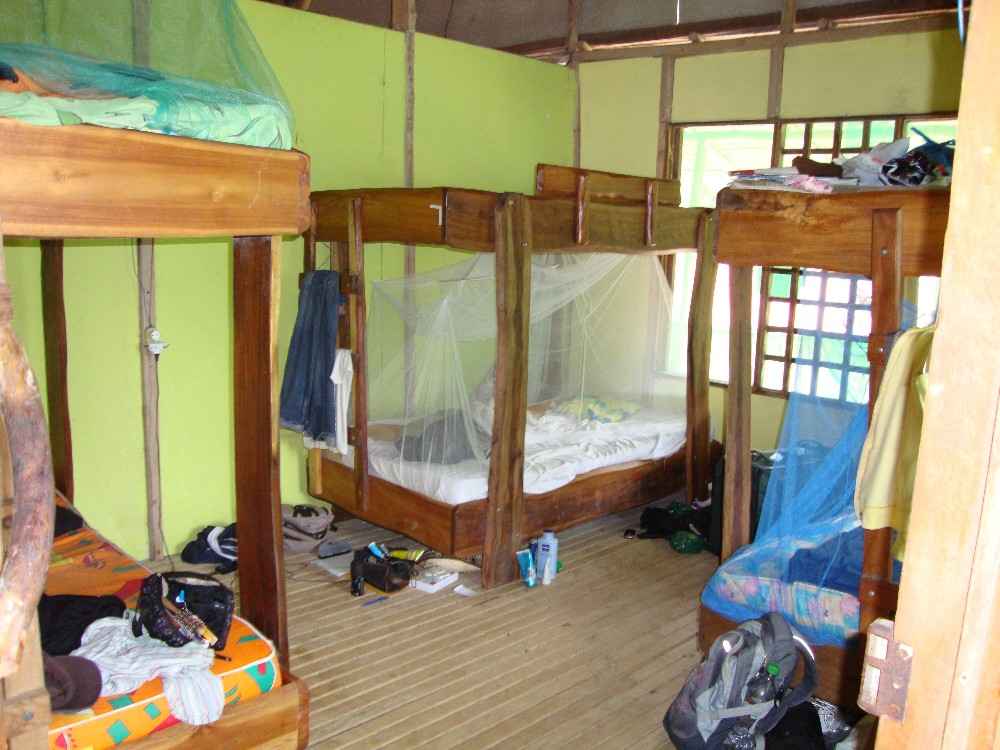
Bei der Ankunft in San José wird die Nacht in einem Hostel verbracht. Während des Projekts auf der Halbinsel Nicoya befindet sich die Unterkunft näher am Strand und den Nistplätzen der Schildkröten. Diese rustikale Station
Die Freiwilligen wohnen in Mehrbettzimmern mit einfacher Ausstattung – ideal für alle, die ein intensiveres Naturerlebnis suchen. Alle Mahlzeiten werden frisch zubereitet, sind überwiegend vegetarisch und oft mit regionalen Produkten. Solarenergie deckt den Grundbedarf, und WLAN ist nur eingeschränkt verfügbar – so wird die Verbundenheit mit der Natur gefördert. Wildtiere gehören hier zum Alltag: Affen, tropische Vögel und mit etwas Glück sogar ein Reh oder ein Leguan lassen sich in der Nähe des Camps beobachten. Die Atmosphäre ist gemeinschaftlich, freundlich und geprägt von Respekt vor der Natur.
Projekte in den Bereichen Bildung, Kinderbetreuung und Stärkung der Rolle der Frau
Freiwillige wohnen bei gastfreundlichen einheimischen Familien und haben so die großartige Gelegenheit, die costaricanische Kultur und den Alltag kennenzulernen. Sie erhalten zwei Mahlzeiten täglich, und detaillierte Informationen zu Ihrer Gastfamilie erhalten Sie nach der Bestätigung Ihres Einsatzes.
Tierrettungsprojekt (Puerto Viejo)
Nach ihrer Ankunft übernachten die Freiwilligen eine Nacht in einem Hostel in San José. Während des Projekts erfolgt die Unterbringung in einem Mehrbettzimmer in der Nähe des Zentrums. Mahlzeiten sind nicht inbegriffen, aber es steht eine voll ausgestattete Küche zur Verfügung, um sich selbst zu verpflegen.
Projekte auf der Osa-Halbinsel
Die Freiwilligen auf der Osa-Halbinsel wohnen direkt am Projektstandort in Mehrbettzimmern.
Muss ich eine Krankenversicherung abschließen?
Ja, für alle Teilnehmenden ist eine gültige Reisekrankenversicherung obligatorisch. Freiwillige können über Volunteering Solutions gegen einen geringen Aufpreis eine Reise- und Krankenversicherung abschließen. Um unseren Teilnehmenden die bestmögliche Option zu bieten, bieten wir in Zusammenarbeit mit einem führenden Versicherer einen umfassenden Versicherungsschutz an.
Falls Sie bereits über eine gültige Reise- und Krankenversicherung verfügen, können Sie uns eine Kopie per E-Mail zusenden. Es wird außerdem empfohlen, die Versicherungsunterlagen auf Ihre Reise mitzunehmen.
Wie sicher ist Costa Rica im Allgemeinen?
Costa Rica gilt als eines der sichersten und stabilsten Länder Mittelamerikas und ist ein beliebtes Reiseziel für internationale Touristen, Studierende und Freiwillige. Das Land genießt seit Langem einen guten Ruf für politische Stabilität, ein starkes demokratisches System und das Fehlen einer stehenden Armee, was zu einer allgemein friedlichen Gesellschaft beiträgt. Für Besucher ist Costa Rica ein sicheres Reiseland, sofern die üblichen Vorsichtsmaßnahmen beachtet werden. Die meisten Reisen verlaufen problemlos, insbesondere in touristisch erschlossenen Gebieten wie San José, der Nicoya-Halbinsel und den Küstenregionen.
Welche Impfungen benötige ich?
Allen Teilnehmern wird empfohlen, vor Reiseantritt nach Costa Rica ihren Hausarzt oder Reisemediziner zu konsultieren. Um die allgemeine Liste der für Ihre Reise nach Costa Rica empfohlenen Impfungen einzusehen, klicken Sie hier.
Unterstützt Volunteering Solutions bei Visaangelegenheiten?
Teilnehmer (der meisten Nationalitäten) benötigen für die Einreise nach Costa Rica ein Touristenvisum. Reisende aus den meisten Ländern erhalten bei der Ankunft eine 90-Tage-Aufenthaltserlaubnis, die in ihren Reisepass gestempelt wird. Wir empfehlen Ihnen, sich zusätzlich bei der nächstgelegenen costa-ricanischen Botschaft zu erkundigen.
rnWelche Fluggesellschaften sind für Flüge nach Costa Rica empfehlenswert?
Mehrere internationale Fluggesellschaften bieten bequeme Flüge nach Costa Rica aus Nordamerika und Europa an. Aus Nordamerika fliegen beispielsweise United Airlines, American Airlines, Delta Air Lines, JetBlue Airways, Southwest Airlines und Air Canada regelmäßig direkt und mit Zwischenstopps von großen Städten in den USA und Kanada nach Costa Rica. Dank guter Anbindung über Drehkreuze wie Houston, Miami, Atlanta, New York, Toronto und Montreal ist die Reise nach Costa Rica unkompliziert und bequem.
Reisende aus Europa können zwischen einer Reihe etablierter Fluggesellschaften wählen, die Direktflüge oder Flüge mit einem Zwischenstopp nach Costa Rica anbieten. British Airways fliegt direkt von London, während Iberia Direktverbindungen ab Madrid anbietet. KLM Royal Dutch Airlines und Air France fliegen direkt von Amsterdam bzw. Paris, und Fluggesellschaften wie Lufthansa und SWISS International Air Lines bieten bequeme Verbindungen mit einem Zwischenstopp von anderen europäischen Städten über ihre Drehkreuze an.
Freiwilligen wird empfohlen, Flüge zu buchen, die zum internationalen Flughafen Juan Santamaría (SJO) in San José führen. Dieser ist der wichtigste internationale Flughafen Costa Ricas und bietet die größte Auswahl an internationalen Verbindungen sowie die bequemsten Weiterreisemöglichkeiten zum Projektstandort.
Wie kann ich mit ehemaligen Freiwilligen von Volunteering Solutions Costa Rica sowie mit anderen ehemaligen und aktuellen Freiwilligen in Kontakt treten?
Wir ermutigen Freiwillige, Kontakt zu ehemaligen Programmteilnehmern von Volunteering Solutions Costa Rica sowie zu anderen Programmteilnehmern unserer Projekte aufzunehmen. Wir empfehlen Ihnen, der Facebook-Seite oder -Gruppe von Volunteering Solutions beizutreten, um mit anderen Teilnehmern zu kommunizieren.
Um Interviews mit ehemaligen Teilnehmern zu lesen, besuchen Sie den Bereich „Lernen Sie einen Freiwilligen kennen“ auf unserer Website.
Vereinbaren Sie einen Termin mit einem Programmberater.
Wir helfen Ihnen gerne – in einem 20-minütigen Einzelgespräch erhalten Sie detaillierte Informationen, Expertenrat und Unterstützung bei der Antragstellung.
Vereinbaren Sie ein kostenloses TreffenWeitere Projekte in Costa Rica
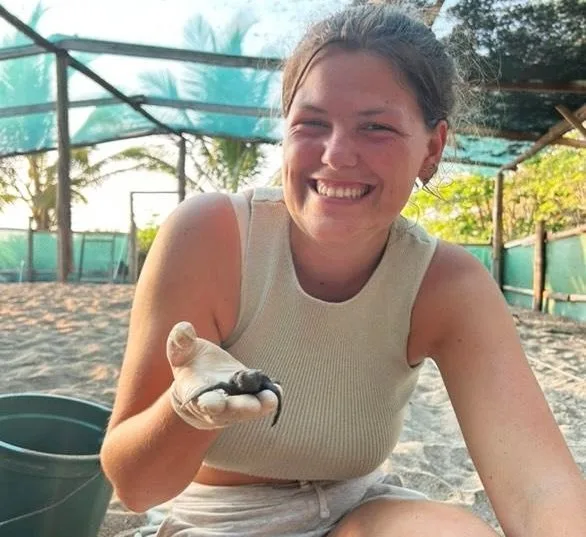
Schildkröten, Wildtiere & Permakultur-Freiwilligenerfahrung
Lebe und engagiere dich ehrenamtlich in einer der artenreichsten Küstenregionen Costa Ricas, während du bedrohte Meeresschildkröten schützt, Wälder…
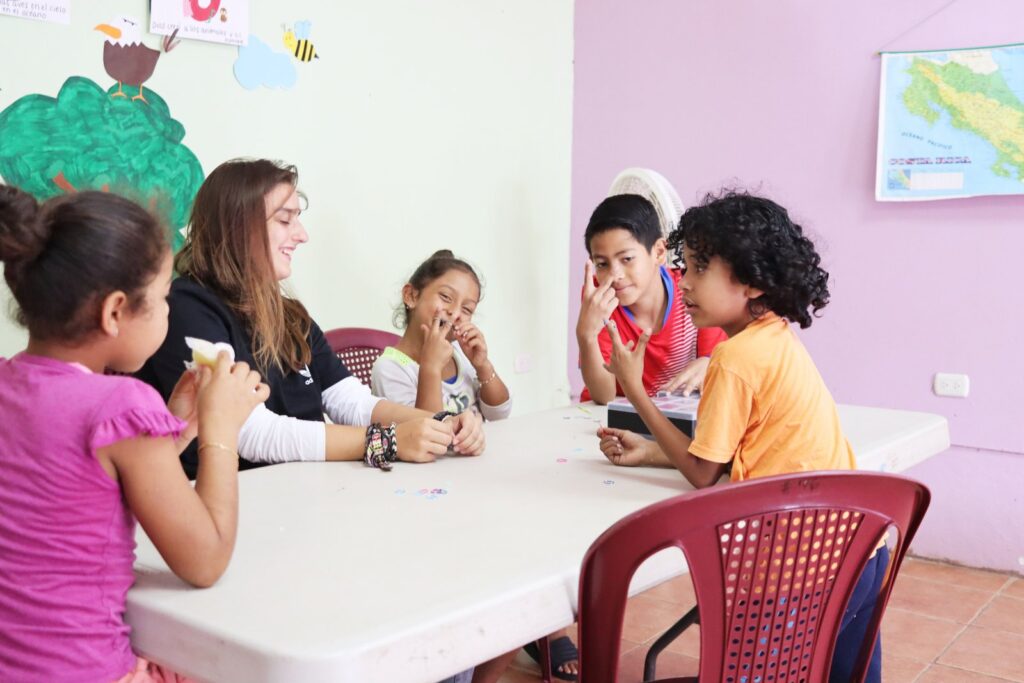
Freiwilligenprogramm für Kinderbetreuung in Costa Rica
Helfen Sie mit, die jüngsten Köpfe Costa Ricas zu fördern, indem Sie sich ehrenamtlich in Kindertagesstätten engagieren und…
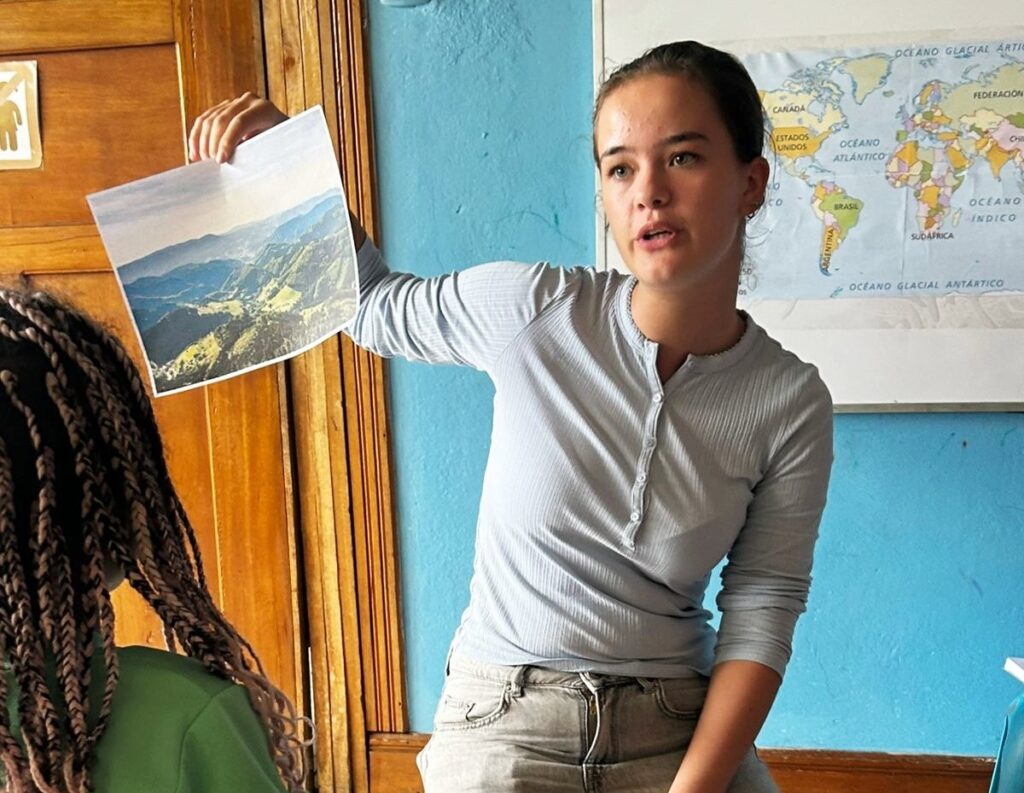
Freiwilliger Englischlehrer in Costa Rica
Engagieren Sie sich ehrenamtlich in Costa Rica und inspirieren Sie junge Menschen, indem Sie den Unterricht unterstützen oder…