Costa Rica コスタリカの野生動物救助センターでボランティア活動をしよう

コスタリカの野生動物救助センターでボランティア活動をしよう

ボランティアたちは、コスタリカのカリブ海沿岸で、救助されたり、虐待されたり、負傷した動物たちの世話をしている。そこではレゲエ音楽が響き渡り、サーファーたちが水平線の彼方に列をなしている。

Costa Rica
4-6 Weeks
間隔
から $1,543
価格
18 years+
ミニ年齢
ハイライト
  • コスタリカの野生生物保護のための意義深いボランティア活動
  • コスタリカの豊かな生物多様性を探求し、その生態系保護区を巡ってみよう
  • 野生動物と共に暮らし、彼らの福祉と発展のために働く機会を最大限に活用しましょう。
  • 職務内容には、動物の餌の準備、絶滅危惧種の野生動物に関する知識の習得などが含まれます。
  • 専門家チームと協力しながら実践的な学習機会を得られます。

コスタリカは、多種多様な動植物が生息する国です。国土面積は世界の陸地のわずか0.25%に過ぎませんが、世界の生物多様性の5%を占めています。コスタリカには熱帯性の植物と動物が豊富に生息しており、200種以上の哺乳類と800種以上の鳥類が生息しています。

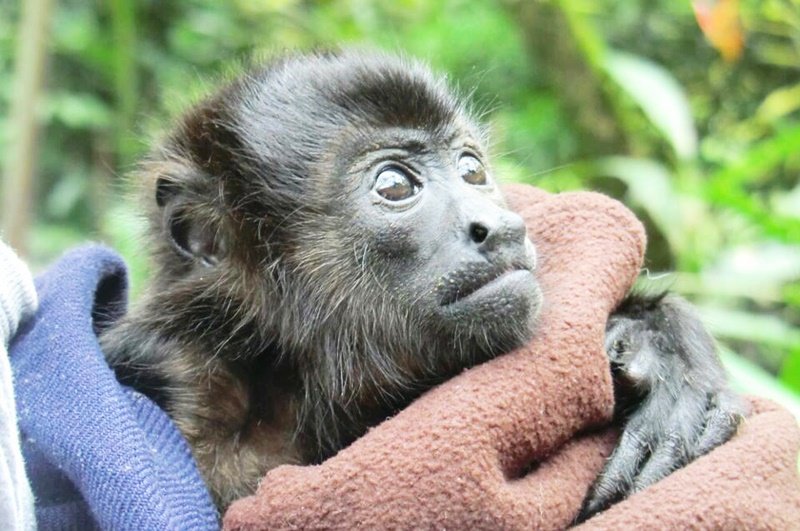
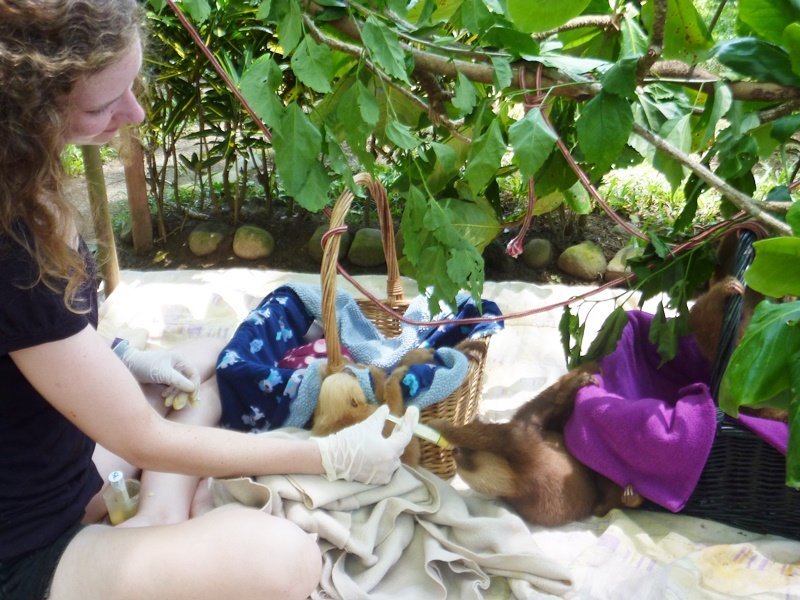
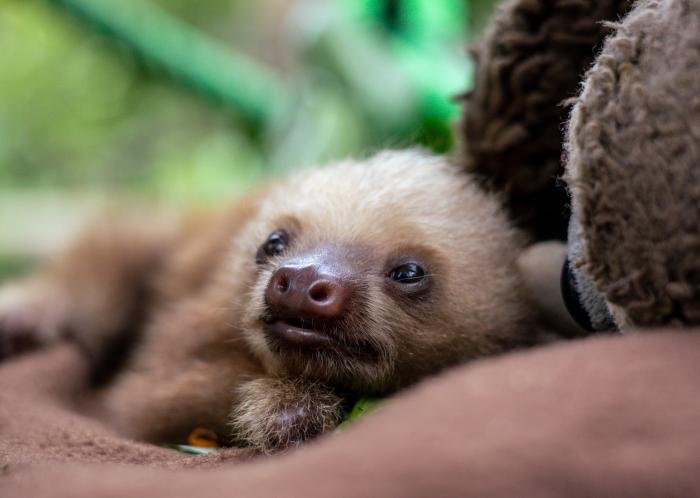
このプログラムに参加するボランティアは、病気や怪我をした動物、孤児となった動物たちの一時的または恒久的な住まいとなる動物保護センターで活動します。野生動物愛好家にとって理想的なこの1ヶ月間のボランティア活動は、経験豊富なチームと密接に協力しながら、動物たちとの触れ合いを深める機会となるでしょう。サル、ナマケモノ、その他の哺乳類、鳥類、爬虫類を中心に活動するこのセンターは、カリブ海の熱帯雨林では生き延びることができない動物たちに、獣医療サービス、24時間体制のケア、そして安らぎを提供しています。

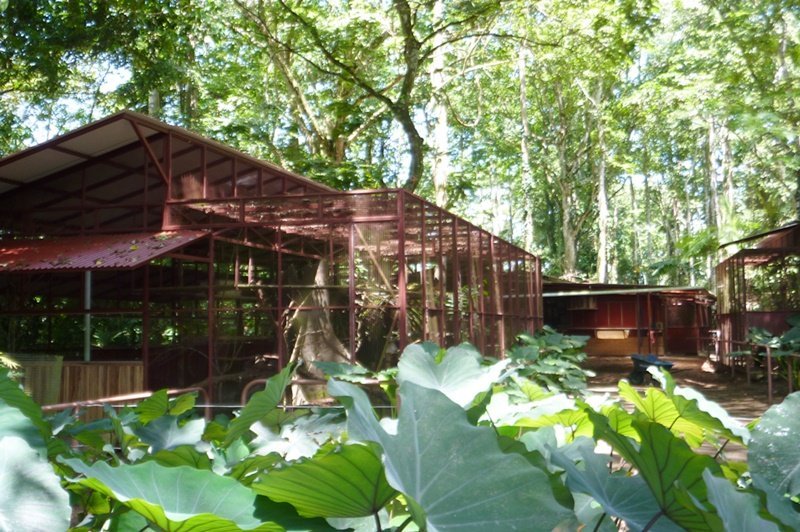
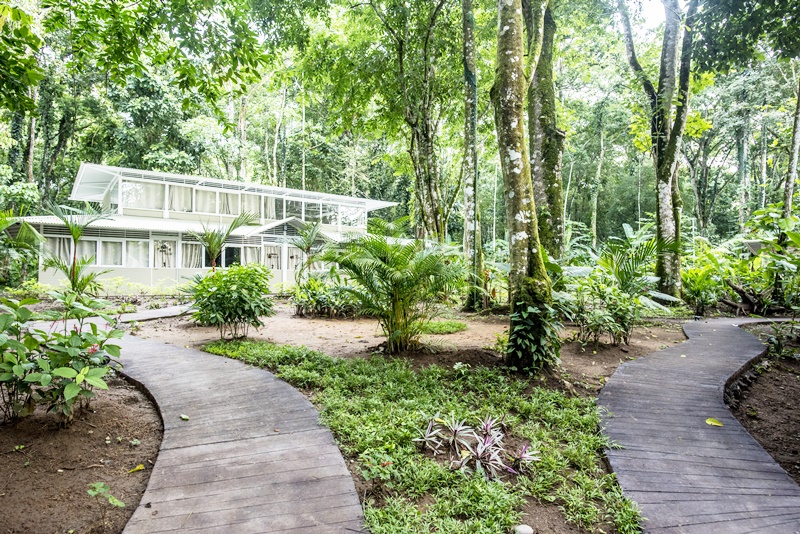
この動物保護センターは49ヘクタールの原生林の敷地を有しています。この手つかずの土地は、多くの動物を地元に放すのに理想的な場所です。なぜなら、動物たちに清潔で自然が安全な環境を提供し、将来的に人間と接触する可能性をほとんどなくすことができるからです。

このプロジェクトはプエルト・ビエホから4km、コスタリカの首都サンホセから220kmの場所に位置しています。シャトルバスを利用すれば、サンホセからプエルト・ビエホまでは約4時間、そこからプロジェクトまでは約10分です。

プログラムの背景

コスタリカの野生動物への配慮の欠如に深く心を痛めた情熱的なヨーロッパ人夫婦によって2004年に設立されたプエルト・ビエホの動物救助センターは、意義のある変化をもたらすことを目指して設立されました。彼らはコスタリカを何度も訪れた後、多くの動物たちのための保護施設を作ることを決意しました。センターはすぐに爬虫類、哺乳類、そしてジャガーの赤ちゃんまでもが保護する避難所となり、彼らの救助活動の緊急性を浮き彫りにしました。

創設者たちは、その使命を支えるため、広大な私有原生熱帯雨林を購入しました。この土地は、動物たちが自然の生息地へ穏やかに再導入される安全な避難場所となっています。多くの類似団体とは異なり、ジャガー・レスキュー・センターは政府からの資金援助を受けずに運営されており、財政面と運営面の両方においてボランティアに大きく依存しています。

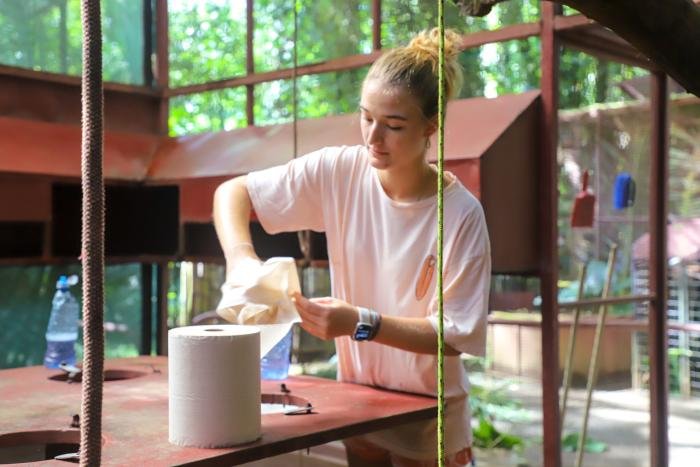
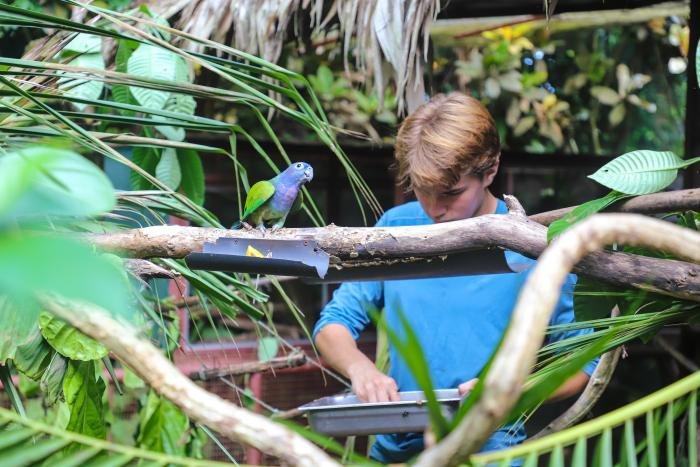
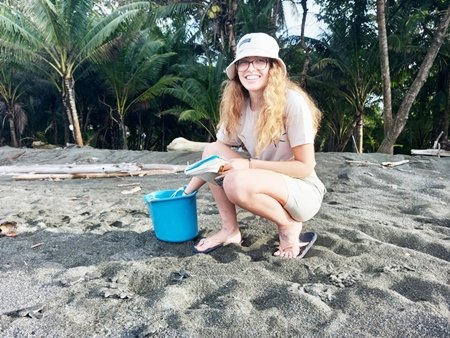
センターのボランティアは、サル、ヤマネコ、ナマケモノ、アライグマ、アリクイ、有袋類など、多様な野生動物の世話に欠かせない存在です。日々の業務には、餌の準備、飼育施設の清掃、動物の健康状態の観察、そして徐々に野生に戻すためのサポートなどが含まれます。毎日が新たな驚きと挑戦に満ちており、ボランティア活動は刺激的で、非常に意義深いものとなるでしょう。

社会貢献の他の方法をお探しですか?南米ボランティアプログラムをご覧ください。

ボランティアの役割と責任

ボランティア活動の内容は日によって異なるため、柔軟性と柔軟な考え方が求められます。また、積極的に行動し、プロジェクトに新たな取り組みやアイデアを提案することも重要です。

これからあなたを待っているワクワクするようなアクティビティを少しだけご紹介します。

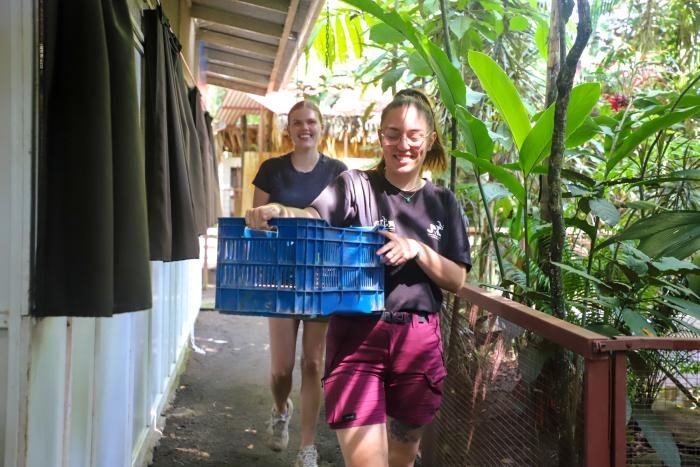
  • 実践的なメンテナンス:施設を良好な状態に保ち、動物たちが安全で快適な環境で過ごせるようお手伝いください。

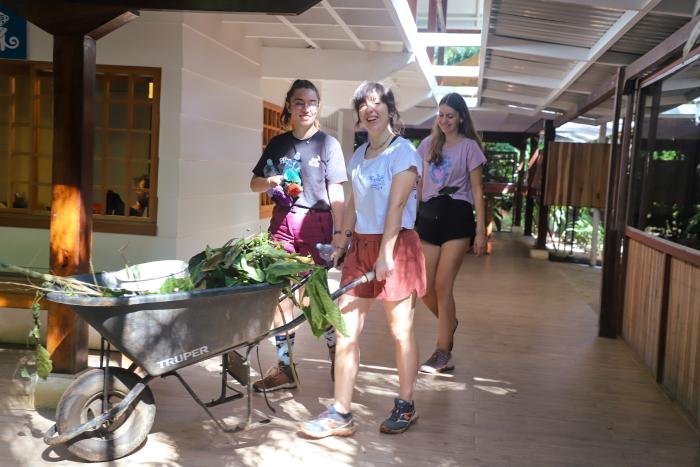
  • 通路パトロール:動物の囲いの周りの通路やエリアを整理整頓し、常に清潔で整然とした状態を保ちます。

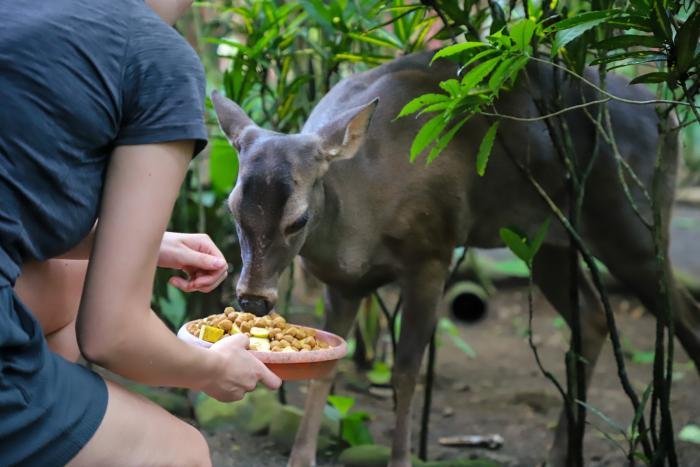
  • 食事の準備と日常の世話:専任の飼育員と共に、食事の準備や日常の世話を手伝い、動物飼育の実践的な経験を積む。

  • ビジターガイド:野生動物への情熱を分かち合い、保護区内を案内したり、そこに暮らす動物たちの素晴らしい物語を共有したりしましょう。

  • 研修会:動物の行動や飼育技術についてより深く学び、知識とスキルを高めるための研修会にご参加ください。

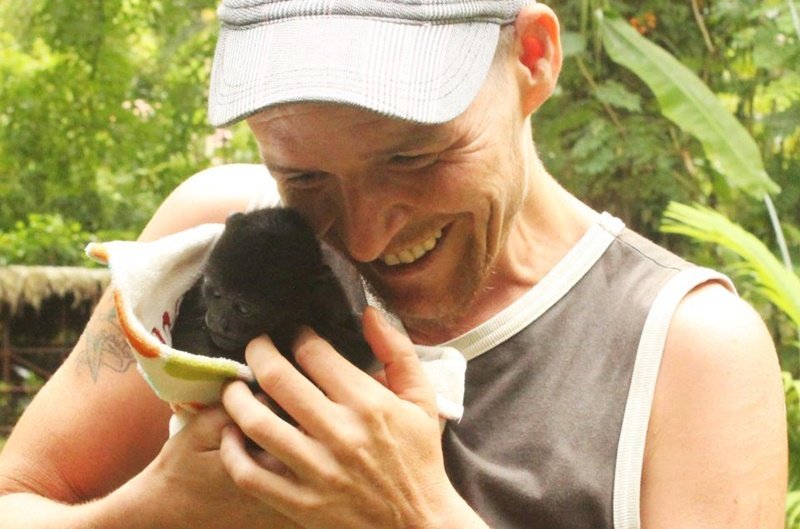
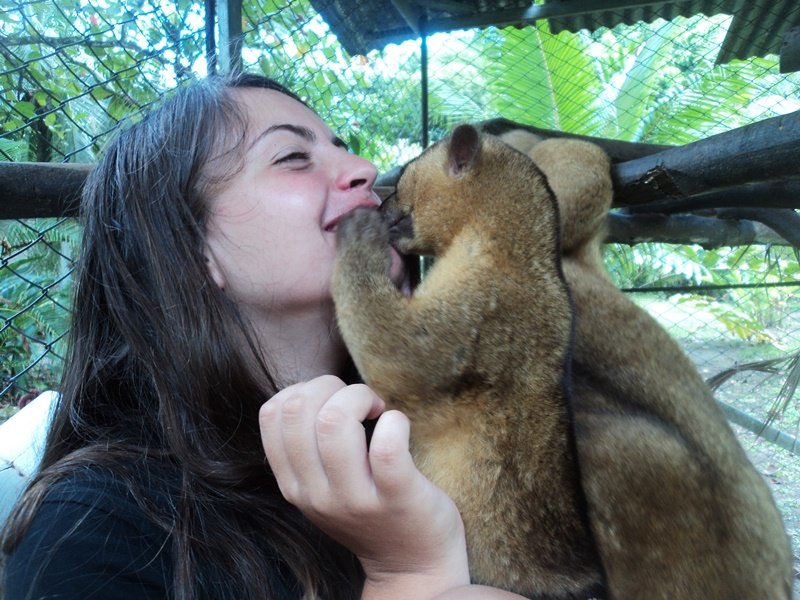
  • 思いやりのあるケア:餌やり、観察、動物たちとの触れ合いを通して、愛情のこもったケアを提供し、動物たちが健やかに成長できるような、育成的な環境づくりを支援します。

動物たちの生活に直接的な影響を与え、彼らの健康、幸福、そして生活の質の向上に貢献しましょう!

要件と資格

ボランティアは、プロジェクト参加時点で18歳以上である必要があり、このプログラムに最低4週間を費やす覚悟が必要です。新しい環境で働くためには、柔軟な心と姿勢が求められます。ボランティアは、変化をもたらすためのエネルギーと熱意を持って取り組む必要があります。参加者は、プログラム参加時点で健康で体力があり、屋外での作業や汚れることを厭わない覚悟が必要です。参加者は、動物保護活動に強い関心と愛情を持っている必要があります。参加者は犯罪歴がなく、犯罪経歴証明書を提出する必要があります。このプログラムに参加するには、結核検査が必須です。

ボランティア活動スケジュール

典型的な一日

以下に提案する計画を示しますが、状況に応じて変更される場合があります。

1日目(土曜日) :サンホセ到着。空港でお迎えし、宿泊先のホステルへ移動します。

2日目、日曜日:プエルトビエホ到着日。ボランティアはバスターミナルまで送迎され、そこからシャトルバスでプエルトビエホへ向かいます。

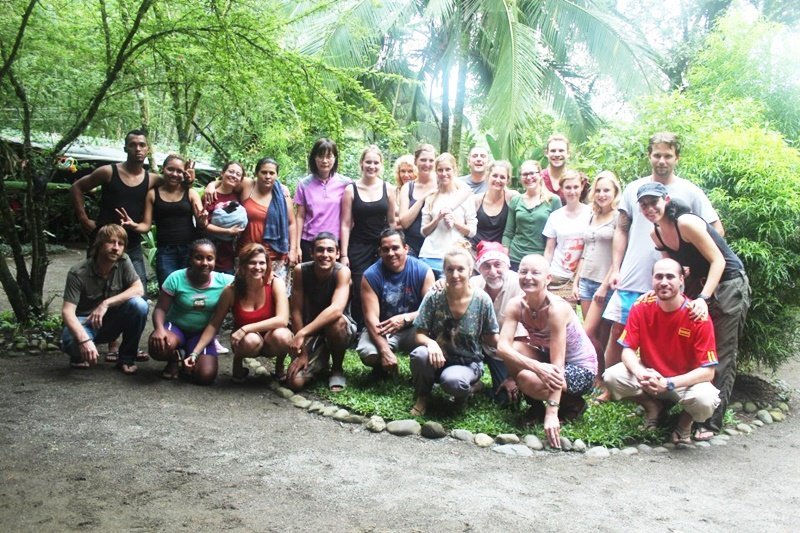
3日目(月曜日) :ボランティア研修は毎週月曜日の午前11時から始まります。この日は、他のボランティアの方々と顔合わせをし、センターの見学ツアーに参加し、翌日から本格的にボランティア活動を開始するために必要なすべての情報を受け取ります。

4日目から23日目:火曜日から日曜日:平日は毎日、プロジェクト現場で作業していただきます。作業内容は多岐にわたり、食器洗いや動物の世話から、囲いの建設や改修、新しくやってきた動物の世話をして新しい環境へのストレスを軽減することまで、様々な業務が含まれます。

週末は必ずしも休みとは限りません。割り当てられた仕事内容によって異なりますが、自由時間にはプエルト・ビエホの美しいビーチを楽しむことができます。

24日目から30日目(月曜日~日曜日):最後の1週間は、放獣センターに滞在し、日々の業務を手伝います。その多くは、動物の再導入プロセスに同行したり、目視による追跡を行ったり、再導入の状況に関する最終報告書のために書面でコメントを書いたりすることです。

31日目、月曜日:プログラム終了。放牧地から救助センターへ戻ります。

レスキューセンターでは、週5日、午前7時30分から午後4時頃まで勤務していただきます。勤務日は平日または週末となる場合があります。到着日(日曜日)には、他のボランティアやスタッフと顔合わせをします。残りの時間は、街を散策したり、落ち着いて過ごしたりできます。オリエンテーションと研修は月曜日の午前11時から始まります(出席は必須です)。この研修では、他のボランティアとの顔合わせ、観光客と一緒にセンターを90分間見学するツアーへの参加、ボランティアマネージャーからの指示などを行います。

今後数週間、あなたの仕事内容は多岐にわたります。食器洗い、動物飼育エリアの清掃(これは常に必要な作業です)、飼育施設の建設や改修の補助、新しくやってきた動物たちが新しい環境に順応できるよう世話をするなど、様々な業務を担当していただく可能性があります。

リビング

宿泊と食事

空港送迎
ボランティアは、サンホセ国際空港で現地コーディネーターまたは担当者に迎えられます。陸路で到着するボランティア、または既にコスタリカに滞在しているボランティアは、サンホセ市内の事前に決められた集合場所で迎えられます。

宿泊施設
サンノゼ到着後、参加者は空港で迎えられ、ホステルでの1泊分の宿泊施設が提供されます。

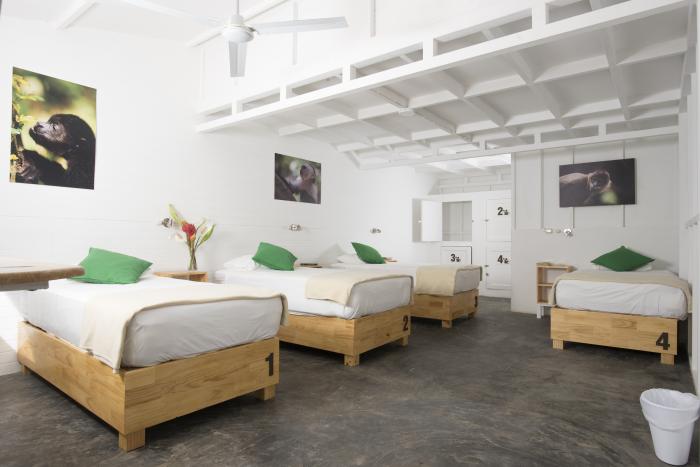
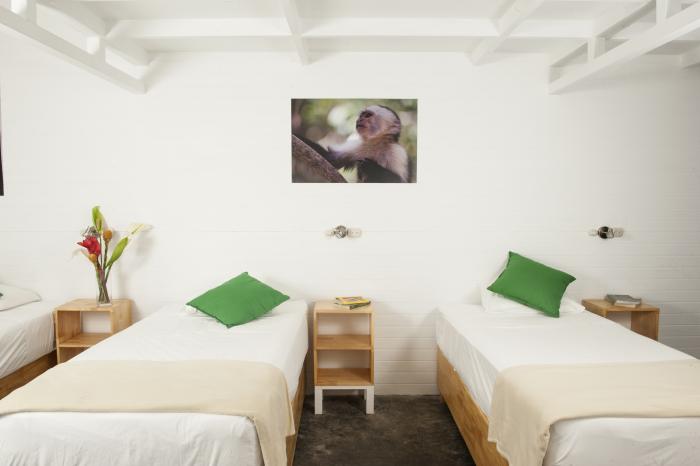
救助センターの宿泊施設は、ボランティアの方々が快適に過ごせるよう、居心地が良く実用的な設計になっています。各部屋には、快適なマットレス付きのシングルベッドが4台、個別の読書灯、電子機器を充電するためのコンセントが備えられています。

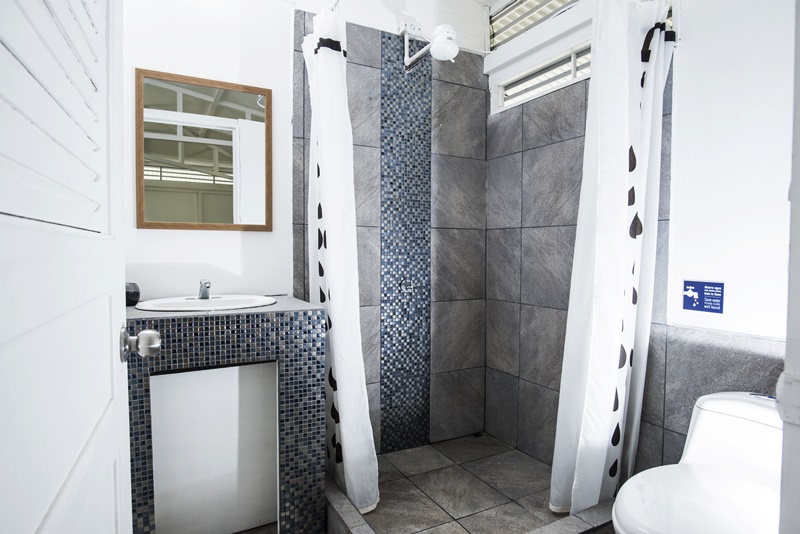
専用のバスルームにはトイレと温水シャワーが付いているので、大勢の人と共用する必要はありません。

ベッドリネンとタオルはご用意しております(ビーチ用は除く)。館内全域でWi-Fiが利用できるので、インターネット接続も安心です。定期的な清掃で清潔さを保っており、少額の料金で館内ランドリーも利用できるので便利です。

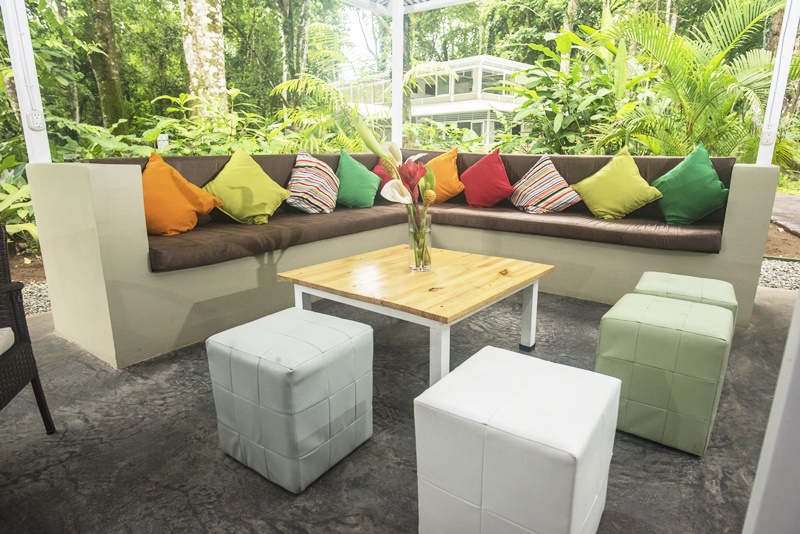
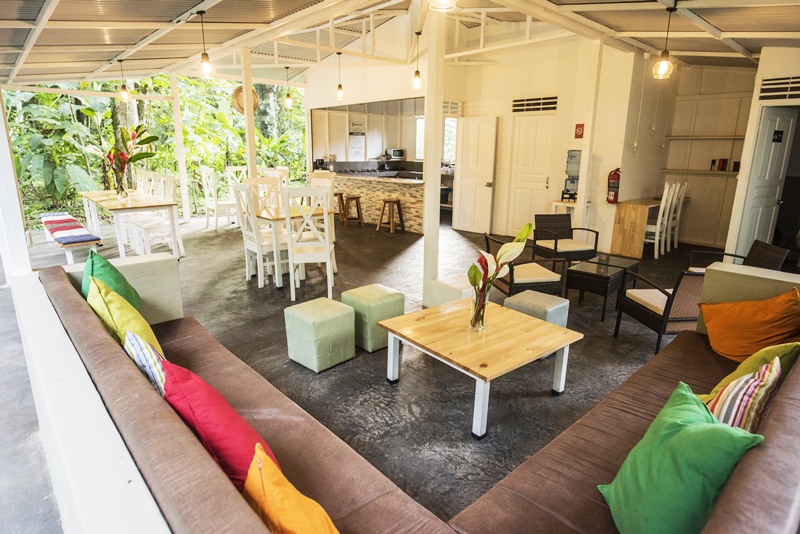
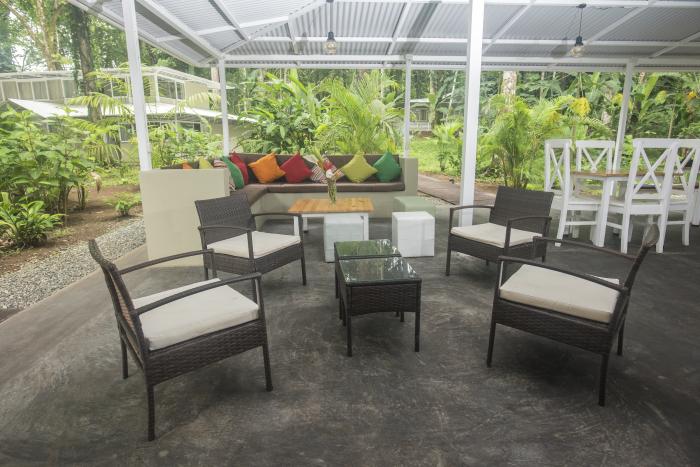
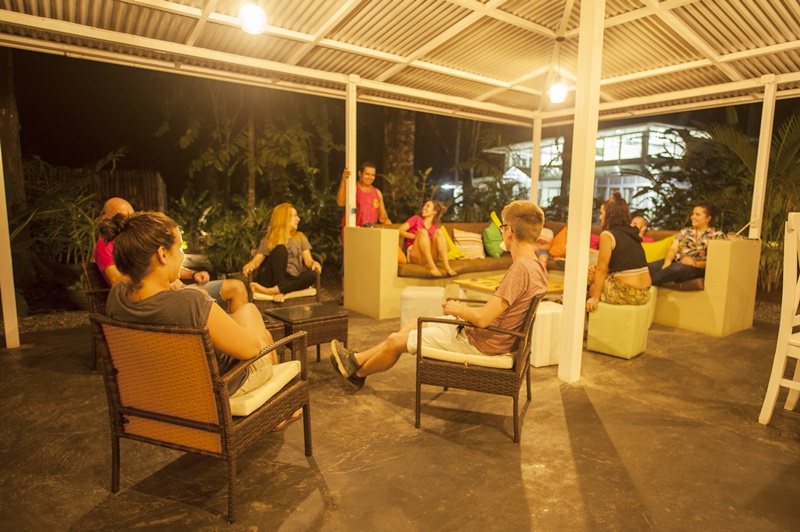
一日の活動が終わった後、他のボランティア仲間とリラックスして過ごせる、くつろげる場所があります。

総じて言えば、ここはリラックスした雰囲気の場所で、センターで手伝いをする際に快適に過ごせるように配慮されています。

オリエンテーション
すべてのボランティアは、プログラム開始前にプロジェクトコーディネーターによるオリエンテーションを受けます。オリエンテーションは現地スタッフによって実施され、ボランティアの役割と責任、規則と期待事項、安全対策、プロジェクトの概要と配属先などについて説明します。

食事
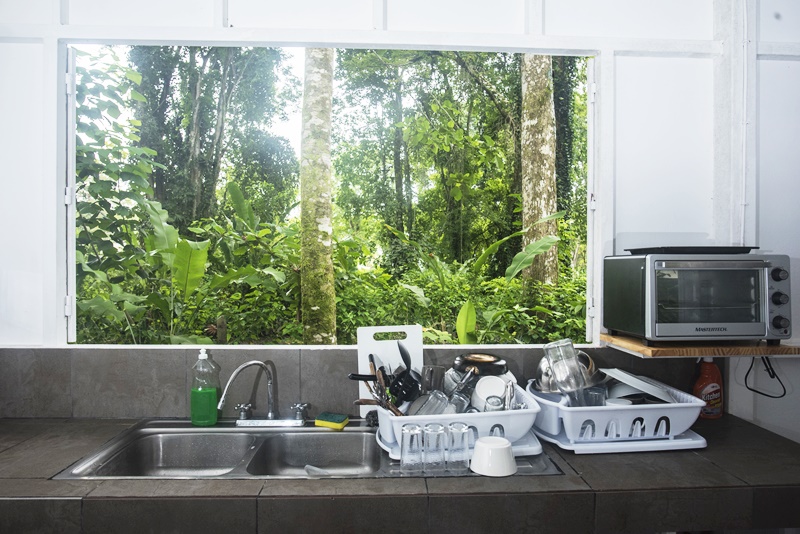
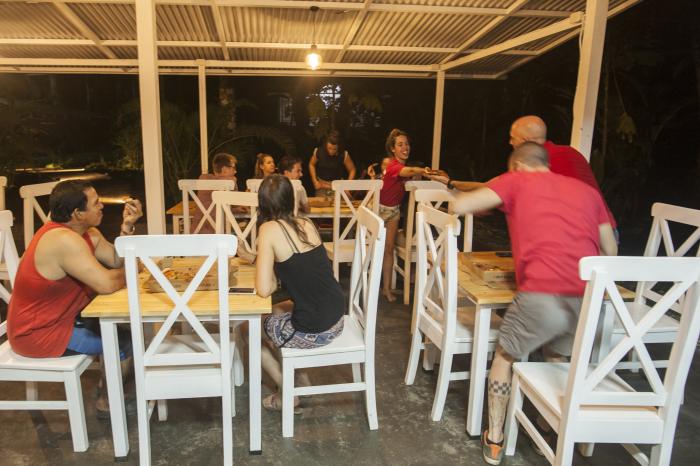
食事は含まれていませんが、設備の整った共用キッチン(カトラリー、調理器具、コンロ、オーブン、電子レンジ)があります。ボランティアの方は、冷蔵庫に食べ物や飲み物を保管できます。昼食はセンターに持ち込むことができ、センターには冷蔵庫と電子レンジがあります。

自由時間中に
自由日には、プエルト・ビエホ周辺の魅力的な場所を自由に探索できます。息を呑むほど美しいビーチ、カウイタ自然公園のハイキングコースと滝、キャノピーツアーなど、数多くのスポットがあります。
日付

開始日

年間を通して毎週開始日を設定可能 ― 今後2年間の中から任意の週をお選びください。

利用可能すぐに埋まってしまいます満席
費用

プログラム料金(期間別)

プログラム料金とは別に、一回限りの申込手数料(249米ドル/179ポンド/229ユーロ/350豪ドル)がかかります。この申込手数料は1年間有効で、期間中は複数のプログラムに登録できます。米ドルまたは豪ドルでのクレジットカード決済には、5%の国際銀行手数料が適用されます。

間隔プログラム料金
4 週$1,543
5 週$1,728
6 週$1,913

参考価格です。ご予約料金は、チェックアウト時に選択された通貨で請求されます。

✓ あなたが支払っているもの

  • VSスタッフによる24時間体制のサポートと支援
  • 出発前の包括的な情報
  • サンノゼ国際空港からの送迎とサンノゼでの宿泊
  • サンノゼからプエルトビエホへのシャトル送迎
  • オリエンテーション
  • プロジェクト内の寮での宿泊
  • 参加証明書(ご希望に応じて発行)

含まれていません

  • 航空運賃
  • ビザ
  • ワクチン接種
  • 週末旅行と小旅行
  • 個人的な費用
  • 旅行保険(少額の費用で加入可能)
  • プロジェクト終了後のサンノゼ滞在
  • 空港への送迎
知っておくと良い

よくある質問

Do I need to buy health insurance?

Yes, for all participants, it is mandatory to have a valid travel medical insurance for their trip. Volunteers have the option to purchase Travel and Medical Insurance at a nominal extra cost from Volunteering Solutions. To provide the best option to our participants, we offer comprehensive insurance coverage in collaboration with a leading insurance provider.
rn
If you already have a valid Travel and Medical insurance, you can email us a copy of the same. It is also advised to bring along the Insurance documents during your trip.

rn
When should I apply for the volunteer programs in Costa Rica?

It is advised to apply for the projects once the volunteering/ traveling dates are decided as there are limited spots available. The application fee is valid for one full year and can be sent earlier than the desired period of volunteering, for timely confirmation of the seat. As soon as you decide the travel dates, we suggest you to apply for the program and hold your spot. We abide by the first come first serve policy.

rn
How long will it take to process my application? Will my application be accepted?

Usually, it takes around 10-12 working days for the application to be processed and placement to be confirmed. After we review your CV and documents, your booking is confirmed and the booking confirmation is updated in your My Account and you can view the information in your account. The application acceptance depends on the availability of seats in the project as well as the eligibility criteria of the program (age, skills and experience etc.).

rn
Are there any necessary requirements to participate in the Costa Rica volunteer programs?

Below are the necessary requirements to participate in the Costa Rica volunteer projects:
Volunteers must be 17 years or older for Teaching, Childcare, and Spanish Immersion at the beginning of the program. For all other programs, you need to be 18 years or older.
Volunteers joining the medical volunteer project must be either Pre-Medical, Medical or Nursing student or possess other qualifications related to medical and nursing field. Medical professionals such as doctors and nurses are also welcome to join the program.
Volunteers need to have an open mind and flexible attitude for working in a new and different environment.
The volunteer should bring energy and enthusiasm to make a difference.
The participant must be in good health.
Knowledge of Spanish (basic to intermediate) is necessary for all the programs.

rn
Can I volunteer as part of a group?

Yes, you are welcome to take part in Costa Rica Volunteer Programs as part of a group. We welcome families, friends, high school students, college/university and corporate groups to volunteer together in the Costa Rica volunteer programs. Please get in touch for a customized program suitable for your group as per your budget and requirements.

I haven’t traveled or volunteered abroad before. Can I still be a part of VolSol?

Yes, most definitely you can, as we believe that every participant brings something new to the project. If you do not have previous experience, we offer you the opportunity to have a great start with us. We make international volunteering easy – not only are our Volunteer Abroad opportunities rooted in offering you extensive support, but they are also very affordable.

rn
Does VolSol provide with a reference or a certificate after program completion?

Yes, we will provide you with the Certificate after successful completion of your program. The certificate is provided on request.

When do I need to arrive in Costa Rica for my program? What will happen once I arrive in Costa Rica?

All volunteers are required to arrive on the designated program start date. Upon arrival at Juan Santamaría International Airport, participants will be met by a local representative and transferred to their assigned accommodations.

Volunteers joining the Childcare and Teaching programs will stay with carefully selected host families. Those participating in the Animal Rescue Project in Alajuela or the Turtle Conservation Project in Matapolo will spend their first night in a homestay before continuing to their project locations.

Participants enrolled in the Animal Rescue Project in Puerto Viejo will be collected from the airport and provided overnight accommodation in a hostel in San José. Volunteers joining the Turtle and Environmental Conservation Project in Osa Peninsula should arrive directly in Puerto Viejo, unless they have booked the optional San José Arrival Package, which includes airport pickup and an overnight stay.

What are the Program locations in Costa Rica?

We offer a wide variety of programs in Costa Rica located in all different regions of the country. The Childcare,Teaching and Women Empowerment projects are located in and around San Ramon de Alajuela which is around 45 minutes from the capital city of San Jose.The Turtle and Environment Conservation project is located in Osa Peninsula.The Wildlife and Animal Rescue Center project is located near Puerto Viejo. The Turtle, Wildlife and Permaculture project project takes place near Playa Ario, a wild and beautiful beach within the Caletas–Ario National Wildlife Refuge, where forests, rivers, and the ocean meet.

Does Volunteering Solutions help with Visa?

Participants (most nationalities) require a Tourist Visa to travel to Costa Rica. Travelers from most countries can get a 90-day permit stamped on their passport on arrival.We advise you to check with your nearest Costa Rican embassy as well.

rn
What are the recommended airlines to fly to Costa Rica?

Several international airlines offer convenient flights to Costa Rica from both North America and Europe. From North America, airlines such as United Airlines, American Airlines, Delta Air Lines, JetBlue Airways, Southwest Airlines, and Air Canada operate frequent direct and connecting flights to Costa Rica from major cities in the United States and Canada. These airlines provide good connectivity via hubs such as Houston, Miami, Atlanta, New York, Toronto, and Montreal, making travel to Costa Rica straightforward and accessible.

Travellers flying from Europe can choose from a number of well-established carriers offering direct or one-stop flights to Costa Rica. British Airways operates direct flights from London, while Iberia offers direct connections from Madrid. KLM Royal Dutch Airlines and Air France provide direct services from Amsterdam and Paris respectively, and airlines such as Lufthansa and SWISS International Air Lines offer convenient one-stop connections from other European cities via their main hubs.

Volunteers are recommended to book flights arriving at Juan Santamaría International Airport (SJO) in San José, which is Costa Rica’s main international airport and offers the widest range of international connections, as well as the most convenient onward travel options to the project location.

How safe is Costa Rica in general?

Costa Rica is considered one of the safest and most stable countries in Central America, and it is a popular destination for international travellers, students, and volunteers. The country has a long-standing reputation for political stability, a strong democratic system, and no standing army, which has contributed to a generally peaceful society.For visitors, Costa Rica is safe to travel when normal precautions are taken. Most trips are trouble-free, especially in tourist-friendly areas such as San José, the Nicoya Peninsula, and coastal regions.

What immunizations/vaccinations will I need?

All participants are recommended to consult their physician or travel doctor before traveling to Costa Rica. To view the general list of vaccinations recommended for your travel to Costa Rica, click here.

What if I have my own accommodation. Can I still volunteer for the project?

Unfortunately, the entire volunteering experience is as much about volunteering on your project, as it is about the cross-cultural exchange and community building. A lot of that happens through the accommodation that we have set up, where one can enjoy by being with like-minded people. Additionally, for safety reasons, all volunteers must live in the allotted accommodation.

Can vegetarians be accommodated?

Yes, however, you must inform us in advance and also mention about any dietary requirement in your application form.

Would I have free time during my program? Can I do sightseeing during my program?

Depending on your project placement, you will get evenings and the weekends free to travel and explore the place. In the evenings, volunteers usually get together and go out for social gatherings, eat out or just relax at the volunteer house. Weekends are free for the volunteers and you can go for short weekend trips. There’s actually so much to do in Costa Rica. Visit Nicoya Peninsula, Arenal Volcano, Corcovado National Park, Monteverde Cloud Forest Biological Reserve, La Paz Waterfall Gardens, Tabacón Hot Springs, San José, Caño Negro Wildlife Refuge, Tortuguero National Park and much more. For volunteers in Playa Ario, there is plenty to experience in and around Playa Ario and the Nicoya Peninsula when you’re not working on conservation projects. Many volunteers also organize shared taxis to visit Santa Teresa, a lively beach town located about 45 minutes away. Known for its vibrant cafés, surf culture, and relaxed atmosphere, it’s a great place to spend a day off with fellow volunteers. Free activities offered at the camp include guided night walks, movie nights, and communal dinners — perfect moments to relax, share experiences, and enjoy the sense of community that grows naturally here.

Are there more expenses once I arrive in Costa Rica?

Your program fee does not cover your personal expenses. You will need to provide for yourself your personal expenses, such as bottled water, local transport, telephone, shopping, sightseeing etc. However, you should carry around $70-$80 per week for your basic personal expenses. This amount can vary and you would need a higher amount if you choose to go on weekend trips out of town.

rn
For how many hours do I have to volunteer in a day?

Volunteers usually work for 4 to 6 hours a day depending on their program. You will have weekends off so you can travel on weekends. However, volunteers need to be flexible, open-minded and understand that work requirements can change as well on certain occasions.

rn
Where can I change my money in Costa Rica? Are there ATMs in the city?

You can change money upon your arrival at Juan Santamaria Airport or from the bank. There is a good network of ATMs as well.

rn
How can I connect with past Volunteering Solutions Costa Rica alumni as well as other former and current volunteers?

We encourage volunteers to get in touch with former Volunteering Solutions Costa Rica program participants and also other program participants joining our projects. You are recommended to join the Volunteering Solutions Facebook Page or Facebook Group to communicate with other participants.
rn
rn
To read alumni interviews from past participants, visit ?the Meet a Volunteer section on our website.

rn
Can I know more about accommodation and food arrangements?

Turtle, Wildlife and Permaculture Project
Upon arrival in San Jose accommodation is provided in a hostel for the night. When at the project in Nicoya Peninsula, the accommodation is located closer to the beach and the turtle nesting sites. This rustic station
accommodates volunteers in shared rooms with basic facilities, ideal for those seeking a more immersive field experience. All meals are freshly prepared, mostly vegetarian, and often made with local produce. Solar power supports essential needs, and Wi- Fi is limited — encouraging full connection with the natural surroundings. Wildlife is part of daily life here: monkeys,tropical birds, and even the occasional deer or iguana can be seen near the camp. The atmosphere is communal, friendly, and rooted in respect for the environment

Teaching, Childcare and Women Empowerment Projects
Volunteers stay with welcoming local host families, offering a great chance to experience Costa Rican culture and daily life. You’ll receive two meals per day, and detailed information about your host family will be shared after your placement is confirmed.

Animal Rescue Project (Puerto Viejo)
On arrival, volunteers stay one night in a hostel in San José. During the project, accommodation is provided in a dorm-style hostel near the center. Meals are not included, but you’ll have access to a fully equipped kitchen to prepare your own food.

Osa Peninsula Projects
Volunteers in the Osa Peninsula stay directly at the project site in shared dorm-style accommodation.

Fallen bei meiner Ankunft in Costa Rica weitere Kosten an?

Die Programmgebühr deckt Ihre persönlichen Ausgaben nicht ab. Sie müssen diese selbst tragen, z. B. für Wasserflaschen, Nahverkehr, Telefon, Einkäufe, Ausflüge usw. Planen Sie jedoch etwa 70–80 US-Dollar pro Woche für Ihre grundlegenden persönlichen Ausgaben ein. Dieser Betrag kann variieren, und Sie benötigen mehr, wenn Sie Wochenendausflüge unternehmen möchten.

rn
検証済みレビュー · Reviews.io

ボランティアから Costa Rica

未定?

プログラムアドバイザーとの面談を予約する

詳細な情報、専門家のアドバイス、申請手続きのガイダンスを提供する20分間の個別相談をご用意しています。

無料ミーティングを予約する