거북이, 야생동물 – 퍼머컬처 자원봉사 경험
코스타리카에서 생물 다양성이 가장 풍부한 해안 지역 중 한 곳에서 거주하며 자원봉사 활동을 하고, 멸종 위기에 처한 바다거북을 보호하고, 숲을 복원하고, 지속 가능한 퍼머컬처 농법을 배워보세요. 니코야 반도의 플라야 아리오에 기반을 둔 이 몰입형 프로그램은 야생 동물 보호, 지역 사회 참여, 그리고 영감을 주는 자연 환경 속에서의 친환경 생활을 결합합니다.
코스타리카의 거북이, 야생동물 및 퍼머컬처 자원봉사 프로그램은 야생동물 보호, 지속 가능한 삶, 그리고 지역사회 기반 환경 활동에 직접 참여하고자 하는 자원봉사자들에게 몰입형 환경 보호 경험을 제공합니다. 코스타리카에서 생태적으로 가장 풍부한 지역 중 하나에 위치한 이 프로그램은 자원봉사자들이 외딴 해안 환경에서의 삶을 경험하면서 진행 중인 환경 보호 활동에 의미 있는 기여를 할 수 있도록 합니다.
이 프로젝트는 니코야 반도의 칼레타스-아리오 국립 야생동물 보호구역 내에 위치한 플라야 아리오 에서 진행됩니다. 이 지역은 깨끗한 해변, 열대림, 강, 그리고 풍부한 생물 다양성으로 유명합니다. 자원봉사자들은 자연과 가까이 생활하고 일하면서 멸종 위기종 보호, 자연 서식지 복원, 그리고 환경적으로 책임 있는 활동 장려를 위한 프로젝트를 지원합니다.
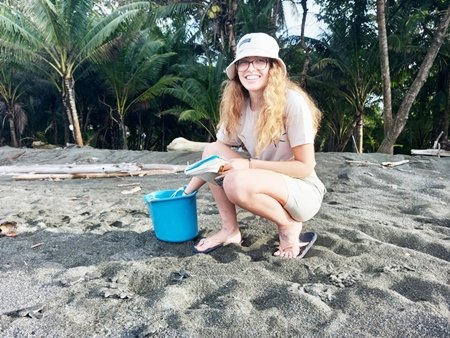
이 프로그램의 주요 목표는 바다거북 보호 이며, 자원봉사자들은 산란기(6월~2월) 동안 올리브바다거북, 푸른바다거북, 매부리바다거북 보호 활동을 지원합니다. 해변 순찰, 둥지 모니터링, 부화장 관리, 데이터 수집 등의 활동은 모두 경험이 풍부한 지역 보호 담당 직원의 지도하에 진행됩니다. 이러한 노력은 새끼 거북의 생존율을 높이고 취약한 산란 지역을 보호하는 데 매우 중요한 역할을 합니다.
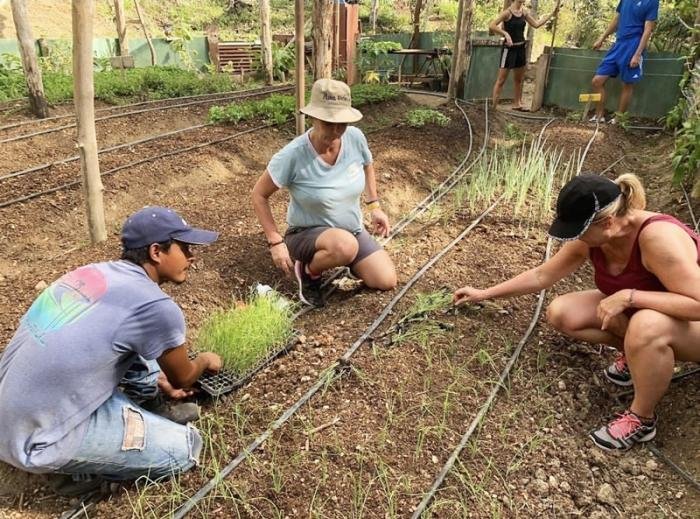
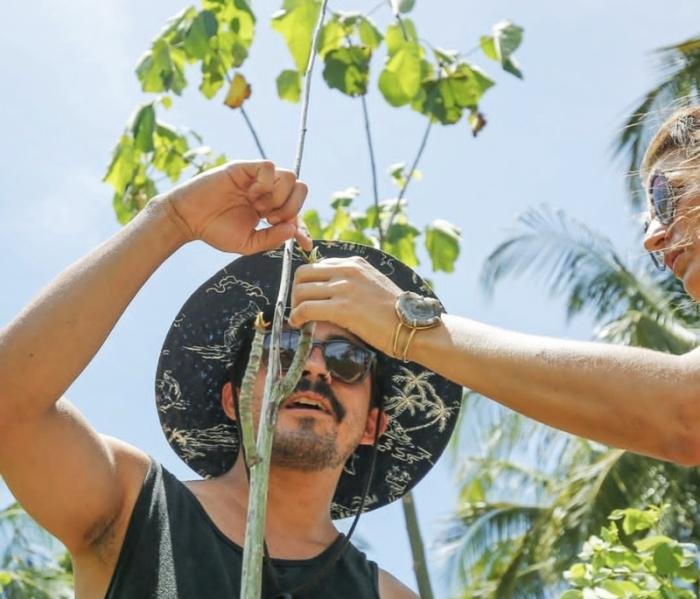
야생동물 보호 활동 외에도 자원봉사자들은 연중 내내 지속가능한 농업 및 산림농업 활동 에 참여합니다. 이러한 프로젝트는 유기농 식품 생산, 토양 복원, 퇴비화, 나무 심기, 종자 채집 등에 중점을 둡니다. 자원봉사자들은 지속가능한 농업에 대한 실질적인 지식을 습득하고, 지속가능한 농업 원칙이 생물 다양성, 식량 안보, 장기적인 환경 회복력에 어떻게 기여하는지 배우게 됩니다.
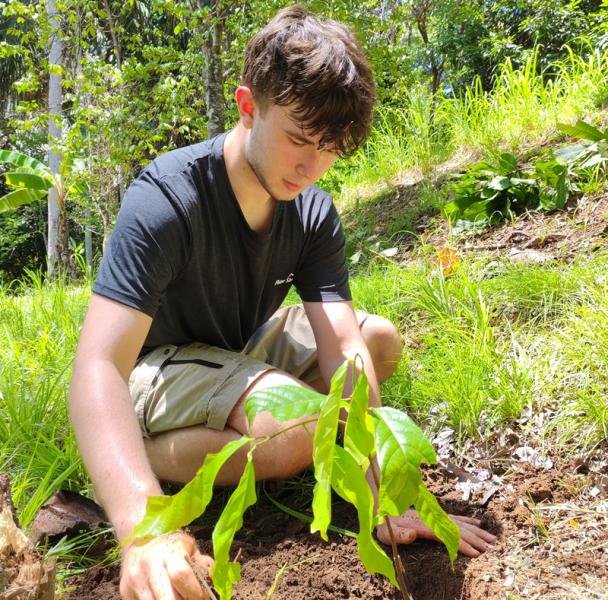
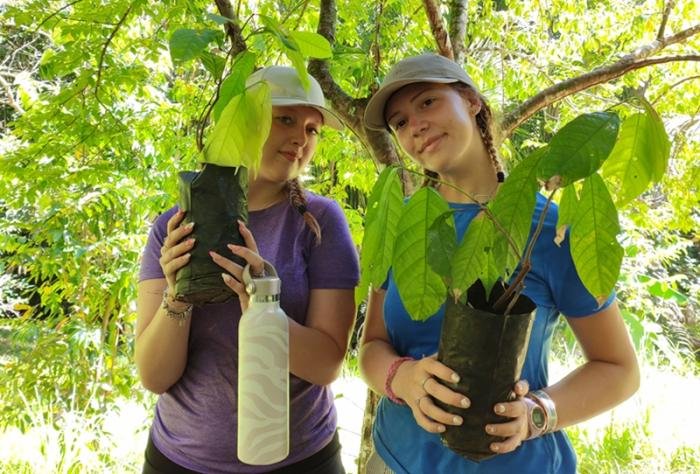
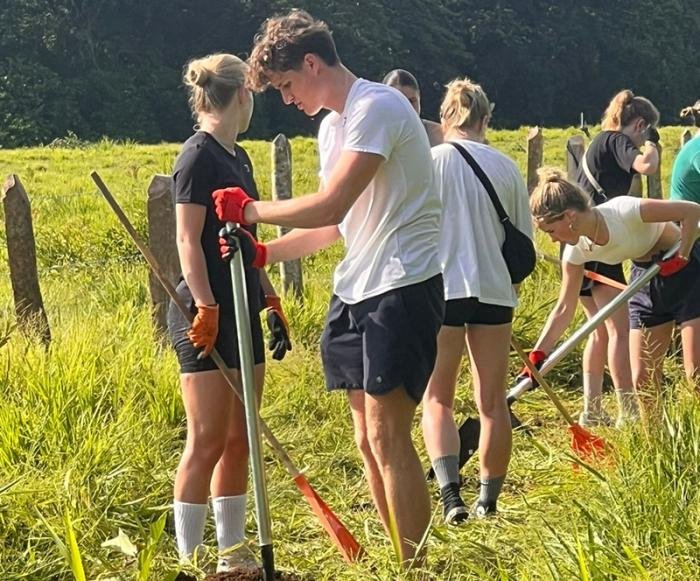
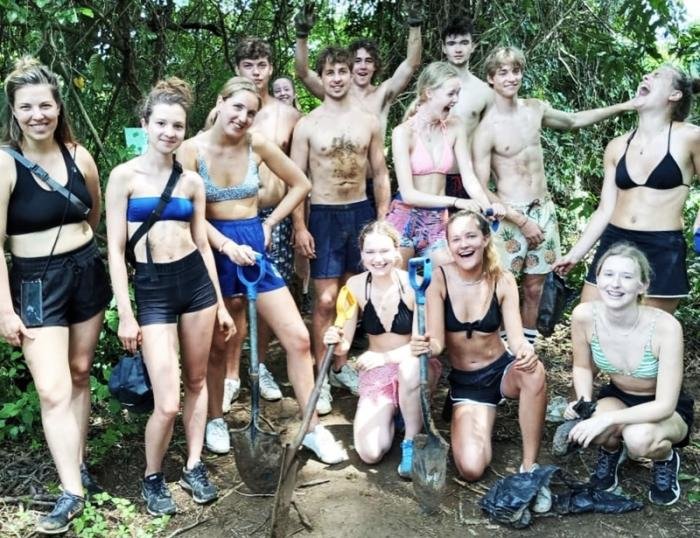
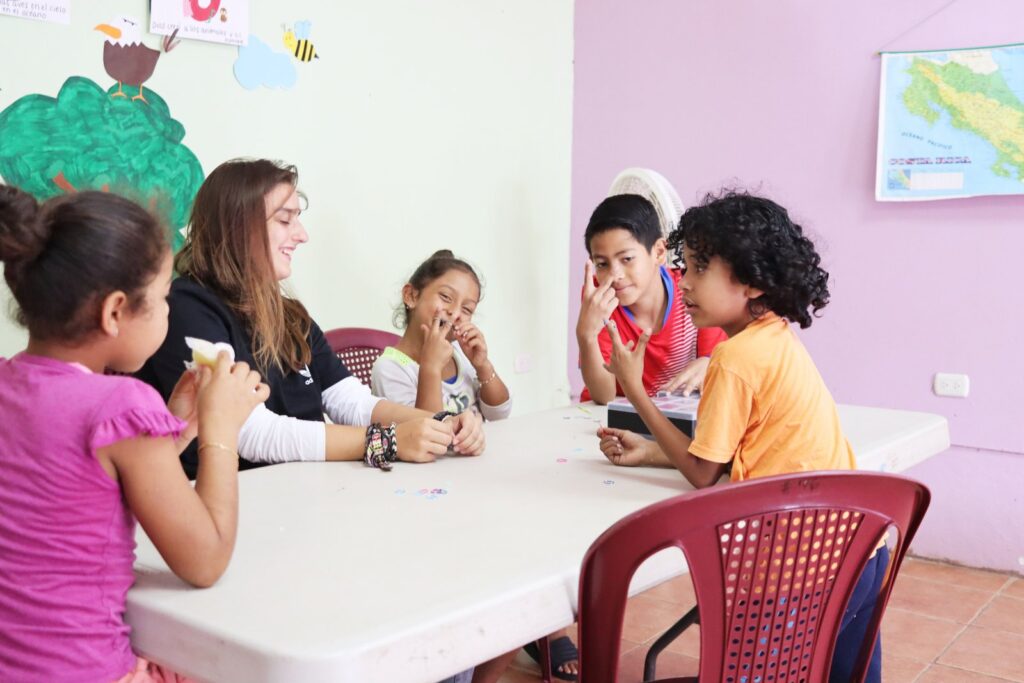
이 프로그램은 또한 삼림 복원, 환경 교육 및 지역 사회 참여를 강조합니다. 자원봉사자들은 토종 나무 심기, 산책로 관리, 지역 야생 동물 관찰 및 환경 인식 캠페인 지원에 참여합니다. 일정이 허락하는 경우, 참가자들은 보존 및 지속 가능한 생활 방식을 장려하는 교육 워크숍 및 지역 사회 활동에도 참여할 수 있습니다.
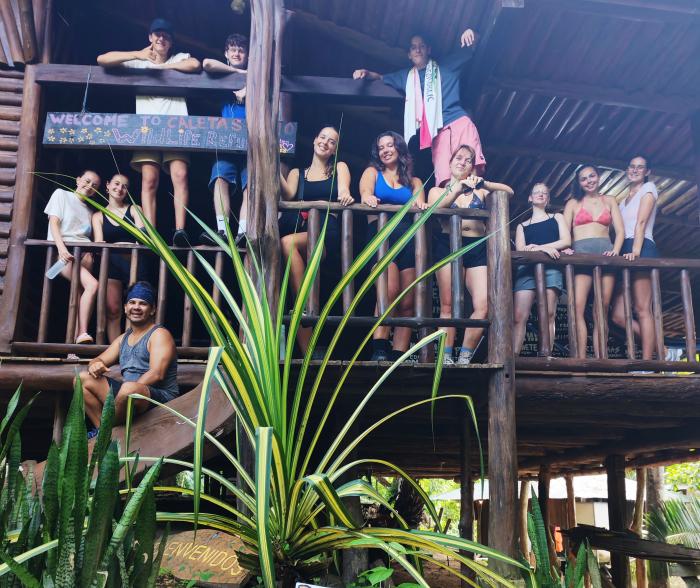
자원봉사자들은 프로젝트 현장 근처에 있는 간소하고 친환경적인 캠프에서 숙박하며, 도시 생활에서 벗어나 자연에 완전히 몰입할 수 있는 특별한 기회를 얻습니다. 식사는 매일 제공되며 대부분 채식 위주이고, 종종 현지에서 조달한 식재료를 사용합니다. 와이파이 사용은 제한되어 있어 참가자들이 주변 환경과 동료 자원봉사자들과 더욱 깊이 교류할 수 있도록 합니다.
이 프로그램은 처음 자원봉사를 하는 사람, 갭이어 학생, 그리고 환경을 생각하는 18세 이상 여행객에게 적합합니다. 사전 경험이나 스페인어 구사 능력은 필요하지 않으며, 긍정적인 태도, 유연성, 그리고 자연 속에서 야외 활동을 즐기고자 하는 마음만 있으면 됩니다. 최소 2주간 체류하며 코스타리카에서 환경 보전 활동과 지속 가능한 삶에 대한 귀중한 통찰력을 얻고 실질적인 기여를 할 수 있습니다.
자원봉사자의 역할 및 책임
자원봉사 활동은 계절과 프로젝트 요구 사항에 따라 다양하며 다음과 같은 활동을 포함할 수 있습니다.
바다거북 보호 활동 (6월~2월)
- 야간 및 이른 아침 해변 순찰 참여
- 거북이 둥지 식별, 표시 및 모니터링
- 양식장 작업 및 데이터 수집 지원
- 새끼 새 방류 지원
지속가능농업 및 산림농업(연중)
- 유기농 정원 가꾸기 및 식품 생산
- 나무 심기 및 종자 수집
- 퇴비화 및 토양 재생
- 관개 시스템 유지 관리
산림 복원 및 야생 동물 보호 (연중)
- 토종 나무 심기
- 산책로 및 서식지 관리
- 야생동물 모니터링 활동 지원
환경 교육 및 지역사회 프로젝트
- 인식 개선 및 보존 캠페인 지원
- 워크숍 및 교육 활동 지원
- 해변 청소 및 재활용 활동 참여
번식기가 아닌 시기(3월부터 5월) 동안 자원봉사자들은 주로 지속가능한 농업, 산림 복원 및 환경 교육 활동에 집중합니다.
요건 및 자격
자원봉사자는 만 18세 이상이어야 하며 최소 2주간 참여해야 합니다. 프로젝트 현장의 Wi-Fi 접속이 제한적이므로, 참가자들은 최소한의 인터넷 연결 상태에 대비해야 합니다. 활동은 육체적으로 힘들 수 있으므로, 자원봉사자는 건강 상태가 양호하고 야외 활동에 불편함이 없어야 합니다. 의료 보험 가입은 필수입니다. 지속 가능한 삶을 장려하는 프로그램이므로, 환경 보호에 신경 쓰고 쓰레기를 최소화하는 습관을 적극 권장합니다. 또한, 주변 편의 시설이 제한적인 외딴 곳에서 평화로운 시간을 보낼 수 있도록 준비해야 하며, 이는 자연 속에서 온전히 몰입하기에 이상적인 환경입니다.
평범한 하루
자원봉사 일정은 유연하게 조정되며 조수, 기상 조건 및 현재 보존 우선순위를 고려하여 계획됩니다. 작업은 계절에 따라 다르며, 현장 직원의 안내를 받아 생산적인 프로젝트 활동과 충분한 휴식을 균형 있게 경험할 수 있습니다.
일반적인 하루는 해돋이 해변 순찰이나 지속 가능한 농업 정원에서의 활동으로 일찍 시작하여 아침 식사로 마무리됩니다. 오전 중반에는 보통 조림, 서식지 복원, 데이터 수집과 같은 핵심 프로젝트 작업에 집중합니다. 오후에는 비교적 한가로우며, 지역 사회 활동, 환경 워크숍 참여, 또는 휴식, 독서, 인근 산책로 및 해변 탐방과 같은 자유 시간을 가질 수 있습니다.
저녁 시간은 대개 함께 저녁 식사를 하거나, 자유로운 토론, 학습 시간, 영화 감상 등을 하며 그룹으로 보냅니다. 날씨와 프로젝트 필요에 따라 일일 일정이 변경될 수 있지만, 유연성, 협력, 팀워크는 자원봉사 경험의 핵심 요소이며, 이를 통해 참가자들은 자연과 조화롭게 생활하고 일할 수 있습니다.
숙박 및 식사
공항 셔틀
코스타리카에 도착하는 자원봉사자분들께는 후안 산타마리아 국제공항(산호세)에서 픽업 서비스를 제공합니다. 프로그램에는 참가자들이 국제 여행 후 휴식을 취할 수 있도록 산호세에서 1박 숙박이 포함되어 있습니다. 다음 날, 자원봉사자들은 합승 셔틀을 이용하여 산호세에서 코바노로 이동한 후, 프로젝트 현장이 외딴 해안 지역에 위치해 있기 때문에 코바노에서 플라야 아리오까지 4륜구동 차량으로 이동합니다. 4륜구동 차량 이동은 도착 및 출발 시 모두 포함되어 있어 자원봉사자 캠프까지 안전하고 편리하게 이동할 수 있도록 보장합니다. 코바노에서 산호세로의 왕복 교통편은 프로그램 비용에 포함되어 있지 않습니다. 자원봉사자들은 코바노에서 산호세까지 단거리 항공편을 예약할 수도 있습니다.
정위
모든 자원봉사자는 출국 전 온라인 오리엔테이션에 참여하며, 이 오리엔테이션에서는 프로그램 개요, 준비물 안내, 교통편, 도착 후 예상되는 사항 등 필수 정보를 제공합니다. 프로젝트 현장에 도착하면 현지 팀이 진행하는 현장 오리엔테이션에 참석합니다. 이 오리엔테이션에서는 프로젝트 목표, 일일 일정, 안전 수칙, 자원봉사자 역할, 지속 가능한 생활 방식 소개 등을 다룹니다. 프로그램 기간 동안 영어로 소통 가능한 자원봉사 코디네이터가 자원봉사자들을 지원합니다.
숙소
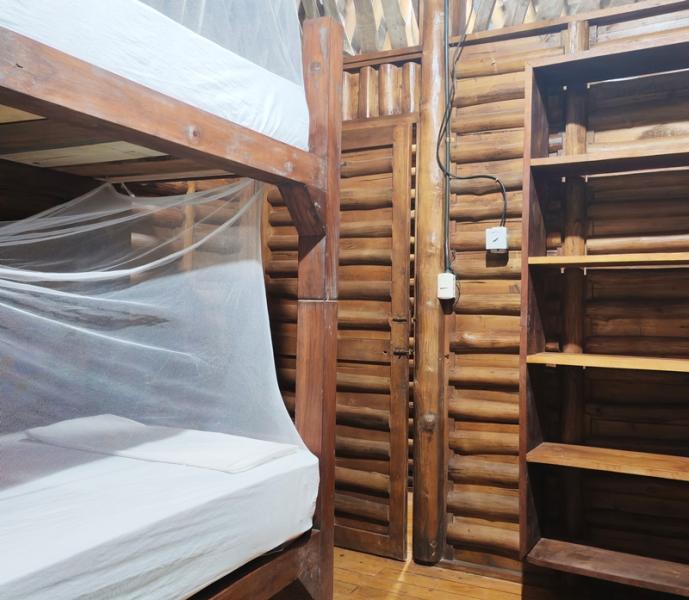
해변과 바다거북 산란지에 더 가까운 곳에 위치한 레인저 스테이션은 보다 소박하고 현장감 넘치는 숙박 시설을 제공합니다. 자원봉사자들은 기본적인 편의 시설을 갖춘 공용 객실에 머물게 되므로, 보존 활동에 직접 참여하며 실질적인 현장 경험을 쌓고 싶은 사람들에게 이상적입니다.
모든 식사는 신선하게 준비되며, 대부분 채식이고, 종종 현지에서 조달한 재료를 사용합니다. 캠프는 필수적인 필요를 위해 태양열 발전으로 운영되며, Wi-Fi 사용은 제한되어 있어 자원봉사자들이 일상의 방해 요소에서 완전히 벗어나 자연환경과 교감할 수 있도록 합니다.
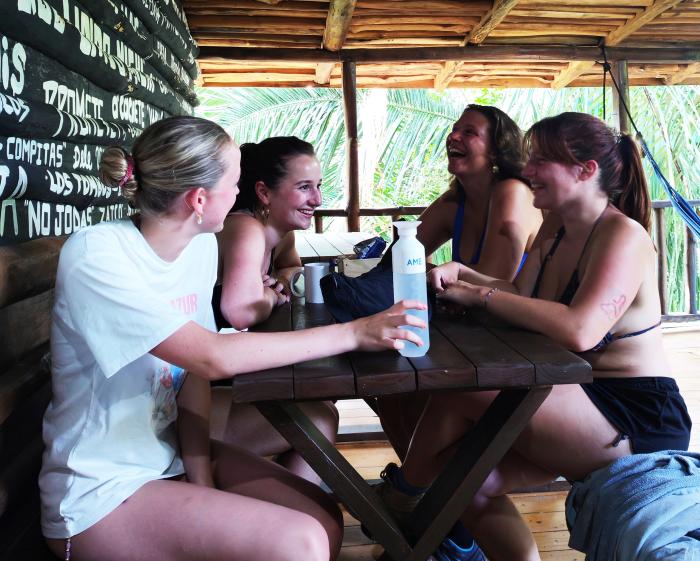
캠프에서는 원숭이, 열대 조류, 가끔 사슴이나 이구아나 등 야생 동물을 일상생활에서 흔히 볼 수 있습니다. 친근하고 공동체적인 분위기 속에서 팀워크와 자연 존중, 지속 가능한 삶에 대한 인식이 자연스럽게 형성됩니다.
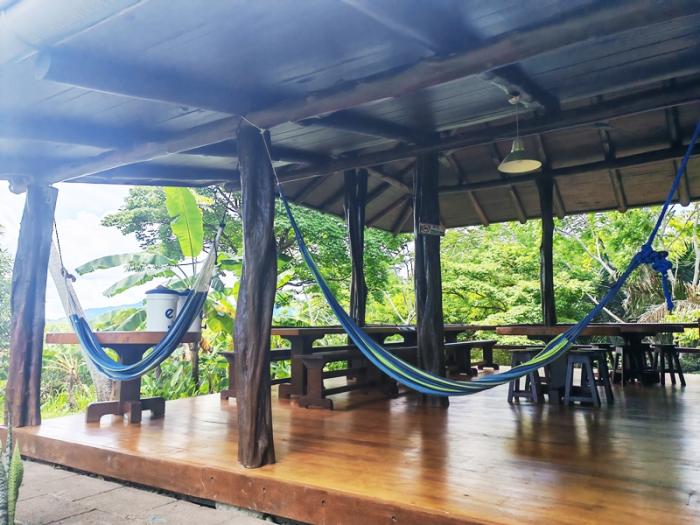
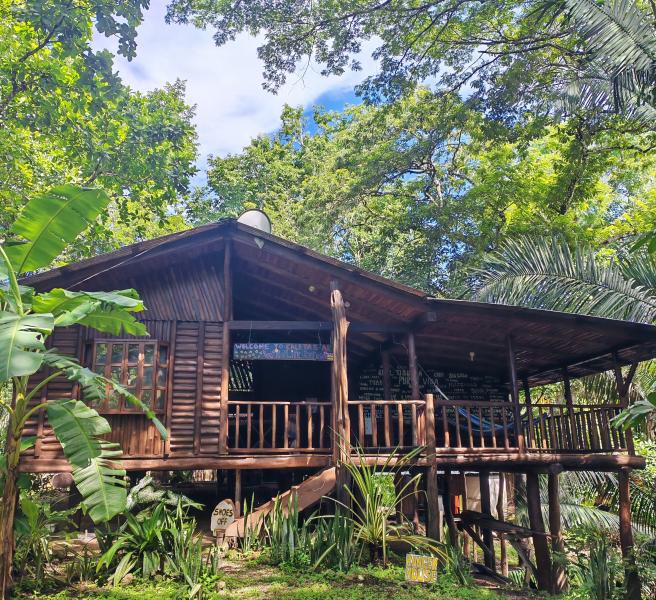
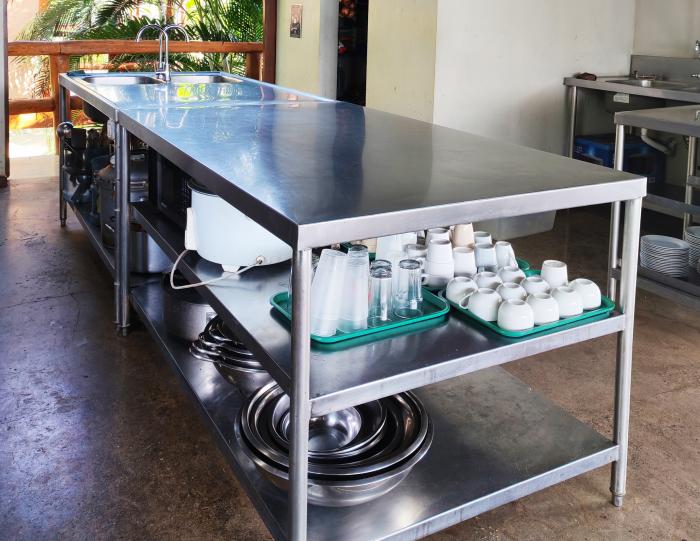
자원봉사자들은 메인 캠퍼스의 방갈로에 숙박할 수도 있습니다. 나무로 둘러싸여 있고 산책로로 연결된 이 방갈로는 이층 침대와 선풍기가 비치된 기숙사형 객실을 제공합니다. 화장실은 공용이며, 넓은 개방형 식사 공간은 식사, 회의 및 공동체 활동 공간으로 사용됩니다. 메인 캠퍼스의 방갈로 숙박을 위해서는 추가 요금을 지불해야 합니다.
식사
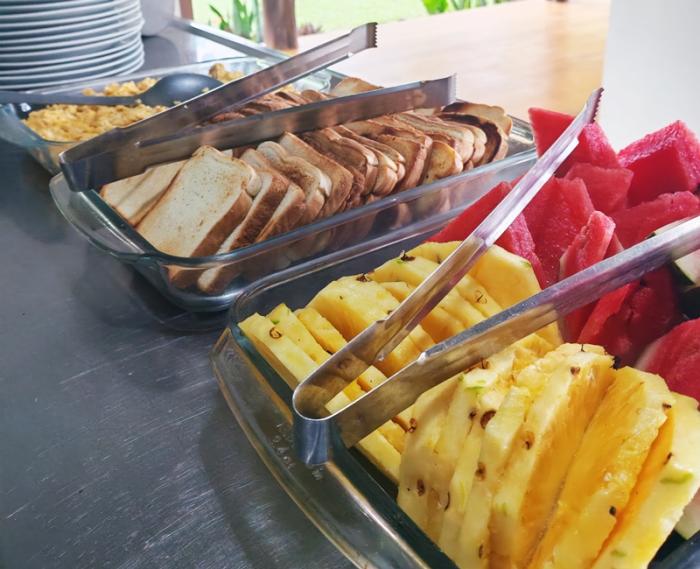
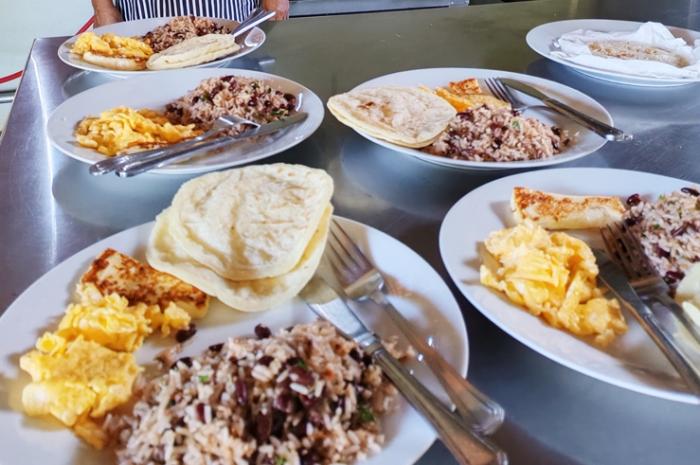
이 프로그램에는 프로젝트 팀이 현장에서 직접 준비하는 하루 세 끼 식사가 포함됩니다. 식사는 대부분 채식이며, 프로젝트의 지속 가능한 농업 활동을 통해 재배한 농산물을 포함하여 신선한 현지 식재료를 사용하는 경우가 많습니다. 특별한 식단 요구 사항은 사전에 알려주시면 대부분 맞춰드립니다. 식사 시간은 캠프 공동체 생활의 중요한 부분으로, 자원봉사자들이 휴식을 취하고, 서로 소통하며, 경험을 공유할 수 있는 기회를 제공합니다.
여가 시간에
자원봉사자들은 일반적으로 주 5일 근무하고 2일은 휴식을 취하거나, 주변을 둘러보거나, 플라야 아리오와 니코야 반도의 평화로운 환경을 즐길 수 있습니다. 자유 시간은 휴식을 취하고 재충전하며 코스타리카의 아름다운 자연과 지역 문화를 경험할 수 있는 완벽한 기회입니다.
자원봉사자들이 여가 시간을 보내는 가장 인기 있는 방법 중 하나는 플라야 아리오 해변을 따라 길게 산책하는 것입니다. 이곳에서 수영을 하거나, 휴식을 취하거나, 태평양 너머로 지는 아름다운 일몰을 감상할 수 있습니다. 해변은 대부분 자연 그대로의 모습을 간직하고 있어, 사색과 휴식을 취하기에 이상적인 조용하고 자연적인 환경을 제공합니다.
자원봉사자들은 해안선, 인근 농장, 숲길을 탐험할 수 있는 특별한 승마 투어에도 참여할 수 있습니다. 서핑에 관심 있는 분들은 만사니요, 산타 테레사, 말파이스와 같은 인근 해변을 방문해 보세요. 훌륭한 파도와 서핑 문화로 유명한 이 해변들은 주말 여행지로 인기가 높습니다.
니코야 반도는 세계적인 "블루존" 중 하나로도 알려져 있으며, 자원봉사자들은 현지에서 제공되는 요가나 명상 수업에 참여하여 건강, 균형, 휴식에 집중하며 이러한 라이프스타일을 경험할 수 있습니다. 코스타리카 요리 강습이나 전통 춤 강습과 같은 문화 활동에도 참여할 수 있어 지역 전통과 공동체 생활에 대해 더 자세히 알아볼 수 있습니다.
자연을 사랑하는 사람들은 여가 시간을 활용하여 카보 블랑코 자연 보호 구역을 비롯한 인근 보호 지역을 탐험하거나, 토르투가 섬으로 스노클링 여행을 떠나 코스타리카의 풍부한 해양 생물 다양성을 경험할 수 있습니다. 이러한 여행들은 육지와 수중 모두에서 야생 동물을 관찰할 수 있는 훌륭한 기회를 제공합니다.
자원봉사자 캠프에서는 매주 다양한 무료 활동이 제공됩니다. 야간 야생동물 관찰을 위한 가이드 동반 산책, 농장에서 직접 재배한 식재료로 만든 음식을 맛보는 체험, 공동 저녁 식사, 영화 감상, 게임의 밤, 그리고 비공식적인 문화 교류 등이 포함됩니다. 또한 많은 자원봉사자들이 카페, 상점, 그리고 여유로운 분위기로 유명한 활기 넘치는 해변 마을인 산타 테레사까지 함께 택시를 타고 가는 모임을 조직하기도 합니다. 산타 테레사는 캠프에서 약 45분 거리에 있습니다.
캠프 외부에서 진행되는 모든 선택 관광 및 활동은 추가 비용이 발생하며, 프로젝트 주변의 해변과 자연 지역을 즐기는 것은 예외입니다. 자유 시간은 봉사 활동을 보완하도록 구성되어 참가자들이 의미 있는 환경 보존 활동과 휴식, 탐험, 문화 체험의 균형을 이룰 수 있도록 합니다.
시작일
매주 시작일 선택 가능, 연중 내내 — 향후 2년 중 원하는 주를 선택하세요.
프로그램 기간별 수수료
프로그램 비용 외에 일회성 신청 수수료(미화 249달러/영국 파운드 179파운드/유로 229유로/호주 달러 350달러)가 부과됩니다. 이 수수료는 1년간 유효하며, 그 기간 동안 여러 프로그램에 등록할 수 있습니다. 미국 달러 또는 호주 달러로 신용카드 결제 시 5%의 국제 은행 수수료가 부과됩니다.
| 지속 | 프로그램 수수료 | |
|---|---|---|
| 2 몇 주 | $1,227 | |
| 3 몇 주 | $1,521 | |
| 4 몇 주 | $1,815 | |
| 5 몇 주 | $2,109 | |
| 6 몇 주 | $2,403 | |
| 7 몇 주 | $2,697 | |
| 8 몇 주 | $2,991 | |
| 매주 추가 | +$350 / 주 |
환율은 참고용이며, 예약 금액은 결제 시 선택하신 통화로 청구됩니다.
✓ 당신이 지불하는 금액
- 출국 전 소통 및 지원
- 출국 전 온라인 오리엔테이션
- 후안 산타마리아 국제공항 픽업 서비스
- 산호세에서 1박 숙박
- 산호세에서 코바노까지 셔틀버스 공동 운행
- 코바노에서 플라야 아리오까지 4륜구동 차량 이동 (왕복 포함)
- 현장 오리엔테이션 회의
- 하루 세 끼 식사 (대부분 채식)
- 영어권 자원봉사 코디네이터의 안내
- 야생동물 보호 및 지속가능한 농업 사업을 위한 프로젝트 지역 접근
- 가이드와 함께하는 야간 산책, 농장에서 직접 재배한 식재료로 만든 음식을 맛보는 시간, 영화나 게임의 밤, 문화 교류 등 매주 무료로 진행되는 다양한 활동들이 있습니다.
- 참가 증명서 (요청 시 발급 가능)
포함되지 않음
- 항공편
- 언급되지 않은 식사
- 코바노에서 산호세로 돌아가는 교통편 (추가 요금 발생)
- 개인 경비
- 여행자 및 의료 보험 (추가 요금 발생)
자주 묻는 질문
Do I need to buy health insurance?
Yes, for all participants, it is mandatory to have a valid travel medical insurance for their trip. Volunteers have the option to purchase Travel and Medical Insurance at a nominal extra cost from Volunteering Solutions. To provide the best option to our participants, we offer comprehensive insurance coverage in collaboration with a leading insurance provider.
rn
If you already have a valid Travel and Medical insurance, you can email us a copy of the same. It is also advised to bring along the Insurance documents during your trip.
When should I apply for the volunteer programs in Costa Rica?
It is advised to apply for the projects once the volunteering/ traveling dates are decided as there are limited spots available. The application fee is valid for one full year and can be sent earlier than the desired period of volunteering, for timely confirmation of the seat. As soon as you decide the travel dates, we suggest you to apply for the program and hold your spot. We abide by the first come first serve policy.
rnHow long will it take to process my application? Will my application be accepted?
Usually, it takes around 10-12 working days for the application to be processed and placement to be confirmed. After we review your CV and documents, your booking is confirmed and the booking confirmation is updated in your My Account and you can view the information in your account. The application acceptance depends on the availability of seats in the project as well as the eligibility criteria of the program (age, skills and experience etc.).
rnAre there any necessary requirements to participate in the Costa Rica volunteer programs?
Below are the necessary requirements to participate in the Costa Rica volunteer projects:
Volunteers must be 17 years or older for Teaching, Childcare, and Spanish Immersion at the beginning of the program. For all other programs, you need to be 18 years or older.
Volunteers joining the medical volunteer project must be either Pre-Medical, Medical or Nursing student or possess other qualifications related to medical and nursing field. Medical professionals such as doctors and nurses are also welcome to join the program.
Volunteers need to have an open mind and flexible attitude for working in a new and different environment.
The volunteer should bring energy and enthusiasm to make a difference.
The participant must be in good health.
Knowledge of Spanish (basic to intermediate) is necessary for all the programs.
Can I volunteer as part of a group?
Yes, you are welcome to take part in Costa Rica Volunteer Programs as part of a group. We welcome families, friends, high school students, college/university and corporate groups to volunteer together in the Costa Rica volunteer programs. Please get in touch for a customized program suitable for your group as per your budget and requirements.
I haven’t traveled or volunteered abroad before. Can I still be a part of VolSol?
Yes, most definitely you can, as we believe that every participant brings something new to the project. If you do not have previous experience, we offer you the opportunity to have a great start with us. We make international volunteering easy – not only are our Volunteer Abroad opportunities rooted in offering you extensive support, but they are also very affordable.
rnDoes VolSol provide with a reference or a certificate after program completion?
Yes, we will provide you with the Certificate after successful completion of your program. The certificate is provided on request.
When do I need to arrive in Costa Rica for my program? What will happen once I arrive in Costa Rica?
All volunteers are required to arrive on the designated program start date. Upon arrival at Juan Santamaría International Airport, participants will be met by a local representative and transferred to their assigned accommodations.
Volunteers joining the Childcare and Teaching programs will stay with carefully selected host families. Those participating in the Animal Rescue Project in Alajuela or the Turtle Conservation Project in Matapolo will spend their first night in a homestay before continuing to their project locations.
Participants enrolled in the Animal Rescue Project in Puerto Viejo will be collected from the airport and provided overnight accommodation in a hostel in San José. Volunteers joining the Turtle and Environmental Conservation Project in Osa Peninsula should arrive directly in Puerto Viejo, unless they have booked the optional San José Arrival Package, which includes airport pickup and an overnight stay.
What are the Program locations in Costa Rica?
We offer a wide variety of programs in Costa Rica located in all different regions of the country. The Childcare,Teaching and Women Empowerment projects are located in and around San Ramon de Alajuela which is around 45 minutes from the capital city of San Jose.The Turtle and Environment Conservation project is located in Osa Peninsula.The Wildlife and Animal Rescue Center project is located near Puerto Viejo. The Turtle, Wildlife and Permaculture project project takes place near Playa Ario, a wild and beautiful beach within the Caletas–Ario National Wildlife Refuge, where forests, rivers, and the ocean meet.
Does Volunteering Solutions help with Visa?
Participants (most nationalities) require a Tourist Visa to travel to Costa Rica. Travelers from most countries can get a 90-day permit stamped on their passport on arrival.We advise you to check with your nearest Costa Rican embassy as well.
rnWhat are the recommended airlines to fly to Costa Rica?
Several international airlines offer convenient flights to Costa Rica from both North America and Europe. From North America, airlines such as United Airlines, American Airlines, Delta Air Lines, JetBlue Airways, Southwest Airlines, and Air Canada operate frequent direct and connecting flights to Costa Rica from major cities in the United States and Canada. These airlines provide good connectivity via hubs such as Houston, Miami, Atlanta, New York, Toronto, and Montreal, making travel to Costa Rica straightforward and accessible.
Travellers flying from Europe can choose from a number of well-established carriers offering direct or one-stop flights to Costa Rica. British Airways operates direct flights from London, while Iberia offers direct connections from Madrid. KLM Royal Dutch Airlines and Air France provide direct services from Amsterdam and Paris respectively, and airlines such as Lufthansa and SWISS International Air Lines offer convenient one-stop connections from other European cities via their main hubs.
Volunteers are recommended to book flights arriving at Juan Santamaría International Airport (SJO) in San José, which is Costa Rica’s main international airport and offers the widest range of international connections, as well as the most convenient onward travel options to the project location.
How safe is Costa Rica in general?
Costa Rica is considered one of the safest and most stable countries in Central America, and it is a popular destination for international travellers, students, and volunteers. The country has a long-standing reputation for political stability, a strong democratic system, and no standing army, which has contributed to a generally peaceful society.For visitors, Costa Rica is safe to travel when normal precautions are taken. Most trips are trouble-free, especially in tourist-friendly areas such as San José, the Nicoya Peninsula, and coastal regions.
What immunizations/vaccinations will I need?
All participants are recommended to consult their physician or travel doctor before traveling to Costa Rica. To view the general list of vaccinations recommended for your travel to Costa Rica, click here.
What if I have my own accommodation. Can I still volunteer for the project?
Unfortunately, the entire volunteering experience is as much about volunteering on your project, as it is about the cross-cultural exchange and community building. A lot of that happens through the accommodation that we have set up, where one can enjoy by being with like-minded people. Additionally, for safety reasons, all volunteers must live in the allotted accommodation.
Can vegetarians be accommodated?
Yes, however, you must inform us in advance and also mention about any dietary requirement in your application form.
Would I have free time during my program? Can I do sightseeing during my program?
Depending on your project placement, you will get evenings and the weekends free to travel and explore the place. In the evenings, volunteers usually get together and go out for social gatherings, eat out or just relax at the volunteer house. Weekends are free for the volunteers and you can go for short weekend trips. There’s actually so much to do in Costa Rica. Visit Nicoya Peninsula, Arenal Volcano, Corcovado National Park, Monteverde Cloud Forest Biological Reserve, La Paz Waterfall Gardens, Tabacón Hot Springs, San José, Caño Negro Wildlife Refuge, Tortuguero National Park and much more. For volunteers in Playa Ario, there is plenty to experience in and around Playa Ario and the Nicoya Peninsula when you’re not working on conservation projects. Many volunteers also organize shared taxis to visit Santa Teresa, a lively beach town located about 45 minutes away. Known for its vibrant cafés, surf culture, and relaxed atmosphere, it’s a great place to spend a day off with fellow volunteers. Free activities offered at the camp include guided night walks, movie nights, and communal dinners — perfect moments to relax, share experiences, and enjoy the sense of community that grows naturally here.
Are there more expenses once I arrive in Costa Rica?
Your program fee does not cover your personal expenses. You will need to provide for yourself your personal expenses, such as bottled water, local transport, telephone, shopping, sightseeing etc. However, you should carry around $70-$80 per week for your basic personal expenses. This amount can vary and you would need a higher amount if you choose to go on weekend trips out of town.
rnFor how many hours do I have to volunteer in a day?
Volunteers usually work for 4 to 6 hours a day depending on their program. You will have weekends off so you can travel on weekends. However, volunteers need to be flexible, open-minded and understand that work requirements can change as well on certain occasions.
rnWhere can I change my money in Costa Rica? Are there ATMs in the city?
You can change money upon your arrival at Juan Santamaria Airport or from the bank. There is a good network of ATMs as well.
rnHow can I connect with past Volunteering Solutions Costa Rica alumni as well as other former and current volunteers?
We encourage volunteers to get in touch with former Volunteering Solutions Costa Rica program participants and also other program participants joining our projects. You are recommended to join the Volunteering Solutions Facebook Page or Facebook Group to communicate with other participants.
rn
rn
To read alumni interviews from past participants, visit ?the Meet a Volunteer section on our website.
Can I know more about accommodation and food arrangements?
Turtle, Wildlife and Permaculture Project
Upon arrival in San Jose accommodation is provided in a hostel for the night. When at the project in Nicoya Peninsula, the accommodation is located closer to the beach and the turtle nesting sites. This rustic station
accommodates volunteers in shared rooms with basic facilities, ideal for those seeking a more immersive field experience. All meals are freshly prepared, mostly vegetarian, and often made with local produce. Solar power supports essential needs, and Wi- Fi is limited — encouraging full connection with the natural surroundings. Wildlife is part of daily life here: monkeys,tropical birds, and even the occasional deer or iguana can be seen near the camp. The atmosphere is communal, friendly, and rooted in respect for the environment
Teaching, Childcare and Women Empowerment Projects
Volunteers stay with welcoming local host families, offering a great chance to experience Costa Rican culture and daily life. You’ll receive two meals per day, and detailed information about your host family will be shared after your placement is confirmed.
Animal Rescue Project (Puerto Viejo)
On arrival, volunteers stay one night in a hostel in San José. During the project, accommodation is provided in a dorm-style hostel near the center. Meals are not included, but you’ll have access to a fully equipped kitchen to prepare your own food.
Osa Peninsula Projects
Volunteers in the Osa Peninsula stay directly at the project site in shared dorm-style accommodation.
Fallen bei meiner Ankunft in Costa Rica weitere Kosten an?
Die Programmgebühr deckt Ihre persönlichen Ausgaben nicht ab. Sie müssen diese selbst tragen, z. B. für Wasserflaschen, Nahverkehr, Telefon, Einkäufe, Ausflüge usw. Planen Sie jedoch etwa 70–80 US-Dollar pro Woche für Ihre grundlegenden persönlichen Ausgaben ein. Dieser Betrag kann variieren, und Sie benötigen mehr, wenn Sie Wochenendausflüge unternehmen möchten.
rn자원봉사자들로부터 Costa Rica
프로그램 담당자와 미팅 일정을 잡으세요
저희가 도와드리겠습니다. 20분 동안 일대일 맞춤 상담을 통해 자세한 정보, 전문가 조언 및 지원 방법을 안내해 드립니다.
무료 상담 예약하기더 많은 프로젝트 Costa Rica
코스타리카 아동 보육 자원봉사 프로그램
코스타리카의 어린 아이들을 위한 보육 시설에서 자원봉사를 하며, 도움이 절실히 필요한 아이들에게 보살핌, 창의력, 그리고 희망을 전해주세요.
코스타리카에서 영어를 가르치는 자원봉사 활동
코스타리카에서 자원봉사를 하며 교실 학습을 지원하거나 여러분이 열정을 가진 과목을 가르쳐 아이들의 마음에 영감을 불어넣어 보세요. 학교와 방과…
거북이와 환경 보전
코스타리카 오사 반도의 바다거북 산란지 서식지 보존을 목표로 하는 지역사회 주도형 보존 프로젝트에 자원봉사자로 참여하세요. 오사 반도는 코스타리카…