 English (US) ▾
 Nederlands
 English (UK)
 Deutsch
 Italiano
 Português
 Español
Turtles, Wildlife & Permaculture Volunteer Experience
Live and volunteer in one of Costa Rica’s most biodiverse coastal regions while protecting endangered sea turtles, restoring forests, and learning sustainable permaculture practices. Based in Playa Ario on the Nicoya Peninsula, this immersive experience combines wildlife conservation, community engagement, and eco-living in a remote and inspiring natural setting.
You volunteer at Playa Ario, a remote stretch of coastline on Costa Rica's Nicoya Peninsula inside the Caletas-Ario National Wildlife Refuge. Depending on the season, you take part in night and early-morning turtle patrols, nest monitoring and hatchery work, or spend your days on permaculture tasks such as organic gardening, composting, seed collection and tree planting, plus reforestation and environmental education activities. The program suits first-time volunteers aged 18 and over who want hands-on outdoor conservation work, with no prior experience or Spanish required.
You can stay for 2–12 weeks, with new starts twice a month (saturdays); the next is 3 Oct 2026. You live at the on-site ranger station in shared rooms with basic facilities (an upgrade to shared dorm-style bungalows at the main campus is available for an extra fee), and all meals, mostly vegetarian, are prepared on site. Prices start at $1,476, deposit included. The combination of seasonal turtle conservation with year-round permaculture and reforestation work is the reason many volunteers pick this placement over a single-focus project.
Your role on this program
- Take part in night and early-morning beach patrols to locate turtle nests (June to February)
- Identify, mark, and monitor turtle nests, and assist with hatchery work and data collection
- Support hatchling releases
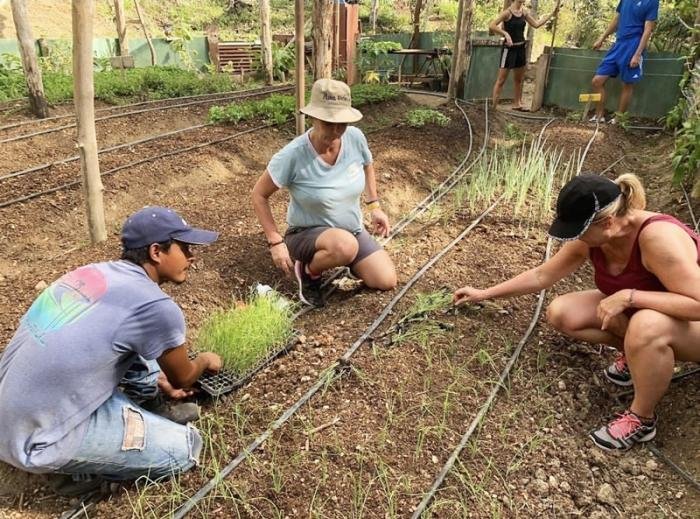
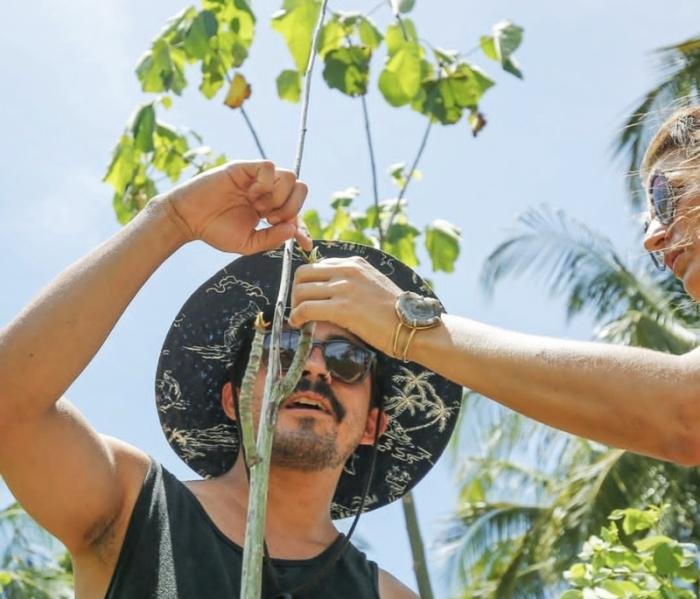
- Carry out organic gardening and food production work in the permaculture gardens
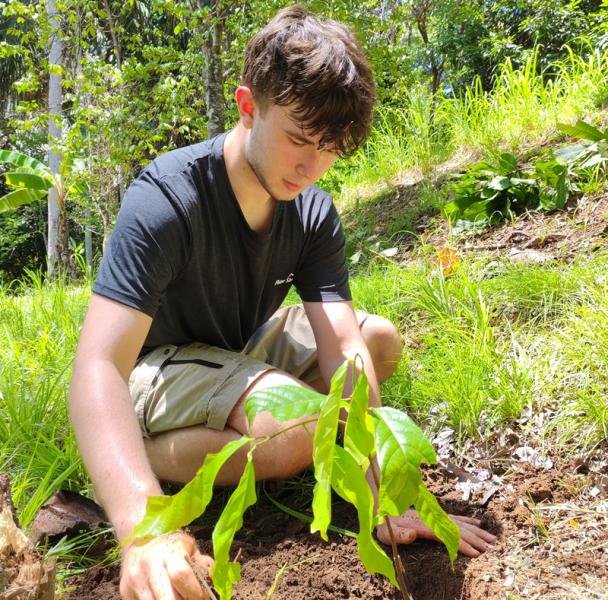
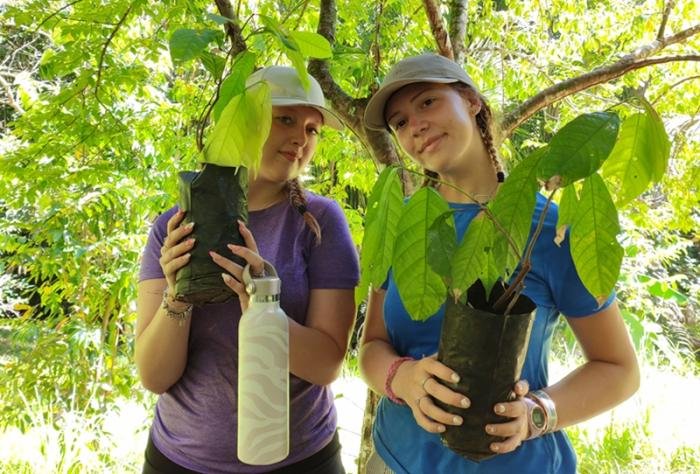
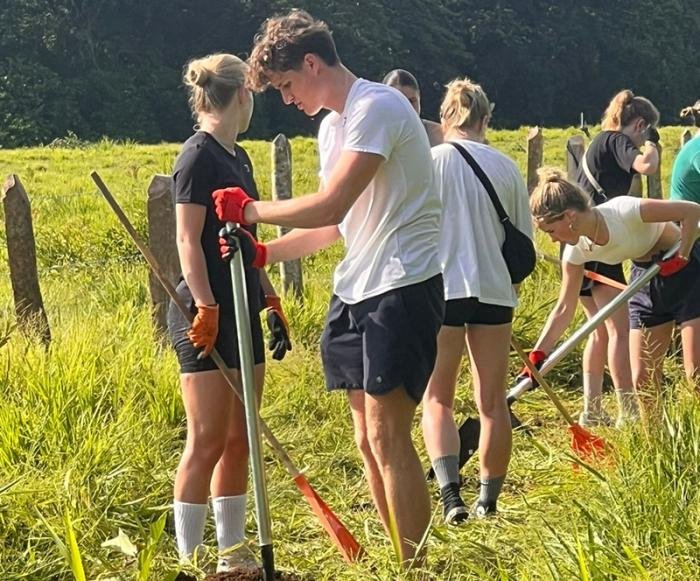
- Plant native trees and collect seeds for reforestation
- Maintain composting systems and irrigation lines
- Assist with trail and habitat maintenance and wildlife monitoring activities
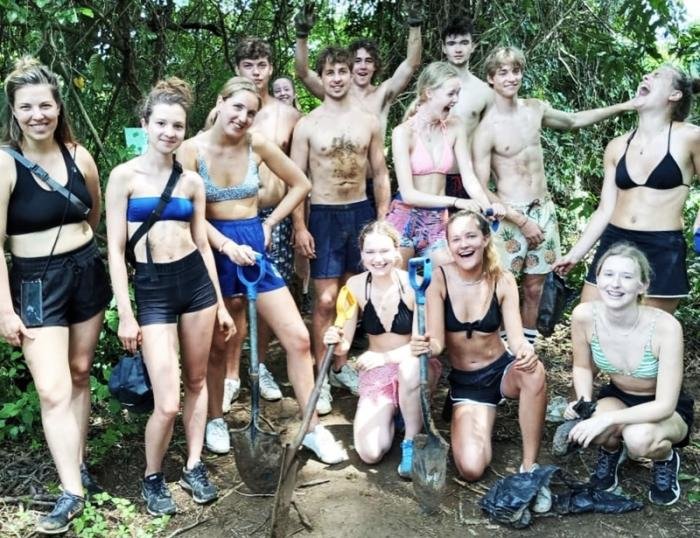
- Support environmental education workshops, awareness campaigns, and beach clean-ups
Exact duties vary with the placement's needs, the season and your experience.
Role boundaries
You handle turtles, nests, and hatchlings only under the direction of local conservation staff, following the project's animal welfare policy; there is no riding, bathing, or posing with wildlife. Tasks shift with the season and the camp's needs and are led day to day by the English-speaking volunteer coordinator and local staff, who make the decisions on conservation and land-management work.
A typical day and week
The volunteer schedule is flexible and planned around tides, weather conditions, and current conservation priorities. Tasks vary by season, and volunteers are guided by on-site staff to ensure a well-balanced experience that combines productive project work with adequate rest.
A typical day may start early with a sunrise beach patrol or activities in the permaculture gardens, followed by breakfast. Mid-morning is usually dedicated to core project work such as reforestation, habitat restoration, or data collection. Afternoons are lighter and may include community-based initiatives, environmental workshops, or free time to relax, read, or explore nearby trails and beaches.
Evenings are generally spent together as a group, with shared dinners, informal discussions, learning sessions, or movie nights. While daily schedules can change depending on weather and project needs, flexibility, cooperation, and teamwork are key aspects of the volunteer experience, allowing participants to live and work in harmony with nature.
Timings are the placement's usual pattern; the local team confirms your hours at orientation, and they can change with school terms, clinic rotas, weather and the project's needs.
Who can join and what you need
- Minimum age 18
- Commit to a minimum stay of 2
- No prior experience or Spanish language skills required
- Good general health and comfortable with physically demanding outdoor work
- Travel and medical insurance mandatory (your own policy or one arranged by Volunteering Solutions)
- Willingness to adapt to limited Wi-Fi and a remote, off-grid living environment
The placement, its limits and your part in it
The project is run by the on-site conservation camp team at Playa Ario, inside the Caletas-Ario National Wildlife Refuge, with day-to-day work planned around tides, weather, and current conservation priorities rather than a fixed office schedule. You are guided throughout by an English-speaking volunteer coordinator living on site and by local conservation staff, who set the daily tasks and decide when and how volunteers interact with turtles, nests, and hatchlings.
Your contribution is practical and supervised: patrolling, monitoring, planting, composting, and recording data alongside the camp's ongoing programs, with no independent decision-making over conservation methods or wildlife handling. What gets done in a given week depends on the nesting season, weather, and the site's current needs, and tasks are shared across the volunteer group as part of a communal, cooperative routine.
Our standards
- Responsible volunteer travel policyHow we choose, run and review every project
- Animal welfare policyOur rules for wildlife, marine and animal-care projects
- Certified B CorporationSocial and environmental performance verified by B Lab
- How we volunteer responsibly in Costa RicaCountry-level partner context and standards
Start dates
Weekly start dates, year-round — pick any week across the next two years.
Program fees by duration
Prices include your $249 booking deposit — which is deducted from your total program fee. Your deposit stays valid for one year, during which you may enroll in multiple programs. A 5% international banking fee applies to credit-card payments in USD or AUD.
| Duration | Total price | |
|---|---|---|
| 2 weeks | $1,476 | |
| 3 weeks | $1,770 | |
| 4 weeks | $2,064 | |
| 5 weeks | $2,358 | |
| 6 weeks | $2,652 | |
| 7 weeks | $2,946 | |
| 8 weeks | $3,240 | |
| Each additional week | +$350 / week |
Indicative conversion — your booking is charged in the currency you choose at checkout.
✓ What you're paying for
- Pre-departure communication and support
- Pre-departure online orientation
- Airport pickup from Juan Santamaría International Airport
- One-night stay in San Jose
- Shared shuttle transfer from San Jose to Cobano
- 4×4 transfer from Cobano to Playa Ario (included both ways)
- On-site orientation meeting
- Three daily meals (mostly vegetarian)
- Guidance from an English-speaking volunteer coordinator
- Access to project areas for wildlife conservation and permaculture work
- Free weekly activities such as guided night walks, farm-to-table sessions, movie or game nights, and cultural exchanges
- Certificate of Participation (available on request)
Not included
- Flights
- Meals that are not mentioned
- Transfer back to San Jose from Cobano (Can be added at extra charges)
- Personal Expenses
- Travel and Medical Insurance (Available at extra charges)
Accommodation & meals
Airport Transfer
Volunteers arriving in Costa Rica are provided with airport pickup from Juan Santamaría International Airport (San José). The program includes one night of accommodation in San José to allow participants time to rest after their international journey. The following day, volunteers travel by shared shuttle from San José to Cóbano, followed by a 4×4 transfer from Cóbano to Playa Ario, as the project site is located in a remote coastal area. The 4×4 transfer is included both on arrival and departure, ensuring safe and reliable access to the volunteer camp.Return travel from Cobano to San Jose is not included in the fee. Volunteers can also book a short flight from Cobano to San Jose.
Orientation
All volunteers take part in a pre-departure online orientation, which provides essential information about the program, packing guidelines, travel arrangements, and what to expect on arrival. Upon reaching the project site, an on-site orientation meeting is conducted by the local team. This orientation covers project goals, daily schedules, safety guidelines, volunteer roles, and an introduction to sustainable living practices. Volunteers are supported throughout the program by an English-speaking volunteer coordinator.
Accommodation
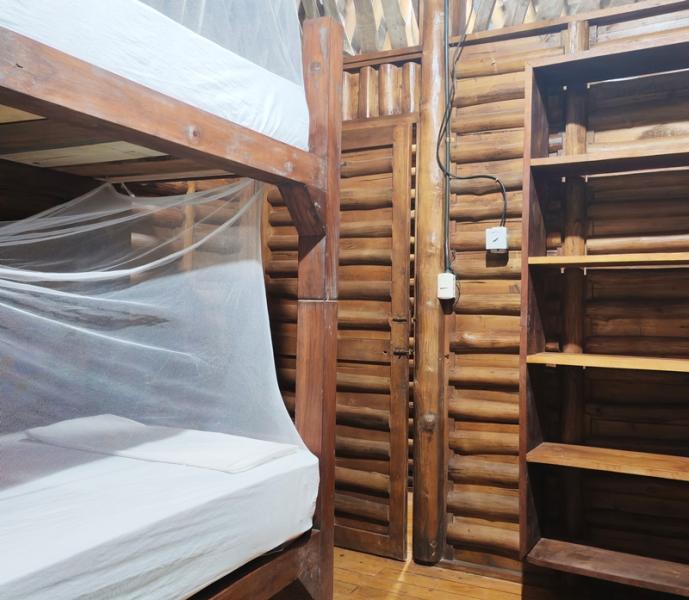
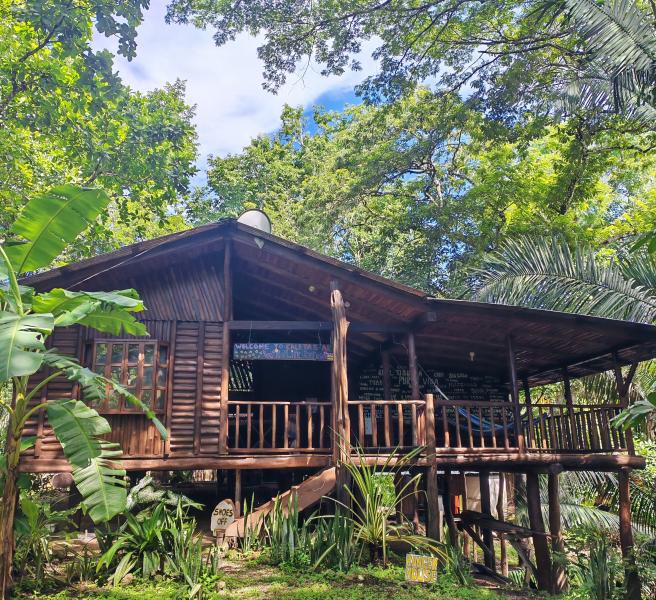
Located closer to the beach and the sea turtle nesting areas, the ranger station offers a more rustic and immersive accommodation option. Volunteers stay in shared rooms with basic facilities, making it ideal for those who want a hands-on field experience in close proximity to conservation work.
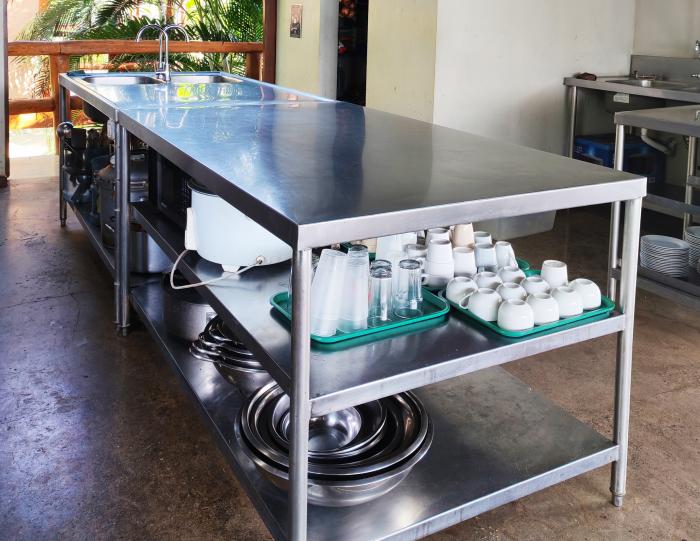
All meals are freshly prepared, mostly vegetarian, and often made using locally sourced ingredients. The camp operates with solar power for essential needs, and Wi-Fi access is limited, encouraging volunteers to fully disconnect from daily distractions and engage with the natural environment.
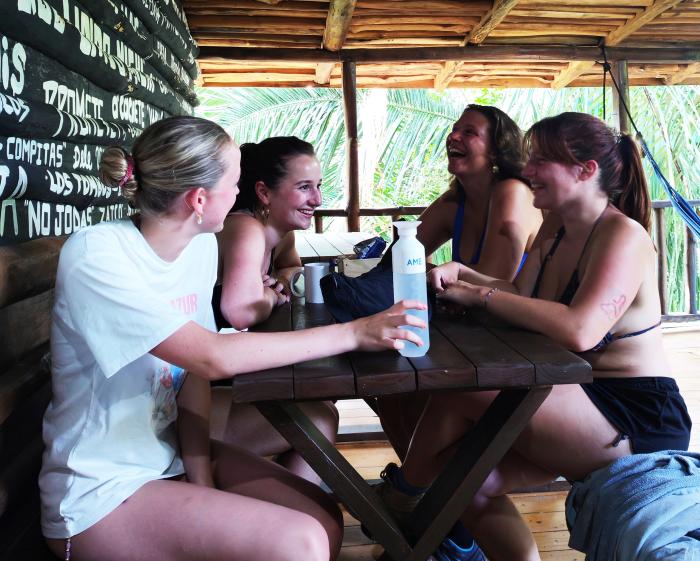
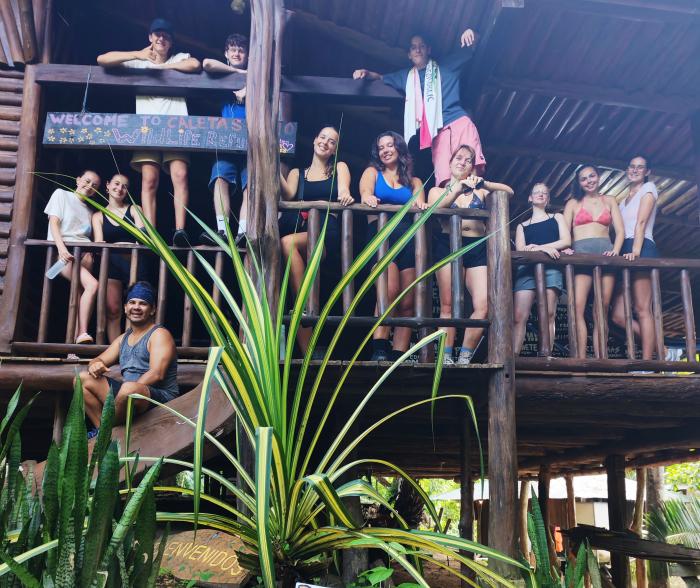
Wildlife is a regular part of daily life at the camp, with monkeys, tropical birds, and occasional sightings of deer or iguanas nearby. The atmosphere is friendly and communal, fostering a strong sense of teamwork and respect for nature and sustainable living.
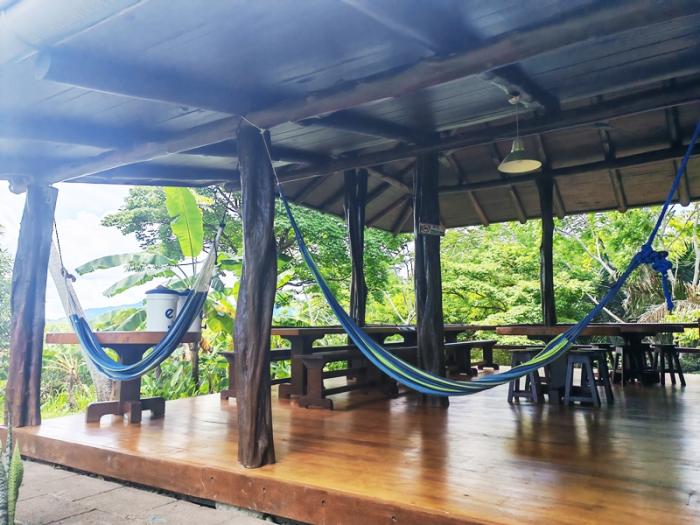
Volunteers also have an option to stay at Bungalows at the Main Campus. Surrounded by trees and connected by trails, the bungalows provide shared dorm-style rooms with bunk beds and fans. Bathrooms are communal, and a large open dining area serves as a space for meals, meetings, and community time. Volunteers need to pay an extra fee to stay at the bungalows accommodation at the main campus.
Meals
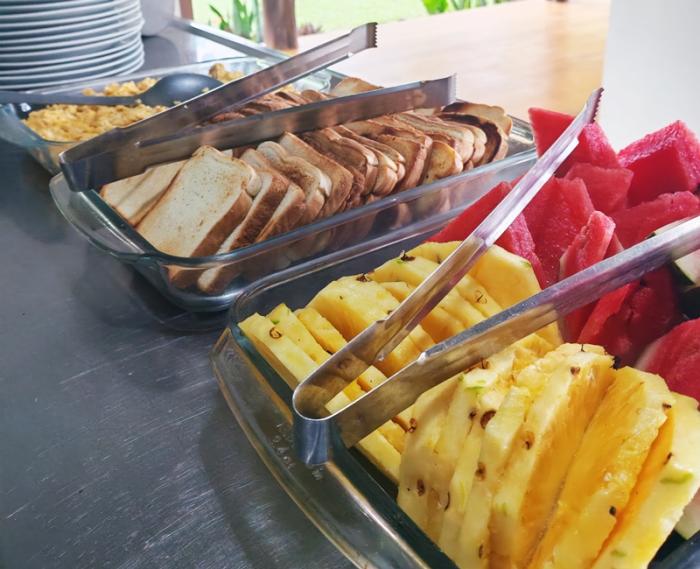
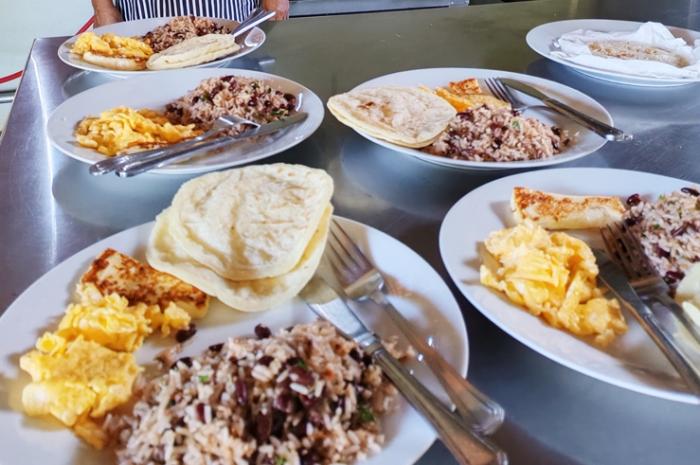
The program includes three meals per day, prepared on-site by the project team. Meals are mostly vegetarian and often made using fresh, locally sourced ingredients, including produce grown through the project’s permaculture initiatives. Special dietary requirements can usually be accommodated with advance notice. Mealtimes are an important part of community life at the camp, providing opportunities for volunteers to relax, connect, and share experiences.
During your free time
Volunteers typically work five days per week and have two days off to rest, explore, or simply enjoy the peaceful surroundings of Playa Ario and the Nicoya Peninsula. Free time provides the perfect opportunity to relax, recharge, and experience Costa Rica’s natural beauty and local culture.
One of the most popular ways to spend free time is enjoying long beach walks along Playa Ario, where volunteers can swim, relax, or watch spectacular sunsets over the Pacific Ocean. The beach is largely untouched and offers a quiet, natural setting ideal for reflection and downtime.
Volunteers can also take part in horseback riding tours, which offer a unique way to explore the coastline, nearby farms, and forest trails. For those interested in surfing, nearby beaches such as Manzanillo, Santa Teresa, and Malpaís are well known for their excellent waves and surf culture, making them popular weekend destinations.
The Nicoya Peninsula is also known as one of the world’s “Blue Zones,” and volunteers can embrace this lifestyle by joining yoga or meditation sessions offered locally, focusing on wellness, balance, and relaxation. Cultural activities such as Costa Rican cooking classes or traditional dance sessions may also be available, allowing volunteers to learn more about local traditions and community life.
Nature lovers can use their free time to explore nearby protected areas, including Cabo Blanco Nature Reserve, or take a snorkeling trip to Isla Tortuga to experience Costa Rica’s rich marine biodiversity. These excursions provide excellent opportunities to see wildlife both on land and underwater.
At the volunteer camp, several free weekly activities are offered, including guided night walks to observe nocturnal wildlife, farm-to-table sessions, communal dinners, movie nights, game nights, and informal cultural exchanges. Many volunteers also organize shared taxi trips to Santa Teresa, a lively beach town located about 45 minutes away, known for its cafés, shops, and relaxed atmosphere.
All optional tours and activities outside the camp are available at an additional cost, except for enjoying the beach and natural areas around the project. Free time is designed to complement the volunteer experience, allowing participants to balance meaningful conservation work with rest, exploration, and cultural discovery.
Life on the program


Getting there and who looks after you in Costa Rica
Airport pickup
You are met at Juan Santamaría International Airport (SJO) in San José as part of the program.
First night in San José
One night of accommodation in San José is included, giving you time to rest after international travel before heading to the project site.
Transfer to Playa Ario
The next day you travel by shared shuttle from San José to Cóbano, then by 4x4 to Playa Ario; the 4x4 transfer is included both on arrival and departure.
On-site orientation
The local team runs an on-site orientation covering project goals, daily schedules, safety guidelines, volunteer roles, and sustainable living practices, following the pre-departure online orientation.
Ongoing daily support
An English-speaking volunteer coordinator lives on site and is available throughout your stay, alongside 24-hour emergency contact.
From volunteers in Costa Rica
Frequently asked questions
What kind of work will I actually be doing?
From June to February you focus mainly on turtle conservation: beach patrols, nest identification and monitoring, hatchery work, and hatchling releases. Outside that window, and alongside it year-round, you work on permaculture tasks such as gardening, composting, tree planting, and reforestation, plus trail maintenance and environmental education activities.
Do I need experience or Spanish to join?
No. The program is designed for volunteers with no prior conservation experience or Spanish skills; you just need to be 18 or older and comfortable with outdoor, physically demanding work.
What does a typical day look like?
Days often start early with a beach patrol or garden work, followed by breakfast and core project tasks such as reforestation or data collection mid-morning. Afternoons are lighter, with community activities, workshops, or free time, and evenings are usually spent together as a group.
How long can I stay and when do programs start?
You can join for 2–12 weeks, with new starts twice a month (saturdays); the next start date is 3 Oct 2026.
What does the price include?
Programs start at $1,476, deposit included. This covers airport pickup from Juan Santamaría International Airport, one night in San José, shared shuttle and 4x4 transfers to Playa Ario, three daily meals, on-site orientation, and guidance from the volunteer coordinator. Flights, the return transfer from Cóbano, personal expenses, and insurance are not included.
Where will I live and what will I eat?
You stay at the on-site ranger station near the beach and turtle nesting areas, in shared rooms with basic facilities; a dorm-style bungalow option at the main campus is available for an extra fee. All meals are freshly prepared on site and are mostly vegetarian, often using produce from the project's own permaculture gardens.
How does airport pickup and arrival work?
You are picked up at Juan Santamaría International Airport in San José, spend one included night in the city, then travel by shared shuttle to Cóbano and by included 4x4 transfer to Playa Ario.
What support is available on site?
An English-speaking volunteer coordinator lives at the camp, alongside local conservation staff, and there is 24-hour emergency assistance throughout your stay.
Do I need a visa, vaccinations, or insurance?
Travel and medical insurance is mandatory, either your own policy or one arranged through Volunteering Solutions. Specific visa and vaccination guidance for Costa Rica is sent to you before departure.
Will I handle the turtles myself?
Any contact with turtles, nests, or hatchlings happens only under the direction of local conservation staff as part of patrols, monitoring, or hatchery work; there is no riding, bathing, or posing with wildlife.
Who is this program best suited for?
It suits volunteers aged 18 and over who want a hands-on, outdoor conservation experience in a remote coastal setting, are comfortable with limited Wi-Fi and basic facilities, and are happy to combine turtle work with permaculture and reforestation tasks depending on the season.
Related pages
Schedule a meeting with a program advisor
We're here to help — a 20-minute one-on-one with detailed info, expert advice and application guidance.
Book a free meetingMore projects in Costa Rica

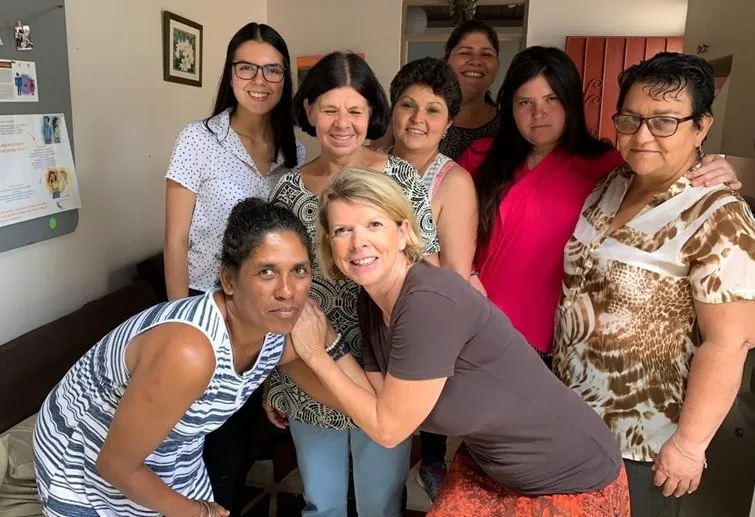
Women Empowerment in San Ramon de Alajuela
Join the Women Empowerment Program in Costa Rica with Volunteering Solutions and contribute to a life-changing initiative that…
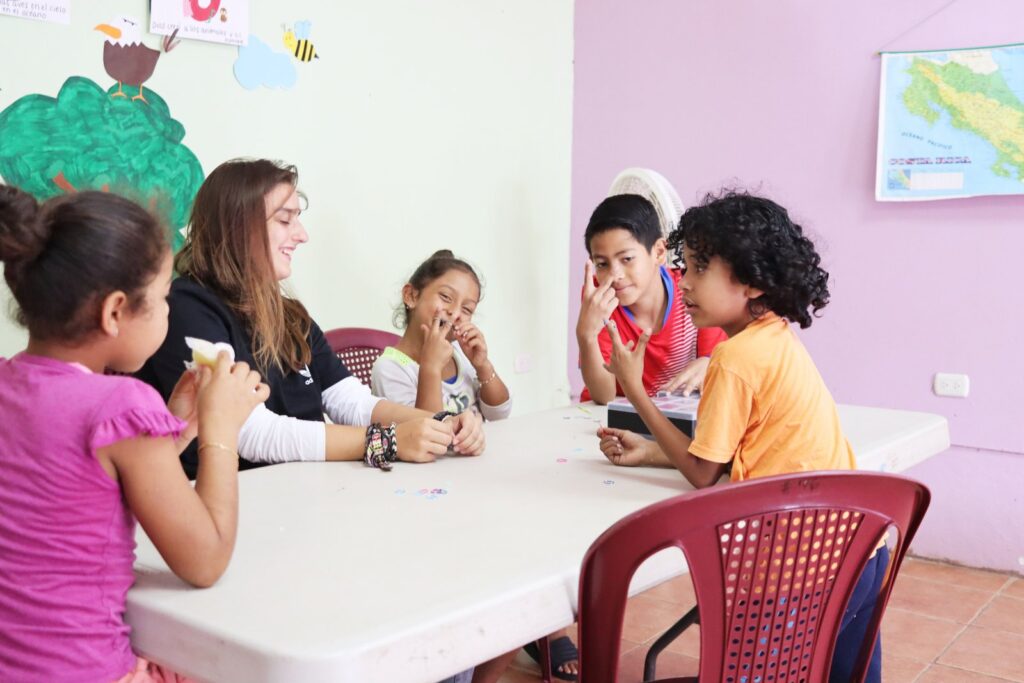
Childcare Volunteer Program in Costa Rica
Help nurture Costa Rica’s youngest minds by volunteering in community childcare centers, bringing care, creativity, and hope to…
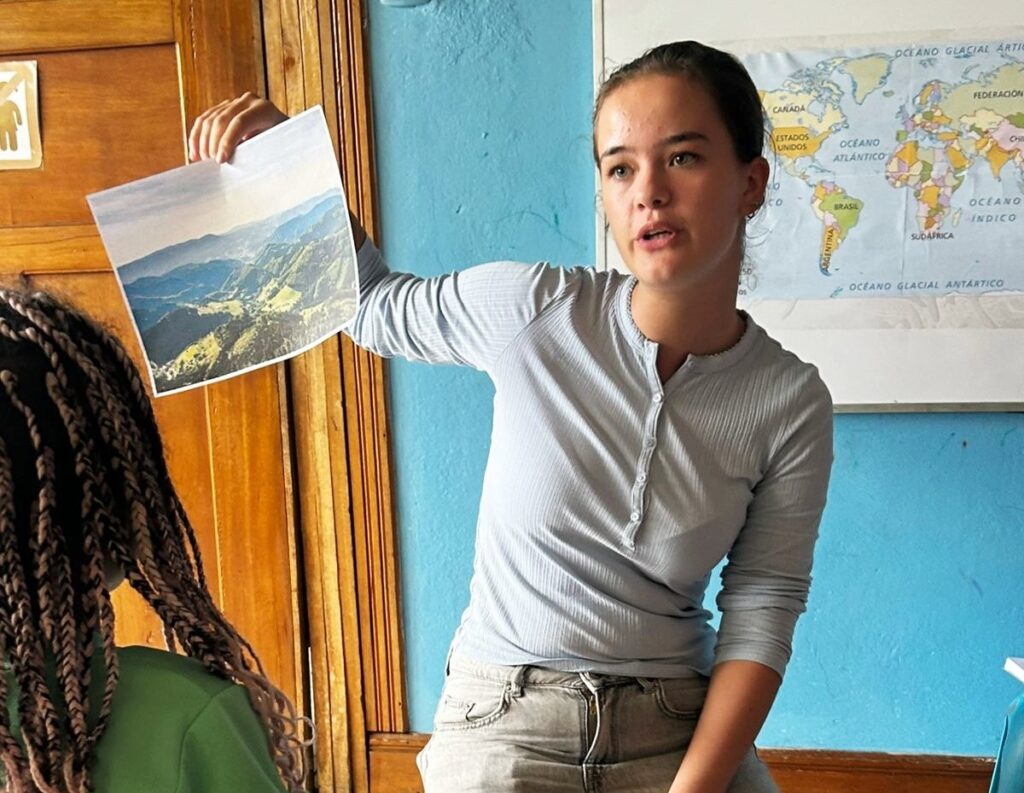
Volunteer Teaching English in Costa Rica
Volunteer in Costa Rica and inspire young minds by supporting classroom learning or teaching subjects you’re passionate about.Make…