Français ▾
 Nederlands
 English (US)
 English (UK)
 Deutsch
 Italiano
 Português
 Español
Bénévolat au centre de sauvetage des animaux d’Amazonie
Des bénévoles sont recherchés pour travailler dans un centre de sauvetage d'animaux en Amazonie équatorienne et participer aux soins des animaux ainsi qu'à diverses autres tâches.
- Une opportunité de bénévolat idéale pour les défenseurs de l'environnement et les amoureux des animaux.
- Les volontaires sont affectés à un centre qui travaille en partenariat avec la Police environnementale équatorienne (UPMA) et le ministère de l'Environnement dans la lutte contre le trafic, les mauvais traitements, la capture et la chasse des animaux sauvages.
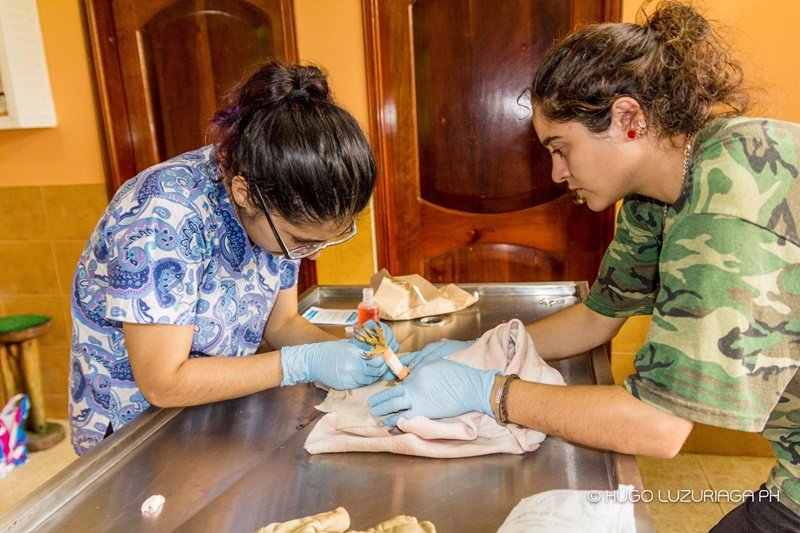
- Les responsabilités liées à ce projet comprennent l'assistance aux vétérinaires professionnels et la participation aux efforts de conservation de la forêt amazonienne.
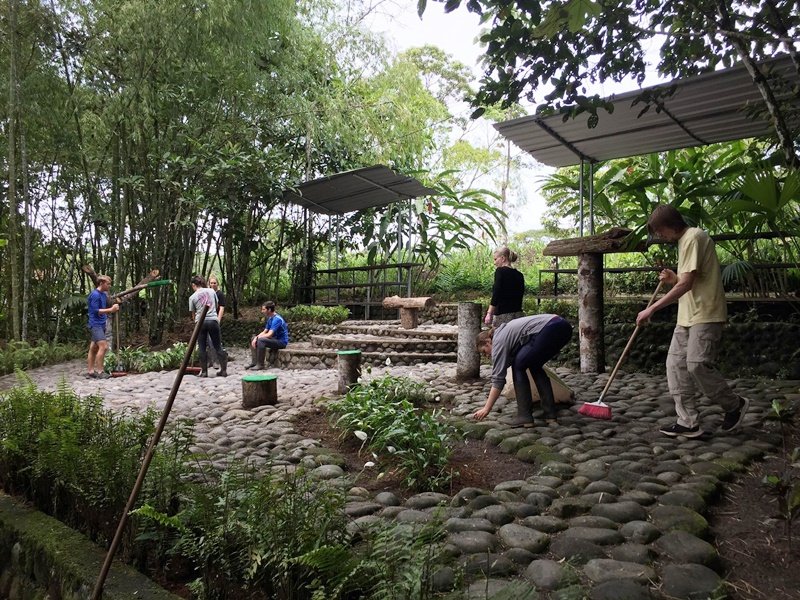
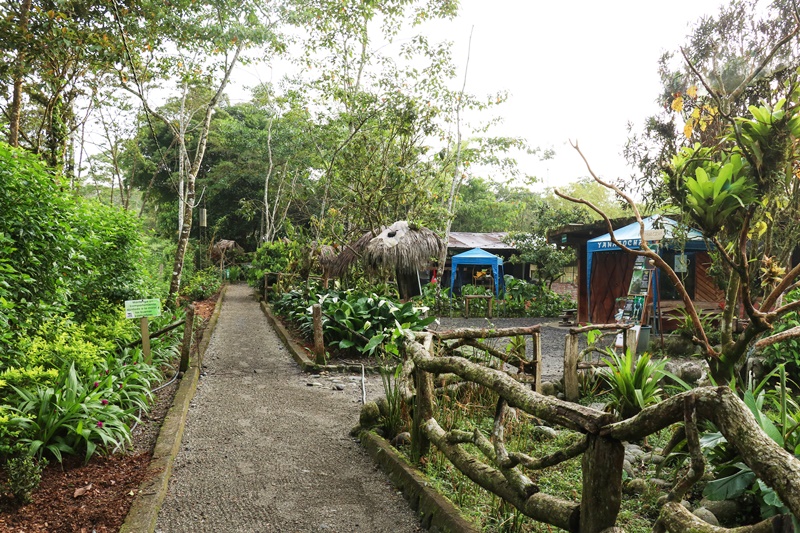
- Parmi les autres activités, on peut citer le jardinage, l'amélioration des sentiers, la fabrication de panneaux pour les visiteurs, etc.
- Une excellente occasion de s'évader en pleine nature et d'apporter une contribution significative
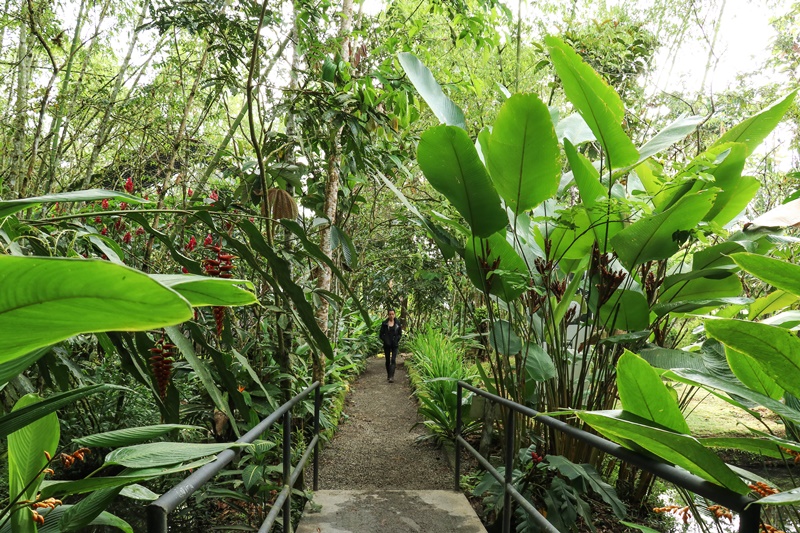
Ce projet, situé dans la forêt tropicale équatorienne, vise à secourir, réhabiliter et, lorsque cela est possible, relâcher les animaux dans leur milieu naturel.
Le centre travaille en partenariat avec la Police environnementale équatorienne (UPMA) et le ministère de l'Environnement pour lutter contre le trafic, la maltraitance, la capture et le braconnage d'animaux sauvages. Ce centre est très bien organisé et les bénévoles peuvent participer aux soins des animaux et à l'entretien des installations.
Ce projet a été fondé en 2006 dans le but de protéger la faune et la flore de la région amazonienne par le sauvetage et la réhabilitation des animaux locaux. Tous les animaux du centre ont été maltraités, négligés ou abandonnés. Certains sont devenus orphelins suite à la mort de leurs parents, tués par des chasseurs ; d’autres ont été sauvés de trafiquants qui tentaient de les exporter illégalement ; et beaucoup proviennent de familles qui les détenaient en captivité. Malheureusement, la plupart ont subi des violences physiques ou psychologiques.
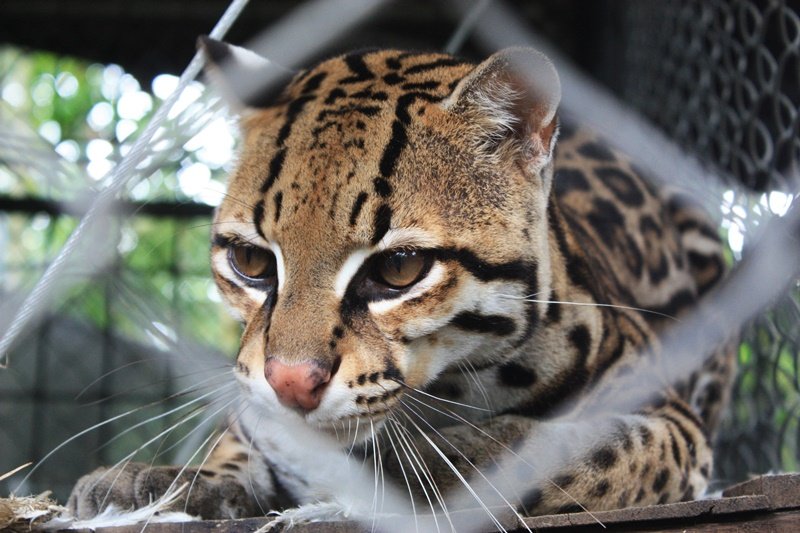
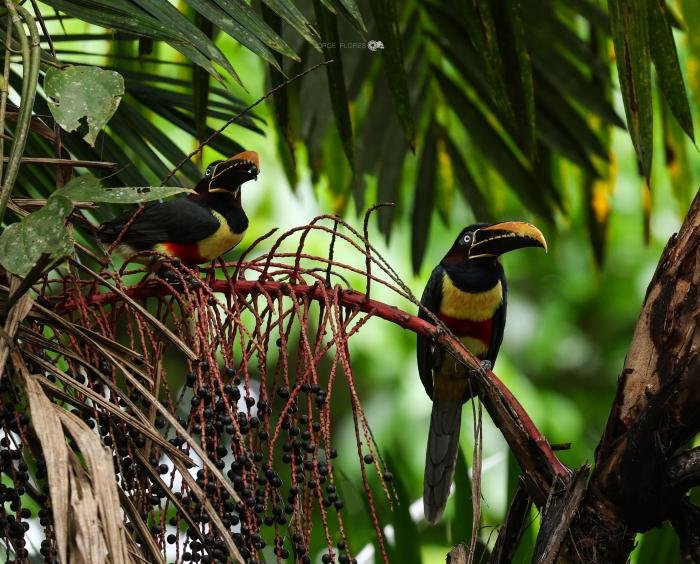
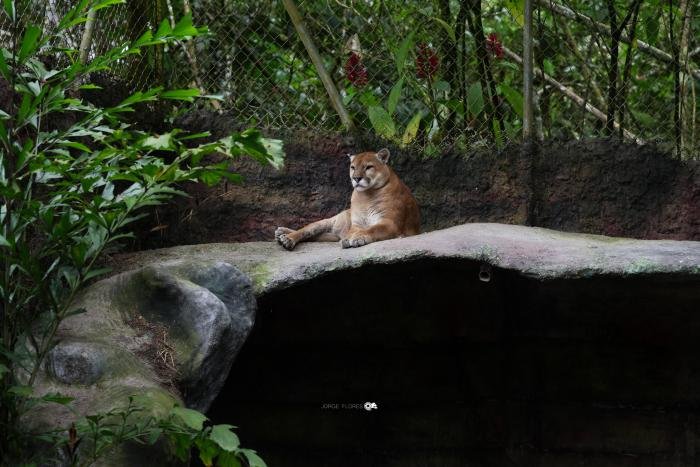
Le centre abrite actuellement au moins 40 espèces animales différentes, parmi lesquelles : ocelots, tayras, capybaras, perroquets, singes, tortues et caïmans.
Le centre est également ouvert aux touristes, moyennant un petit droit d'entrée qui constitue son unique autre source de revenus. Le bien-être animal n'étant pas une priorité pour de nombreux Équatoriens, l'histoire et les mauvais traitements subis par chaque animal sont expliqués aux touristes, dans le but de sensibiliser les visiteurs locaux et étrangers à la protection animale. En général, les visites ne sont pas guidées, mais les touristes peuvent consulter les informations concernant chaque animal sur les panneaux situés près des cages.
Vous souhaitez découvrir d'autres façons de vous impliquer ? Consultez nos programmes de bénévolat en Amérique du Sud .
Rôles et responsabilités des bénévoles
Chaque activité contribue au bien-être des animaux et au bon fonctionnement du centre de sauvetage animalier. Les bénévoles participent généralement aux tâches suivantes :
-
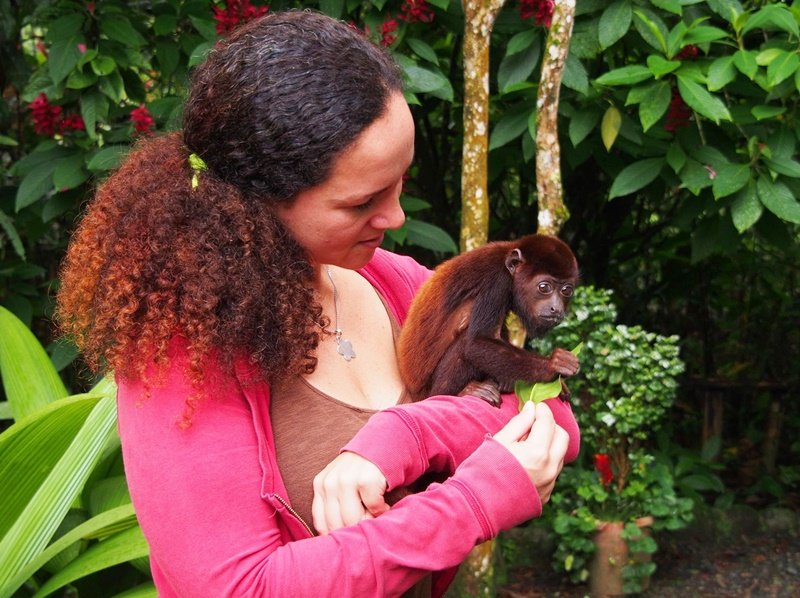
Soins quotidiens aux animaux : Répondre aux besoins quotidiens des animaux
-
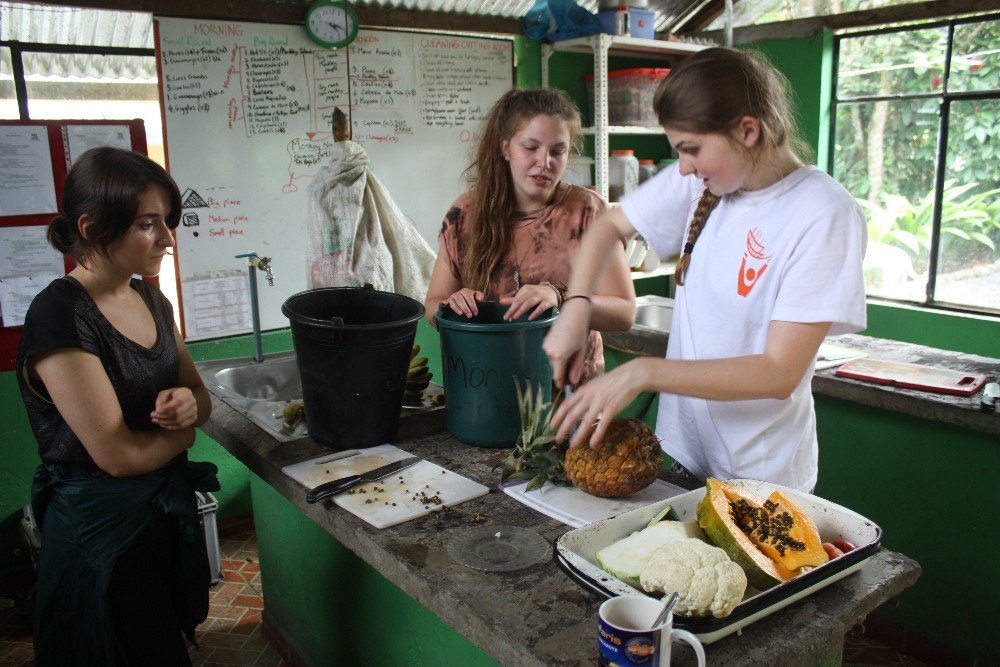
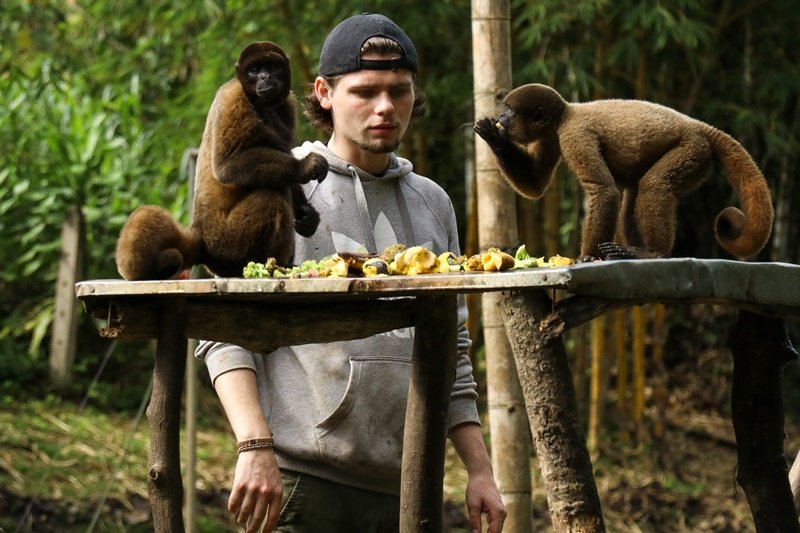
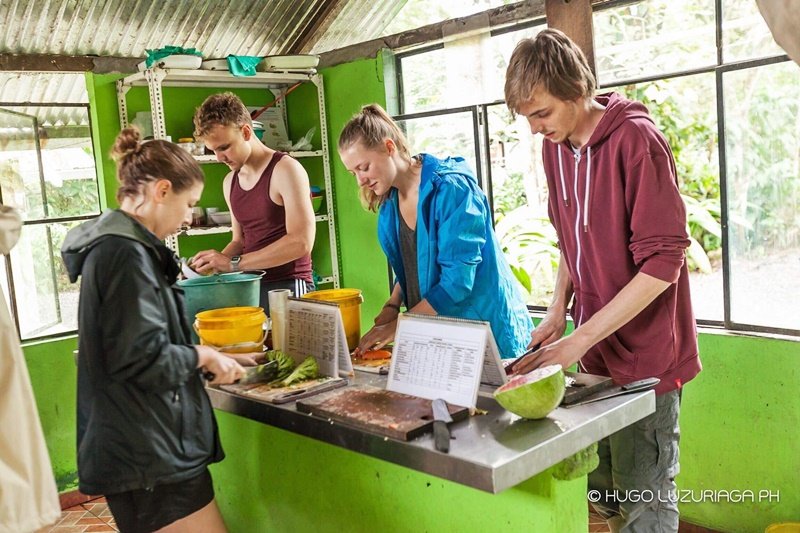
Préparation et distribution des repas : Coupez les fruits, préparez les repas et nourrissez les animaux.
-
Aider les nouveaux arrivants : Aider les nouveaux animaux à s'adapter au centre
-
Entretien général : Assurer l'entretien et le nettoyage du centre.
-
Travaux de construction : réparer et construire de nouveaux enclos pour améliorer les installations
-
Activités d'enrichissement : Améliorer les cages et les enclos pour stimuler les animaux.
-
Entraînement : Entraîner les animaux qui ne peuvent pas être relâchés afin de réduire leur stress, notamment lors des examens médicaux.
-
Assistance vétérinaire : Apporter un soutien au vétérinaire en cas de besoin (seuls les étudiants en études vétérinaires ou les personnes ayant une formation vétérinaire peuvent participer aux activités liées aux animaux ; cette tâche ne concerne donc pas tous les participants).
-
Tâches supplémentaires : jardiner, améliorer les sentiers et créer des panneaux de signalisation pour les visiteurs.
Conditions et critères d'admissibilité
Les bénévoles doivent être âgés de 18 ans ou plus au moment de leur participation au projet. Il est essentiel d'avoir l'esprit ouvert et une attitude flexible pour travailler dans un environnement nouveau et différent. Le bénévole doit faire preuve d'énergie et d'enthousiasme pour contribuer positivement au projet. Les participants doivent être en bonne santé et en bonne forme physique au moment de leur intégration au programme et être prêts à travailler en extérieur et à se salir les mains. Les participants doivent avoir un intérêt marqué et une véritable passion pour la protection animale. Ils ne doivent pas avoir de casier judiciaire et doivent fournir un extrait de casier judiciaire vierge.
Une journée typique
Le premier jour, vous participerez à une réunion d'orientation où nous passerons en revue les activités prévues pour les jours suivants. Ce sera également l'occasion d'échanger sur vos attentes et de découvrir vos talents et vos centres d'intérêt, afin que votre expérience de bénévolat soit à la fois enrichissante pour le projet et épanouissante sur le plan personnel.
Après la séance d'orientation, vous vous consacrerez à vos tâches. Sachez que chaque journée sera différente et que vos responsabilités varieront en fonction des besoins quotidiens du projet. Nous apprécions votre flexibilité et votre disponibilité. Le déjeuner est fourni sur le lieu du projet du lundi au vendredi, vous offrant ainsi une pause à midi. Vous reprendrez ensuite votre travail jusqu'à environ 17 h.
Le reste de votre journée est libre. Votre emploi du temps hebdomadaire suivra généralement le même schéma, avec des heures de travail de 8h à 17h, du lundi au vendredi. Le coordinateur vous indiquera où votre présence est la plus utile, et nous encourageons également vos suggestions !
Un week-end sur deux, le samedi ou le dimanche, des bénévoles participent quelques heures le matin au nourrissage des animaux. Le reste du week-end est libre : vous pouvez ensuite explorer les environs ou vous détendre.
La vie dans le programme


dates de début
Début hebdomadaire, toute l'année — choisissez n'importe quelle semaine des deux prochaines années.
Frais de programme selon la durée
Les prix incluent votre acompte de réservation de €229 — il est déduit du montant total de votre programme. Votre acompte reste valable un an, période pendant laquelle vous pouvez vous inscrire à plusieurs programmes. Des frais bancaires internationaux de 5 % s'appliquent aux paiements par carte en USD ou AUD.
| Durée | Prix total | |
|---|---|---|
| 2 semaines | €1,106 | |
| 3 semaines | €1,326 | |
| 4 semaines | €1,571 | |
| 5 semaines | €1,791 | |
| 6 semaines | €2,036 | |
| 7 semaines | €2,256 | |
| 8 semaines | €2,476 | |
| Chaque semaine supplémentaire | +€291 / semaine |
Conversion indicative — votre réservation est facturée dans la devise que vous avez choisie lors du paiement.
✓ Ce que vous payez
- Prise en charge à l'aéroport de Quito
- Une nuit d'hébergement en auberge de jeunesse à Quito
- Hébergement au sein du projet à Puyo
- Guide d'information avant le départ
- Orientation
- Soutien du personnel local
- Tous les repas en semaine
- Transfert à la gare routière de Quito pour se rendre à Puyo
- Attestation de participation (sur demande)
Non inclus
- Vols
- Transfert aller-retour depuis l'aéroport de Quito
- Transfert retour du projet à Quito
- Repas le week-end
- Dépenses personnelles
- Prix d'un billet de bus de Quito à Puyo
Hébergement et repas
Transfert aéroport
Les volontaires seront pris en charge à l'aéroport international Mariscal Sucre par l'équipe de VolSol ou le coordinateur local. Ceux qui se trouvent déjà à Quito pourront rejoindre directement leur hébergement en auberge de jeunesse.
Hébergement
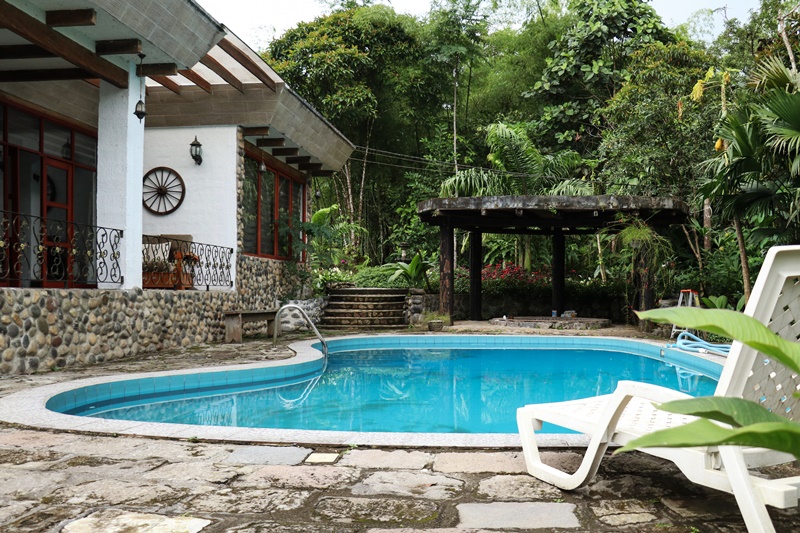
À leur arrivée à Quito, les volontaires sont hébergés pour une nuit dans une auberge de jeunesse située en centre-ville. Après leur transfert sur le site du projet à Puyo, ils sont logés dans des cabanes partagées.
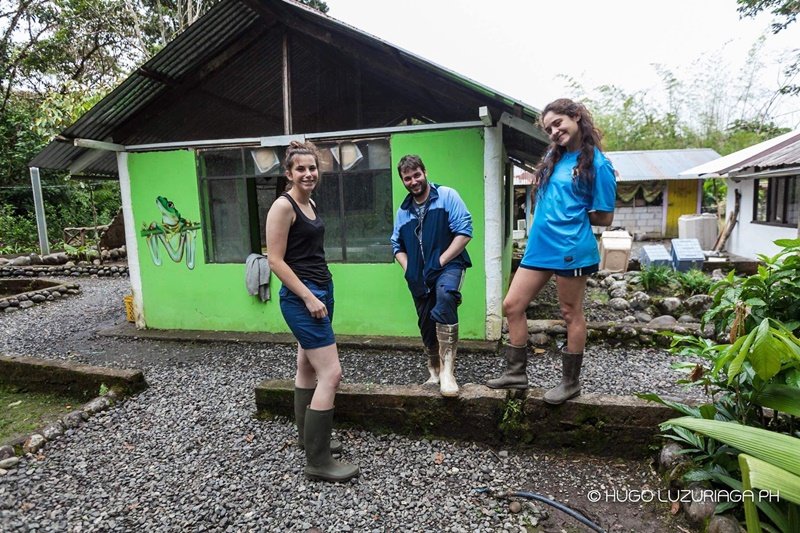
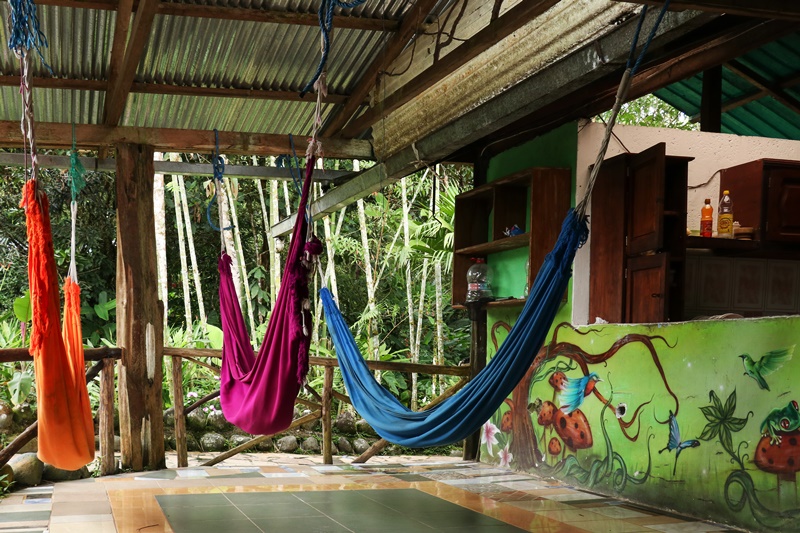
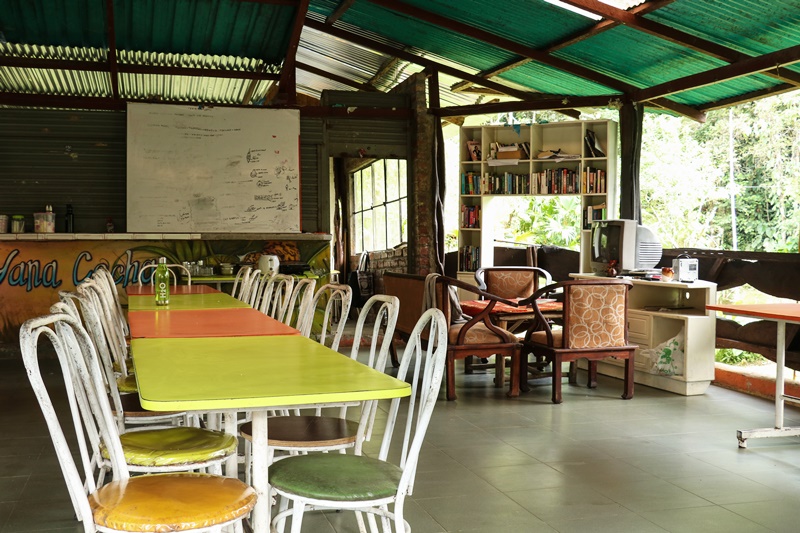
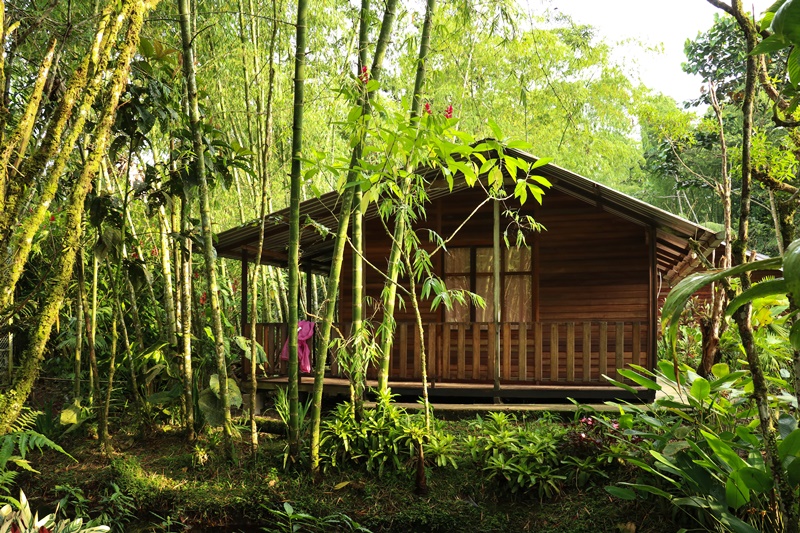
Les cabanes des bénévoles du Centre de sauvetage animalier proposent des chambres de type dortoir pouvant accueillir jusqu'à 17 personnes. Vous aurez accès à une cuisine et à une salle de bain communes, ainsi qu'à un espace commun avec télévision, lecteur DVD, hamacs et une sélection de livres. L'hébergement est simple mais confortable, favorisant ainsi une ambiance conviviale entre les bénévoles.
En plus de ces commodités de base, la cuisine commune vous permet de préparer vos propres repas ou de cuisiner avec d'autres bénévoles. Les sanitaires sont partagés ; merci de respecter la tranquillité des autres. L'espace de détente est idéal pour se relaxer après une journée de travail : vous pourrez y regarder un film, lire un bon livre ou vous prélasser dans un hamac.
Orientation
Notre équipe locale organisera une séance d'orientation complète pour les bénévoles. Cette orientation abordera le sujet du projet et d'autres informations essentielles. Sur place, l'équipe du programme présentera le projet et l'équipe locale aux bénévoles et les accompagnera dans leur intégration.
Repas
Les bénévoles bénéficient de trois repas par jour, du lundi matin au samedi midi. En dehors de ces horaires, ils peuvent déjeuner ou dîner à Puyo, un restaurant voisin, ou préparer des repas dans la cuisine commune. Leur participation aux tâches de cuisine et de nettoyage est également attendue. Ils peuvent se rendre en ville pour acheter des produits alimentaires et des en-cas. Les repas, simples mais copieux, sont conçus pour soutenir les bénévoles tout au long de la journée.
Pendant votre temps libre
Pendant leur séjour sur le projet, les bénévoles passent leur temps libre principalement à échanger avec les autres bénévoles. Le Wi-Fi est également disponible pour les bénévoles pendant leur temps libre, mais uniquement dans les espaces communs (cuisine et salon), et non dans les chambres. Le week-end, pour se rendre à Quito ou ailleurs, les bénévoles peuvent prendre un taxi jusqu'à la gare routière (« El terminal ») et ensuite prendre un bus.
Voici comment vous pouvez vous détendre après une journée de bénévolat :
-
Détendez-vous et ressourcez-vous : relaxez-vous avec un livre dans un hamac ou jouez à des jeux de société et de cartes avec d'autres bénévoles.
-
Explorez Puyo : à seulement 15 minutes en voiture, Puyo offre une escapade rapide pour découvrir les saveurs locales.
-
Aventure à Baños : À environ 1 h 20 en bus, Baños est un haut lieu des sports extrêmes et des loisirs. Vous pourrez profiter des thermes, danser jusqu’au bout de la nuit, ou vous essayer au VTT, au rafting, à la tyrolienne et explorer les cascades près du volcan actif Tungurahua.
-
Excursion dans la jungle de Tena : Partez pour une aventure de 2 heures à Tena pour une expérience authentique dans la jungle.

Des bénévoles dans Ecuador
Foire aux questions
Dois-je connaître la langue locale ou l'anglais pour participer au programme de bénévolat ? Si oui, quel niveau est requis ?
Pouvez-vous m'en dire plus sur les lieux des programmes en Équateur ?
Comment puis-je m'inscrire à un programme et quand dois-je payer ?
Y a-t-il des conditions préalables pour participer aux projets de bénévolat en Équateur ?
À quel moment dois-je postuler pour un programme de bénévolat en Équateur ?
Puis-je postuler avec un(e) ami(e) ?
Que se passe-t-il si le programme n'est pas disponible ?
Combien de temps faudra-t-il pour traiter ma candidature ? Ma candidature sera-t-elle acceptée ?
VolSol accorde-t-il une réduction si je choisis plusieurs programmes ou si je suis un bénévole récurrent ?
Puis-je participer en tant que membre d'un groupe ?
VolSol fournira-t-il une lettre de référence ou un certificat à la fin du programme ?
Pouvez-vous m'en dire plus sur l'hébergement et les repas ?
Les végétariens peuvent-ils être pris en charge ?
Aurai-je du temps libre pendant mon programme ? Puis-je faire du tourisme ?
Y a-t-il des dépenses supplémentaires une fois arrivé en Équateur ?
Combien d'heures par jour dois-je effectuer du bénévolat ?
Où puis-je changer mon argent à Quito ? Y a-t-il des distributeurs automatiques à Quito ?
Quito, en Équateur, est-elle une ville sûre ?
Quels vaccins seront nécessaires ?
Quelles sont les conditions de visa et la procédure pour se rendre en Équateur ?
Quelles sont les compagnies aériennes recommandées pour voler vers Quito, en Équateur ?
À quelle heure dois-je arriver en Équateur pour mon programme ? Que se passe-t-il à mon arrivée en Équateur ?
Comment puis-je entrer en contact avec d'anciens participants au programme Volunteering Solutions en Équateur, ainsi qu'avec d'autres bénévoles passés et actuels ?
Pouvez-vous me mettre en contact avec d'autres bénévoles qui ont effectué ce programme ?
Puis-je rencontrer d'autres bénévoles avant mon arrivée ?
Des frais supplémentaires sont-ils à prévoir à mon arrivée en Équateur ?
Planifiez une rencontre avec un conseiller du programme
Nous sommes là pour vous aider — un entretien individuel de 20 minutes avec des informations détaillées, des conseils d'experts et un accompagnement pour votre candidature.
Réservez une réunion gratuite