English (US) ▾
 Nederlands
 English (UK)
 Deutsch
 Italiano
 Português
 Español
Volunteer in Amazon Animal Rescue Center
Volunteers to work at an animal rescue center in Amazon region in Ecuador and help in taking care of animals as well as a variety of other tasks
You work at an animal rescue center in the Amazon region near Puyo, Ecuador, caring for animals rescued from trafficking, hunting or illegal captivity. Day to day you help with feeding and diet prep, general maintenance, enclosure repairs and construction, enrichment activities, and training for animals that cannot be released back to the wild. The program suits conservationists and animal lovers aged 18 and up who want hands-on outdoor work; no prior experience is required.
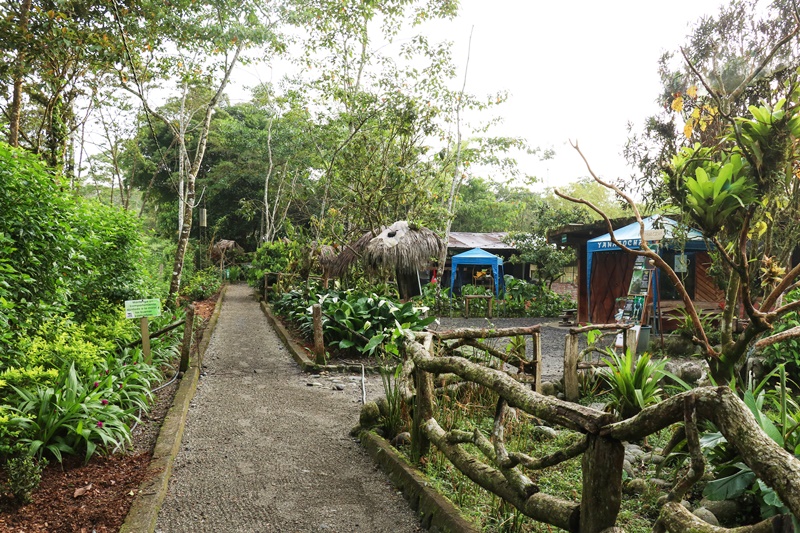
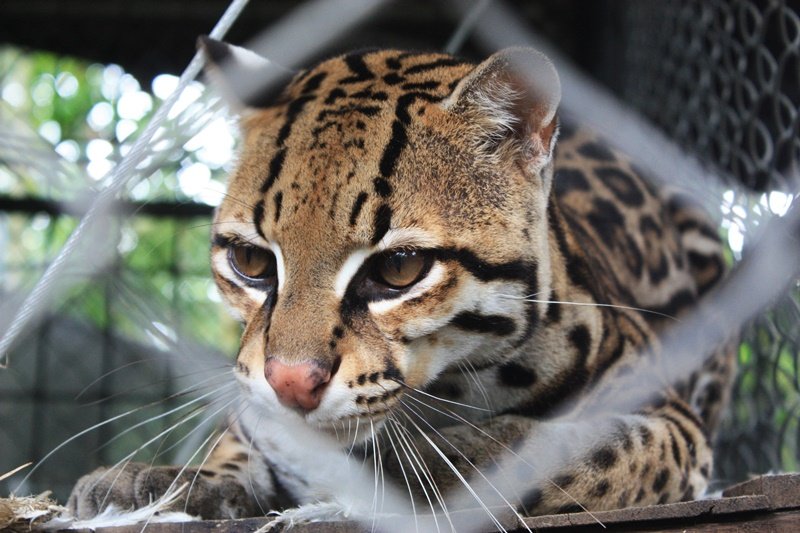
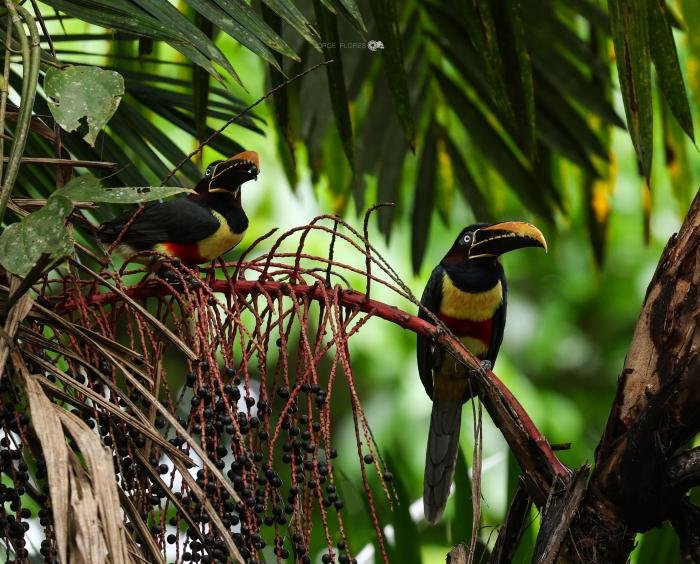
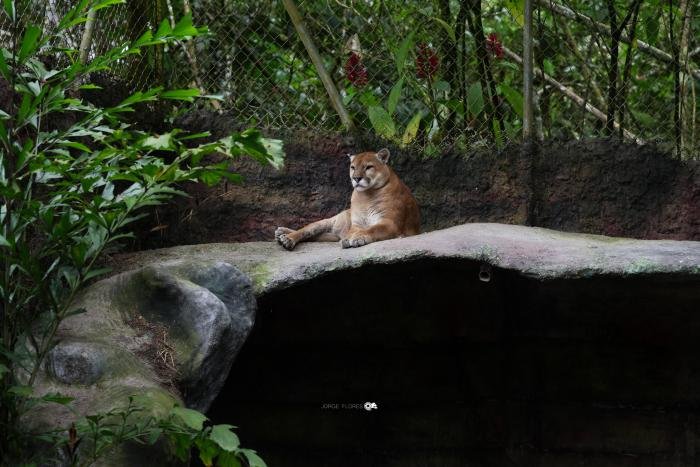
Placements run 2–12 weeks, starting every week (saturdays), with the next start on 26 Sep 2026. You spend your first night in a Quito hostel before transferring by bus to Puyo, where you live on site in shared dorm-style cabanas with a communal kitchen, bathrooms and social area; meals are included from Monday morning to Saturday lunch, with weekends self-catered. Prices start at $1,140, deposit included. The center works directly with the Ecuadorian Environmental Police (UPMA) and the Ministry of Environment against wildlife trafficking, and is home to more than 40 species, from ocelots and monkeys to caimans and parrots.
- A volunteering opportunity ideal for conservationists and animal lovers
- Volunteers are placed at a center that works in partnership with the Ecuadorian Environmental Police (UPMA) and the Ministry of Environment in the fight against the trafficking, abuse, capture and hunting of wild animals
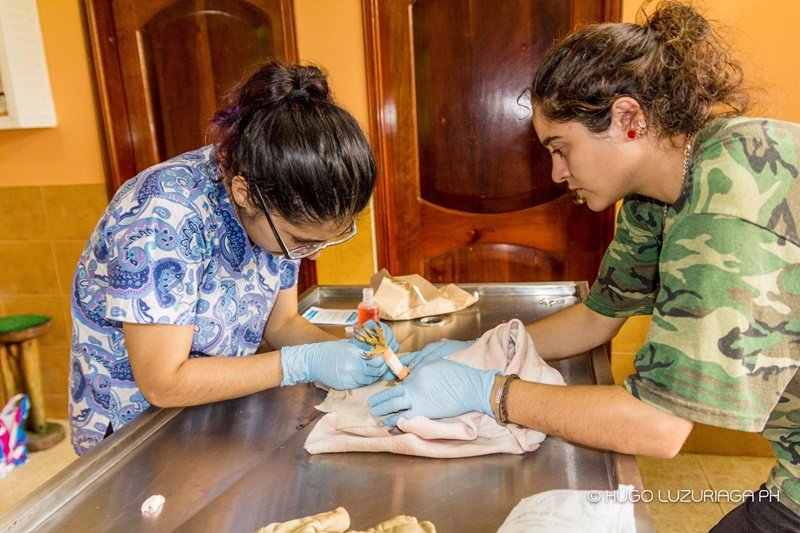
- Responsibilities at the project include assisting professional vets, assisting in conservation efforts of the Amazonian Forest
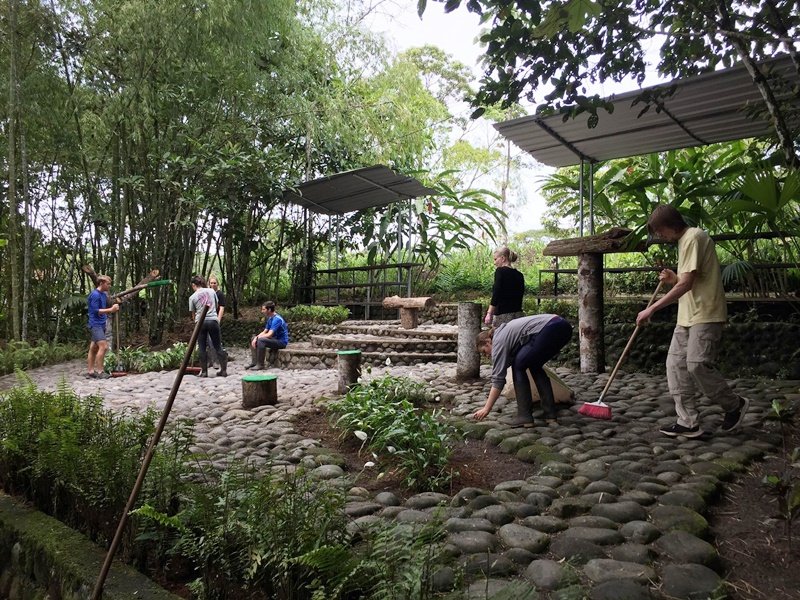
- Other activities includes gardening, improving trails, making signs for visitors etc.
- A great opportunity to get away in the wilderness and making a meaningful contribution
Your role on this program
- Attend to the everyday needs of the animals across the center
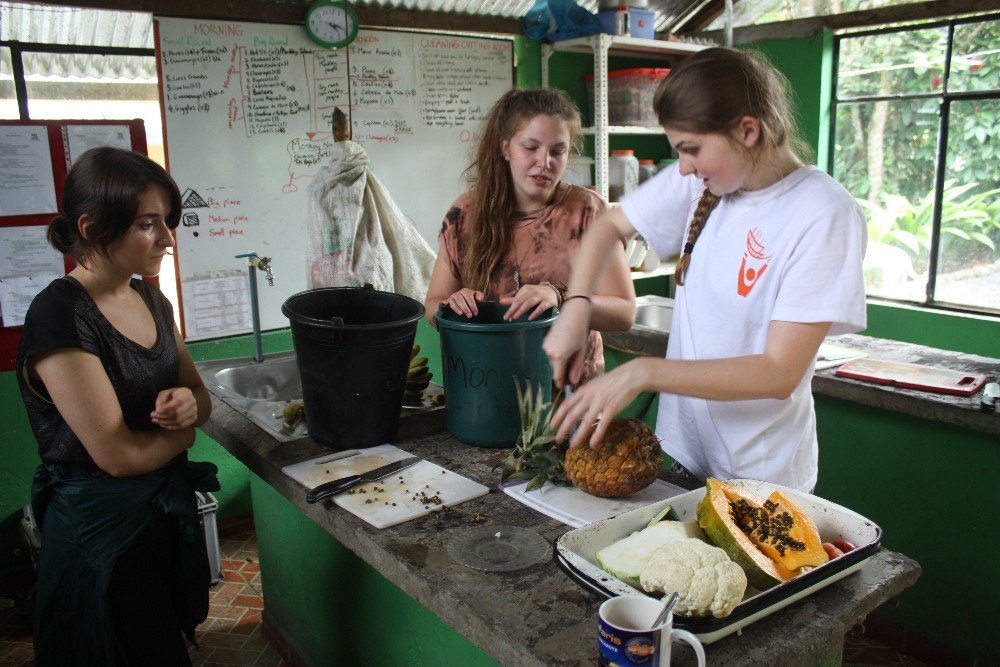
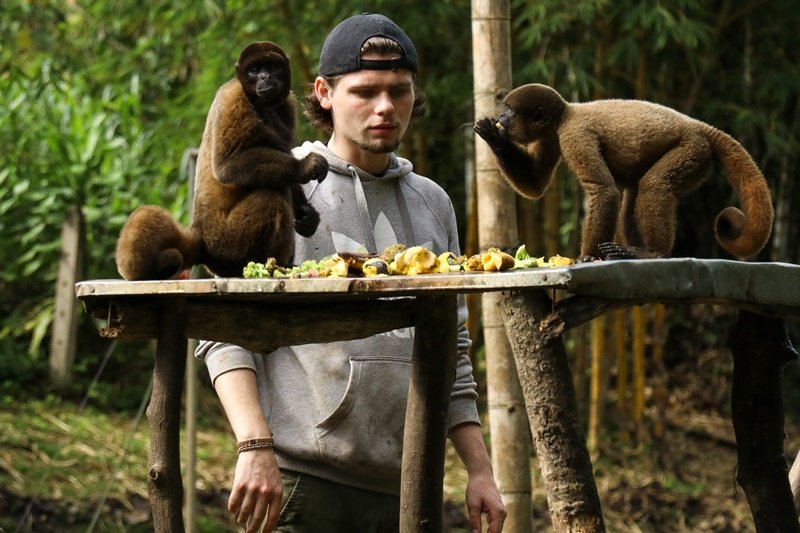
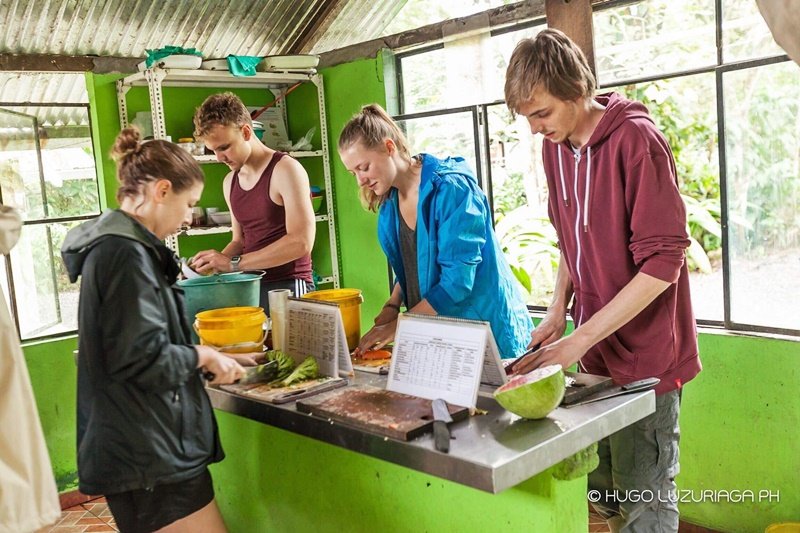
- Cut up fruit, prepare diets, and feed the animals
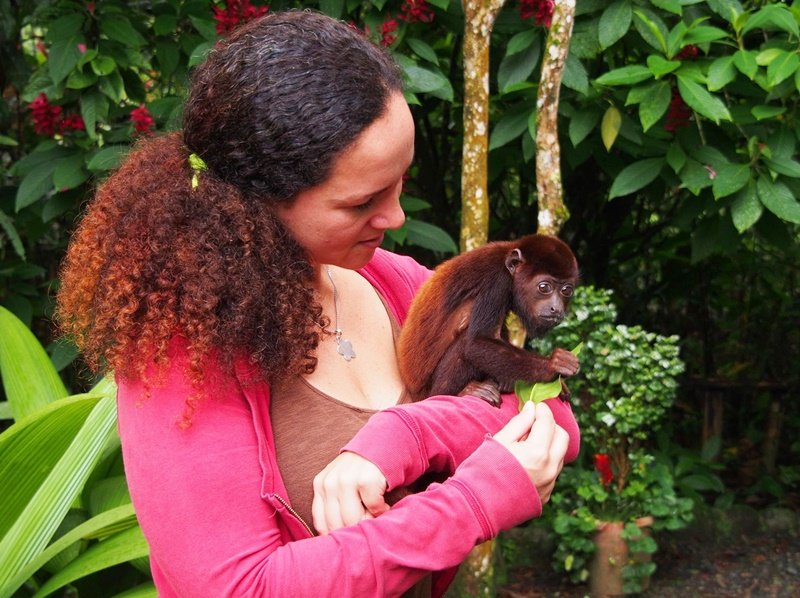
- Help new arrivals adjust to life at the center
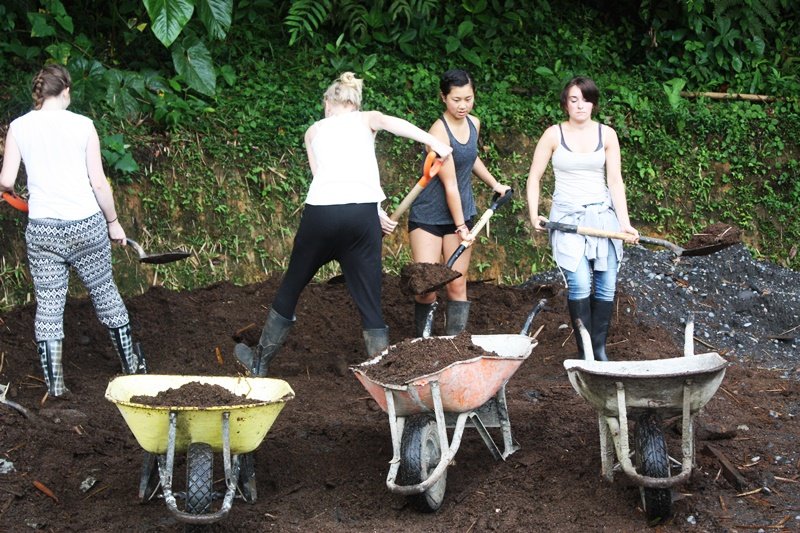
- Carry out general maintenance and cleaning tasks around the center
- Repair and build new enclosures to improve facilities
- Set up enrichment activities to keep animals engaged
- Help train animals that cannot be released, to reduce their stress during medical checks
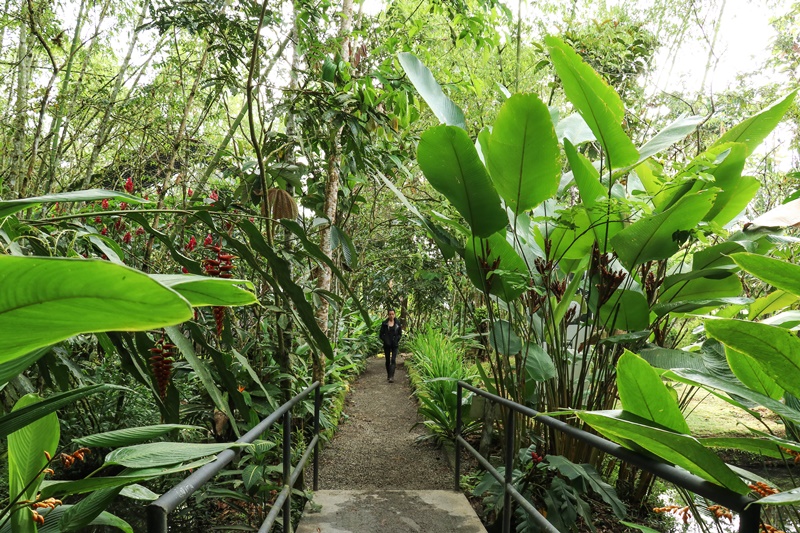
- Assist with gardening, trail improvement, and making signs for visitors
- Support the vet with veterinary-related tasks, if you have veterinary studies or background
Exact duties vary with the placement's needs, the season and your experience.
Role boundaries
Volunteers handle animals only under staff instruction, and veterinary-related tasks are limited to those with veterinary studies or background, so this does not apply to every participant. Local staff and the coordinator direct daily work and training of non-releasable animals; duties vary with the center's day-to-day needs and the season.
A typical day and week
On your first day, you’ll attend an orientation meeting where we’ll go over the activities planned for the upcoming days. This will also be an opportunity to discuss your expectations and explore your talents and interests, ensuring that your volunteer experience is both impactful for the project and personally fulfilling.
After the orientation, you’ll dive into your tasks. Keep in mind that each day will be different, with your responsibilities varying based on the project’s daily needs. We value your flexibility and willingness to help wherever it’s needed. Lunch is provided at the project site from Monday to Friday, giving you a midday break. Afterward, you’ll continue your work until around 5 pm.
The remainder of your day is free for you to enjoy. Your weekly schedule will generally follow the same pattern, with working hours from 8 am to 5 pm, Monday through Friday. The coordinator will guide you to where you’re most needed, and we also encourage any ideas you might have!
Every other weekend, either Saturday or Sunday, volunteers will work a few hours in the morning to help feed the animals. The rest of the weekend is free for you to explore or relax.
Timings are the placement's usual pattern; the local team confirms your hours at orientation, and they can change with school terms, clinic rotas, weather and the project's needs.
Who can join and what you need
- Minimum age 18
- No prior experience needed, but a genuine interest in animal conservation work
- Fit and healthy, prepared for physical outdoor work and getting hands dirty
- Open, flexible attitude suited to a new environment and communal living
- Clean criminal background check report, issued within 12 months of the start date
- Travel/medical insurance, either your own policy or the one Volunteering Solutions arranges
The placement, its limits and your part in it
The rescue center partners with the Ecuadorian Environmental Police (UPMA) and the Ministry of Environment to work against the trafficking, abuse, capture and hunting of wild animals. Animals at the center have been orphaned, seized from traffickers, or retrieved from people who kept them illegally, and many have suffered physical or psychological harm; the center also receives tourists who pay a small entrance fee, its main other source of income.
Local staff and the coordinator direct animal handling and assign volunteers to tasks based on the center's daily needs; only volunteers with veterinary studies or background assist with veterinary work, and training of animals that cannot be released is done to reduce their stress, under staff guidance. As a volunteer your contribution is practical support - feeding, cleaning, maintenance, construction, enrichment and trail or garden work - alongside the permanent local team, not clinical or rehabilitation decision-making.
Our standards
- Responsible volunteer travel policyHow we choose, run and review every project
- Animal welfare policyOur rules for wildlife, marine and animal-care projects
- Certified B CorporationSocial and environmental performance verified by B Lab
- How we volunteer responsibly in EcuadorCountry-level partner context and standards
Start dates
Weekly start dates, year-round — pick any week across the next two years.
Program fees by duration
Prices include your $249 booking deposit — which is deducted from your total program fee. Your deposit stays valid for one year, during which you may enroll in multiple programs. A 5% international banking fee applies to credit-card payments in USD or AUD.
| Duration | Total price | |
|---|---|---|
| 2 weeks | $1,140 | |
| 3 weeks | $1,367 | |
| 4 weeks | $1,619 | |
| 5 weeks | $1,846 | |
| 6 weeks | $2,098 | |
| 7 weeks | $2,325 | |
| 8 weeks | $2,552 | |
| Each additional week | +$300 / week |
Indicative conversion — your booking is charged in the currency you choose at checkout.
✓ What you're paying for
- Airport Pickup from Quito
- One night accommodation in a hostel in Quito
- Accommodation at the Project in Puyo
- Pre Departure Information Guide
- Orientation
- Local Staff Support
- All meals on weekdays
- Transfer to Bus station in Quito to travel to Puyo
- Certificate of Participation(On Request)
Not included
- Flights
- Return Quito airport transfer
- Return transfer from project to Quito
- Meals on weekends
- Personal expenses
- Bus ticket cost from Quito to Puyo
Accommodation & meals
Airport Transfer
Volunteers would be picked up from the Mariscal Sucre International Airport by the VolSol staff or the in-country coordinator. Volunteers who are already present in Quito can arrive directly at the hostel accommodation in Quito.
Accommodation
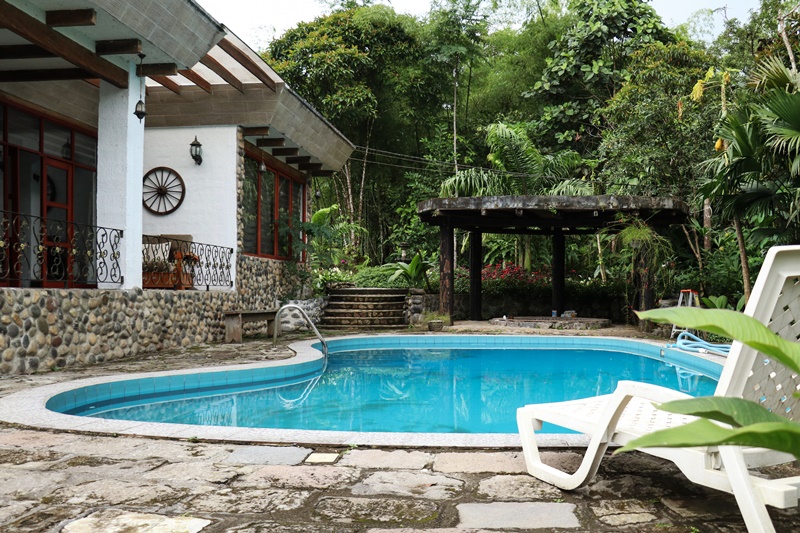
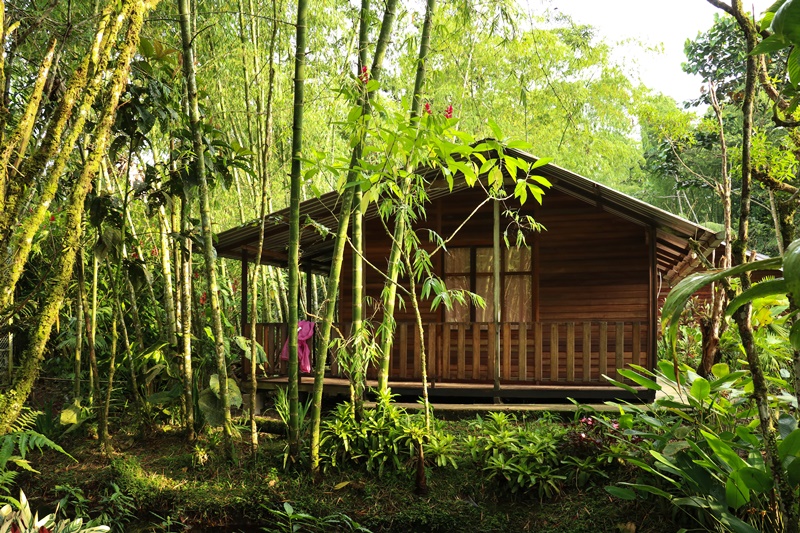
Upon arrival in Quito, volunteers are provided accommodation for a night at a hostel centrally located in Quito. After transfer to the project in Puyo, volunteers are accommodated onsite in shared cabanas.
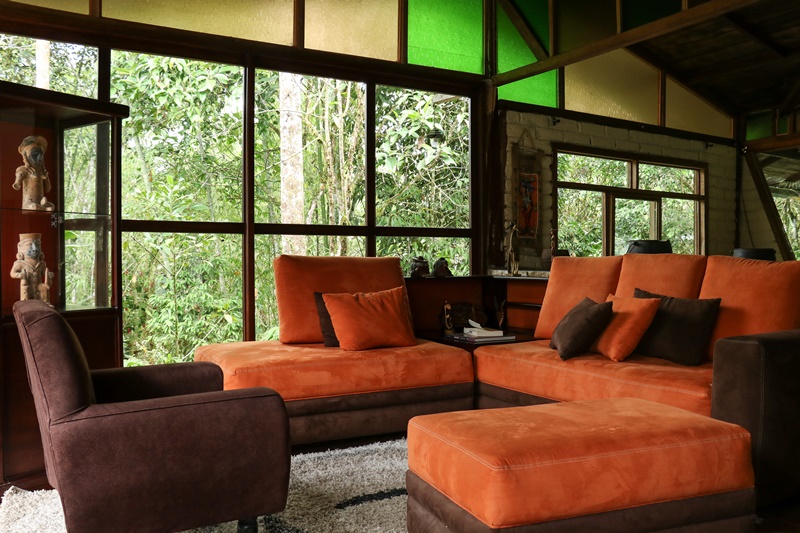
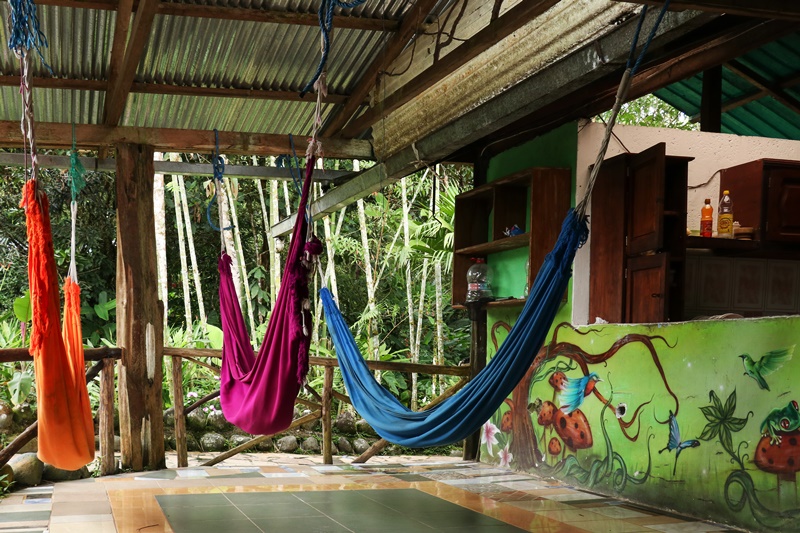
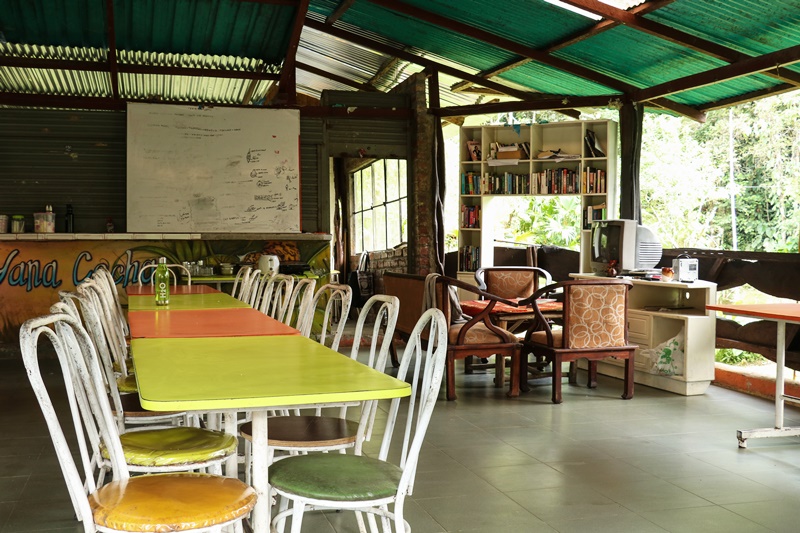
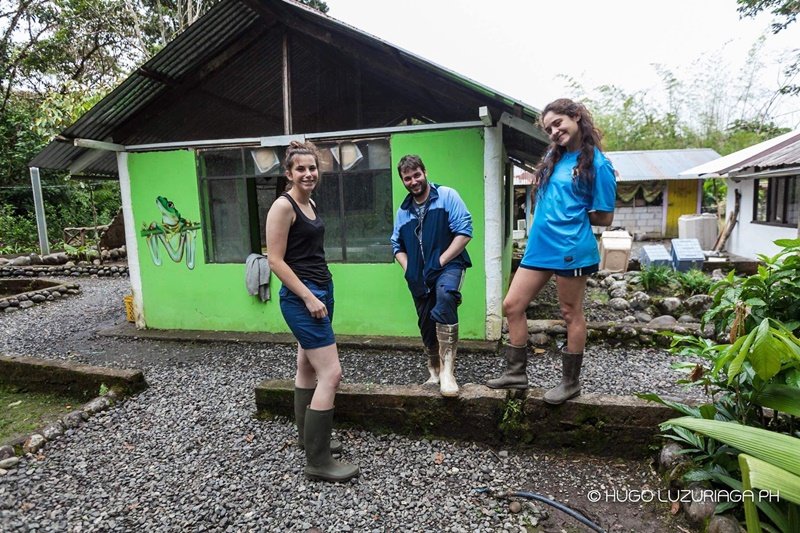
The volunteer cabañas at the Animal Rescue Center offer dorm-style rooms that can accommodate up to 17 people. You’ll have access to shared kitchen and bathroom facilities, along with a social area featuring a TV, DVD player, hammocks, and a selection of books. The accommodation is simple yet comfortable, creating a communal atmosphere among volunteers.
In addition to these basic amenities, the communal kitchen allows you to prepare your own meals or cook together with fellow volunteers. The bathroom facilities are shared, so please be mindful and considerate of others. The social area provides a perfect place to relax after a day of work, whether you’d like to watch a movie, enjoy a good book, or unwind in a hammock.
Orientation
Our local staff will provide a comprehensive orientation session for the volunteers.The orientation would cover information about your project and other essential info. On-site, the program staff will introduce the volunteer to the project and the local project staff and help with basic induction.
Meals
Volunteers are provided with three meals per day from Monday morning to Saturday lunch.Outside these times volunteers can enjoy a meal out in nearby Puyo or prepare food in the communal kitchen. Volunteers are expected to help and contribute in the cooking and cleaning activities as well.Volunteers are able to make trips to the local town to purchase any additional food items/snacks as well. Meals are simple but hearty, designed to support daily volunteer work.
During your Free Time
While at the project during free time volunteers get to mainly socialize with other volunteers. Wi-Fi is available to volunteers during their free time as well. Wi-Fi is available only in the social areas (kitchen and living room), but not in the rooms.During the weekends, to travel to Quito or other places volunteers can take a taxi to the bus station (“El terminal”) and take a bus from there.
Here’s how you can unwind after volunteering:
-
Relax and recharge: Kick back with a book in a hammock or play board and card games with fellow volunteers
-
Explore Puyo: Just 15 minutes away by car, Puyo offers a quick getaway for some local flavor
-
Adventure in Baños: About 1 hour and 20 minutes by bus, Baños is a hotspot for extreme sports and fun. You can enjoy thermal baths, dance the night away, or try mountain biking, rafting, canopying,and exploring waterfalls near the active Tungurahua volcano
-
Jungle tour in Tena: Venture 2 hours to Tena for an authentic jungle experience.
Life on the program

Getting there and who looks after you in Ecuador
Airport pickup in Quito
You are met at Mariscal Sucre International Airport (UIO) by Volunteering Solutions staff or the in-country coordinator. If you are already in Quito, you can go directly to the hostel.
First night in Quito
You spend one night at a centrally located hostel in Quito, with a meet-and-greet briefing from the in-country coordinator.
Transfer to Puyo
The next day you are transferred to the bus station in Quito for the journey to Puyo, where you settle into the on-site cabanas.
Orientation and first day
Local staff run an on-site orientation covering the project and introducing you to the team, followed by an orientation meeting where planned activities and your interests are discussed before you start your tasks.
Ongoing support
The coordinator guides your daily tasks based on the center's needs, and a 24-hour emergency contact is available throughout the placement.
From volunteers in Ecuador
Frequently asked questions
What tasks will I actually do at the rescue center?
You help with daily animal care, diet prep and feeding, general maintenance and cleaning, enclosure repair and construction, enrichment activities, and training of animals that cannot be released; you may also help with gardening, trails and visitor signs, depending on the center's needs.
Do I need experience with animals to join?
No prior experience is required, but you should have a genuine interest in animal conservation and be prepared for physical outdoor work.
Can I assist the vet directly?
Veterinary-related tasks are limited to volunteers with veterinary studies or background, so this part of the role does not apply to everyone.
What does a typical day look like?
Working hours are Monday to Friday, 8am to 5pm, with lunch provided at the project; every other weekend you work a few morning hours helping feed the animals, and the rest of your free time is your own.
How long can I volunteer for and when do placements start?
Placements run 2–12 weeks, starting every week (saturdays), with the next start on 26 Sep 2026.
What does the price include?
From $1,140, deposit included, covers airport pickup in Quito, one night in a Quito hostel, accommodation at the project in Puyo, weekday meals, orientation, local staff support, and the transfer to the bus station in Quito; flights, weekend meals, the return transfer and the Quito-to-Puyo bus ticket are not included.
Where will I live and eat?
After one night in a Quito hostel, you live on site at the rescue center in shared dorm-style cabanas with a communal kitchen, bathrooms and social area; meals are provided from Monday morning to Saturday lunch, with weekends self-catered or eaten out in Puyo.
Is airport pickup included?
Yes, you are picked up at Mariscal Sucre International Airport (UIO) in Quito by Volunteering Solutions staff or the in-country coordinator; the return transfer is not included.
What support is available if something goes wrong?
The in-country coordinator gives a meet-and-greet briefing on arrival, local staff run on-site orientation and support at the center, and a 24-hour emergency contact is available throughout your stay.
Do I need a background check or insurance?
Yes, a clean criminal background check issued within 12 months of your start date is required, along with travel/medical insurance, which can be your own policy or the one Volunteering Solutions arranges.
Will I get to handle the animals directly?
Animal contact happens as part of assigned tasks like feeding, enclosure care and training under staff instruction; handling follows the center's animal welfare guidance and is not for entertainment or photos.
Who is this program a good fit for?
It suits people aged 18 and older with a genuine interest in wildlife conservation who are fit, flexible, and comfortable with communal living and practical outdoor work in a rural setting.
Related pages
Schedule a meeting with a program advisor
We're here to help — a 20-minute one-on-one with detailed info, expert advice and application guidance.
Book a free meeting