Maison Tanzania Enseignement bénévole en Tanzanie – Zanzibar

Enseignement bénévole en Tanzanie – Zanzibar

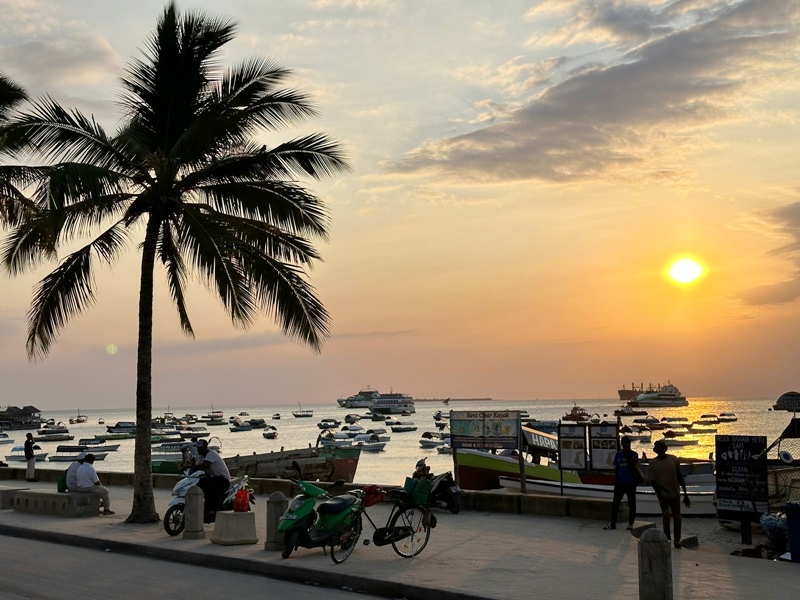
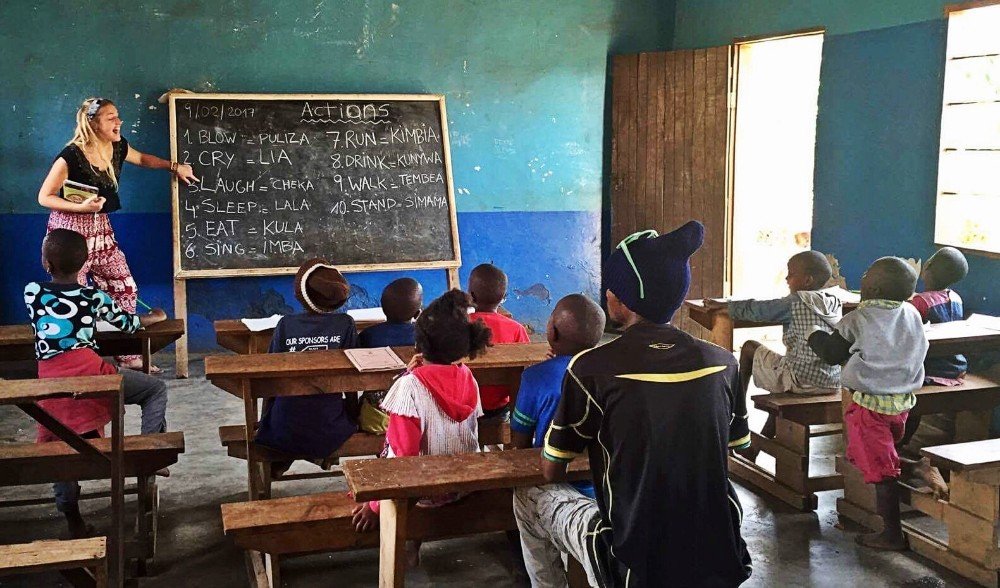
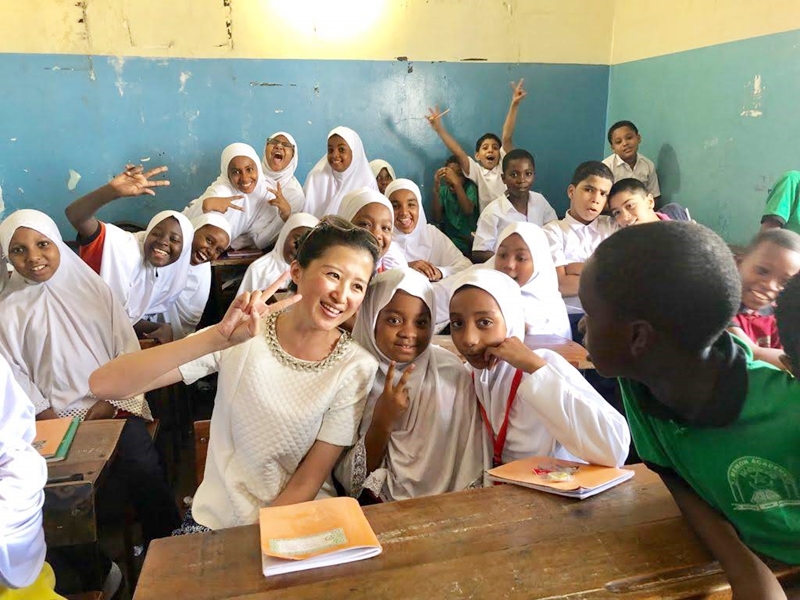
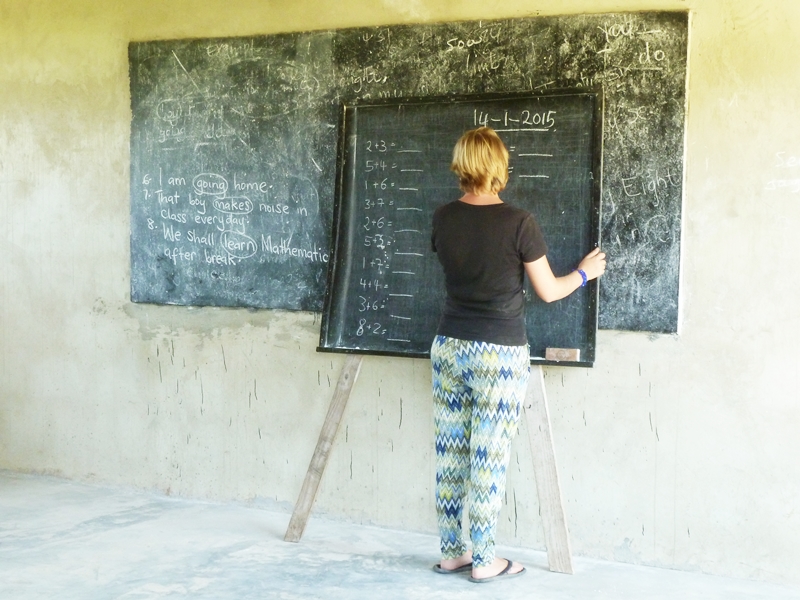
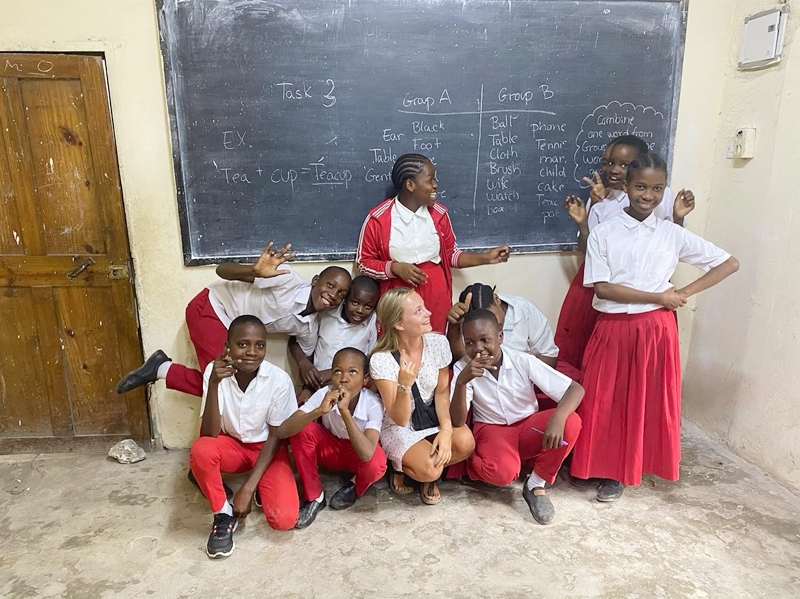
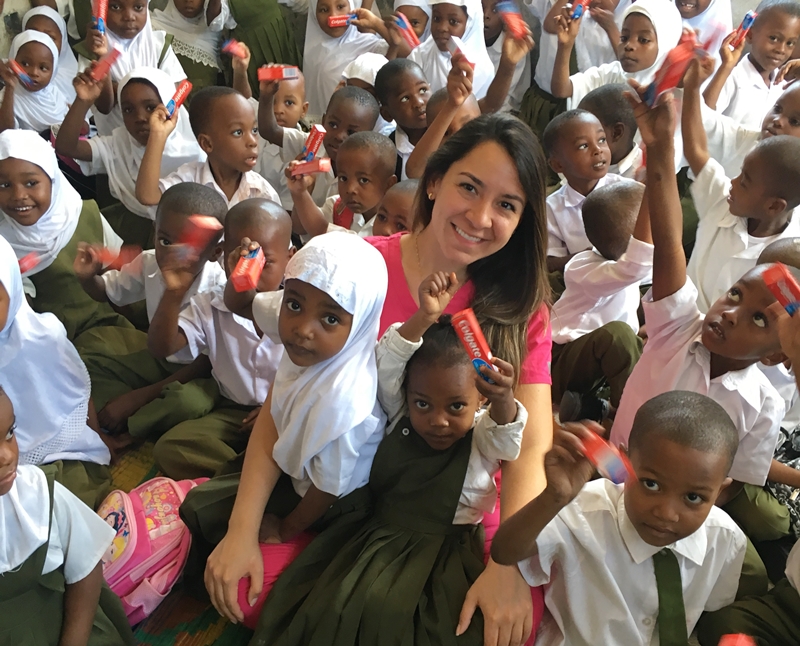
Dans le cadre de ce projet, des volontaires sont placés dans différentes écoles, maternelles, primaires ou secondaires, pour enseigner l'anglais aux élèves locaux dans le quartier historique de Stone Town à Zanzibar.

Tanzania
pays
1-12 Weeks
durée
depuis $625
prix
18 years+
âge minimum
Points forts
  • Le projet d'enseignement de l'anglais vise à favoriser le développement éducatif des enfants défavorisés de Zanzibar.
  • La maîtrise de l'anglais offre des perspectives professionnelles importantes dans l'économie de Zanzibar, fortement dépendante du tourisme ; aider les étudiants contribue ainsi à améliorer leur avenir.
  • Les bénévoles participant au projet sont affectés à différentes écoles primaires et secondaires de la région et des environs.
  • Les week-ends, les bénévoles peuvent voyager en Tanzanie et explorer la région avec d'autres bénévoles.

Enseigner l'anglais bénévolement à Zanzibar vous permettra non seulement de contribuer à l'avenir de ces enfants, mais aussi de perfectionner vos compétences. Le programme de bénévolat pour l'enseignement de l'anglais est une excellente opportunité pour les volontaires souhaitant acquérir une expérience professionnelle internationale dans le secteur de l'éducation.

Dans le cadre de ce projet, des volontaires sont généralement affectés à différentes écoles (maternelle, primaire ou secondaire) pour enseigner l'anglais de base aux élèves locaux. Zanzibar, faisant partie de la Tanzanie, est une région peu développée qui tire l'essentiel de ses revenus du tourisme. La maîtrise de l'anglais y est donc essentielle.

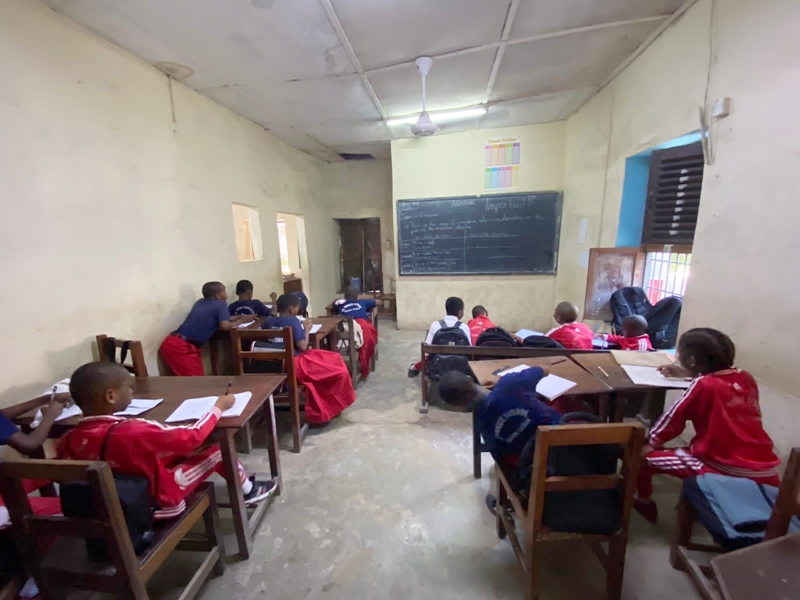
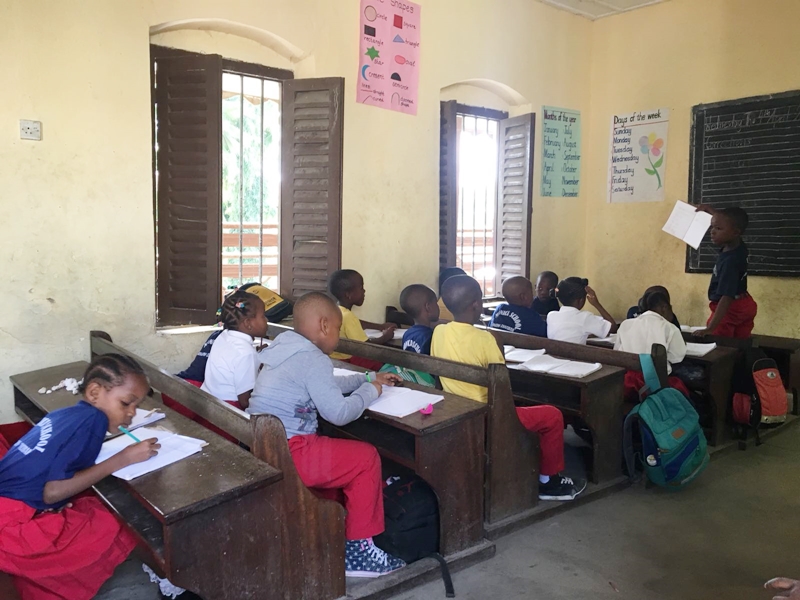
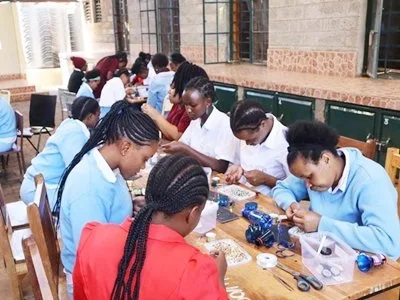
Dans le cadre de ce projet, les écoles manquent d'infrastructures de base et leurs programmes scolaires sont inadaptés. En raison de problèmes administratifs, notamment le manque de personnel, les élèves ne reçoivent pas un enseignement de qualité. Toutes ces écoles ont besoin d'enseignants compétents, capables de les accompagner et de les guider vers un avenir meilleur. L'anglais et les mathématiques sont les deux matières principales à enseigner. Les enseignants eux-mêmes ont besoin d'un soutien en anglais et communiquent principalement en langue locale. Les salles de classe sont grandes et les équipements extrêmement rudimentaires.

Vous pouvez faire la différence en soutenant les écoles, les enseignants et les directeurs, non seulement en apportant votre aide pour l'enseignement de l'anglais, mais aussi en les aidant à se fixer des objectifs plus ambitieux. Et cela vous permettra aussi d'apprendre beaucoup sur la vie !

Vous souhaitez découvrir d'autres façons de vous impliquer ? Consultez nos programmes de volontariat en Afrique .

Rôles et responsabilités des bénévoles

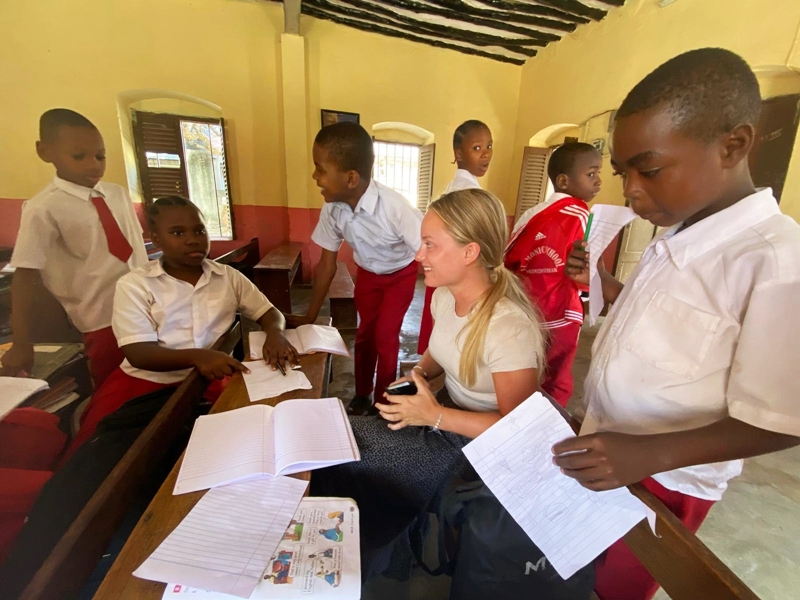
  • En tant que bénévole, vous travaillerez aux côtés des professeurs d'anglais et du personnel actuel pour animer les cours et améliorer la prononciation et les compétences conversationnelles.
  • Élaborez un programme quotidien et maintenez l'attention des élèves. Outre l'anglais, enseignez également les bases des mathématiques aux enfants.
  • Concentrez-vous sur les élèves en difficulté et voyez comment vous pouvez les aider. Suivez de près les progrès de vos élèves.
  • Contribuer à l'enrichissement du vocabulaire des élèves. Préparer des feuilles d'évaluation pour les contrôles réguliers.
  • L'idéal serait de privilégier les séances interactives et les méthodes d'apprentissage basées sur l'activité.
  • Impliquez les élèves dans des activités « hors classe », afin qu'ils puissent acquérir des connaissances plus pratiques.
  • Demandez aux enseignants/directeurs, au cas où ils auraient besoin d'aide.

Conditions et critères d'admissibilité

Les bénévoles doivent être âgés de 18 ans ou plus au moment de leur inscription au projet. Ils doivent faire preuve d'ouverture d'esprit et de flexibilité pour s'adapter à un environnement de travail nouveau et différent. Les bénévoles doivent être flexibles, ouverts d'esprit et passionnés par le travail auprès des enfants. Ils doivent également être proactifs et capables de prendre des initiatives. Tous les bénévoles doivent fournir un extrait de casier judiciaire vierge avant de rejoindre le programme.

horaire de bénévolat

Une journée typique

En tant que bénévole pour le programme d'enseignement de l'anglais à Zanzibar, en Tanzanie, votre emploi du temps général serait le suivant :

  • Dimanche – Arrivée à destination (Zanzibar)
  • Lundi – Une séance d'orientation sera animée par le coordinateur local, abordant les principaux sujets tels que la sécurité, la culture, la langue, les lieux à visiter, les coutumes, la gastronomie et d'autres suggestions d'activités à Zanzibar.
  • Du mardi au vendredi – Travail bénévole sur le lieu d'affectation.
  • Week-ends – Libre d'explorer la ville.
  • Petit-déjeuner – à partir de 7h00.
  • Horaires de travail sur le lieu de stage : de 8h30 à 13h00.
  • Déjeuner – 13h00 à 14h45 (le bénévolat après le déjeuner dépend des besoins)
  • Dîner – à partir de 19h00.

Le même horaire de travail se poursuit à partir de la deuxième semaine (du lundi au vendredi).

Remarque : Veuillez noter que l’horaire peut varier en fonction du projet auquel participe le bénévole. Zanzibar étant majoritairement musulmane, cela peut avoir un impact significatif sur tout participant qui se trouve à faire du bénévolat pendant le Ramadan. L’horaire des participants sera donc modifié durant cette période de l’année.

Vie

Hébergement et repas

Trouvez un magnifique refuge loin de chez vous à Zanzibar. Volunteering Solutions veille à ce que ses bénévoles se sentent comme chez eux pendant leur mission.

Transfert aéroport

Zanzibar étant un territoire semi-autonome faisant partie de la Tanzanie, vous pouvez vous y rendre directement par avion (via Nairobi, Kilimandjaro ou d'autres aéroports internationaux) ou par avion à Dar es Salaam. Si vous optez pour Dar es Salaam, vous devrez prendre un taxi jusqu'à l'embarcadère du ferry pour Zanzibar, où vous pourrez acheter un billet pour une agréable traversée de 40 minutes jusqu'à l'île. Il est essentiel que nous soyons informés de vos modalités de voyage afin que les coordinateurs puissent vous accueillir au mieux. À votre arrivée à l'aéroport ou à l'embarcadère, vous serez accueilli par le coordinateur qui vous fera visiter les environs et vous conduira à votre hébergement.

Transport quotidien

La plupart des volontaires utilisent les daladalas (bus), qui suivent des itinéraires précis depuis votre hébergement jusqu'à Stone Town et d'autres destinations. Des bus directs relient Mbweni et Chukwani, où se trouvent les hébergements, à Stone Town.

Orientation

Tous les bénévoles reçoivent une formation sur leur projet et son lieu d'affectation dispensée par le coordinateur local.

Hébergement

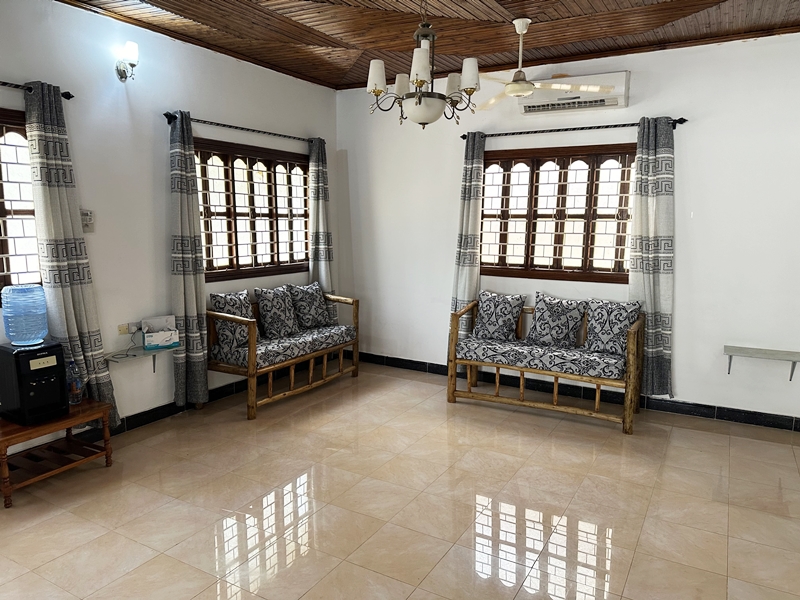
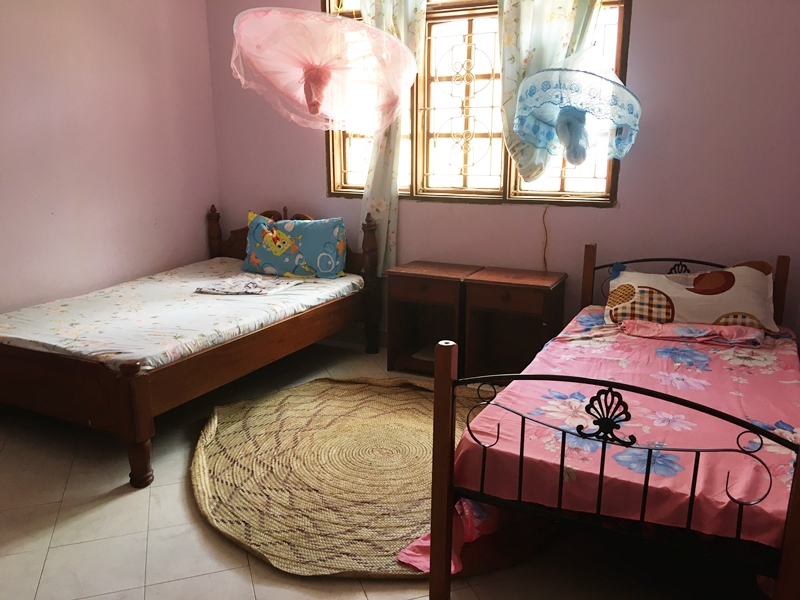
L'hébergement est proposé chez des familles d'accueil dans les quartiers sûrs de Mbwemi et Chukwani, aux portes de Stone Town et à proximité de l'aéroport. Vous partagerez une chambre avec d'autres volontaires, généralement deux ou trois par chambre.

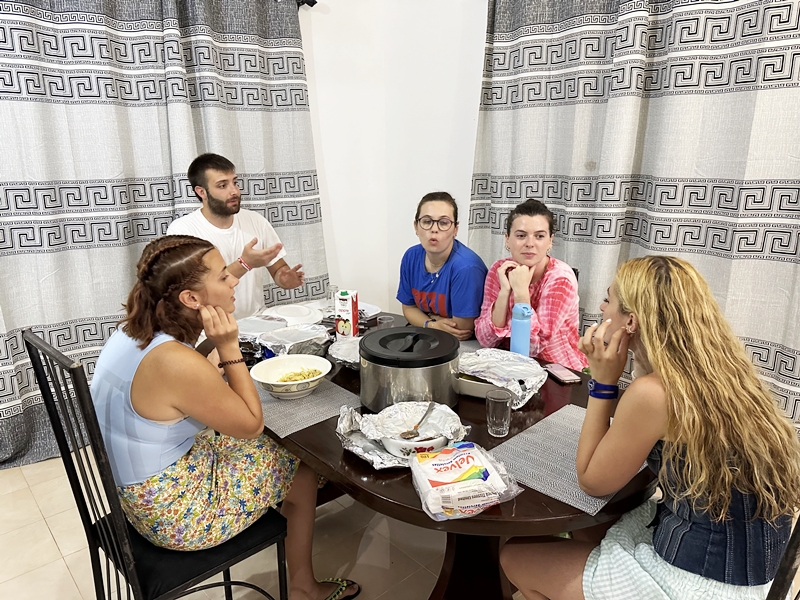
Lorsque nous accueillons des groupes importants de bénévoles ou pendant la haute saison estivale, nous les logeons dans des maisons qui leur sont réservées. Il s'agit généralement d'une grande maison typique de Zanzibar, comprenant un salon/salle à manger et une cuisine. Elle peut accueillir de 8 à 12 bénévoles dans différentes chambres.

Les draps sont fournis, mais vous devez apporter une serviette de toilette. Les moustiquaires ne sont pas fournies ; vous pouvez donc en apporter une si vous le souhaitez. Si vous manquez de place dans votre valise, vous trouverez facilement et à petit prix des articles sur place.

L'hébergement peut être rudimentaire, les normes sont très différentes à Zanzibar de celles de chez vous, et les douches n'ont pas d'eau chaude, mais il fait suffisamment chaud pour prendre des douches froides !

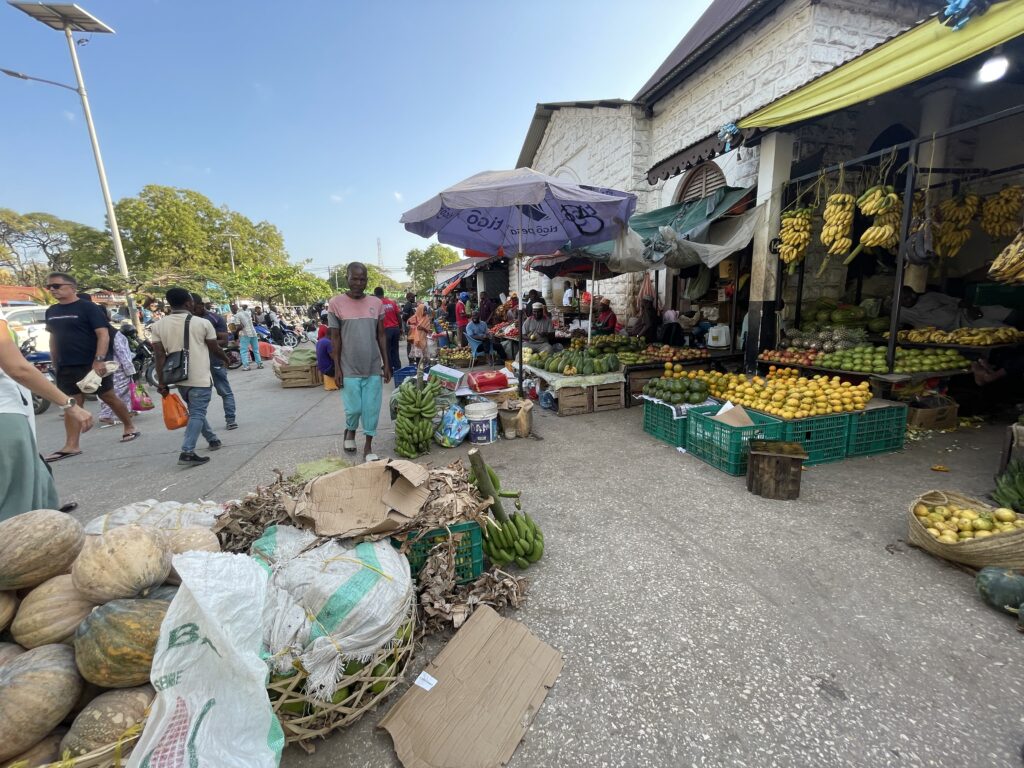
Zanzibar offre une sélection de fruits incroyable et vous serez gâté par la disponibilité et le prix abordable des fruits sur l'île.

Repas

Les repas sont fournis 3 fois par jour par votre hôte. Les repas sont préparés à base de produits locaux et comprennent des plats de viande, de poulet et végétariens, ainsi que les spécialités tanzaniennes les plus appréciées. Le petit-déjeuner se compose généralement de thé ou de café, de pain grillé, de confiture et de beurre de cacahuète, accompagnés de fruits. Les déjeuners et les dîners sont des repas chauds que vous pourrez prendre après le travail, à l'heure qui vous convient.

Pendant votre temps libre

Les volontaires auront beaucoup de temps libre le week-end. En semaine également, vos soirées seront libres. Voici quelques activités auxquelles vous pourrez participer pendant votre temps libre à Zanzibar.

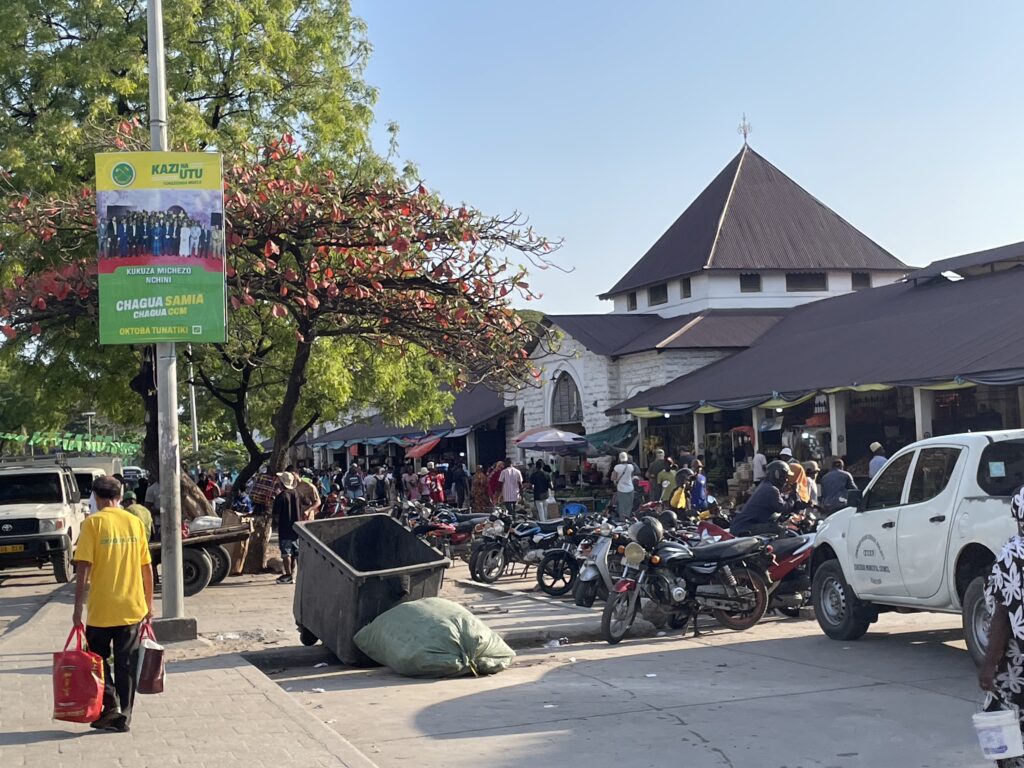
  • Visitez les anciens forts, les musées et les magnifiques rues de Stone Town
  • Dégustez tous les fruits de mer que vous pouvez aux jardins de Forodhani en soirée.
  • Partez en excursion dans une plantation d'épices pour découvrir comment sont cultivés les clous de girofle, la noix de muscade et bien d'autres encore.
  • Nagez dans une eau cristalline
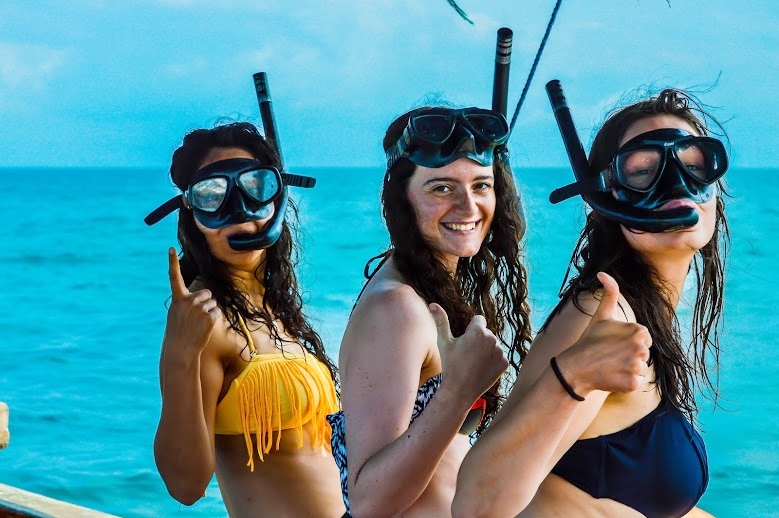
  • Explorez en plongée libre ou sous-marine certains des plus beaux récifs coralliens du monde.
  • Détendez-vous et vivez au rythme des îles !

Toutes les activités de loisirs sont à la charge du participant.
Dates

dates de début

Début hebdomadaire, toute l'année — choisissez n'importe quelle semaine des deux prochaines années.

DisponibleRemplissage rapideComplet
Frais

Frais de programme selon la durée

Des frais d'inscription uniques (249 $ / 179 £ / 229 € / 350 AU$) sont facturés en sus des frais de programme. Ces frais sont valables un an et vous permettent de vous inscrire à plusieurs programmes. Des frais bancaires internationaux de 5 % s'appliquent aux paiements par carte bancaire en USD ou AUD.

DuréeFrais de programme
1 semaine$625
2 semaines$820
3 semaines$1,040
4 semaines$1,245
5 semaines$1,475
6 semaines$1,705
7 semaines$1,935
8 semaines$2,165
Chaque semaine supplémentaire+$300 / semaine

Conversion indicative — votre réservation est facturée dans la devise que vous avez choisie lors du paiement.

✓ Ce que vous payez

  • Assistance et soutien 24h/24 par le personnel
  • Prise en charge personnelle à l'arrivée à l'aéroport ou au terminal ferry de Zanzibar
  • Premier jour : présentation du projet et de ses environs.
  • Hébergement en famille d'accueil ou en colocation avec d'autres volontaires
  • Repas (3 repas par jour)
  • Encadrement et supervision durant votre séjour

Non inclus

  • Vols
  • Assurance voyage et médicale (disponible en option)
  • Dépenses personnelles
  • Transports locaux
  • Frais de visa
Bon à savoir

Foire aux questions

Do I need to buy a health insurance?

Yes, for all participants it is mandatory to have a travel medical insurance. If you do not have a travel insurance, you have the option to purchase the Travel and Medical Insurance at a nominal extra cost from us. To provide the best option to our participants, we offer comprehensive insurance coverage in collaboration with a leading insurance provider. To view details of the insurance policy, please click here

When should I apply for a volunteer program in Tanzania?

As we have limited spots available in our programs and we follow the first come first serve basis, it is recommended that potential volunteers book their programs well in advance to get confirmed placements. You can book your slot by filling the application form online and pay the application fee. You can pay your program fee later and also, in installments, however, the complete payment should be made 45 days prior the start of the program. If you are volunteering in a group, you can also fill a group application form.

How can I connect with past Volunteering Solutions Tanzania alumni as well as other former and current volunteers?

We encourage volunteers to get in touch with former Volunteering Solutions Tanzania program participants and also other program participants joining our projects. You are recommended to join the Volunteering Solutions Facebook Page or Facebook Group and connect with other participants and our team.
To read alumni interviews from past participants, visit, Meet a Volunteer section on our website.

How long will it take to process an application? Will my application be accepted?

After you complete your application, your personalised ‘My Account’ will be active.You will need to upload your CV/Resume along with your photo in the same. Our backend team and the placement site takes around 10-12 days to review your application. After we review your CV and documents, your booking is confirmed and booking confirmation is updated in your ‘My Account’. Approval of your application depends on your qualification and eligibility criteria for each project as well as availability in the program.

Are there any necessary requirements to participate in the Arusha volunteer programs?

The necessary requirements to participate in the Arusha volunteer projects are as follows:-

All programs have a minimum age for volunteers joining independently. Depending on the program selected, the minimum age is either 17 or 18. For some programs it is possible for volunteers to join below this age if volunteering alongside a parent or guardian.

Volunteers must be in good health, and need to have an open mind and flexible attitude for working in a new and different environment, and should bring energy and enthusiasm to make a difference.

Can I volunteer as part of a group?

We encourage our participants to volunteer in a group. We take special care in providing you a placement and also customize your itinerary to make sure you get exactly what you are looking for. Also, we can design special group programs for groups of 5 or more. Our programs are designed to be safe, affordable and offer a great group volunteering experience to the volunteers.
In our experience of more than 12+ years we have enabled and facilitated volunteer program placements for student groups- college groups, university groups, high school groups, group of families, group of couples as well as groups of colleagues.

rn
Will VolSol provide with a reference or a certificate after program completion?

Yes, we will provide you with the Certificate after successful completion of your program. The certificate is provided on request.

Does VolSol provides discount if I choose more than one program or if I am a returning volunteer?

If you are planning to come for multiple programs in your trip, you will have to pay the application fees just once. Your application fee is valid for a years time (from the date of application). You will not have to pay the application fees again if you come within the mentioned time frame.For our returning volunteers, $50 discount is provided for the application fee for their next Vol Sol program.

Can I know more about the program location of Arusha?

Volunteering Solutions offers volunteer placements in and around the region of Arusha, which is surrounded by some of Africas most famous landscapes and national parks. Situated below Mount Meru on the eastern edge of the Great Rift Valley, it has a mild climate and is close to Serengeti, Ngorongoro Crater, Lake Manyara, Tarangire National Park, and Mount Kilimanjaro, as well as having its own Arusha National Park on Mount Meru.

When do I need to arrive in Tanzania for my program? What will happen once I arrive in Tanzania?

All volunteers need to arrive in Tanzania on the mentioned program starting dates, which is usually a Sunday.Volunteers are picked up from the Kilimanjaro International Airport (JRO) by the in-country coordinator or representative. You will be transferred to the volunteer house accommodation in Arusha followed by an orientation session. Kilimanjaro International Airport is around 50 km drive from Arusha city and it takes around 45 minutes to reach.Volunteers also have an option of arriving in Nairobi and then taking a shuttle bus to Arusha. Pickup will be provided from the bus station. Drive from Nairobi to Arusha takes around 5 hours. This option is chosen by many volunteers. Volunteers should note that airport pickup is not provided from Nairobi airport.

Does Volunteering Solutions help with Visa?

All participants joining the Tanzania volunteer projects, need to apply for the relevant tourist visa at the nearest Tanzanian Embassy or Consulate. Along with the visa application, you need to attach the required supporting documents. Volunteers are provided with the necessary supporting document for their Tanzanian Visa application. More information shall be provided after you become a Volunteering Solutions’ enrolled participant. Participants also have the option to get the visa on arrival at the airport. The tourist visa can be obtained on arrival at Kilimanjaro International Airport or at the border when arriving overland.
All volunteers working in Tanzania need to get a Class C Permit while in Tanzania. The Work permit costs $100-200 USD (depending on your program duration) and you will be provided assistance by the local team in Arusha to get the necessary work permit.

What are the recommended airlines to fly to Tanzania?

Kilimanjaro International Airport (JRO) has flight connections from Europe and other African destinations. KLM Dutch Airlines, Qatar Airways, Kenya Airways, Condor Airlines, Turkish Airlines, Precision Air and Ethiopian Airlines are the major airlines flying in directly to Kilimanjaro Airport.

How safe is Arusha and Tanzania in general?

Arusha is regarded as the gateway to the popular Northern Safari circuit and attracts tourists from around the world. Arusha is a safe city, however, as in any country around the world, you need to take general precautions for safety. You will be given safety precautions and instructions by your coordinator during the orientation as well as in your Pre-departure handbook after you become an enrolled participant.

What immunizations/vaccinations will I need?

We recommend you to consult your physician or travel doctor before traveling to Tanzania. All travelers are required to carry an International Certificate of Vaccination (Yellow Card) to show proof of Yellow Fever immunisation, if travelling from or via a Yellow Fever infected country.

The following vaccinations are recommended for travelers going to Tanzania.

  • Yellow Fever
  • Hepatitis A and B
  • Typhoid
  • Rabies
How do I get to the program location?

Our in-country coordinator will take you to your placement and introduce you to your project after providing a basic orientation about the program, city, culture etc. You will be provided with the directions for the project from your accommodation and will be briefed about the mode of transport to be used.

rn
Can I know more about accommodation and food arrangements?

Volunteers in Arusha are provided accommodation in a volunteer house/ hostel. The accommodation is centrally located and it is not far from the central part of the town and Arusha clock tower. It is exciting to stay at the volunteer house as you get to meet and interact with other volunteers from around the world. The volunteer house has a guard, a cleaner, and cook who prepares meals for the volunteers. Volunteers share the rooms on the same gender basis. Usually,3-4 volunteers share a room together. Private room upgrades are also available at the accommodation at extra charges. Volunteers are provided with all three meals. Breakfast usually comprises of Tea, Coffee, Bread, Jam, Butter, Eggs and/or Fruits. Lunch and Dinner usually comprise of a mix of Western and local dishes such as vegetables, chicken, rice, spaghetti, meat, and fruits. The dishes can vary on a daily basis and lunch is usually packed for the volunteers or you can eat at the house if you are there.

Can vegetarians be accommodated?

Yes - please do ensure that you inform the local team about your food preference and they can help ensure you are able to order the best food! Also, please do mention your specific food preference in the application form as well.

Would I have free time during my program? Can I do sightseeing during my program?

Volunteers typically work for around 5-6 hours in a day, for 5 days a week. Depending on the workload every day, working hours can vary. Evenings are free for the volunteers when they can get together and go out for social gatherings, eat out or just relax at the volunteer house. Weekends are free for the volunteers and you can go for short weekend trips.Volunteers go for Safari trips to Serengeti, Tarangire, and Ngorongoro. You can also go for shorter trips to Arusha National Park or Hot Springs outside Arusha. Local sightseeing trips are arranged for the volunteers by the local coordinators. Volunteers are encouraged to explore different places on the weekends and do sightseeing so that you can see as much of the country during your stay in Tanzania.

Are there more expenses once I arrive in Tanzania?

Your program fee covers your Airport Pickup, Accommodation, Food and In-country Support. You will have to get a work permit, which will cost around $100. The in-country coordinator will guide you about it.
You will need to cover your personal expenses, such as bottled water, local transport, telephone, the internet, shopping, weekend trips etc. However, you should carry around $50-60 per week for your basic personal expenses. This amount can vary and you would need a higher amount if you choose to go on Safari trips. The cost of the safari trips varies between $300- $600 depending on the safari option you choose.
Airport drop is no included in the fee but we can arrange for it at an extra cost of approx $50.

For how many hours will I volunteer every day?

VolSol volunteers usually put 5-6 hours of volunteer work, 5 days a week depending on their program. You will have the weekend for yourself to explore in and around the city. However, volunteers need to be flexible, open minded and understand that work requirements can change on certain occasions.

Where can I change my money in Tanzania? Are there ATMs in Arusha?

On arrival in Arusha, you can change your currency to Tanzanian Shillings at the currency exchange shops at the airport. There are several ATMs available and, mostly Visa and Mastercards are accepted. During the orientation, the coordinators would show you the nearest ATM as well as foreign currency exchange shops. Tanzania is mostly a cash-based society and you would need to pay in cash at most of the places you shop. Credit cards are not accepted at many places.

How will be the weather in Arusha?

Being at foothills of Mount Meru, the weather in Arusha is extremely pleasant and moderately cold at night. You can carry light jackets.

rn
Can you put me in contact with other volunteers who have done this program?

We can only provide contact details for former volunteers who have consented to having their data shared. However, there is a Facebook group for past and current volunteers which you are welcome to join. There are also hundreds of reviews online from our former volunteers as well as social media posts on Instagram, TikTok and our You Tube Channel.

Can I meet other volunteers before I arrive?

The best thing to do is join our Facebook group and put up a post detailing your start date, that way you can connect directly with other volunteers joining at the same time as you.

Can I share the flight with other volunteers?

We don’t organize the flights for volunteers, but if you know your arrival date and find other volunteers travelling from the same location, you can book your flights together.

Do I need to know the local language or English to join the volunteer program? If so, what level?

You don’t need to know the local language but you will need some knowledge of English to join our programs in Tanzania, but the level required will depend on the program you choose. For the Childcare and Special Needs programs, you will need a minimum of basic English (A1-A2 in the European Framework for Languages) and for the Teaching and Women’s Empowerment programs, intermediate level English (B1-B2) is required. However, we encourage volunteers to practice their English as much as possible before arrival to get the best out of their volunteer experience.

How do I apply for a program and when do I need to pay?

You can book your slot by filling the online application form and pay the application fee. You can pay your program fee later and also, in installments, however, the complete payment should be made 45 days prior the start of the program. If you are volunteering in a group, you can also fill a group application form. The initial application fee is refunded in the unlikely event that we’re not able to offer you a place on the program, and you have the flexibility to request a change of start date up until the 45 day payment deadline (this is subject to availability for other dates).

Can I apply with a friend?

Yes! On our application form you can detail the name of the friend(s) or partner you are applying with. You will be placed in the same project and accommodation and in the same dorm (subject to restrictions regarding male and female dorms). There is also the option of a private room upgrade in the volunteer house, subject to availability and the relevant upgrade fee. Please enquire with our team regarding prices and availability.

What happens if the program isn’t available?

We will refund your application fee if the program isn’t available after you have applied.

Can I volunteer as a part of group?

For individual volunteers:

You will arrive on the same start date as other volunteers joining at the same time and will be part of a cohort for your program. This means you’ll share the same orientation day, accommodation, and overall experience; a great way to meet new people and make friends from around the world. The best time to join if you want to meet lots of other volunteers is July and August as these are the most popular months.

For groups:
If you already have a group, we also accept applications from university and college groups, high school groups, corporate teams, families, and groups of friends. Your group can fill in our Group Application Form, providing details such as the number of participants, preferred duration, budget, and destination. We take special care in providing your group with a placement that best suits your goals, and we can customise your itinerary to ensure you get exactly the experience you’re looking for. For groups of five or more, we can even design special group programs that combine meaningful volunteer work with cultural immersion and travel opportunities. All our programs, whether individual or group, are designed to be safe, affordable, and rewarding, offering every volunteer a memorable and impactful experience

Fallen bei meiner Ankunft in Tansania weitere Kosten an?

Die Programmgebühr beinhaltet Flughafentransfer, Unterkunft, Verpflegung und Betreuung vor Ort. Sie benötigen eine Arbeitserlaubnis, die etwa 100 US-Dollar kostet. Ihr Koordinator vor Ort wird Sie dabei unterstützen.
Sie müssen Ihre persönlichen Ausgaben selbst decken, z. B. für Wasserflaschen, Nahverkehr, Telefon, Internet, Einkäufe, Wochenendausflüge usw. Planen Sie jedoch etwa 50–60 US-Dollar pro Woche für Ihre grundlegenden persönlichen Ausgaben ein. Dieser Betrag kann variieren, und Sie benötigen mehr, wenn Sie Safaris unternehmen möchten. Die Kosten für Safaris liegen je nach gewählter Option zwischen 300 und 600 US-Dollar.
Der Transfer zum Flughafen ist nicht im Preis inbegriffen, kann aber gegen einen Aufpreis von ca. 50 US-Dollar arrangiert werden.

Wo kann ich in Tansania Geld wechseln? Gibt es Geldautomaten in Arusha?

Bei Ihrer Ankunft in Arusha können Sie Ihr Geld in den Wechselstuben am Flughafen in Tansanische Schilling umtauschen. Es gibt mehrere Geldautomaten, an denen in der Regel Visa und Mastercard akzeptiert werden. Während der Orientierungsveranstaltung zeigen Ihnen die Koordinatoren den nächstgelegenen Geldautomaten sowie die nächstgelegenen Wechselstuben. In Tansania wird überwiegend bar bezahlt, daher ist Bargeld in den meisten Geschäften erforderlich. Kreditkarten werden vielerorts nicht akzeptiert.

Waar kan ik mijn geld wisselen in Tanzania? Zijn er geldautomaten in Arusha?

Bij aankomst in Arusha kunt u uw geld wisselen voor Tanzaniaanse shilling bij de wisselkantoren op de luchthaven. Er zijn verschillende geldautomaten aanwezig en Visa en Mastercard worden meestal geaccepteerd. Tijdens de oriëntatie zullen de coördinatoren u de dichtstbijzijnde geldautomaat en wisselkantoren laten zien. Tanzania is een overwegend contante samenleving en u zult op de meeste plaatsen contant moeten betalen. Creditcards worden op veel plaatsen niet geaccepteerd.

Avis vérifiés · Reviews.io

Des bénévoles dans Tanzania

Indécis?

Planifiez une rencontre avec un conseiller du programme

Nous sommes là pour vous aider — un entretien individuel de 20 minutes avec des informations détaillées, des conseils d'experts et un accompagnement pour votre candidature.

Réservez une réunion gratuite