Autonomisation des femmes à Arusha, Tanzanie
Aidez une ONG locale à accomplir un travail formidable pour offrir une seconde chance aux jeunes femmes qui n'ont pas pu terminer leurs études en raison d'une grossesse précoce.
- Soutenir les femmes pour qu'elles acquièrent leur indépendance financière
- Offrons une seconde chance aux femmes qui n'ont pas pu terminer leurs études en raison d'une grossesse précoce.
- Contribuer à divers rôles au sein du projet
- Faites du bénévolat en vous occupant d'enfants et en enseignant des compétences importantes aux femmes.
- Séjournez avec d'autres bénévoles du monde entier partageant les mêmes idées dans des logements pour bénévoles.
- Explorez Arusha et partez en safari le week-end avec d'autres bénévoles.
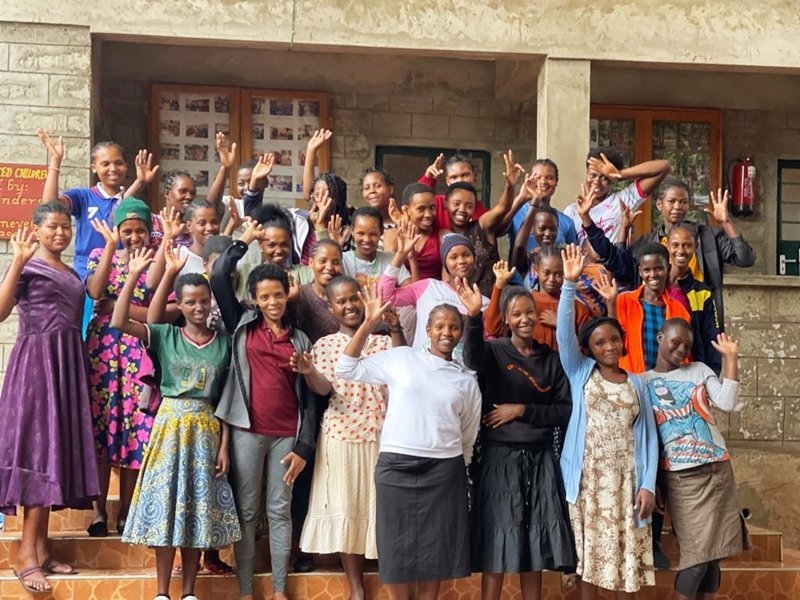
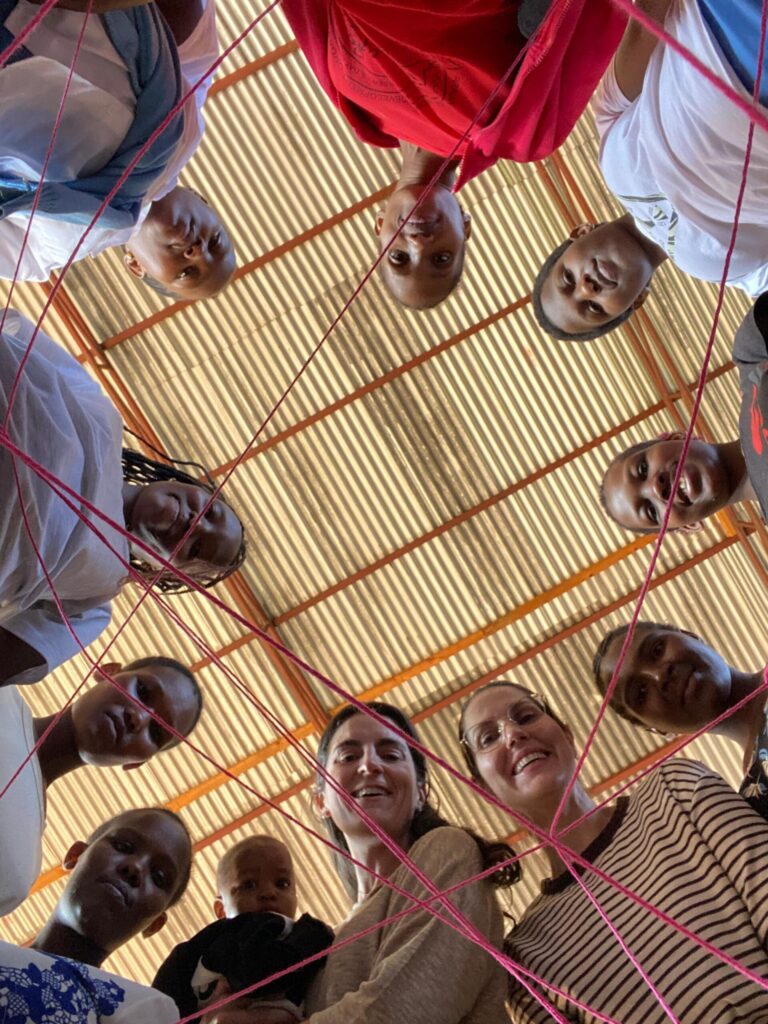
Les bénévoles du programme d'autonomisation des femmes ont l'opportunité de contribuer à un projet local à Arusha qui accomplit un travail formidable pour donner une seconde chance aux jeunes femmes qui n'ont pas pu terminer leurs études en raison d'une grossesse précoce.
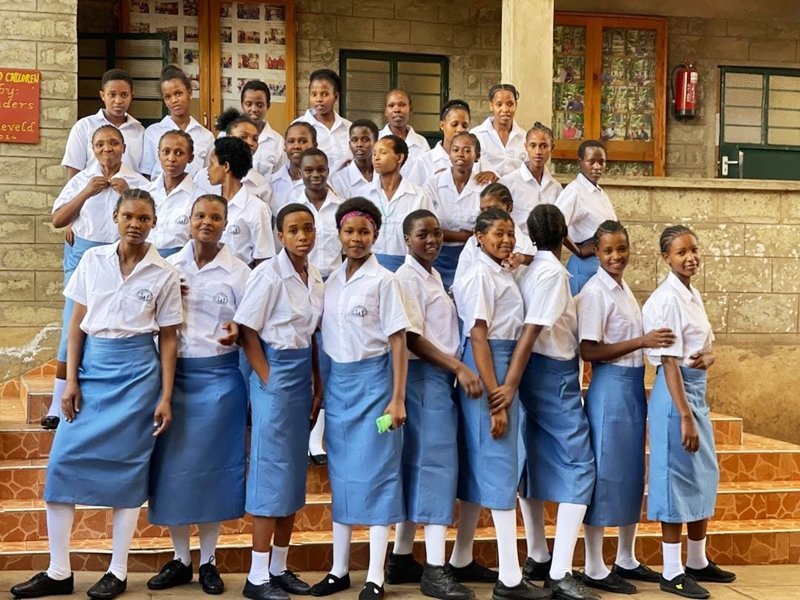
Chaque année, ils accueillent plus de 30 jeunes femmes et leurs bébés, tout en leur fournissant des compétences en entrepreneuriat et une éducation de base pour qu'elles puissent subvenir à leurs besoins une fois qu'elles auront quitté le centre.
S’appuyant sur son objectif principal d’autonomiser les mères adolescentes célibataires, les filles et les enfants vulnérables à travers la Tanzanie, le projet s’efforce de transformer la vie des femmes, des filles et des enfants victimes de violence sexiste et de traite des êtres humains dans les zones urbaines et rurales, dans le but de les aider à atteindre une stabilité sociale et économique.
Le soutien des bénévoles est essentiel à ce projet, car nous croyons que chaque femme devrait avoir la possibilité de prendre sa vie en main et de contribuer à sa communauté. Ce soutien est inestimable pour permettre au projet d'avoir un impact positif sur la vie des jeunes mères et des filles de la communauté.
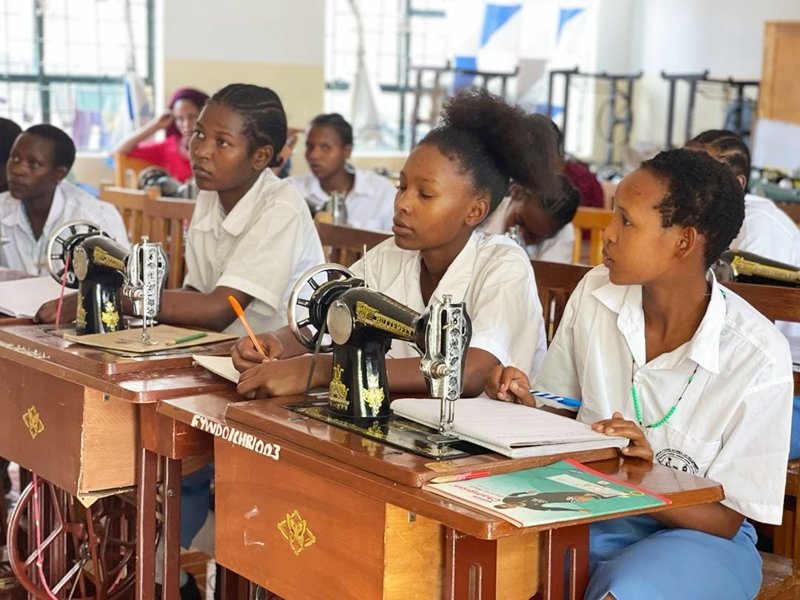
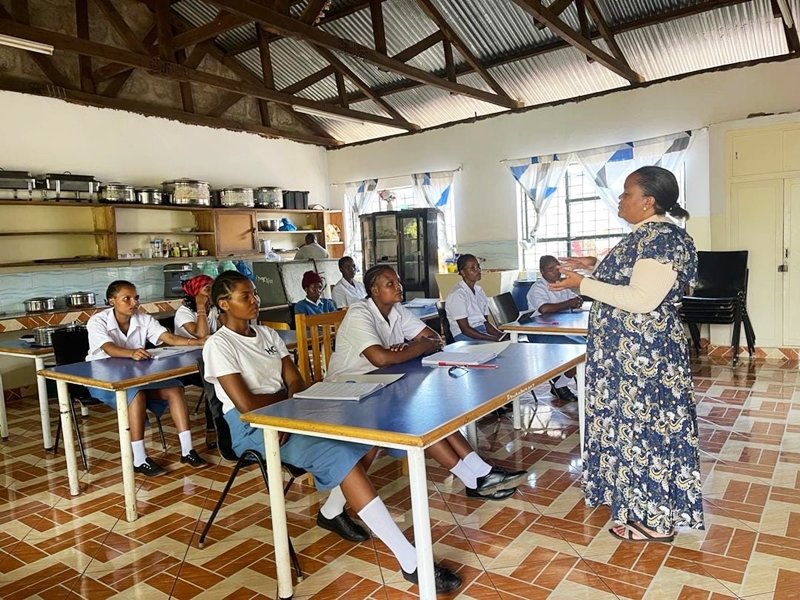
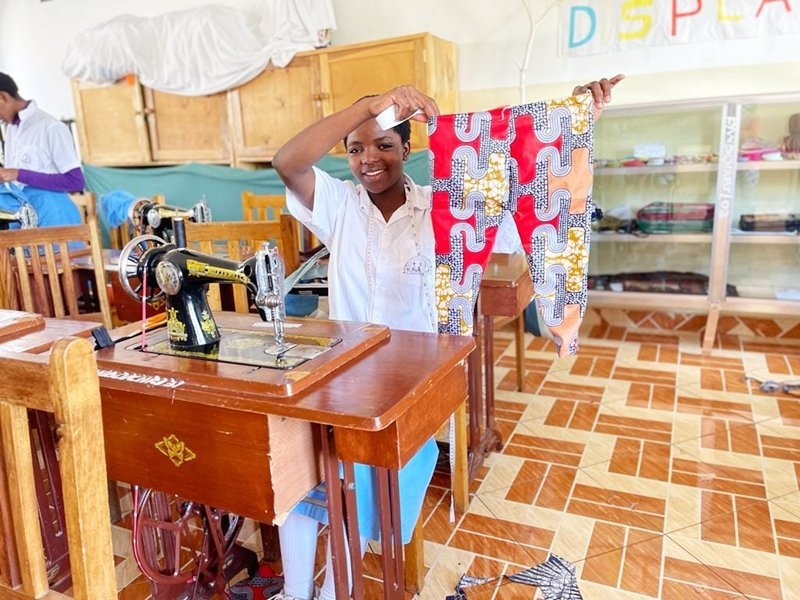
Le centre propose aux jeunes mères des formations professionnelles (cuisine, coiffure, couture, etc.) afin de les aider à acquérir leur indépendance financière. Parallèlement, leurs enfants sont accueillis dans une crèche Montessori.
Vous souhaitez découvrir d'autres façons de vous impliquer ? Consultez nos programmes de volontariat en Afrique .
Rôles et responsabilités des bénévoles
Les bénévoles participant au projet peuvent apporter leur aide à une grande variété de tâches en fonction de leur niveau d'expertise, de leurs compétences et de leurs choix, ainsi que des besoins du projet. Les bénévoles sont encouragés à combiner plusieurs rôles afin d'accroître leur contribution et leur soutien au projet.
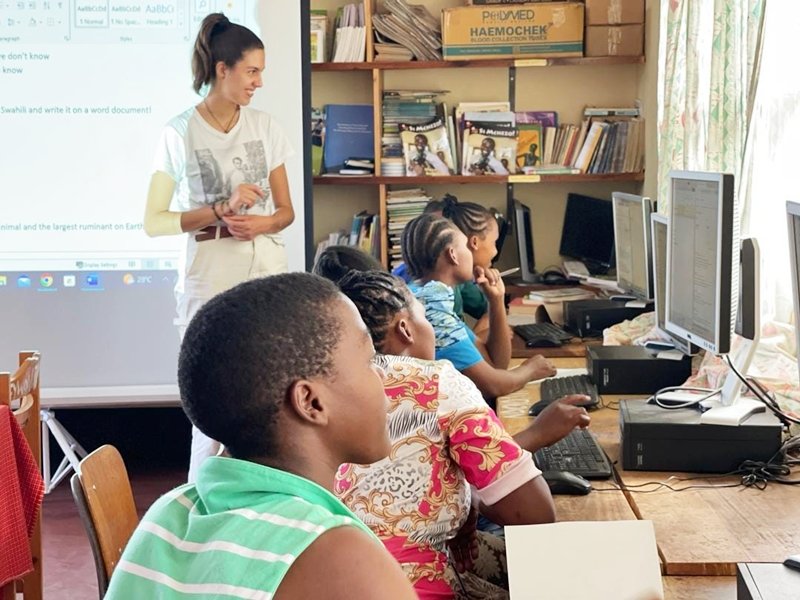
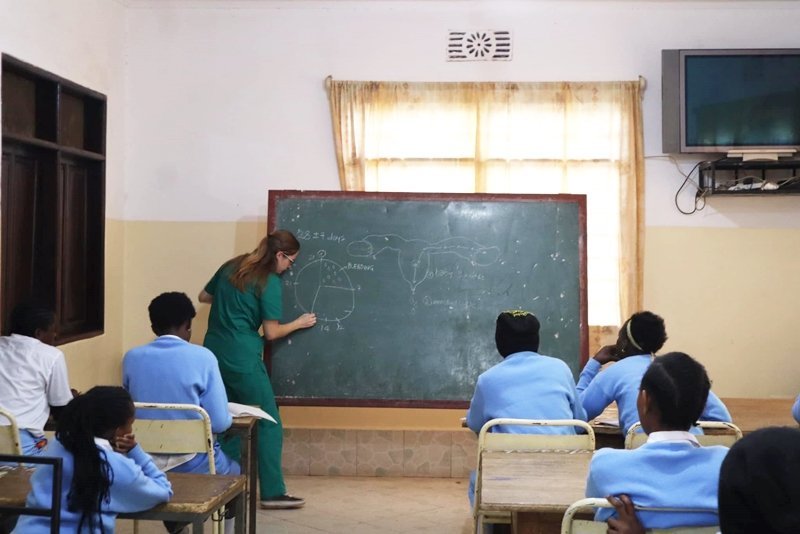
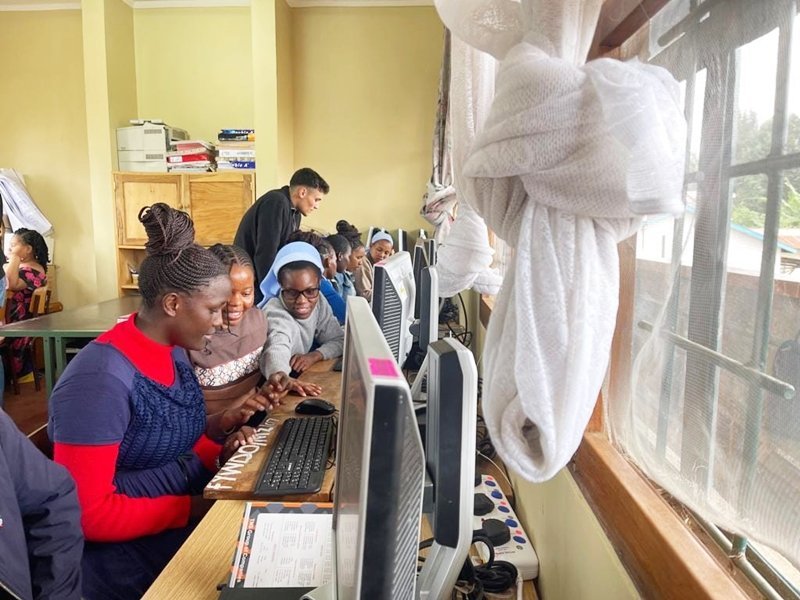
Des opportunités de bénévolat sont disponibles dans tous les centres du projet, notamment en matière d'enseignement de la cuisine, de marketing et de collecte de fonds, de garde d'enfants, d'assistance préscolaire, d'enseignement de la couture et de l'artisanat, d'enseignement de l'anglais, de coiffure et de formation informatique.
Les tâches et responsabilités des bénévoles varient selon le type de rôle attribué au participant.
Voici quelques exemples de tâches effectuées par les bénévoles :
Couture et artisanat
-
Soutenir les instructrices de couture et d'artisanat dans leur enseignement et leur encadrement des filles.
-
Enseigner des techniques artisanales et de couture spécifiques telles que le tricot et la broderie
-
Aidez les filles à créer de nouveaux objets artisanaux
-
Proposer des idées de produits artisanaux innovants que les filles pourront fabriquer et vendre après avoir obtenu leur diplôme du centre.
Marketing et collecte de fonds
-
Mettre à jour les brochures et les supports marketing
-
Créer et concevoir de nouveaux supports marketing
-
Lancer des campagnes de financement participatif, comme le financement participatif, pour de nouvelles initiatives telles que le financement d'un nouveau bâtiment
-
Identifier et contacter les donateurs potentiels, y compris les grandes entreprises.
-
Rechercher et contacter des boutiques d'artisanat pour le placement de nos articles faits main.
-
Renseignez-vous et contactez les agences de safari concernant nos offres de pause déjeuner.
En plus de ce qui précède, des rôles peuvent être attribués dans les domaines de la cuisine, de l'enseignement et de la garde d'enfants au sein du projet.
Conditions et critères d'admissibilité
Les bénévoles doivent être âgés de 17 ans ou plus au moment de leur participation au projet. Il est essentiel d'avoir l'esprit ouvert et une attitude flexible pour travailler dans un environnement nouveau et différent. Les bénévoles doivent faire preuve d'énergie et d'enthousiasme pour contribuer positivement au projet. Les participants doivent être en bonne santé et en bonne forme physique au moment de leur intégration au programme. Ils ne doivent pas avoir de casier judiciaire et doivent fournir un extrait de casier judiciaire vierge. Une autorisation parentale sera exigée pour les participants de moins de 18 ans. Les compétences en enseignement, informatique, cuisine, coiffure ou couture seront un atout.
Une journée typique
Les volontaires du projet d'autonomisation des femmes à Arusha, en Tanzanie, suivraient généralement l'horaire suivant :
-
Dimanche – Arrivée à destination (Arusha)
-
Lundi – Séance d'orientation et visite des environs
Une séance d'orientation sera animée par le coordinateur local et abordera les principaux sujets tels que la sécurité, la culture, la langue, les lieux à visiter, les coutumes, la gastronomie et d'autres suggestions d'activités en Tanzanie. Au cours de cette séance, l'équipe vous informera également des différents projets auxquels participent les volontaires. -
Du mardi au vendredi – Travail bénévole sur le lieu de stage
-
Week-ends : temps libre pour explorer la ville, safaris animaliers et bien plus encore.
Petit-déjeuner – à partir de 7h30
Horaires de travail sur le lieu de stage : généralement de 8h à 13h (selon les rôles attribués au sein du projet).
Déjeuner – Après le retour du projet de bénévolat à la maison des bénévoles dans l'après-midi
Dîner – Vers 19h et après
Le même horaire de travail se poursuit à partir de la deuxième semaine (du lundi au vendredi).
Remarque : Veuillez noter que l'horaire peut varier en fonction du rôle précis attribué au bénévole.
Hébergement et repas
Transfert aéroport
Vous serez accueilli(e) par notre représentant à l'aéroport international du Kilimandjaro, dans la région du Kilimandjaro, d'où vous serez transféré(e) à votre logement de volontaires à Arusha. Les volontaires peuvent également arriver à Nairobi et prendre une navette ou un bus direct pour Arusha. Ils seront pris en charge à la gare routière. Pour les participants arrivant de Dar es Salaam ou de Zanzibar, une prise en charge peut également être organisée depuis l'aéroport d'Arusha, beaucoup plus petit et qui ne dessert actuellement que des vols intérieurs.
Hébergement
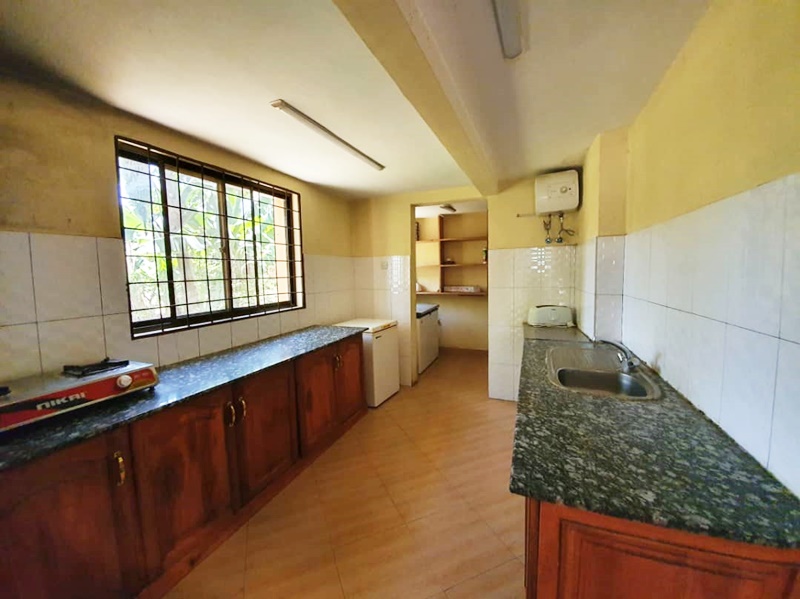
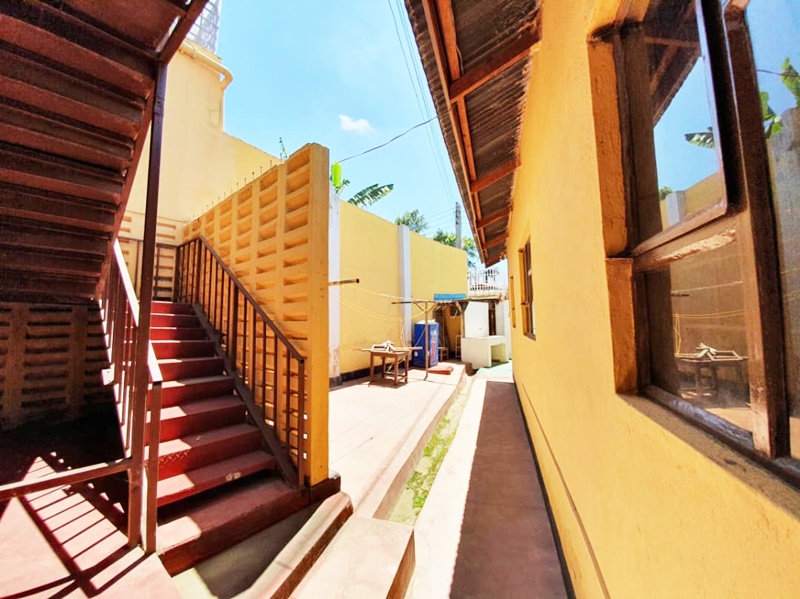
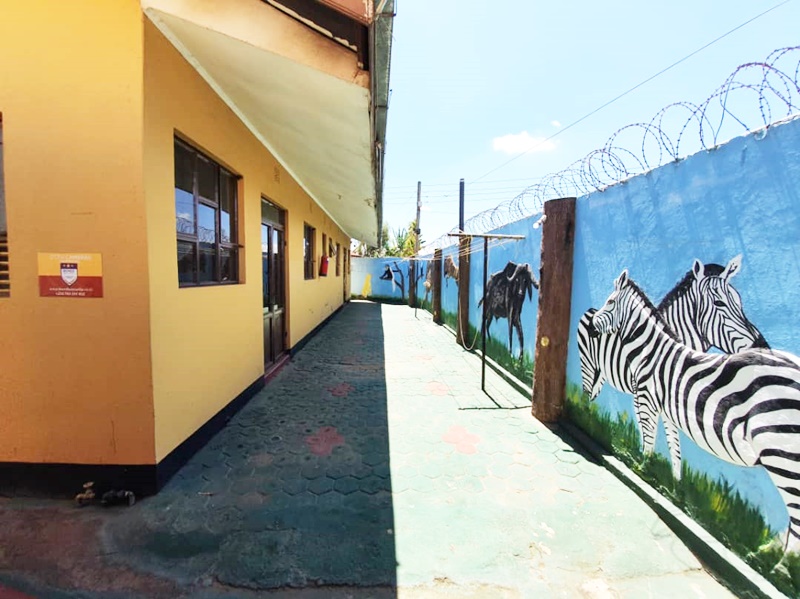
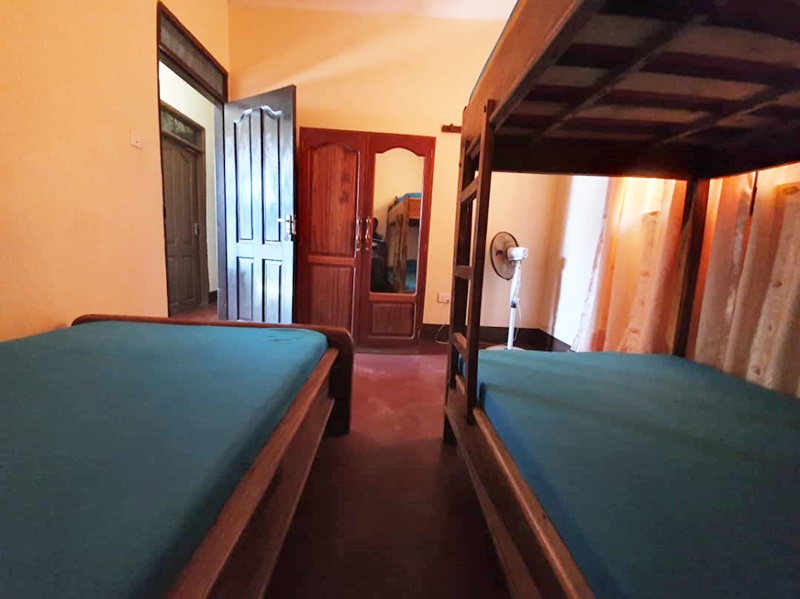
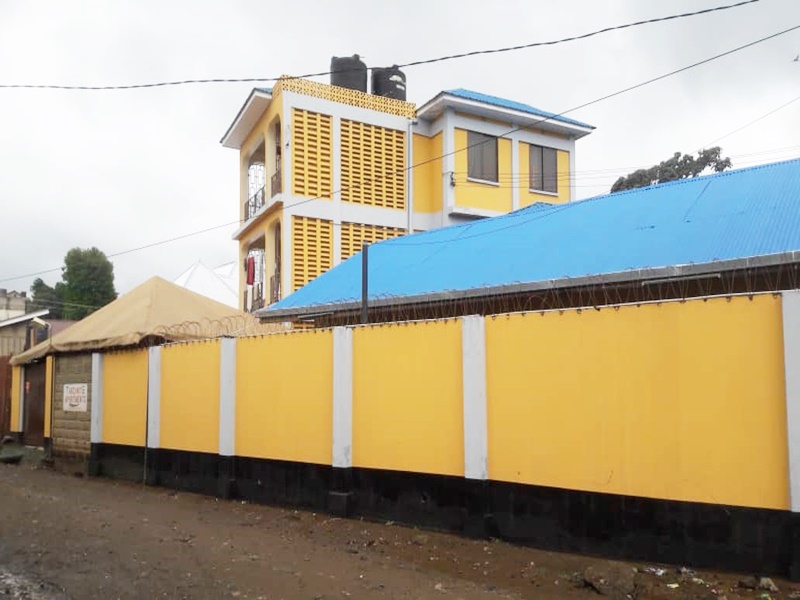
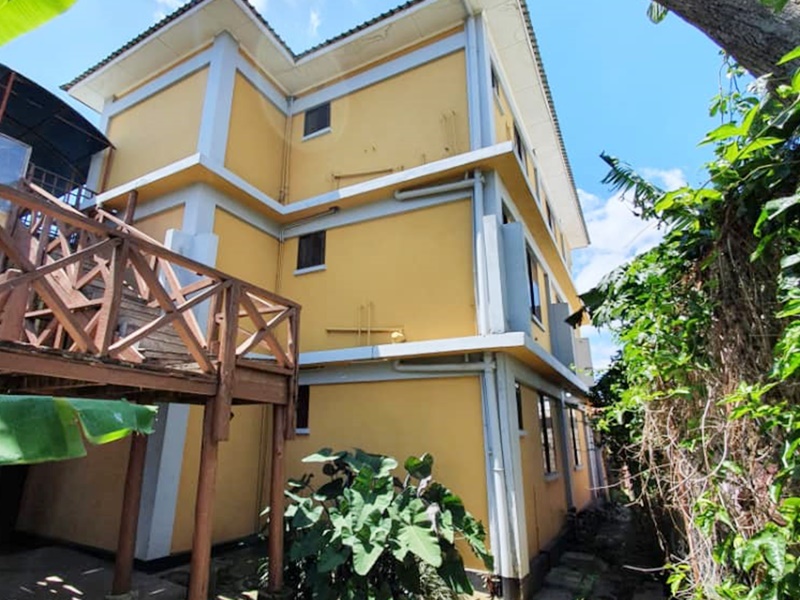
Volunteering Solutions propose un hébergement aux bénévoles dans une maison qui leur est dédiée, située à Arusha. Le logement se compose de chambres partagées, avec possibilité de surclassement en chambre privée. La maison comprend plusieurs chambres et appartements où les bénévoles peuvent vivre confortablement ensemble. Une cuisine bien équipée est à la disposition de cuisiniers, et du personnel de sécurité assure la sécurité des lieux.
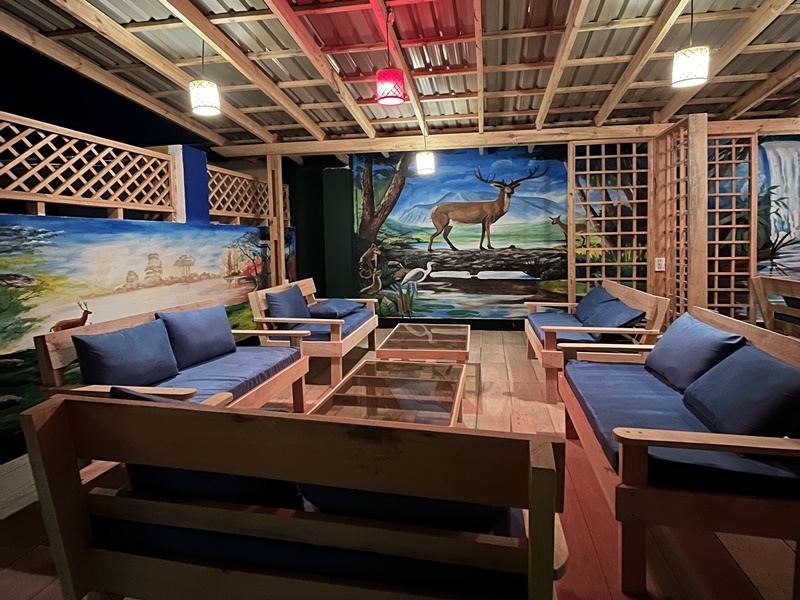
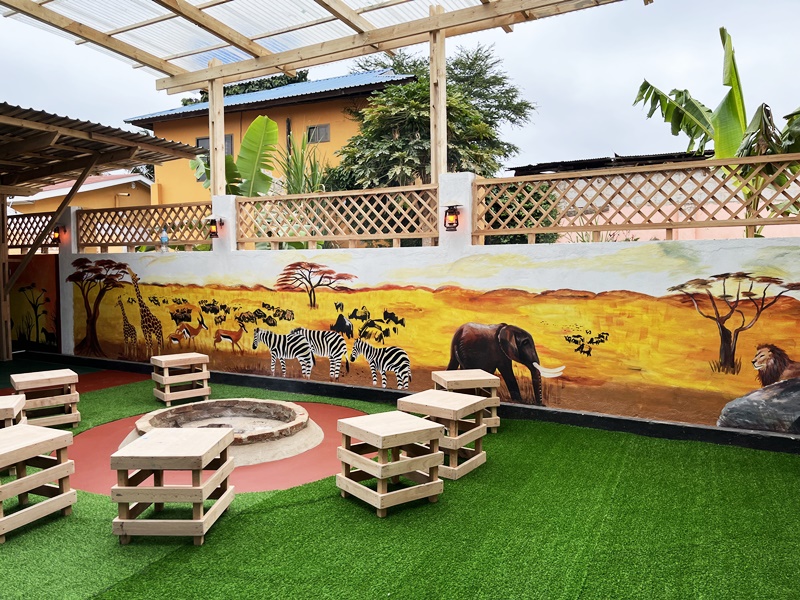
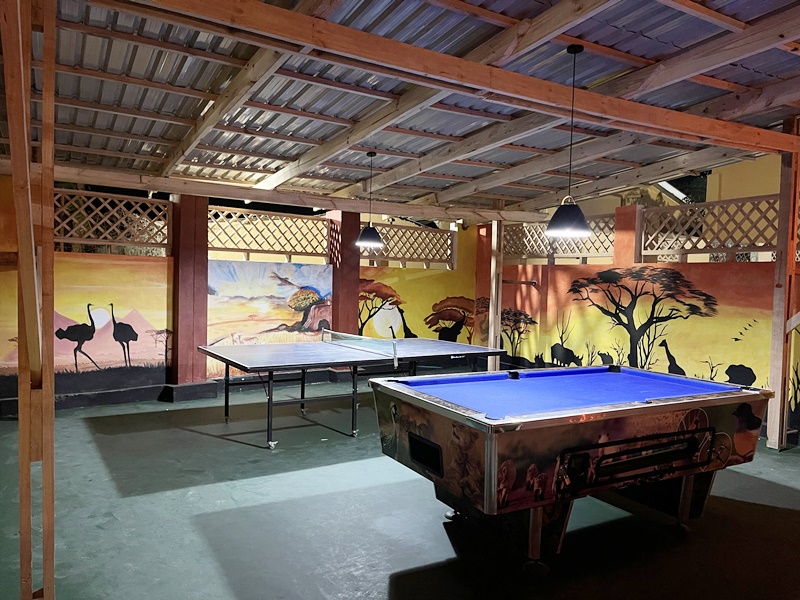
Idéalement située à environ 25 minutes à pied de la tour de l'horloge principale, en plein cœur d'Arusha, la maison dispose d'un vaste espace commun où les volontaires peuvent se détendre, échanger et s'adonner à des jeux comme le billard ou le ping-pong. Une connexion Wi-Fi est également disponible dans toute la maison.
Pour le linge, un espace est mis à la disposition des bénévoles pour laver leurs vêtements à la main. Ils peuvent également confier leur linge aux aides à domicile (moyennant un supplément) ou à la blanchisserie. La sécurité est une priorité : la maison est équipée de caméras de vidéosurveillance et un agent de sécurité est présent en permanence. Elle peut accueillir plus de 50 bénévoles.
Orientation
Tous les bénévoles bénéficieront d'une séance d'orientation animée par le coordinateur local. Cette séance abordera des sujets tels que la sécurité, les lieux d'intervention, les transports et les sites touristiques. Une fois l'orientation terminée, votre projet vous sera présenté et vous visiterez la région et la ville.
Repas
Les volontaires reçoivent trois repas par jour. Ces repas comprennent généralement un mélange de plats occidentaux et tanzaniens. Voici quelques exemples de repas servis à la maison des volontaires :
-
Pour le petit-déjeuner : Eau chaude avec thé noir et café au choix, pain grillé avec beurre, confiture et fruits de saison, et œufs.
-
Pour le déjeuner et le dîner : riz, spaghettis, salade, purée de pommes de terre, frites, chapati ainsi que d'autres plats tanzaniens et des fruits.
Le petit-déjeuner et le dîner sont servis à la maison des volontaires, tandis que le déjeuner est généralement préparé à l'avance pour votre séjour sur le lieu de mission ou peut être emporté si vous rentrez à votre hébergement après le projet.
Pendant votre temps libre
Lors de votre séjour à Arusha, vous aurez certainement envie de découvrir les environs et les sites touristiques les plus populaires. La plupart des participants se rendent au pays masaï et optent pour un safari. Un safari est incontournable lors d'un voyage en Tanzanie. Le pays propose certains des meilleurs safaris et excursions animalières au monde. Vous pourrez visiter la zone de conservation de Ngorongoro, le parc national du Serengeti, le lac Manyara et le parc national de Tarangire. Parmi les autres sites touristiques locaux, citons le parc aux serpents, le parc national d'Arusha, le lac Duluti, les sources chaudes de Chemka et les chutes de Materuni.
dates de début
Début hebdomadaire, toute l'année — choisissez n'importe quelle semaine des deux prochaines années.
Frais de programme selon la durée
Des frais d'inscription uniques (249 $ / 179 £ / 229 € / 350 AU$) sont facturés en sus des frais de programme. Ces frais sont valables un an et vous permettent de vous inscrire à plusieurs programmes. Des frais bancaires internationaux de 5 % s'appliquent aux paiements par carte bancaire en USD ou AUD.
| Durée | Frais de programme | |
|---|---|---|
| 1 semaine | $375 | |
| 2 semaines | $550 | |
| 3 semaines | $725 | |
| 4 semaines | $950 | |
| 5 semaines | $1,175 | |
| 6 semaines | $1,395 | |
| 7 semaines | $1,620 | |
| 8 semaines | $1,845 | |
| Chaque semaine supplémentaire | +$225 / semaine |
Conversion indicative — votre réservation est facturée dans la devise que vous avez choisie lors du paiement.
✓ Ce que vous payez
- Assistance et soutien 24h/24 par le personnel
- Informations complètes avant le départ
- Prise en charge à l'aéroport de Kilimandjaro ou à la gare routière d'Arusha
- Orientation
- Nourriture
- Hébergement à la Maison des Volontaires
- Assistance pour la réservation de safaris de fin de semaine et autres excursions
- Assurance voyage et médicale (disponible en option)
- Attestation de participation (sur demande)
Non inclus
- billet d'avion
- Frais de visa et de permis de travail
- Transfert retour à l'aéroport (possibilité d'organiser ce service moyennant un supplément)
- Transports locaux
- Vaccinations
- Dépenses personnelles
Foire aux questions
Do I need to buy a health insurance?
Yes, for all participants it is mandatory to have a travel medical insurance. If you do not have a travel insurance, you have the option to purchase the Travel and Medical Insurance at a nominal extra cost from us. To provide the best option to our participants, we offer comprehensive insurance coverage in collaboration with a leading insurance provider. To view details of the insurance policy, please click here
When should I apply for a volunteer program in Tanzania?
As we have limited spots available in our programs and we follow the first come first serve basis, it is recommended that potential volunteers book their programs well in advance to get confirmed placements. You can book your slot by filling the application form online and pay the application fee. You can pay your program fee later and also, in installments, however, the complete payment should be made 45 days prior the start of the program. If you are volunteering in a group, you can also fill a group application form.
How can I connect with past Volunteering Solutions Tanzania alumni as well as other former and current volunteers?
We encourage volunteers to get in touch with former Volunteering Solutions Tanzania program participants and also other program participants joining our projects. You are recommended to join the Volunteering Solutions Facebook Page or Facebook Group and connect with other participants and our team.
To read alumni interviews from past participants, visit, Meet a Volunteer section on our website.
How long will it take to process an application? Will my application be accepted?
After you complete your application, your personalised ‘My Account’ will be active.You will need to upload your CV/Resume along with your photo in the same. Our backend team and the placement site takes around 10-12 days to review your application. After we review your CV and documents, your booking is confirmed and booking confirmation is updated in your ‘My Account’. Approval of your application depends on your qualification and eligibility criteria for each project as well as availability in the program.
Are there any necessary requirements to participate in the Arusha volunteer programs?
The necessary requirements to participate in the Arusha volunteer projects are as follows:-
All programs have a minimum age for volunteers joining independently. Depending on the program selected, the minimum age is either 17 or 18. For some programs it is possible for volunteers to join below this age if volunteering alongside a parent or guardian.
Volunteers must be in good health, and need to have an open mind and flexible attitude for working in a new and different environment, and should bring energy and enthusiasm to make a difference.
Can I volunteer as part of a group?
We encourage our participants to volunteer in a group. We take special care in providing you a placement and also customize your itinerary to make sure you get exactly what you are looking for. Also, we can design special group programs for groups of 5 or more. Our programs are designed to be safe, affordable and offer a great group volunteering experience to the volunteers.
In our experience of more than 12+ years we have enabled and facilitated volunteer program placements for student groups- college groups, university groups, high school groups, group of families, group of couples as well as groups of colleagues.
Will VolSol provide with a reference or a certificate after program completion?
Yes, we will provide you with the Certificate after successful completion of your program. The certificate is provided on request.
Does VolSol provides discount if I choose more than one program or if I am a returning volunteer?
If you are planning to come for multiple programs in your trip, you will have to pay the application fees just once. Your application fee is valid for a years time (from the date of application). You will not have to pay the application fees again if you come within the mentioned time frame.For our returning volunteers, $50 discount is provided for the application fee for their next Vol Sol program.
Can I know more about the program location of Arusha?
Volunteering Solutions offers volunteer placements in and around the region of Arusha, which is surrounded by some of Africas most famous landscapes and national parks. Situated below Mount Meru on the eastern edge of the Great Rift Valley, it has a mild climate and is close to Serengeti, Ngorongoro Crater, Lake Manyara, Tarangire National Park, and Mount Kilimanjaro, as well as having its own Arusha National Park on Mount Meru.
When do I need to arrive in Tanzania for my program? What will happen once I arrive in Tanzania?
All volunteers need to arrive in Tanzania on the mentioned program starting dates, which is usually a Sunday.Volunteers are picked up from the Kilimanjaro International Airport (JRO) by the in-country coordinator or representative. You will be transferred to the volunteer house accommodation in Arusha followed by an orientation session. Kilimanjaro International Airport is around 50 km drive from Arusha city and it takes around 45 minutes to reach.Volunteers also have an option of arriving in Nairobi and then taking a shuttle bus to Arusha. Pickup will be provided from the bus station. Drive from Nairobi to Arusha takes around 5 hours. This option is chosen by many volunteers. Volunteers should note that airport pickup is not provided from Nairobi airport.
Does Volunteering Solutions help with Visa?
All participants joining the Tanzania volunteer projects, need to apply for the relevant tourist visa at the nearest Tanzanian Embassy or Consulate. Along with the visa application, you need to attach the required supporting documents. Volunteers are provided with the necessary supporting document for their Tanzanian Visa application. More information shall be provided after you become a Volunteering Solutions’ enrolled participant. Participants also have the option to get the visa on arrival at the airport. The tourist visa can be obtained on arrival at Kilimanjaro International Airport or at the border when arriving overland.
All volunteers working in Tanzania need to get a Class C Permit while in Tanzania. The Work permit costs $100-200 USD (depending on your program duration) and you will be provided assistance by the local team in Arusha to get the necessary work permit.
What are the recommended airlines to fly to Tanzania?
Kilimanjaro International Airport (JRO) has flight connections from Europe and other African destinations. KLM Dutch Airlines, Qatar Airways, Kenya Airways, Condor Airlines, Turkish Airlines, Precision Air and Ethiopian Airlines are the major airlines flying in directly to Kilimanjaro Airport.
How safe is Arusha and Tanzania in general?
Arusha is regarded as the gateway to the popular Northern Safari circuit and attracts tourists from around the world. Arusha is a safe city, however, as in any country around the world, you need to take general precautions for safety. You will be given safety precautions and instructions by your coordinator during the orientation as well as in your Pre-departure handbook after you become an enrolled participant.
What immunizations/vaccinations will I need?
We recommend you to consult your physician or travel doctor before traveling to Tanzania. All travelers are required to carry an International Certificate of Vaccination (Yellow Card) to show proof of Yellow Fever immunisation, if travelling from or via a Yellow Fever infected country.
The following vaccinations are recommended for travelers going to Tanzania.
- Yellow Fever
- Hepatitis A and B
- Typhoid
- Rabies
How do I get to the program location?
Our in-country coordinator will take you to your placement and introduce you to your project after providing a basic orientation about the program, city, culture etc. You will be provided with the directions for the project from your accommodation and will be briefed about the mode of transport to be used.
rnCan I know more about accommodation and food arrangements?
Volunteers in Arusha are provided accommodation in a volunteer house/ hostel. The accommodation is centrally located and it is not far from the central part of the town and Arusha clock tower. It is exciting to stay at the volunteer house as you get to meet and interact with other volunteers from around the world. The volunteer house has a guard, a cleaner, and cook who prepares meals for the volunteers. Volunteers share the rooms on the same gender basis. Usually,3-4 volunteers share a room together. Private room upgrades are also available at the accommodation at extra charges. Volunteers are provided with all three meals. Breakfast usually comprises of Tea, Coffee, Bread, Jam, Butter, Eggs and/or Fruits. Lunch and Dinner usually comprise of a mix of Western and local dishes such as vegetables, chicken, rice, spaghetti, meat, and fruits. The dishes can vary on a daily basis and lunch is usually packed for the volunteers or you can eat at the house if you are there.
Can vegetarians be accommodated?
Yes - please do ensure that you inform the local team about your food preference and they can help ensure you are able to order the best food! Also, please do mention your specific food preference in the application form as well.
Would I have free time during my program? Can I do sightseeing during my program?
Volunteers typically work for around 5-6 hours in a day, for 5 days a week. Depending on the workload every day, working hours can vary. Evenings are free for the volunteers when they can get together and go out for social gatherings, eat out or just relax at the volunteer house. Weekends are free for the volunteers and you can go for short weekend trips.Volunteers go for Safari trips to Serengeti, Tarangire, and Ngorongoro. You can also go for shorter trips to Arusha National Park or Hot Springs outside Arusha. Local sightseeing trips are arranged for the volunteers by the local coordinators. Volunteers are encouraged to explore different places on the weekends and do sightseeing so that you can see as much of the country during your stay in Tanzania.
Are there more expenses once I arrive in Tanzania?
Your program fee covers your Airport Pickup, Accommodation, Food and In-country Support. You will have to get a work permit, which will cost around $100. The in-country coordinator will guide you about it.
You will need to cover your personal expenses, such as bottled water, local transport, telephone, the internet, shopping, weekend trips etc. However, you should carry around $50-60 per week for your basic personal expenses. This amount can vary and you would need a higher amount if you choose to go on Safari trips. The cost of the safari trips varies between $300- $600 depending on the safari option you choose.
Airport drop is no included in the fee but we can arrange for it at an extra cost of approx $50.
For how many hours will I volunteer every day?
VolSol volunteers usually put 5-6 hours of volunteer work, 5 days a week depending on their program. You will have the weekend for yourself to explore in and around the city. However, volunteers need to be flexible, open minded and understand that work requirements can change on certain occasions.
Where can I change my money in Tanzania? Are there ATMs in Arusha?
On arrival in Arusha, you can change your currency to Tanzanian Shillings at the currency exchange shops at the airport. There are several ATMs available and, mostly Visa and Mastercards are accepted. During the orientation, the coordinators would show you the nearest ATM as well as foreign currency exchange shops. Tanzania is mostly a cash-based society and you would need to pay in cash at most of the places you shop. Credit cards are not accepted at many places.
How will be the weather in Arusha?
Being at foothills of Mount Meru, the weather in Arusha is extremely pleasant and moderately cold at night. You can carry light jackets.
rnCan you put me in contact with other volunteers who have done this program?
We can only provide contact details for former volunteers who have consented to having their data shared. However, there is a Facebook group for past and current volunteers which you are welcome to join. There are also hundreds of reviews online from our former volunteers as well as social media posts on Instagram, TikTok and our You Tube Channel.
Can I meet other volunteers before I arrive?
The best thing to do is join our Facebook group and put up a post detailing your start date, that way you can connect directly with other volunteers joining at the same time as you.
Can I share the flight with other volunteers?
We don’t organize the flights for volunteers, but if you know your arrival date and find other volunteers travelling from the same location, you can book your flights together.
Do I need to know the local language or English to join the volunteer program? If so, what level?
You don’t need to know the local language but you will need some knowledge of English to join our programs in Tanzania, but the level required will depend on the program you choose. For the Childcare and Special Needs programs, you will need a minimum of basic English (A1-A2 in the European Framework for Languages) and for the Teaching and Women’s Empowerment programs, intermediate level English (B1-B2) is required. However, we encourage volunteers to practice their English as much as possible before arrival to get the best out of their volunteer experience.
How do I apply for a program and when do I need to pay?
You can book your slot by filling the online application form and pay the application fee. You can pay your program fee later and also, in installments, however, the complete payment should be made 45 days prior the start of the program. If you are volunteering in a group, you can also fill a group application form. The initial application fee is refunded in the unlikely event that we’re not able to offer you a place on the program, and you have the flexibility to request a change of start date up until the 45 day payment deadline (this is subject to availability for other dates).
Can I apply with a friend?
Yes! On our application form you can detail the name of the friend(s) or partner you are applying with. You will be placed in the same project and accommodation and in the same dorm (subject to restrictions regarding male and female dorms). There is also the option of a private room upgrade in the volunteer house, subject to availability and the relevant upgrade fee. Please enquire with our team regarding prices and availability.
What happens if the program isn’t available?
We will refund your application fee if the program isn’t available after you have applied.
Can I volunteer as a part of group?
For individual volunteers:
You will arrive on the same start date as other volunteers joining at the same time and will be part of a cohort for your program. This means you’ll share the same orientation day, accommodation, and overall experience; a great way to meet new people and make friends from around the world. The best time to join if you want to meet lots of other volunteers is July and August as these are the most popular months.
For groups:
If you already have a group, we also accept applications from university and college groups, high school groups, corporate teams, families, and groups of friends. Your group can fill in our Group Application Form, providing details such as the number of participants, preferred duration, budget, and destination. We take special care in providing your group with a placement that best suits your goals, and we can customise your itinerary to ensure you get exactly the experience you’re looking for. For groups of five or more, we can even design special group programs that combine meaningful volunteer work with cultural immersion and travel opportunities. All our programs, whether individual or group, are designed to be safe, affordable, and rewarding, offering every volunteer a memorable and impactful experience
Fallen bei meiner Ankunft in Tansania weitere Kosten an?
Die Programmgebühr beinhaltet Flughafentransfer, Unterkunft, Verpflegung und Betreuung vor Ort. Sie benötigen eine Arbeitserlaubnis, die etwa 100 US-Dollar kostet. Ihr Koordinator vor Ort wird Sie dabei unterstützen.
Sie müssen Ihre persönlichen Ausgaben selbst decken, z. B. für Wasserflaschen, Nahverkehr, Telefon, Internet, Einkäufe, Wochenendausflüge usw. Planen Sie jedoch etwa 50–60 US-Dollar pro Woche für Ihre grundlegenden persönlichen Ausgaben ein. Dieser Betrag kann variieren, und Sie benötigen mehr, wenn Sie Safaris unternehmen möchten. Die Kosten für Safaris liegen je nach gewählter Option zwischen 300 und 600 US-Dollar.
Der Transfer zum Flughafen ist nicht im Preis inbegriffen, kann aber gegen einen Aufpreis von ca. 50 US-Dollar arrangiert werden.
Wo kann ich in Tansania Geld wechseln? Gibt es Geldautomaten in Arusha?
Bei Ihrer Ankunft in Arusha können Sie Ihr Geld in den Wechselstuben am Flughafen in Tansanische Schilling umtauschen. Es gibt mehrere Geldautomaten, an denen in der Regel Visa und Mastercard akzeptiert werden. Während der Orientierungsveranstaltung zeigen Ihnen die Koordinatoren den nächstgelegenen Geldautomaten sowie die nächstgelegenen Wechselstuben. In Tansania wird überwiegend bar bezahlt, daher ist Bargeld in den meisten Geschäften erforderlich. Kreditkarten werden vielerorts nicht akzeptiert.
Waar kan ik mijn geld wisselen in Tanzania? Zijn er geldautomaten in Arusha?
Bij aankomst in Arusha kunt u uw geld wisselen voor Tanzaniaanse shilling bij de wisselkantoren op de luchthaven. Er zijn verschillende geldautomaten aanwezig en Visa en Mastercard worden meestal geaccepteerd. Tijdens de oriëntatie zullen de coördinatoren u de dichtstbijzijnde geldautomaat en wisselkantoren laten zien. Tanzania is een overwegend contante samenleving en u zult op de meeste plaatsen contant moeten betalen. Creditcards worden op veel plaatsen niet geaccepteerd.
Des bénévoles dans Tanzania
Planifiez une rencontre avec un conseiller du programme
Nous sommes là pour vous aider — un entretien individuel de 20 minutes avec des informations détaillées, des conseils d'experts et un accompagnement pour votre candidature.
Réservez une réunion gratuitePlus de projets dans Tanzania

Programme de bénévolat en garde d’enfants à Arusha, en Tanzanie
Rejoignez Volunteering Solutions en tant que bénévole en garde d'enfants à Arusha, en Tanzanie. Vous interviendrez dans des…
Enseignement bénévole en Tanzanie – Arusha
Les volontaires du programme d'enseignement travaillent principalement dans les écoles primaires de la région d'Arusha et des environs,…
Enseignement bénévole en Tanzanie – Zanzibar
Dans le cadre de ce projet, des volontaires sont placés dans différentes écoles, maternelles, primaires ou secondaires, pour…