 English (UK) ▾
 Nederlands
 English (US)
 Deutsch
 Italiano
 Português
 Español
Volunteer in Costa Rica
 Certified B Corporation
★ Rated 4.7/5 (1,461 reviews) 25,000+ volunteers since 2007
Certified B Corporation
★ Rated 4.7/5 (1,461 reviews) 25,000+ volunteers since 2007
Volunteer in Costa Rica with Volunteering Solutions on sea turtle, wildlife and community projects across three very different parts of the country: a rustic conservation camp on the Osa Peninsula and a remote turtle-nesting beach at Playa Ario on the Pacific side; a wildlife and animal rescue centre at Puerto Viejo on the Caribbean coast; and childcare, English teaching and women’s empowerment placements with host families in San Ramón de Alajuela in the Central Valley.
Programmes run from one week (Osa) or two to four weeks (elsewhere) up to 24 weeks, start on fixed Sundays or Saturdays twice a month all year, and are open from age 18 — with the turtle and childcare programmes also welcoming families. Costa Rica suits volunteers who want hands-on conservation in one of the most biodiverse countries on earth, or Spanish-speaking community work in a safe, well-organized country with excellent transport. Prices start at £837 for one week, deposit included.
Volunteer opportunities in Costa Rica
6 programmes you can join right now — every card below and every link here goes to the programme’s own page with live dates and prices.
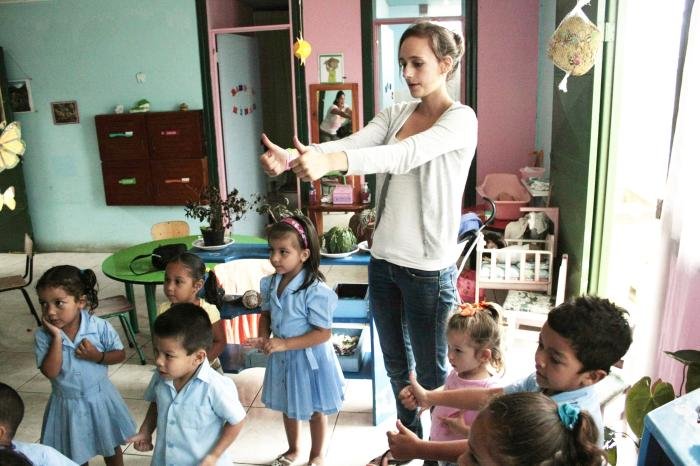
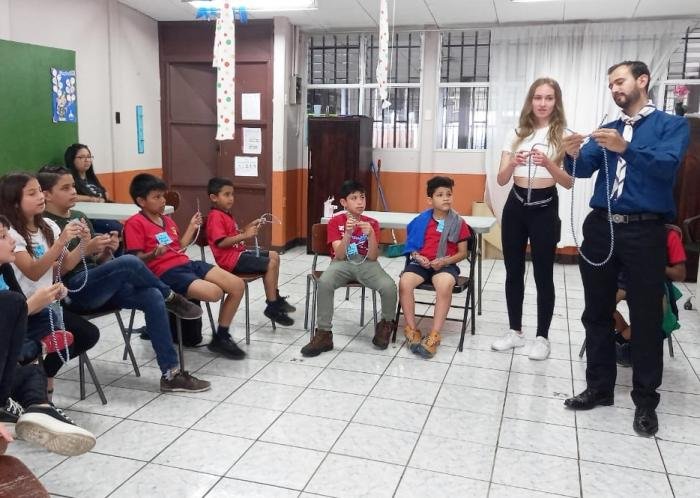
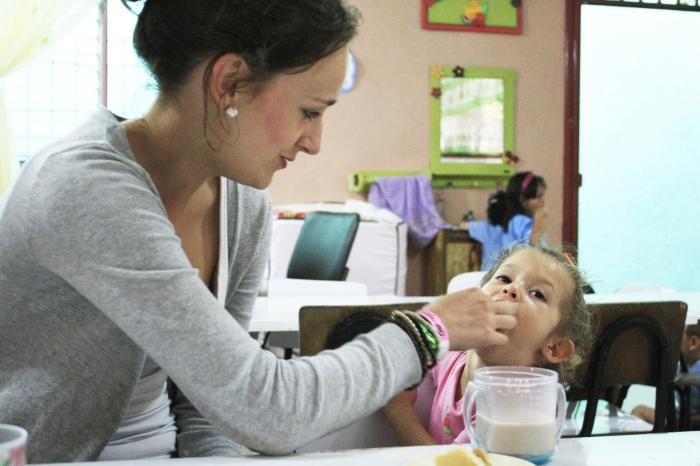
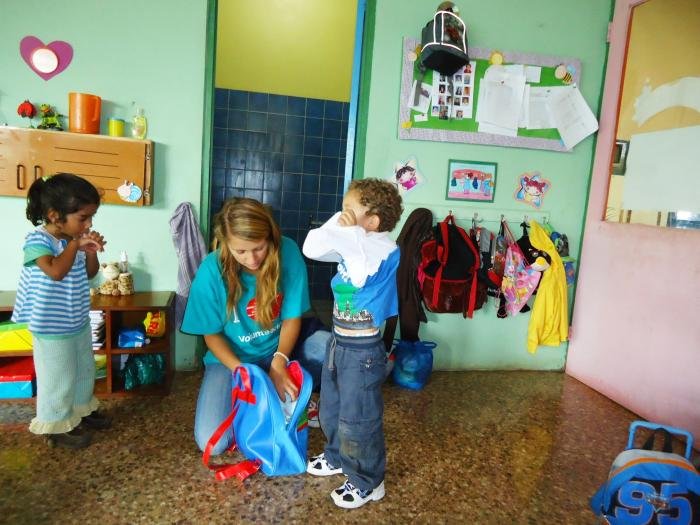
- Childcare Volunteer Programme in Costa Rica — Help nurture Costa Rica’s youngest minds by volunteering in community childcare centres, bringing care, creativity, and hope to children who need it most.
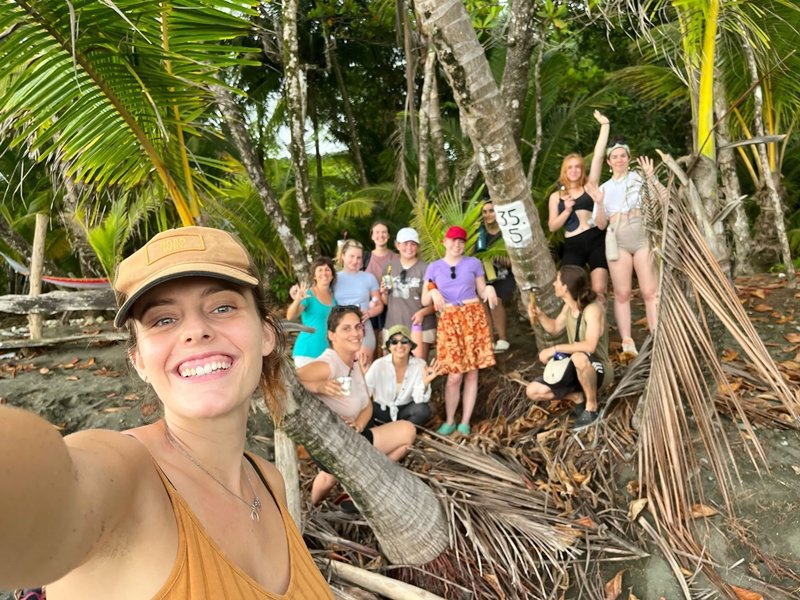
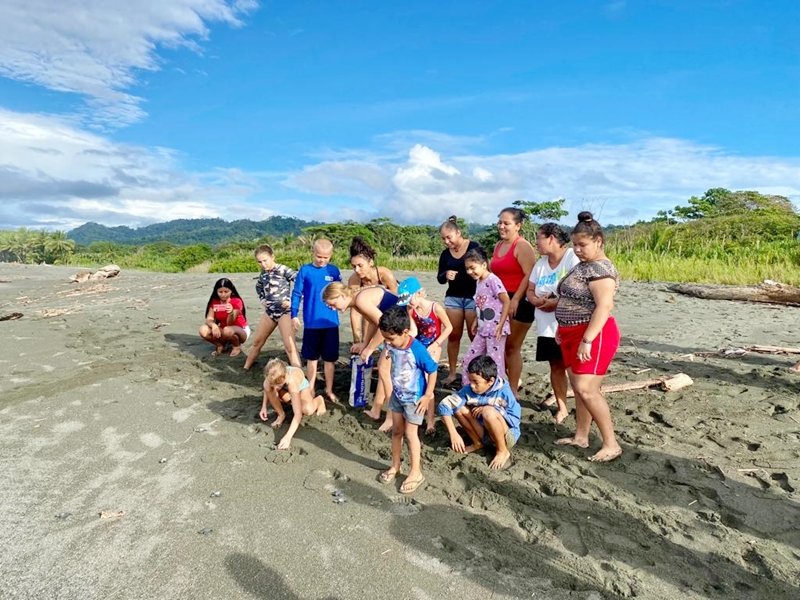
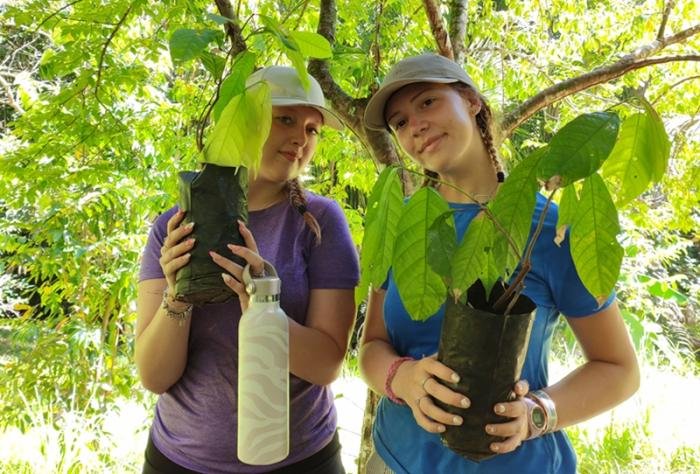
- Turtle and Environment Conservation — Volunteer in a community-driven conservation project that aims to conserve sea turtle nesting beach habitat on the Osa Peninsula in Costa Rica.
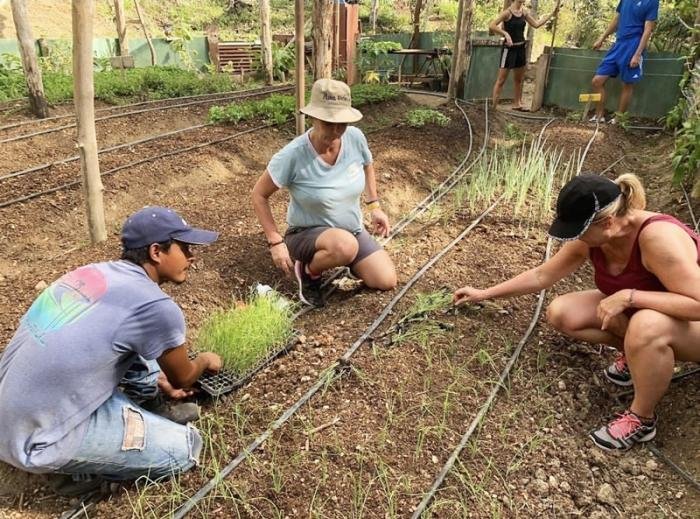
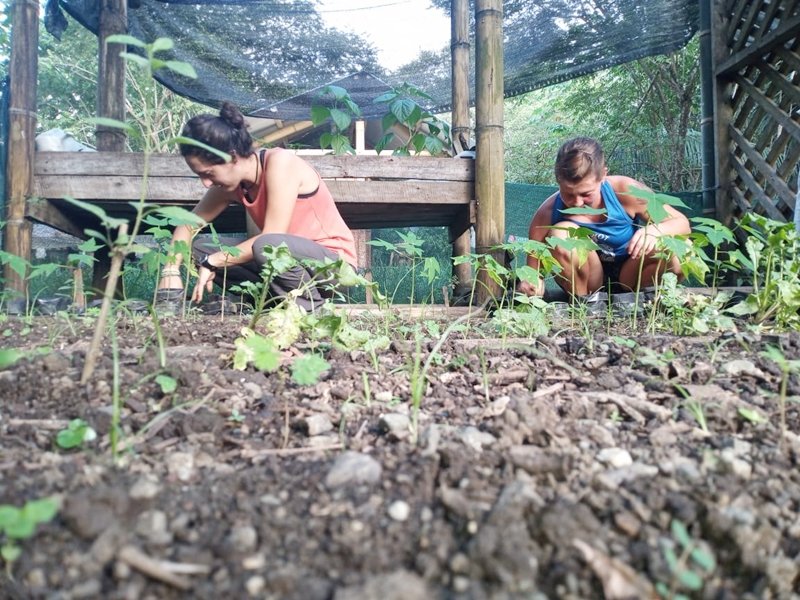
- Turtles, Wildlife & Permaculture Volunteer Experience — Live and volunteer in one of Costa Rica’s most biodiverse coastal regions while protecting endangered sea turtles, restoring forests, and learning sustainable permaculture practices.
- Volunteer in Costa Rica at Wildlife & Animal Rescue Centre — Volunteers work with rescued, mistreated and injured animals on Costa Rica’s Caribbean coastline, where reggae music fills the air and surfers line up on the horizon.
- Volunteer Teaching English in Costa Rica — Volunteer in Costa Rica and inspire young minds by supporting classroom learning or teaching subjects you’re passionate about.Make a lasting impact while working with children and teens in schools…
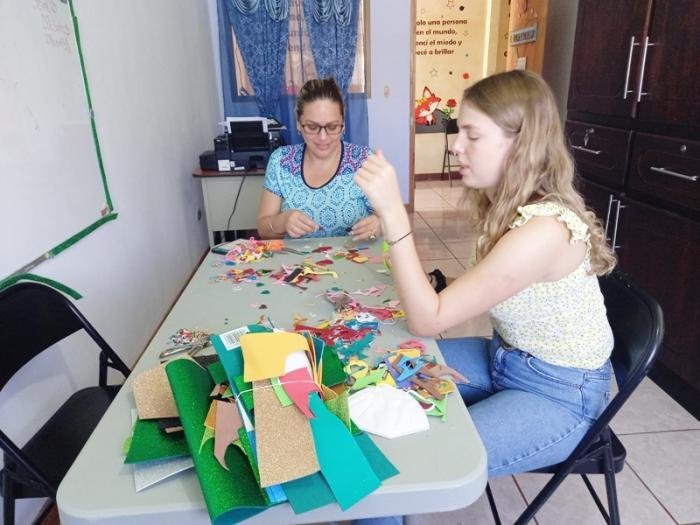
- Women Empowerment in San Ramon de Alajuela — Join the Women Empowerment Programme in Costa Rica with Volunteering Solutions and contribute to a life-changing initiative that supports vulnerable women through education, emotional well-being, and skill development.
Your impact as a volunteer in Costa Rica
From helping kids grow in confidence to supporting local conservation efforts, your contribution as a volunteer helps meet real community needs. You’ll be working with local teams – not in place of them – creating space for cultural exchange, skill-sharing and mutual learning.
Volunteering in Costa Rica at a glance
Volunteer Projects you can join in Costa Rica

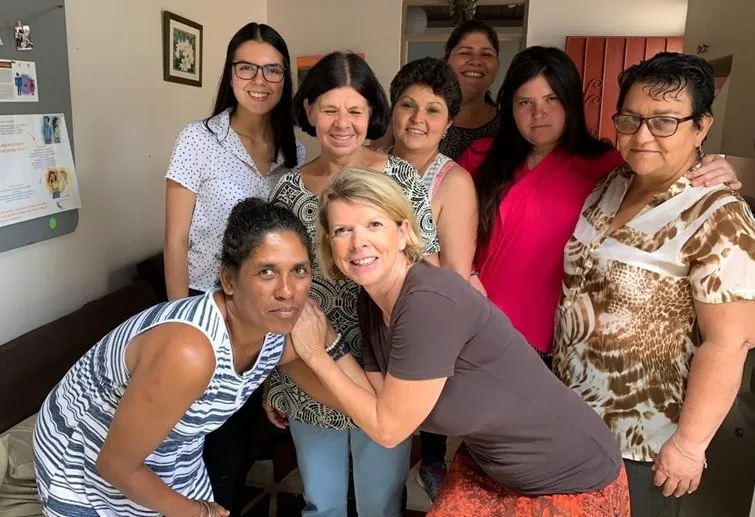
Women Empowerment in San Ramon de Alajuela
Join the Women Empowerment Programme in Costa Rica with Volunteering Solutions and contribute to a life-changing initiative that…
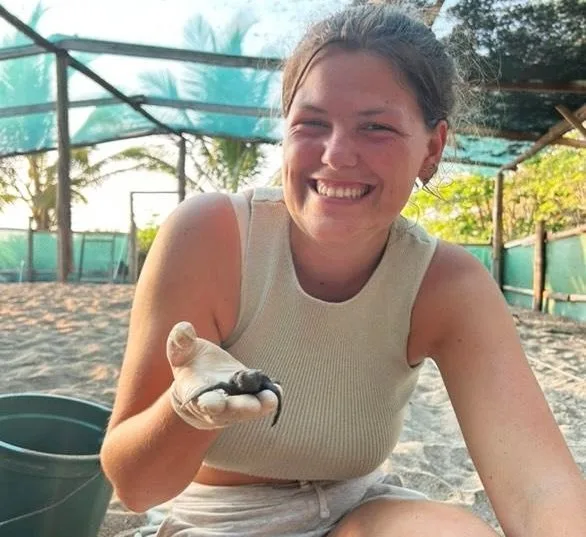
Turtles, Wildlife & Permaculture Volunteer Experience
Live and volunteer in one of Costa Rica’s most biodiverse coastal regions while protecting endangered sea turtles, restoring…
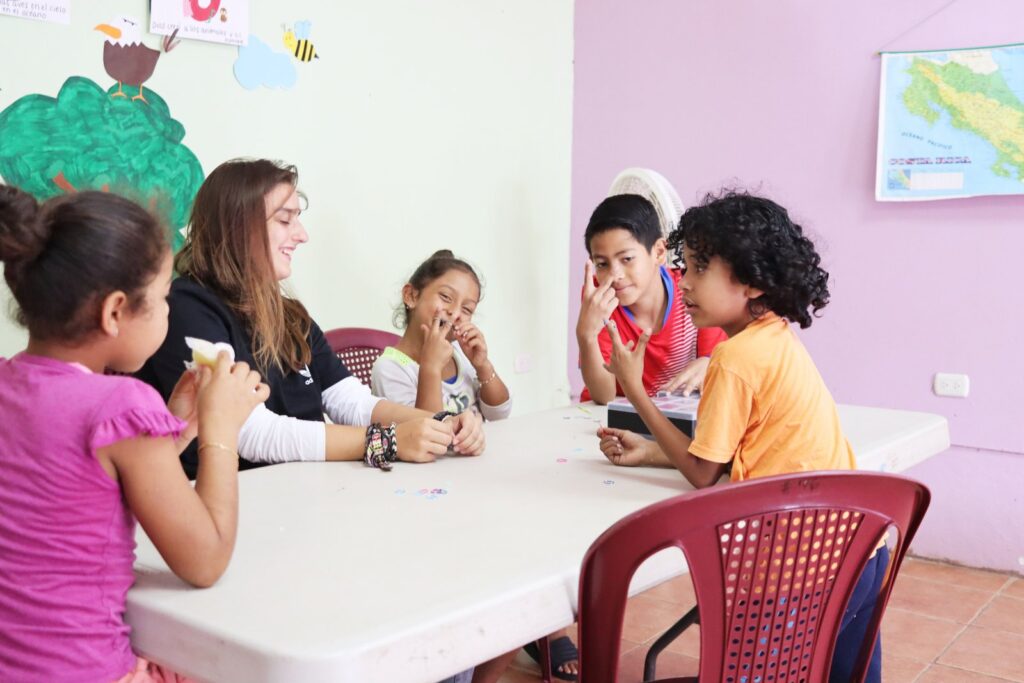
Childcare Volunteer Programme in Costa Rica
Help nurture Costa Rica’s youngest minds by volunteering in community childcare centres, bringing care, creativity, and hope to…
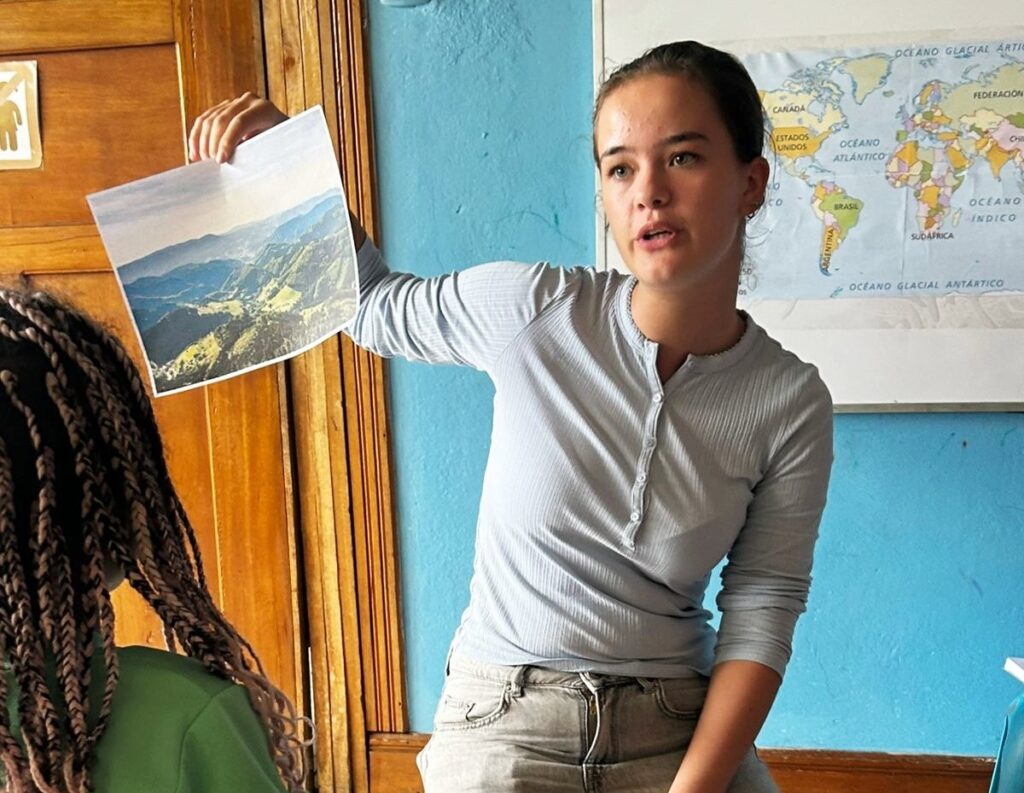
Volunteer Teaching English in Costa Rica
Volunteer in Costa Rica and inspire young minds by supporting classroom learning or teaching subjects you’re passionate about.Make…

Turtle and Environment Conservation
Volunteer in a community-driven conservation project that aims to conserve sea turtle nesting beach habitat on the Osa…
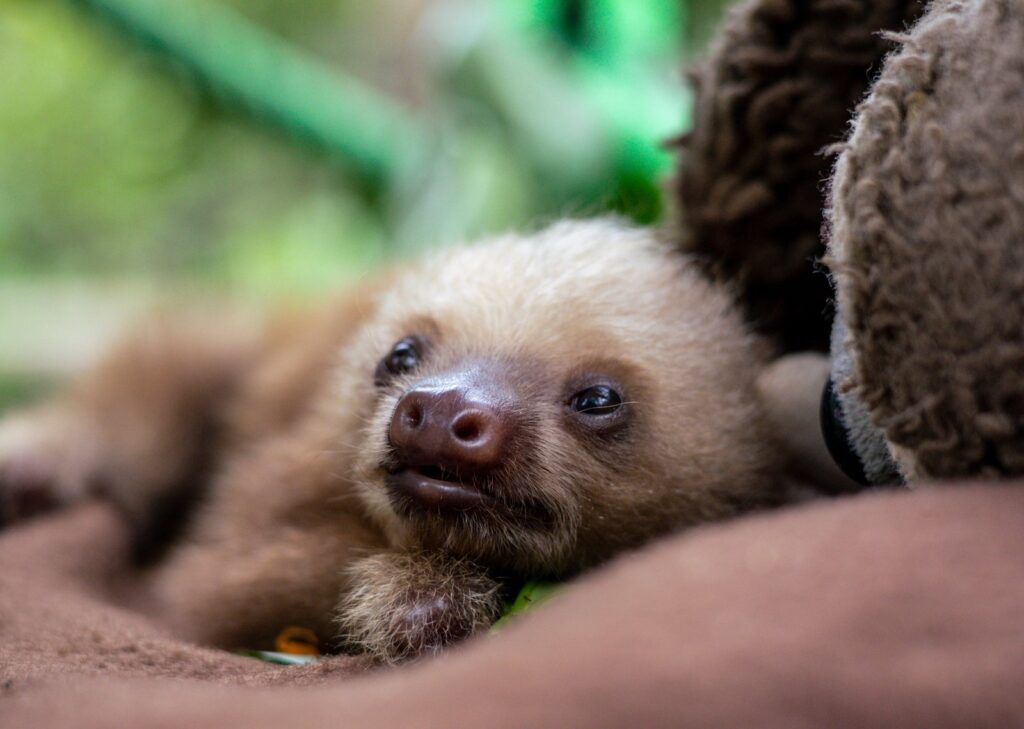
Volunteer in Costa Rica at Wildlife & Animal Rescue Centre
Volunteers work with rescued, mistreated and injured animals on Costa Rica’s Caribbean coastline, where reggae music fills the…
What it costs to volunteer in Costa Rica
All-in prices: accommodation, the meals listed for the programme, airport pickup where listed, orientation, placement and in-country support are included.
| Programme | Location | Duration | From |
|---|---|---|---|
| Childcare Volunteer Programme in Costa Rica | San Ramon de Alajuela | 2-24 Weeks | £1,074 2 weeks |
| Volunteer Teaching English in Costa Rica | San Ramon de Alajuela | 2-24 Weeks | £1,074 2 weeks |
| Women Empowerment in San Ramon de Alajuela | San Ramon de Alajuela | 4-24 Weeks | £1,616 4 weeks |
Includes the £179 booking deposit (counts toward your total, valid for a year, refunded if we cannot place you). Longer stays lower the weekly rate — each programme page has the full week-by-week table.
What your fee covers
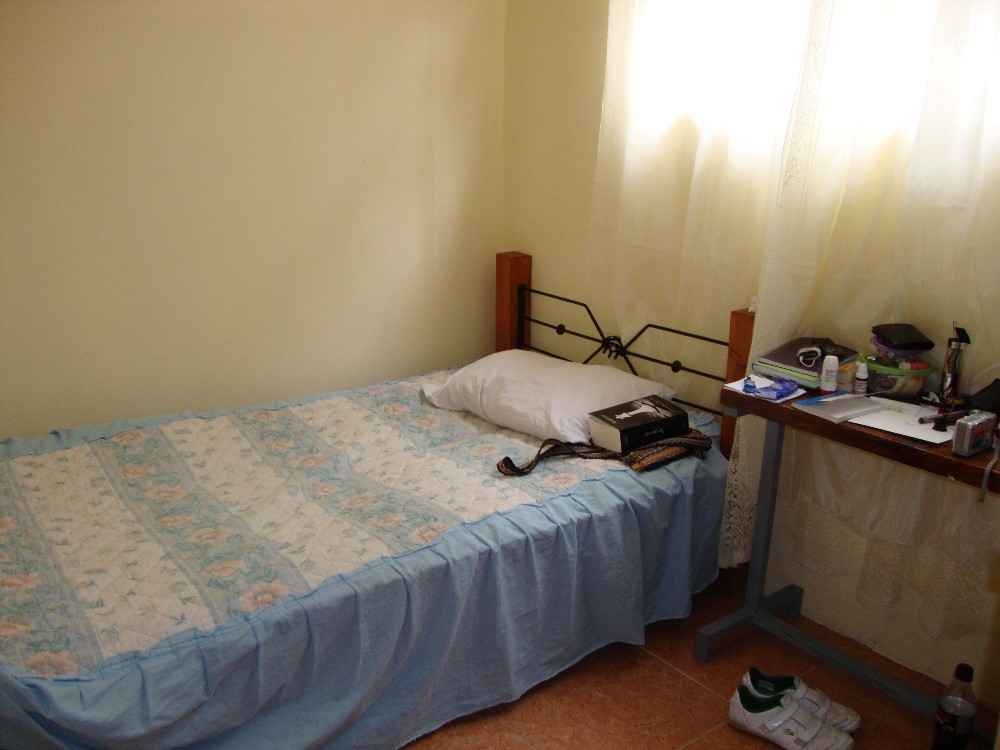
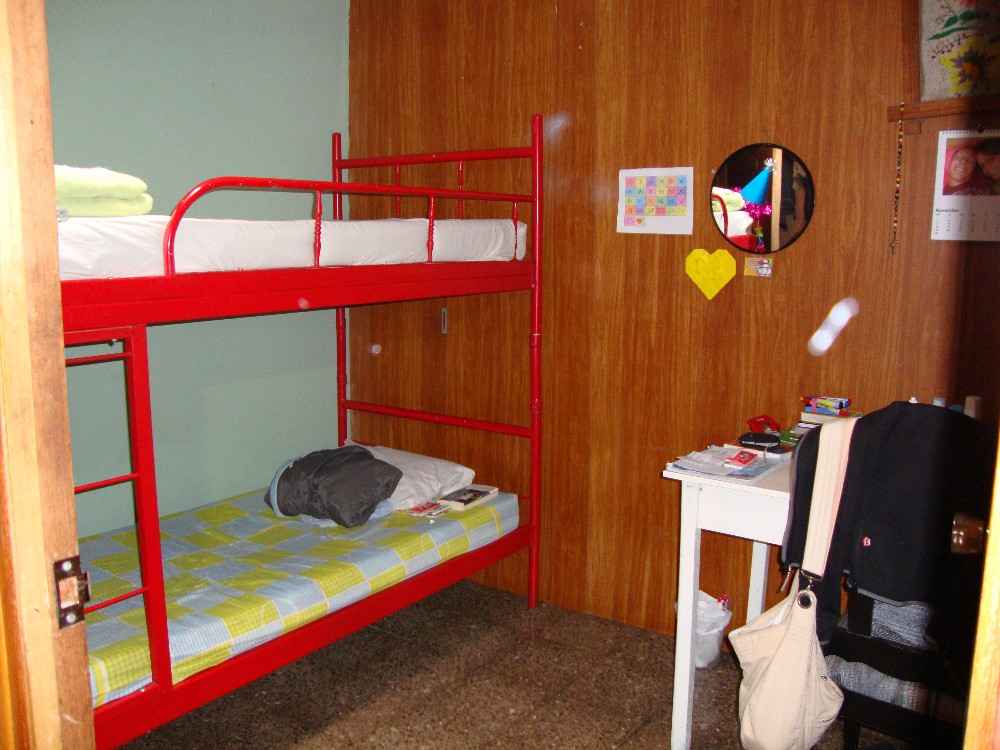
- Accommodation: a host family in San Ramón de Alajuela; dormitory cabins at the Osa Peninsula camp; shared rooms at the Playa Ario ranger station; four-bed rooms with private bathroom at the Puerto Viejo rescue centre
- Meals: two a day with your host family in San Ramón; all meals at the Osa and Playa Ario camps (mostly vegetarian); a shared kitchen (no meals) at Puerto Viejo
- Arrival transfers: SJO pickup and transport to San Ramón; SJO pickup, a night in San José and the shuttle plus 4×4 to Playa Ario; SJO pickup, a night in San José and the shuttle to Puerto Viejo; a hostel night in Puerto Jiménez and the colectivo to the Osa camp
- Orientation by the local team, placement coordination and an English-speaking coordinator at the conservation projects
- Pre-departure guide and support (the turtle programmes add online pre-departure meetings), cultural activities in San Ramón, free camp activities on the Osa Peninsula
- Certificate of completion on request
Not included
- Flights, visa where required, and vaccinations
- Travel and medical insurance (compulsory — available at extra cost through us)
- Return transfers to San José / the airport, and any pre- or post-programme nights in San José beyond those listed
- Meals at Puerto Viejo, laundry in San Ramón, weekend trips and excursions, personal expenses
- A £64 surcharge if you cannot arrive on a scheduled San Ramón start date (extra transport and private orientation)
Prices span a wide range because the programmes are so different: the Osa Peninsula turtle camp is the lowest-priced and runs from one week; the San Ramón community programmes include a host family and two daily meals; the Playa Ario turtle and permaculture programme includes the long transfer chain into a remote beach; and the wildlife rescue centre has a four-week minimum with self-catering. Every programme page shows the full week-by-week total.
Where you stay and what you eat in Costa Rica
San Ramón de Alajuela (childcare, teaching, women's empowerment): you live with a Costa Rican host family — a room of your own, or shared if you travel with a friend — with two cooked meals a day of rice, beans, vegetables, chicken or pork in the local "casado" style. Laundry is your own. Placements are within the town or a short bus ride away.
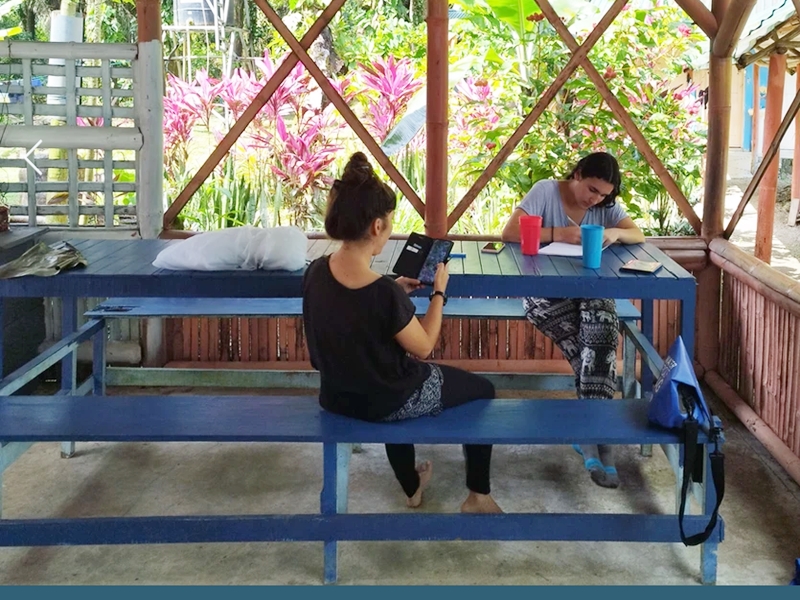
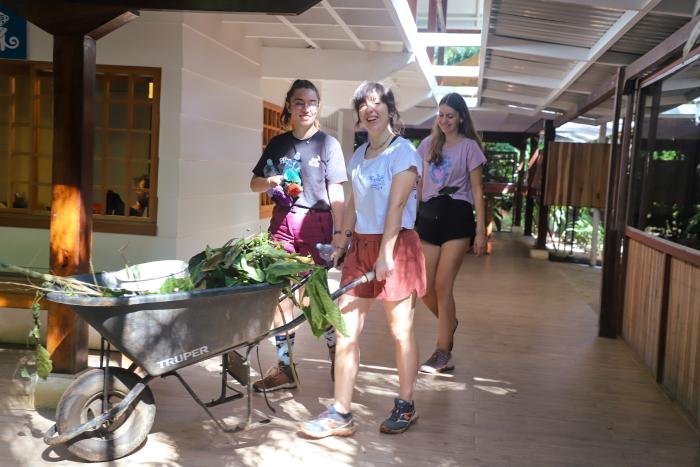
Osa Peninsula turtle and environment camp: a rustic jungle camp of two mixed dormitory cabins (8–10 volunteers each), a communal kitchen, a chill-out area, a hand-wash laundry station and a garden with fruit trees, a greenhouse and chickens. There is basic solar electricity, Wi-Fi, western toilets and clean drinking water, and an English-speaking coordinator lives on site and sets the weekly agenda. All meals are included and mostly vegetarian. The beach beside the camp is not for swimming (currents), but night walks, jungle walks and beach games are free.
Playa Ario turtles, wildlife and permaculture: shared rooms at a beachside ranger station close to the nesting areas, solar power, limited Wi-Fi, three freshly prepared, mostly vegetarian meals a day, and monkeys and tropical birds as neighbours; bungalows at the main campus are an alternative.
Puerto Viejo wildlife rescue centre: rooms of four single beds with reading lights and sockets, each with its own bathroom and hot shower, a hangout area and a fully equipped shared kitchen with fridges — meals are self-catered, and lunch can be taken to the centre. Laundry is available for a small fee.
Arriving in Costa Rica and who looks after you
San Ramón programmes
fly into Juan Santamaría International Airport (SJO), San José, on a scheduled start date and you are met between 8am and 10pm and driven to your host community (arrivals after 10pm may need a hotel night at your cost; off-schedule arrivals carry a £64 surcharge). Orientation with the local staff on your start date covers Costa Rican customs, rules and expectations, safety and your placement. Work is Monday to Friday, mornings 8am–12pm or afternoons 2pm–6pm for childcare, 8am–12pm or 8am–3pm for teaching, and around six hours a day for the women's programme.
Osa Peninsula camp
make your own way to Puerto Jiménez on a Sunday (a bus or a 50-minute domestic flight from San José; airport pickup and a San José night can be added for a fee), stay the included night at a hostel, then take the colectivo bus with the group to camp on Monday afternoon, where the coordinator runs your orientation.
Playa Ario
SJO pickup, an included night in San José, then a shared shuttle to Cóbano and a 4×4 transfer to the beach (included both ways) and an on-site orientation covering goals, tides-based schedules, safety and sustainable living.
Puerto Viejo rescue centre
arrive at SJO on a Saturday for pickup and a hostel night in San José; on Sunday you are dropped at the bus station for the shuttle to Puerto Viejo; volunteer training starts every Monday at 11am.
Staying safe in Costa Rica and who can join
Costa Rica is one of the safest and best-organized countries in Latin America, with no army, good roads and reliable healthcare. Petty theft is the main risk — keep valuables out of sight on buses and beaches, use official red taxis or ride-hailing apps in San José, and never leave bags unattended. Rip currents are dangerous on many Pacific and Caribbean beaches, so swim only where locals do and never at the Osa camp beach. At the conservation sites the coordinators brief you on jungle safety (snakes, heat, sun) and no wildlife handling happens outside the staff's instructions.
Health: no vaccinations are required for entry from most countries (a yellow fever certificate is needed if you arrive from certain South American or African countries). Hepatitis A, typhoid and routine vaccinations are commonly recommended; use repellent against dengue-carrying mosquitoes, especially on the coasts. Tap water is safe in San José and the Central Valley; the camps provide clean drinking water. Check NHS Fit for Travel or the CDC before departure. Visa: UK, EU, US, Canadian and Australian passport holders can enter visa-free for up to 90 days with a passport valid for six months and a return or onward ticket; other nationalities should check with a Costa Rican consulate.
Who can join: minimum age 18 on every programme (families are welcome on the childcare programme and the Osa turtle camp). A clean criminal background check is required for childcare, teaching and women's empowerment. Basic Spanish is required for the women's empowerment programme and a real advantage for the other San Ramón placements; conservation volunteers need reasonable fitness for outdoor work, and the Puerto Viejo rescue centre asks for a four-week minimum commitment.
Requirements checklist
- Minimum age: 18+ — younger children can join the family-friendly programmes with a parent; minimum ages vary by project. Family volunteering
- Background check: required for placements with children or vulnerable adults — issued within 12 months of your start date, in English or with a translation. How to get one
- Travel insurance: comprehensive cover for your whole stay is compulsory; you can bring your own or take the policy we arrange. Insurance details
- Safeguarding: every volunteer follows our code of conduct for children and vulnerable adults, explained again at orientation. Read the policy
📘 Planning in more depth? Read our Costa Rica costs, visa and safety guide.
How we volunteer responsibly in Costa Rica
Our Costa Rican partners are conservation organisations and community projects with their own professional staff: turtle biologists and rangers at the Osa Peninsula and Playa Ario, the animal-care team at the Puerto Viejo rescue centre, and childcare centres, schools and a women's community programme in San Ramón. Volunteers extend what these teams can do — night patrols, hatchery shifts, habitat work, feeding and enclosure care, classroom support — under their direction.
Wildlife work follows our animal welfare policy and the partners' protocols: turtles and hatchlings are handled only as instructed and for conservation purposes, rescue-centre animals are being rehabilitated for release wherever possible and are not for petting or photographs, and no activity involves riding, performances or captive breeding for tourism. Community placements follow our child protection policy, with background checks before arrival and no unsupervised care.
The camps run on solar power and zero-waste principles, so pack mindfully and expect to help with camp chores. Costa Rica's conservation results come from years of consistent work rather than dramatic interventions — the best volunteers are the ones who show up for every patrol.
Our standards
- Responsible volunteer travel policyHow we choose, run and review every project
- Safeguarding policyProtecting children and vulnerable adults on every placement
- Animal welfare policyOur rules for wildlife, marine and animal-care projects
- Certified B CorporationSocial and environmental performance verified by B Lab
Life outside the project in Costa Rica
Best time: December to April is the dry season — sunny and best for hiking and beaches. May to November is the green season, with afternoon rain, lush forest and lower crowds; turtle nesting on the Pacific coast peaks between July and December, which is when the Osa and Playa Ario camps are busiest. Programmes run all year.
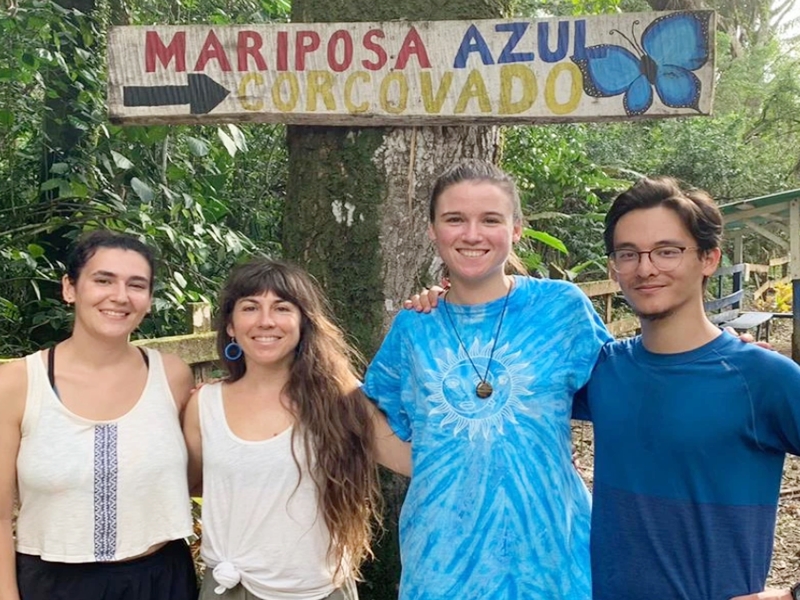
Getting around: public buses are cheap and reach most towns; tourist shuttles and domestic flights link San José with the Osa Peninsula and the coasts. Weekends: from San Ramón — La Fortuna and Arenal volcano, the Río Bonito waterfall, Monteverde's cloud forest, Manuel Antonio National Park and the Pacific beaches; from the Osa camp — Corcovado National Park, surfing at Matapalo, whale and dolphin tours and a chocolate tour; from Puerto Viejo — Cahuita National Park, Caribbean beaches and canopy tours.
Etiquette: Costa Ricans ("Ticos") are relaxed and polite — a "buenos días" and "pura vida" open every conversation; dress modestly at schools and in family homes; and keep distance from wildlife, which is protected by law. Our Things to Do in Costa Rica guide has more.
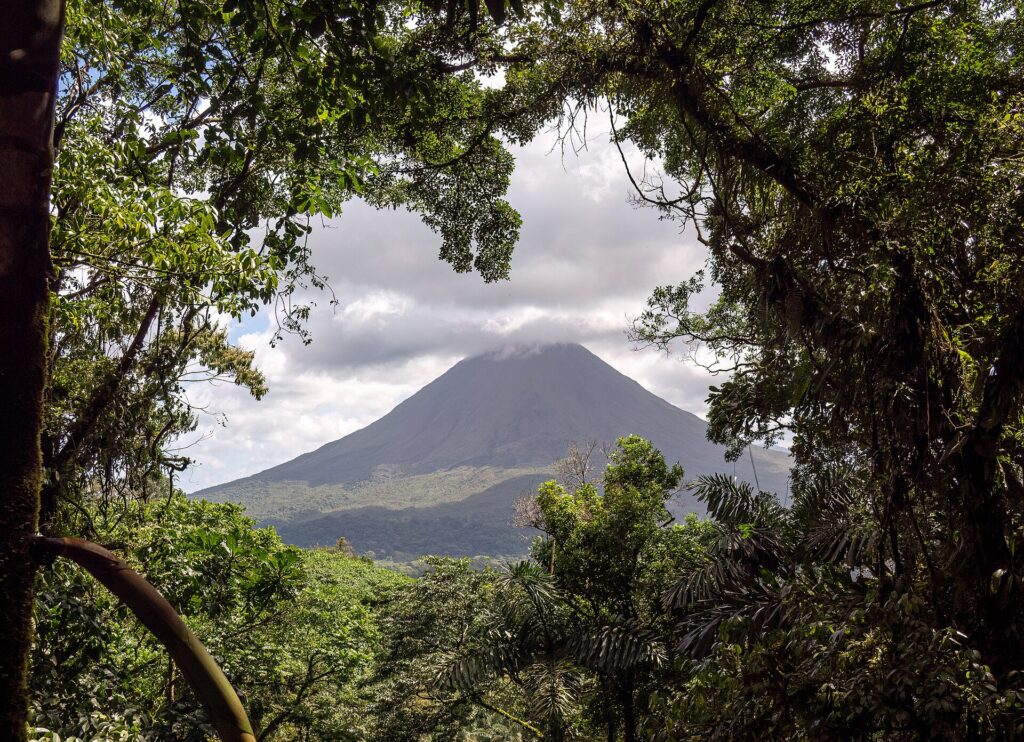
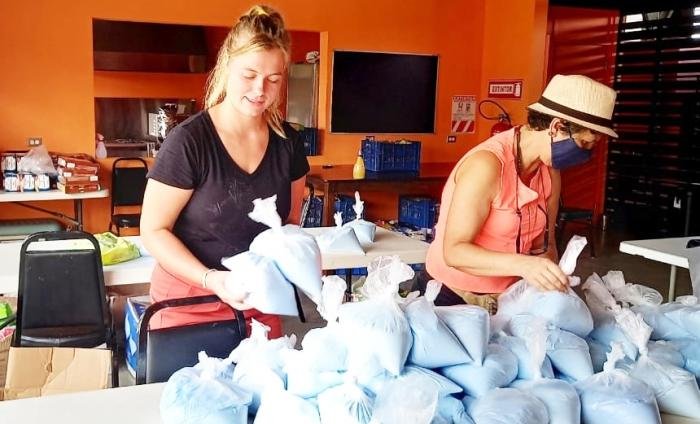
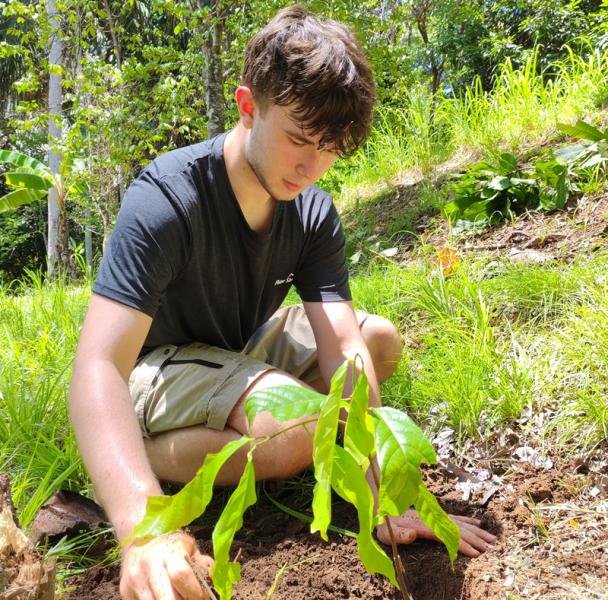
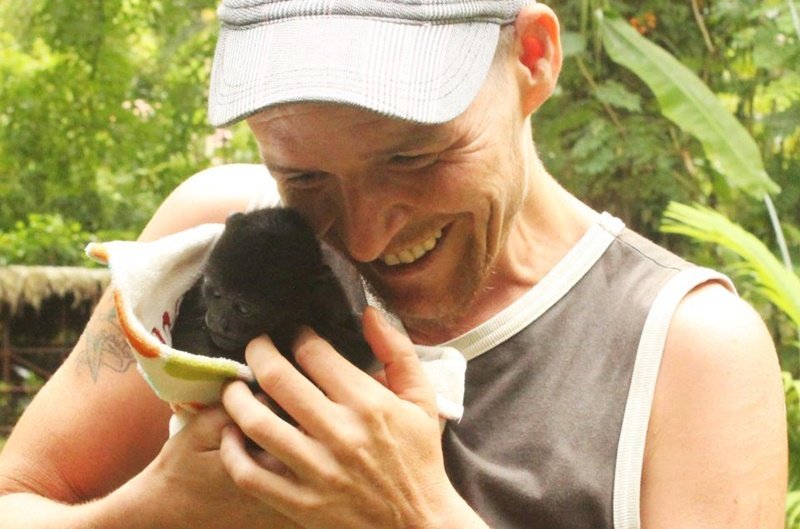
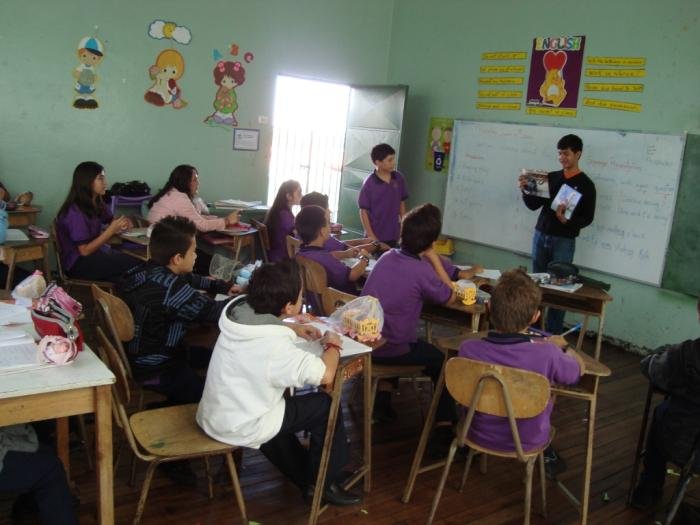
Life in Costa Rica
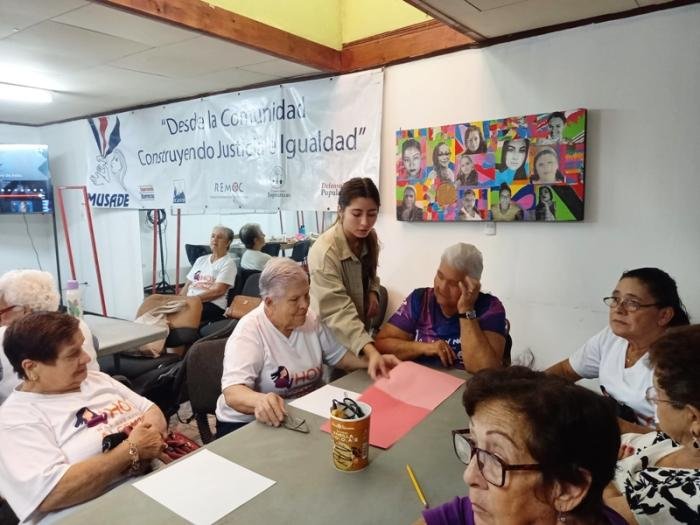

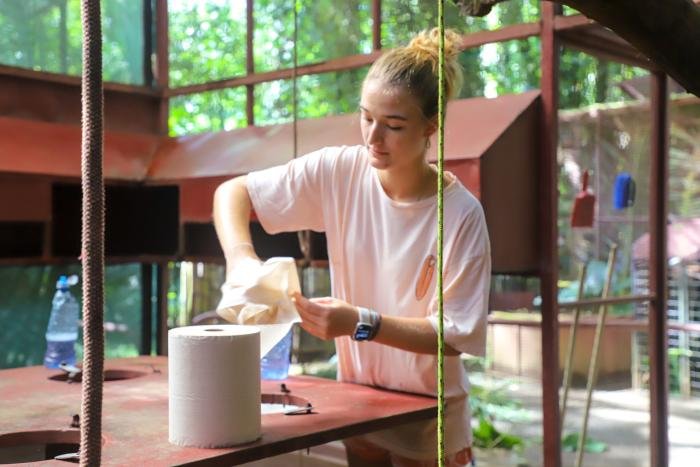
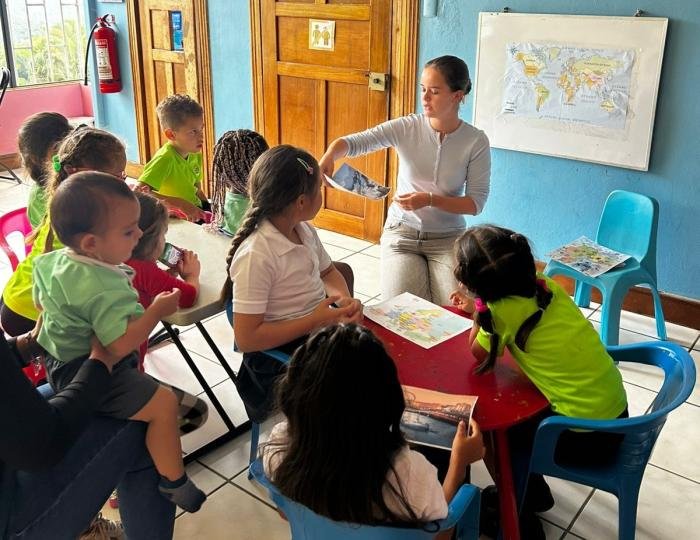
What our volunteers say
Explore other destinations
Your questions, answered
How much does it cost to volunteer in Costa Rica?
Programmes start from £837 for one week at the Osa Peninsula turtle camp, deposit included, with the San Ramón community programmes and the Playa Ario and Puerto Viejo conservation programmes priced from two to four weeks. The fee covers your accommodation, the meals and transfers listed for each programme, orientation, placement and coordinator support; each programme page shows the full week-by-week total. Flights, insurance, return transfers and personal spending are extra.
Do I need a visa for Costa Rica?
UK, EU, US, Canadian, Australian and many other passport holders can enter Costa Rica visa-free for up to 90 days. You need a passport valid for six months, a return or onward ticket and proof of sufficient funds; anyone holding a valid US, Canadian or Schengen visa can also enter without a prior visa. Other nationalities should check with the nearest Costa Rican consulate.
Is Costa Rica safe for volunteers?
Yes — Costa Rica is one of the safest countries in Latin America. Petty theft is the main concern, so keep valuables out of sight on buses and beaches and use official taxis in San José. Ocean currents are the other hazard: swim only where locals swim, never at the Osa camp beach. You are met on arrival (or guided step by step to the Osa camp), housed with vetted families or on staffed project sites, and coordinators are reachable 24 hours a day.
What is the minimum age to volunteer in Costa Rica?
18 on all programmes. Families with children are welcome on the childcare programme in San Ramón and at the Osa Peninsula turtle camp — minimum ages for children vary, so tell us their ages when you enquire. The Puerto Viejo wildlife rescue centre asks for a four-week minimum commitment.
How long can I volunteer in Costa Rica?
The Osa Peninsula camp runs from one to eight weeks, the San Ramón childcare and teaching programmes from two to 24 weeks (women's empowerment from four), Playa Ario from two to twelve weeks and the Puerto Viejo rescue centre from four to six weeks. Start dates are fixed Sundays (Saturdays for Puerto Viejo) roughly twice a month all year; the next available start is 27 Sep 2026.
Where will I stay in Costa Rica?
It depends on the programme: with a host family in San Ramón de Alajuela; in mixed dormitory cabins at the solar-powered Osa Peninsula jungle camp; in shared rooms at the beachside ranger station at Playa Ario; or in four-bed rooms with private bathrooms at the Puerto Viejo rescue centre. All are simple, clean and close to the work.
Are meals included in Costa Rica?
Host families in San Ramón provide two cooked meals a day. The Osa Peninsula and Playa Ario camps include all meals, mostly vegetarian and locally sourced. The Puerto Viejo rescue centre does not include meals — volunteers cook in a fully equipped shared kitchen and can take lunch to the centre.
Will I be picked up at the airport in Costa Rica?
The San Ramón programmes include pickup at Juan Santamaría International Airport (SJO) between 8am and 10pm on your start date. Playa Ario and Puerto Viejo include SJO pickup, a night in San José and onward shuttle transfers. The Osa Peninsula camp is reached independently via Puerto Jiménez, where an included hostel night and the Monday colectivo to camp are arranged — SJO pickup and a San José night can be added for a fee. Return transfers are not included.
Do I need vaccinations for Costa Rica?
None are required for entry from Europe, North America or Australasia (a yellow fever certificate is needed if you arrive from certain countries in South America or Africa). Hepatitis A, typhoid and routine vaccinations are commonly recommended, and mosquito repellent matters on the coasts. Check NHS Fit for Travel or the CDC before you go.
When is the best time to volunteer in Costa Rica?
December to April is the dry season — sunny, ideal for hiking and beach weekends, and the busiest tourist period. May to November is greener and wetter with afternoon showers and fewer crowds; it is also peak turtle-nesting season on the Pacific coast, so it is the best time for the Osa Peninsula and Playa Ario camps. Programmes run all year.
Do I need to speak Spanish to volunteer in Costa Rica?
Not for the conservation programmes, which have English-speaking coordinators, and not for childcare or teaching, though beginner-to-intermediate Spanish makes those placements much richer. The women's empowerment programme requires basic Spanish or a willingness to take classes before you start. English is widely spoken in tourist areas, and Ticos are patient with learners.
What should I pack for volunteering in Costa Rica?
Quick-dry clothes and a raincoat (the weather changes fast), a light jacket for Central Valley evenings, good walking or hiking shoes and sandals, a headlamp and binoculars for the conservation camps, reef-safe sunscreen and repellent, a reusable bottle, a first-aid kit and any regular medication. Turtle-camp volunteers should pack light and low-waste (limited electricity and Wi-Fi); teaching and childcare volunteers can bring books, crayons and games for the children.
Ready to volunteer in Costa Rica?
6 programmes · from £837 · next start 27 Sep 2026
Free advice, no obligation. Change programme, dates or destination free of charge up to 45 days before you start.