 Français ▾
 Nederlands
 English (US)
 English (UK)
 Deutsch
 Italiano
 Português
 Español
Programme de conservation et de réhabilitation des rapaces du Kenya
Travaillez directement avec de majestueux rapaces dans la vallée du Rift au Kenya, en soutenant de véritables efforts de sauvetage, de réhabilitation et de conservation, tout en acquérant une expérience de terrain inoubliable dans l'un des environnements fauniques les plus époustouflants d'Afrique.
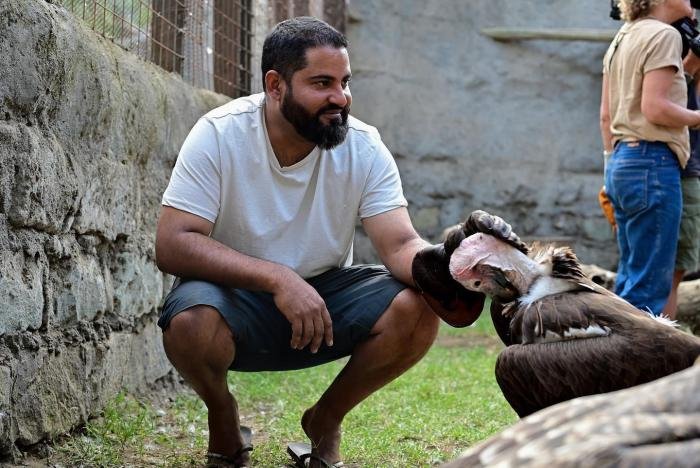
Notre programme de bénévolat offre une expérience unique et immersive de conservation de la faune sauvage au sein d'un sanctuaire actif dans la vallée du Grand Rift, au Kenya. Basé au sanctuaire de Kilimandege, sur les rives du lac Naivasha, le programme propose une formation pratique en conservation des rapaces, un domaine dans lequel peu d'organisations se spécialisent.
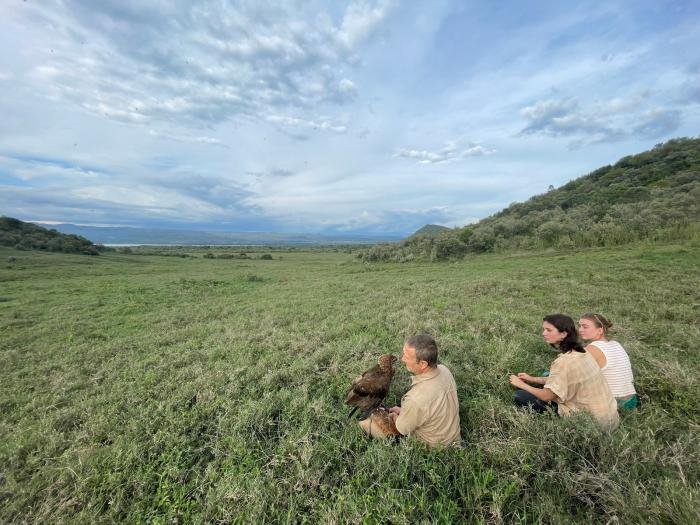
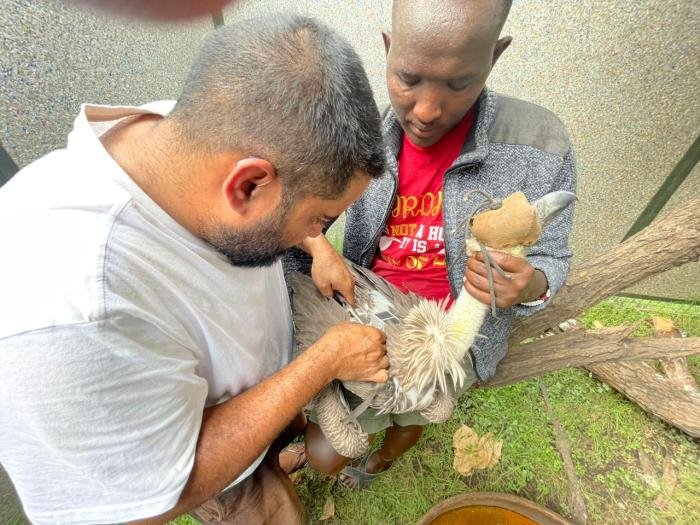
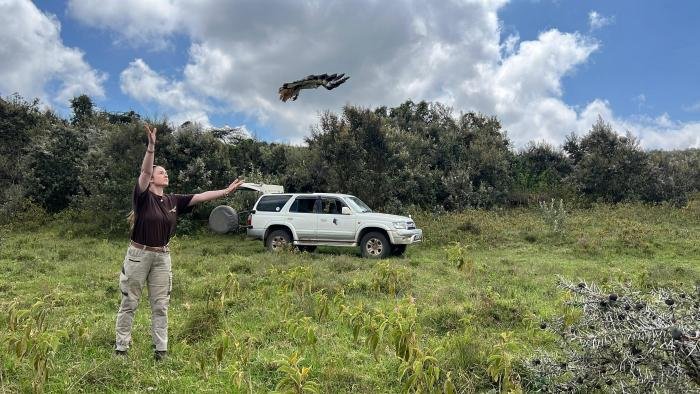
Les bénévoles acquièrent une expérience pratique dans un large éventail d'activités de conservation. Celles-ci peuvent inclure la réalisation de recensements de population et d'études de baguage (sous réserve d'autorisations) d'aigles pêcheurs d'Afrique sur le lac Naivasha depuis un bateau, et de buses augures à terre au sein de ce site RAMSAR internationalement reconnu et haut lieu de l'observation des oiseaux. Vous pourrez également participer au suivi de la population nicheuse du vautour de Rüppell, espèce en danger critique d'extinction, dans le parc national de Hell's Gate.
De plus, les bénévoles ont la possibilité d'observer et d'apprendre auprès de notre vétérinaire aviaire interne, de soutenir les efforts de sauvetage et de réhabilitation et de contribuer aux initiatives en cours visant à protéger et à améliorer le sanctuaire de Kilimandege.
Ce programme offre une occasion unique de travailler aux côtés de spécialistes de la conservation, de vétérinaires et de chercheurs expérimentés, contribuant ainsi directement à la conservation de la faune sauvage tout en découvrant la réhabilitation des rapaces, la recherche, l'éducation et la sensibilisation communautaire. Les missions varient, allant de courts séjours de bénévolat à des stages plus longs pour ceux qui envisagent une carrière dans la conservation et la gestion de la faune sauvage.
Participer à l'une des initiatives de conservation les plus exceptionnelles de la région vous apportera de nombreux bénéfices. Ce programme offre un aperçu fascinant du fonctionnement d'un projet de conservation de la faune sauvage en Afrique, combiné à une formation pratique en fauconnerie – l'un des plus anciens sports de plein air et un outil essentiel pour la réhabilitation des rapaces. Les participants acquièrent une expérience directe des véritables défis auxquels est confrontée la conservation en Afrique moderne, tout en travaillant en étroite collaboration avec des oiseaux sauvages et en captivité à travers des projets de recherche, des soins continus et des efforts de réhabilitation.
De plus, le programme offre une excellente opportunité d'acquérir de précieuses compétences professionnelles en matière de conservation et de réhabilitation des rapaces, ainsi qu'en éducation environnementale. Les bénévoles et les stagiaires auront également la chance de collaborer avec des scientifiques, des spécialistes de la faune sauvage et des vétérinaires de renommée mondiale, tant au niveau local qu'international, et d'apprendre à leurs côtés. En définitive, cette expérience est à la fois enrichissante et transformatrice, offrant un voyage inoubliable et marquant au cœur de la vallée du Grand Rift africain.
Rôles et responsabilités des bénévoles
Les bénévoles participent à un large éventail d'activités quotidiennes et de terrain, notamment :
-
Soins quotidiens des oiseaux en captivité, y compris l'alimentation, le nettoyage et l'entretien des enclos
-
Contribuer à la réparation et à l'amélioration des volières et des installations
-
Animation de visites guidées du centre des rapaces et de promenades d'observation des oiseaux dans le sanctuaire
-
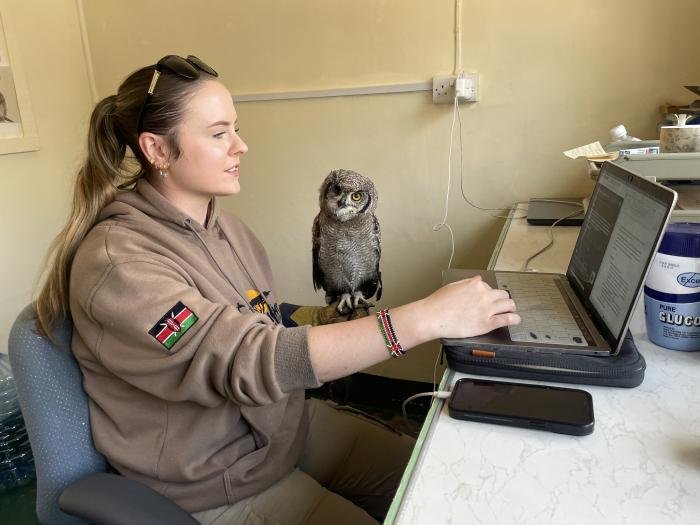
Apporter un soutien au vétérinaire sur place à la clinique, au besoin.
-
Aider au sauvetage et au transport des oiseaux blessés ou malades
-
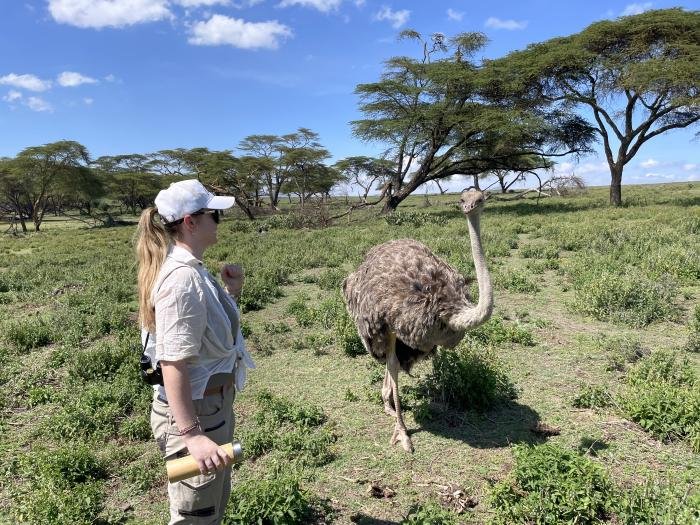
Participer à l'entretien du sanctuaire, notamment à la plantation d'arbres, à l'élimination des espèces envahissantes et à la surveillance de la faune.
-
Soutenir le développement et l'entretien de la pépinière d'arbres sur site.
-
Apprentissage des compétences de base en menuiserie et travail du bois pour des projets de conservation
-
Participer aux travaux de terrain tels que le piégeage et le marquage des rapaces (par exemple, les aigles pêcheurs africains et les buses augures).
-
Suivi des populations locales de rapaces et identification des sites de nidification
-
Aide à la collecte, à la saisie et à l'analyse de base des données
-
Participer à des visites de sensibilisation éducative dans les écoles et les communautés locales
Conditions et critères d'admissibilité
Les bénévoles doivent être âgés de 18 ans ou plus au moment de leur participation au projet. Ils doivent faire preuve d'ouverture d'esprit et de flexibilité pour le travail en extérieur, et manifester un vif intérêt et un amour pour les animaux et la faune sauvage. Un extrait de casier judiciaire vierge est exigé de tous les bénévoles avant leur intégration au programme.
Une journée typique
Les bénévoles travaillent généralement du lundi au samedi, de 9h à 17h, avec une pause déjeuner. Cependant, les horaires sont flexibles et varient en fonction des priorités quotidiennes, des projets en cours et des intérêts de chacun.
Les jours de travail de terrain (recherche, piégeage, marquage, etc.), les activités peuvent commencer plus tôt. Les bénévoles sont invités à prendre des initiatives et à se concentrer sur les domaines qui les intéressent le plus.
Le dimanche est généralement libre, ce qui permet de se détendre ou d'explorer les environs.
La vie dans le programme

dates de début
Début hebdomadaire, toute l'année — choisissez n'importe quelle semaine des deux prochaines années.
Frais de programme selon la durée
Les prix incluent votre acompte de réservation de €229 — il est déduit du montant total de votre programme. Votre acompte reste valable un an, période pendant laquelle vous pouvez vous inscrire à plusieurs programmes. Des frais bancaires internationaux de 5 % s'appliquent aux paiements par carte en USD ou AUD.
| Durée | Prix total | |
|---|---|---|
| 2 semaines | €1,455 | |
| 3 semaines | €1,915 | |
| 4 semaines | €2,332 | |
| 5 semaines | €2,793 | |
| 6 semaines | €3,210 | |
| 7 semaines | €3,637 | |
| 8 semaines | €4,098 | |
| Chaque semaine supplémentaire | +€461 / semaine |
Conversion indicative — votre réservation est facturée dans la devise que vous avez choisie lors du paiement.
✓ Ce que vous payez
- Assistance et soutien du personnel
- Informations complètes avant le départ
- Transferts aéroport de Nairobi à Naivasha (aller-retour)
- Don au projet
- Hébergement
- Transport entre les sites d'étude et les centres
- produits alimentaires de base
- Eau, thé et sirop
- Service de blanchisserie hebdomadaire et nettoyage deux fois par semaine
- Orientation et formation initiales
- Tout l'équipement lié au projet
- accès internet illimité
Non inclus
- billet d'avion
- Frais de visa
- Vaccinations
- Hébergement à Nairobi au début et à la fin de votre séjour, si nécessaire
- Dépenses personnelles
- Excursions facultatives
- Droits d'entrée aux parcs nationaux et aux réserves
- Vaccinations
- Pourboires et gratifications
Hébergement et repas
Transferts aéroportuaires
Les volontaires sont pris en charge à l'aéroport de Nairobi et conduits directement sur le site du projet à Naivasha. Pour les participants déjà à Nairobi, une prise en charge à leur hébergement est possible. Le transfert aller-retour vers l'aéroport de Nairobi est également inclus. Pour les participants arrivant tard dans la nuit, nous recommandons de réserver un hôtel près de l'aéroport ; une prise en charge à l'hôtel sera assurée le lendemain.
Orientation
Les bénévoles bénéficieraient d'une orientation et d'une formation initiales, comprenant des directives et des instructions fournies par les coordinateurs du projet.
Hébergement
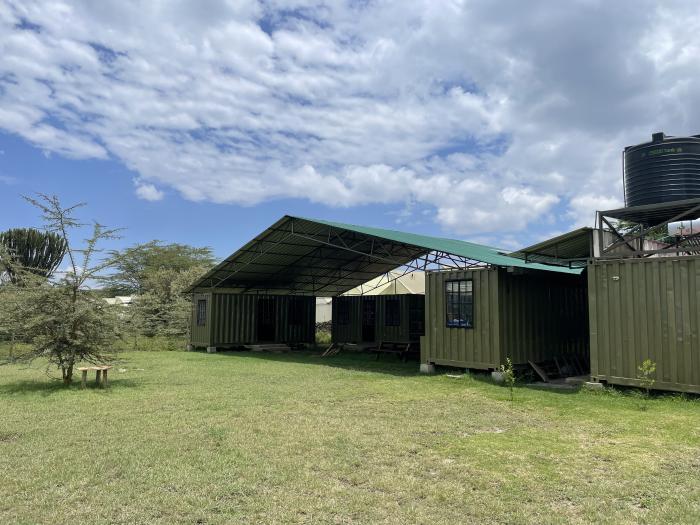
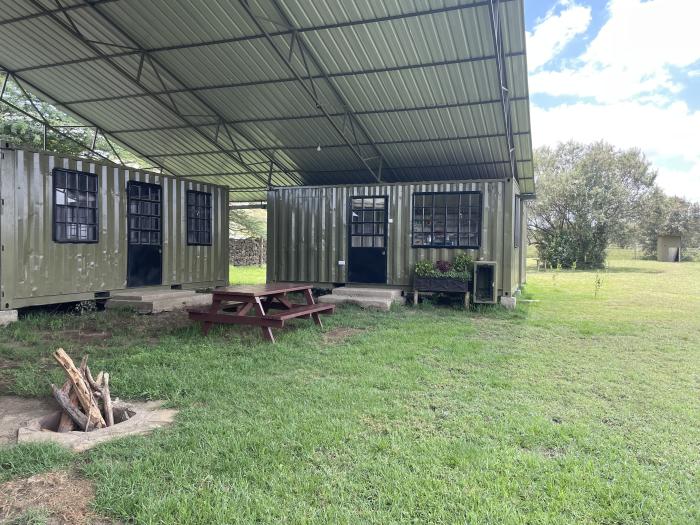
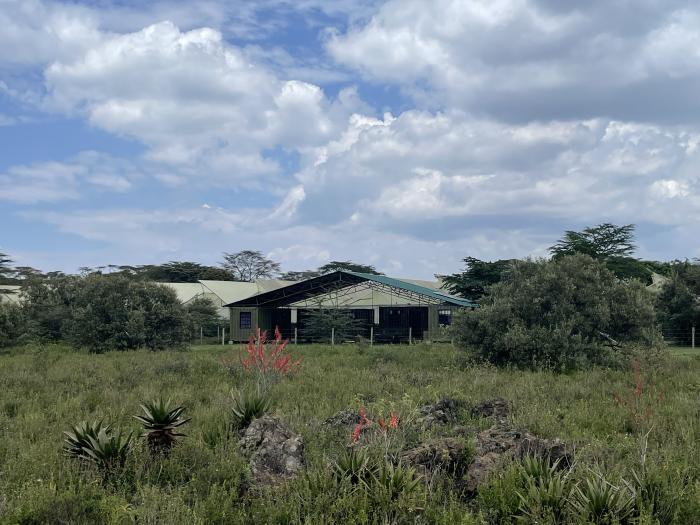
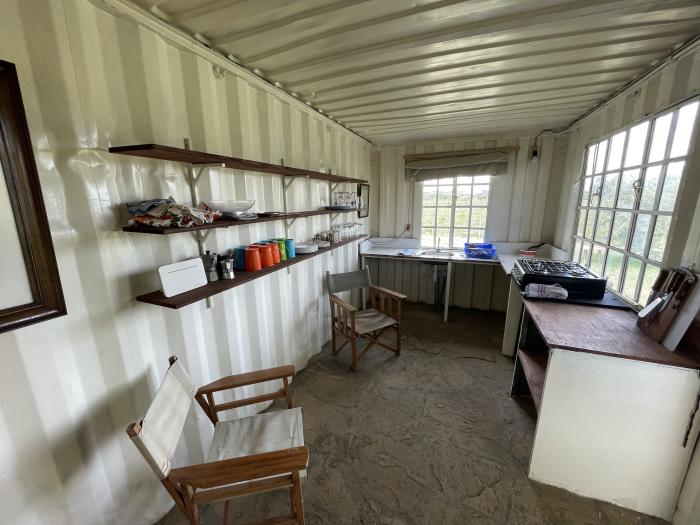
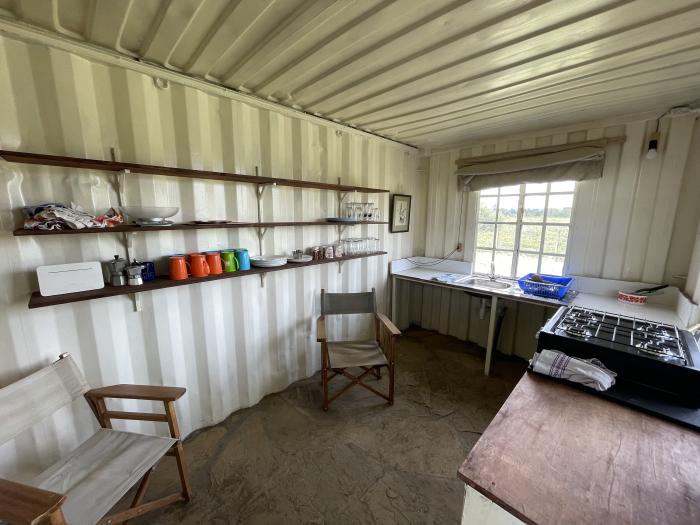
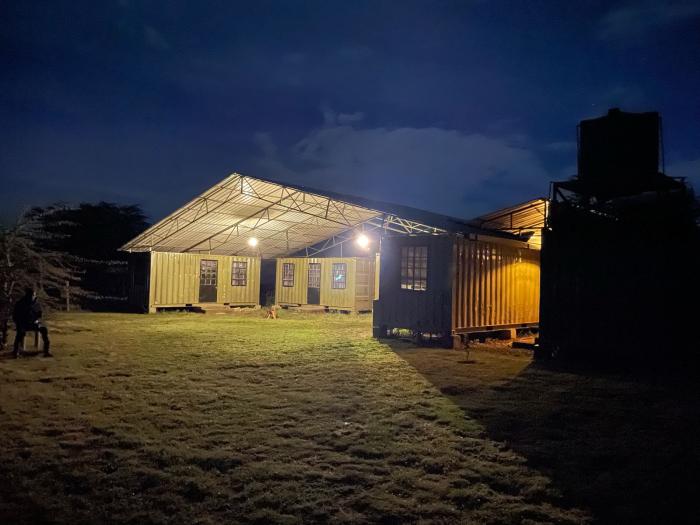
L'hébergement se compose de 3 chambres individuelles au sein d'un complexe résidentiel privé situé dans le sanctuaire. Un bloc sanitaire comprend 3 salles de bain séparées (toilettes, douche, lavabo). Si le nombre d'occupants est inférieur ou égal à 3, chaque bénévole disposera de sa propre chambre et salle de bain. Au-delà de 3 personnes, les chambres et salles de bain seront partagées par 2, jusqu'à un maximum de 6 bénévoles. L'électricité et l'eau chaude sont fournies par énergie solaire. Une cuisine commune équipée d'un réfrigérateur et d'une plaque de cuisson au gaz est à disposition. Photos ci-jointes. Un accès Wi-Fi haut débit et illimité est inclus, et la sécurité est assurée 24h/24. Un grand jardin clos (pour plus de sécurité) comprend une pépinière, des foyers extérieurs, un barbecue et un jeu de fléchettes.
Repas
Des produits alimentaires de base sont fournis pour les repas où les bénévoles sont invités à cuisiner eux-mêmes. Pour les groupes de 4 à 6 personnes, un cuisinier peut être mis à disposition.
Pendant le temps libre
Les bénévoles sont libres de choisir leurs dates et la durée de leurs congés ; nos horaires sont flexibles. À leur arrivée, chaque bénévole recevra un guide pratique de la région contenant des numéros utiles et des idées d’activités pour occuper son temps libre : restaurants à proximité, attractions touristiques, numéros de taxis, etc. Tous les bénévoles auront également la possibilité de visiter des sites locaux tels que le parc national de Nakuru, les lacs Bogoria et Baringo. De plus, ils pourront profiter de leur temps libre à Naivasha et dans ses environs, en découvrant les lodges et restaurants locaux.
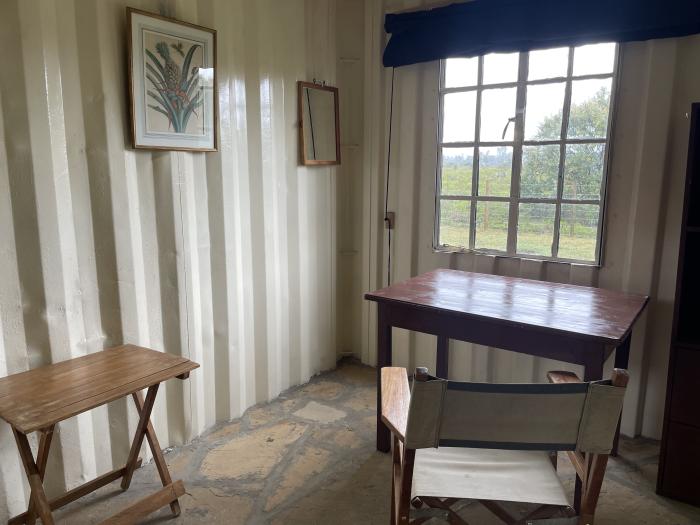
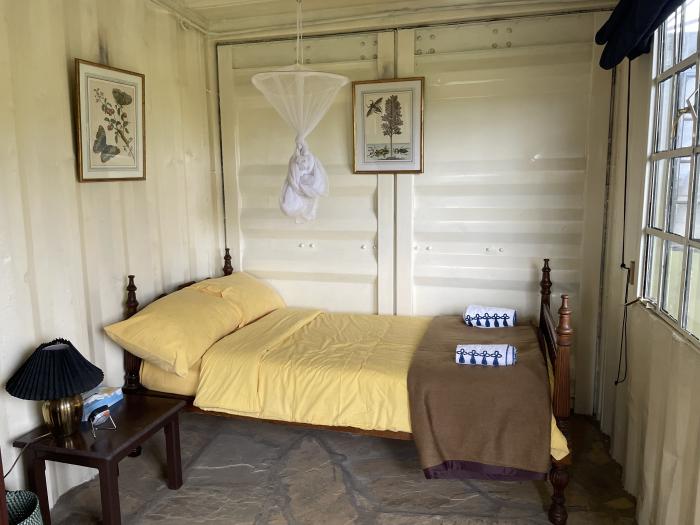
Des bénévoles dans Kenya
Foire aux questions
Quand dois-je m'inscrire à un programme de bénévolat au Kenya ?
Combien de temps faut-il pour traiter ma candidature ? Ma candidature sera-t-elle acceptée ?
Y a-t-il des conditions nécessaires pour participer aux programmes de bénévolat au Kenya ?
Puis-je faire du bénévolat au sein d'un groupe ?
Puis-je en savoir plus sur le lieu du programme au Kenya ?
Quand dois-je arriver au Kenya pour mon programme ? Que se passera-t-il une fois arrivé au Kenya ?
Combien d'heures ferai-je du bénévolat chaque jour ?
Dois-je connaître la langue locale ou l'anglais pour rejoindre le programme de bénévolat ? Si oui, à quel niveau ?
Comment m'inscrire à un programme et quand dois-je payer ?
Puis-je m'inscrire avec un ami ?
Que se passe-t-il si le programme n'est pas disponible ?
Comment me rendre sur le lieu du programme ?
Puis-je en savoir plus sur l'hébergement et les repas ?
Les végétariens peuvent-ils être pris en compte ?
Aurai-je du temps libre pendant mon programme ? Puis-je faire du tourisme pendant mon programme ?
Quels vêtements sont appropriés ? Y a-t-il des restrictions culturelles ?
Y a-t-il d'autres dépenses une fois arrivé au Kenya ?
Où puis-je changer de l'argent au Kenya ? Y a-t-il des distributeurs automatiques au Kenya ?
Dois-je souscrire une assurance santé ?
À quel point le Kenya, et Nairobi en particulier, est-il sûr ?
Quelles vaccinations me faudra-t-il ?
Ai-je besoin d'un visa pour me rendre au Kenya ?
Quelles sont les compagnies aériennes recommandées pour se rendre au Kenya ?
Comment puis-je entrer en contact avec d'anciens et d'actuels bénévoles du Kenya ?
Pouvez-vous me mettre en contact avec d'autres bénévoles ayant participé à ce programme ?
Puis-je rencontrer d'autres bénévoles avant mon arrivée ?
Planifiez une rencontre avec un conseiller du programme
Nous sommes là pour vous aider — un entretien individuel de 20 minutes avec des informations détaillées, des conseils d'experts et un accompagnement pour votre candidature.
Réservez une réunion gratuitePlus de projets dans Kenya
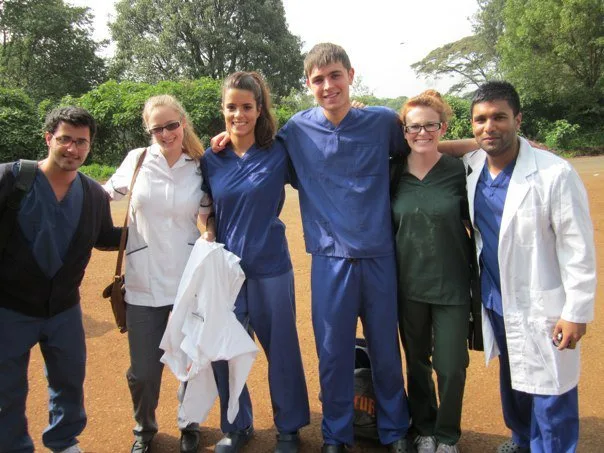
Programme de volontariat médical au Kenya
Stage hospitalier à Nairobi pour médecins, infirmiers et sages-femmes qualifiés. Travaillez aux côtés de cliniciens kenyans dans des…
Programme spécial de bénévolat d’une semaine au Kenya
Participez au programme de bénévolat spécial d'une semaine au Kenya, travaillez dans la ville de Nairobi et ses…
Programme de volontariat spécial de 2 semaines au Kenya
Le programme de volontariat spécial de deux semaines au Kenya permet aux volontaires de s'occuper d'enfants dans une…