 English (US) ▾
 Nederlands
 English (UK)
 Deutsch
 Italiano
 Português
 Español
Kenya Raptor Conservation & Rehabilitation Program
Work hands-on with majestic birds of prey in Kenya’s Rift Valley, supporting real rescue, rehabilitation, and conservation efforts while gaining unforgettable field experience in one of Africa’s most breathtaking wildlife settings.
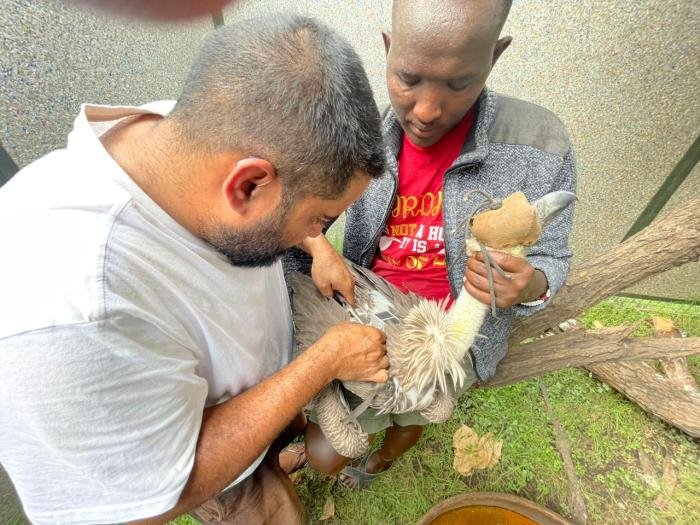
You are based at Kilimandege Sanctuary on the shores of Lake Naivasha, in Kenya's Great Rift Valley, working hands-on with captive and wild birds of prey. Day to day you feed birds and clean enclosures, help repair aviaries, lead guided tours of the raptor center, support the on-site veterinarian in the clinic, and join fieldwork such as trapping, tagging and monitoring African Fish Eagles and Augur Buzzards. The program suits anyone aged 18 and over with no previous experience required, just an interest in animals and a willingness to work outdoors.
Placements run 2–12 weeks, starting every week (sundays), with the next start on 27 Sep 2026. You live on site in volunteer house accommodation within the sanctuary's private living complex, with basic groceries supplied for self-catering, and the fee starts at $1,499 (deposit included). Few programs in the region specialize specifically in raptor rehabilitation, giving you direct exposure to falconry technique and vulture and eagle research alongside the on-site veterinarian and project coordinators.
Your role on this program
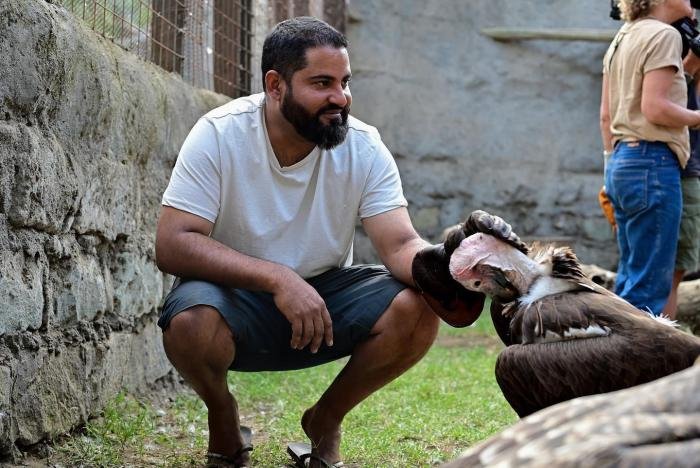
- Feed captive birds and clean and maintain their enclosures
- Assist with repair and improvement of aviaries and facilities
- Lead guided tours of the raptor center and birdwatching walks
- Support the on-site veterinarian in the clinic when required
- Assist with rescue and transport of injured or sick birds
- Take part in sanctuary upkeep, including tree planting, invasive species removal, and wildlife monitoring
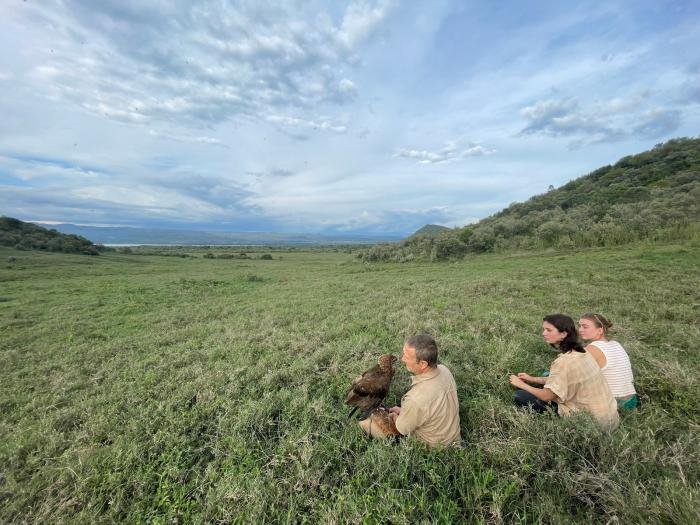
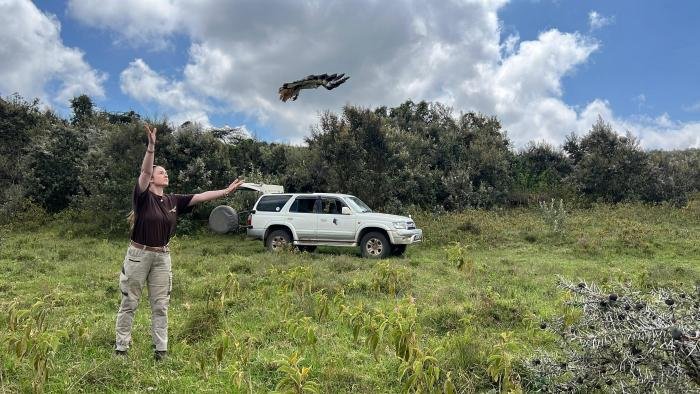
- Assist with fieldwork such as trapping and tagging raptors, and monitor local populations and nesting sites
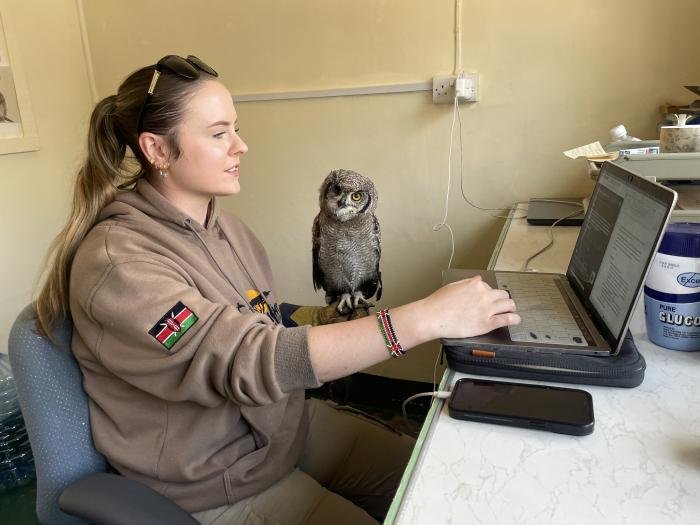
- Help with data collection, entry, and basic analysis
- Join educational outreach visits to schools and local communities
Exact duties vary with the placement's needs, the season and your experience.
Role boundaries
You support the on-site veterinarian in the clinic rather than carry out treatment yourself, and you handle birds only under the direction of project coordinators or the veterinarian. Duties may vary with the placement's needs, depending on the season and the sanctuary's current cases.
A typical day and week
Volunteers typically work Monday to Saturday, from 9:00 am to 5:00 pm, with a break for lunch. However, schedules are flexible and vary depending on daily priorities, ongoing projects, and individual interests.
On days involving fieldwork (such as research, trapping, or tagging), activities may begin earlier. Volunteers are encouraged to take initiative and focus on areas that interest them most.
Sundays are generally free, allowing time to relax or explore the surrounding area.
Timings are the placement's usual pattern; the local team confirms your hours at orientation, and they can change with school terms, clinic rotas, weather and the project's needs.
Who can join and what you need
- Minimum age 18
- No previous experience needed, but an open mind and flexible attitude for working outdoors
- A genuine interest in animals and wildlife
- Clean criminal background check report submitted before joining, issued within 12 months of the start date
- Valid travel/medical insurance, either your own policy or the one Volunteering Solutions arranges
- Reasonable physical fitness for outdoor fieldwork, which may involve early starts
The placement, its limits and your part in it
Kilimandege Sanctuary is a working raptor rehabilitation center on Lake Naivasha, run by on-site project coordinators and an in-house veterinarian. Volunteer work is organized around the sanctuary's daily needs and current cases, from enclosure care to fieldwork surveys of wild eagle and buzzard populations.
All bird handling takes place under the direction of the veterinarian or project coordinators, and clinical treatment is carried out by the veterinarian, with volunteers assisting rather than leading. Your contribution is practical: feeding, cleaning, monitoring, data collection, and support work that keeps the sanctuary's rescue and rehabilitation efforts running.
Our standards
- Responsible volunteer travel policyHow we choose, run and review every project
- Animal welfare policyOur rules for wildlife, marine and animal-care projects
- Certified B CorporationSocial and environmental performance verified by B Lab
- How we volunteer responsibly in KenyaCountry-level partner context and standards
Start dates
Weekly start dates, year-round — pick any week across the next two years.
Program fees by duration
Prices include your $249 booking deposit — which is deducted from your total program fee. Your deposit stays valid for one year, during which you may enroll in multiple programs. A 5% international banking fee applies to credit-card payments in USD or AUD.
| Duration | Total price | |
|---|---|---|
| 2 weeks | $1,499 | |
| 3 weeks | $1,974 | |
| 4 weeks | $2,404 | |
| 5 weeks | $2,879 | |
| 6 weeks | $3,309 | |
| 7 weeks | $3,749 | |
| 8 weeks | $4,224 | |
| Each additional week | +$475 / week |
Indicative conversion — your booking is charged in the currency you choose at checkout.
✓ What you're paying for
- Assistance and support from Staff
- Comprehensive Pre- Departure Information
- Airport Transfers from Nairobi to Naivasha (Bothways)
- Donation to the Project
- Accommodation
- Transportation between field sites and centers
- Basic groceries
- Water, tea, and squash
- Weekly laundry service and twice-weekly cleaning
- Initial orientation and training
- All project-related equipment
- Unlimited internet access
Not included
- Airfare
- Visa Fee
- Vaccinations
- Accommodation in Nairobi at the start and end of your stay, if required
- Personal expenses
- Optional excursions
- Entry fees to National Parks and Reserves
- Vaccinations
- Tips and gratuities
Accommodation & meals
Airport Transfers
Volunteers are picked up from Nairobi Airport and driven directly to the project site in Naivasha. For those participants who will already be in Nairobi, pickup can be provided from your accommodation. Return transfer back to Nairobi airport is also included in the fee. For those participants arriving late at night, we recommend booking a hotel near the airport and pickup will directly be provided from the hotel the next day.
Orientation
The volunteers would be a given an initial orientation and training with guidelines and instructions by the project coordinators.
Accommodation
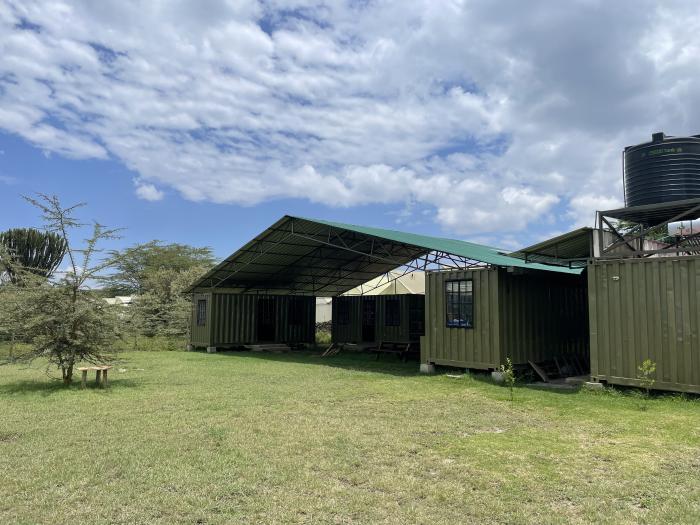
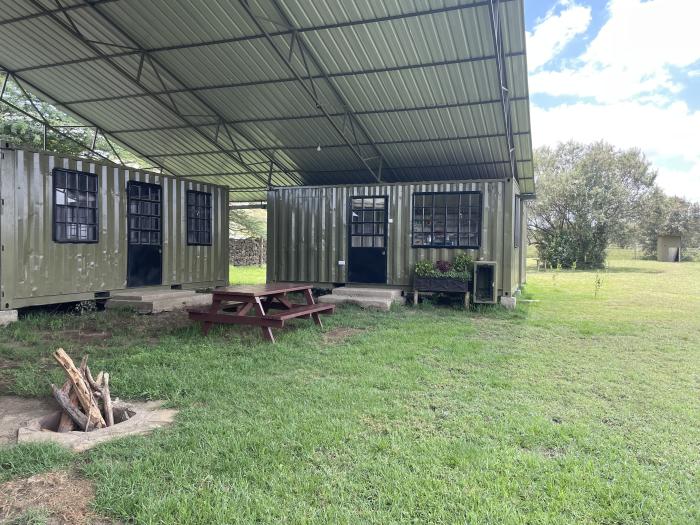
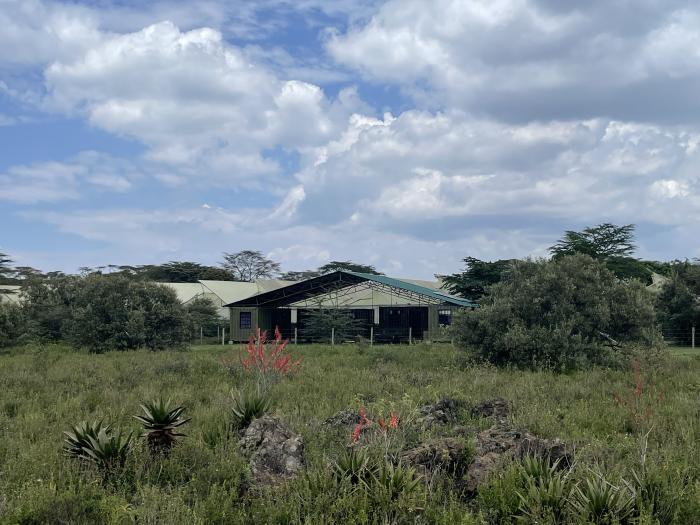
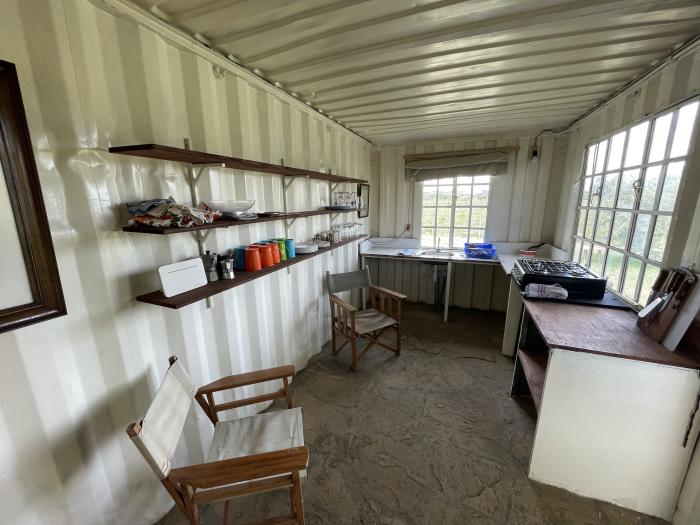
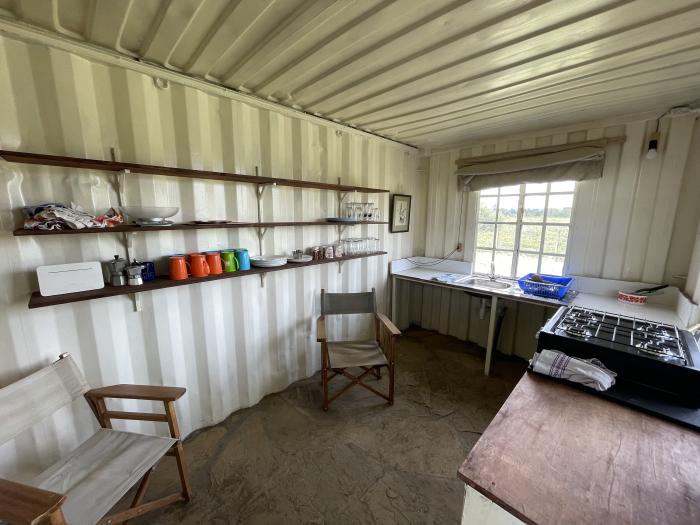
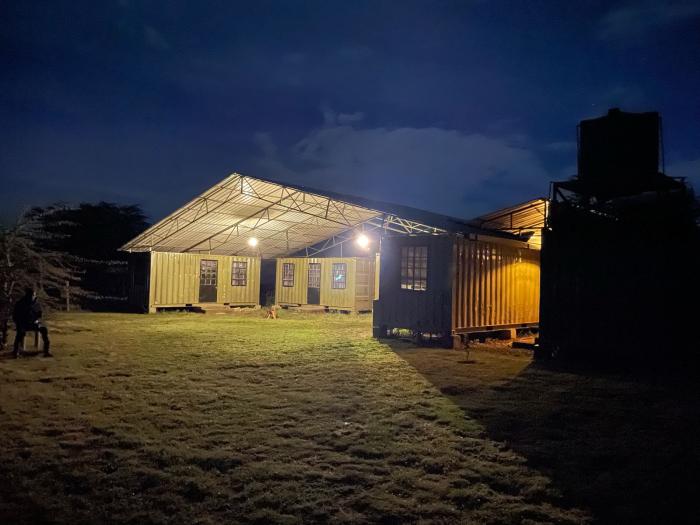
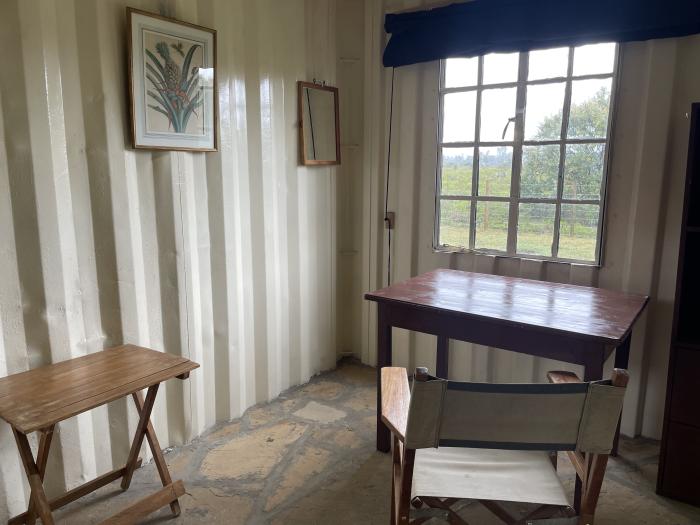
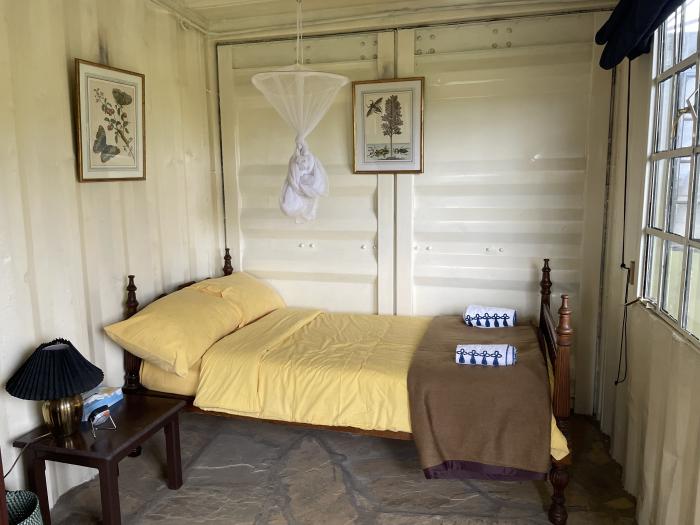
Accommodation consists of 3 separate rooms within a private living complex on the sanctuary. There is an ablutions block consisting of 3 separate bathrooms (toilet, shower, sink). If occupancy is 3 or less, each volunteer will have their own room and bathroom, if occupancy is higher then rooms and bathrooms will be shared by 2, up to a maximum of 6 volunteers. Electricity and hot water are provided by solar power. There is a communal kitchen with a fridge and gas burner. Photos attached. Unlimited and fast WiFi is included and there is 24 hour security. There is a large fence in (for security) garden with a tree nursery, outdoor firepits, bbq and dart board.
Meals
Basic groceries are supplied for meals where volunteers are asked to cook for themselves. For groups of 4-6 a cook may be made available.
During Free Time
Volunteers are free to decide when and for how long they want to be off duty, our hours are flexible. On arrival each volunteer will be given a local area information document with useful numbers and ideas of how they may spend their time off: restaurants nearby, local attractions, taxi numbers, etc.All volunteers will also have the opportunity to travel locally to places such as Nakuru National Park, Lakes Bogoria and Baringo. In addition, they can enjoy their leisure time in and around Naivasha, exploring local lodges and restaurants.
Life on the program

Getting there and who looks after you in Kenya
Airport pickup
You are picked up at Jomo Kenyatta International Airport (JKIA) in Nairobi and driven directly to the project site in Naivasha. If you arrive late at night, book a hotel near the airport and pickup is provided from there the next day.
Orientation
Project coordinators at the sanctuary give you an initial orientation covering guidelines and instructions before you start work.
First project day
You join the daily routine of caring for captive birds and are introduced to ongoing fieldwork and clinic support, guided by the project coordinators and veterinarian.
Ongoing support
An in-country coordinator based in Nairobi provides round-the-clock assistance, and project coordinators are on site at the sanctuary throughout your stay.
From volunteers in Kenya
Frequently asked questions
What kind of work will I actually do at the raptor center?
You take part in daily bird care such as feeding and enclosure cleaning, assist with aviary repairs, lead guided tours, support the on-site veterinarian in the clinic, and help with fieldwork like trapping, tagging and monitoring raptor populations.
Do I need experience with birds or wildlife to join?
No previous experience is needed; you just need an open mind, a flexible attitude for outdoor work, and a genuine interest in animals. The minimum age is 18.
What does a typical day look like?
Volunteers generally work Monday to Saturday, 9am-5pm, with a lunch break; schedules flex around daily priorities and fieldwork, which may start earlier. Sundays are free.
How long can I volunteer and when do programs start?
Placements run 2–12 weeks, with a new intake every week (sundays). The next start date is 27 Sep 2026.
What does the fee include, and how does the deposit work?
Prices start at $1,499 with the $249 deposit included; the deposit counts toward your total, is valid for a year, and is refunded if no place can be offered. The fee covers accommodation, airport and Naivasha transfers, basic groceries, laundry and cleaning, orientation, project equipment, and staff support.
Where will I live, and what about meals?
You stay in volunteer house accommodation on the sanctuary, in a private living complex with shared bathrooms, solar power, a communal kitchen, and WiFi. Basic groceries, water, tea and squash are supplied for self-catering, with a cook sometimes available for larger groups.
Will someone meet me at the airport?
Yes, you are picked up at Nairobi's JKIA airport and driven directly to Naivasha, with the return transfer included at the end of your stay.
What support is available if something goes wrong?
An in-country coordinator in Nairobi is available around the clock, project coordinators are on site at the sanctuary, and local teams give a 24-hour emergency contact.
Do I need a visa, insurance, or vaccinations?
Travel/medical insurance is compulsory, either your own policy or the one arranged through Volunteering Solutions. Visa fees and vaccinations are not included in the program fee; guidance on these is sent before departure.
Will I get to handle the birds directly?
You handle birds only under the instruction of project coordinators or the veterinarian, as part of tasks like feeding, rescue transport, or fieldwork trapping and tagging; there is no unsupervised handling.
Do I need a background check to join?
Yes, all volunteers must submit a clean criminal background check report before joining, issued within 12 months of the start date.
Who is this program suited for?
It suits anyone aged 18 or over with an interest in wildlife and conservation, comfortable with outdoor and physical work, ranging from short-term volunteers to those considering longer stays toward a career in conservation.
Related pages
Schedule a meeting with a program advisor
We're here to help — a 20-minute one-on-one with detailed info, expert advice and application guidance.
Book a free meetingMore projects in Kenya
Medical Volunteer Program in Kenya
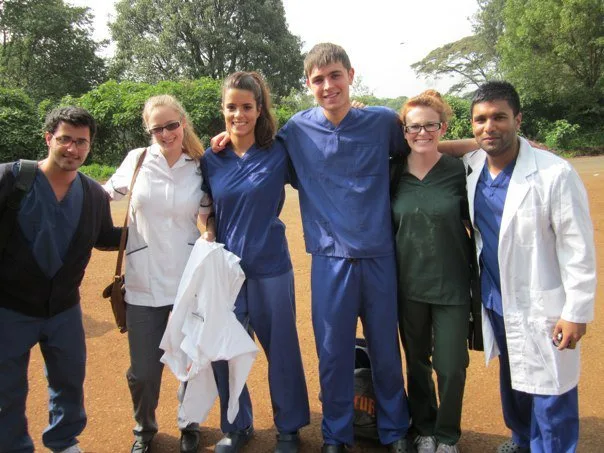
A hospital placement in Nairobi for qualified doctors, nurses and midwives. Work alongside Kenyan clinicians in district hospitals…
1 Week Special Volunteer Program in Kenya
Be a volunteer for the 1 Weeks Special Volunteer Program in Kenya, work in and around the city…
2 Weeks Special Volunteer Program in Kenya
The 2-Week Special Volunteer Program in Kenya allows volunteers to care for children in a childcare center while…