 Português ▾
 Nederlands
 English
 Deutsch
 Italiano
 Español
Trabalho voluntário ensinando inglês na Costa Rica
Seja voluntário na Costa Rica e inspire jovens mentes apoiando o aprendizado em sala de aula ou ensinando assuntos pelos quais você é apaixonado. Cause um impacto duradouro trabalhando com crianças e adolescentes em escolas e projetos extracurriculares.
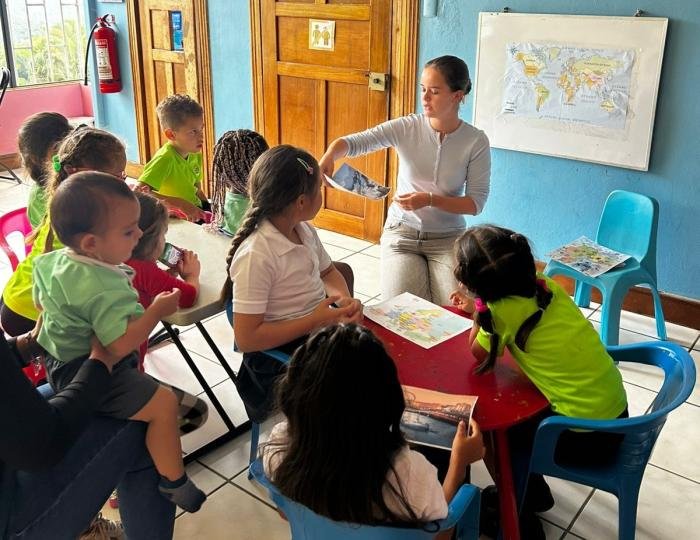
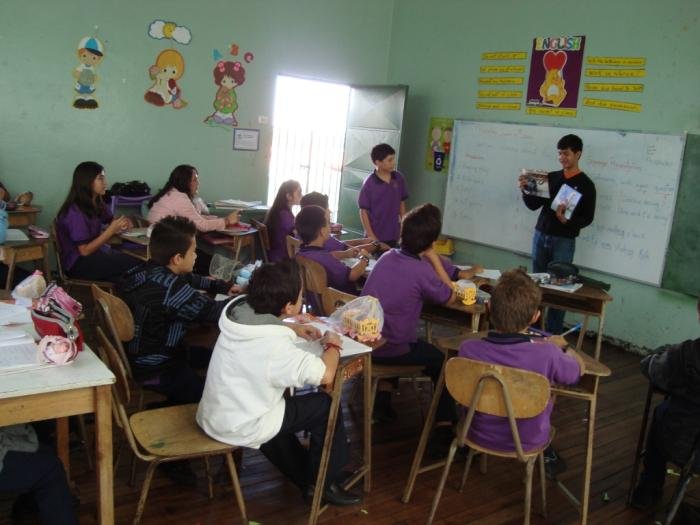
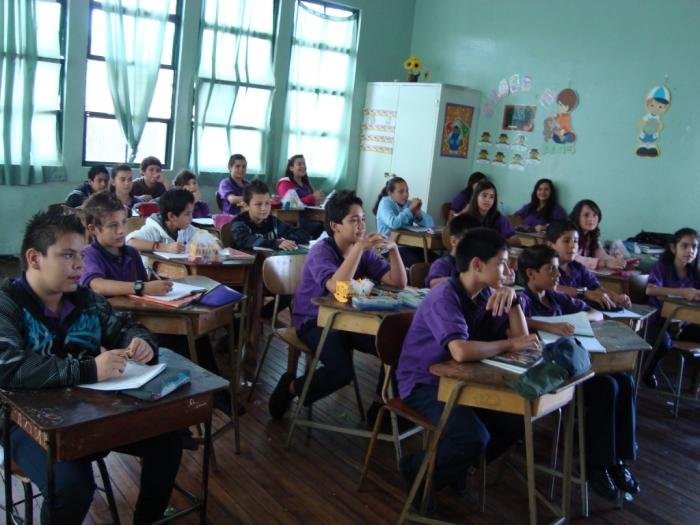
- Os voluntários do Programa de Ensino de Inglês ensinam inglês a alunos do ensino básico e secundário em escolas, centros comunitários e creches.
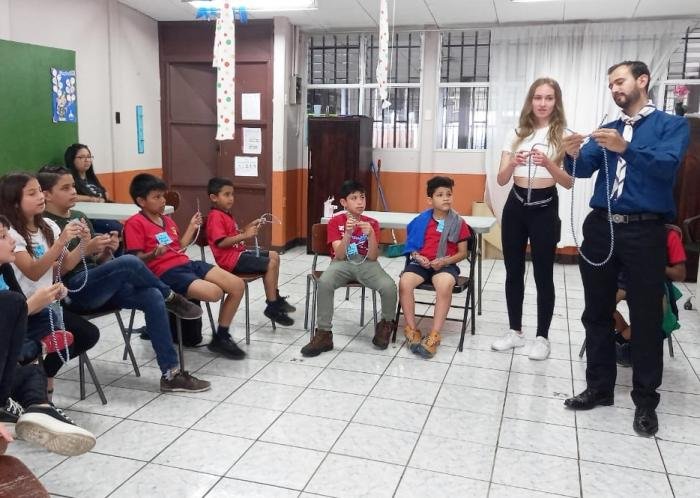
- Durante o programa, os voluntários auxiliam os professores locais, planeiam e lecionam as suas próprias aulas e ensinam as crianças.
- Aprender inglês contribui significativamente para que as pessoas em situação de vulnerabilidade social consigam carreiras mais gratificantes, devido à relevância profissional da língua.
- Envolver as crianças em atividades interativas e ler-lhes livros são também atividades que podem ser realizadas.
- Os fins de semana são livres para explorar a bela região de Heredia, bem como San José.
O Programa de Voluntariado Docente na Costa Rica oferece uma oportunidade significativa para voluntários apoiarem a educação enquanto se imergem na rica cultura e vida comunitária do país. Os programas são realizados em San Ramón de Alajuela e cidades vizinhas , onde os voluntários trabalham em escolas locais e projetos de educação extracurricular que desempenham um papel vital no desenvolvimento de crianças e adolescentes. Os participantes apoiam o aprendizado em sala de aula auxiliando os professores locais ou, dependendo de sua confiança e conhecimento da matéria, ministrando aulas de forma independente em disciplinas como inglês, matemática, ciências, música ou arte.
As vagas são cuidadosamente selecionadas de acordo com as habilidades e interesses de cada voluntário, garantindo uma experiência gratificante e impactante. Os voluntários trabalham em estreita colaboração com alunos de duas faixas etárias — crianças de 6 a 12 anos e adolescentes de 13 a 17 anos — ajudando a criar ambientes de aprendizagem envolventes, acolhedores e inclusivos. Este programa é ideal para pessoas enérgicas, pacientes e apaixonadas por trabalhar com jovens, e não é necessário ter experiência prévia em ensino.
A carga horária do voluntariado geralmente consiste em aproximadamente seis horas por dia, de segunda a sexta-feira, e segue o calendário acadêmico da Costa Rica, de meados de fevereiro a meados de dezembro, com um recesso de duas semanas em julho. Embora o programa mantenha uma rotina estruturada, os voluntários também têm tempo livre para explorar as paisagens deslumbrantes e a vibrante cultura da Costa Rica. Ao participar deste programa, os voluntários contribuem de forma duradoura para a educação local, ao mesmo tempo que adquirem uma valiosa experiência intercultural e uma conexão mais profunda com a vida na Costa Rica.
Quer conhecer outras maneiras de causar impacto? Confira nossos programas de voluntariado na América do Sul .
Funções e responsabilidades dos voluntários
Como professor voluntário na Costa Rica, você desempenhará um papel ativo no apoio à educação em sala de aula e na promoção de um ambiente de aprendizagem positivo para os alunos. Dependendo da sua confiança, experiência e conhecimento da matéria, suas responsabilidades podem incluir auxiliar os professores locais ou ministrar aulas de forma independente.
As principais responsabilidades incluem:
-
Auxiliar os professores durante as aulas, apoiando a condução das aulas e o envolvimento dos alunos.
-
Ministrar aulas de disciplinas como inglês, matemática, ciências, música ou arte, de acordo com suas habilidades e interesses.
-
Planejar e ministrar aulas interativas e adequadas à idade para alunos de 6 a 12 anos ou de 13 a 17 anos.
-
Apoiar os alunos com tarefas, trabalhos em grupo e necessidades individuais de aprendizagem.
-
Incentivar a criatividade, a participação e a autoconfiança entre os alunos.
-
Auxiliar em atividades educativas extracurriculares e programas de enriquecimento.
-
Criar um ambiente de sala de aula positivo, inclusivo e acolhedor.
-
Colaborar com a equipe local e outros voluntários como parte de uma equipe educacional dinâmica.
Seu papel como voluntário é flexível e adaptado às suas habilidades, permitindo que você contribua significativamente para o crescimento acadêmico dos alunos, ao mesmo tempo que adquire experiência prática de ensino em um ambiente internacional.
Requisitos e elegibilidade
Os voluntários devem ter 18 anos ou mais no momento da inscrição no projeto. Os participantes devem ter a mente aberta e uma atitude flexível para trabalhar em um ambiente novo e diferente. Os voluntários precisam ser flexíveis, de mente aberta e ter paixão por trabalhar com crianças. Também devem ser proativos e ter a capacidade de tomar iniciativa. Todos os voluntários devem apresentar um atestado de antecedentes criminais limpo antes de ingressar no programa. Um nível básico a intermediário de espanhol será uma vantagem adicional para os participantes do programa.
Um dia típico
Os voluntários do Programa de Ensino trabalham de segunda a sexta-feira, geralmente das 8h às 12h ou das 8h às 15h. Os fins de semana são livres para passeios turísticos ou para explorar outras regiões da Costa Rica.
A vida no programa
Alojamento e refeições
Traslado do aeroporto
Os voluntários são buscados no Aeroporto Internacional de San Jose ou em hotéis próximos ao aeroporto no dia de chegada programado. O serviço de busca no aeroporto é oferecido somente entre 8h e 22h. Observe que, se você chegar após as 22h (planejado ou por atraso), poderá ser solicitado o pagamento de um hostel/hotel para a primeira noite. Caso um participante não possa comparecer nas datas especificadas, será adicionada uma taxa de US$ 75 ao programa para cobrir o transporte extra e a orientação individual.
Alojamento
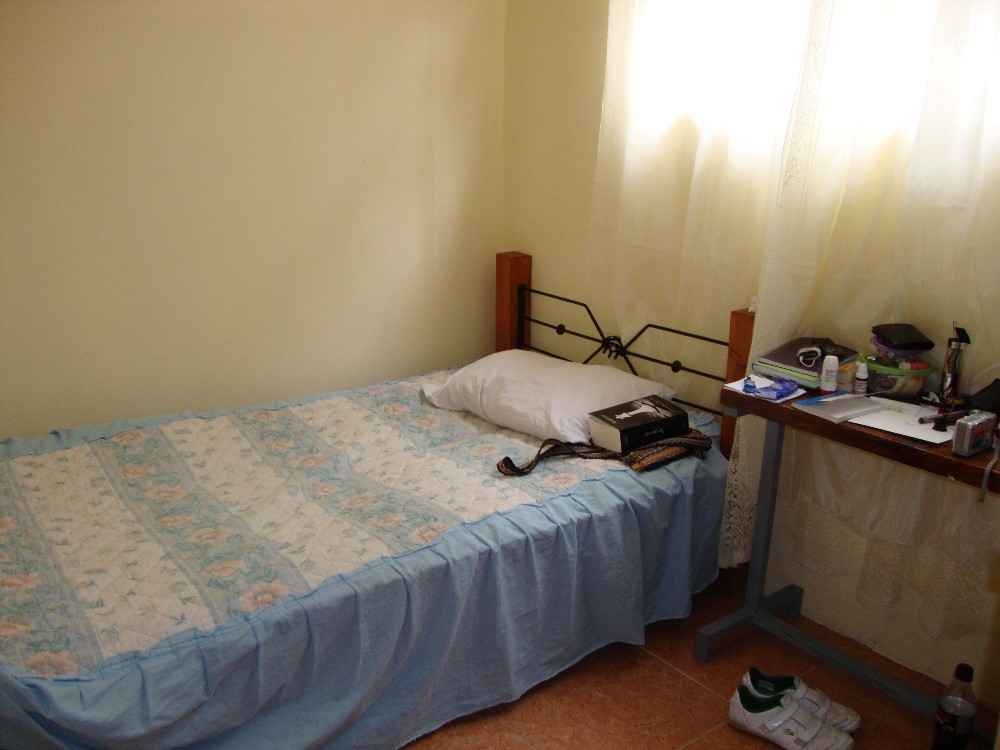
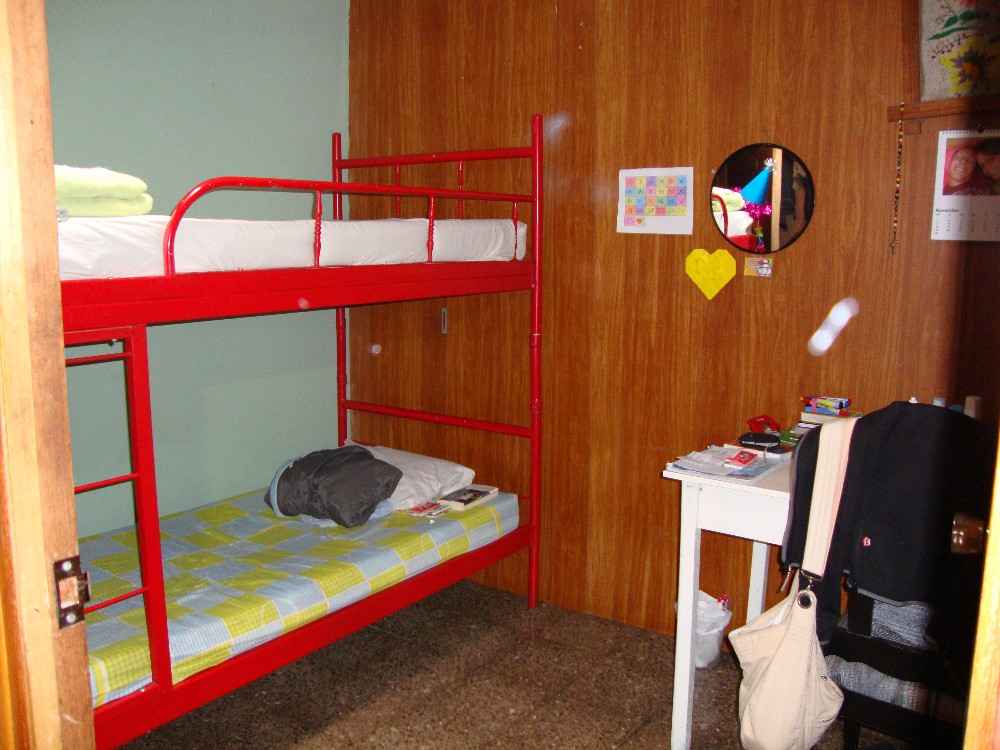
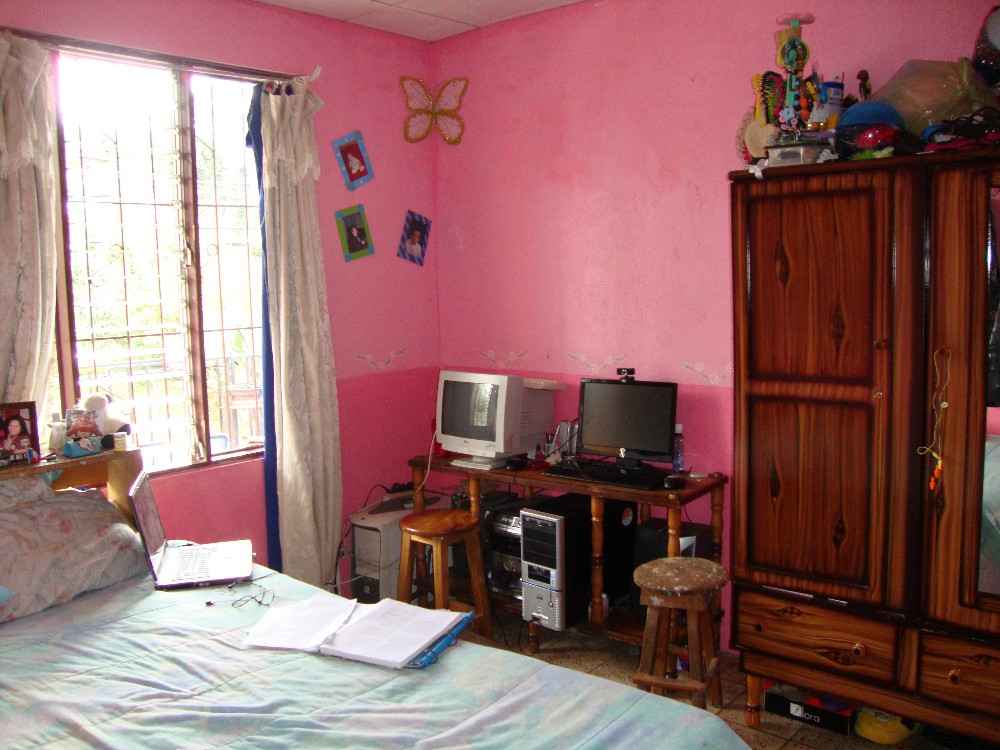
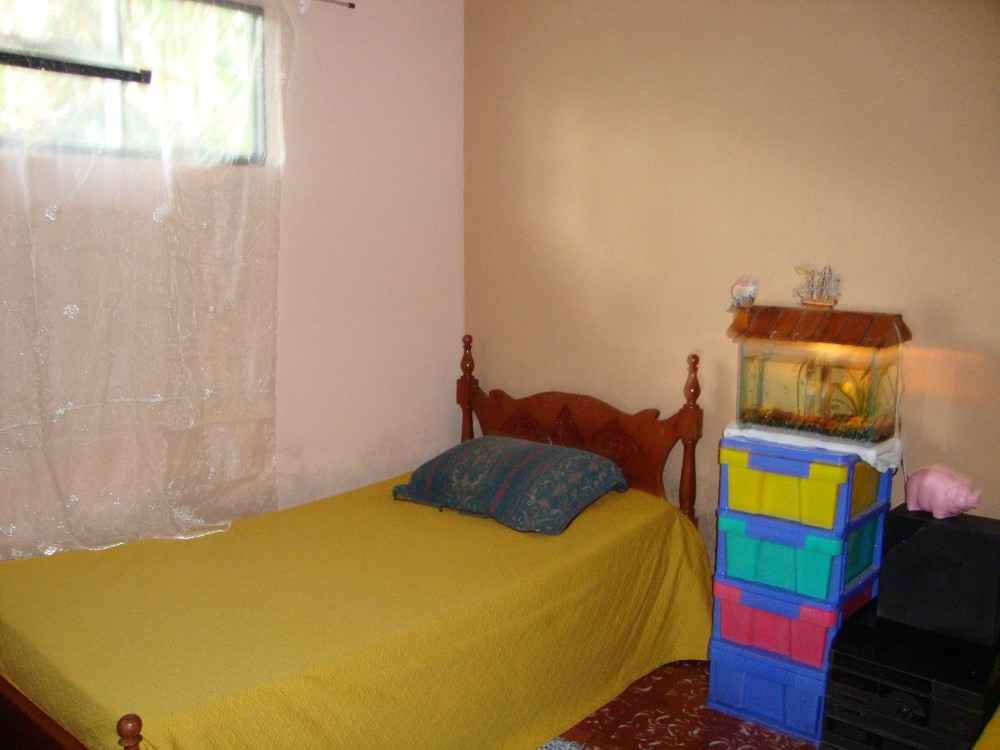
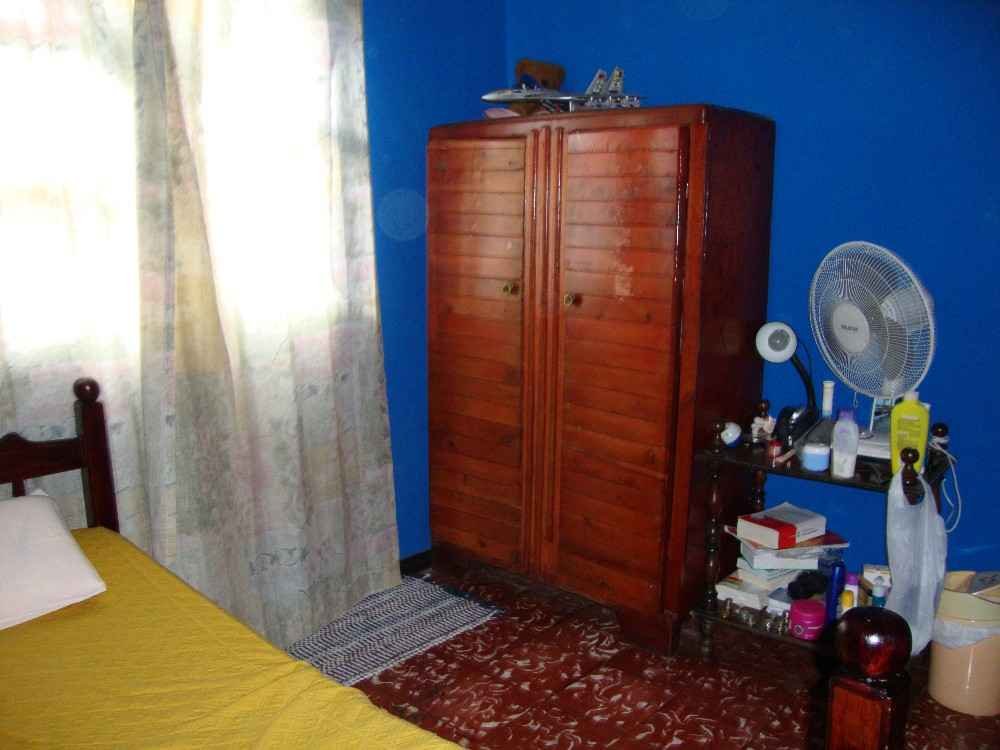
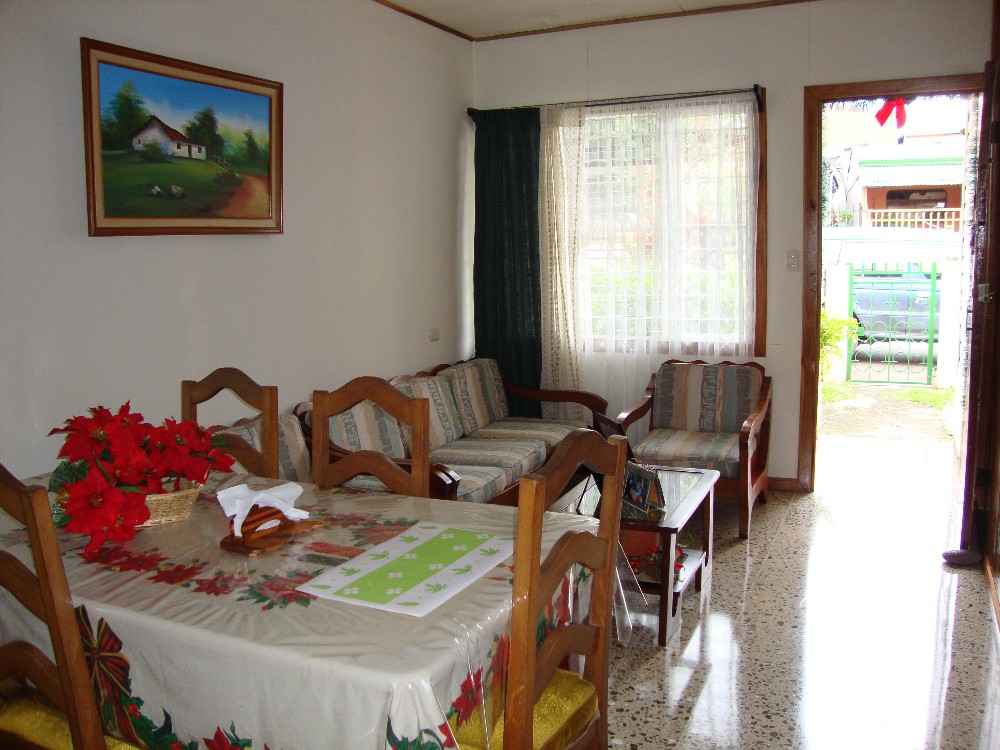
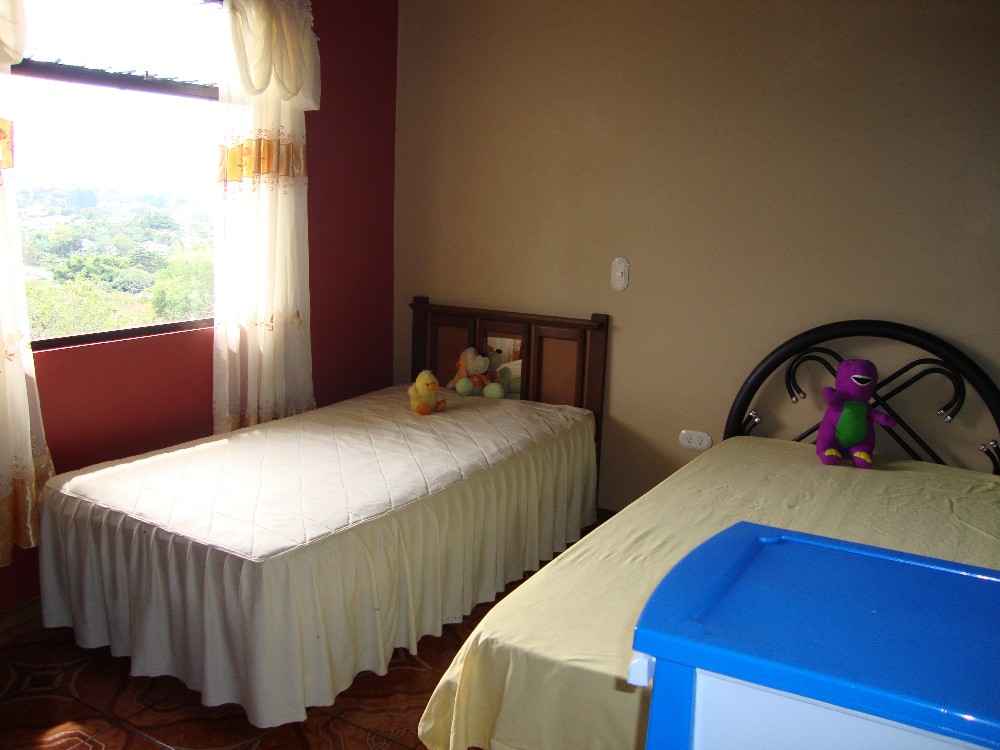
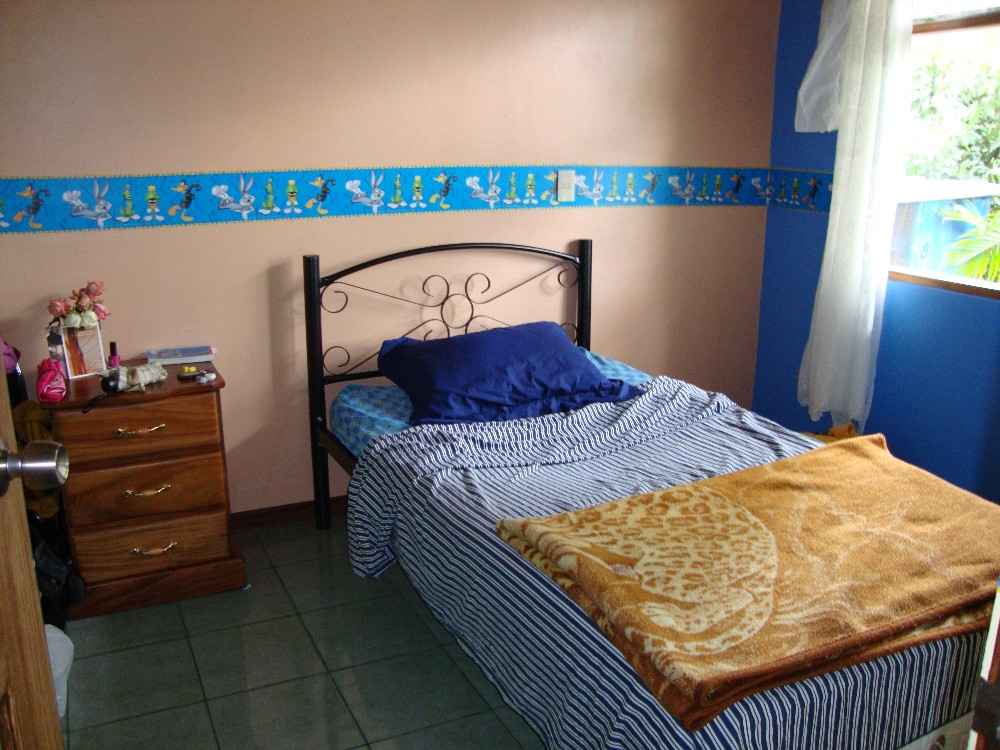
Como voluntário, você terá a oportunidade de mergulhar na cultura local, hospedando-se com uma família anfitriã. Ao viver com uma família anfitriã, você conhecerá melhor o estilo de vida dos moradores locais. Será também uma ótima oportunidade para aprimorar seu espanhol. Acomodações confortáveis e seguras são garantidas para todos os voluntários. Durante a estadia com uma família anfitriã, os participantes terão seu próprio quarto ou compartilharão o quarto com outro participante, caso fiquem na mesma casa.
Orientação
Todos os voluntários participam de uma sessão de orientação no início do projeto. Essa orientação é conduzida pela equipe local e aborda tópicos como costumes costarriquenhos, regras e expectativas, segurança e uma introdução ao projeto e à sua área de atuação.
Refeições
Os voluntários recebem duas refeições preparadas por dia na casa da família anfitriã. A culinária local da Costa Rica é uma fusão de pratos de diferentes partes do mundo. Os alimentos mais comuns são arroz, legumes, feijão, carne de porco, carne bovina, frango, etc.
Durante seu tempo livre
Os voluntários têm liberdade para visitar lugares, fazer compras e aproveitar seu tempo livre. San Ramón, localizada no vale central da Costa Rica, oferece uma variedade de atrações que exibem tanto beleza natural quanto importância cultural. Aqui estão alguns lugares imperdíveis em San Ramón e arredores:
-
Cachoeira La Fortuna – Embora não esteja localizada em San Ramón propriamente dito, esta deslumbrante cachoeira fica a uma curta distância de carro e é uma das atrações naturais mais populares da região.
-
Catarata Río Bonito – Uma bela cachoeira pouco conhecida localizada perto de San Ramón, perfeita para caminhadas, natação e para apreciar a floresta tropical ao redor.
-
Museu de San Ramón – Um museu local que oferece uma visão sobre a história, a cultura e o desenvolvimento da região, exibindo artefatos históricos e exposições sobre o patrimônio local.
-
Eventos Culturais – San Ramón é conhecida por sua rica cena cultural, com festivais locais, música e peças de teatro ao longo do ano. Não deixe de conferir a programação durante sua visita!
-
Reserva Florestal Nublada de Monteverde – Embora esteja um pouco mais distante de San Ramón, a Reserva Florestal Nublada de Monteverde oferece vistas deslumbrantes e avistamentos de vida selvagem, incluindo uma diversidade de espécies de plantas e animais.
-
Vulcão Arenal – Um importante destino turístico nas proximidades, onde você pode explorar o Parque Nacional do Vulcão Arenal, fazer trilhas, relaxar em fontes termais ou apreciar a beleza cênica da região.
-
Cachoeira de Santo Cristo – Uma cachoeira mais isolada e tranquila, localizada fora da cidade, ideal para amantes da natureza que buscam um ambiente sereno.
Passeios pelas plantações de café – Explore as plantações de café em San Ramón e arredores para aprender sobre o processo de produção do café e degustar alguns dos melhores cafés da Costa Rica.



datas de início
Datas de início semanais, durante todo o ano — escolha qualquer semana nos próximos dois anos.
Taxas do programa por duração
Os preços incluem o teu depósito de reserva de 249 $, que é deduzido do valor total do teu programa. O depósito é válido por um ano, durante o qual podes inscrever-te em vários programas. Aplica-se uma taxa bancária internacional de 5% a pagamentos com cartão de crédito em USD ou AUD.
| Duração | Preço total | |
|---|---|---|
| 2 semanas | $1,263 | |
| 3 semanas | $1,575 | |
| 4 semanas | $1,901 | |
| 5 semanas | $2,027 | |
| 6 semanas | $2,155 | |
| 7 semanas | $2,284 | |
| 8 semanas | $2,412 | |
| Cada semana adicional | +$175 / semana |
Conversão indicativa — a sua reserva será cobrada na moeda escolhida no momento do pagamento.
✓ Aquilo que está a pagar
- Suporte e comunicação antes da partida
- Guia de Informações Pré-Partida
- Alojamento em casa de família com duas refeições por dia.
- Participação em atividades culturais
- Apoio local
- Coordenação de estágios
- Orientação
- Recepção no aeroporto com transporte para a comunidade anfitriã/ida
- Certificado de conclusão do programa (sob solicitação)
Não incluído
- Retorno ao aeroporto
- Passagem aérea
- seguro de saúde para viagens
- Viagens de lazer de fim de semana
- Despesas pessoais
- Lavanderia
Perguntas frequentes
Quando devo me inscrever nos programas de voluntariado na Costa Rica?
É aconselhável se inscrever nos projetos assim que as datas do voluntariado/viagem forem definidas, pois as vagas são limitadas. A taxa de inscrição é válida por um ano e pode ser paga antes do período de voluntariado desejado, para garantir a sua vaga. Assim que definir as datas da viagem, sugerimos que se inscreva no programa e reserve a sua vaga. As vagas são preenchidas por ordem de chegada.
rnQuanto tempo levará para processar minha inscrição? Minha inscrição será aceita?
Normalmente, o processamento da candidatura e a confirmação da vaga levam de 10 a 12 dias úteis. Após analisarmos seu currículo e documentos, sua reserva será confirmada e a confirmação será atualizada em sua conta "Minha Conta", onde você poderá visualizar as informações. A aceitação da candidatura depende da disponibilidade de vagas no projeto e dos critérios de elegibilidade do programa (idade, habilidades, experiência etc.).
rnExistem requisitos necessários para participar dos programas de voluntariado na Costa Rica?
Abaixo estão os requisitos necessários para participar dos projetos de voluntariado na Costa Rica:
Para as atividades de Ensino, Cuidado Infantil e Imersão em Espanhol, os voluntários devem ter 17 anos ou mais no início do programa. Para todos os outros programas, é necessário ter 18 anos ou mais.
Os voluntários que participarem do projeto de voluntariado médico devem ser estudantes de pré-medicina, medicina ou enfermagem, ou possuir outras qualificações relacionadas à área médica e de enfermagem. Profissionais da saúde, como médicos e enfermeiros, também são bem-vindos ao programa.
Os voluntários precisam ter a mente aberta e uma atitude flexível para trabalhar em um ambiente novo e diferente.
O voluntário deve trazer energia e entusiasmo para fazer a diferença.
O participante deve estar em boas condições de saúde.
É necessário conhecimento de espanhol (nível básico a intermediário) para todos os programas.
Posso fazer trabalho voluntário em grupo?
Sim, você pode participar dos Programas de Voluntariado da Costa Rica em grupo. Recebemos famílias, amigos, estudantes do ensino médio, universitários e grupos corporativos para fazerem trabalho voluntário juntos nos programas da Costa Rica. Entre em contato para que possamos elaborar um programa personalizado para o seu grupo, de acordo com o seu orçamento e necessidades.
Nunca viajei nem fiz trabalho voluntário no exterior. Ainda posso participar do VolSol?
Sim, com certeza! Acreditamos que cada participante traz algo novo para o projeto. Se você não tem experiência prévia, oferecemos a oportunidade de começar com o pé direito. Facilitamos o voluntariado internacional: nossas oportunidades de voluntariado no exterior não só oferecem amplo suporte, como também são muito acessíveis.
rnQuando preciso chegar à Costa Rica para o meu programa? O que acontecerá quando eu chegar à Costa Rica?
Todos os voluntários devem chegar na data de início do programa. Ao chegarem ao Aeroporto Internacional Juan Santamaría, os participantes serão recebidos por um representante local e transferidos para suas acomodações designadas.
Os voluntários que participarem dos programas de Cuidado Infantil e Ensino ficarão hospedados com famílias anfitriãs cuidadosamente selecionadas. Aqueles que participarem do Projeto de Resgate Animal em Alajuela ou do Projeto de Conservação de Tartarugas em Matapolo passarão a primeira noite em uma casa de família antes de seguirem para os locais de seus projetos.
Os participantes inscritos no Projeto de Resgate Animal em Puerto Viejo serão buscados no aeroporto e acomodados em um albergue em San José. Os voluntários que participarem do Projeto de Conservação de Tartarugas e Meio Ambiente na Península de Osa devem chegar diretamente a Puerto Viejo, a menos que tenham reservado o Pacote de Chegada em San José (opcional), que inclui traslado do aeroporto e pernoite.
Quais são os locais do programa na Costa Rica?
Oferecemos uma ampla variedade de programas na Costa Rica, localizados em diferentes regiões do país. Os projetos de Cuidado Infantil, Educação e Empoderamento Feminino estão localizados em San Ramón de Alajuela e arredores, a cerca de 45 minutos da capital, San José. O projeto de Conservação de Tartarugas e Meio Ambiente está localizado na Península de Osa. O projeto do Centro de Resgate de Animais Selvagens fica próximo a Puerto Viejo. O projeto de Tartarugas, Vida Selvagem e Permacultura acontece perto da Praia Ario, uma praia selvagem e belíssima dentro do Refúgio Nacional de Vida Selvagem Caletas-Ario, onde florestas, rios e o oceano se encontram.
É possível acomodar vegetarianos?
Sim, no entanto, você deve nos informar com antecedência e também mencionar qualquer restrição alimentar em seu formulário de inscrição.
Terei tempo livre durante o programa? Posso fazer passeios turísticos durante o programa?
Dependendo do projeto em que você estiver alocado, terá as noites e os fins de semana livres para viajar e explorar o local. À noite, os voluntários costumam se reunir para confraternizações, jantares fora ou simplesmente relaxar na casa dos voluntários. Os fins de semana são livres para os voluntários, que podem fazer viagens curtas. Há muita coisa para fazer na Costa Rica. Visite a Península de Nicoya, o Vulcão Arenal, o Parque Nacional Corcovado, a Reserva Biológica da Floresta Nublada de Monteverde, os Jardins da Cachoeira La Paz, as Termas de Tabacón, San José, o Refúgio de Vida Selvagem Caño Negro, o Parque Nacional Tortuguero e muito mais. Para os voluntários em Playa Ario, há muito o que aproveitar em Playa Ario e nos arredores da Península de Nicoya quando não estiverem trabalhando em projetos de conservação. Muitos voluntários também organizam táxis compartilhados para visitar Santa Teresa, uma animada cidade litorânea localizada a cerca de 45 minutos de distância. Conhecida por seus cafés vibrantes, cultura do surfe e atmosfera relaxante, é um ótimo lugar para passar um dia de folga com outros voluntários. As atividades gratuitas oferecidas no acampamento incluem caminhadas noturnas guiadas, noites de cinema e jantares comunitários — momentos perfeitos para relaxar, compartilhar experiências e desfrutar do senso de comunidade que se desenvolve naturalmente aqui.
Haverá mais despesas quando eu chegar à Costa Rica?
A taxa de inscrição no programa não cobre suas despesas pessoais. Você precisará arcar com seus gastos pessoais, como água mineral, transporte local, telefone, compras, passeios turísticos etc. No entanto, recomendamos levar entre US$ 70 e US$ 80 por semana para suas despesas pessoais básicas. Esse valor pode variar e você precisará de uma quantia maior caso opte por fazer viagens de fim de semana para fora da cidade.
rnPor quantas horas preciso fazer trabalho voluntário por dia?
Os voluntários geralmente trabalham de 4 a 6 horas por dia, dependendo do programa. Você terá os fins de semana livres para viajar. No entanto, os voluntários precisam ser flexíveis, ter a mente aberta e entender que as exigências do trabalho também podem mudar em determinadas ocasiões.
rnPoderia me dar mais informações sobre acomodação e alimentação?
Projeto Tartaruga, Vida Selvagem e Permacultura
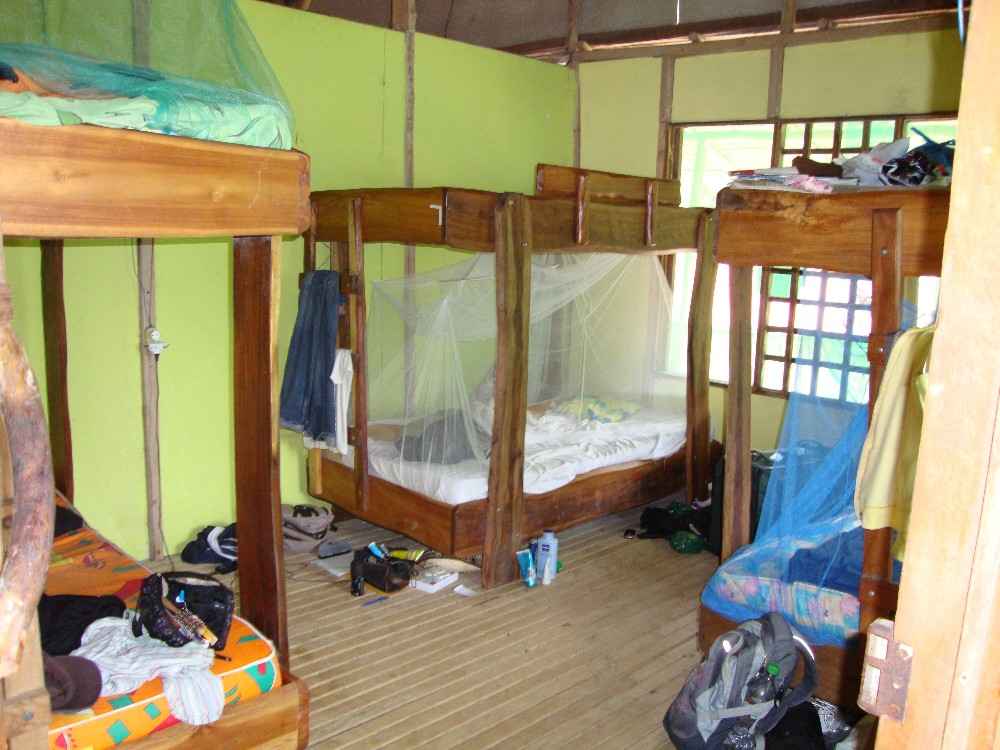
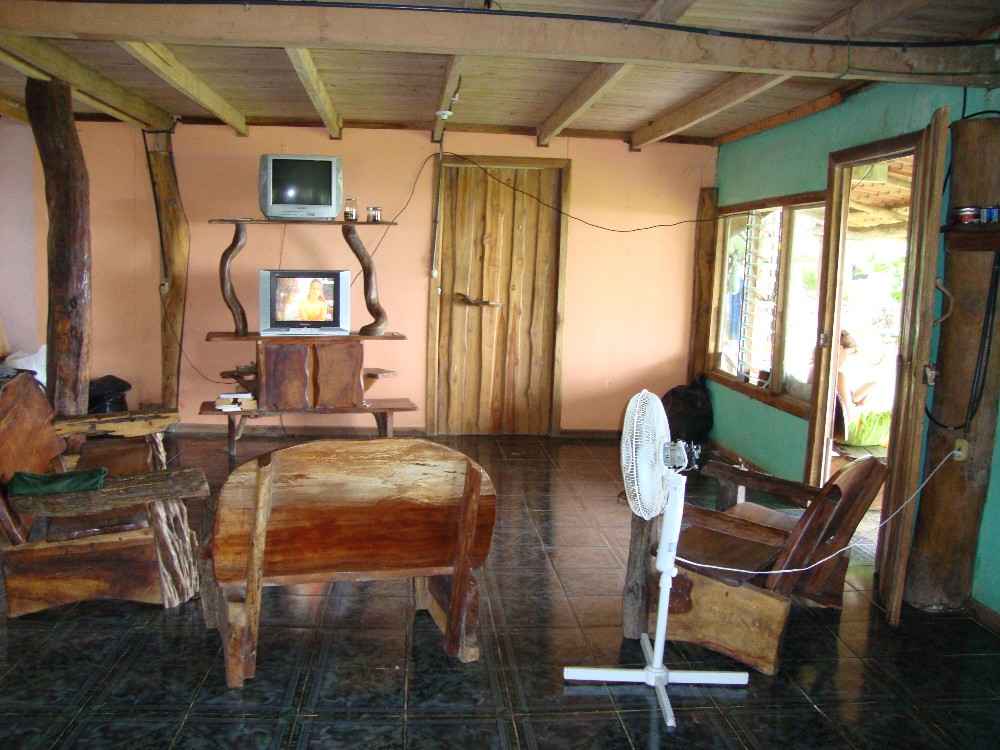
Ao chegar em San José, a acomodação é fornecida em um albergue para a noite. Quando estiver no projeto na Península de Nicoya, a acomodação estará localizada mais perto da praia e dos locais de desova de tartarugas. Esta estação rústica
Acomoda voluntários em quartos compartilhados com instalações básicas, ideal para quem busca uma experiência de campo mais imersiva. Todas as refeições são preparadas na hora, em sua maioria vegetarianas e frequentemente feitas com produtos locais. A energia solar supre as necessidades básicas e o Wi-Fi é limitado, incentivando a conexão plena com o ambiente natural. A vida selvagem faz parte do cotidiano: macacos, pássaros tropicais e até mesmo veados ou iguanas podem ser vistos perto do acampamento. O ambiente é comunitário, amigável e baseado no respeito ao meio ambiente.
Projetos de ensino, cuidados infantis e empoderamento feminino
Os voluntários ficam hospedados com famílias locais acolhedoras, o que oferece uma ótima oportunidade para vivenciar a cultura e o cotidiano da Costa Rica. Você receberá duas refeições por dia e informações detalhadas sobre sua família anfitriã serão compartilhadas após a confirmação da sua participação.
Projeto de Resgate de Animais (Puerto Viejo)
Na chegada, os voluntários passam uma noite em um albergue em San José. Durante o projeto, a acomodação é fornecida em um albergue estilo dormitório próximo ao centro. As refeições não estão incluídas, mas você terá acesso a uma cozinha totalmente equipada para preparar suas próprias refeições.
Projetos da Península de Osa
Os voluntários na Península de Osa ficam hospedados diretamente no local do projeto, em acomodações compartilhadas em estilo dormitório.
Preciso comprar um plano de saúde?
Sim, para todos os participantes, é obrigatório ter um seguro de viagem com cobertura médica válido para toda a viagem. Os voluntários têm a opção de adquirir um seguro de viagem com cobertura médica por um valor adicional simbólico através da Volunteering Solutions. Para oferecer a melhor opção aos nossos participantes, disponibilizamos uma cobertura de seguro abrangente em parceria com uma seguradora líder de mercado.
Se você já possui um seguro de viagem e saúde válido, pode nos enviar uma cópia por e-mail. Também é aconselhável levar os documentos do seguro durante a viagem.
De modo geral, quão segura é a Costa Rica?
A Costa Rica é considerada um dos países mais seguros e estáveis da América Central, sendo um destino popular para viajantes internacionais, estudantes e voluntários. O país possui uma longa reputação de estabilidade política, um sistema democrático sólido e a ausência de um exército permanente, o que contribui para uma sociedade geralmente pacífica. Para os visitantes, viajar para a Costa Rica é seguro, desde que as precauções normais sejam tomadas. A maioria das viagens transcorre sem problemas, especialmente em áreas turísticas como San José, a Península de Nicoya e as regiões costeiras.
A Volunteering Solutions ajuda com o visto?
Os participantes (da maioria das nacionalidades) precisam de um visto de turista para viajar para a Costa Rica. Viajantes da maioria dos países podem obter uma autorização de permanência de 90 dias carimbada no passaporte na chegada. Recomendamos que você também consulte a embaixada da Costa Rica mais próxima.
rnQuais são as companhias aéreas recomendadas para voar para a Costa Rica?
Diversas companhias aéreas internacionais oferecem voos convenientes para a Costa Rica, tanto da América do Norte quanto da Europa. Da América do Norte, companhias como United Airlines, American Airlines, Delta Air Lines, JetBlue Airways, Southwest Airlines e Air Canada operam voos diretos e com conexão frequentes para a Costa Rica, partindo das principais cidades dos Estados Unidos e do Canadá. Essas companhias aéreas oferecem boa conectividade por meio de hubs como Houston, Miami, Atlanta, Nova York, Toronto e Montreal, tornando a viagem para a Costa Rica simples e acessível.
Viajantes partindo da Europa podem escolher entre diversas companhias aéreas consolidadas que oferecem voos diretos ou com uma escala para a Costa Rica. A British Airways opera voos diretos de Londres, enquanto a Iberia oferece conexões diretas de Madri. A KLM Royal Dutch Airlines e a Air France oferecem voos diretos de Amsterdã e Paris, respectivamente, e companhias aéreas como a Lufthansa e a SWISS International Air Lines oferecem conexões convenientes com uma escala a partir de outras cidades europeias, via seus principais hubs.
Recomenda-se aos voluntários que reservem voos com chegada ao Aeroporto Internacional Juan Santamaría (SJO) em San José, o principal aeroporto internacional da Costa Rica, que oferece a maior variedade de conexões internacionais, além das opções de deslocamento mais convenientes até o local do projeto.
Como posso entrar em contato com ex-participantes do programa Volunteering Solutions Costa Rica, bem como com outros ex-voluntários e voluntários atuais?
Incentivamos os voluntários a entrarem em contato com ex-participantes do programa Volunteering Solutions Costa Rica, bem como com outros participantes que estejam se juntando aos nossos projetos. Recomendamos que você participe da página ou do grupo do Volunteering Solutions no Facebook para se comunicar com outros participantes.
Para ler entrevistas com ex-participantes, visite a seção " Conheça um Voluntário" em nosso site.
De voluntários em Costa Rica
Agende uma reunião com um consultor do programa.
Estamos aqui para ajudar — uma consulta individual de 20 minutos com informações detalhadas, aconselhamento especializado e orientação sobre a candidatura.
Agende uma reunião gratuitaMais projetos em Costa Rica

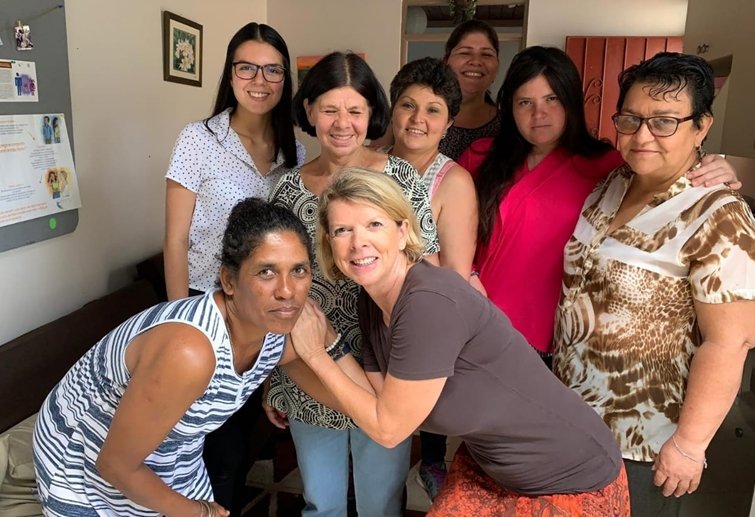
Empoderamento das Mulheres em San Ramon de Alajuela
Participe do Programa de Empoderamento Feminino na Costa Rica com a Volunteering Solutions e contribua para uma iniciativa…
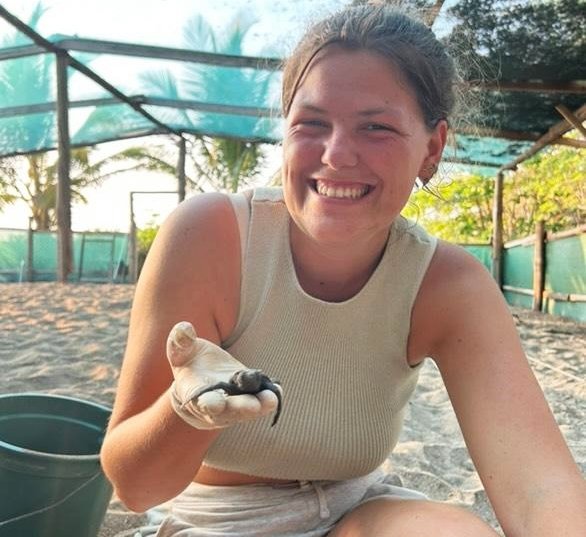
Experiência de voluntariado em permacultura com tartarugas, vida selvagem e permacultura.
Viva e faça trabalho voluntário em uma das regiões costeiras com maior biodiversidade da Costa Rica, enquanto protege…
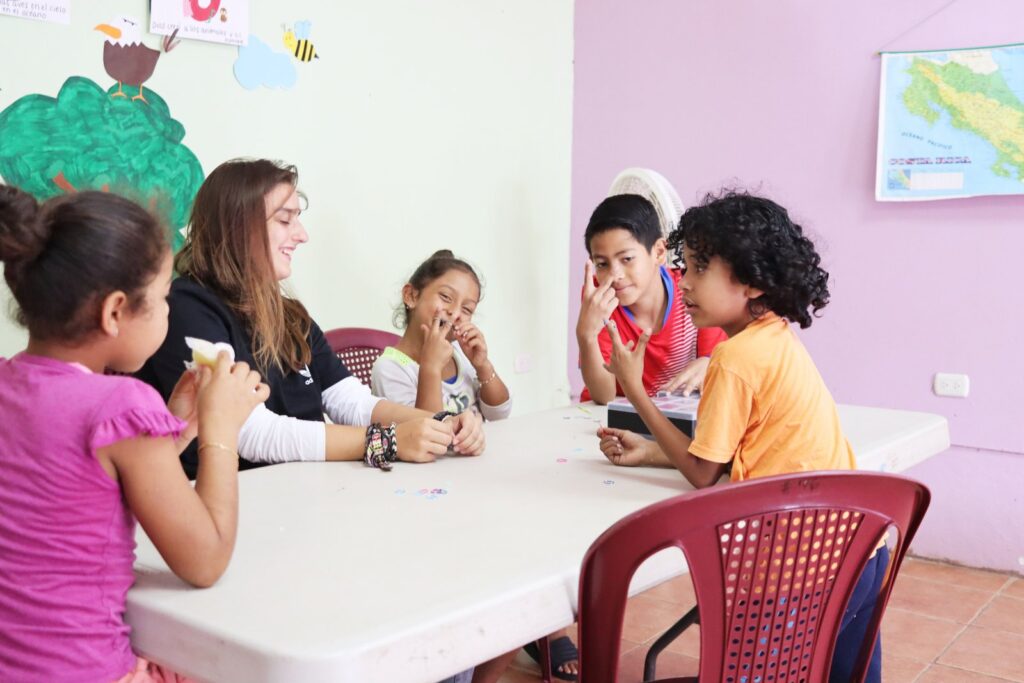
Programa de Voluntariado em Cuidados Infantis na Costa Rica
Ajude a nutrir as mentes mais jovens da Costa Rica, fazendo trabalho voluntário em centros comunitários de assistência…