 English (US) ▾
 Nederlands
 English (UK)
 Deutsch
 Italiano
 Português
 Español
 Français
Volunteer Abroad for Social Science & Development Students
Blog · June 25, 2026 · 8 min read · By Saurabh
If you are studying sociology, social work, international development, anthropology, politics or gender studies, volunteering abroad is one of the most direct ways to turn theory into lived understanding. You can join a structured project on your own, or travel as part of a faculty-led group with your classmates and a lecturer. Either way, you spend time inside a real community, contribute to genuine, locally identified needs, and come home with fieldwork insight and employability evidence no lecture can replicate. As a certified B Corporation, we design every placement to be ethical and community-led — and below we explain exactly how it works.
What is volunteering abroad for social science students?
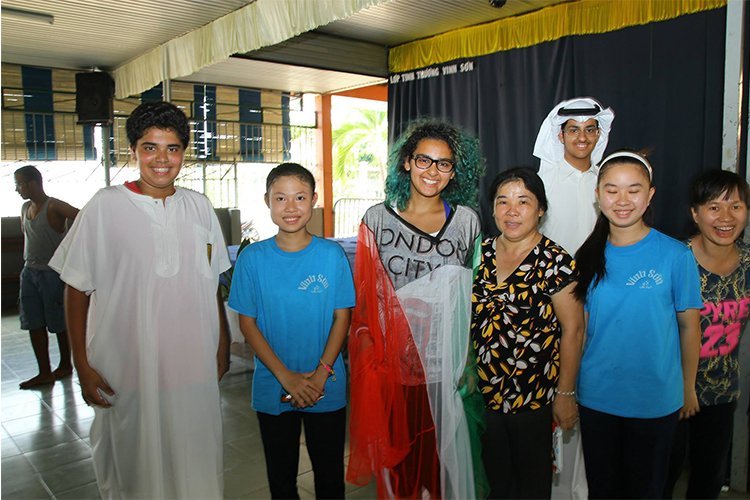
It is a structured overseas placement where students of disciplines such as sociology, social work, development studies, anthropology, politics and gender studies support locally led projects — community development, education, childcare and women’s empowerment — while observing social systems first-hand. It blends practical contribution with applied, real-world learning.
Why is volunteering abroad valuable for a social science degree?
Social science is, at its heart, the study of people, institutions and inequality. Reading about migration, poverty, gender or grassroots development is essential — but seeing how these forces shape daily life in a different cultural setting transforms your understanding. Volunteering abroad gives you supervised, hands-on exposure to community development work in practice, so abstract concepts like social capital, participatory development or intersectionality stop being exam terms and become things you have actually witnessed.
Does it count as fieldwork?
For many students it can. A placement gives you an authentic context to gather observations, conduct interviews (with proper ethical approval from your institution), or simply build the cultural literacy that underpins good qualitative research. If you are planning a dissertation on development, public health policy, education or gender, time in the field sharpens your research questions and your methods. Spending a few weeks inside a community also teaches the harder-to-document skills of ethnography — reflexivity, positionality, and the patience to listen before you analyze. Always confirm with your supervisor whether a placement can be formally credited or used as a basis for primary research, and remember that any data collection involving people must go through your university’s ethics process before you travel, not after.
How does it help employability?
Graduate recruiters in the charity sector, NGOs, social work, policy and international agencies look for evidence of cross-cultural competence, resilience and genuine commitment. A well-chosen, ethical placement demonstrates all three. You leave with concrete examples for interviews — how you adapted, collaborated with our in-country teams, and contributed responsibly — rather than generic claims about being a “people person”.
What will you actually do on a placement?
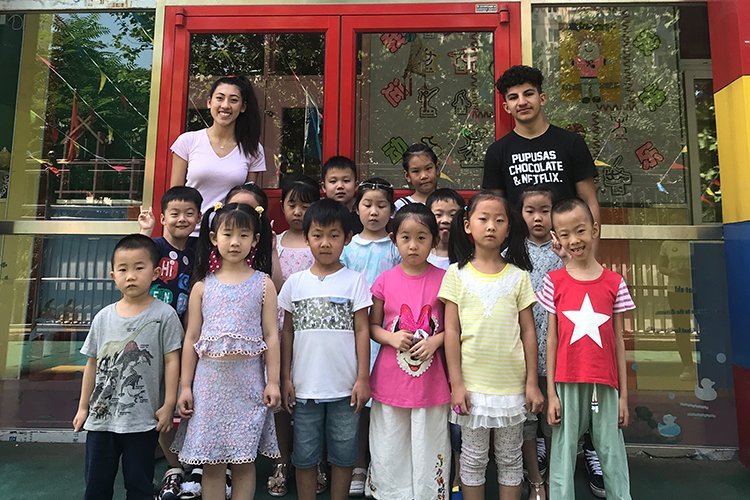
The work is non-medical and varies by destination and by the needs the local community has identified. Common project types for social science students include:
- Community development — supporting grassroots initiatives, awareness campaigns, livelihood programs and infrastructure support on our community development projects.
- Women’s empowerment — assisting skills workshops, literacy sessions and confidence-building programs through our women’s empowerment placements, which connect directly to gender-studies and development modules.
- Education support — helping local teachers with lessons, conversational English, and after-school activities.
- Childcare — supporting community day-care and early-years settings through our ethically run childcare projects, working alongside local staff rather than replacing them.
In every case you support and learn from local people who lead the work — you are an extra pair of hands and a fresh perspective, not the decision-maker.
What does ethical, community-led volunteering mean?
This matters more in social science than almost any other field, because you already understand how badly intentioned-but-unaccountable “help” can harm communities. As a certified B Corporation, we hold ourselves to a higher standard of social and environmental accountability, and that shapes how every placement is built.
What makes a placement genuinely community-led?
The work is defined by the community and our in-country teams, not by what makes a good photo. Volunteers supplement local effort and local employment — they never displace paid local workers. Skills transfer flows in both directions, and projects are designed to keep running long after any individual volunteer leaves. That continuity is what makes a contribution meaningful rather than performative. It is also worth being honest with yourself about the limits of a short placement: a few weeks will not “fix” structural poverty or inequality, and any provider that promises otherwise is overselling. What you can realistically offer is consistent support to an existing, locally owned effort — and what you take away is a grounded, critical understanding of how development actually works on the ground.
Why we avoid childcare center tourism
We do not offer childcare center placements. A large body of research shows that short-term volunteer rotations through residential children’s homes can disrupt attachment and, in some places, even fuel demand for unnecessary institutionalisation. Instead, our childcare and education work is rooted in community-based settings where children remain with their families and communities. If a provider offers casual “drop-in” childcare center visits, treat it as a red flag.
Should you go individually or as a faculty-led group?
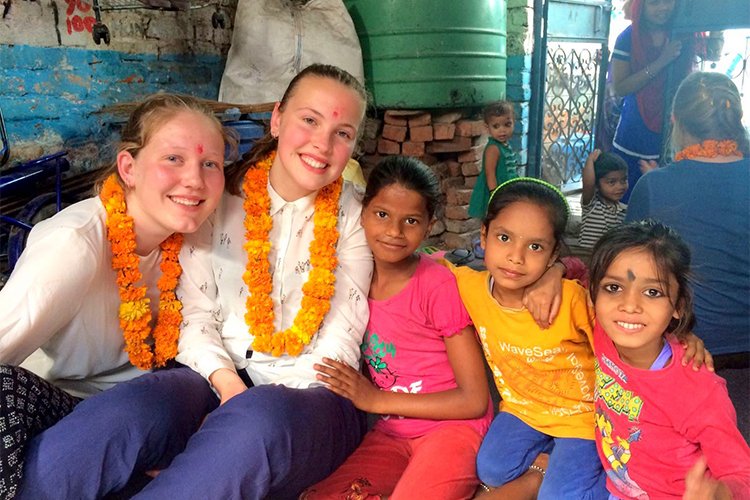
Both work well — the right choice depends on your goals, your timetable and whether your department wants to travel together.
Volunteering individually
Going solo offers maximum flexibility on dates, duration and destination, and it pushes you further out of your comfort zone — which many students find is exactly where the deepest learning happens. You join a cohort of international volunteers on arrival, so you are never truly alone, and our in-country teams handle your orientation, accommodation and day-to-day support.
Faculty-led and student group trips
If a lecturer wants to take a whole cohort, a faculty-led group trip lets you build a tailored program around specific learning outcomes, with the reassurance of traveling together. We can align the itinerary to your module — adding reflective sessions, talks from local partners or themed project days. For practical planning, our guides on faculty-led group volunteering trips abroad and group volunteering for university and college students walk lecturers and student societies through timelines, group sizes and what to expect.
How does a placement fit around your degree?
Placements run from one or two weeks up to several months, so they fit summer breaks, reading weeks, placement years and post-graduation gaps. Talk to your personal tutor or placement office early: some institutions can recognize the experience toward a placement-year requirement, work-based learning credit, or as the foundation for a dissertation. Even where it is not formally credited, it strengthens your CV and your understanding of the theory you study.
Which destinations suit social science students?
Destination choice is partly academic and partly personal. India offers extraordinary depth for students of development, caste, gender and urbanisation, with long-running community and women’s empowerment projects. Peru is a strong choice for those interested in indigenous communities, Andean culture and grassroots development in Latin America. We also run projects across Africa and South-East Asia — when you enquire, tell us your discipline and we will match you to the most relevant placement.
How much does it cost, and is funding available?
Program fees cover your accommodation, in-country orientation, project placement, local support from our teams, and a contribution to the project itself. Flights, insurance and visas are usually separate. Costs vary by destination and duration, so the most accurate figure comes from the specific project page or your tailored quote.
Can students get funding?
Often, yes. Many UK and US universities offer travel bursaries, hardship funds, alumni grants or department-specific awards for overseas experiences, and faculty-led trips can sometimes draw on internationalisation or widening-participation budgets. Student societies and development or sociology departments occasionally run their own small grants too, and a clear, ethics-focused proposal that ties the placement to your degree tends to win funding more easily than a vague “travel and volunteer” pitch. Our university funding guide explains where to look and how to put together a strong application. Start early — many funds have deadlines a term or more ahead.
Is volunteering abroad safe?
Safety is the foundation of every placement. Volunteers are met on arrival, given a full orientation, and supported throughout by our in-country teams, with vetted accommodation and 24/7 emergency contact. We share clear pre-departure guidance on health, local customs and staying safe. You should still take out comprehensive travel and medical insurance and check your government’s current travel advice before booking. For faculty-led groups, we work with the lead academic on risk assessments to meet institutional requirements.
Frequently asked questions
Do I need to study a specific subject to volunteer abroad?
No. While our community development, women’s empowerment, childcare and education projects align especially well with social science and development degrees, students from any discipline are welcome. What matters is your willingness to contribute respectfully and learn.
Can my placement count toward my degree or dissertation?
Sometimes. Some universities recognize overseas placements for placement-year or work-based learning credit, and many students use the experience as a basis for dissertation research. Always confirm the academic arrangements and any ethics approval with your tutor or placement office before you travel.
Are these placements ethical, and do they avoid childcare center tourism?
Yes. As a certified B Corporation we run only community-led, locally defined projects, and we do not offer childcare center placements. Our childcare and education work is based in community settings where children stay with their families and communities.
Can a lecturer bring a whole class?
Absolutely. We design faculty-led and student group trips around your learning outcomes, dates and budget, and support the lead academic with planning and risk assessments. Get in touch and we will build a tailored proposal for your cohort.
How long do placements last, and when can I go?
Placements typically run from one or two weeks to several months, scheduled around summer breaks, reading weeks and placement years. Tell us your available dates and we will find projects with matching start dates.
Plan your trip — enquire now
Tell our team your discipline, rough dates and any destination ideas and we’ll put together a tailored proposal — individual or group. We reply within one working day.

Saurabh Sabharwal is the founder of Volunteering Solutions and its parent B Corporation, Impact Explorers. He has championed ethical, affordable volunteer travel since 2007 and writes about how to volunteer abroad responsibly.