 English (US) ▾
 Nederlands
 English (UK)
 Deutsch
 Italiano
 Português
 Español
Volunteer in Argentina
 Certified B Corporation
★ Rated 4.7/5 (1,461 reviews) 25,000+ volunteers since 2007
Certified B Corporation
★ Rated 4.7/5 (1,461 reviews) 25,000+ volunteers since 2007
Volunteer in Argentina with Volunteering Solutions in Córdoba, the country’s second city and its liveliest university town, on five programs: a socio-educational center for children, a women’s empowerment program, sports coaching in community clubs, a puma reserve in the sierras outside the city that rehabilitates rescued big cats, and a horse sanctuary where volunteers help care for rescued and retired horses.
Programs start every Sunday all year, run from two weeks (four for the children’s and women’s programs) up to 24 weeks, and are open from age 18 — with the ability to speak and understand Spanish required on every program except the horse sanctuary. Córdoba gives you a genuine Argentine city rather than a tourist bubble, hostel life with an international crowd, and the sierras, Mendoza’s wine country and Buenos Aires for weekends and add-ons. Prices start at $1,649 for two weeks, deposit included.
Volunteer opportunities in Argentina
5 programs you can join right now — every card below and every link here goes to the program’s own page with live dates and prices.
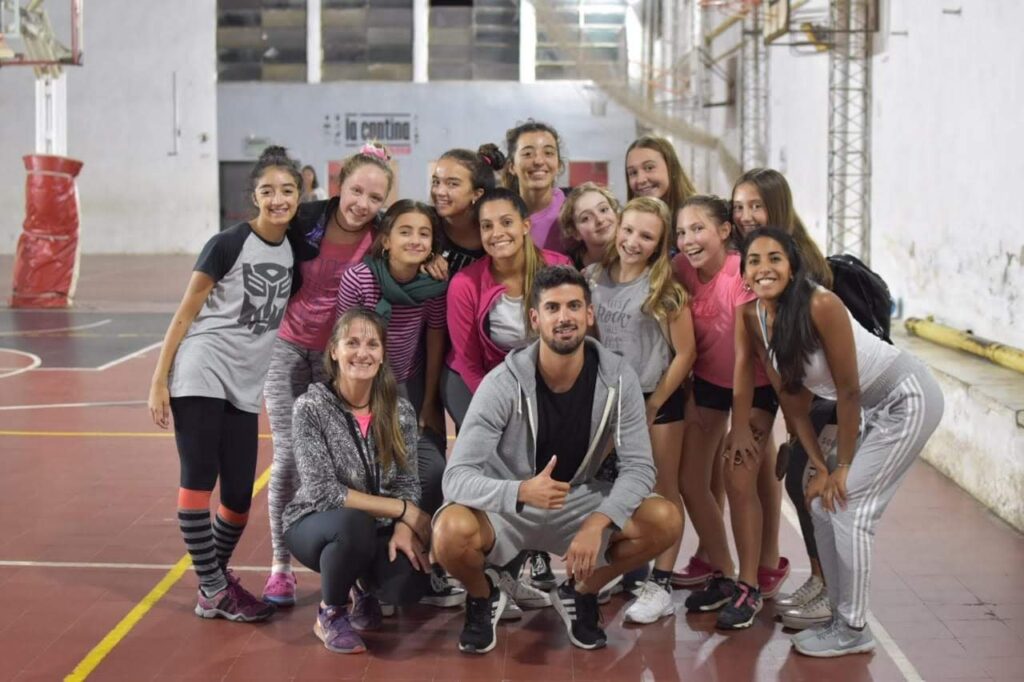
- Sports Coaching Program — The Sports Education Project aims to provide disadvantaged children and adolescents with access to fun, healthy activities that promote physical fitness, self-esteem, and good sportsmanship.
- Volunteer at a Puma Reserve — Volunteer at a renowned puma sanctuary and wildlife reserve for an unforgettable conservation experience.
- Volunteer at a Socio Educational Center for Children — Volunteering in this project allows individuals to engage with the community, support education, and promote social change.
- Volunteer in a Horse Sanctuary — In Córdoba, Argentina, horses used for recycling face tough lives—until they’re rescued by the Sanctuary.
- Women Empowerment Program — Argentina continues to face significant human rights challenges, especially concerning violence against women.
Your impact as a volunteer in Argentina
From helping young learners gain confidence in the classroom to giving kids a safe space to grow and play, your time as a volunteer in Argentina supports community-run efforts that are creating lasting change.
You won’t be replacing local staff – you’ll be working alongside them to enhance their impact. Expect to learn a lot, challenge yourself and return home with a deeper understanding of local realities and your role in global citizenship.
Volunteering in Argentina at a glance
Volunteer Projects you can join in Argentina
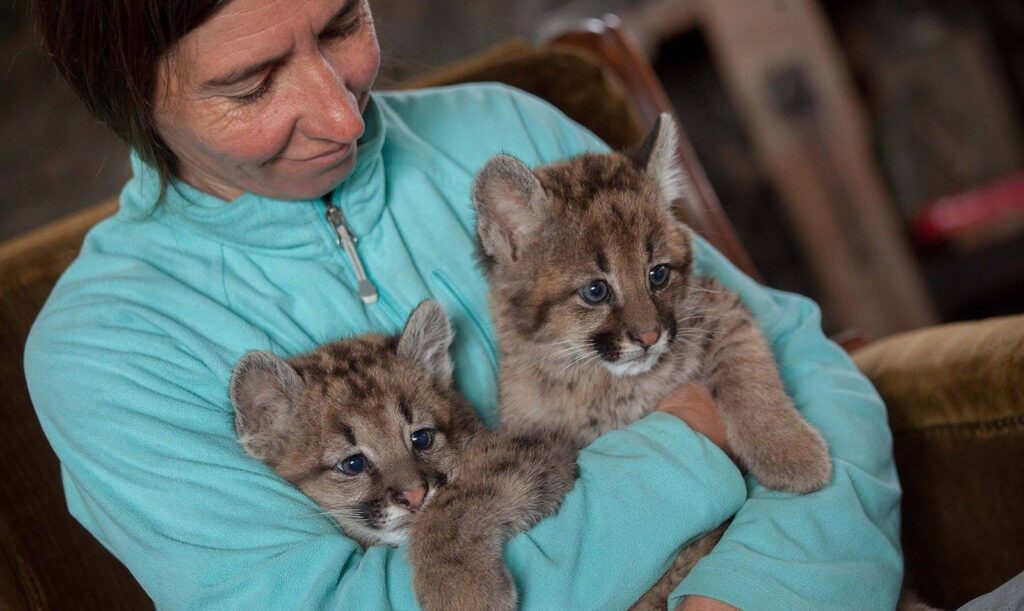
Volunteer at a Puma Reserve
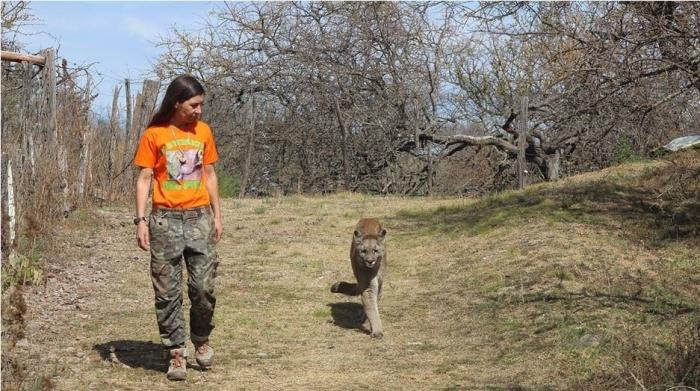
Volunteer at a renowned puma sanctuary and wildlife reserve for an unforgettable conservation experience. Explore the breathtaking landscape…
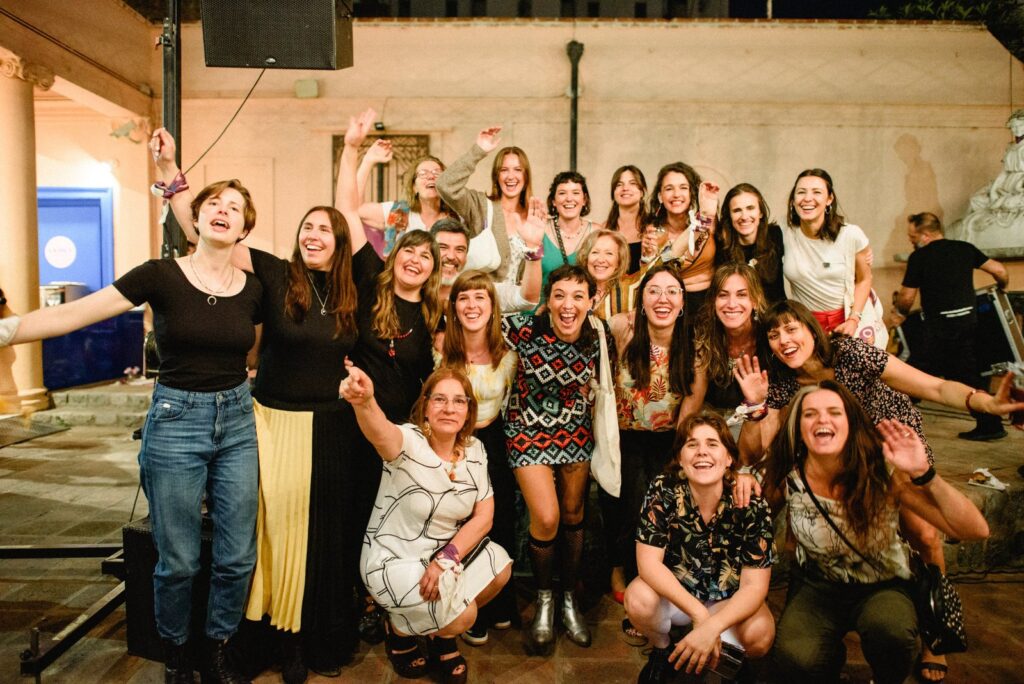
Women Empowerment Program
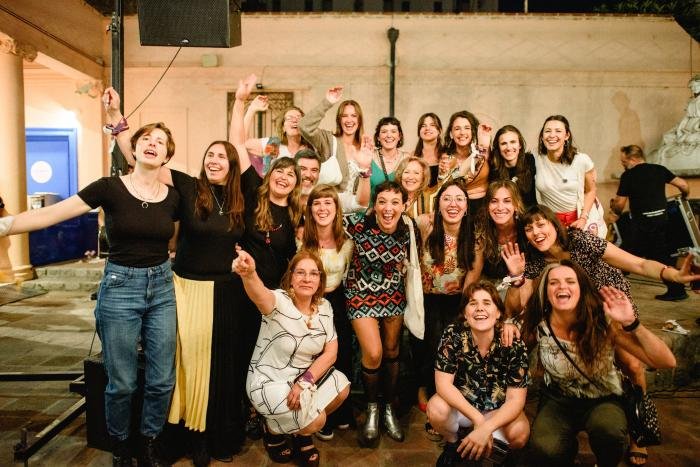
Argentina continues to face significant human rights challenges, especially concerning violence against women. Despite a 2009 law aimed…
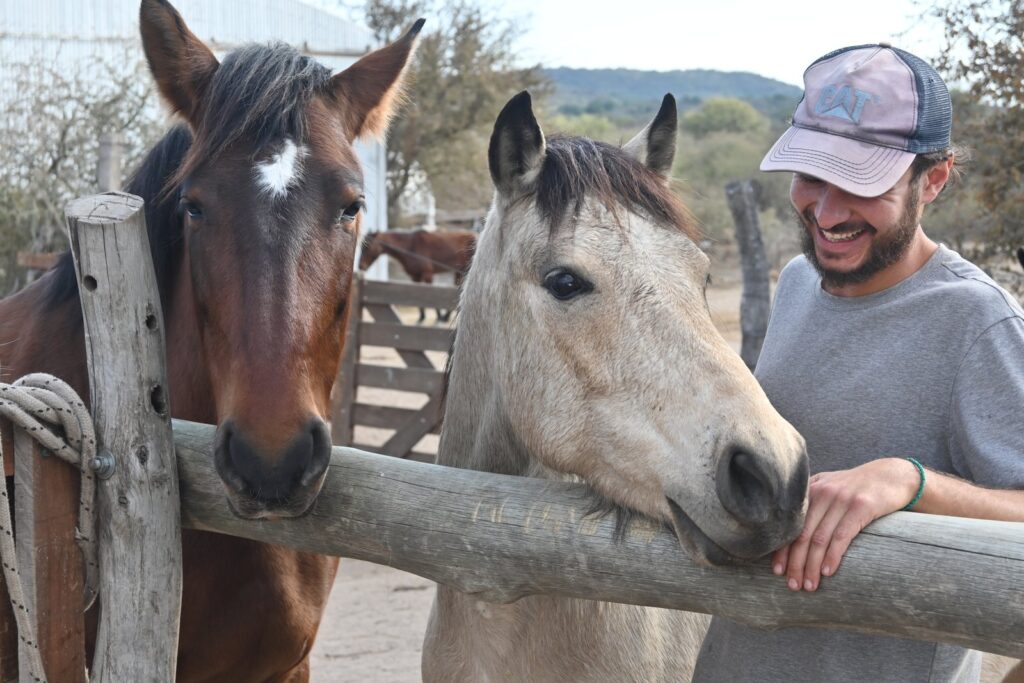
Volunteer in a Horse Sanctuary
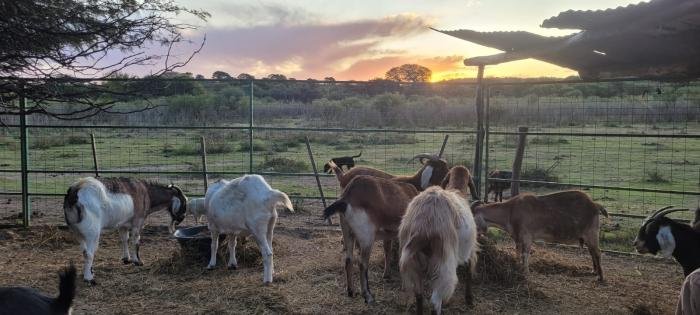
In Córdoba, Argentina, horses used for recycling face tough lives—until they’re rescued by the Sanctuary. Founded in 2013,…
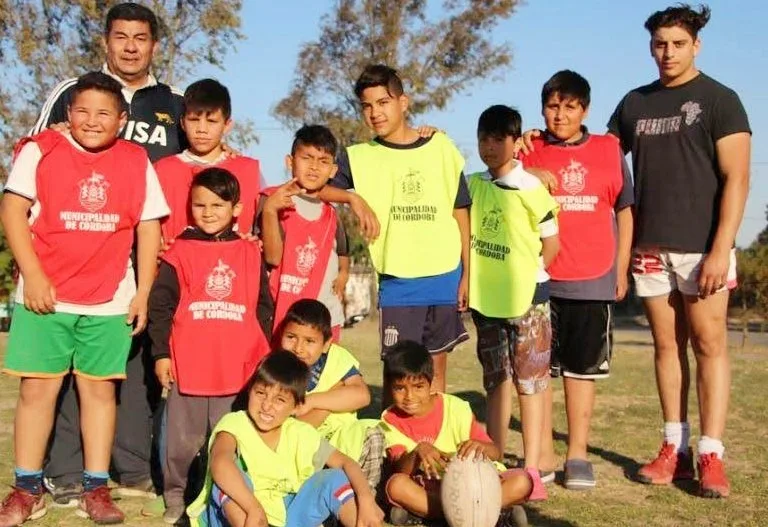
Sports Coaching Program
The Sports Education Project aims to provide disadvantaged children and adolescents with access to fun, healthy activities that…
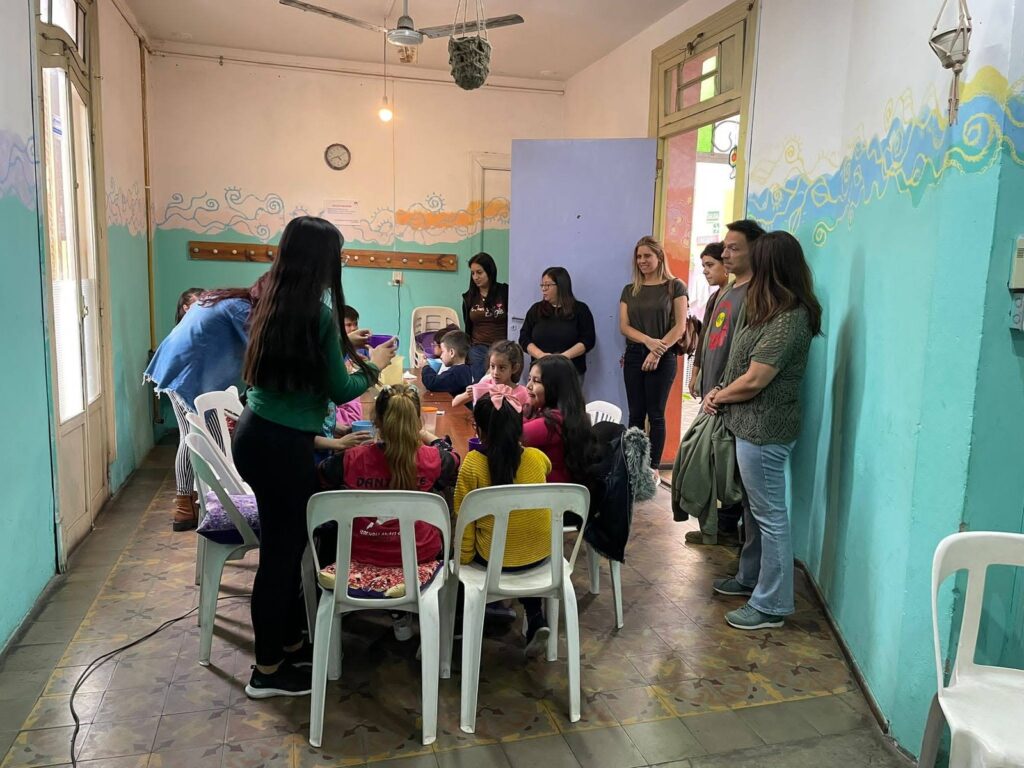
Volunteer at a Socio Educational Center for Children
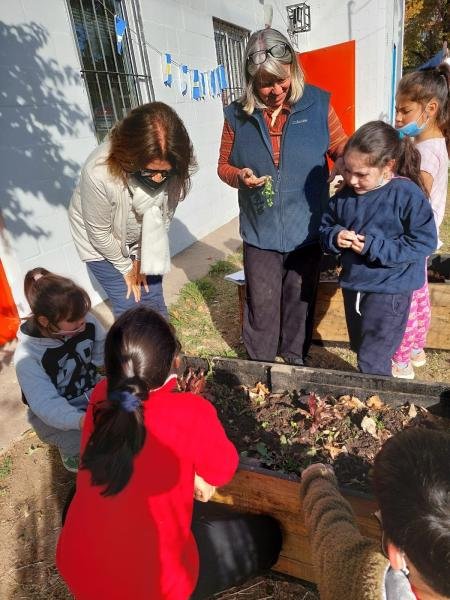
Volunteering in this project allows individuals to engage with the community, support education, and promote social change. Volunteers…
What it costs to volunteer in Argentina
All-in prices: accommodation, the meals listed for the program, airport pickup where listed, orientation, placement and in-country support are included.
| Program | Duration | From |
|---|---|---|
| Sports Coaching Program | 2-24 Weeks | $1,649 2 weeks |
| Volunteer at a Puma Reserve | 2-12 Weeks | $1,899 2 weeks |
| Volunteer at a Socio Educational Center for Children | 4-24 Weeks | $1,899 4 weeks |
| Volunteer in a Horse Sanctuary | 2-24 Weeks | $1,899 2 weeks |
| Women Empowerment Program | 4-24 Weeks | $1,899 4 weeks |
Includes the $249 booking deposit (counts toward your total, valid for a year, refunded if we cannot place you). Longer stays lower the weekly rate — each program page has the full week-by-week table.
What your fee covers
- Accommodation at one of two centrally located hostels in Córdoba run by our local partner (city programs); a hostel night on arrival then on-site communal accommodation at the puma reserve or the sanctuary volunteer house
- Meals at the project on the puma reserve and horse sanctuary programs
- Pickup at Córdoba Airport, and the transfer to the reserve (by bus with the coordinator) or private transfer to the horse sanctuary
- In-country induction, cultural activities and a customized project placement
- A donation to the project (city and sanctuary programs), 24-hour assistance, a pre-departure guide and a certificate on request
Not included
- Flights, visa or extension fees where they apply, and vaccinations
- Travel insurance (compulsory)
- Meals on the city programs (hostel kitchen and cheap restaurants nearby), and transport to and from your placement
- The return transfer to the airport (taxi or bus), a sleeping bag for the reserve, private-room upgrades and personal expenses
The sports coaching program is the entry price and runs from two weeks; the children's center and women's empowerment programs need a four-week minimum; the puma reserve and horse sanctuary include meals and on-site accommodation outside the city. Argentina's fees are higher than our Asian and African destinations because accommodation and transfers cost more, but the price is still one number with the deposit included. Every program page shows the full week-by-week total.
Where you stay and what you eat in Argentina
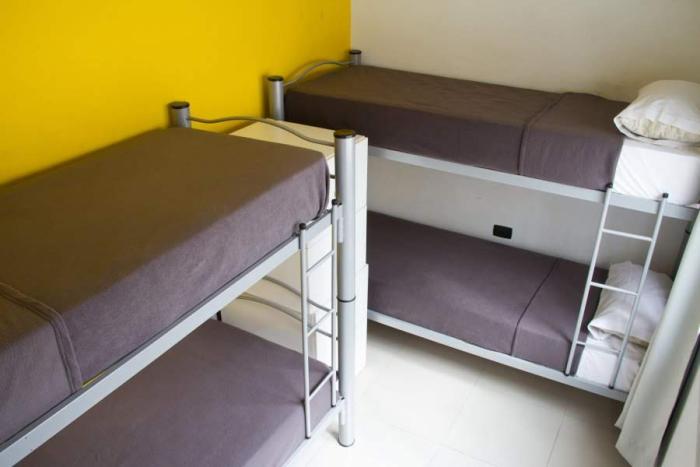
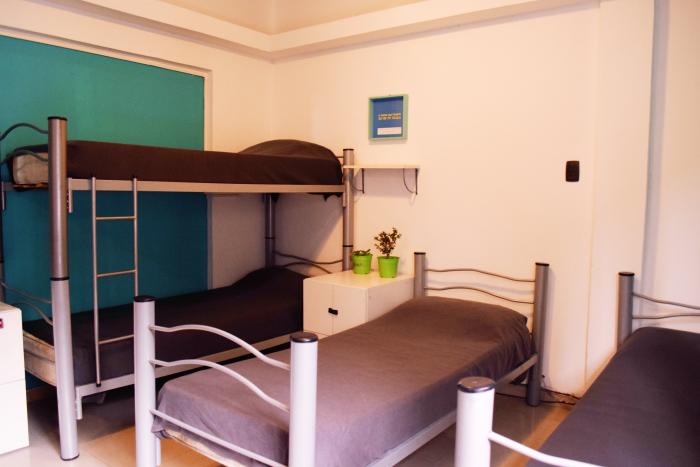
City programs: our local partner runs two hostels in strategic parts of Córdoba, close to business districts, shopping, theaters, cinemas, bars and restaurants. They are fully equipped with hot showers, TV, Wi-Fi and a full kitchen, and they are sociable — you share with students and volunteers from all over the world while keeping your independence. Meals are not included on the city programs: cook in the hostel kitchen or eat at the cheap restaurants and bars nearby; supermarkets are open from 8am to 10pm.
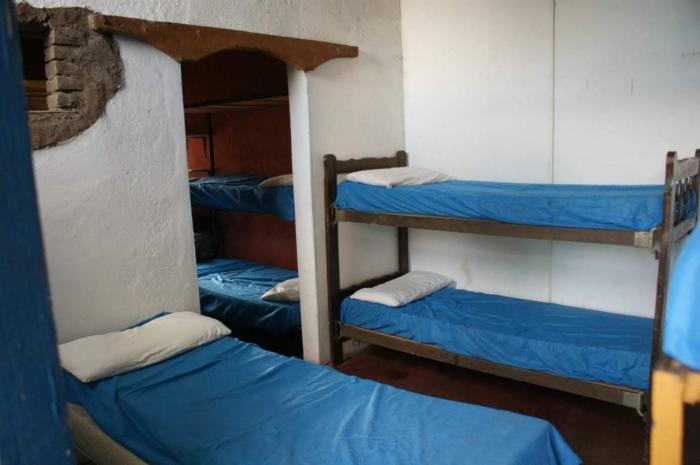
Puma reserve: after a night in a Córdoba hostel dorm, you live on site in basic but comfortable communal accommodation — bedrooms with five bunk beds and mattresses (bring your own sleeping bag), a shared bathroom nearby, unstable Wi-Fi and a washing machine once a week; private rooms are available for an extra fee. Meals are provided at the project. Horse sanctuary: a volunteer house at the sanctuary outside Córdoba with meals provided, reached by private transfer.
Córdoba's climate is extreme by Latin American standards — 29–40°C in summer, 2–18°C in winter, and colder still at the projects in the mountains — so pack for the season.
.jpeg)
Arriving in Argentina and who looks after you
Arrive at Córdoba Airport (COR)
Send your flight details in advance; our transfer service waits with a sign bearing your name and drives you about 40 minutes to the hostel. The return transfer is not included — a taxi or bus when your project ends.
Induction in Córdoba
Your first days include a city tour and a cultural orientation session on local customs, safety and practical information; the coordinator can help you buy a SIM card. City-program volunteers then start at their customized placement.
To the reserve or sanctuary
Reserve volunteers stay in the hostel until Monday, when the local coordinator accompanies them by bus to the puma reserve; sanctuary volunteers get a private transfer to the horse sanctuary.
Your working week
Monday to Friday at the children's center, women's program, sports club, reserve or sanctuary, with evenings and weekends free and 24-hour assistance throughout.
Staying safe in Argentina and who can join
Córdoba is a large, lively university city and safety is a matter of ordinary city awareness: keep phones and bags close in the center and on buses, use radio taxis or ride-hailing at night, avoid poorly lit areas, and follow the orientation's advice on neighborhoods. The hostels are central and staffed, and the coordinator is on call around the clock. The reserve and sanctuary are rural and quiet — the considerations there are animals, weather and distance from town, all covered in the induction.
Health: no vaccinations are required for entry; routine vaccinations should be current and hepatitis A and typhoid are commonly recommended. Tap water in Córdoba is generally safe; use bottled water in rural areas if advised. Check NHS Fit for Travel or the CDC before you go. Visa: most nationalities, including UK, EU, US, Canadian and Australian passport holders, enter Argentina visa-free for up to 90 days as tourists; passports need six months' validity.
Who can join: minimum age 18 on all programs, with a clean criminal background check, good mental and physical health, tolerance and initiative. The sports coaching, children's center, women's empowerment and puma reserve programs all require you to speak and understand Spanish (the horse sanctuary does not); the children's and women's programs need a four-week minimum, the sports, reserve and sanctuary programs a two-week minimum. Animal volunteers should be fit and comfortable with outdoor work in heat and cold, and the puma reserve requires a tetanus vaccination.
Requirements checklist
- Minimum age: 18+
- Background check: required for placements with children or vulnerable adults — issued within 12 months of your start date, in English or with a translation. How to get one
- Travel insurance: comprehensive cover for your whole stay is compulsory; you can bring your own or take the policy we arrange. Insurance details
- Safeguarding: every volunteer follows our code of conduct for children and vulnerable adults, explained again at orientation. Read the policy
📘 Planning in more depth? Read our Argentina costs, visa and safety guide.
How we volunteer responsibly in Argentina
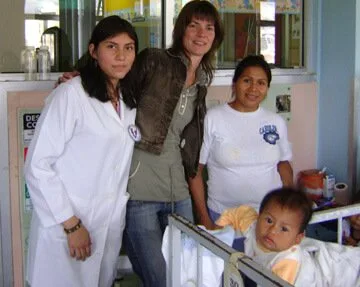
Our Córdoba partners are a socio-educational center supporting children from vulnerable neighborhoods, a women's empowerment organization, community sports clubs, a puma reserve that rehabilitates rescued and confiscated big cats, and a sanctuary for rescued and retired horses. Volunteers assist the local staff — educators, social workers, coaches, keepers and vets — and a donation to the project is built into the city and sanctuary program fees.
Work with children and women follows our child and vulnerable adult protection policy: background checks before arrival, no photographs without permission and no unsupervised responsibility. Animal work follows our animal welfare policy and the projects' own protocols — pumas are wild animals in rehabilitation and are never touched or approached outside staff instructions; horses are cared for, fed and groomed under the sanctuary team's direction.
Argentina's projects run on relationships and Spanish — which is why most placements require it. The more you speak, the more you can do; the more consistent you are, the more the staff will trust you with.
Our standards
- Responsible volunteer travel policyHow we choose, run and review every project
- Safeguarding policyProtecting children and vulnerable adults on every placement
- Animal welfare policyOur rules for wildlife, marine and animal-care projects
- Certified B CorporationSocial and environmental performance verified by B Lab
Life outside the project in Argentina
Best time: Córdoba is mildest in autumn (March–May) and spring (September–November); summer (December–February) is hot, up to 40°C; winter (June–August) is cold and dry, with frosty nights in the sierras. Programs run all year, and each season has its festivals — Oktoberfest in Villa General Belgrano, the Cosquín folk festival in January.
Getting around: city buses and taxis in Córdoba, and frequent buses to the sierras; long-distance buses and cheap flights reach Buenos Aires (an hour by air) and Mendoza. Weekends: the Sierras de Córdoba for hiking, rivers and the villages of Villa General Belgrano and La Cumbrecita, the Jesuit estancias around the city, Córdoba's Jesuit Block and its student nightlife, and — before or after your placement — Buenos Aires, Mendoza's wineries or Iguazú Falls.
Etiquette: Argentines greet with one kiss on the cheek, eat dinner late (10pm is normal), share mate tea as a ritual of friendship (accept it), and love conversation about football and politics. Our Things to Do in Argentina guide has more.

Life in Argentina
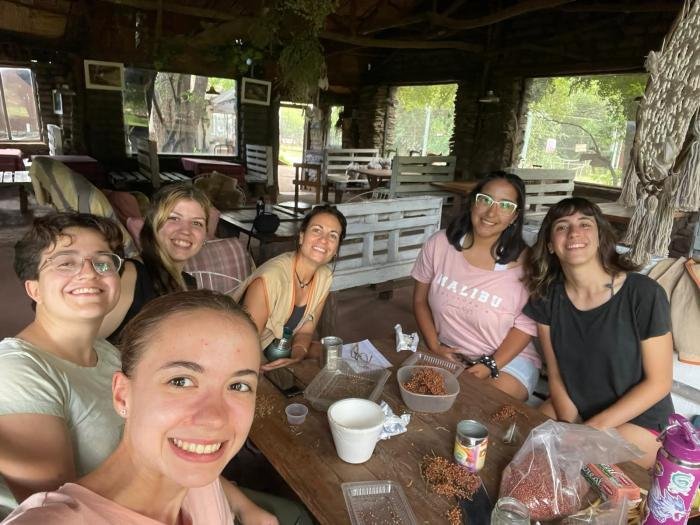
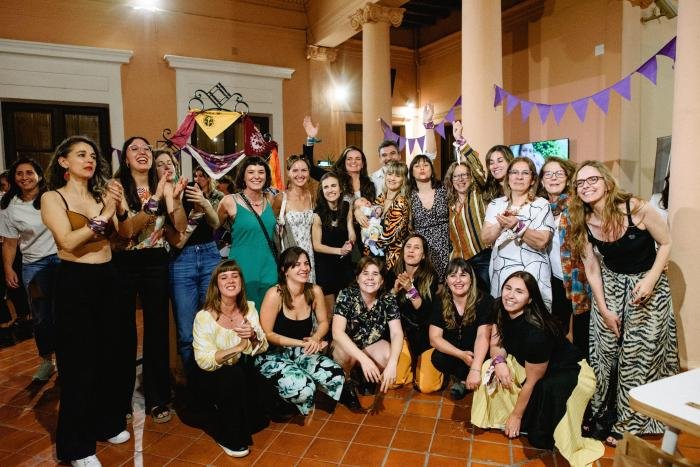
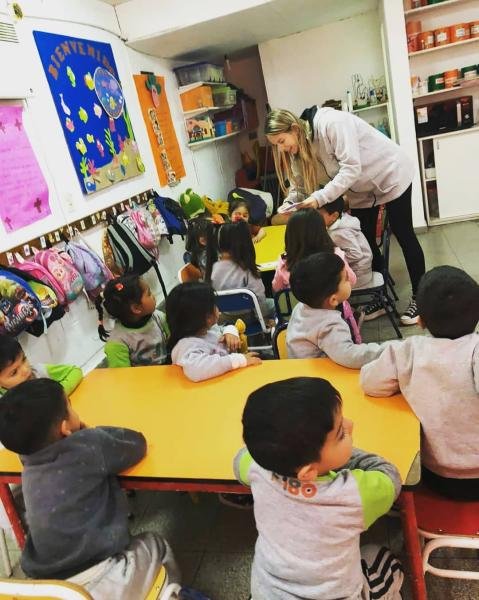
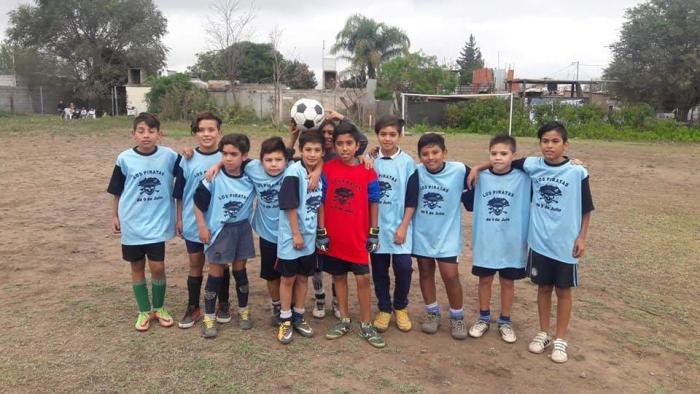
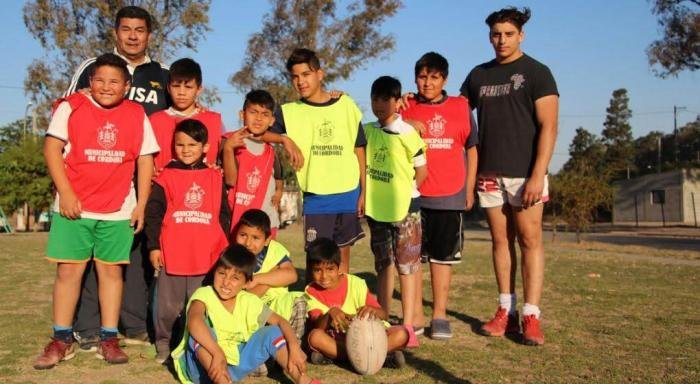
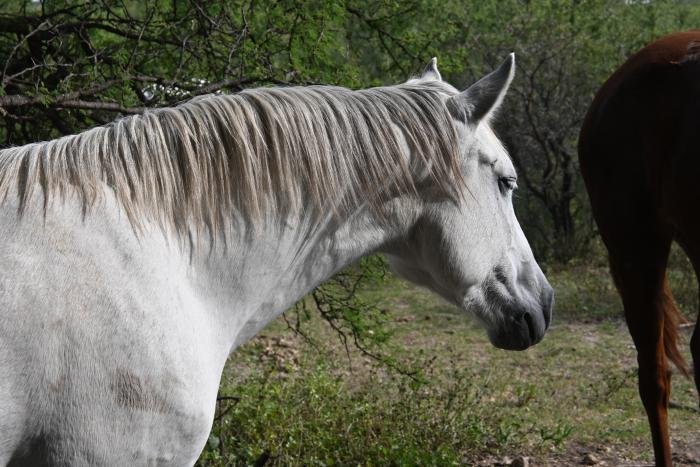
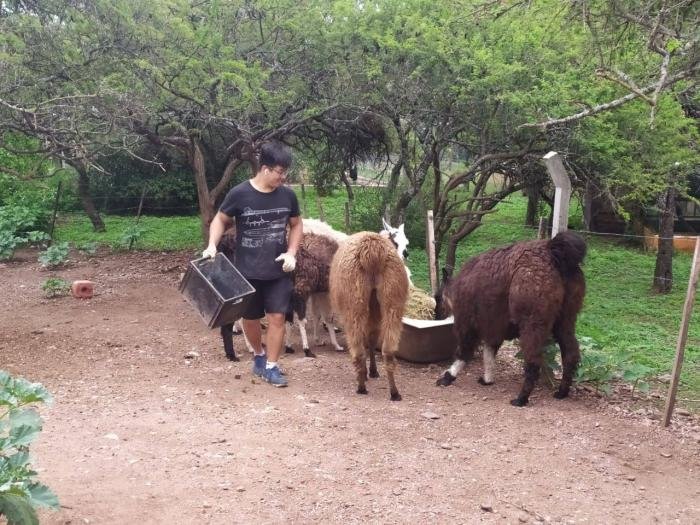
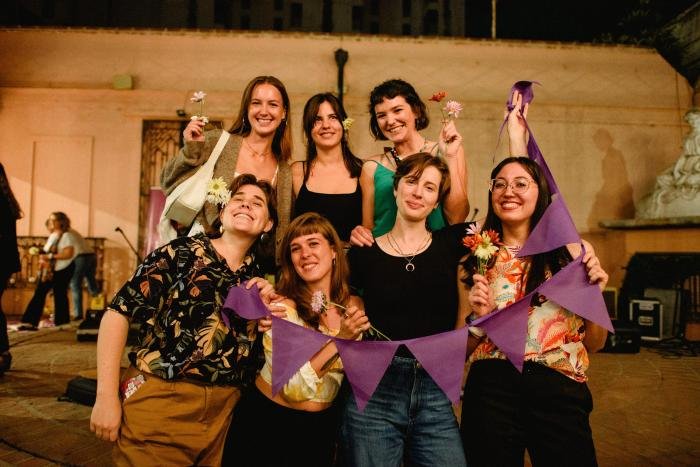
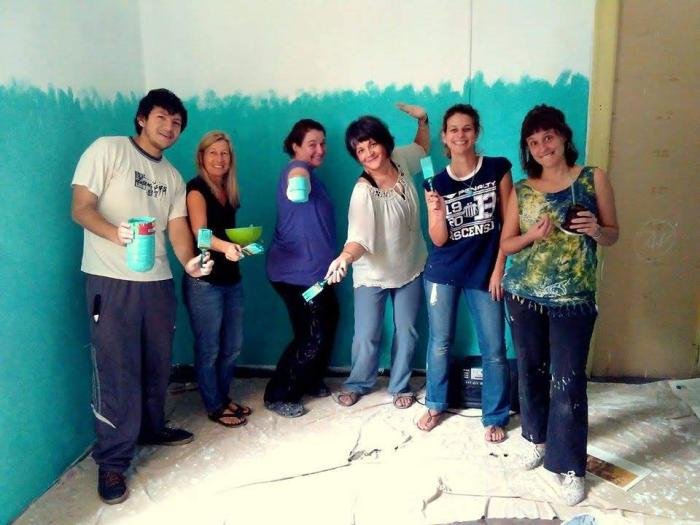
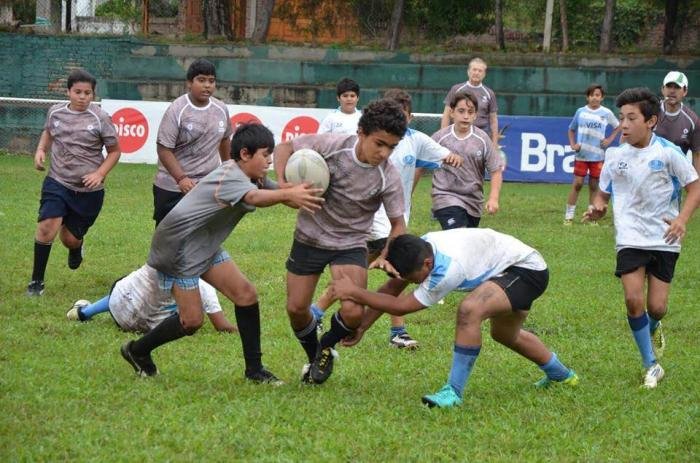
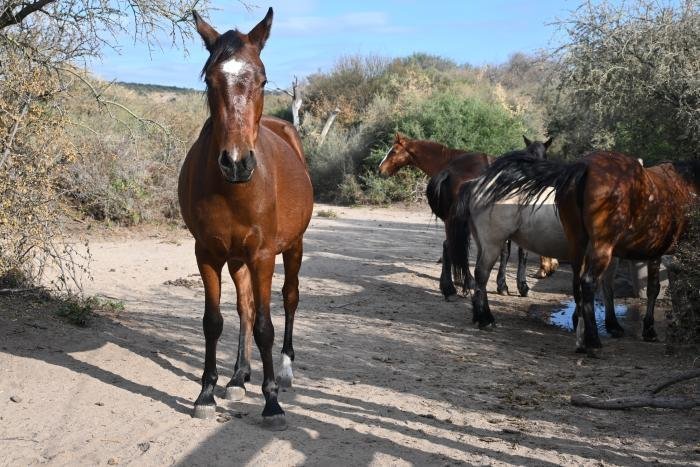
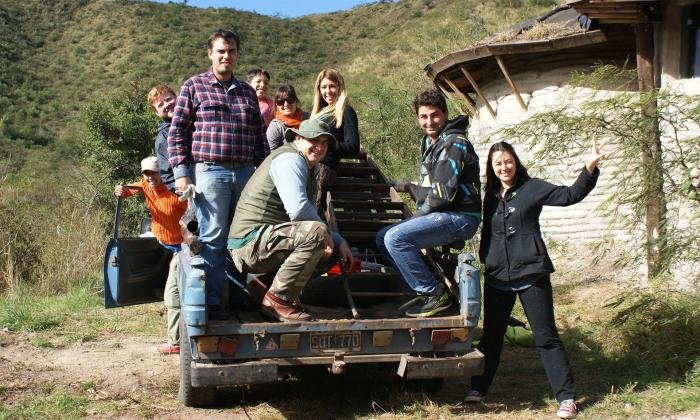

What our volunteers say
Explore other destinations
Your questions, answered
How much does it cost to volunteer in Argentina?
Programs start from $1,649 for two weeks on the sports coaching program, deposit included — covering hostel accommodation, airport pickup, induction and city tour, a customized placement, a project donation and 24-hour support. The children's and women's programs are priced from four weeks, and the puma reserve and horse sanctuary include meals and on-site accommodation. Longer stays cost less per week and each program page shows the full week-by-week total. Flights, insurance, city-program meals, local transport and the return transfer are extra.
Do I need a visa for Argentina?
Most nationalities — including UK, EU, US, Canadian and Australian passport holders — enter Argentina visa-free for up to 90 days as tourists, which covers standard placements. Your passport should be valid for six months beyond your return. We confirm the requirements for your nationality after you apply.
Is Córdoba safe for volunteers?
Yes, with normal city awareness. You stay in central, staffed hostels run by our local partner, get a cultural orientation and city tour on arrival, and have a coordinator on call 24 hours a day. Keep phones and bags close in the center and on buses, use radio taxis or ride-hailing at night, and follow the induction's advice on where to go. The reserve and sanctuary are quiet rural sites.
What is the minimum age to volunteer in Argentina?
18 on all five programs. There is no upper age limit — students, career breakers and retirees all volunteer in Córdoba — and a clean criminal background check is required before you start.
How long can I volunteer in Argentina?
Sports coaching and the horse sanctuary run from two to 24 weeks, the puma reserve from two to twelve weeks, and the children's center and women's empowerment programs from four to 24 weeks. All programs start on Sundays throughout the year and the next available start is 27 Sep 2026.
Where will I stay in Argentina?
City-program volunteers stay in one of two central Córdoba hostels run by our partner — fully equipped with hot showers, Wi-Fi, TV and a kitchen, and full of international students and volunteers. Puma reserve volunteers spend a night at the hostel then live in communal bunk rooms on the reserve (bring a sleeping bag; private rooms at extra cost); horse sanctuary volunteers stay in a volunteer house at the sanctuary.
Are meals included in Argentina?
On the puma reserve and horse sanctuary programs, yes — meals are provided at the project. On the city programs (children's center, women's empowerment, sports coaching) meals are not included: the hostels have fully equipped kitchens and there are cheap restaurants, bars and supermarkets (open 8am–10pm) close by.
Will I be picked up at the airport in Argentina?
Yes. Our transfer service meets you at Córdoba Airport (COR) with a name sign — send your flight details in advance — and drives you about 40 minutes to the hostel. The return transfer is not included; take a taxi or bus when your project ends.
Do I need vaccinations for Argentina?
None are required for entry. Routine vaccinations should be current and hepatitis A and typhoid are commonly recommended; a yellow fever certificate is needed only if you arrive from a yellow-fever country or plan to visit the far north. Check NHS Fit for Travel or the CDC before you travel.
When is the best time to volunteer in Argentina?
Autumn (March–May) and spring (September–November) are mildest in Córdoba. Summer is hot — up to 40°C — and winter is cold and dry, especially at the mountain projects, so pack accordingly. Programs run all year round.
Do I need to speak Spanish to volunteer in Argentina?
Yes, for most programs: the sports coaching, children's center, women's empowerment and puma reserve placements all require you to speak and understand Spanish, because you work directly with local staff, children and families. The horse sanctuary is the exception. Córdoba, a university city with plenty of language schools, is a great place to build your Spanish before or during your placement.
What should I pack for volunteering in Argentina?
Clothes for the season — light layers and sun protection in summer, a warm coat, hat and gloves in winter, especially for the reserve and sanctuary in the sierras; a sleeping bag for the puma reserve; sturdy boots and old clothes for animal work; sports kit and boots for coaching; a cross-body bag that closes securely; a refillable bottle; a first-aid kit and any regular medication. A mate gourd makes a good souvenir on the way home.
Ready to volunteer in Argentina?
5 programs · from $1,649 · next start 27 Sep 2026
Free advice, no obligation. Change program, dates or destination free of charge up to 45 days before you start.