 English (US) ▾
 Nederlands
 English (UK)
 Deutsch
 Italiano
 Português
 Español
Volunteer in Nepal
 Certified B Corporation
★ Rated 4.7/5 (1,461 reviews) 25,000+ volunteers since 2007
Certified B Corporation
★ Rated 4.7/5 (1,461 reviews) 25,000+ volunteers since 2007
Volunteer in Nepal with Volunteering Solutions in Kathmandu on early-years childcare, teaching and women’s empowerment programs, or on a 1- or 2-week special that combines project work with Bhaktapur, Nagarkot and a three-day trip to Pokhara under the Annapurnas. Placements are in schools, childcare centers and community women’s groups around the capital, and you live in our volunteer house in the quiet Bafal district, ten minutes from Thamel.
Programs start every Sunday all year, run from one week to 24 weeks, and are open from age 17 with parental consent — families are welcome on the childcare program and the specials. Nepal is one of our lowest-priced destinations and one of the warmest: two home-cooked meals a day, a coordinator who lives on site, and the Himalayas on the horizon for your weekends. Prices start at $534 for one week, deposit included.
Volunteer opportunities in Nepal
5 programs you can join right now — every card below and every link here goes to the program’s own page with live dates and prices.
- 1 Week Special Volunteer Program in Nepal — Be a part of the 1 Week Special Short Term Volunteer Program in Kathmandu, Nepal, with Volunteering Solutions and contribute effectively towards renovating the schools and making them more kids’ friendly.
- 2 Weeks Special Volunteer Program in Nepal — The 2-week volunteering and travel project in Nepal offers volunteers the opportunity to assist local staff in supporting children at a center.
- Early Years Childcare Support Program in Nepal — Volunteer for the Early Years Childcare Support Program in Kathmandu, Nepal, and make a meaningful impact on the lives of underprivileged children.
- Volunteer Teaching Program in Nepal — Join the Volunteer Teaching program in Nepal.
- Women Empowerment Volunteer Program Nepal — Be a volunteer for the women empowerment project in Nepal with Volunteering Solutions and contribute effectively towards the lives of the underprivileged women in the society.
Make a Positive Impact in Nepal
Volunteering in Nepal gives you the opportunity to directly contribute to communities that face ongoing challenges in education and gender equality. Your time and energy help build stronger, more resilient societies while offering you invaluable life experience.
Each project is designed in collaboration with local partners to ensure your efforts are both impactful and sustainable.
Volunteering in Nepal at a glance
Volunteer Projects you can join in Nepal
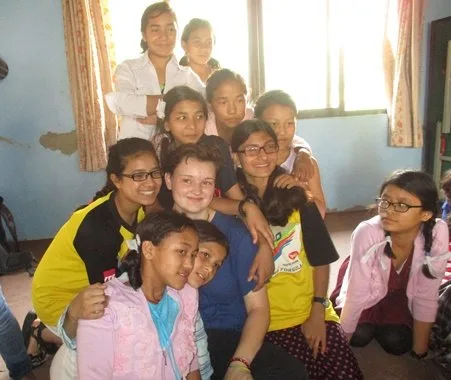
Women Empowerment Volunteer Program Nepal
Be a volunteer for the women empowerment project in Nepal with Volunteering Solutions and contribute effectively towards the…
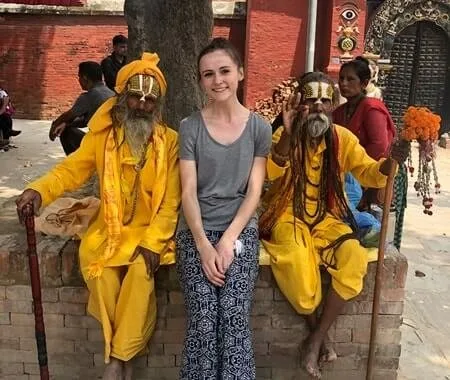
2 Weeks Special Volunteer Program in Nepal
The 2-week volunteering and travel project in Nepal offers volunteers the opportunity to assist local staff in supporting…
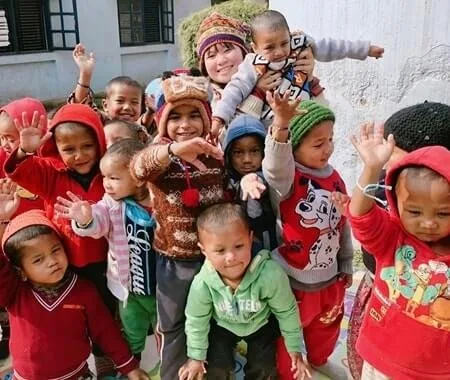
Early Years Childcare Support Program in Nepal
Volunteer for the Early Years Childcare Support Program in Kathmandu, Nepal, and make a meaningful impact on the…
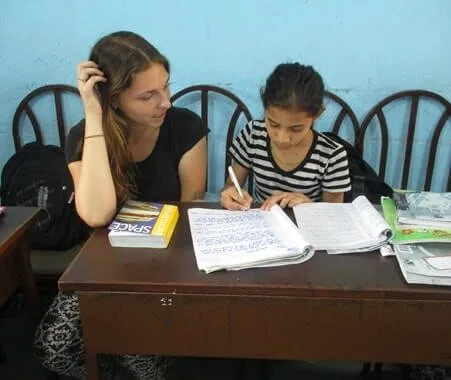
Volunteer Teaching Program in Nepal
Join the Volunteer Teaching program in Nepal. Volunteers work at local schools in Kathmandu to educate children by…
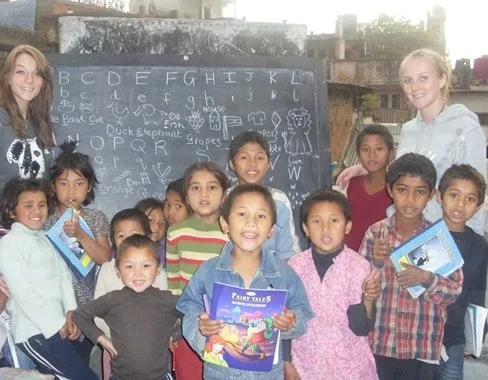
1 Week Special Volunteer Program in Nepal
Be a part of the 1 Week Special Short Term Volunteer Program in Kathmandu, Nepal, with Volunteering Solutions…
What it costs to volunteer in Nepal
All-in prices: accommodation, the meals listed for the program, airport pickup where listed, orientation, placement and in-country support are included.
| Program | Duration | From |
|---|---|---|
| Early Years Childcare Support Program in Nepal | 1-24 Weeks | $534 1 week |
| Volunteer Teaching Program in Nepal | 1-24 Weeks | $534 1 week |
| Women Empowerment Volunteer Program Nepal | 1-24 Weeks | $534 1 week |
| 1 Week Special Volunteer Program in Nepal | 1 Week | $699 1 week |
| 2 Weeks Special Volunteer Program in Nepal | 2 Weeks | $844 2 weeks |
Includes the $249 booking deposit (counts toward your total, valid for a year, refunded if we cannot place you). Longer stays lower the weekly rate — each program page has the full week-by-week table.
What your fee covers
- Accommodation at the volunteer house in Bafal, Kathmandu (private room available at a nearby guesthouse for an extra charge)
- Two meals a day at the house; lunch at the placement on most projects
- Airport pickup at Tribhuvan International Airport
- Orientation and briefing by your local coordinator, and an accompanied first visit to your placement
- 24-hour staff assistance, a comprehensive pre-departure guide and a certificate on request
- Specials only: the 1-week special's tour transfers, entrance fees and listed meals; the 2-week special's Kathmandu city tour, 3-day Pokhara trip and Bhaktapur–Nagarkot day trip (breakfast on tour)
Not included
- International and domestic flights, Nepal visa fees and vaccinations
- Travel and medical insurance (compulsory — our partner policy is available at extra cost)
- Local transport to your placement and the return airport transfer (can be arranged at extra cost)
- Lunch and dinner on the 2-week special's weekend trip, monument entry fees and personal expenses
The childcare, teaching and women's empowerment programs share the lowest price and run from one to 24 weeks, with the weekly rate falling the longer you stay. The 1- and 2-week specials cost more because they bundle sightseeing — Kathmandu, Bhaktapur, Nagarkot and Pokhara — into a fixed itinerary. Every program page shows the full week-by-week total.
Where you stay and what you eat in Nepal
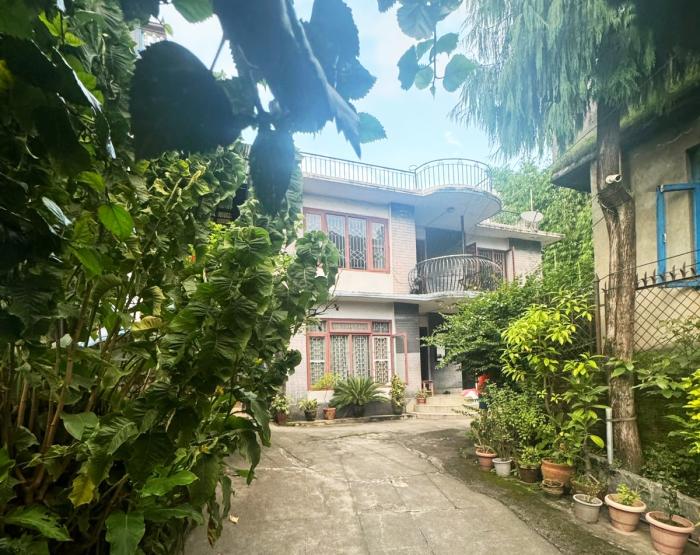
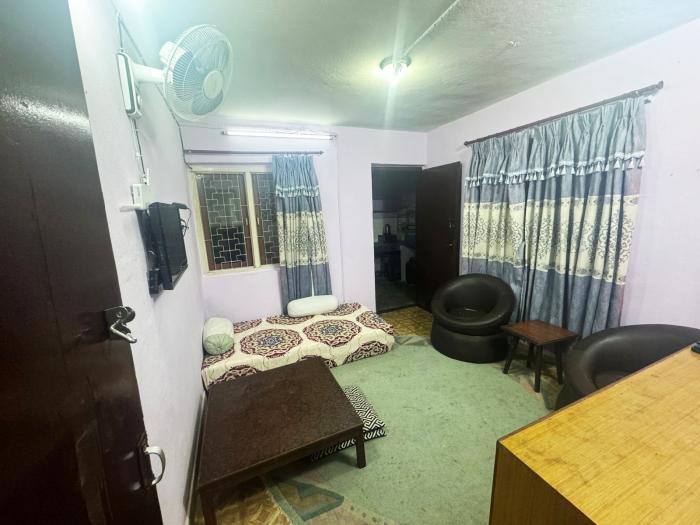
All volunteers stay at our volunteer house in Bafal, a peaceful residential neighborhood a ten-minute drive from Thamel, Kathmandu's tourist hub of shops, cafes and trekking agencies. The house has high-speed Wi-Fi, a television and lounge areas for downtime, running water with hot showers in winter, clean western-style toilets and electricity, and it is managed by a dedicated Nepal-based coordinator who lives close at hand. Rooms are shared with other volunteers; a private room can be arranged at a nearby guesthouse for an extra charge. Teaching volunteers may alternatively be placed with a host family near their school, also with meals.
Breakfast (bread, butter, jam, eggs, tea) and dinner are cooked at the house — dal bhat, vegetable and meat curries, momos and seasonal dishes — with dietary needs catered for; lunch is usually provided at the school or placement. Placements are in and around the city, reached by local bus, taxi or on foot; the coordinator shows you the way on your first day. Expect power cuts and dust in the dry season, cold mornings in winter, and a house that quickly feels like home.
Arriving in Nepal and who looks after you
Arrive on Sunday at Tribhuvan International Airport (KTM)
A member of the local coordinating staff meets you and drives you to the volunteer house in Bafal; volunteers already in Nepal are met at an agreed point.
Orientation
Depending on your arrival time it happens the same day or on Monday: your coordinator briefs you on safety, Nepali culture and language basics, places to visit, behavior at the placement and food, then accompanies you to your school, childcare center or women's group for introductions.
Your working week
Tuesday to Friday (then Monday to Friday) at the placement, typically 10am to 3pm, with breakfast at the house, lunch at the project and dinner back at the house at 7pm. Weekends are free.
Support
The house coordinator is your daily contact and staff are reachable 24 hours a day; on the specials the team also runs the Kathmandu city tour and the Pokhara and Nagarkot trips.
Staying safe in Nepal and who can join
Kathmandu is a safe city for volunteers by regional standards and Nepalis are famously hospitable; our programs here have run for well over a decade from a house with a resident coordinator. Everyday care covers the practical hazards: chaotic traffic (cross with locals), air pollution and dust in the dry months (a mask helps), altitude if you trek, and petty theft in Thamel — keep valuables zipped away and use registered taxis at night. Dress modestly, especially at temples and in villages, and follow the coordinator's advice on which areas to avoid after dark.
Health: keep routine vaccinations current; hepatitis A and typhoid are commonly recommended, and rabies pre-exposure vaccination is worth discussing if you plan to trek. Drink only filtered or bottled water and be careful with street food at first. Check NHS Fit for Travel or the CDC and see a travel clinic six to eight weeks before departure. Visa: most nationalities can obtain a tourist visa on arrival at Kathmandu airport (payable in cash, US dollars preferred) or apply online up to 15 days in advance; passports need six months' validity and two blank pages.
Who can join: minimum age 17 on all Nepal programs, with a signed parental consent form for under-18s; families are welcome on the childcare program and the specials. A clean criminal background check is required because placements involve children, and you should be fit and healthy with an open mind — no teaching qualification is needed.
Requirements checklist
- Minimum age: 17+ — younger children can join the family-friendly programs with a parent; minimum ages vary by project. Family volunteering
- Background check: required for placements with children or vulnerable adults — issued within 12 months of your start date, in English or with a translation. How to get one
- Travel insurance: comprehensive cover for your whole stay is compulsory; you can bring your own or take the policy we arrange. Insurance details
- Safeguarding: every volunteer follows our code of conduct for children and vulnerable adults, explained again at orientation. Read the policy
📘 Planning in more depth? Read our Nepal costs, visa and safety guide.
How we volunteer responsibly in Nepal
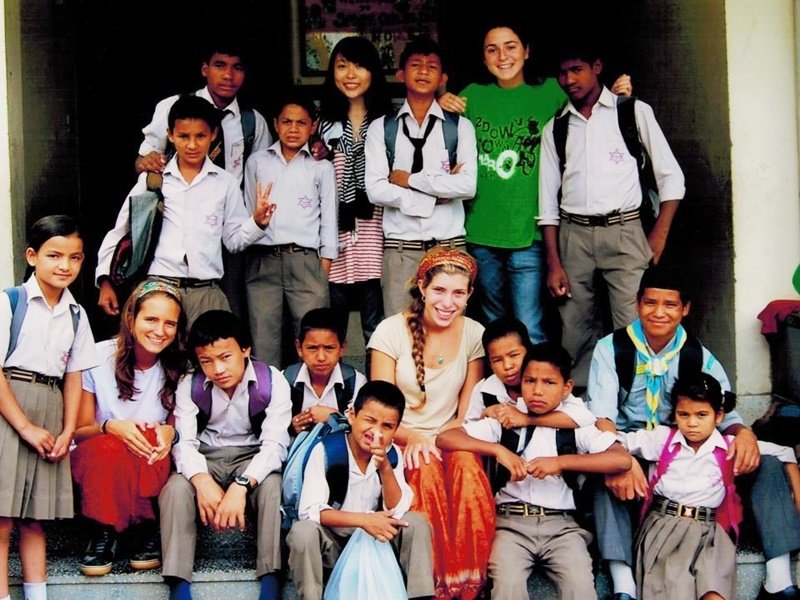
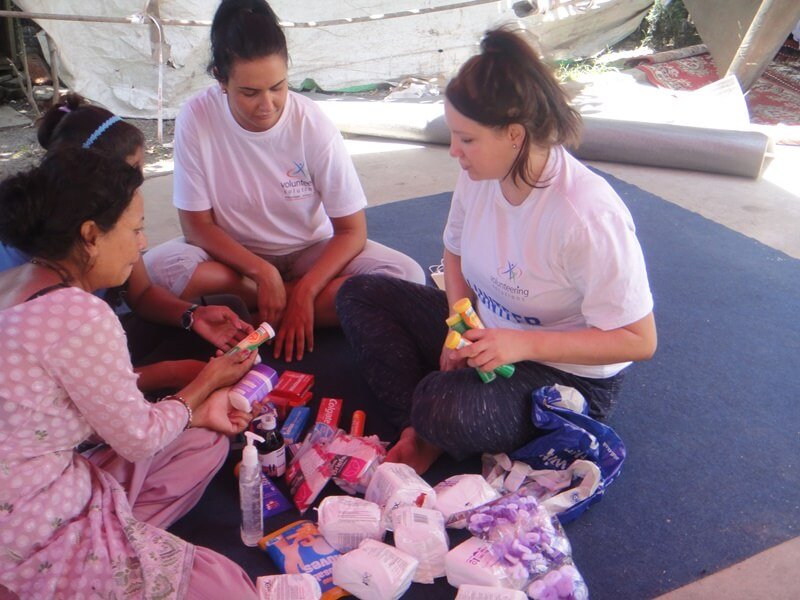
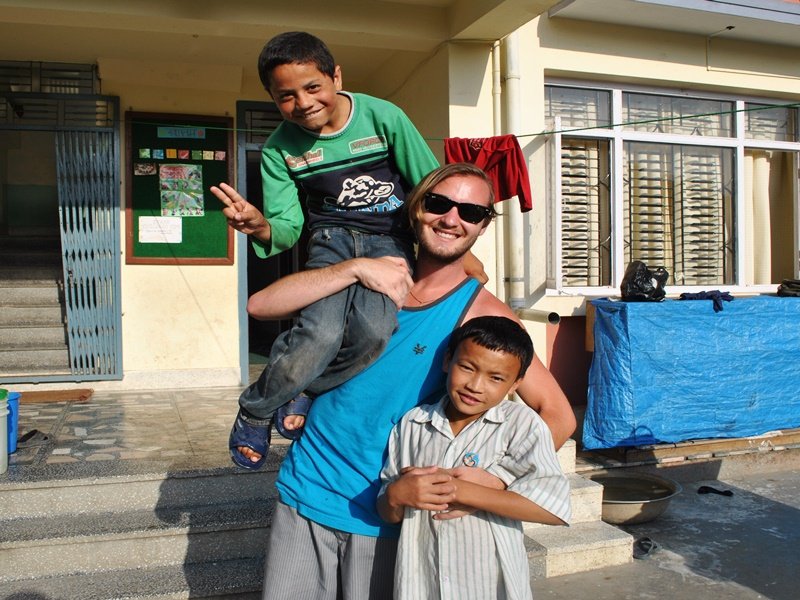
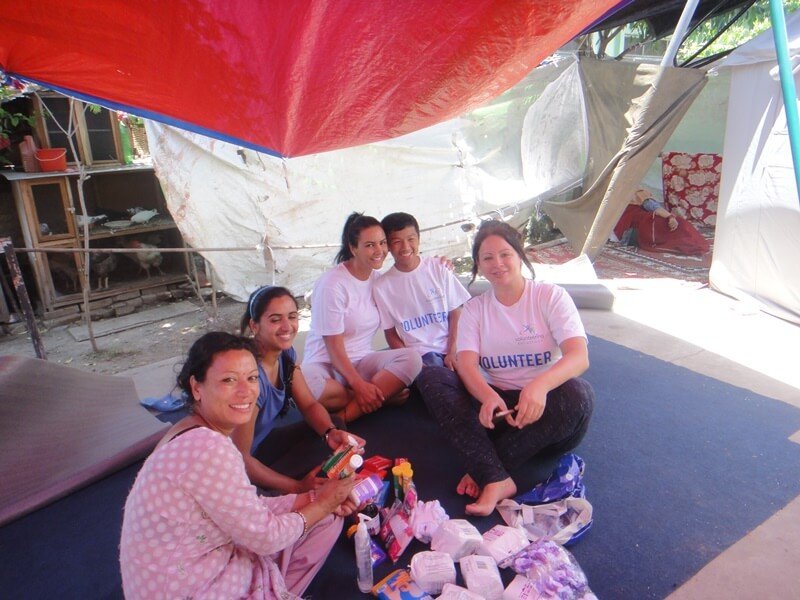
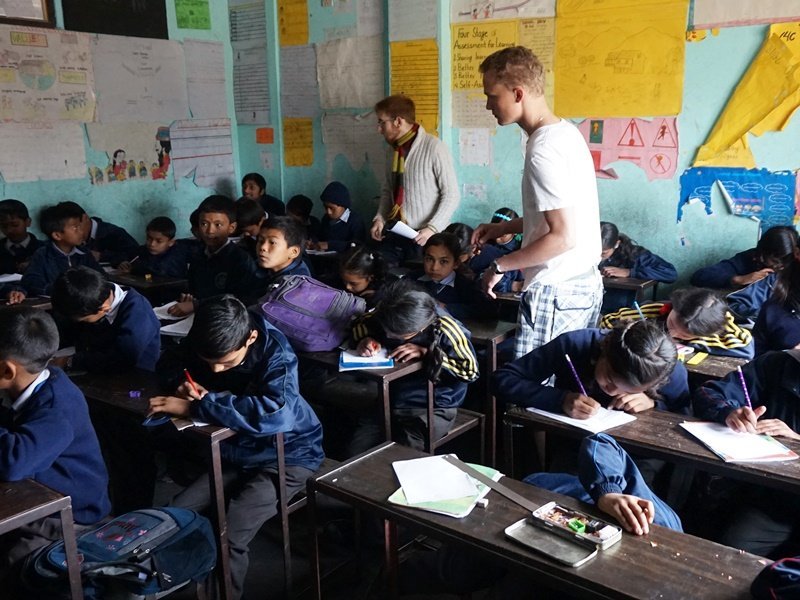
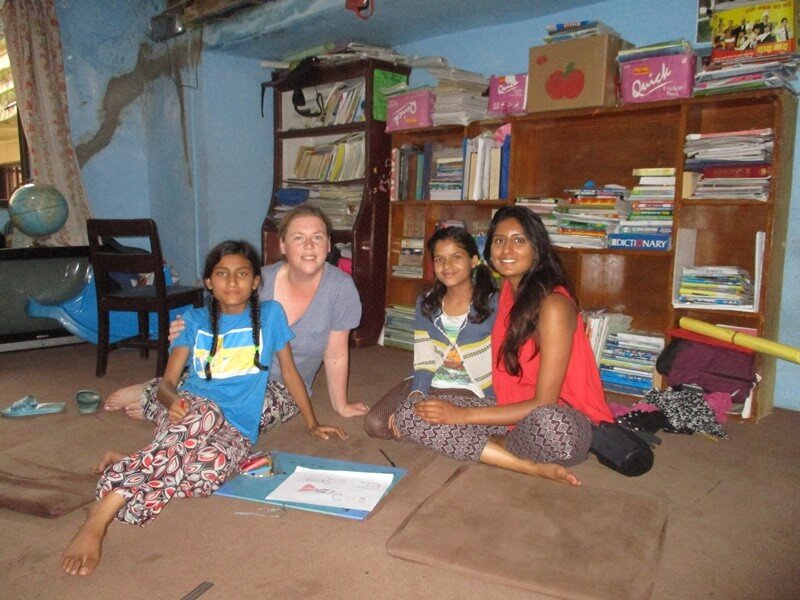
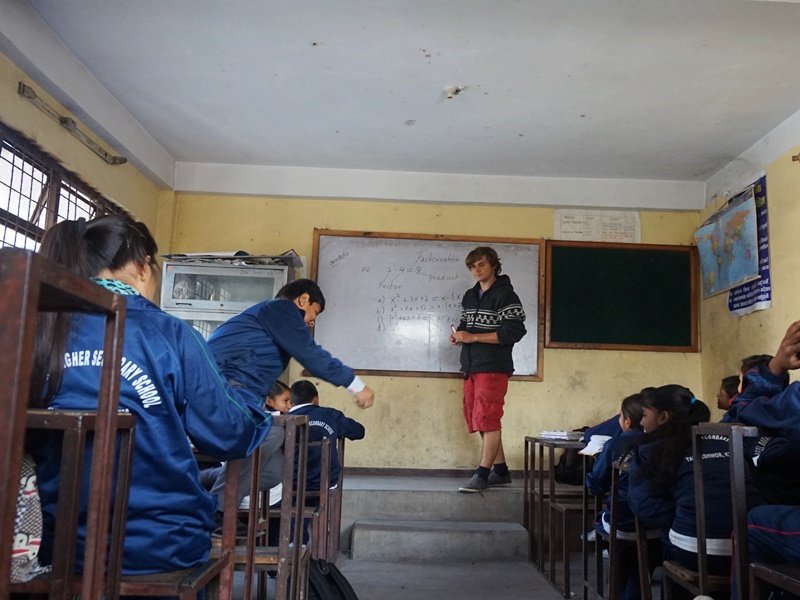
Our Nepal placements are community schools, early-years childcare centers and women's groups in and around Kathmandu, coordinated by a long-serving local team. Volunteers assist Nepali teachers and carers — running English and activity sessions, supporting early-years routines, helping with literacy and skills classes for women — and never work unsupervised or in place of staff.
We do not place volunteers in orphanages: Nepal has suffered badly from orphanage tourism, and our early-years and childcare work is in day centers and schools where children live with their families. Every volunteer provides a criminal background check before arrival and follows our child protection code of conduct, which the orientation explains: no photographs without permission, no gifts to individual children, no taking children off-site.
Come with realistic expectations: a week is enough to be genuinely useful in a busy classroom if you follow the teacher's lead, but lasting change comes from the local staff you support, not from you. The best volunteers leave the project with more capacity than they found it.
Life outside the project in Nepal
Best time: October to early December is clear, warm and festive — Dashain and Tihar (Diwali) fall in this window — and it is peak trekking season. March to May is warm with rhododendron blooms in the hills; June to September is the monsoon (green, wet, fewer tourists); winter days are sunny but nights in Kathmandu drop close to freezing. Programs run all year.
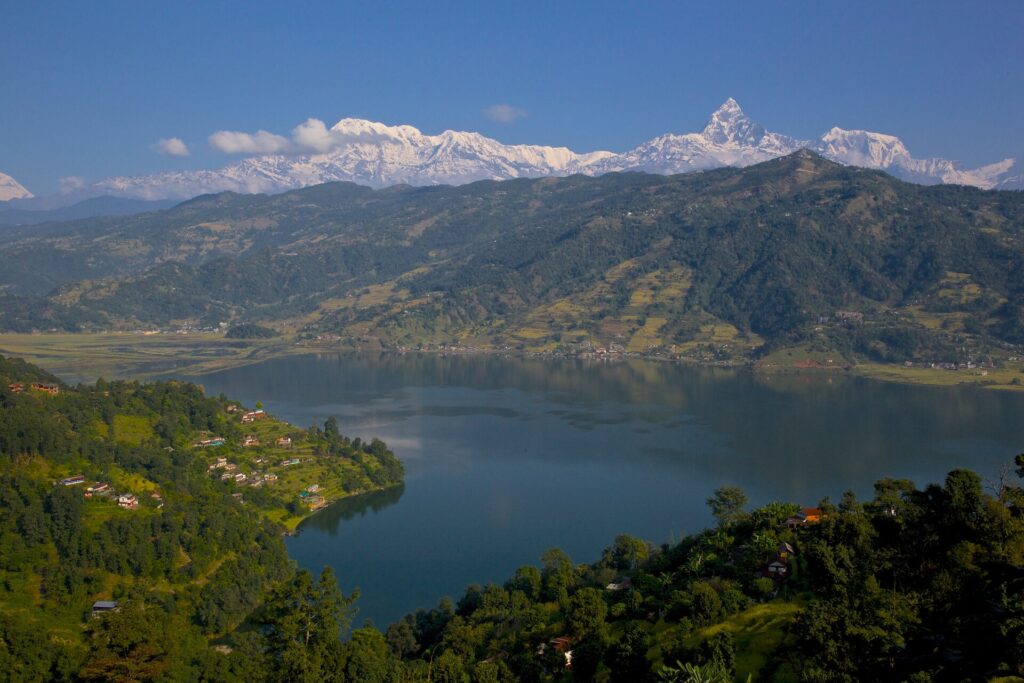
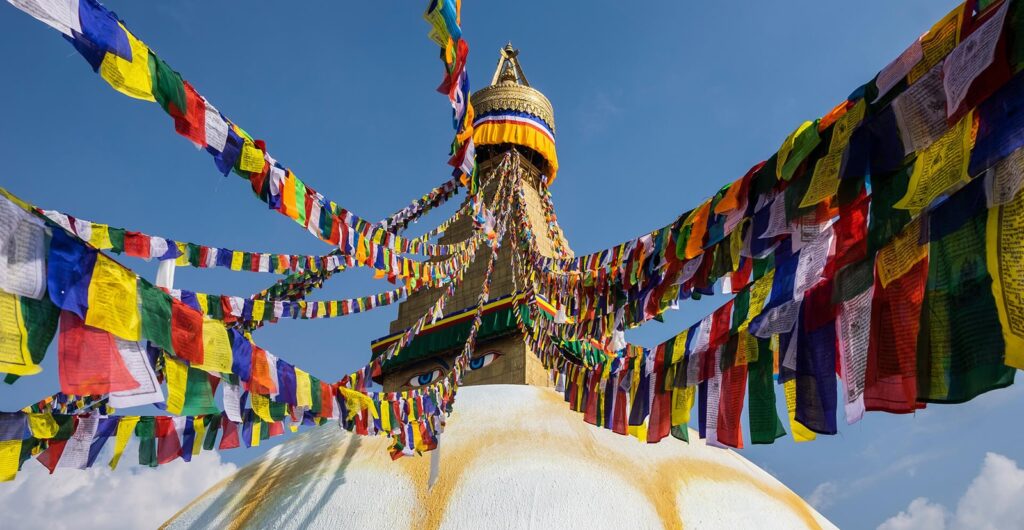
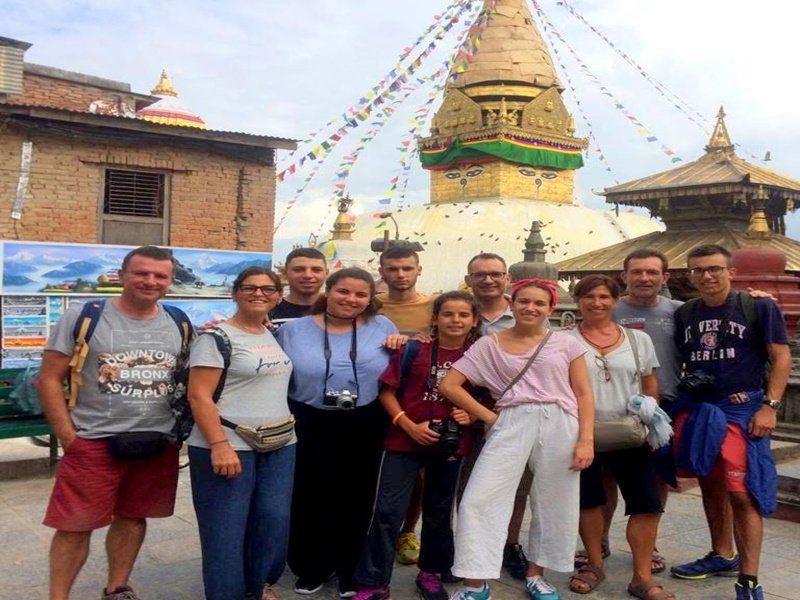
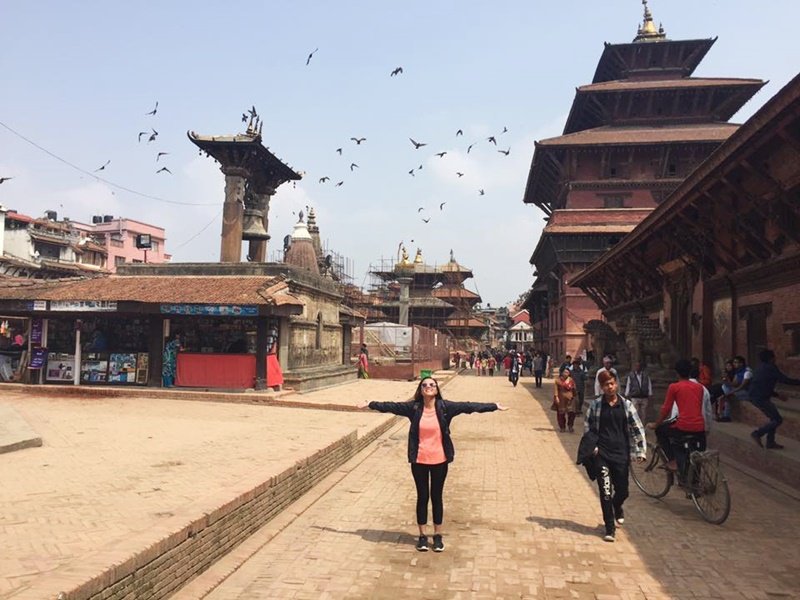
Getting around: local buses and microbuses are cheap, taxis are plentiful (agree the fare), and tourist buses reach Pokhara in seven to eight hours. Weekends: the temples and squares of Kathmandu, Patan and Bhaktapur, sunrise over the Himalayas from Nagarkot, Boudhanath and Pashupatinath, Pokhara's lakeside and paragliding, and — with a longer break — a short trek in the Annapurna foothills or a safari at Chitwan National Park. The 2-week special builds Pokhara, Bhaktapur and Nagarkot into the program.
Etiquette: greet with "namaste", remove shoes indoors and at temples, use your right hand, don't point your feet at people or shrines, ask before photographing people and sacred sites, and dress conservatively. Our Things to Do in Nepal guide has more.
Travel on your weekends
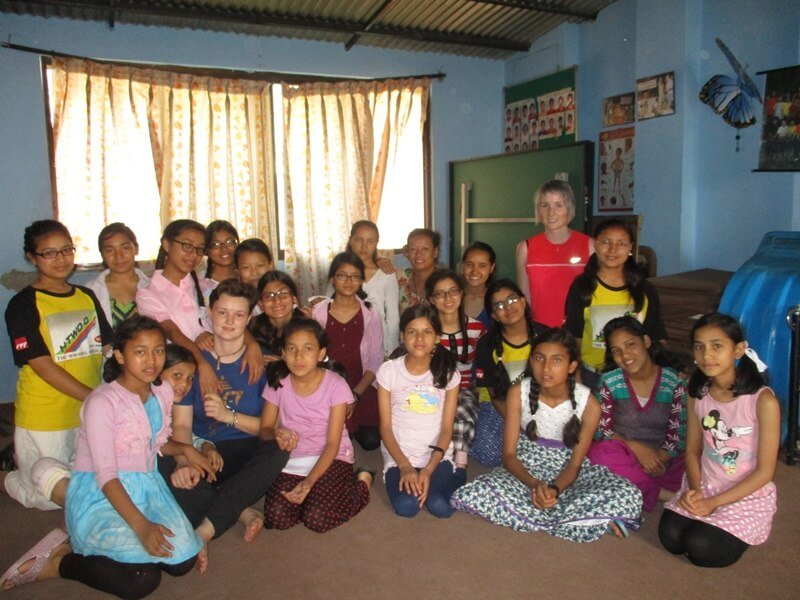
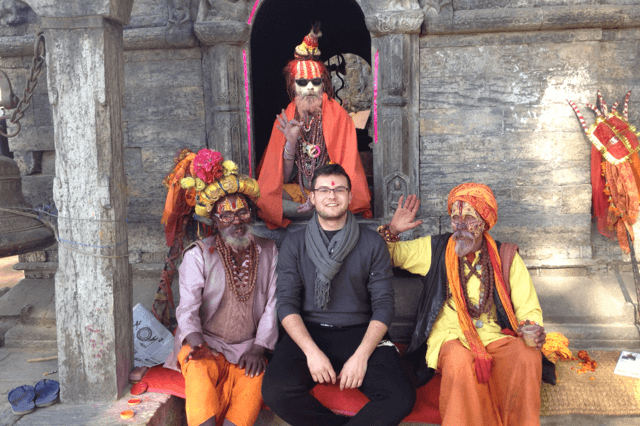
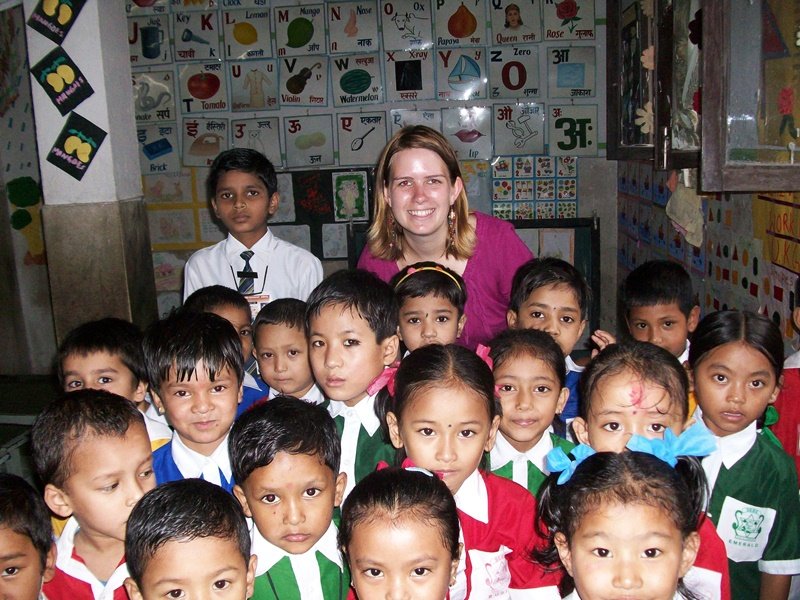
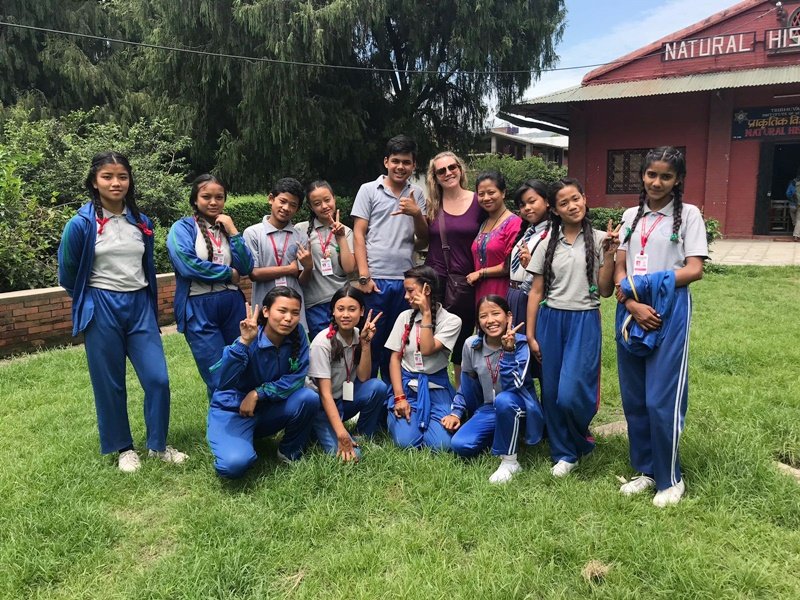
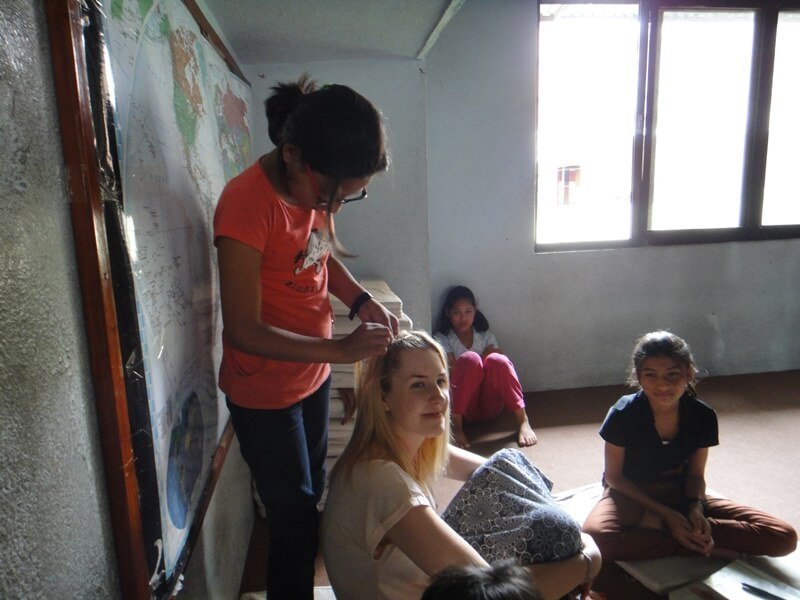
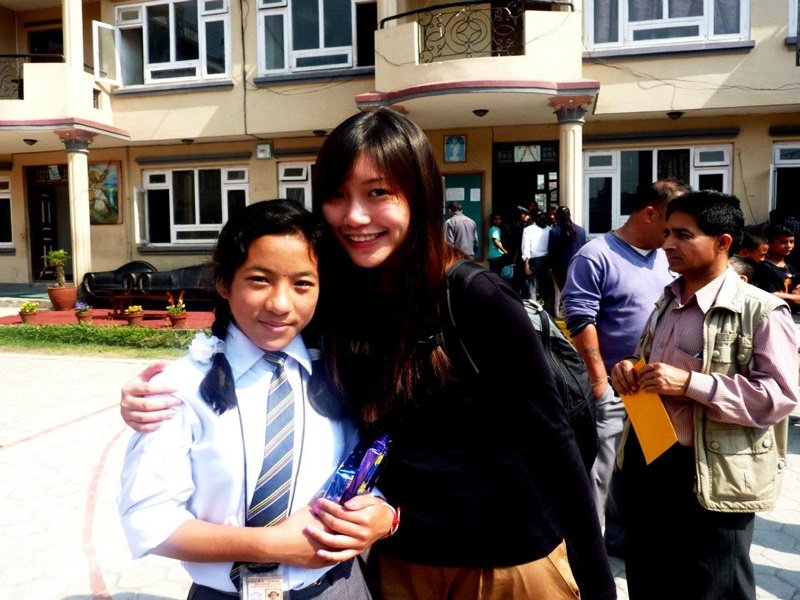
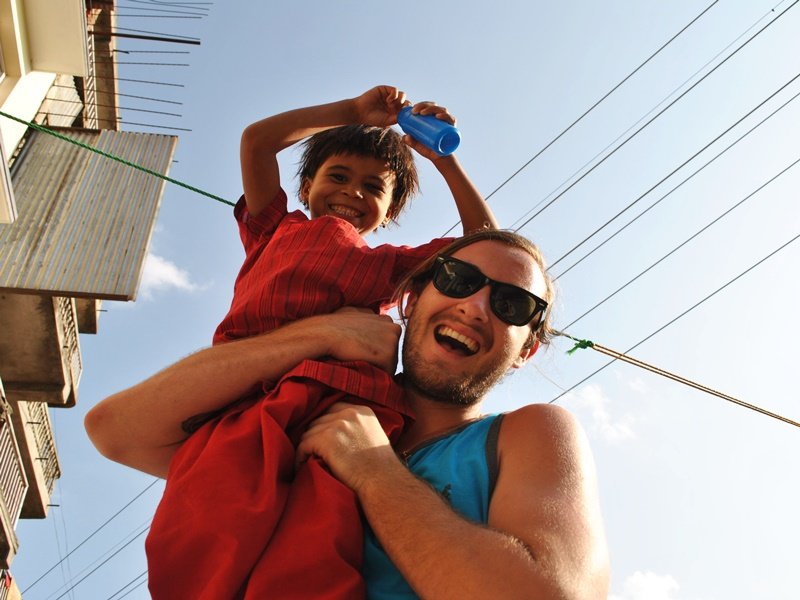
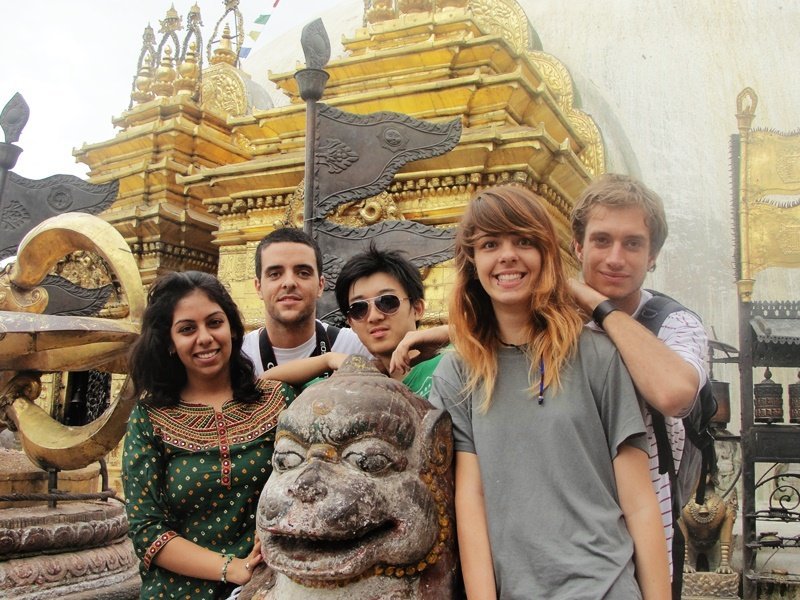
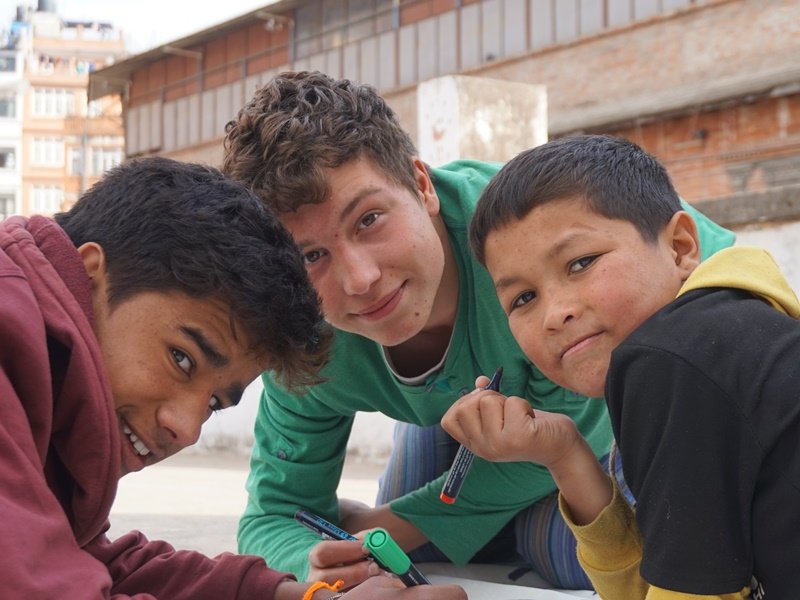
Life in Nepal

What our volunteers say
Explore other destinations
Your questions, answered
How much does it cost to volunteer in Nepal?
Programs start from $534 for one week, deposit included — one price covering your bed at the volunteer house, two meals a day, airport pickup, orientation, placement and 24-hour support. Longer stays cost less per week (up to 24 weeks) and each program page shows the full week-by-week total. Flights, the visa, insurance, local transport and personal spending are extra; the 1- and 2-week specials cost more because they include tours.
Do I need a visa for Nepal?
Yes, but it is simple: most nationalities get a tourist visa on arrival at Tribhuvan International Airport (paid in cash, US dollars preferred) or apply online up to 15 days before travel. Your passport needs six months' validity and two blank pages. Check the current fees and any exceptions for your nationality with the Nepal Department of Immigration before you fly.
Is Nepal safe for volunteers?
Yes. Kathmandu is safe by regional standards and our programs have run here for well over a decade from a volunteer house with a resident coordinator and 24-hour staff support. Take normal care with traffic, dust and pollution, keep valuables zipped away in Thamel, use registered taxis at night and dress modestly. Many of our Nepal volunteers are solo travelers, including women.
What is the minimum age to volunteer in Nepal?
17 on all programs, with a signed parental consent form for volunteers under 18. Families with children are welcome on the early-years childcare program and on the 1- and 2-week specials — tell us your children's ages and we will confirm the fit. There is no upper age limit.
How long can I volunteer in Nepal?
From one week to 24 weeks on the childcare, teaching and women's empowerment programs; the specials are fixed at one or two weeks. All programs start on Sundays throughout the year and the next available start is 27 Sep 2026.
Where will I stay in Nepal?
At our volunteer house in Bafal, a quiet residential area ten minutes from Thamel, with high-speed Wi-Fi, a TV lounge, hot showers in winter, western toilets and a resident coordinator. Rooms are shared; a private room at a nearby guesthouse can be arranged for an extra charge, and teaching volunteers may be placed with a host family near their school.
Are meals included in Nepal?
Two meals a day are included — breakfast and dinner cooked at the volunteer house (or by your host family), with lunch usually provided at the school or placement on weekdays. Expect Nepali home cooking such as dal bhat, curries and momos, with dietary needs catered for if you tell us in advance. On the specials, meals follow the itinerary and lunch and dinner on the weekend trip are your own.
Will I be picked up at the airport in Nepal?
Yes. A member of the local coordinating staff meets you at Tribhuvan International Airport (KTM) in Kathmandu on your Sunday arrival and takes you to the volunteer house; volunteers already in Nepal are met at an agreed point. The return transfer to the airport can be arranged at extra cost.
Which vaccinations do I need for Nepal?
None are compulsory for entry, but routine vaccinations should be current and hepatitis A and typhoid are commonly recommended; discuss rabies vaccination with your clinic if you plan to trek or spend time in rural areas. Drink filtered or bottled water only. Check NHS Fit for Travel or the CDC and visit a travel clinic six to eight weeks before you go.
When is the best time to volunteer in Nepal?
October to December: clear skies, warm days, the Dashain and Tihar festivals and perfect trekking conditions. Spring (March–May) is also good; the monsoon (June–September) is wet but green and quiet; winter days are sunny with cold nights. Programs run all year round.
Can I trek in the Himalayas during my Nepal program?
Weekends give you Nagarkot sunrises, Bhaktapur and day hikes in the Kathmandu valley, and the 2-week special includes three days in Pokhara. For a multi-day trek in the Annapurna or Everest regions, add time before or after your placement — the coordinator can point you to reputable local trekking agencies in Thamel.
What should I pack for volunteering in Nepal?
Comfortable, modest clothes in layers (mornings and evenings are cold from November to February), long trousers and covered shoulders for placements and temples, walking shoes, a warm jacket and sleeping-bag liner in winter, a mask for dusty days, a refillable bottle with filter or purification tablets, a headlamp for power cuts, a small zipped bag for valuables and a first-aid kit. Stationery and children's books are welcome donations for the schools.
Ready to volunteer in Nepal?
5 programs · from $534 · next start 27 Sep 2026
Free advice, no obligation. Change program, dates or destination free of charge up to 45 days before you start.