 English (US) ▾
 Nederlands
 English (UK)
 Deutsch
 Italiano
 Português
 Español
Volunteer in Spain
 Certified B Corporation
★ Rated 4.7/5 (1,461 reviews) 25,000+ volunteers since 2007
Certified B Corporation
★ Rated 4.7/5 (1,461 reviews) 25,000+ volunteers since 2007
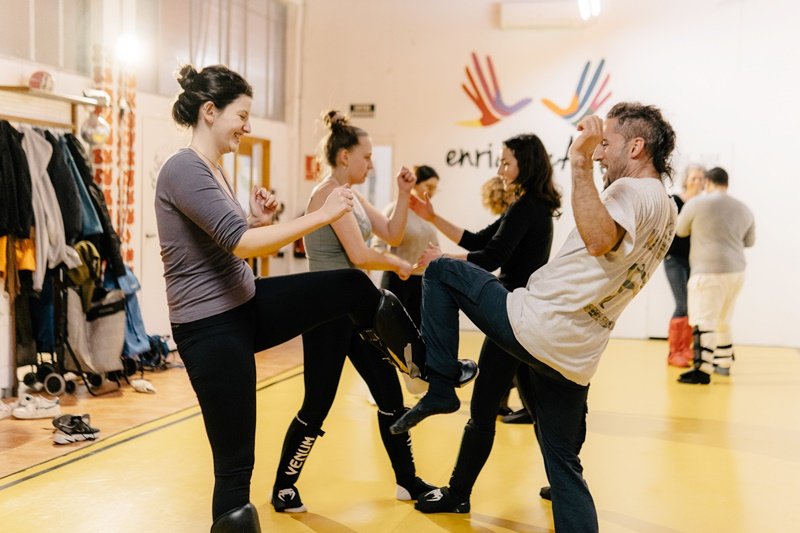
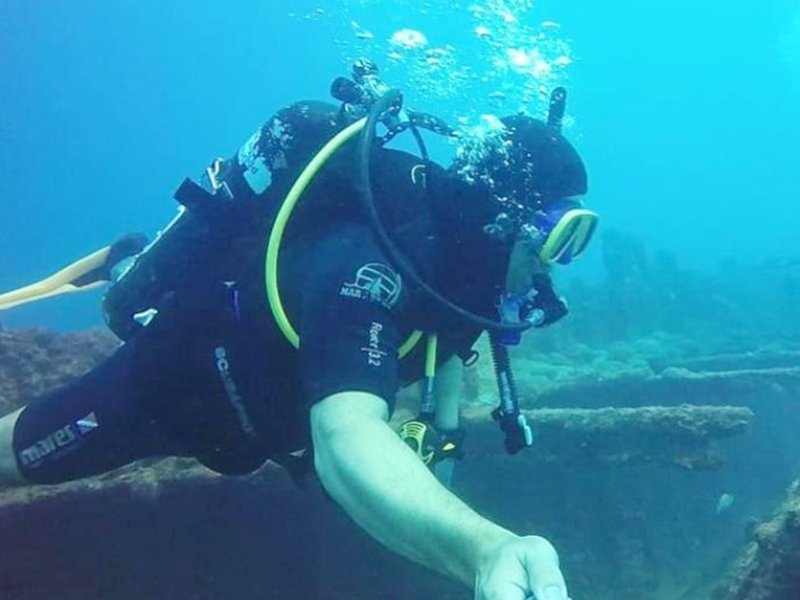
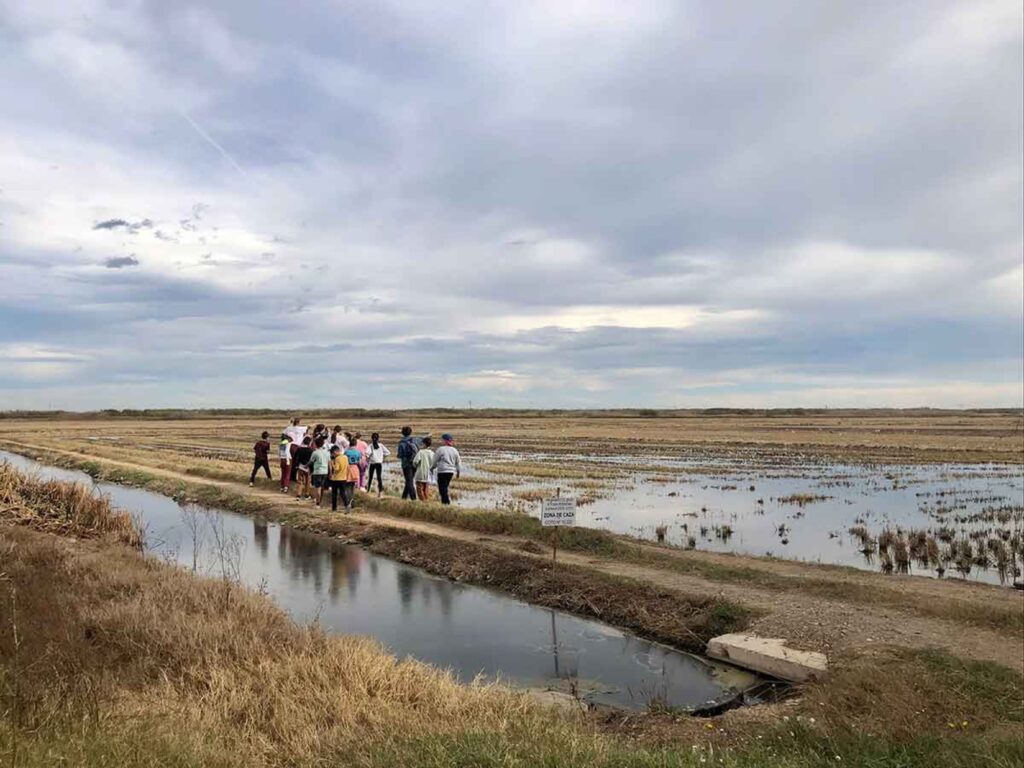
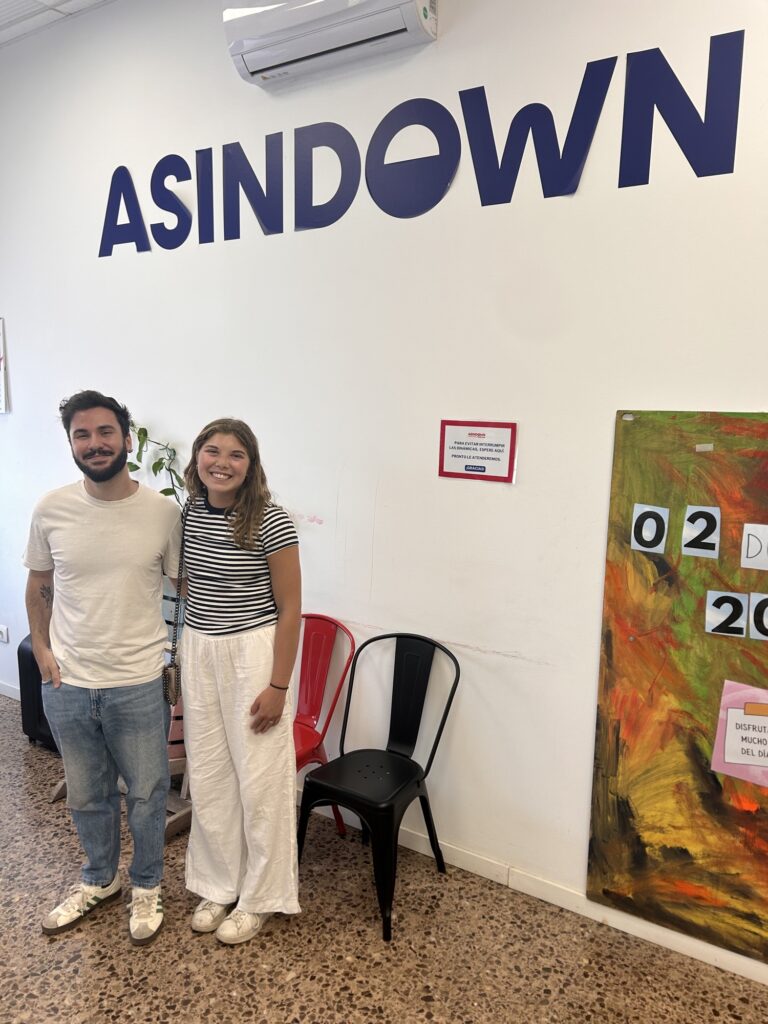
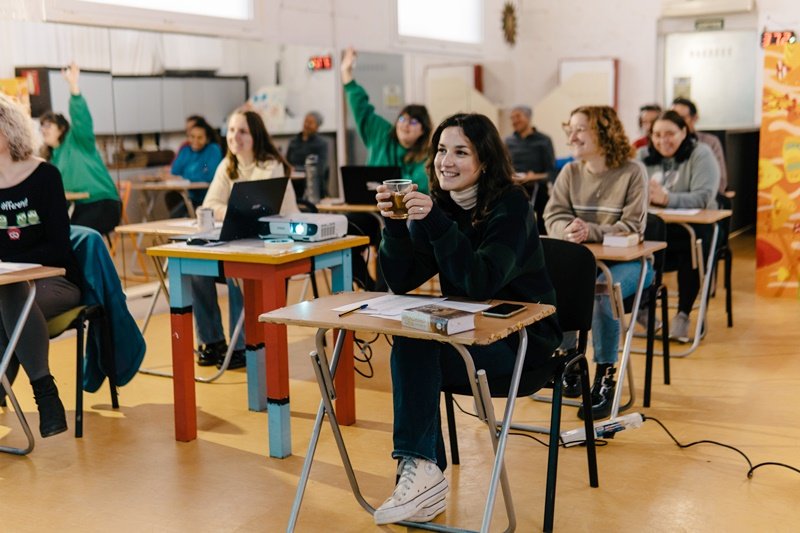
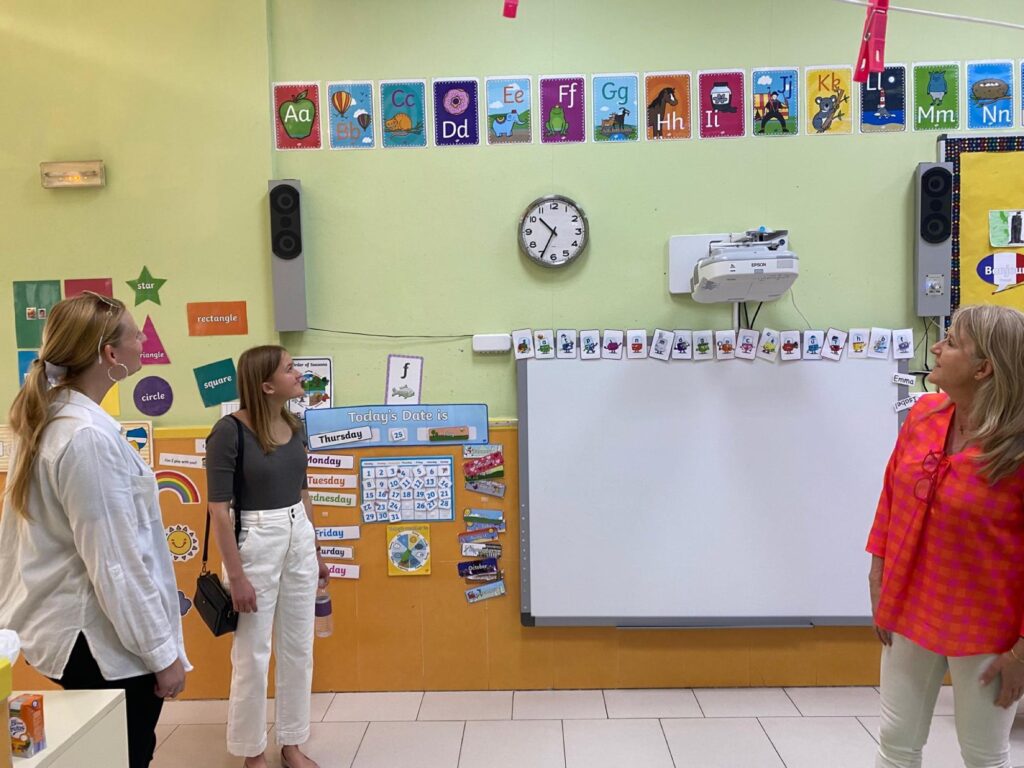
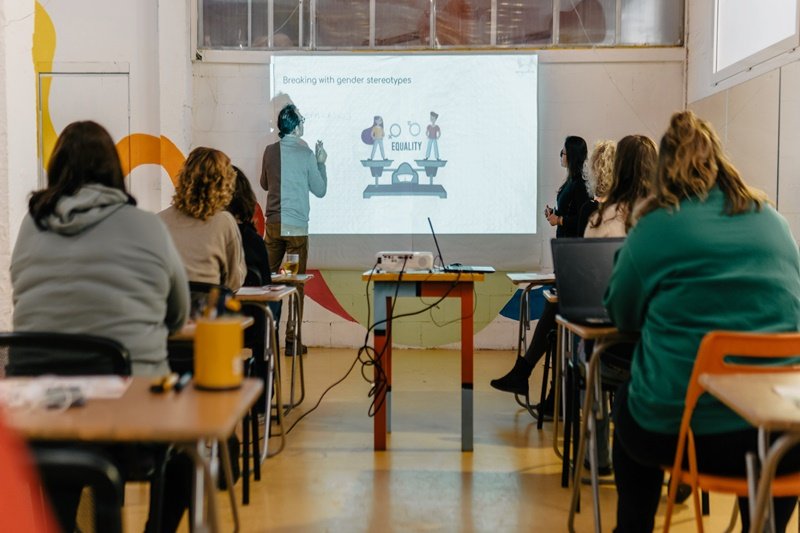
Volunteer in Spain with Volunteering Solutions in Barcelona and Valencia — two Mediterranean cities where the social and environmental needs are real even if the setting is a postcard. In Barcelona you can join a community NGO running workshops, a food bank and a summer school, support children with multiple disabilities at a day hospital, or scuba-dive on an underwater conservation project. In Valencia our partner matches you to social inclusion work with older people, homeless services or refugee families, youth and education placements in schools and after-school clubs, or environmental and marine conservation in the Albufera wetlands and along the coast.
Programs start every Sunday all year, run from one week (Barcelona) or two weeks (Valencia) up to 24 weeks, and are open from 18 — 16 with parental consent on the Barcelona community program. Spain suits volunteers who want European safety and infrastructure, a chance to use or learn Spanish, and weekends in Madrid, Seville or the Costa Brava. Prices start at $962 for one week, deposit included.
Volunteer opportunities in Spain
6 programs you can join right now — every card below and every link here goes to the program’s own page with live dates and prices.
- Community Development Project in Barcelona — Volunteers in the Community Development Program in Spain and work with an NGO dedicated to community building.
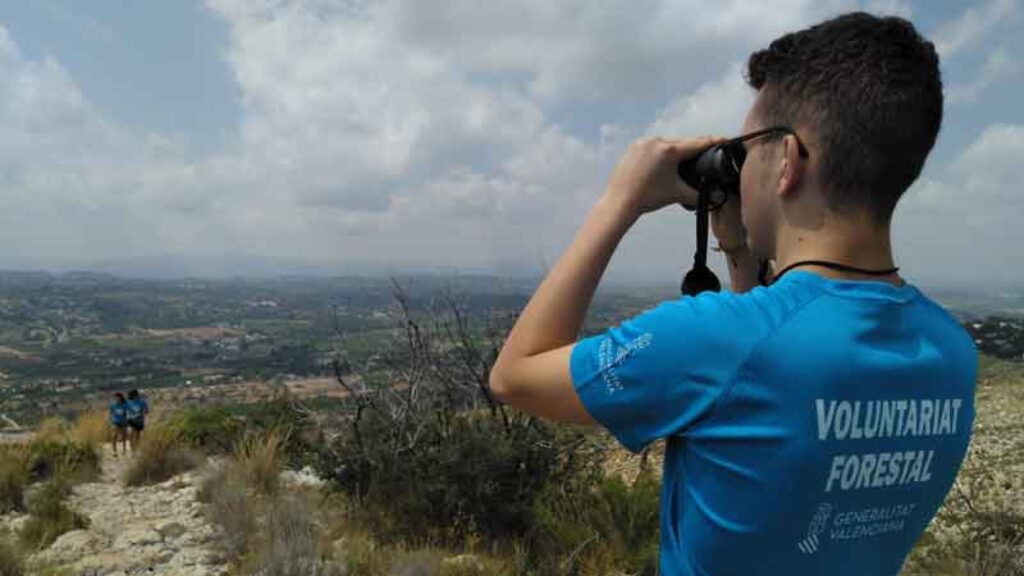
- Environmental & Marine Conservation Volunteering in Valencia — Protect Valencia’s coastline, wetlands and green spaces — join reforestation, beach clean-ups and marine data collection in one of Spain’s most beautiful natural regions, from two weeks upwards.
- Social Inclusion & Community Volunteering in Valencia — Work alongside Valencia’s community organizations supporting older people, those experiencing homelessness and newly arrived migrants — meaningful social-impact volunteering on Spain’s Mediterranean…
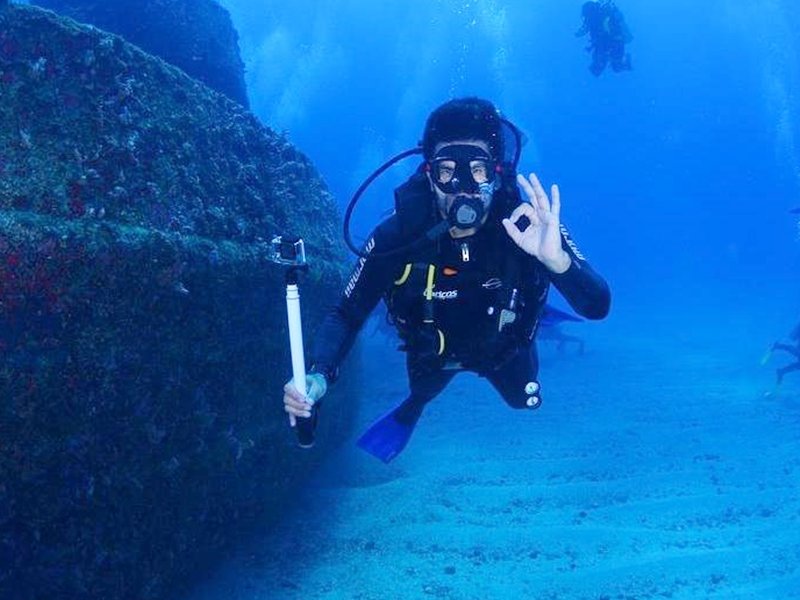
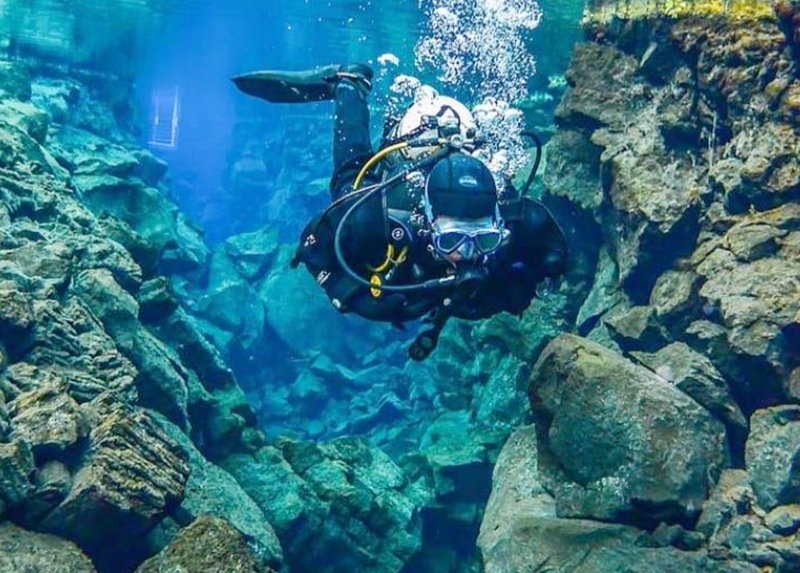
- Underwater Conservation in Barcelona — Join a group of local and international volunteers to scuba dive to explore and act on all things that can be done to protect underwater…
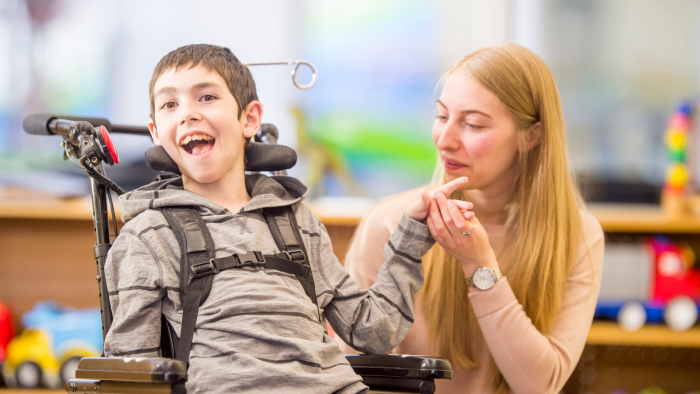
- Volunteering with children with multiple disabilities — Volunteer at a children’s day hospital where you will support children with severe disabilities.
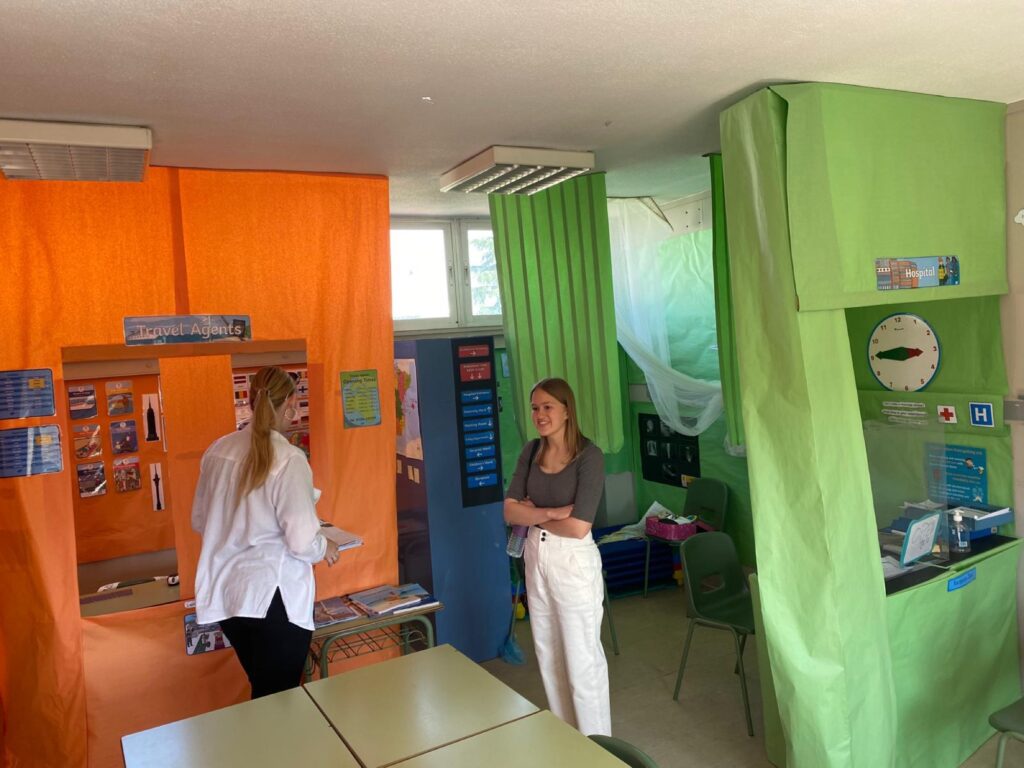
- Youth & Education Volunteer Program in Valencia — Mentor and inspire local children and teenagers in Valencia through language, sport and after-school activities — a rewarding education placement on Spain’s Mediterranean coast, from two weeks upwards.
Volunteering in Spain at a glance
Projects you can join
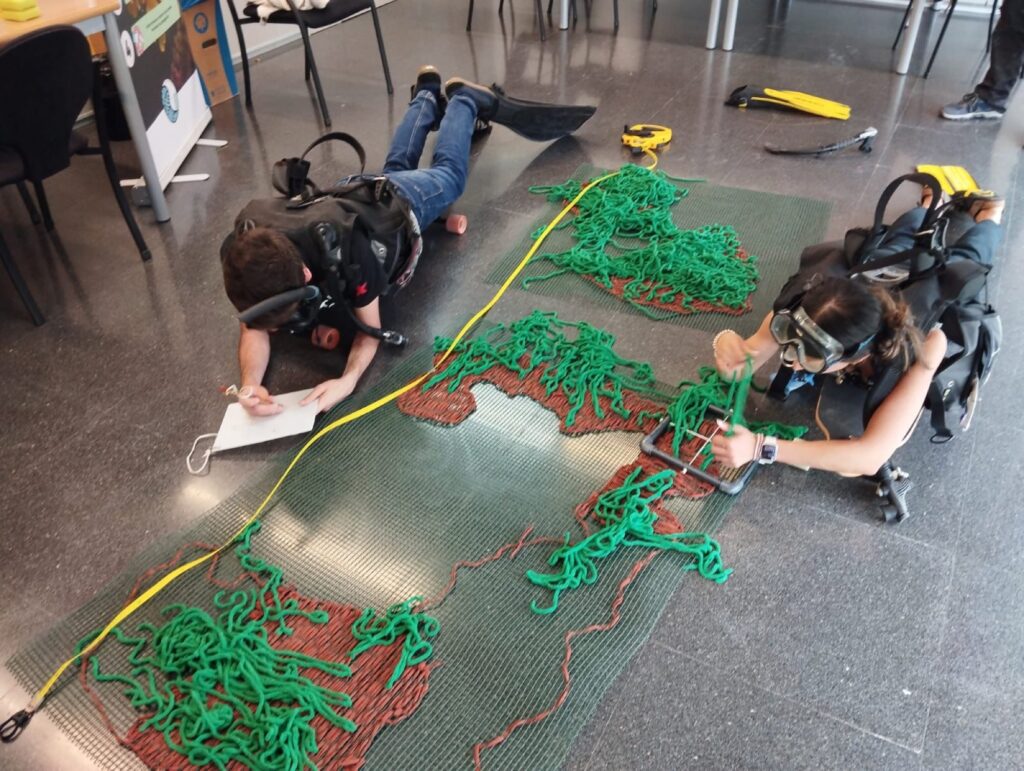
Environmental & Marine Conservation Volunteering in Valencia
Protect Valencia's coastline, wetlands and green spaces — join reforestation, beach clean-ups and marine data collection in one…
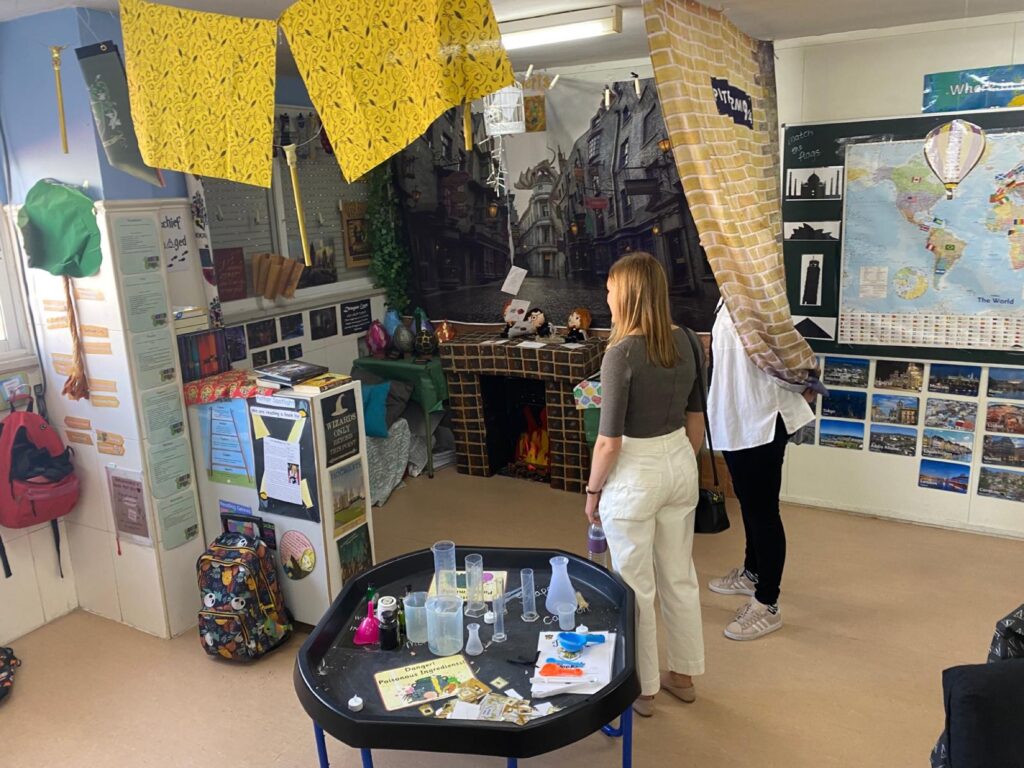
Youth & Education Volunteer Program in Valencia
Mentor and inspire local children and teenagers in Valencia through language, sport and after-school activities — a rewarding…
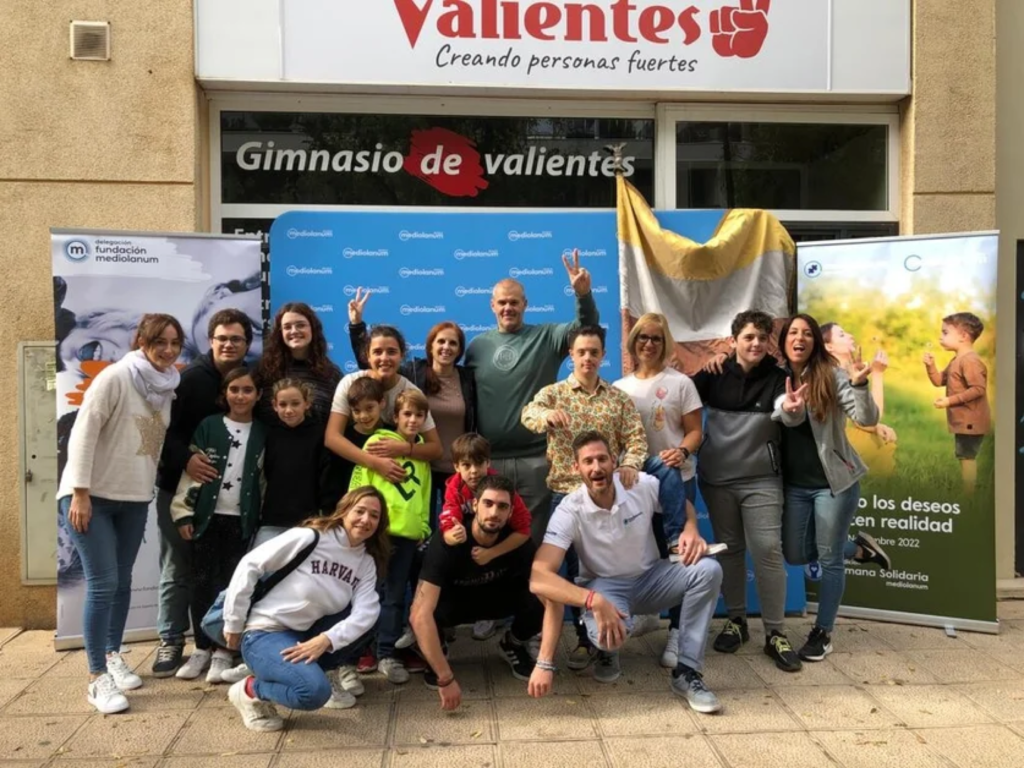
Social Inclusion & Community Volunteering in Valencia
Work alongside Valencia's community organizations supporting older people, those experiencing homelessness and newly arrived migrants — meaningful social-impact…
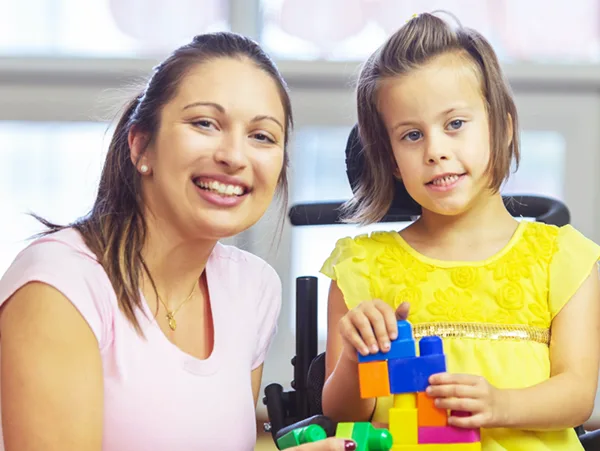
Volunteering with children with multiple disabilities
Volunteer at a children’s day hospital where you will support children with severe disabilities. Volunteers will help design…

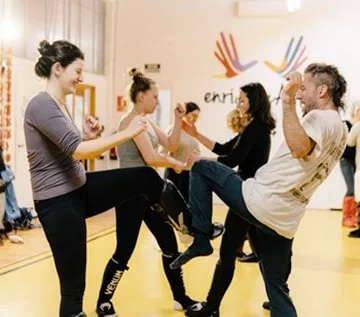
Community Development Project in Barcelona
Volunteers in the Community Development Program in Spain and work with an NGO dedicated to community building. Volunteers…
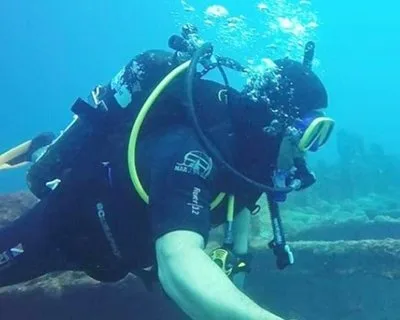
Underwater Conservation in Barcelona
Join a group of local and international volunteers to scuba dive to explore and act on all things…
What it costs to volunteer in Spain
All-in prices: accommodation, the meals listed for the program, airport pickup where listed, orientation, placement and in-country support are included.
| Program | Location | Duration | From |
|---|---|---|---|
| Community Development Project in Barcelona | Barcelona | 1-24 Weeks | $962 1 week |
| Volunteering with children with multiple disabilities | Barcelona | 1-8 Weeks | $1,204 1 week |
| Underwater Conservation in Barcelona | Barcelona | 1-8 Weeks | $1,239 1 week |
Includes the $249 booking deposit (counts toward your total, valid for a year, refunded if we cannot place you). Longer stays lower the weekly rate — each program page has the full week-by-week table.
What your fee covers
- Accommodation: a sustainable hostel or shared same-gender apartment in Barcelona; a Spanish host family in Valencia
- Meals: ingredients and communal cooking in Barcelona; all meals with the family in Valencia
- Airport pickup on your arrival date (Barcelona 10am–6pm on Sundays; Valencia airport, train or bus station)
- Induction or orientation on arrival — the Valencia programs add a guided walking tour of the Old Town
- Barcelona community and disability programs: training in community building, teaching materials, Spanish classes, workshops and personal coaching; the underwater program includes all dive equipment (except computers) and laundry
- A local coordinator, 24-hour in-country support, a pre-departure pack and a certificate of completion
Not included
- Flights to Barcelona or Valencia
- Travel and medical insurance (compulsory — we can help you arrange it)
- Visa costs where your nationality needs one
- Local transport in the city, tourist visits and personal spending
- Return airport transfer (Barcelona) and optional accredited Spanish classes (Valencia)
Why the range: the Barcelona community program is the entry price and runs from one week; the underwater conservation and disability programs include specialist training, dive equipment or Spanish classes; the three Valencia programs are priced from two weeks with a personally matched host family and all meals. Each program page shows the full week-by-week total.
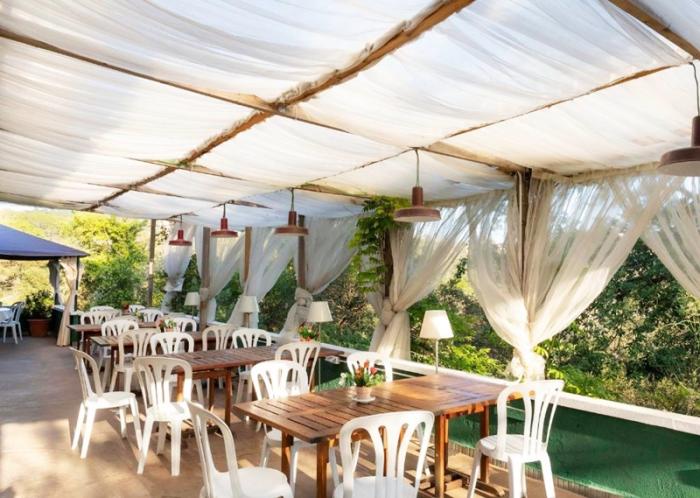
Where you stay and what you eat in Spain
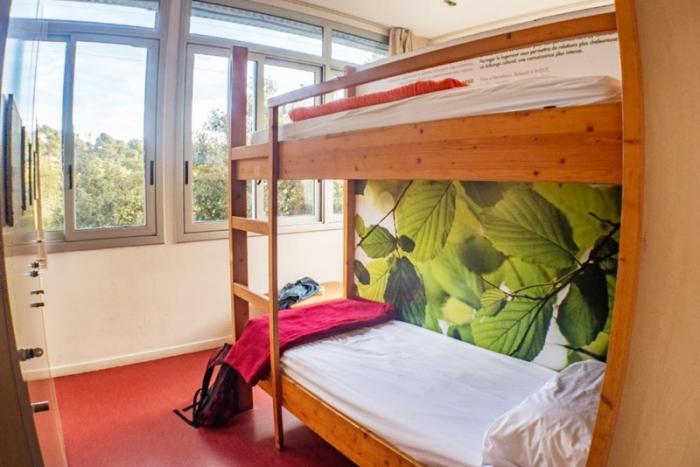
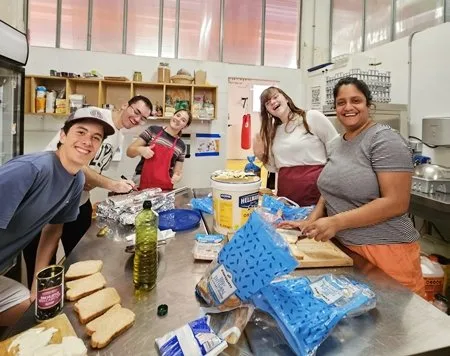
Barcelona: depending on availability and length of stay you live in a sustainable hostel or a shared, same-gender apartment run by the NGO, both with shared kitchens and bathrooms (private rooms may be available at extra cost). Food is provided throughout the program in a way that is part of the project itself: volunteers plan and cook meals together from the supplies provided, with lunch usually prepared and eaten communally. On the community program, 35 hours a week includes cleaning and maintaining the living space. The underwater program's morning routine starts with coffee and fruit at the NGO apartment before the metro ride to the dive center.
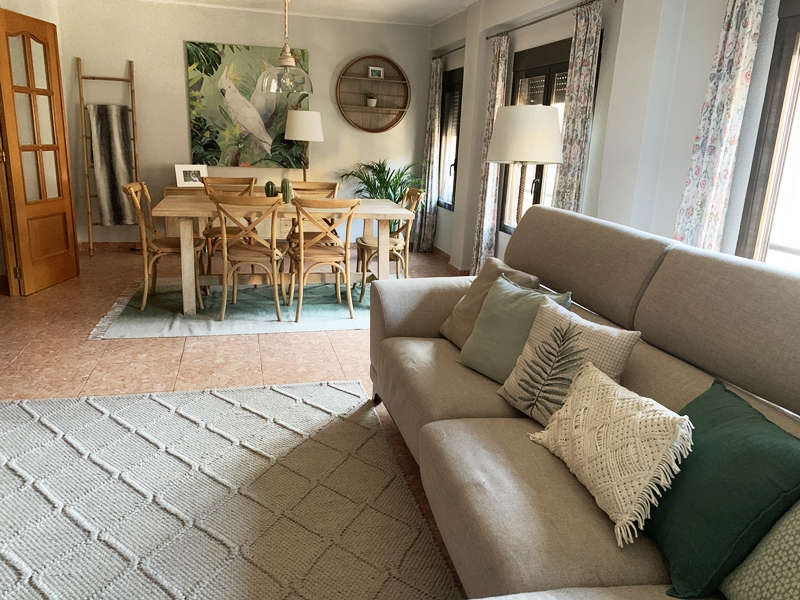
Valencia: you live with a Spanish host family chosen through a questionnaire about your diet, interests and preferences — a single room with shared living space, or a shared room if you ask to be placed with a friend. Families have years of experience hosting international students and provide all your meals, which means Spanish from breakfast to dinner and the fastest possible route into local life. A shared international volunteer apartment can be arranged as an alternative.
Both cities have excellent public transport; placements are reached by metro, tram or bus at your own (low) cost.
Arriving in Spain and who looks after you
Arrive on Sunday
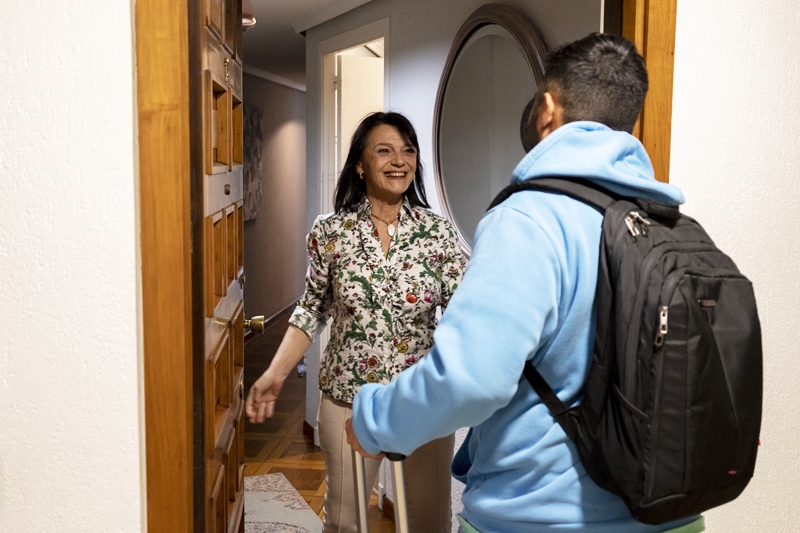
In Barcelona, land at El Prat (BCN) between 10am and 6pm and a local representative meets you in arrivals with a sign bearing your name, then takes you to your accommodation. In Valencia the team collects you from the airport (VLC), the train station or the bus station.
Induction
Barcelona volunteers get an induction on arrival and a welcome interview with the project coordinator in the first days to plan their program (the community program also runs a short internal training and certification process). Valencia volunteers get a program orientation followed by a walking tour of the Old Town's landmarks and squares.
Start work
Barcelona community volunteers work Monday to Friday, 10am–6pm; the disability day-hospital and dive center follow their own timetables; Valencia placements are around 20 hours a week, mornings for conservation fieldwork and afternoons for youth and education.
Ongoing support
Coordinators in both cities check in regularly and are reachable 24 hours a day; the Valencia team also arranges optional accredited Spanish classes.
Staying safe in Spain and who can join
Spain is one of the safest countries we operate in, with excellent healthcare and transport. The everyday risk is pickpocketing: Barcelona in particular is notorious for it on the metro, Las Ramblas and the beach, so use a zipped bag worn in front, never leave a phone on a cafe table, and keep copies of your documents. Valencia is calmer. Our coordinators live locally, your accommodation is in areas the NGO knows, and a 24-hour line is available for emergencies.
Health: no vaccinations are needed beyond routine ones. EU citizens should carry an EHIC/GHIC card; everyone needs comprehensive travel insurance. Summer heat in both cities regularly exceeds 30°C — hydrate and use the free water fountains. Visa: EU and Schengen nationals need no visa; UK, US, Canadian, Australian and New Zealand passport holders can stay up to 90 days in any 180 without one (keep an eye on the EU's new entry system requirements); other nationalities should check Spanish consular rules. Passports need six months' validity.
Who can join: minimum age 18 on most programs — 16 with a signed parental consent form on the Barcelona community program and 17 on the underwater conservation program; families with children aged 14+ are welcome on the underwater program. A clean criminal background check is required for the community, disability and youth placements. The disability program needs basic-to-intermediate Spanish; the underwater program needs basic Spanish or English and is open to non-divers (sign up for two weeks or more to take part in conservation dives after training). Barcelona community volunteers pass a short interview with a board member of the NGO before confirmation.
Requirements checklist
- Minimum age: 16+ — younger children can join the family-friendly programs with a parent; minimum ages vary by project. Family volunteering
- Background check: required for placements with children or vulnerable adults — issued within 12 months of your start date, in English or with a translation. How to get one
- Travel insurance: comprehensive cover for your whole stay is compulsory; you can bring your own or take the policy we arrange. Insurance details
- Safeguarding: every volunteer follows our code of conduct for children and vulnerable adults, explained again at orientation. Read the policy
📘 Planning in more depth? Read our Spain costs, visa and safety guide.
How we volunteer responsibly in Spain
Our Spanish partners are established local organizations: a Barcelona community NGO working with families in vulnerable situations, a children's day hospital for severe multiple disabilities, a diving center that runs seabed conservation, and in Valencia a network of grassroots charities, schools and ecological groups. Volunteers are matched to a specific role and supervised by professional staff — social workers, teachers, therapists and dive instructors — rather than dropped into a project.
We follow our child and vulnerable adult protection policy in every placement involving children, older people or people experiencing homelessness: background checks before arrival, no photographs without consent, and respect for the dignity and privacy of the people you support. Conservation work is guided by the partner's ecologists and dive leaders; you never handle wildlife or enter protected habitats without instruction.
Spain's placements are not charity tourism: the NGOs are professional bodies that use volunteers to extend what their staff can deliver, and they expect reliability, punctuality and a willingness to do unglamorous tasks — sorting donations, cleaning enclosures, prepping a summer-school room — alongside the rewarding ones.
Our standards
- Responsible volunteer travel policyHow we choose, run and review every project
- Safeguarding policyProtecting children and vulnerable adults on every placement
- Animal welfare policyOur rules for wildlife, marine and animal-care projects
- Certified B CorporationSocial and environmental performance verified by B Lab
Life outside the project in Spain
Best time: April to June and September to October are warm and less crowded; July and August are hot (30°C+) and Barcelona is at its busiest; winters are mild and quiet, with festivals such as Valencia's Las Fallas in March. Programs run all year.
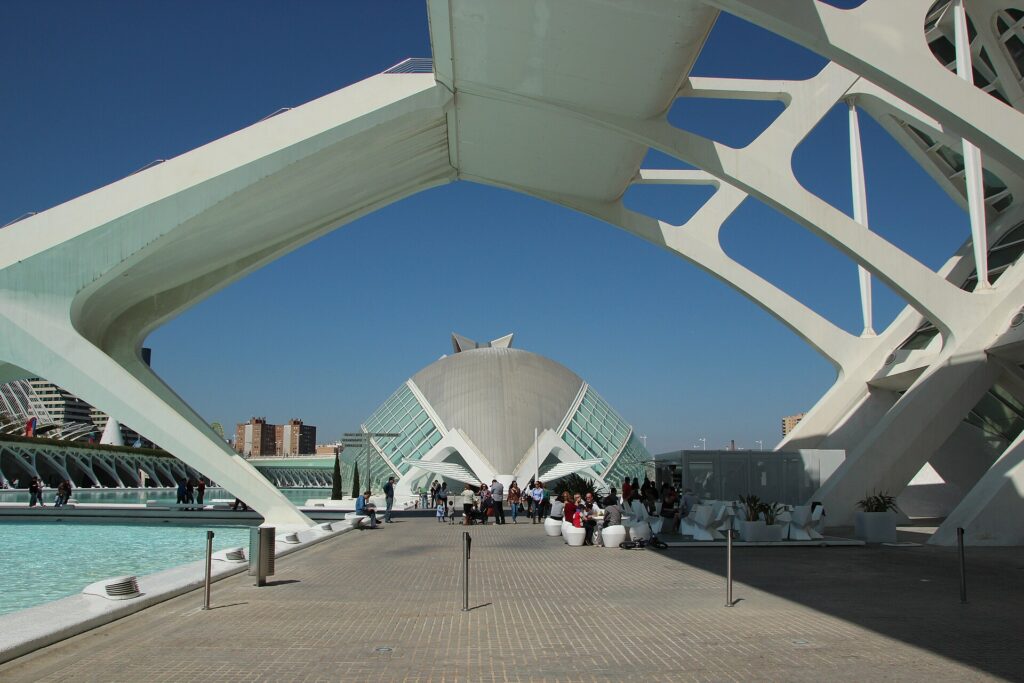
Getting around: metro, tram and bus networks in both cities are cheap and reliable, and Spain's high-speed trains put Madrid under three hours from Barcelona and under two from Valencia. Weekends: from Barcelona — Gaudí's Sagrada Familia and Park Güell, Montserrat, the Costa Brava beaches, Girona and Figueres; from Valencia — the City of Arts and Sciences, Albufera lagoon at sunset, the beaches of Malvarrosa, day trips to Xàtiva or Peñíscola, and paella in its home city. Madrid, Seville and Granada are all reachable for a long weekend.
Etiquette: lunch is late (2–3pm) and dinner later (9pm+), greetings are two kisses among friends, and a few words of Spanish — or Catalan in Barcelona, Valencian in Valencia — are always appreciated. Our Things to Do in Spain guide has more.
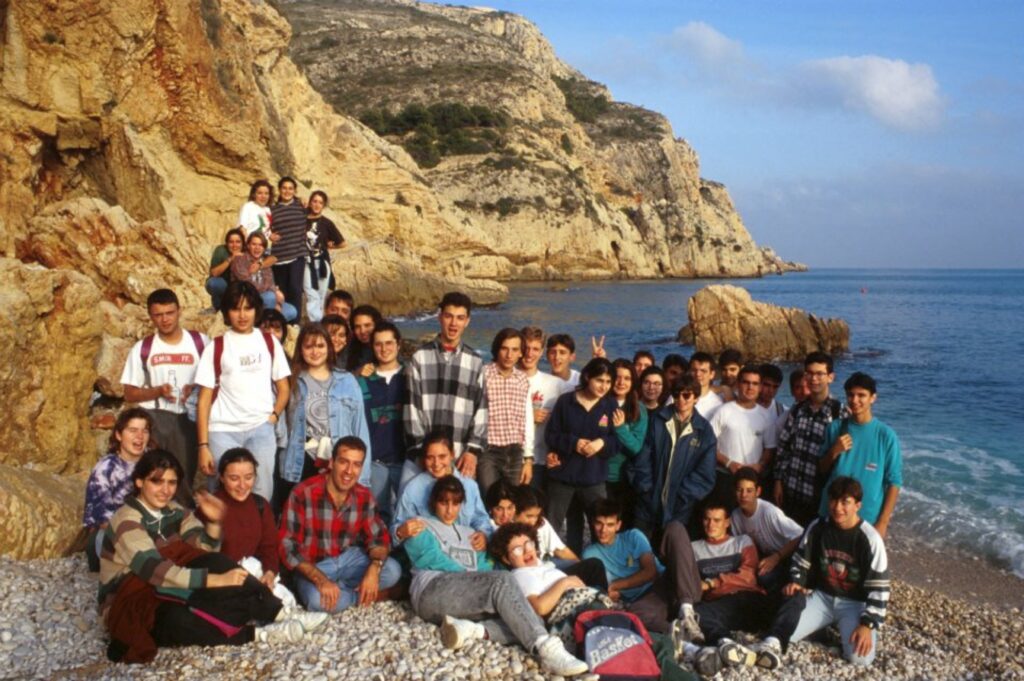
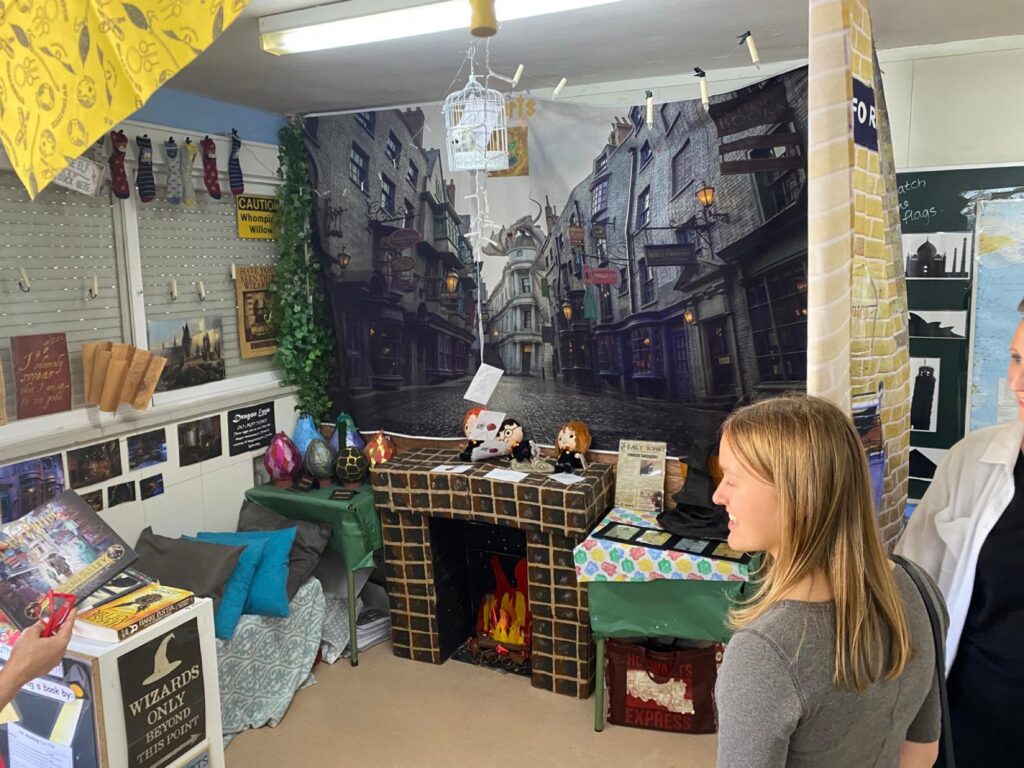
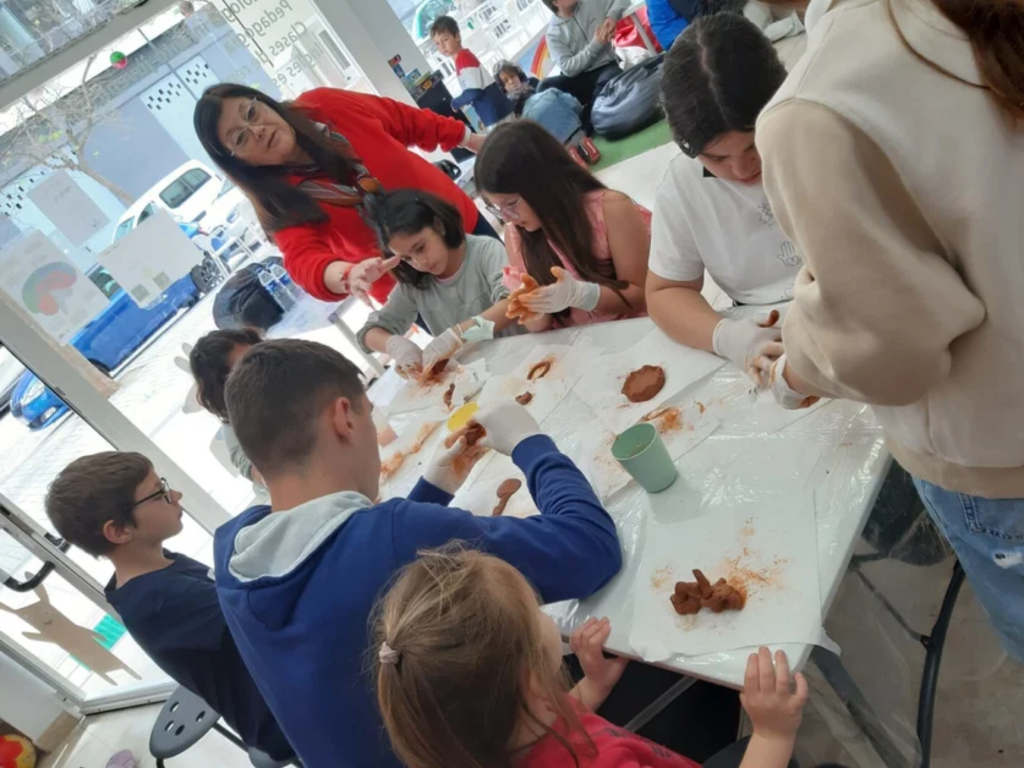
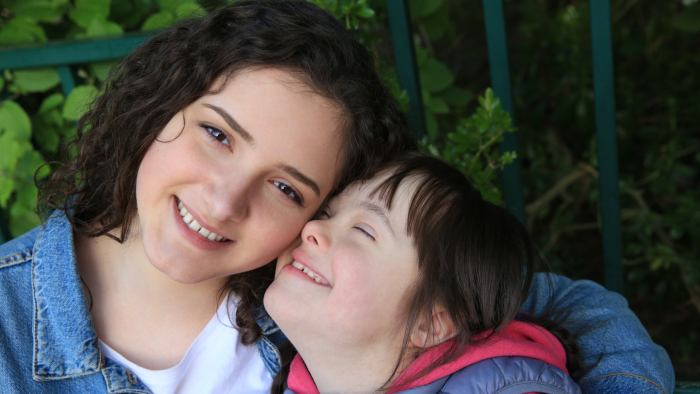
Life in Spain


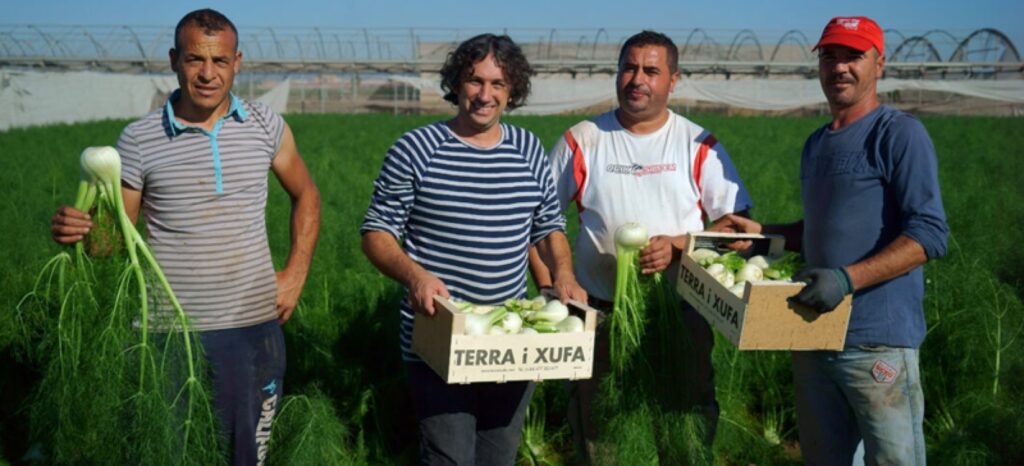
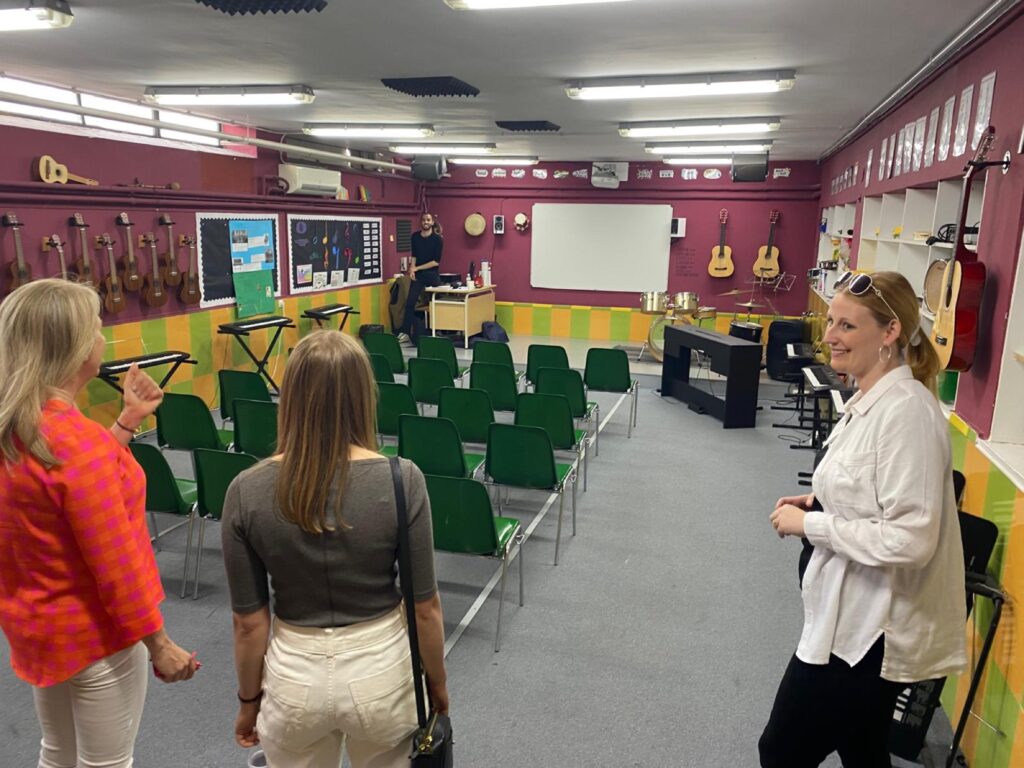
What our volunteers say
Explore other destinations
Your questions, answered
How much does it cost to volunteer in Spain?
Programs start from $962 for one week in Barcelona, deposit included, covering accommodation, food, airport pickup, induction, training and materials, placement and 24-hour support. Valencia programs are priced from two weeks with a host family and all meals. The weekly rate falls the longer you stay and each program page shows the full week-by-week total. Flights, insurance, local transport and personal spending are extra.
Do I need a visa to volunteer in Spain?
EU and Schengen citizens do not. UK, US, Canadian, Australian and New Zealand passport holders can stay up to 90 days in any 180-day period without a visa, subject to the EU's entry requirements at the time of travel. Other nationalities should check with the nearest Spanish consulate. Passports need six months' validity beyond your return.
Is it safe to volunteer in Spain?
Yes — Spain is one of the safest destinations we offer. The main nuisance is pickpocketing, especially in Barcelona's metro, on Las Ramblas and at the beach: carry a zipped bag in front of you and keep phones off cafe tables. You are met at the airport, housed in accommodation run or vetted by the local NGO, and have a coordinator reachable 24 hours a day.
What is the minimum age to volunteer in Spain?
18 on most programs. The Barcelona community program accepts volunteers from 16 with a signed parental consent form, the underwater conservation program from 17, and families with children aged 14 and over are welcome on the underwater program. There is no upper age limit.
How long can I volunteer in Spain?
Barcelona programs run from one week (community: up to 24 weeks; underwater and disability: up to 8 weeks); Valencia programs run from two to eight weeks on the standard price table, with longer stays available on request. All programs start on Sundays throughout the year; the next available start is 27 Sep 2026.
Where will I stay in Spain?
In Barcelona, in a sustainable hostel or a shared same-gender apartment run by the NGO, with shared kitchens and bathrooms and the option of a private room at extra cost. In Valencia, with a carefully matched Spanish host family (single room, or shared if you travel with a friend), or in a shared international volunteer apartment on request.
Are meals included in Spain?
Yes. In Barcelona food is provided throughout and volunteers cook together from the supplies given, sharing a communal lunch — it is part of the community-living ethos of the project. In Valencia all your meals are with your host family. Tell us about dietary needs when you apply.
Will I be picked up at the airport in Spain?
Yes. In Barcelona a representative meets you at El Prat Airport with a name sign between 10am and 6pm on your Sunday arrival date and takes you to your accommodation. In Valencia the team collects you from the airport, the train station or the bus station. Return transfers are not included.
Do I need to speak Spanish to volunteer in Spain?
Not for most placements: the Barcelona community and underwater programs work in Spanish or English, and the Valencia team matches you to a role that fits your level. The disability day-hospital program does need basic-to-intermediate Spanish. Spanish classes are included on the Barcelona community and disability programs and available as an accredited add-on in Valencia.
Do I need any vaccinations for Spain?
No — only routine vaccinations should be up to date. Spain has excellent healthcare; carry an EHIC/GHIC card if you are eligible and comprehensive travel insurance in all cases, and take the summer heat seriously.
When is the best time to volunteer in Spain?
Late spring and early autumn — April to June and September to October — are warm, sunny and less crowded. Summer is hot and Barcelona is very busy; winters are mild and quieter, with festivals such as Las Fallas in Valencia (March). Programs run all year. Note that between late June and early September the Barcelona community program revolves around its summer school for children.
What should I pack for volunteering in Spain?
Comfortable clothes for practical work, a swimsuit and reef-safe sunscreen, a refillable bottle (both cities have public fountains), a zipped cross-body bag against pickpockets, a basic first-aid kit and any regular medication (pharmacy prices are higher than at home), and a light jacket for evenings outside summer. Divers with advanced certification should bring their own flashlight for night or deep dives.
Ready to volunteer in Spain?
6 programs · from $962 · next start 27 Sep 2026
Free advice, no obligation. Change program, dates or destination free of charge up to 45 days before you start.