 English (US) ▾
 Nederlands
 English (UK)
 Deutsch
 Italiano
 Português
 Español
Volunteer in New Zealand
 Certified B Corporation
★ Rated 4.7/5 (1,461 reviews) 25,000+ volunteers since 2007
Certified B Corporation
★ Rated 4.7/5 (1,461 reviews) 25,000+ volunteers since 2007
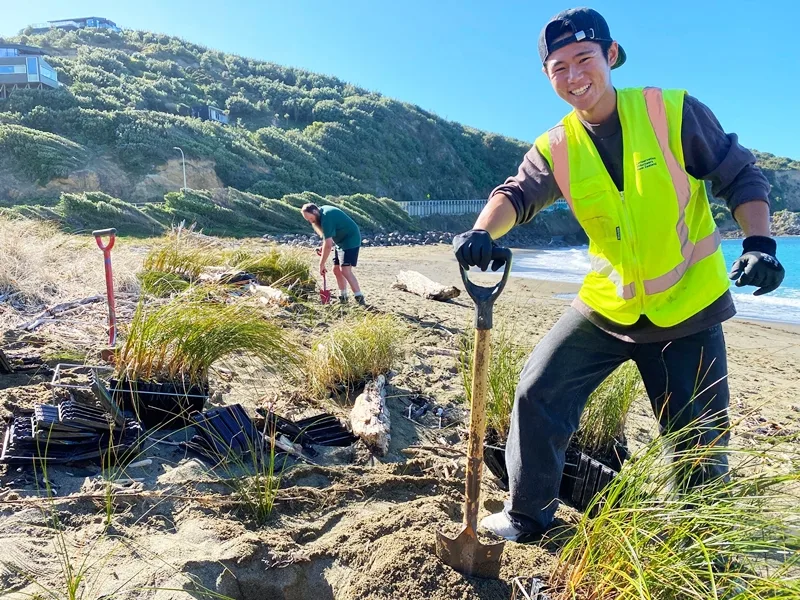
Volunteer in New Zealand with Volunteering Solutions on a hands-on conservation program that moves you between restoration projects across the North and South Islands — planting native trees, raising seedlings, clearing weeds and pests, maintaining walking tracks and protecting threatened species alongside local conservation teams. You choose a starting region (Auckland, Wellington, Christchurch or Punakaiki) and travel to a new project location every week or two.
The program starts every Friday all year, runs from one to eight weeks, and is open from age 18 to anyone with a reasonable level of fitness who is happy outdoors for five to six hours a day. It is one of the rare ways to volunteer in New Zealand with everything included — accommodation and all meals seven days a week, project travel, a team leader and a guidebook — in a country whose landscapes need no introduction. Prices start at $831 for one week, deposit included.
Volunteer opportunities in New Zealand
1 program you can join right now — every card below and every link here goes to the program’s own page with live dates and prices.
- Conservation Volunteering Program in New Zealand — Join the Conservation Volunteering in New Zealand & work towards making a difference for the environment.
Volunteering in New Zealand at a glance
Projects you can join

What it costs to volunteer in New Zealand
All-in prices: accommodation, the meals listed for the program, airport pickup where listed, orientation, placement and in-country support are included.
| Program | Duration | From |
|---|---|---|
| Conservation Volunteering Program in New Zealand | 1-8 Weeks | $831 1 week |
Includes the $249 booking deposit (counts toward your total, valid for a year, refunded if we cannot place you). Longer stays lower the weekly rate — each program page has the full week-by-week table.
What your fee covers
- All accommodation, including weekends — a hostel or volunteer house depending on the project location, with shared bedrooms and bathrooms
- All meals, including weekends, prepared by the group
- All project-related travel, including moves between project locations every week or two
- Orientation and induction on arrival, a team leader on every project and local project support
- A wildlife or plant guidebook, pre-departure information and a certificate on request
Not included
- Flights and travel to the meeting point in your chosen region (no airport pickup)
- Visa and passport charges, departure and airport charges
- Travel insurance (compulsory), medical expenses, laundry and personal items
- A sleeping bag (bring your own) and weekend travel
New Zealand runs one conservation program with one price table, from one to eight weeks; the weekly rate falls the longer you stay because accommodation, all meals and project travel are included for every week, including weekends. The program page shows the full week-by-week total.
Where you stay and what you eat in New Zealand
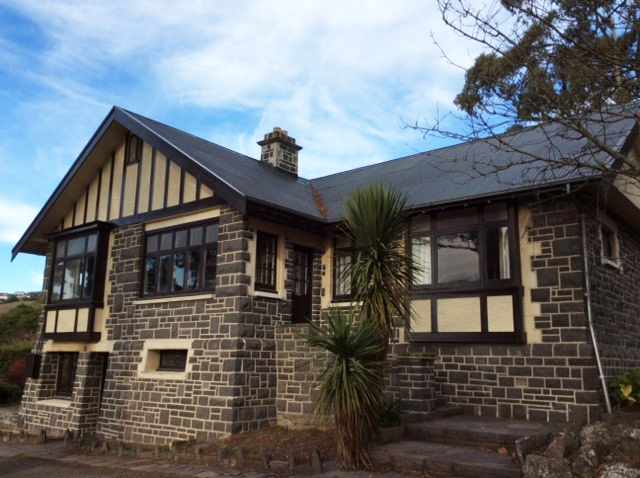
Accommodation changes with the project: a hostel or a volunteer house near each work site, always clean and comfortable, with shared bedrooms and bathrooms. You bring your own sleeping bag and move with the team when the project moves — every week or two — so over a six-week stay you might live in several different corners of the country.
All meals are included every day of the week and are made by the group: cereals, bread or toast, tea and coffee for breakfast; a self-made sandwich and fruit packed for lunch in the field; and an evening meal cooked together — pasta, a roast, a vegetarian option — which is the social heart of the day. Everyone helps with cooking, washing up and light domestic duties. Vegetarians are catered for; volunteers with very specific dietary needs such as food allergies may need to bring some of their own food, so tell us at booking.

Arriving in New Zealand and who looks after you
Make your own way to the meeting point
Airport pickup is not included: you travel to the program office or meeting address in your chosen region — Auckland, Wellington, Christchurch or Punakaiki — arriving at 11am on your Friday start date. The full address and instructions are sent before you travel; New Zealand's airports, buses and shuttles make this straightforward.
Orientation and induction
Your project coordinator meets you, runs a detailed orientation covering safety, locations, transport and things to see, then takes you to your accommodation with the rest of the day to settle in. Depending on the date you may have the weekend free before work starts.
Project days
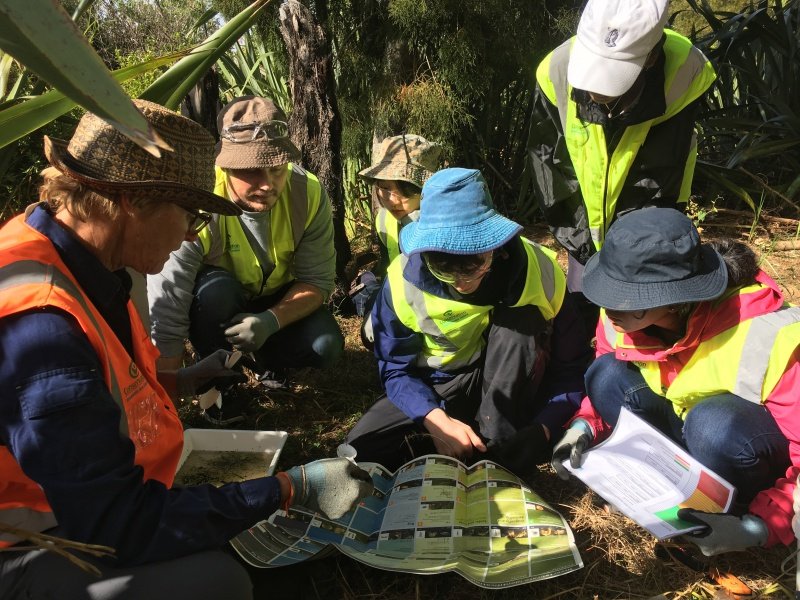
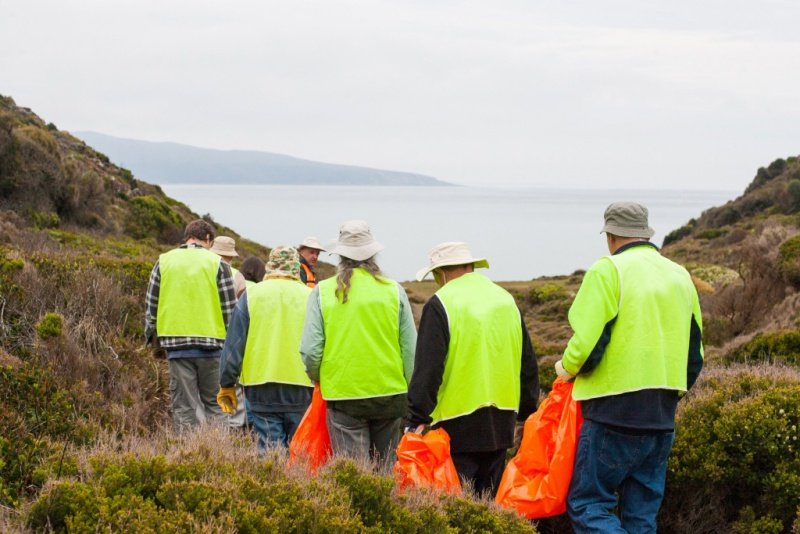
Five days a week, usually 8am to 4pm, with one or two days off; your team leader explains each project's aims and shows you how to do the work safely. Activities follow the season — seedlings, litter clean-ups, weeding and track maintenance in summer, planting and site preparation in winter.
Moving on
Every week or two the team relocates to a new project location, with all project travel included, and local staff support you throughout.
Staying safe in New Zealand and who can join
New Zealand is one of the safest countries in the world, and the program's risks are the outdoor ones: weather that changes by the hour, sun that burns fast under a thin ozone layer, uneven ground and hand tools. Your team leader gives a safety briefing before every task and works alongside you; you should bring sturdy boots, layers, a waterproof and sunscreen and follow instructions on tool use and site hazards.
Health: no vaccinations are required beyond routine ones. Healthcare is excellent but expensive for visitors, so comprehensive travel insurance is compulsory. Tap water is safe. Visa: British nationals can visit for up to six months without a visa, and citizens of many other countries (including the EU, USA, Canada and Australia) enter visa-free for short stays; most visa-free visitors must obtain the NZeTA online before traveling. Check Immigration New Zealand for the rules for your passport and stay length. Passports need six months' validity.
Who can join: minimum age 18, a reasonable level of fitness, and comfort being active outdoors — planting, mulching, weeding — for five to six hours a day in all weathers. No conservation experience is needed; enthusiasm and teamwork are.
Requirements checklist
- Minimum age: 18+
- Travel insurance: comprehensive cover for your whole stay is compulsory; you can bring your own or take the policy we arrange. Insurance details
- Safeguarding: every volunteer follows our code of conduct for children and vulnerable adults, explained again at orientation. Read the policy
📘 Planning in more depth? Read our New Zealand costs, visa and safety guide.
How we volunteer responsibly in New Zealand
Our New Zealand partner is an established conservation organization that runs restoration projects across both islands: native tree planting and nursery work, pest and weed control, track and trail maintenance, litter clean-ups and habitat protection for threatened species. Volunteers join under a trained team leader and the work follows the partner's environmental protocols — you cannot choose your tasks, because the program serves the sites' needs, not the other way round.
This is practical, physical conservation with measurable outcomes: trees in the ground, hectares cleared of invasive species, tracks reopened. Wildlife is protected by keeping your distance; there is no handling of native animals. Living communally, cooking together and sharing domestic duties are part of the program's low-impact ethos.
Volunteers who get the most out of New Zealand are the ones who arrive ready to work in the rain, learn the names of the plants and enjoy the company of a team from a dozen countries.
Life outside the project in New Zealand
Best time: summer (December–February) brings warm, long days and busy tourist areas; autumn (March–May) is mild, colorful and quieter; winter (June–August) is cold, wet in places and the main planting season; spring is green and changeable. Remember the seasons are reversed from the northern hemisphere. The program runs all year.
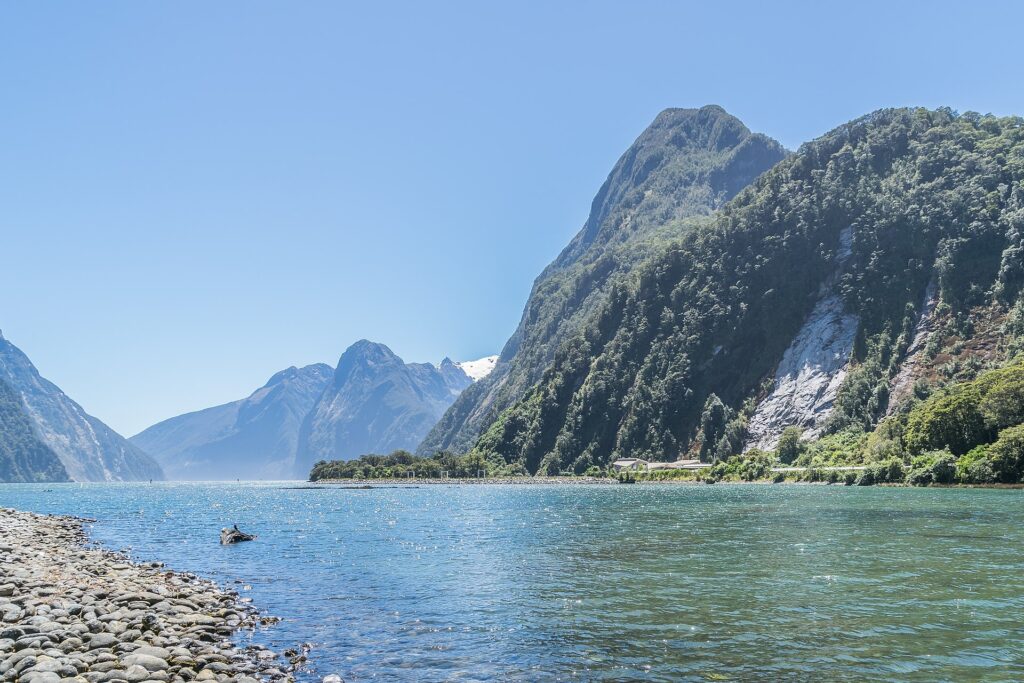
Getting around: intercity buses, cheap domestic flights and the Interislander ferry connect the regions; project travel is included, and your team leader tells you how much free time each week allows. Weekends: from Auckland — the Waitakere Ranges, Waiheke and Great Barrier islands, Matakana; from Christchurch or Punakaiki — Abel Tasman, the West Coast glaciers and Lake Wanaka; further afield — Tongariro, the Waitomo Caves, Fiordland and Queenstown for a long weekend.
Etiquette: Kiwis are informal and outdoorsy — a "kia ora" goes a long way, shoes come off indoors, and respect for Māori culture and for the "leave no trace" ethic on trails is expected. Our Things to Do in New Zealand guide has more.
Life in New Zealand
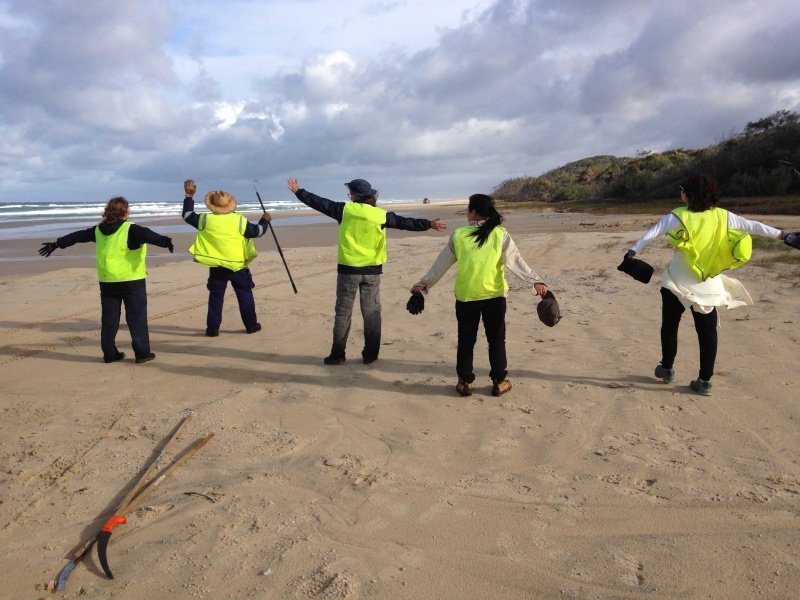
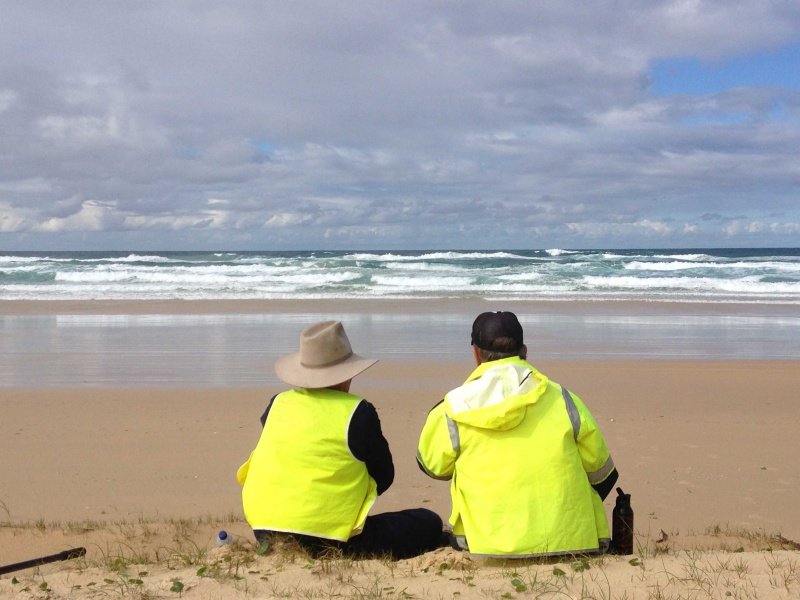
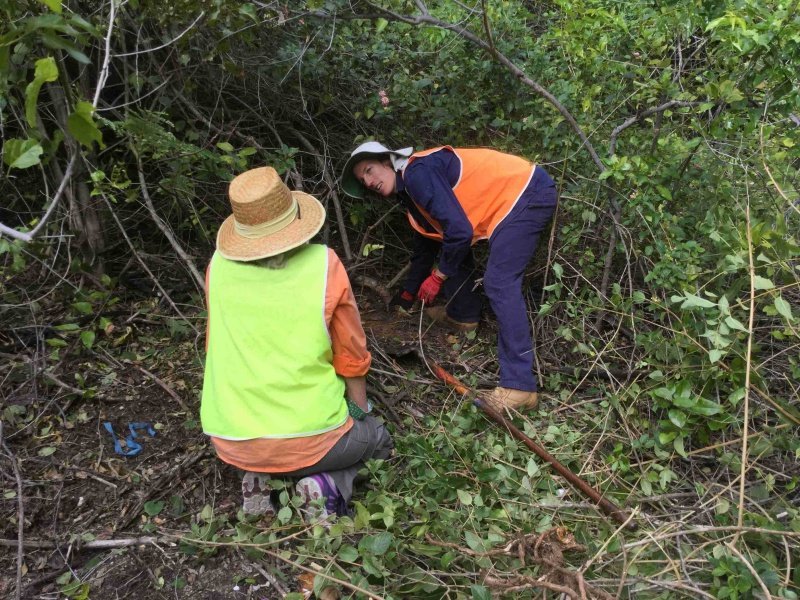
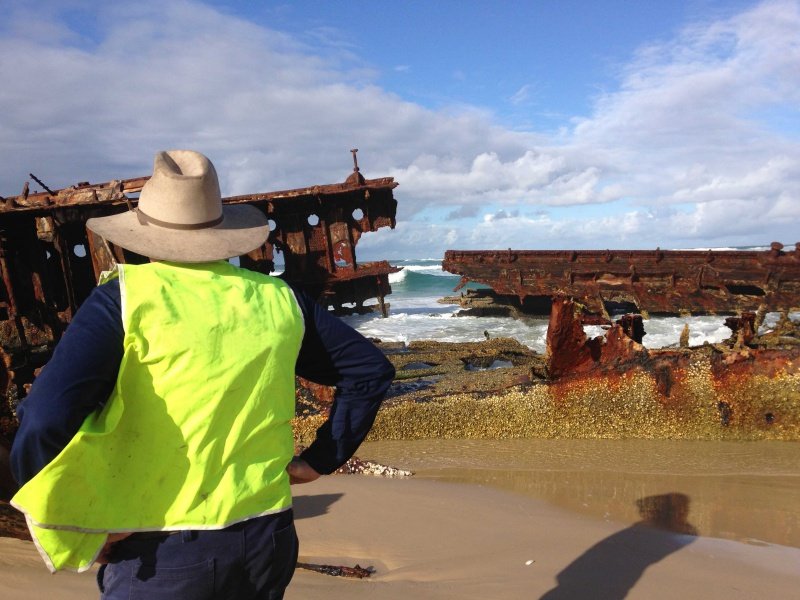
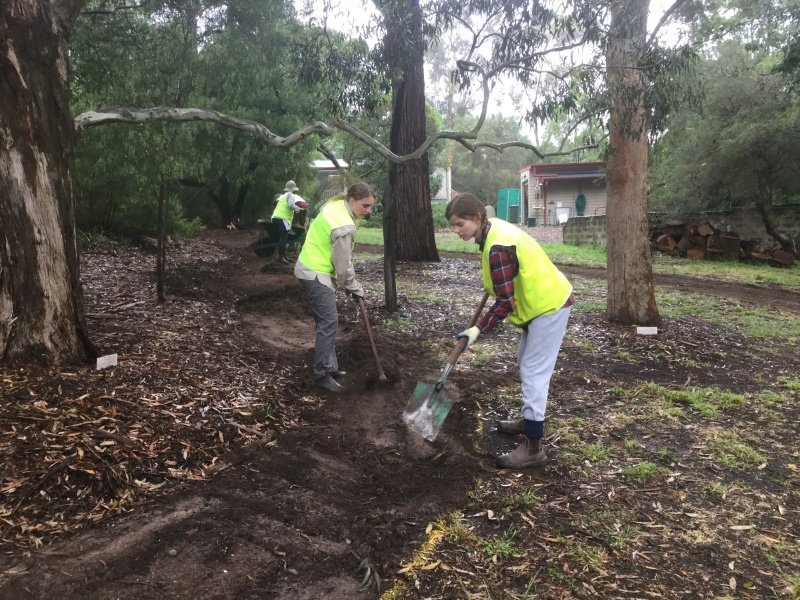
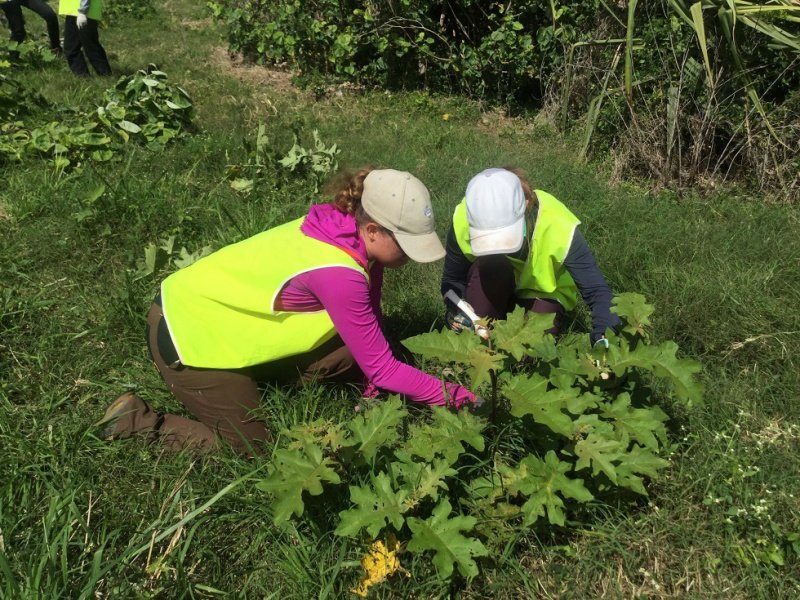
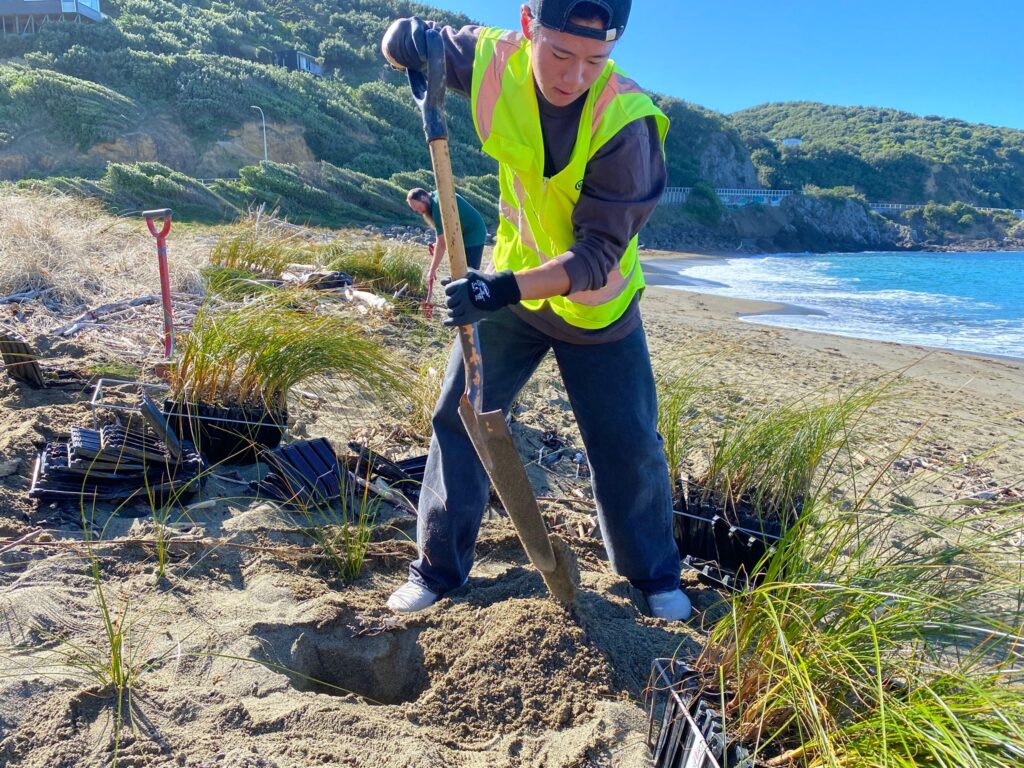
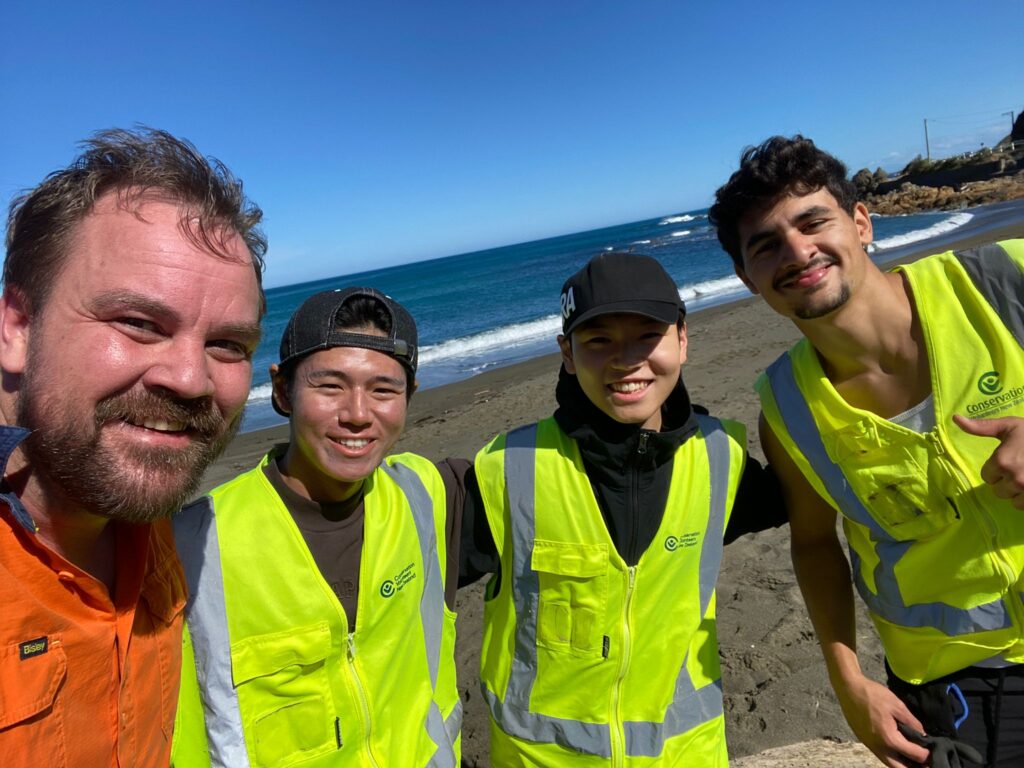
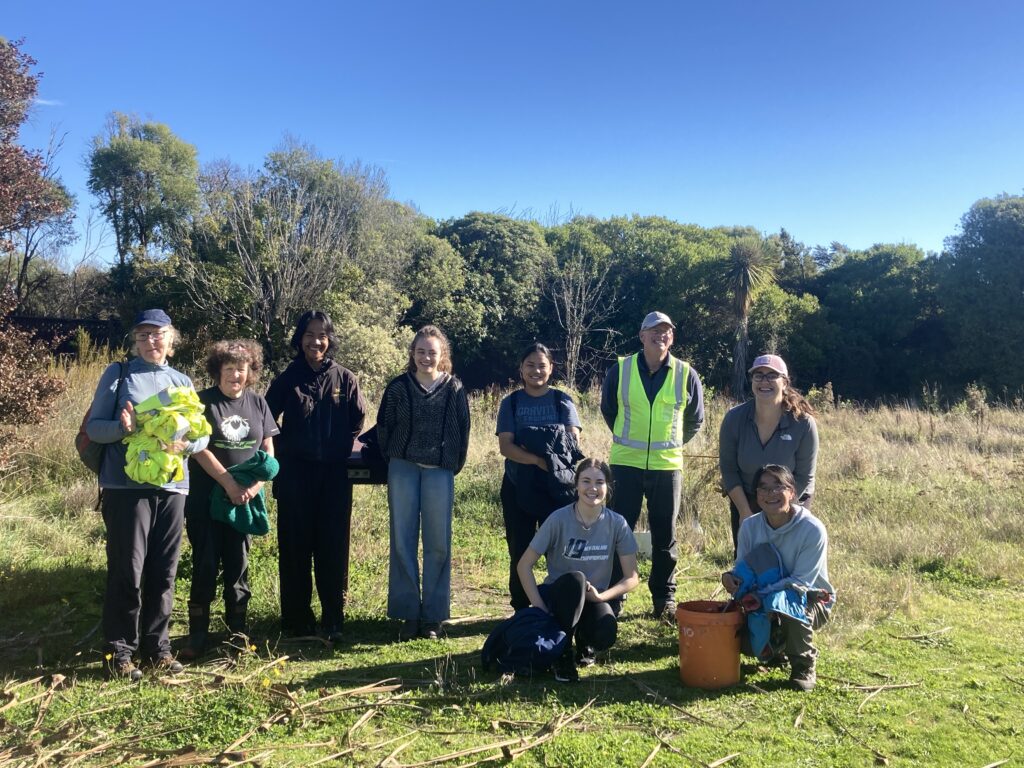
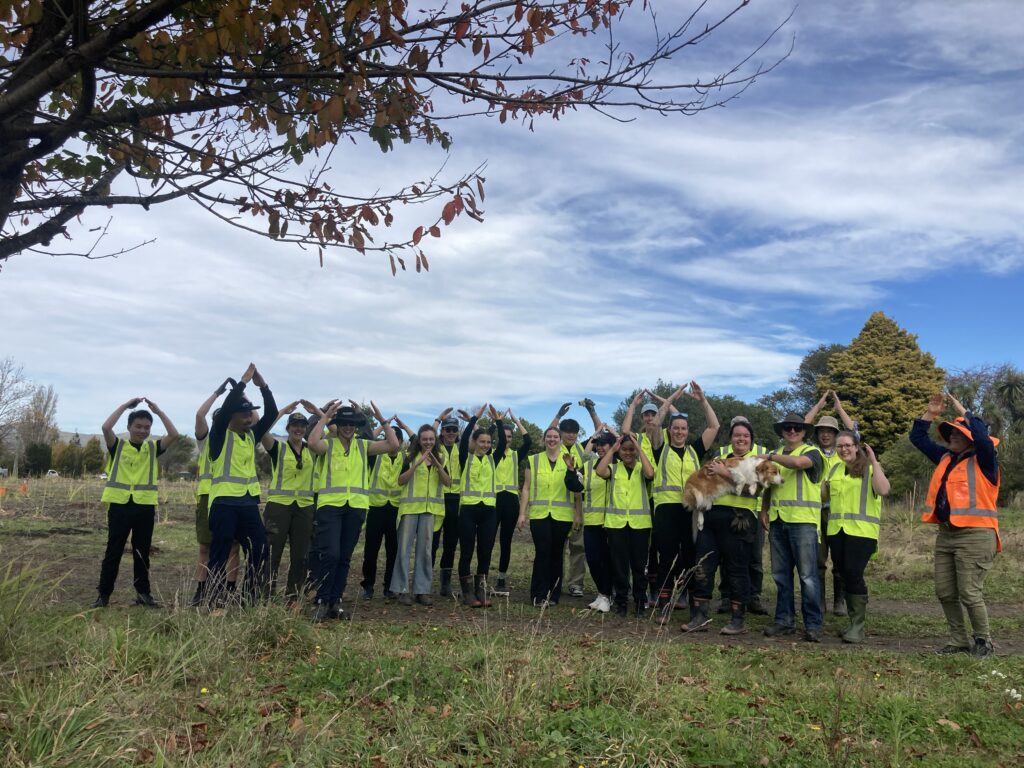
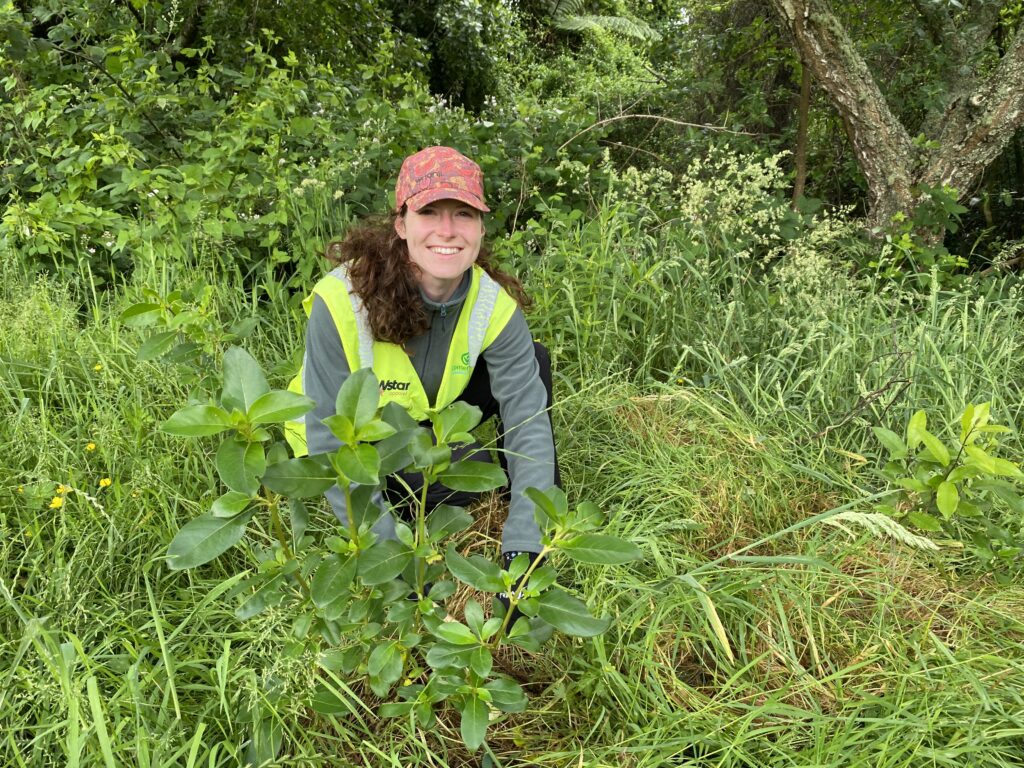
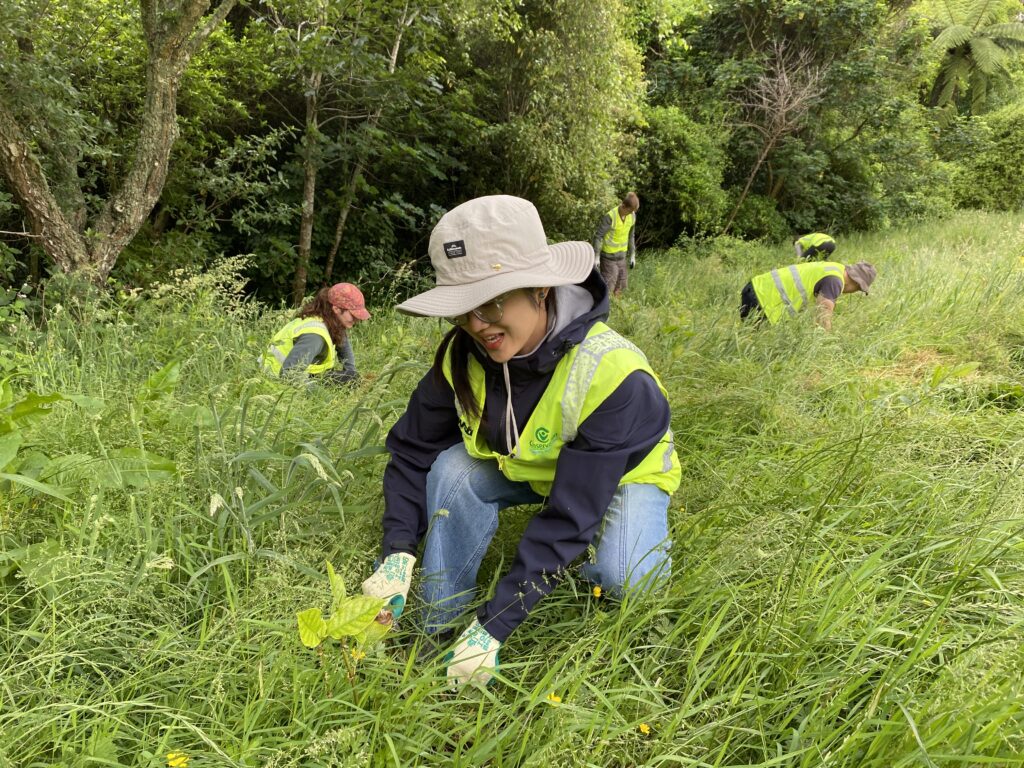
What our volunteers say
Your questions, answered
How much does it cost to volunteer in New Zealand?
The conservation program starts from $831 for one week, deposit included — one price covering all accommodation and all meals seven days a week, all project-related travel, orientation and induction, a team leader and local support. Longer stays (up to eight weeks) cost less per week and the program page shows the full week-by-week total. Flights, travel to the meeting point, visa charges, insurance and personal expenses are extra.
Do I need a visa to volunteer in New Zealand?
British nationals can visit New Zealand for up to six months without a visa, and citizens of many other countries — including the EU, USA, Canada and Australia — enter visa-free for short stays; most visa-free visitors must obtain the NZeTA (electronic travel authority) online before departure. Check Immigration New Zealand for your passport and stay length. Passports need six months' validity beyond your return.
Is New Zealand safe for volunteers?
Yes — it is one of the safest countries in the world. The program's risks are outdoor ones: changeable weather, strong sun, uneven ground and hand tools. Your team leader briefs you before every task and works alongside you, and the orientation covers safety in detail. Bring good boots, layers, a waterproof and sunscreen.
What is the minimum age to volunteer in New Zealand?
18. There is no upper age limit, but you need a reasonable level of fitness and should be comfortable being active outdoors — planting, mulching and weeding — for five to six hours a day.
How long can I volunteer in New Zealand?
From one to eight weeks. The program starts every Friday throughout the year and the next available start is 25 Sep 2026. Longer stays mean more project locations — in a six-week stay you can work at several sites across the islands.
Where will I stay in New Zealand?
In a hostel or volunteer house near each project site — clean and comfortable, with shared bedrooms and bathrooms — moving with the team to a new location every week or two. Accommodation is included every night, including weekends. Bring your own sleeping bag.
Are meals included in New Zealand?
Yes — all meals, seven days a week: breakfast of cereals, toast, tea and coffee; a self-made sandwich and fruit for lunch in the field; and an evening meal such as pasta, a roast or a vegetarian dish cooked by the group. Everyone helps prepare meals and wash up. Vegetarians are catered for; volunteers with specific allergies may need to supplement with their own food.
Is airport pickup included in New Zealand?
No. You travel independently to the meeting point in your chosen region — Auckland, Wellington, Christchurch or Punakaiki — arriving by 11am on your Friday start date. The full address and directions are sent in advance, and New Zealand's airports, shuttles and buses make it easy. All travel between project locations during the program is included.
Do I need vaccinations for New Zealand?
No — only routine vaccinations should be up to date. Healthcare is excellent but costly for visitors, so comprehensive travel insurance is compulsory. Tap water is safe to drink.
When is the best time to volunteer in New Zealand?
Any season works, and the work changes with it: summer (December–February) means seedlings, clean-ups, weeding and track maintenance in long warm days; winter (June–August) is the main planting season and can be cold and wet; autumn and spring are mild and quieter. Remember the seasons are the reverse of the northern hemisphere. The program runs all year.
What will I actually do on the New Zealand conservation program?
It depends on the season and what each local team needs: raising native seedlings, planting trees and preparing sites, removing invasive weeds and pests, maintaining walking tracks, litter clean-ups and habitat protection for threatened species. You cannot choose your tasks, but the program deliberately gives you a broad range of activities and locations, and your team leader explains each project's aims and safety before you start.
What should I pack for volunteering in New Zealand?
A sleeping bag (required), sturdy waterproof boots, work clothes you can ruin, warm layers and a good waterproof jacket for every season, a hat, high-factor sunscreen (New Zealand's UV is strong), work gloves, a refillable bottle, a headlamp, a day pack, insect repellent for sandflies, and any regular medication. A camera and binoculars are worth the space — you will see birds and landscapes most visitors never reach.
Ready to volunteer in New Zealand?
1 programs · from $831 · next start 25 Sep 2026
Free advice, no obligation. Change program, dates or destination free of charge up to 45 days before you start.