 English (US) ▾
 Nederlands
 English (UK)
 Deutsch
 Italiano
 Português
 Español
Volunteer in Bali
 Certified B Corporation
★ Rated 4.7/5 (1,461 reviews) 25,000+ volunteers since 2007
Certified B Corporation
★ Rated 4.7/5 (1,461 reviews) 25,000+ volunteers since 2007
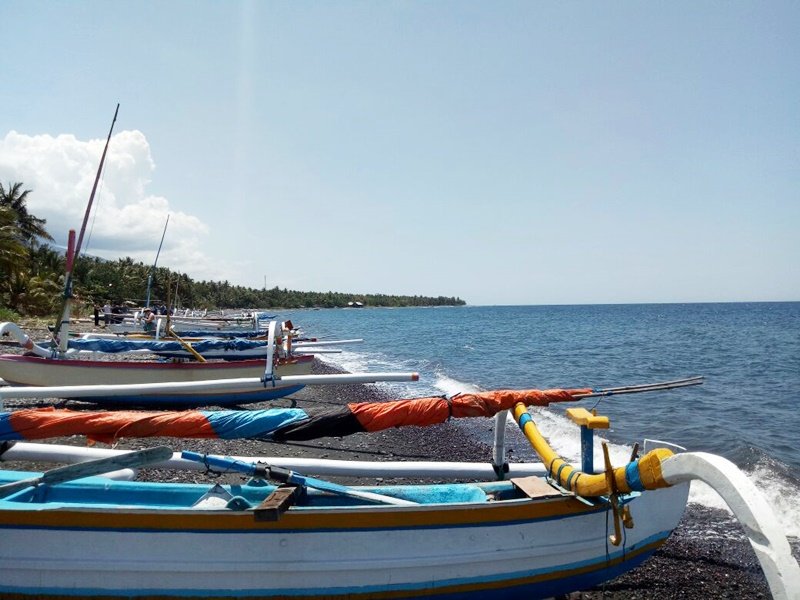
Volunteer in Bali with Volunteering Solutions in three very different corners of the island: the quiet fishing village of Tianyar on the north-east coast, where you teach English, help in a kindergarten or join a marine conservation project from a cluster of bamboo cottages on the beach; Pemuteran in the north-west, home to a coral reef restoration program for certified divers; and Serangan, near Sanur in the south, where a turtle conservation center rehabilitates and releases sea turtles.
Programs start every Saturday or Sunday all year, run from one week (two for the reef program) up to 12 weeks, and are open from age 17 at Tianyar and 18 on the marine programs. Bali suits first-time volunteers and families as much as marine biology students — the villages are safe, the local teams are Balinese, and the temples, rice terraces, surf and dive sites are all within weekend reach. Prices start at $719 for one week, deposit included.
Volunteer opportunities in Bali
5 programs you can join right now — every card below and every link here goes to the program’s own page with live dates and prices.
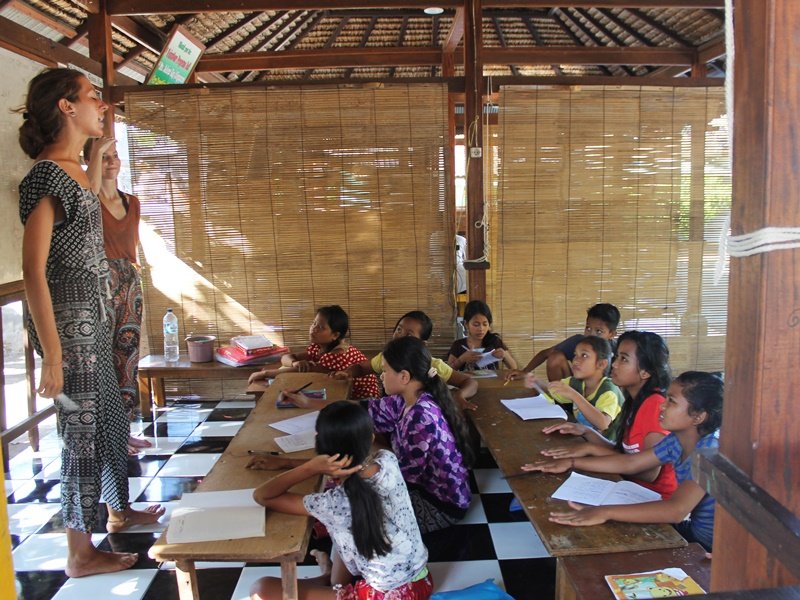
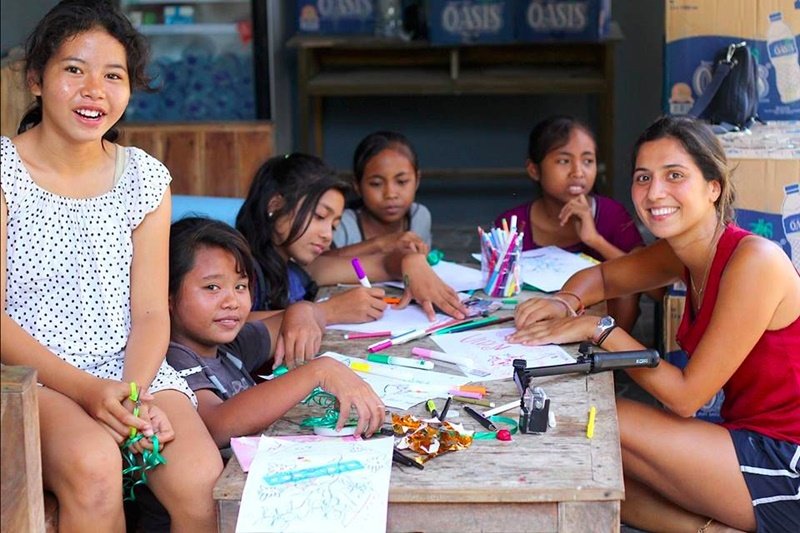
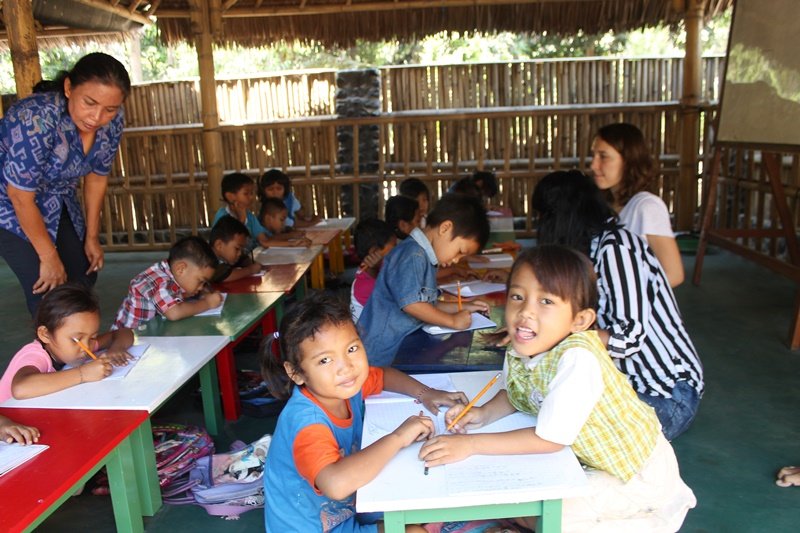
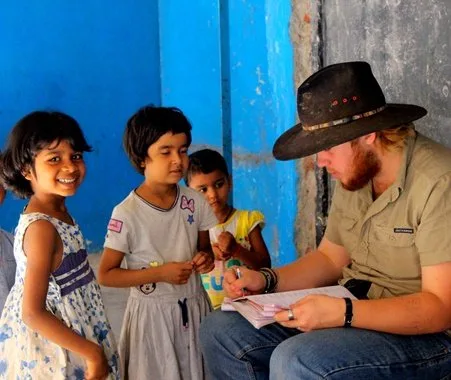
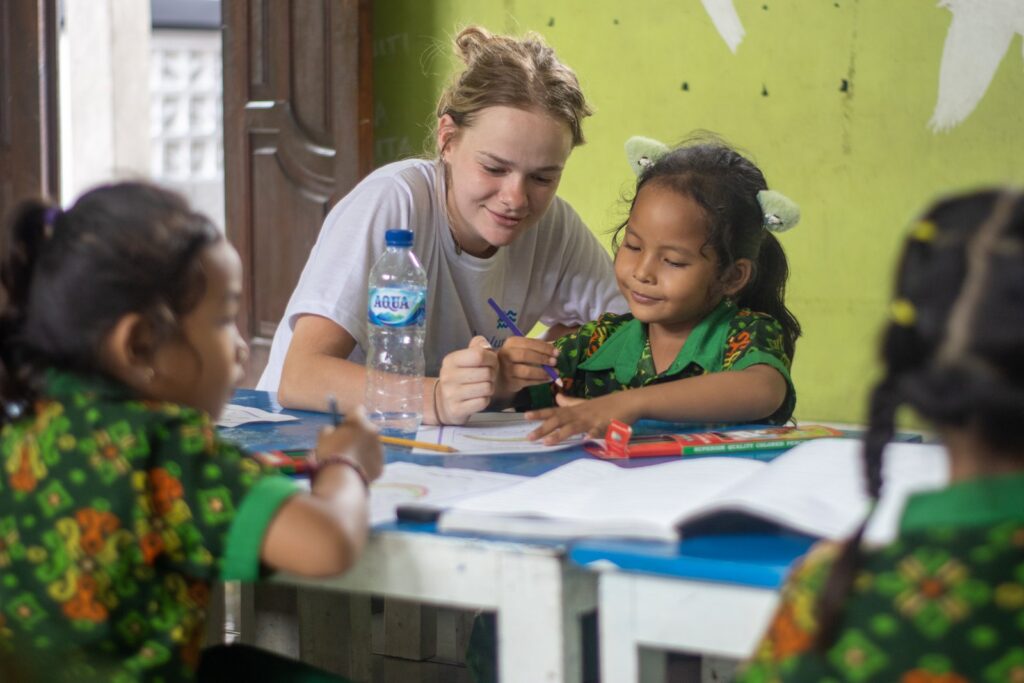
- Kindergarten Volunteer Program in Bali — Volunteer in a kindergarten project in the small fishing village of Tianyar in North Bali and play a key role in interacting with children, keeping them entertained and uplifting their confidence.
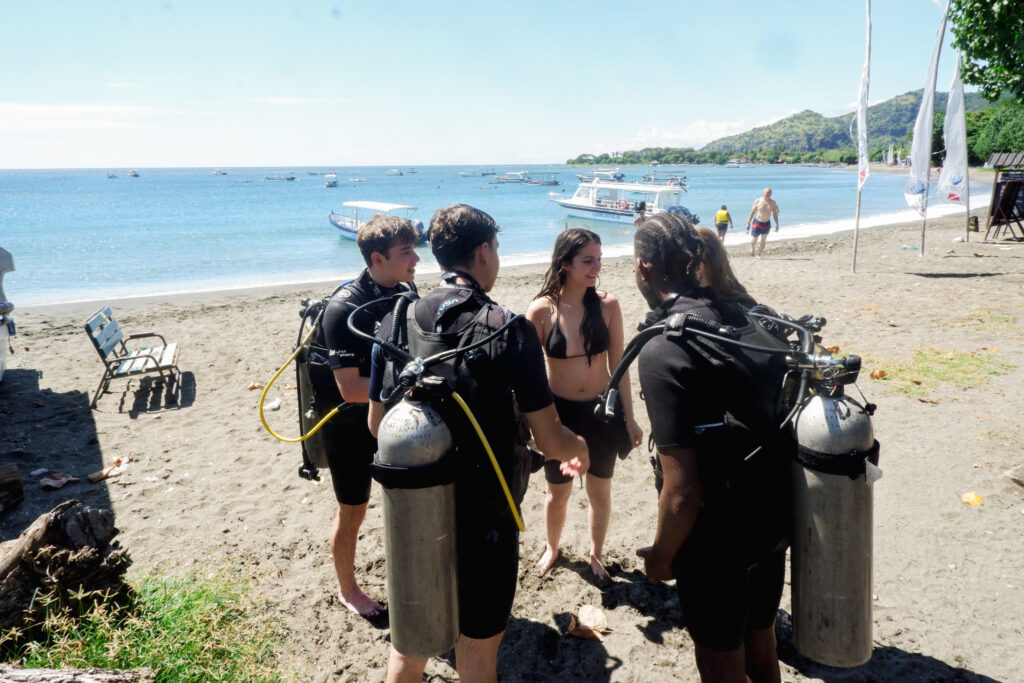
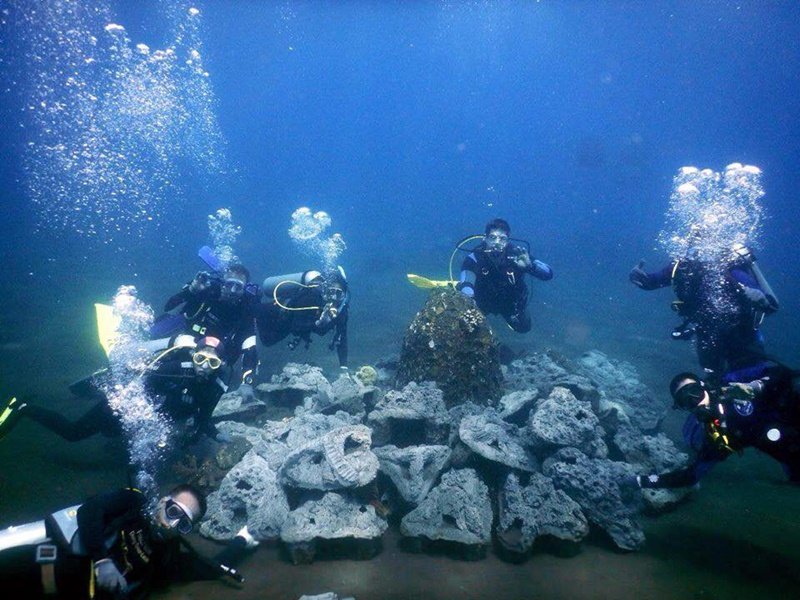
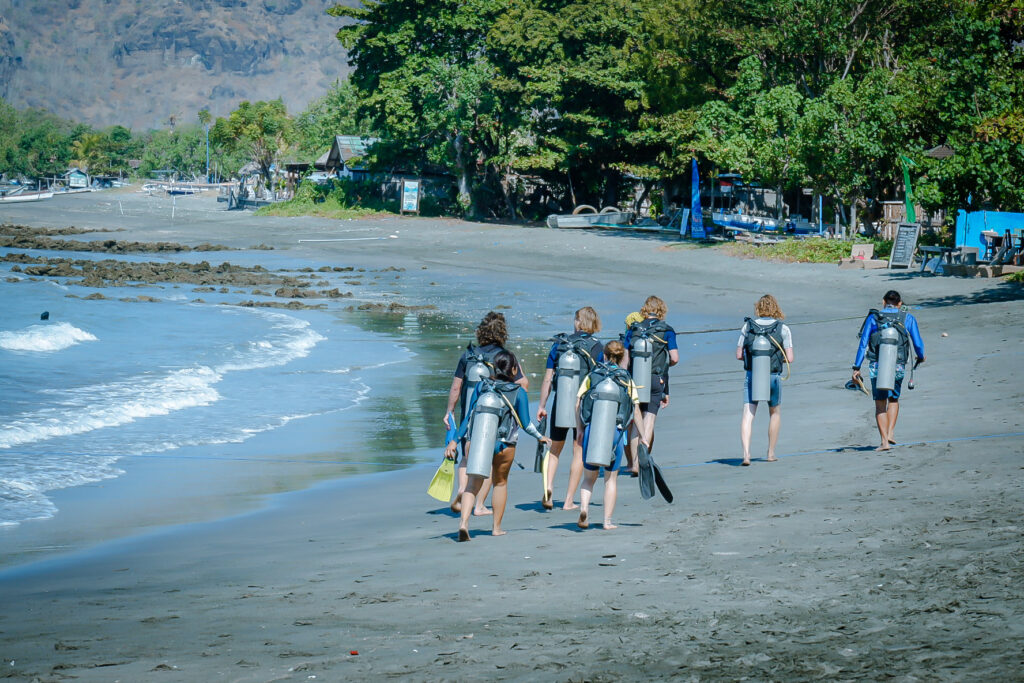
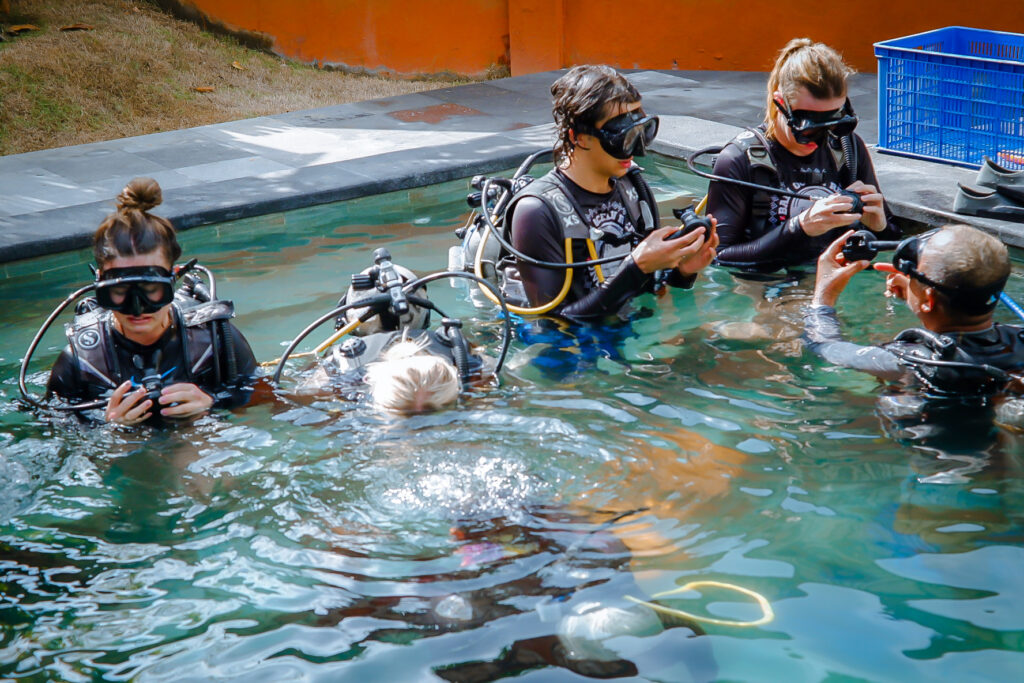
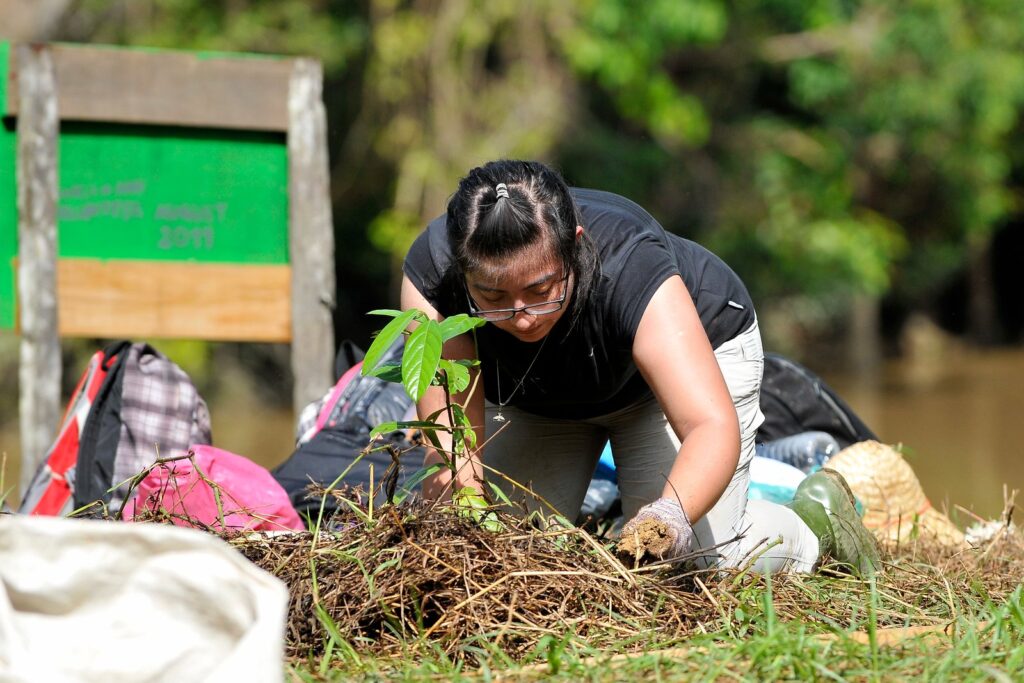
- North Bali Coral Reef Restoration and Scuba Diving Volunteer Program — Volunteers in this program become a part of a local diver team whose responsibilities is to monitor and keep the coral reefs growing healthily.Volunteers will spend most of the work time both under…
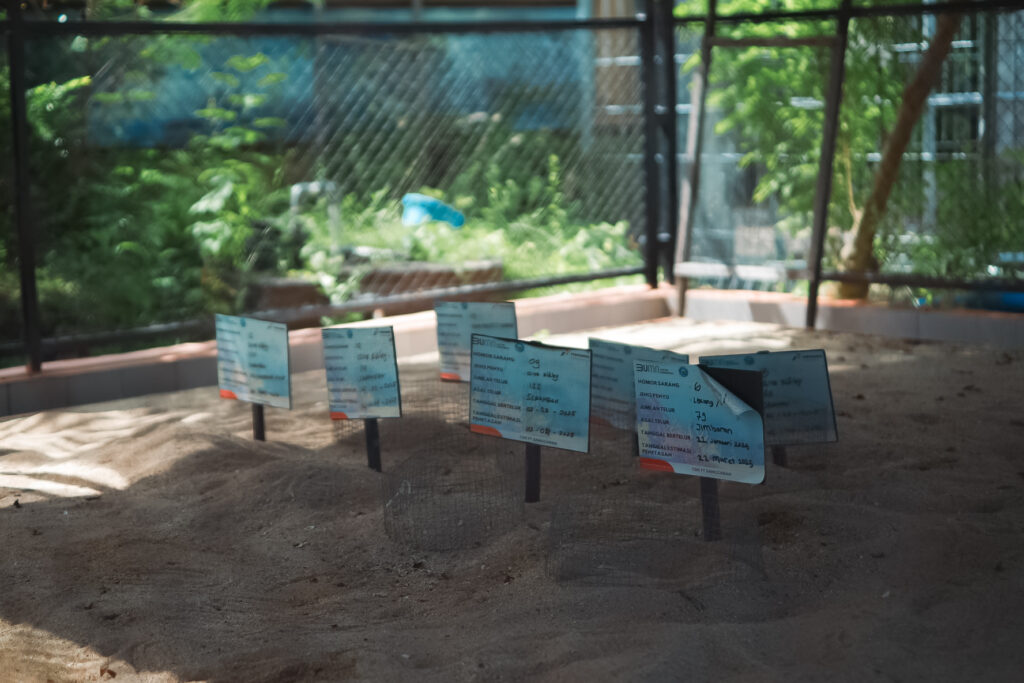
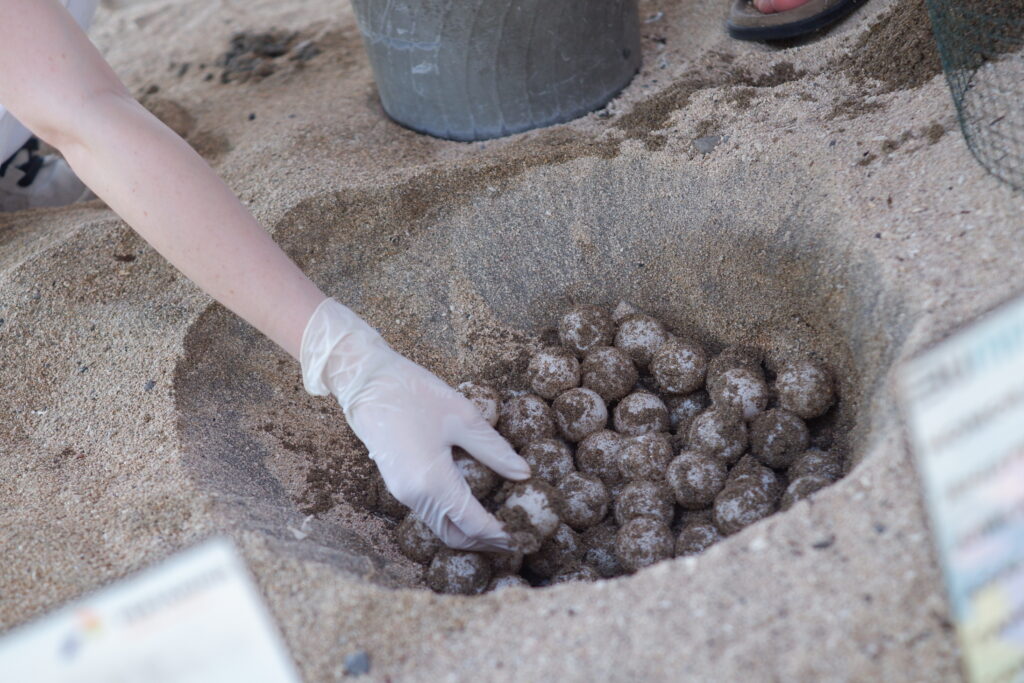
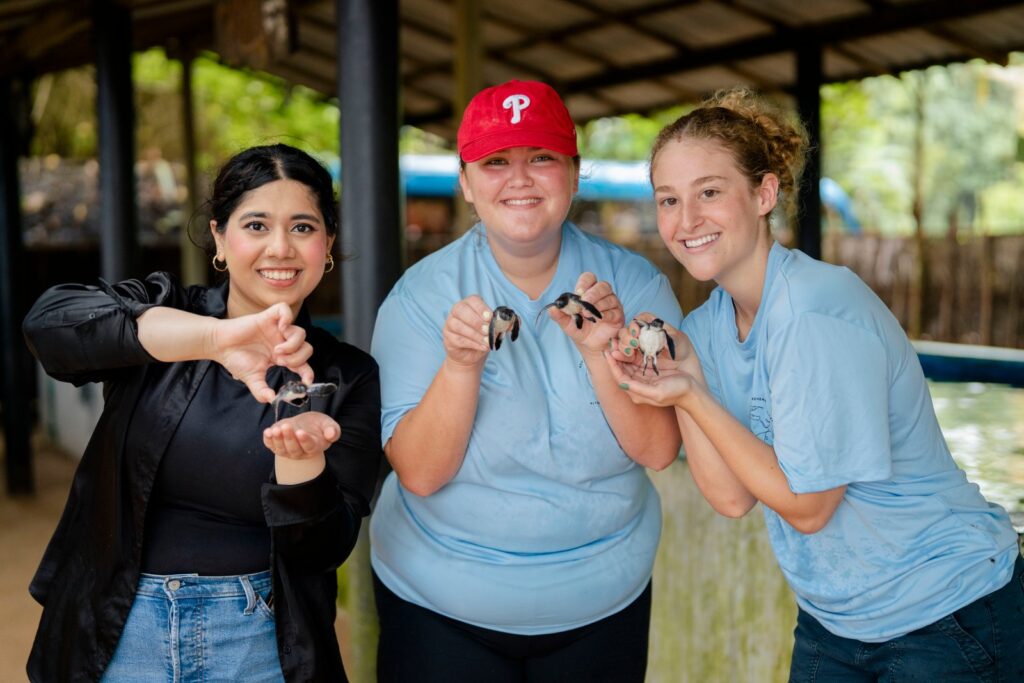
- Turtle Conservation Project in Bali — Interested to do volunteer in a Sea Turtle Conservation Project in Bali?
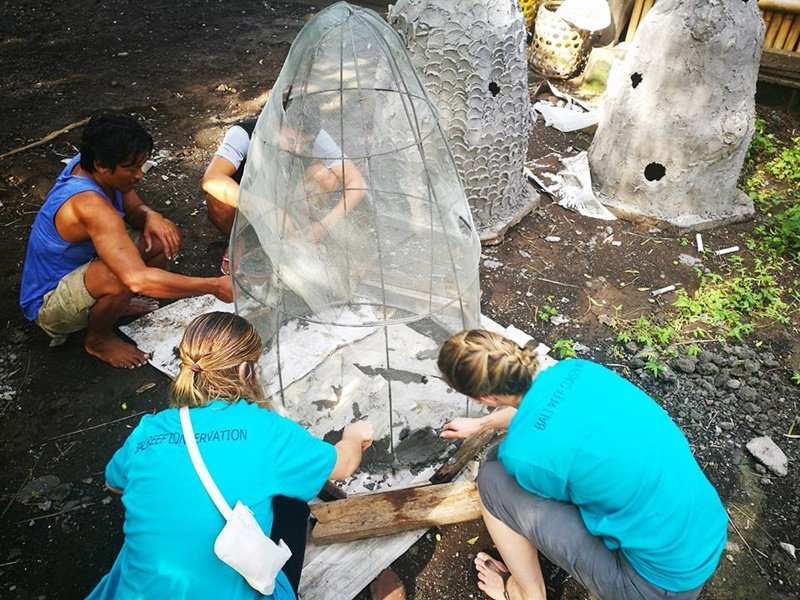
- Volunteer Marine Conservation Program in Bali — Volunteer for Marine Conservation, and do your bit for the rising pollution hampering marine life in the oceans, develop skills of locals and fishermen for practicing alternative livelihood…
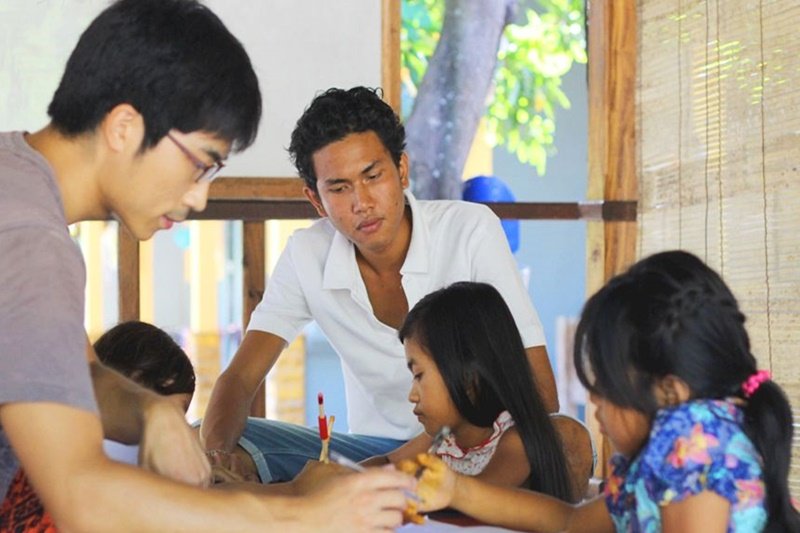
- Volunteer Teaching Program in Bali — If you are someone who absolutely enjoys the company of kids, then volunteering as a teacher in Bali would be perfect for you, as you’ll get ample scope to spend time with adorable little ones.
Make a Positive Impact in Bali
Volunteering in Bali is about more than just giving back – it’s about creating connections, supporting under-resourced communities and growing your own global understanding. Your contributions help improve access to education, while also promoting sustainable practices within local communities.
Volunteering in Bali at a glance
Projects you can join
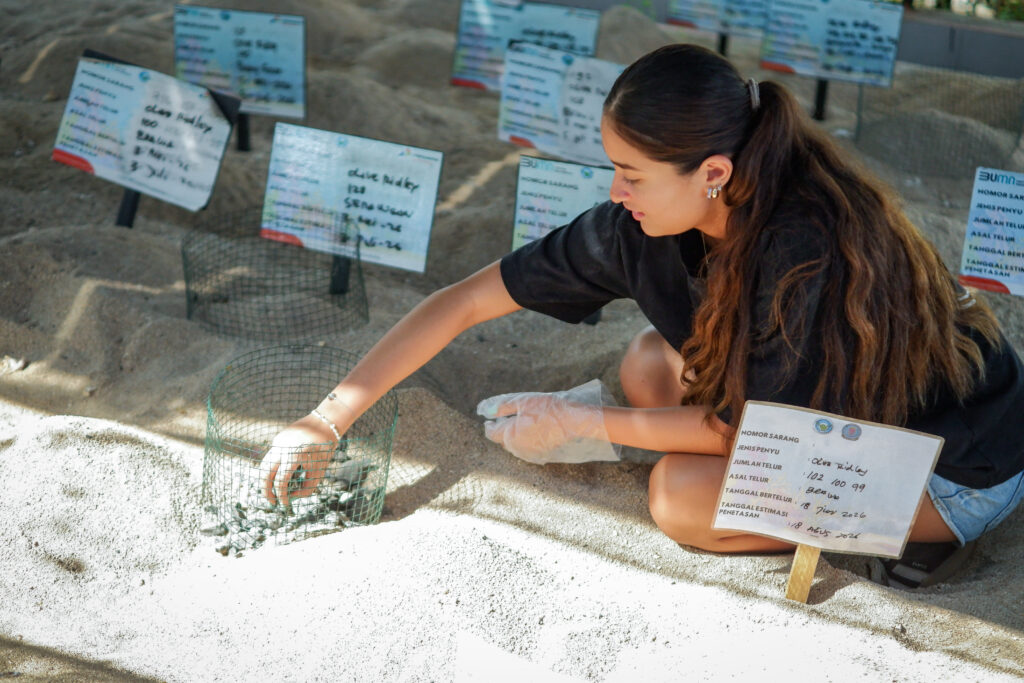
Turtle Conservation Project in Bali
Interested to do volunteer in a Sea Turtle Conservation Project in Bali? Volunteering Solutions offers sea turtle conservation…
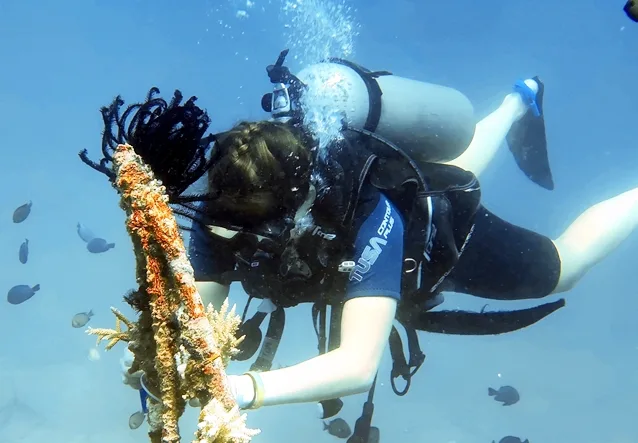
North Bali Coral Reef Restoration and Scuba Diving Volunteer Program
Volunteers in this program become a part of a local diver team whose responsibilities is to monitor and…

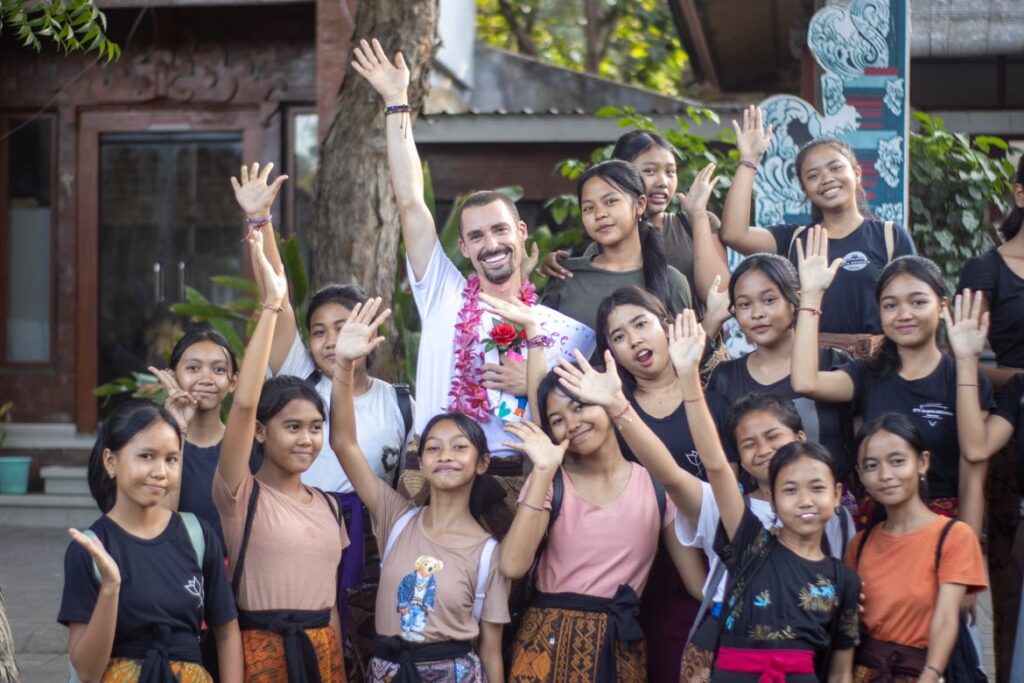
Volunteer Teaching Program in Bali
If you are someone who absolutely enjoys the company of kids, then volunteering as a teacher in Bali…
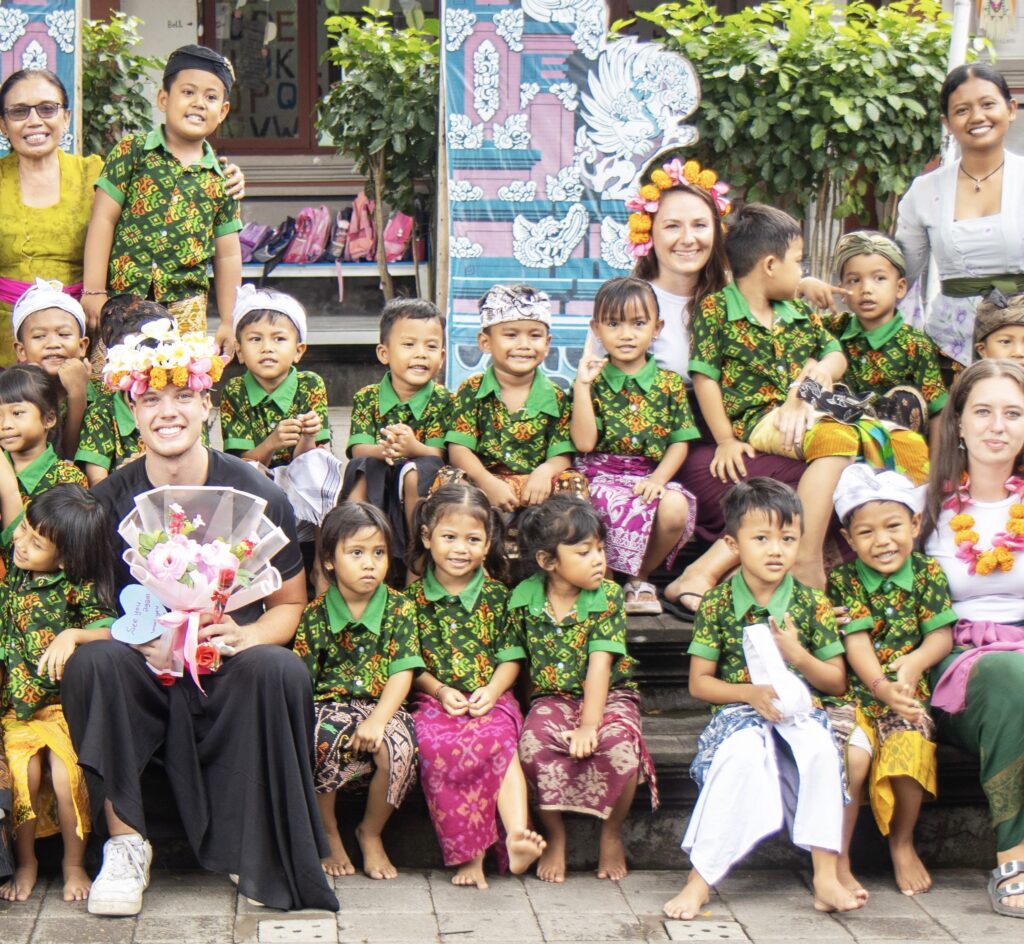
Kindergarten Volunteer Program in Bali
Volunteer in a kindergarten project in the small fishing village of Tianyar in North Bali and play a…

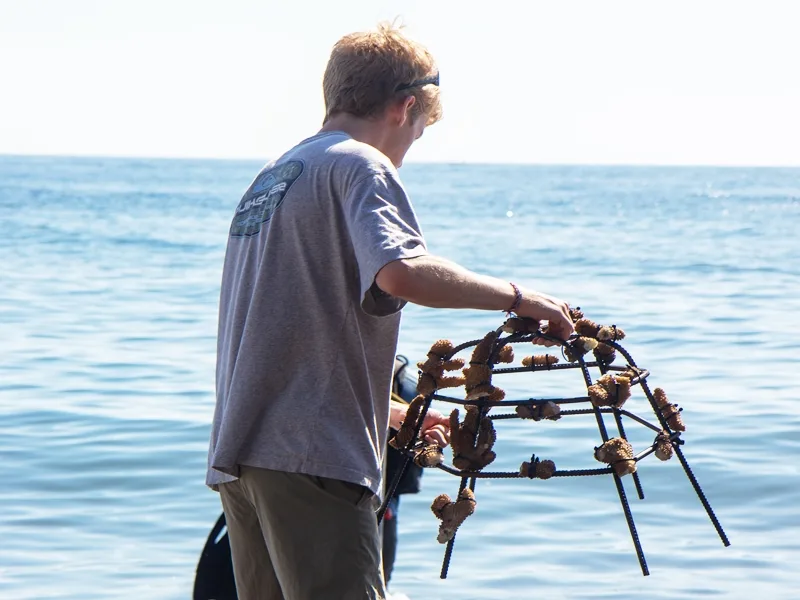
Volunteer Marine Conservation Program in Bali
Volunteer for Marine Conservation, and do your bit for the rising pollution hampering marine life in the oceans,…
What it costs to volunteer in Bali
All-in prices: accommodation, the meals listed for the program, airport pickup where listed, orientation, placement and in-country support are included.
| Program | Location | Duration | From |
|---|---|---|---|
| Kindergarten Volunteer Program in Bali | Tianyar | 1-12 Weeks | $719 1 week |
| Volunteer Teaching Program in Bali | Tianyar | 1-12 Weeks | $719 1 week |
| Volunteer Marine Conservation Program in Bali | Tianyar | 1-12 Weeks | $724 1 week |
Includes the $249 booking deposit (counts toward your total, valid for a year, refunded if we cannot place you). Longer stays lower the weekly rate — each program page has the full week-by-week table.
What your fee covers
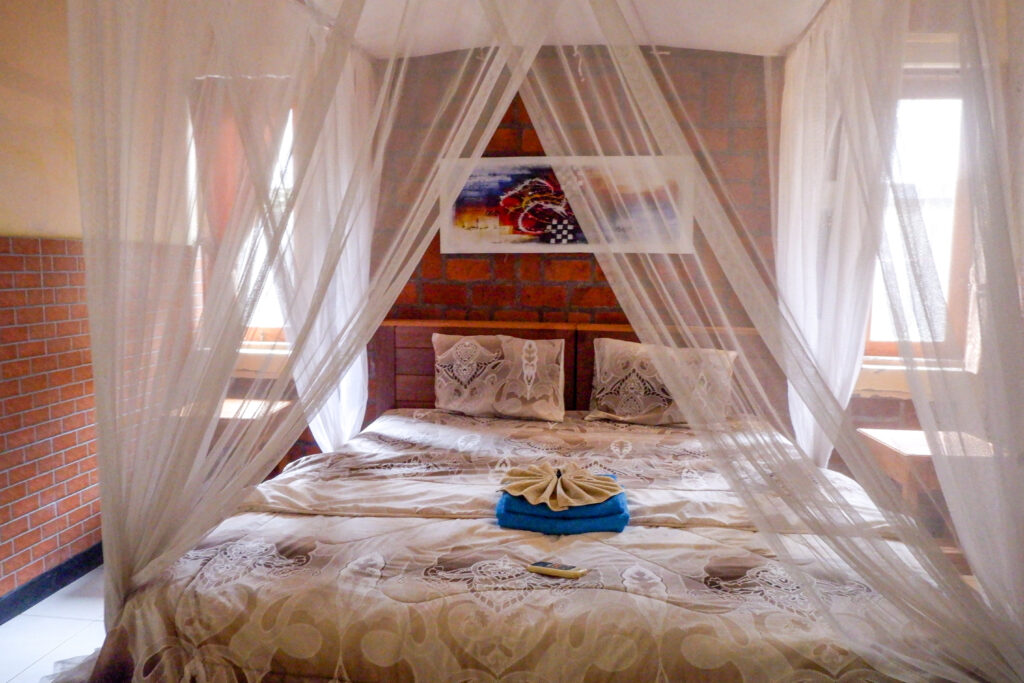
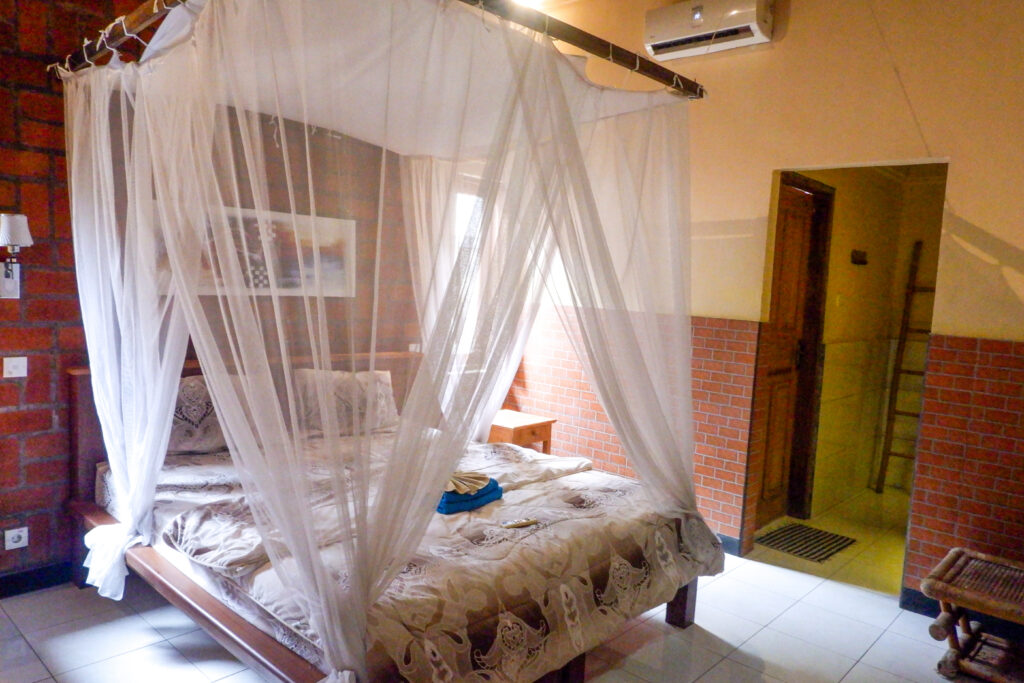
- Accommodation: bamboo beachside cottages at the Tianyar volunteer house; Balinese family homestays for the coral reef and turtle programs
- Meals: Monday–Friday at Tianyar; breakfast Monday–Friday on the coral reef program; a welcome dinner voucher on the turtle program (otherwise self-catered)
- Airport pickup at Denpasar (DPS) and the transfer to your project
- Orientation and introduction to the project, a local contact person and 24-hour local support
- Marine programs: visa assistance and documents, an Indonesian SIM card, project visits and feedback meetings
- Pre-departure guide and certificate of participation on request
Not included
- Flights and the Indonesian C6B volunteer visa fee (we help with the application)
- Vaccinations and travel insurance (compulsory — our partner policy is available at extra cost)
- Return transfer to the airport (can be arranged at extra cost)
- Lunch and dinner on the coral reef program; all meals on the turtle program; weekend meals at Tianyar
- Scooter hire, leisure activities and personal expenses
The three Tianyar programs are the entry price — a shared volunteer house with weekday meals included. The coral reef restoration program includes dive-based conservation work and needs an Open Water license, and the turtle program is based in the more expensive Sanur area with self-catering; both run from a homestay. Every program page shows the full week-by-week total.
Where you stay and what you eat in Bali
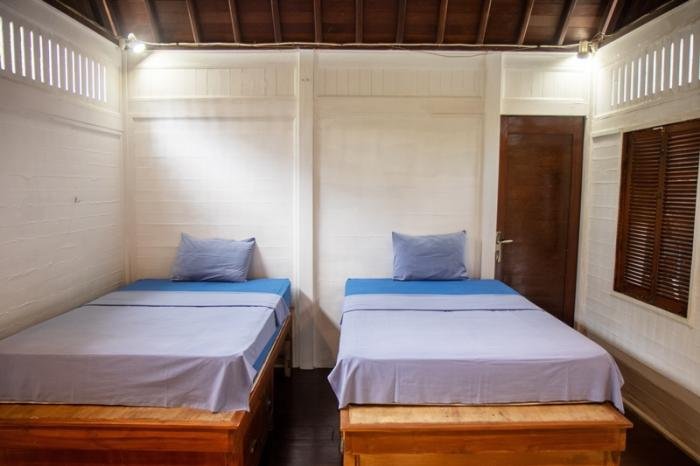
Tianyar (teaching, kindergarten, marine conservation): the volunteer house is a cluster of traditional bamboo cottages right next to the beach, each with a sit-out area and fans, sharing bamboo-built bathrooms and toilets. You share a room with three other volunteers. There is a kitchen where cooks prepare meals Monday to Friday — rice or noodles with vegetables, tofu, tempeh, chicken or fish — served in a communal open-air dining area, plus hammocks, a volleyball pitch, intermittent Wi-Fi and a supermarket, ATM and laundromat a short walk away. Bring your own towel and toiletries. At weekends volunteers eat out at the village warungs.
Pemuteran coral reef program: a homestay owned by members of the reef organization, a walk from the beach and the coral center, with fan-cooled rooms with sit-out areas, intermittent Wi-Fi, towels provided and a minimart and ATM nearby. Breakfast (pancakes, fruit, fried banana, toast, tea or coffee) is served Monday to Friday; lunch and dinner are at the village warungs for a few dollars.
Serangan turtle program: a traditional Balinese homestay within walking distance of the beach and a 15–20-minute scooter ride from the turtle site, with air-conditioned rooms, sit-out areas, Wi-Fi, towels and shared common areas. Meals are self-catered — the Sanur area has everything from food markets and warungs to international restaurants.
Arriving in Bali and who looks after you
Fly into Denpasar (DPS)
Tianyar volunteers arrive on a Sunday before 5pm and are met in the arrivals hall by a team member holding a name sign, then driven about three hours north to the volunteer house (if you come a few days early, book a hotel in Kuta or Sanur and we collect you from there on Sunday). Turtle volunteers arrive on a Saturday and coral reef volunteers on a Saturday or Sunday, ideally in daylight — the reef site is around four hours from the airport.
Orientation
On Monday at Tianyar the local team walks you through the village, the school or kindergarten and the marine project, covering culture, safety and your role; the marine programs run an orientation day covering the project, the work, the place and safety questions.
Your working week
Monday to Friday at the project — classroom and kindergarten sessions, reef or beach work, hatchery and turtle-care shifts — with evenings and weekends free.
Support
A named local contact person and 24-hour assistance from the Balinese teams at every site; the marine programs add project visits and satisfaction check-ins during your stay.
Staying safe in Bali and who can join
Bali is a relaxed and welcoming island where the main risks are practical: scooter accidents, strong surf and rip currents, sunburn, and the occasional stomach upset. Our volunteer sites are in villages the local teams come from, you are collected at the airport, and a local contact is available 24 hours a day. Ride a scooter only if you are licensed and experienced (an international driving license is required on the reef program), always wear a helmet, swim where locals swim, and drink bottled or filtered water.
Health: keep routine vaccinations up to date; hepatitis A and typhoid are commonly recommended, and dengue is present so use repellent. Rabies exists in Bali — avoid touching stray dogs and monkeys. Check NHS Fit for Travel or the CDC before you go. Visa: volunteering in Indonesia requires the C6B (social-cultural / volunteer) visa rather than a tourist visa; we send the sponsor documents and instructions once you book, and the process can take a week or two, so book early. Passports need six months' validity and two blank pages.
Who can join: minimum age 17 on the Tianyar programs (with parental consent for under-18s; families welcome on the kindergarten program) and 18 on the marine programs. A clean criminal background check is required. The coral reef program needs an Open Water (or equivalent) dive certification, good English and reasonable fitness; the Tianyar marine program needs swimming ability; the turtle program asks for fluent English and an independent, self-reliant attitude.
Requirements checklist
- Minimum age: 17+ — younger children can join the family-friendly programs with a parent; minimum ages vary by project. Family volunteering
- Background check: required for placements with children or vulnerable adults — issued within 12 months of your start date, in English or with a translation. How to get one
- Travel insurance: comprehensive cover for your whole stay is compulsory; you can bring your own or take the policy we arrange. Insurance details
- Safeguarding: every volunteer follows our code of conduct for children and vulnerable adults, explained again at orientation. Read the policy
📘 Planning in more depth? Read our Bali costs, visa and safety guide.
How we volunteer responsibly in Bali
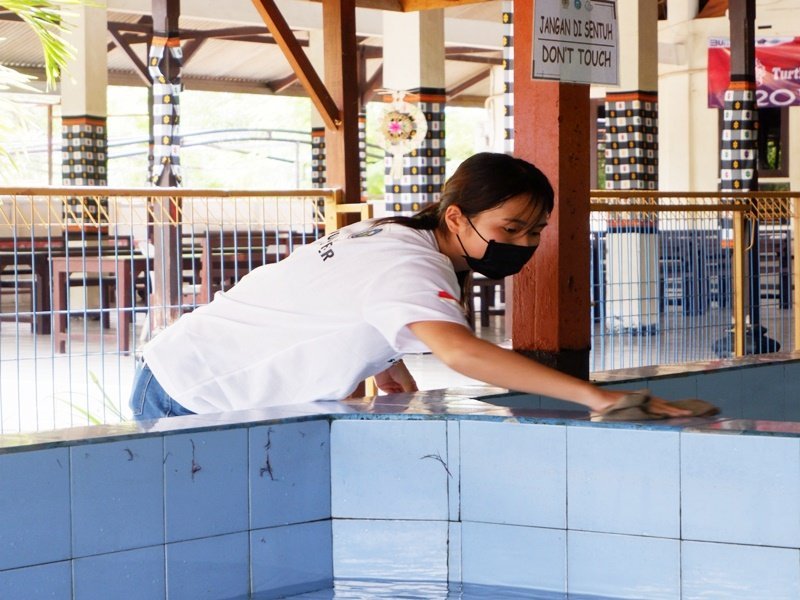
Our Bali partners are community-run: a village school and kindergarten and a marine project in Tianyar staffed by local teachers and coordinators, a coral reef restoration organization in Pemuteran whose team hosts the volunteers in their own homes, and a turtle conservation center on Serangan that rescues, rehabilitates and releases sea turtles. Volunteers support the local staff — assisting lessons and activities, building and maintaining reef structures, cleaning tanks, feeding and monitoring turtles, running beach clean-ups and community awareness sessions — under their direction.
Wildlife work follows our animal welfare policy: turtles are handled only as the center's staff instruct, releases are scheduled by the biologists rather than for visitors, and nothing involves riding, shows or captive breeding for tourism. Placements with children follow our child protection policy, with background checks before arrival and no unsupervised care.
Expect village life, simple facilities and slow Wi-Fi at Tianyar, and expect the work to be steady rather than dramatic — a reef takes years to recover and a class of Balinese kindergarteners takes patience. That is what makes it worthwhile.
Our standards
- Responsible volunteer travel policyHow we choose, run and review every project
- Safeguarding policyProtecting children and vulnerable adults on every placement
- Animal welfare policyOur rules for wildlife, marine and animal-care projects
- Certified B CorporationSocial and environmental performance verified by B Lab
Life outside the project in Bali
Best time: the dry season from April/May to September is best for diving, snorkeling and the beaches; the wet season (November–March) brings hot, humid days with heavy showers but still plenty of sun. Turtle nesting on Bali's beaches peaks between roughly April and September. Programs run all year.
Getting around: scooters are the local way (license and helmet essential), private drivers are cheap for groups, and ride-hailing apps work in the south. Tianyar is remote — Lovina and Amed are the closest towns for a night out. Weekends: the Ubud rice terraces and monkey forest, the temples of Besakih and Tanah Lot, Mount Batur sunrise trek, snorkeling at Amed and the USAT Liberty wreck at Tulamben, the Nusa islands, and — from Pemuteran — Menjangan Island's reefs in West Bali National Park.
Etiquette: wear a sarong and sash at temples, don't step on the daily canang sari offerings on the pavement, use your right hand, keep swimwear for the beach, and accept that "Bali time" is real. Our Things to Do in Bali guide has more.

Life in Bali
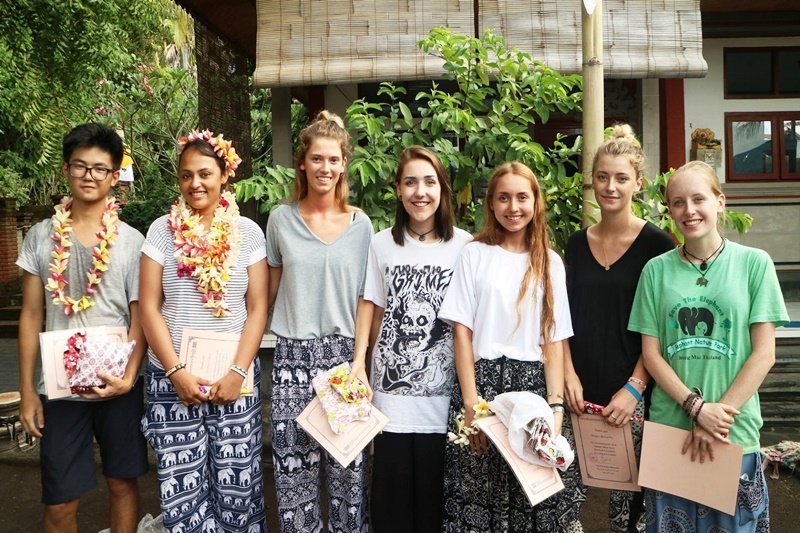

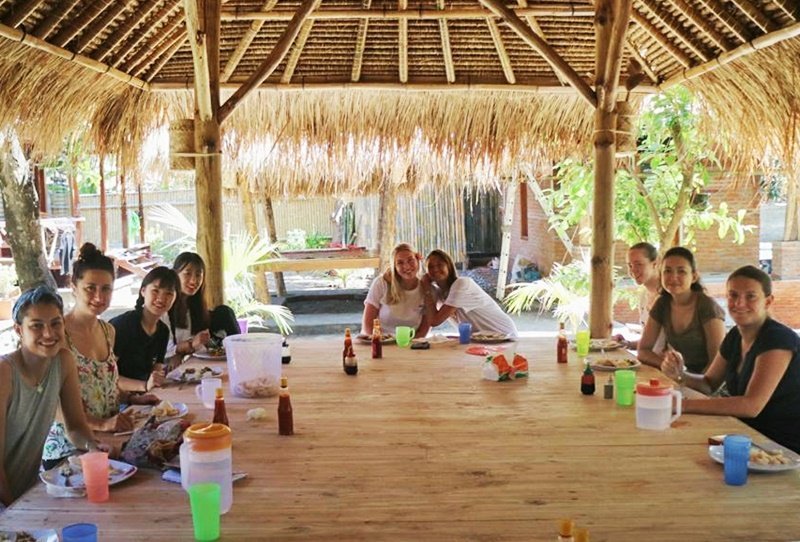
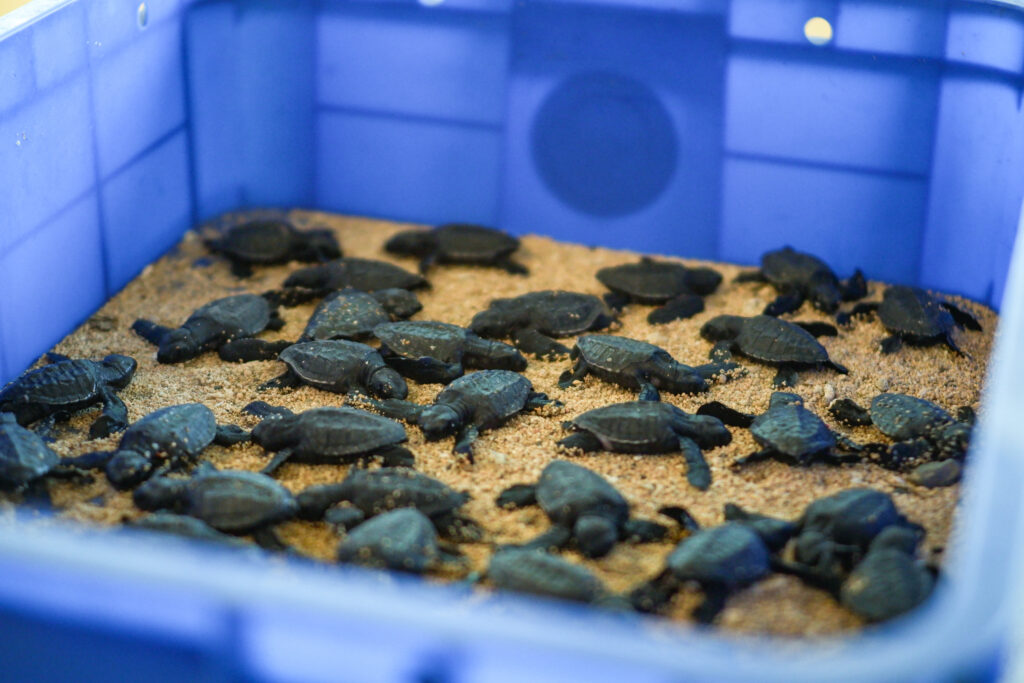

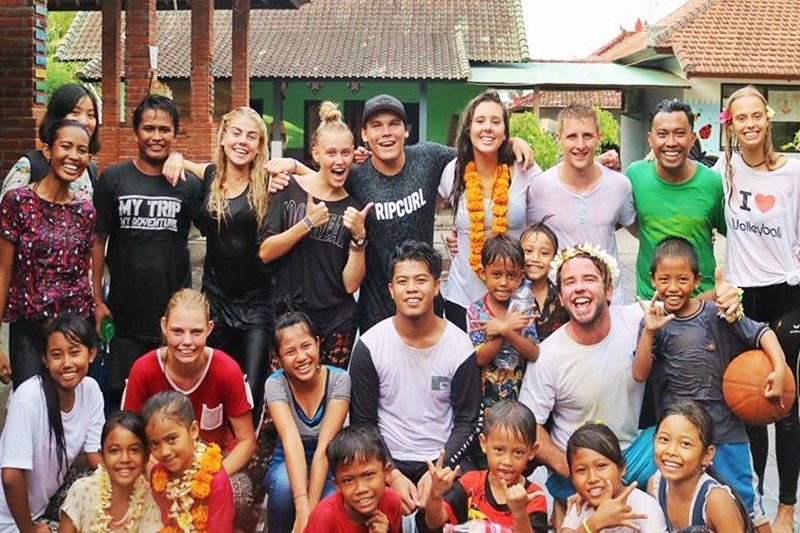

What our volunteers say
Explore other destinations



Your questions, answered
How much does it cost to volunteer in Bali?
Tianyar programs start from $719 for one week, deposit included, covering the beachside volunteer house, weekday meals, airport pickup and transfer, orientation, placement and 24-hour local support. The coral reef and turtle programs cost more because they are homestay-based with visa and SIM support (and diving, for the reef program). Longer stays cost less per week and each program page shows the full week-by-week total; flights, visa, insurance and personal spending are extra.
Do I need a visa to volunteer in Bali?
Yes. Volunteering in Indonesia requires the C6B social-cultural (volunteer) visa rather than the tourist visa on arrival. Once you book we send the sponsor documents and step-by-step instructions; the process can take a week or two, so apply early. Your passport needs six months' validity beyond your return date and two blank pages.
Is Bali safe for volunteers?
Yes. Our sites are in villages where the local teams live, you are met at the airport and a contact person is available around the clock. The real risks are scooters, surf and sun: ride only with a license and helmet, swim where locals swim, drink bottled water and keep away from stray dogs and monkeys because of rabies. Solo travelers and families both volunteer in Bali every year.
What is the minimum age to volunteer in Bali?
17 on the Tianyar teaching, kindergarten and marine programs (with parental consent for under-18s — families are welcome on the kindergarten program) and 18 on the coral reef and turtle programs. There is no upper age limit.
How long can I volunteer in Bali, and when can I start?
Tianyar and turtle programs run from one to twelve weeks; the coral reef program from two to eight weeks. Tianyar programs start every Sunday, the turtle program on Saturdays and the reef program on Saturdays or Sundays, all year round; the next available start is 27 Sep 2026.
Where will I stay in Bali?
At Tianyar, in traditional bamboo cottages beside the beach — four volunteers to a room, shared bamboo bathrooms, fans, hammocks and a communal dining area. On the coral reef and turtle programs, in Balinese family homestays with fan-cooled (reef) or air-conditioned (turtle) rooms, Wi-Fi, towels and common areas, a walk from the beach.
Are meals included in Bali?
At Tianyar, meals are cooked at the volunteer house Monday to Friday; at weekends you eat at the village warungs. The coral reef program includes breakfast on weekdays, with lunch and dinner at local warungs for a few dollars. The turtle program is self-catered — the Sanur area has markets, warungs and international restaurants — and includes a welcome dinner voucher.
Will I be picked up at the airport in Bali?
Yes. A team member meets you at Ngurah Rai International Airport (DPS) in Denpasar with a name sign: on Sundays until 5pm for Tianyar (then a three-hour drive north), on Saturdays for the turtle program and on Saturday or Sunday for the reef program. If you arrive early we collect you from your hotel in Kuta or Sanur instead. The return transfer can be arranged at extra cost.
Which vaccinations do I need for Bali?
None are compulsory for entry, but routine vaccinations should be current and hepatitis A and typhoid are commonly recommended; dengue and rabies are present, so use repellent and avoid animals. Check NHS Fit for Travel or the CDC and see a travel clinic six to eight weeks before departure.
When is the best time to volunteer in Bali?
The dry season, April/May to September, has the best diving visibility, calmest seas and driest beach days — ideal for the marine, reef and turtle programs. The wet season (November–March) is hot and humid with heavy showers between sunny spells and works fine for the teaching and kindergarten programs. Programs run all year.
Do I need to be a diver for the Bali marine programs?
Only for the North Bali coral reef restoration program, which requires at least an Open Water (or A1) certification, swimming fitness and a valid international driving license for the scooter to the site. The Tianyar marine conservation program needs swimming ability but no dive certificate, and the turtle program involves no diving at all.
What should I pack for volunteering in Bali?
A quick-dry microfiber towel and toiletries (not provided at Tianyar), reef-safe sunscreen, a rash vest, swimwear and water shoes for the marine programs, light modest clothes for the school and kindergarten (shoulders and knees covered), a sarong for temples, mosquito repellent, a headlamp, a small zipped bag for valuables, a first-aid kit and any regular medication. Divers should bring their certification card and log book.
Ready to volunteer in Bali?
5 programs · from $719 · next start 27 Sep 2026
Free advice, no obligation. Change program, dates or destination free of charge up to 45 days before you start.