 English ▾
 Nederlands
 Deutsch
 Italiano
 Português
 Español
 Português
 Français
 日本語
日本語 한국어
한국어
Ethical Elephant Volunteering in Thailand: The Complete 2026 Guide
Blog · June 24, 2026 · 11 min read
Yes, you can volunteer with elephants in Thailand ethically — but only at projects that have moved away from riding, performance and chains, and towards observation, feeding and welfare. The phrase “ethical elephant volunteering” gets misused a lot, so this honest 2026 guide explains what it genuinely means, what you will actually do day to day, what it costs, how to tell a responsible project from a tourist trap, and how to choose a placement you can feel proud of.
Thailand is the country most people picture when they imagine working with elephants abroad, and for good reason. But the elephant tourism industry here is complicated, and good intentions are not enough. If you want your trip to help elephants rather than harm them, the most important skill is knowing the right questions to ask. By the end of this guide you will.
If you already know you want to go, you can look at our elephant care volunteer programme in Chiang Mai or browse all of our wildlife conservation volunteer projects. If you are still weighing it up, read on.
What does “ethical” elephant volunteering actually mean?
Ethical elephant volunteering means spending your time on the welfare of the elephants rather than on entertainment for tourists. In practice, a responsible elephant project is built around a few non-negotiable principles. Understanding them is the single most useful thing you can do before you book anything.
No riding, no shows, no bullhooks
The clearest line between ethical and unethical elephant tourism is riding and performance. Elephants are not built to carry a heavy seat (a “howdah”) and several adults on their spine for hours, and the training that makes a wild-tempered animal accept riding, painting or circus tricks is often harsh. A genuinely ethical project does not offer elephant rides, does not stage shows, and does not rely on the bullhook to control the animals. If a place advertises trekking or painting elephants, it is a tourist attraction, not a welfare project — no matter what the brochure says.
Care and observation, not performance
At an ethical placement your job is to support the animals’ daily needs and to let them be elephants. That means preparing food, keeping their environment clean, helping maintain the camp, and observing natural behaviour from a respectful distance. You are there to help the people who care for the elephants do their work better — not to get a photo on an elephant’s back. The reward is quieter but far more meaningful: watching a three-tonne animal trust you enough to feed from your hand.
Why Thailand — and why do elephant camps exist at all?
Elephants are woven into Thai culture, history and national identity. For centuries they worked in logging and ceremony, and they remain among the most revered animals in the country. When commercial logging was banned in 1989, thousands of captive elephants and their keepers (known as mahouts) suddenly had no income — and an adult elephant eats up to 150–200 kg of food a day. That is the uncomfortable economic reality behind most elephant camps: keeping a single elephant healthy is extraordinarily expensive, and that money has to come from somewhere.
This is why so many camps depend on visitors. The honest version of elephant tourism uses that visitor income to feed and care for the animals without making them perform. A responsible camp in northern Thailand typically keeps a small herd, employs local mahouts — often from ethnic hill-tribe communities who have cared for elephants for generations — and uses admission and volunteer fees to cover food, land and veterinary care. Knowing this background helps you ask sharper questions and spot the difference between a working welfare project and a show dressed up as a sanctuary.
What will you actually do as an elephant volunteer?
Forget the staged hugging photos. Real elephant care work is physical, hands-on and grounded in routine. On our Chiang Mai elephant programme, a typical day for a volunteer includes a mix of the following:
- Preparing food — chopping fruit, gathering and bundling grasses, and making the supplementary food balls elephants need to stay healthy.
- Feeding and hydration — helping deliver food and water throughout the day, which is also when you build trust with individual animals.
- Cleaning and camp maintenance — clearing the areas the elephants use and helping with general upkeep so the herd has a clean, safe space.
- Observation — spending time watching the elephants and learning their personalities, behaviour and needs alongside the mahouts.
- Supporting the mahouts — working with the people who know these animals best and learning how they care for them.
Late afternoon and early evening are often the best times of day, when the heat eases and volunteers can spend longer with the elephants and their keepers. This is when the bond really forms. Be ready for outdoor work in a hot, humid climate — this placement suits people who do not mind getting their hands dirty and who are genuinely motivated by the welfare of the animals rather than the Instagram post.
Where you will be based: Chiang Mai
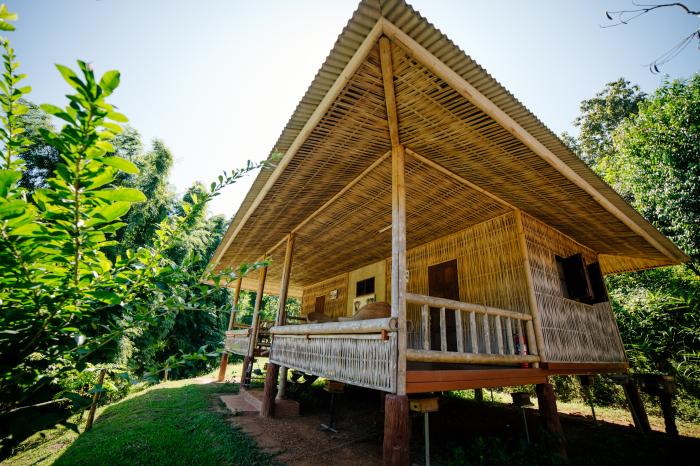
Most ethical elephant work in Thailand happens in the north, around Chiang Mai — a laid-back, mountain-ringed city that is the unofficial capital of Thai elephant care and a backpacker favourite. The camp itself sits outside the city, surrounded by lush forest and tall hills, which gives the herd far more space than a roadside attraction ever could.
Volunteers usually stay in shared, simple accommodation with meals provided, and travel out to spend the day with the elephants. In your free time, Chiang Mai is one of the best bases in Southeast Asia: ancient temples, night markets, cooking classes, waterfalls and easy onward travel across the region. It is also a sociable, safe place to land if this is your first time volunteering abroad. To plan your stay, see our destination overview for volunteering in Thailand, and our guide on how long you can stay in Thailand as a volunteer.
How do you spot a genuinely ethical elephant project?
This is the part that matters most, because the word “sanctuary” is unregulated — anyone can use it. Whether you book with us or anyone else, run any elephant project through this checklist before you pay.
Green flags — signs of a responsible project:
- No riding, no circus-style shows, no painting or tricks.
- Volunteers work around the elephants (food prep, cleaning, observation) rather than performing set-piece activities with them.
- A small herd with enough land and shade, and visible access to food and water.
- Local mahouts are employed and respected, and you are encouraged to learn from them.
- Transparency about where your fee goes and how the elephants came to be there.
- Limits on how close visitors get, and on group sizes, to keep both elephants and people safe.
Red flags — walk away if you see these:
- Elephant rides, trekking with seats, painting, football or any kind of show.
- Bullhooks used routinely, or elephants kept on very short chains with no enrichment.
- Baby elephants performing or being separated from their mothers for photos.
- Promises that you will “bathe elephants all day” on repeat for tour groups — constant forced bathing for tourist photos is stressful for the animals, even when it looks gentle.
- No clear answer about how the project is funded or who cares for the elephants.
One honest caveat: in Thailand, almost all elephants in human care are captive animals that cannot simply be released into the wild, and the economics of keeping them mean very few camps are perfect. Ethical here means “materially better for the elephant than the alternative” — care over performance — rather than a flawless utopia. Asking questions, choosing care-focused work and supporting camps that are moving in the right direction is how the whole industry improves.
How much does elephant volunteering in Thailand cost?
People are often surprised that you pay to volunteer. The fee is not a wage you would earn — it covers your accommodation, meals, in-country support and airport pickup, and crucially it contributes to the food and upkeep that keep the elephants healthy. Given that a single elephant can eat 150–200 kg a day, that contribution genuinely matters.
Our Chiang Mai elephant programme starts from around US$840 for one week, with longer stays costing more in total but less per week. Because fees and start dates are updated regularly, always check the live price and availability on the programme page rather than relying on a figure in a blog post. Your international flights, visa, insurance and personal spending are extra — budget for those separately.
If cost is your main concern, read our tips on volunteering abroad without breaking the bank and consider a shorter placement to keep things affordable while still making a real contribution.
How long should you go for?
You can join for as little as one week, which works well if you are combining elephant care with travel around Thailand or fitting it into a tight schedule. But if you genuinely want to understand the animals and be useful to the team, two to four weeks is far better — you will learn the elephants’ individual personalities, settle into the routine, and the mahouts will be able to trust you with more. For anyone on a longer trip, elephant care also pairs naturally with a gap year volunteering plan.
Who is elephant volunteering right for?

This placement is a great fit if you are an animal lover, a wildlife enthusiast, a gap-year traveller, or simply someone who wants a hands-on, outdoors-based experience rather than a desk-based one. You do not need any previous experience — just a reasonable level of fitness, a willingness to do physical work in the heat, and respect for the animals and the people who care for them.
It is not the right choice if you are mainly after a photo opportunity, expect luxury accommodation, or are uncomfortable with manual work and basic conditions. Elephants are enormous, powerful wild animals; the experience is humbling and occasionally hard, which is exactly what makes it worthwhile. If you love the idea of working with animals but are not set on elephants, browse our wider list of volunteer programmes for animal lovers.
Elephant and wildlife volunteering beyond Thailand
Thailand is the classic choice, but it is not the only one. If you want to combine elephants with culture and a different setting, our elephant volunteer experience in India pairs elephant care with childcare and travel through Rajasthan’s Golden Triangle.
And if your real passion is wildlife and conservation more broadly, you have plenty of options. Explore our full range of wildlife conservation volunteer projects, read about the benefits of conservation volunteering abroad, or compare the best wildlife conservation programmes and marine conservation opportunities we run around the world.
How to get started
Choosing an ethical elephant placement comes down to three steps: decide how long you can go, run any project through the green-flag/red-flag checklist above, and book with an organisation that is transparent about welfare and where your money goes. As a certified B Corporation with employed in-country teams, Volunteering Solutions structures its elephant placement around care and observation rather than rides or shows.
When you are ready, head to the Chiang Mai elephant care programme to check current dates and fees, or get in touch with our team with any questions. Doing it the right way takes a little more thought — but it is the only way to make sure your trip is genuinely good for the elephants.
Frequently asked questions
Is elephant volunteering in Thailand ethical?
It can be, if you choose carefully. Ethical elephant volunteering focuses on the animals’ welfare — feeding, cleaning, camp maintenance and observation — and avoids riding, shows, painting and bullhook-based control. Unethical operations dress up rides and performances as “sanctuaries.” Use the green-flag and red-flag checklist in this guide to tell them apart before you book.
Can you ride elephants on an ethical programme?
No. Riding is the clearest sign that a place prioritises tourist entertainment over elephant welfare. Carrying riders for hours can damage an elephant’s back and the training behind it is often cruel. A genuine welfare project never offers rides.
Do I need experience to volunteer with elephants?
No previous experience is required. You need a reasonable level of fitness, a willingness to do physical outdoor work in a hot climate, and respect for the animals and the local mahouts who care for them. Full guidance and in-country support are provided.
How much does it cost to volunteer with elephants in Thailand?
Our Chiang Mai elephant programme starts from around US$840 for one week, covering accommodation, meals, in-country support and a contribution to the elephants’ food and care. Longer stays cost more in total but less per week. Flights, visa, insurance and personal spending are extra. Always check the programme page for current pricing.
How long should I volunteer with elephants?
You can join for one week, but two to four weeks is better if you want to understand the elephants, settle into the routine and be genuinely useful to the team. Longer placements also suit gap-year travellers combining elephant care with wider travel.
Where in Thailand will I be based?
In and around Chiang Mai in northern Thailand, the country’s hub for elephant care. The camp sits outside the city among forests and hills, and volunteers stay in simple shared accommodation with meals provided.