 English (US) ▾
 Nederlands
 English (UK)
 Deutsch
 Italiano
 Português
 Español
Volunteer in Kenya
 Certified B Corporation
★ Rated 4.7/5 (1,461 reviews) 25,000+ volunteers since 2007
Certified B Corporation
★ Rated 4.7/5 (1,461 reviews) 25,000+ volunteers since 2007
Volunteer in Kenya with Volunteering Solutions in Nairobi — childcare and teaching in community schools and day-care centers, a medical program for registered doctors, nurses and midwives, and 1- and 2-week specials that combine project work with a Nairobi National Park game drive, the Giraffe Centre and a Rift Valley safari — or at a raptor conservation and rehabilitation center on Lake Naivasha, where you help rehabilitate injured birds of prey.
Programs start every Sunday all year, run from one week to 24 weeks, and are open from age 17 with parental consent (18 for the medical and raptor programs), with families welcome on the childcare, teaching and special programs. Nairobi is East Africa’s transport hub, so weekends of Maasai Mara, Nakuru’s flamingos or the Indian Ocean coast are realistic. Prices start at $599 for one week, deposit included.
Volunteer opportunities in Kenya
6 programs you can join right now — every card below and every link here goes to the program’s own page with live dates and prices.
- 1 Week Special Volunteer Program in Kenya — Be a volunteer for the 1 Weeks Special Volunteer Program in Kenya, work in and around the city of Nairobi and experience the best that the country has in store for you!
- 2 Weeks Special Volunteer Program in Kenya — The 2-Week Special Volunteer Program in Kenya allows volunteers to care for children in a childcare center while enjoying a weekend safari to Lake Nakuru and Lake Naivasha.
- Childcare Volunteer Program in Kenya — Volunteering in Kenya with children is the most rewarding experience for volunteers.
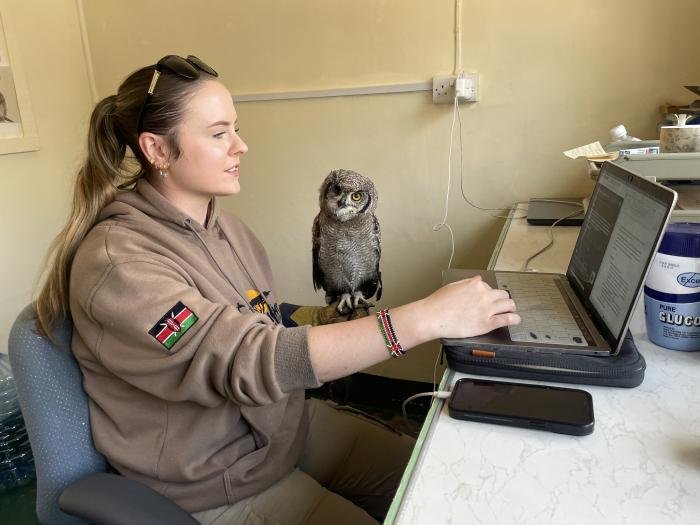
- Kenya Raptor Conservation & Rehabilitation Program — Work hands-on with majestic birds of prey in Kenya’s Rift Valley, supporting real rescue, rehabilitation, and conservation efforts while gaining unforgettable field experience in one of Africa’s most…
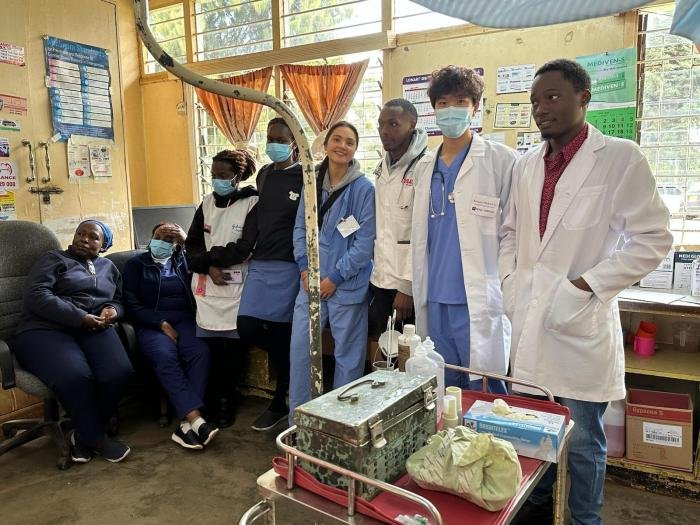
- Medical Volunteer Program in Kenya — A hospital placement in Nairobi for qualified doctors, nurses and midwives.
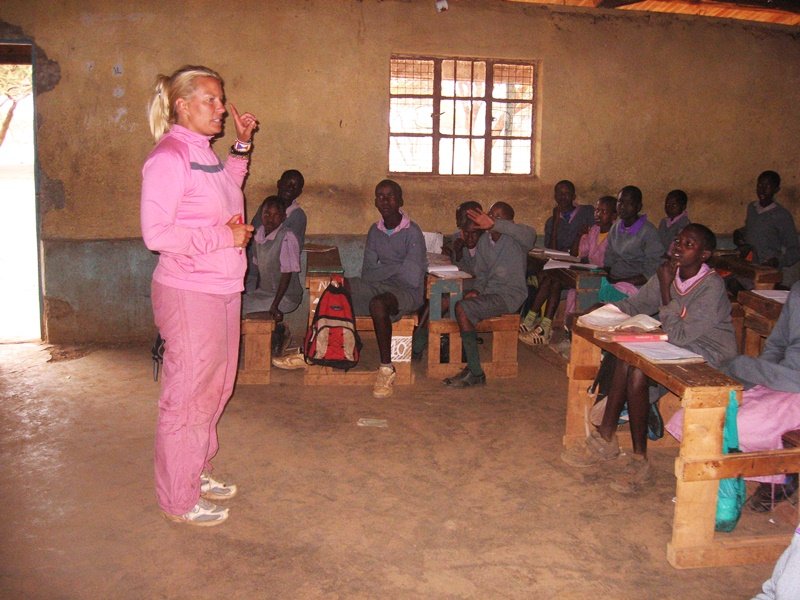
- Volunteer Teaching in Kenya — Volunteer teaching program in Kenya is an opportunity to teach to the children of undeserved communities, directly engage with locals and meet passionate volunteers from across the globe.
Make a Positive Impact in Kenya
Your time in Kenya can help uplift communities that face economic and social challenges. By sharing your time, skills and compassion, you’ll help create better opportunities for education, healthcare and empowerment.
Beyond your volunteer work, you’ll form lasting relationships, gain new perspectives and grow as an individual – all while making a real difference.
Volunteering in Kenya at a glance
Projects you can join
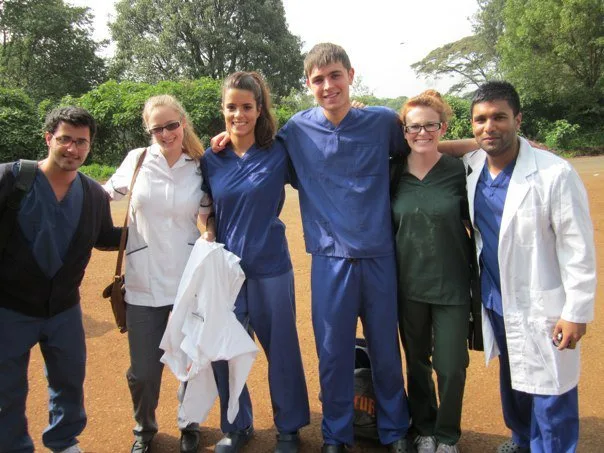
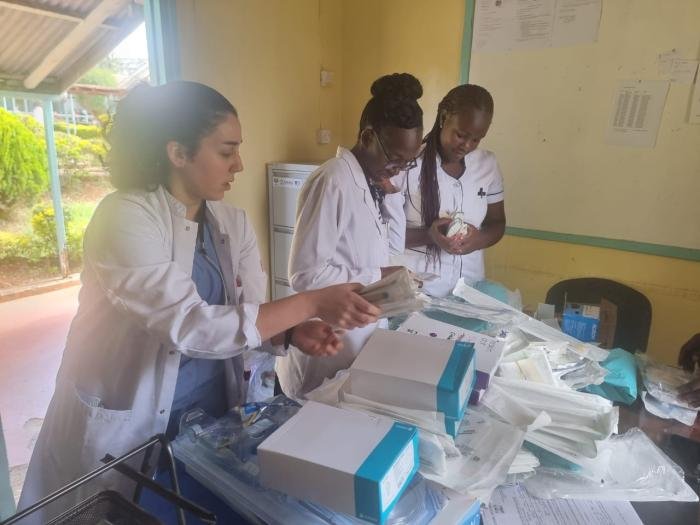
Medical Volunteer Program in Kenya
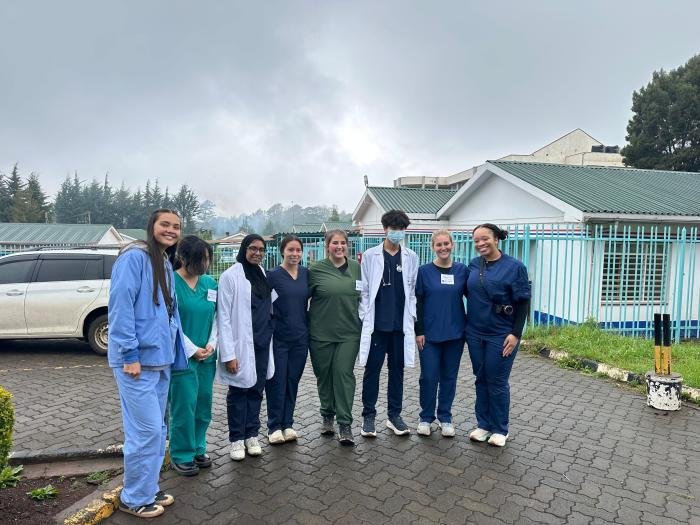
A hospital placement in Nairobi for qualified doctors, nurses and midwives. Work alongside Kenyan clinicians in district hospitals…
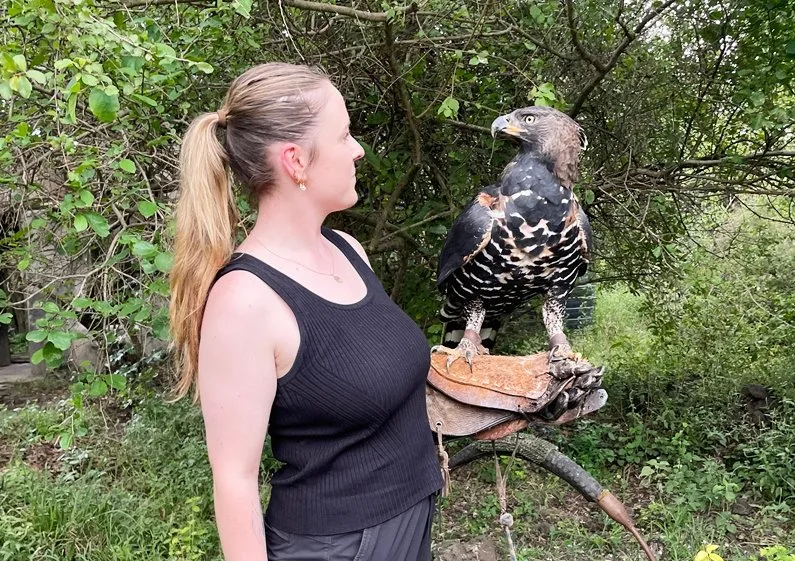
Kenya Raptor Conservation & Rehabilitation Program
Work hands-on with majestic birds of prey in Kenya’s Rift Valley, supporting real rescue, rehabilitation, and conservation efforts…
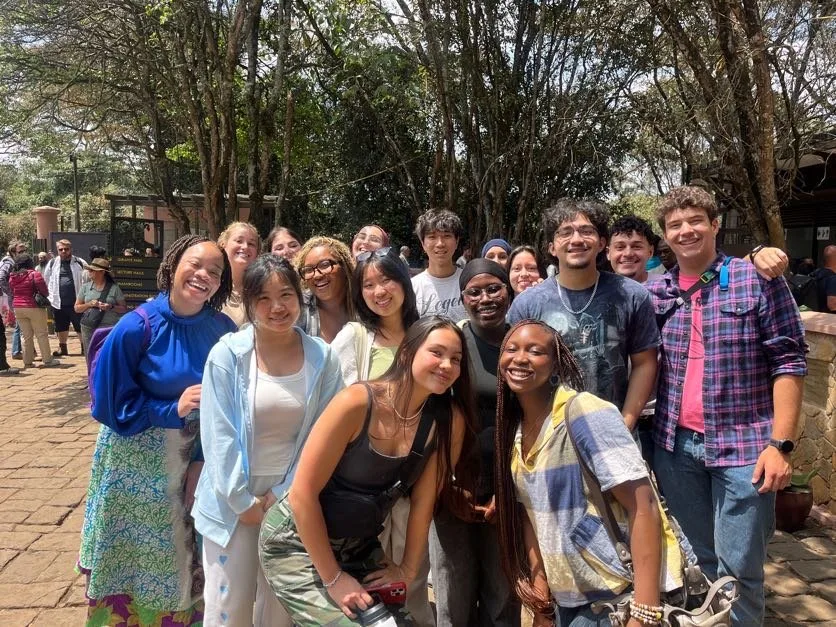
1 Week Special Volunteer Program in Kenya
Be a volunteer for the 1 Weeks Special Volunteer Program in Kenya, work in and around the city…
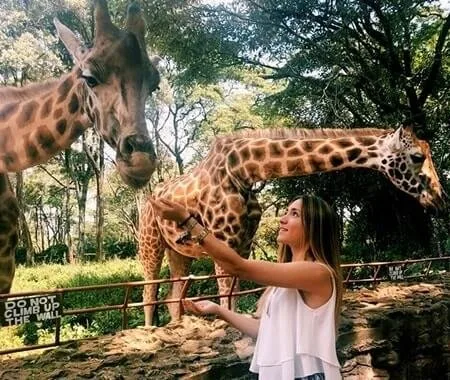
2 Weeks Special Volunteer Program in Kenya
The 2-Week Special Volunteer Program in Kenya allows volunteers to care for children in a childcare center while…
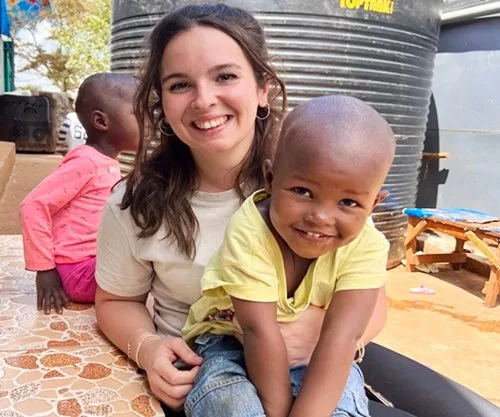
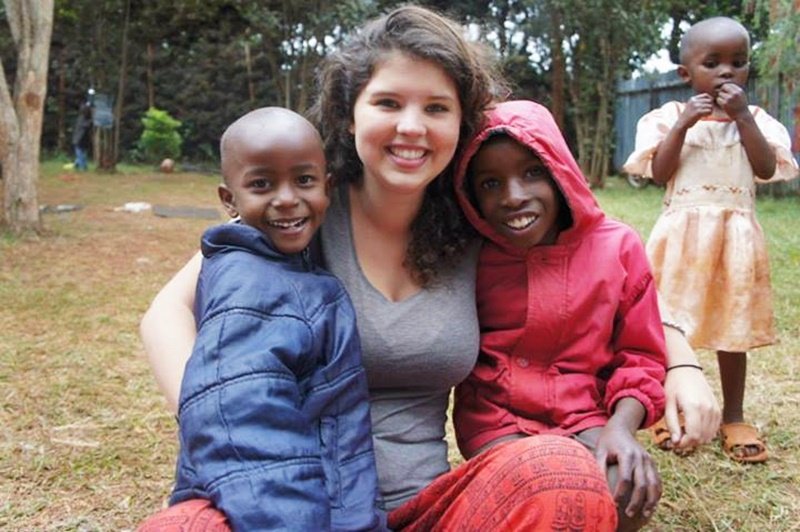
Childcare Volunteer Program in Kenya
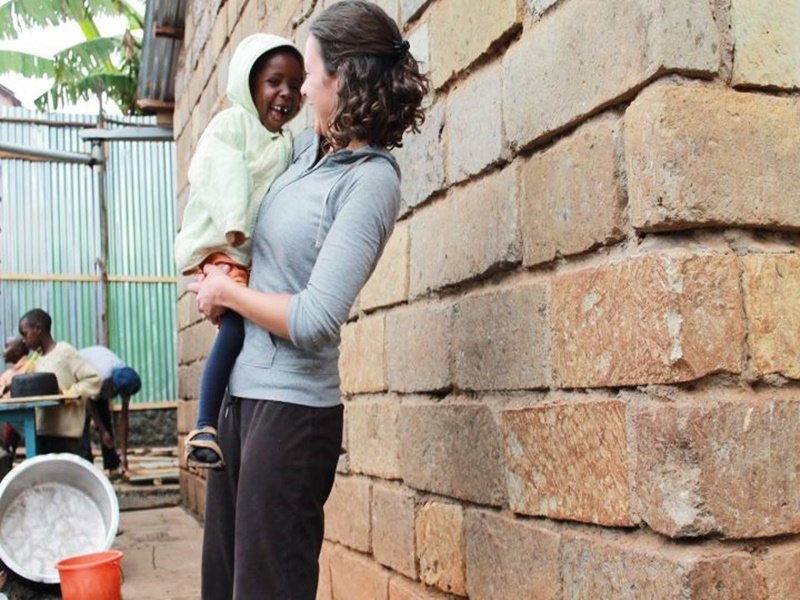
Volunteering in Kenya with children is the most rewarding experience for volunteers. Volunteers work alongside the existing staff…
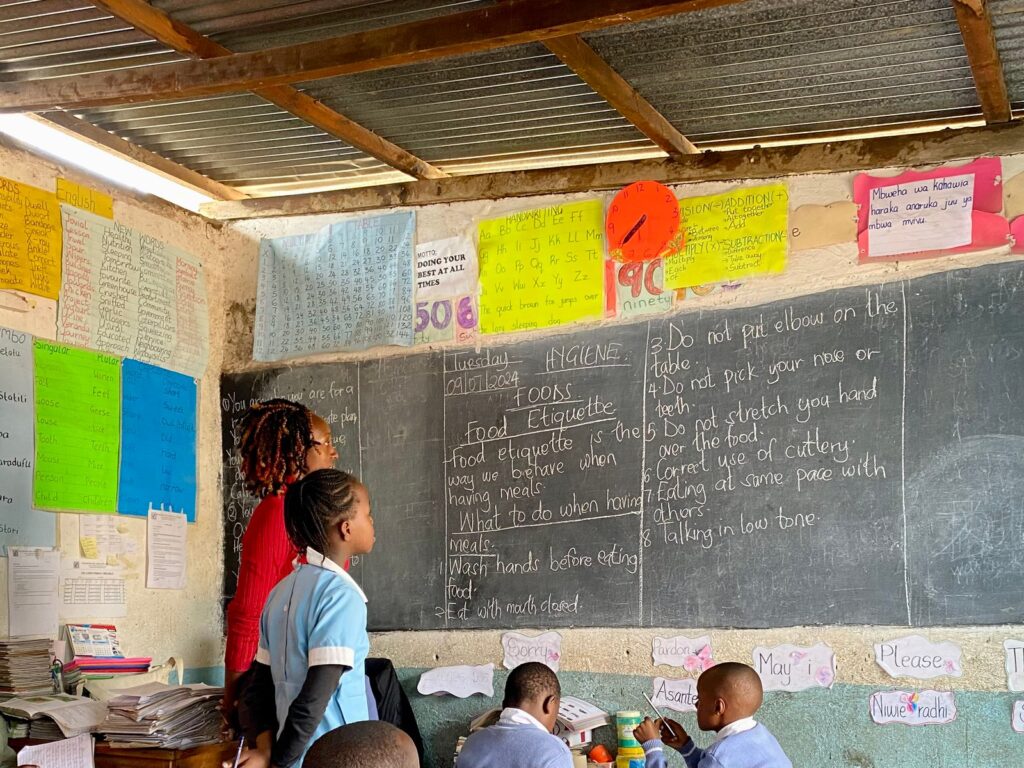
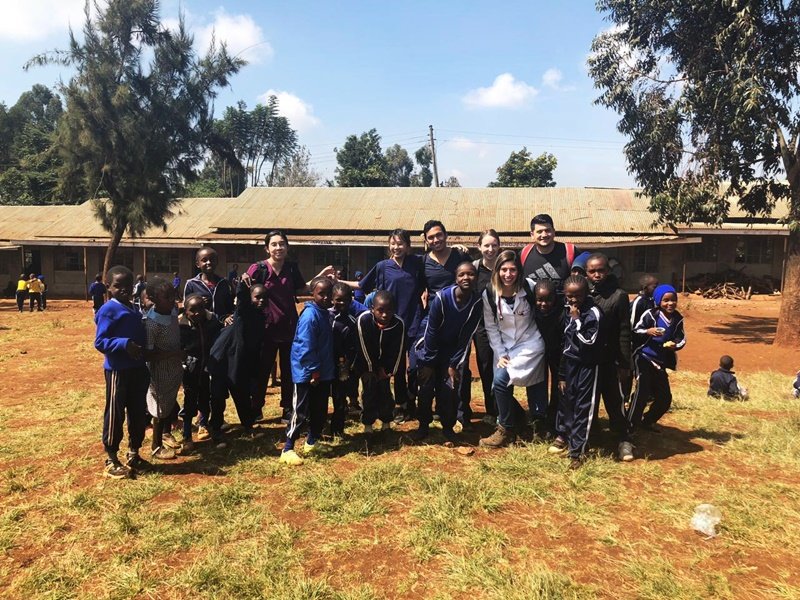
Volunteer Teaching in Kenya
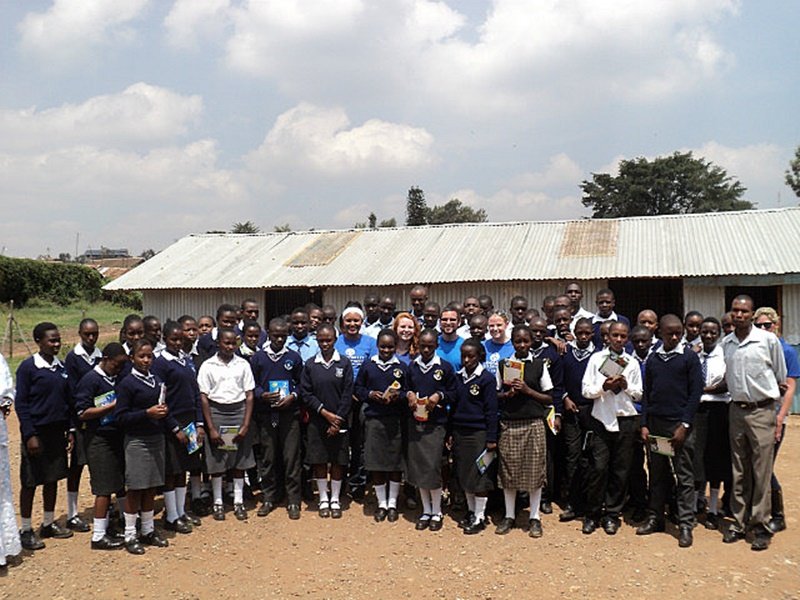
Volunteer teaching program in Kenya is an opportunity to teach to the children of undeserved communities, directly engage…
What it costs to volunteer in Kenya
All-in prices: accommodation, the meals listed for the program, airport pickup where listed, orientation, placement and in-country support are included.
| Program | Location | Duration | From |
|---|---|---|---|
| Childcare Volunteer Program in Kenya | Nairobi | 1-24 Weeks | $599 1 week |
| Volunteer Teaching in Kenya | Nairobi | 1-24 Weeks | $599 1 week |
| Medical Volunteer Program in Kenya | Nairobi | 1-12 Weeks | $748 1 week |
| 1 Week Special Volunteer Program in Kenya | Nairobi | 1 Week | $839 1 week |
| 2 Weeks Special Volunteer Program in Kenya | Nairobi | 2 Weeks | $1,144 2 weeks |
Includes the $249 booking deposit (counts toward your total, valid for a year, refunded if we cannot place you). Longer stays lower the weekly rate — each program page has the full week-by-week table.
What your fee covers
- Accommodation in shared volunteer apartments in a gated complex in Lower Kabete, Nairobi (private units available); on-site rooms at the raptor sanctuary in Naivasha
- Meals: breakfast supplies and dinner on weekdays plus three meals at weekends in Nairobi; basic groceries, water, tea and squash at the sanctuary
- Airport pickup at Jomo Kenyatta International Airport (both-way Nairobi–Naivasha transfers on the raptor program)
- Orientation by the in-country coordinator and your project placement
- 24-hour assistance, a comprehensive pre-departure guide, help booking weekend safaris and a certificate on request
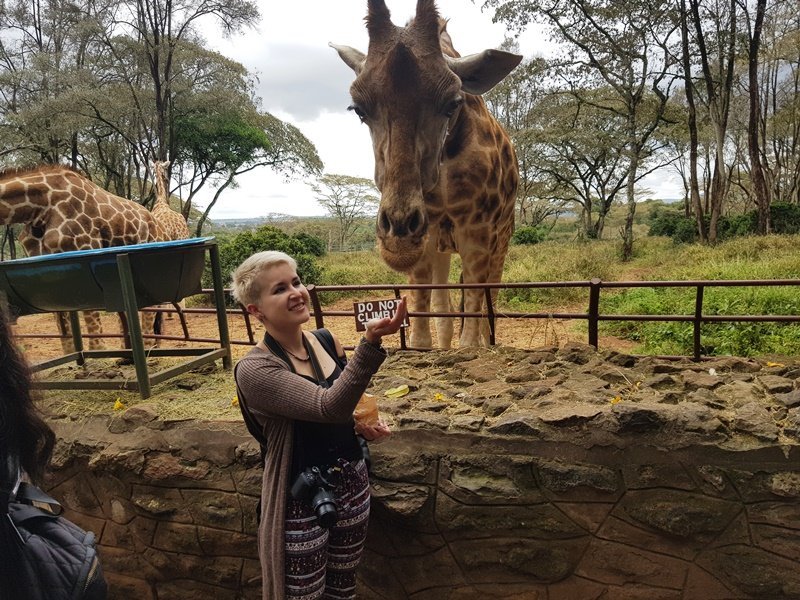
- Specials: the 1-week special's Nairobi National Park game drive and city tour; the 2-week special's city tour, Giraffe Centre, Mamba Village, Bomas of Kenya and a 1-night/2-day Lake Nakuru or Naivasha safari
- Raptor program: a donation to the project, transport between field sites, weekly laundry, twice-weekly cleaning, training, equipment and unlimited internet
Not included
- Flights, the Kenya eTA fee and vaccinations
- Travel and medical insurance (compulsory — available from us at a nominal cost; included on the medical program)
- Local transport to your placement, bottled water, lunches on weekdays and the return airport transfer in Nairobi (can be arranged at extra cost)
- National park and attraction entry fees on the specials (roughly $35–60), weekend safaris, tips and personal expenses
The Nairobi childcare and teaching programs are among our lowest prices and run from one week; the medical program is for registered professionals; the 1- and 2-week specials bundle game drives, city tours and a Rift Valley safari into a fixed price; and the raptor conservation program includes on-site accommodation, training, laundry and transfers at the sanctuary. Every program page shows the full week-by-week total.
Where you stay and what you eat in Kenya
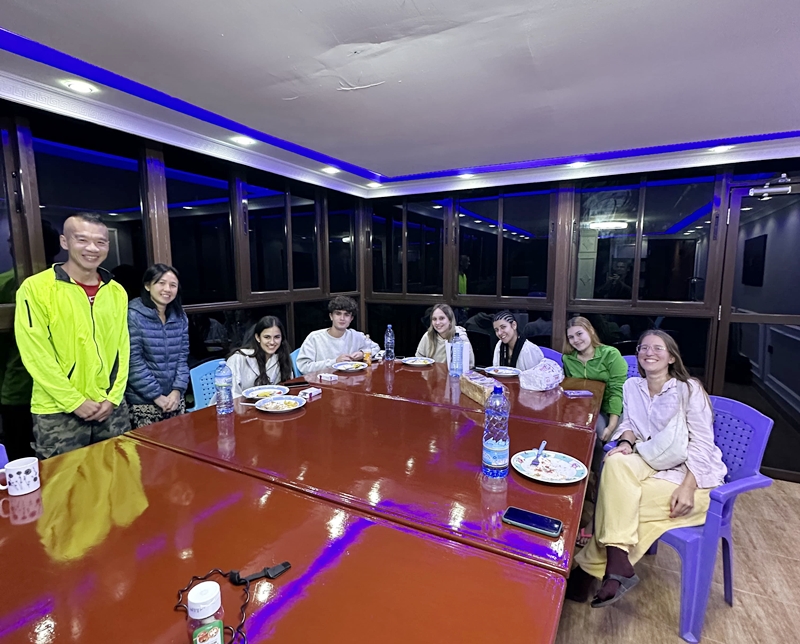
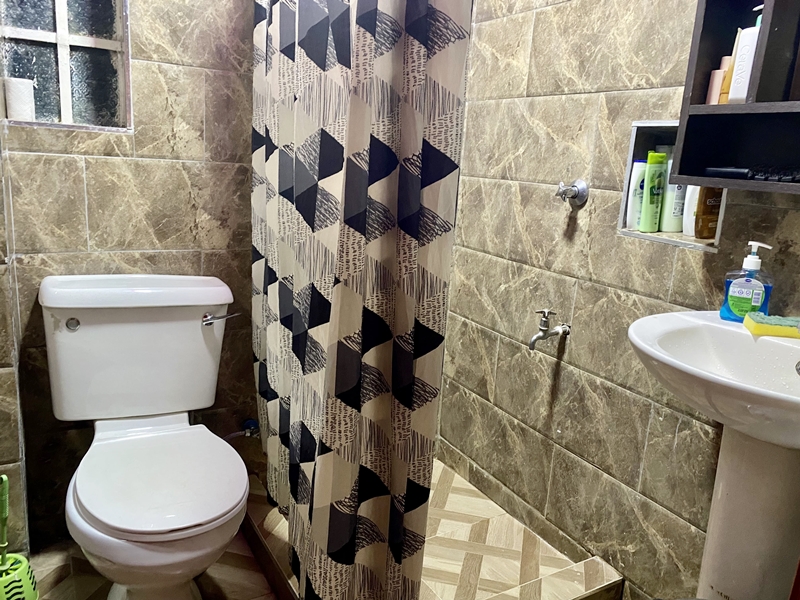
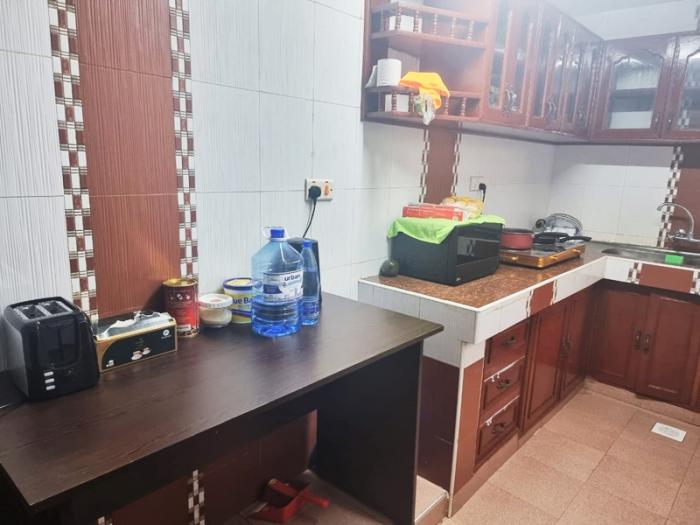
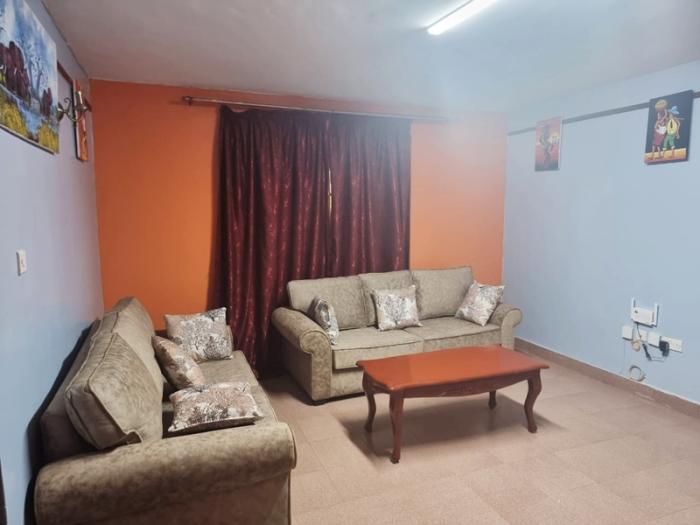
Nairobi: volunteers stay in a gated apartment complex in Lower Kabete, a residential area 20–25 minutes from the restaurants and shopping of Westlands and Parklands and about 30 minutes by car from the city center. We use four or five apartments on different floors; rooms are shared, usually four volunteers to a room in two bunk beds, and private units are available for those who want their own room. Facilities include hot showers, a microwave, induction hob, fridge and Wi-Fi; there is no air-conditioning because Nairobi's altitude keeps it mild. Breakfast supplies (bread, eggs, spread, fruit, tea and coffee) are provided for you to cook on weekdays, dinner is cooked by the house caretaker and cook, and at weekends all three meals are provided; weekday lunch is a packed sandwich or a meal near your project. Bottled water is bought locally, and laundry is hand-washed or dropped at a laundromat a short walk away.
Raptor center, Naivasha: three rooms in a private living complex on the sanctuary with three bathrooms — your own room and bathroom if there are three volunteers or fewer, shared by two above that, up to six volunteers — with solar electricity and hot water, a communal kitchen with fridge and gas burner, unlimited fast Wi-Fi, 24-hour security and a fenced garden with a tree nursery, fire pits and a barbecue. Basic groceries are supplied and volunteers cook for themselves (a cook may be arranged for groups of four to six); laundry is done weekly and cleaning twice a week.
Arriving in Kenya and who looks after you
Arrive at Jomo Kenyatta International Airport (NBO)
The local coordinator or a representative meets you and takes you to the volunteer apartments; if you are already in Kenya or arriving overland, a Nairobi meeting point is agreed in advance. Raptor volunteers are driven straight to Naivasha (late arrivals are collected from an airport hotel the next morning) and the return transfer is included.
Orientation
The Nairobi coordinator covers culture, safety, locations, transport, your project and weekend trips, and on the same day shows you the nearest market, helps you change money and get a local SIM card. Sanctuary volunteers receive an orientation and training from the project coordinators.
First day at the project
The coordinator introduces you to the school, center or clinic; from then on you work Monday to Friday and travel to the placement by matatu or taxi at your own small cost. Specials follow a fixed itinerary of project days, tours and safari.
Support
Round-the-clock assistance from the in-country coordinator, who also helps book weekend safaris; the sanctuary has staff on site and 24-hour security.
Staying safe in Kenya and who can join
Nairobi has a reputation, and we plan for it: our apartments are in a gated, guarded complex in a residential suburb, the coordinator briefs you thoroughly on where to go and how, and someone is reachable 24 hours a day. The rules are the same ones long-term expats follow — take taxis or ride-hailing after dark rather than walking, keep phones and cash out of sight in the city center and on matatus, avoid the areas the team tells you to avoid, and travel with other volunteers at night. Our Kenya programs have run for well over a decade and most of our volunteers are solo travelers.
Health: malaria risk is low in Nairobi itself but present in Naivasha, the coast and the parks, so take advice on prophylaxis; a yellow fever certificate is required if you arrive from a yellow-fever country and is often recommended for Kenya generally; hepatitis A, typhoid and routine vaccinations are commonly recommended. Drink bottled water. Check NHS Fit for Travel or the CDC six to eight weeks before departure. Visa: most nationalities must obtain Kenya's Electronic Travel Authorisation (eTA) online before travel; passports need six months' validity and two blank pages.
Who can join: minimum age 17 on the childcare, teaching and special programs (with parental consent for under-18s; families welcome), 18 on the raptor and medical programs. A clean criminal background check is required on every program. The medical program is only for qualified, currently registered doctors, nurses, midwives, clinical officers and other licensed professionals, not students; raptor volunteers need a real interest in wildlife and comfort working outdoors.
Requirements checklist
- Minimum age: 17+ — younger children can join the family-friendly programs with a parent; minimum ages vary by project. Family volunteering
- Background check: required for placements with children or vulnerable adults — issued within 12 months of your start date, in English or with a translation. How to get one
- Travel insurance: comprehensive cover for your whole stay is compulsory; you can bring your own or take the policy we arrange. Insurance details
- Safeguarding: every volunteer follows our code of conduct for children and vulnerable adults, explained again at orientation. Read the policy
📘 Planning in more depth? Read our Kenya costs, visa and safety guide.
How we volunteer responsibly in Kenya
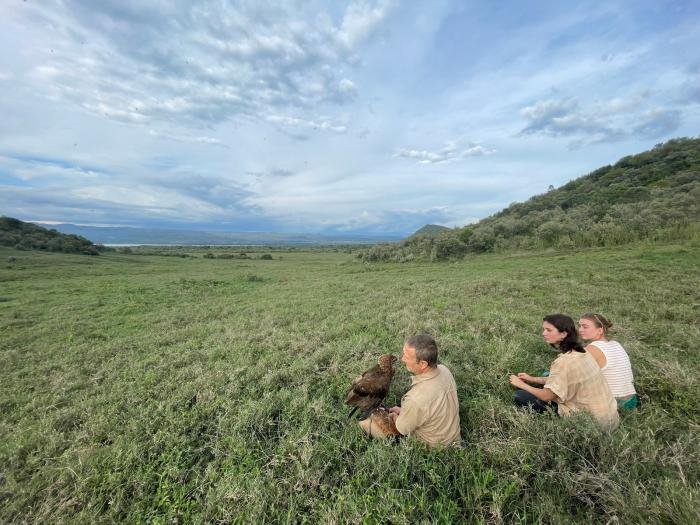
Our Kenya partners are community schools and day-care centers in Nairobi, clinics and hospitals that host registered professionals, and a raptor conservation and rehabilitation center on Lake Naivasha. Volunteers assist Kenyan teachers, carers and clinicians — never replacing them or working beyond their qualifications — and at the sanctuary work under the keepers and biologists on feeding, enclosure care, rehabilitation and field monitoring.
Placements with children follow our child protection policy: background checks before arrival, no photographs without permission, no gifts to individual children, and no orphanage visits — our childcare work is in day centers and schools. The raptor center follows our animal welfare policy; birds are rehabilitated for release, and handling is by the staff's instruction only. Your program fee on the raptor program includes a direct donation to the sanctuary.
Kenya rewards patience and consistency. Come to support the teachers and keepers who are there all year, and treat the safari weekends as the reward for a week's work rather than the point of the trip.
Our standards
- Responsible volunteer travel policyHow we choose, run and review every project
- Safeguarding policyProtecting children and vulnerable adults on every placement
- Animal welfare policyOur rules for wildlife, marine and animal-care projects
- Certified B CorporationSocial and environmental performance verified by B Lab
Life outside the project in Kenya
Best time: January–February and July–October are the dry seasons, best for safaris and the wildebeest migration in the Maasai Mara (July–October); the long rains fall March–May and the short rains in November. Nairobi sits at 1,800m and stays mild all year, with cool evenings. Programs run year-round.
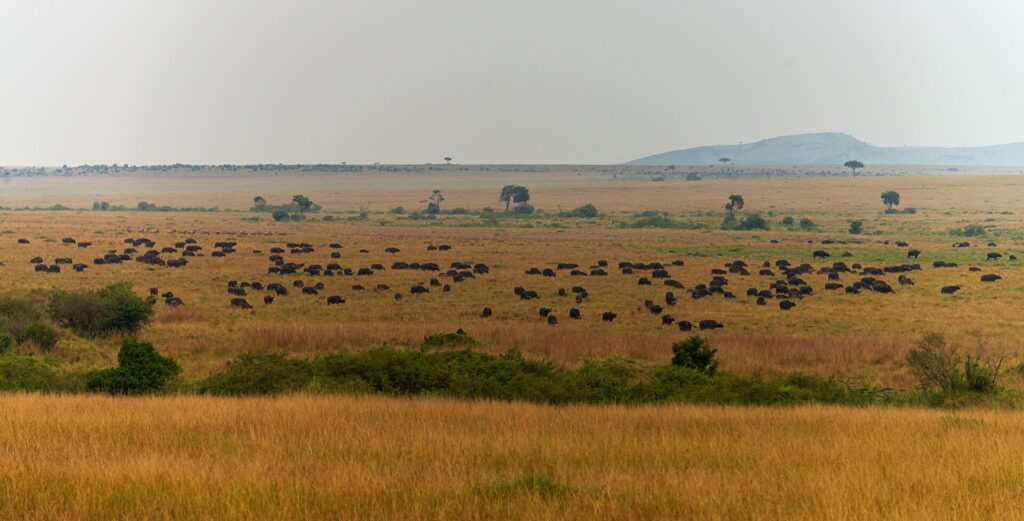
Getting around: matatus and ride-hailing apps in Nairobi, buses and the SGR train to Mombasa, and cheap domestic flights to the Mara and the coast. Weekends: Nairobi National Park, the Giraffe Centre and elephant orphanage, Lake Naivasha and Hell's Gate cycling, Lake Nakuru's flamingos and rhinos, the Maasai Mara for a two- or three-day safari, and — with a longer break — Diani Beach or Mombasa on the coast. The coordinator helps arrange trips.
Etiquette: greetings matter ("jambo", "habari"), dress modestly at schools and in rural areas, ask before photographing people, and learn a few Swahili phrases — "asante" (thank you) opens doors. Our Things to Do in Kenya guide has more.
Travel on your weekends
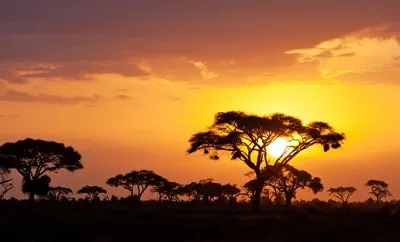
2N/3 Days Masai Mara Joining Safari
Step into the wild at the legendary Masai Mara—home of the Big Five and endless savannahs.An unforgettable safari…
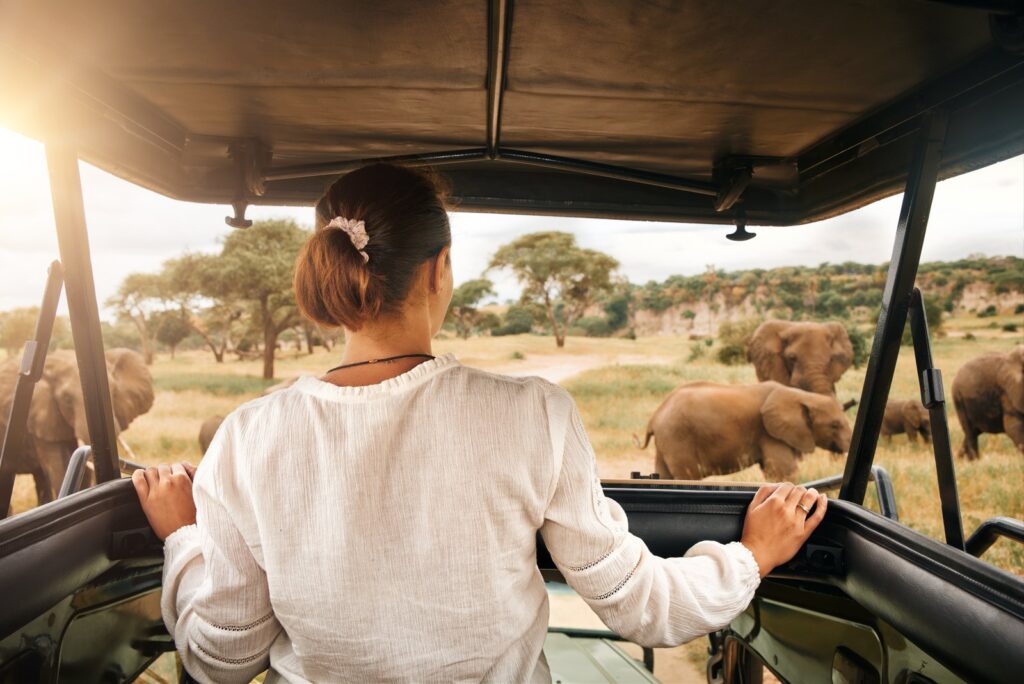
1N/2 Days Lake Nakuru and Lake Naivasha Joining Safari
A weekend safari that packs in big cats, epic landscapes, and unforgettable moments.Experience Kenya’s wild heart at Lake…
Life in Kenya
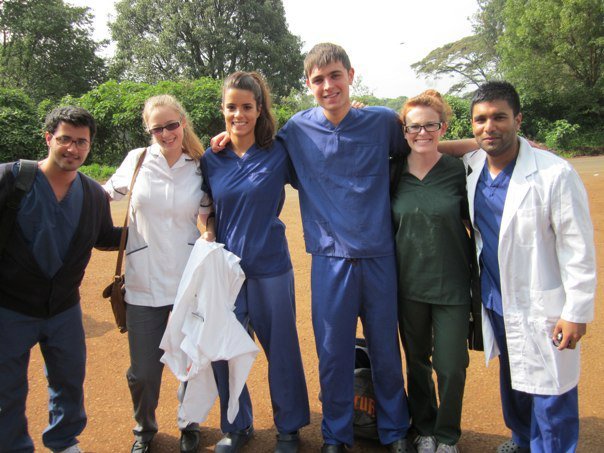
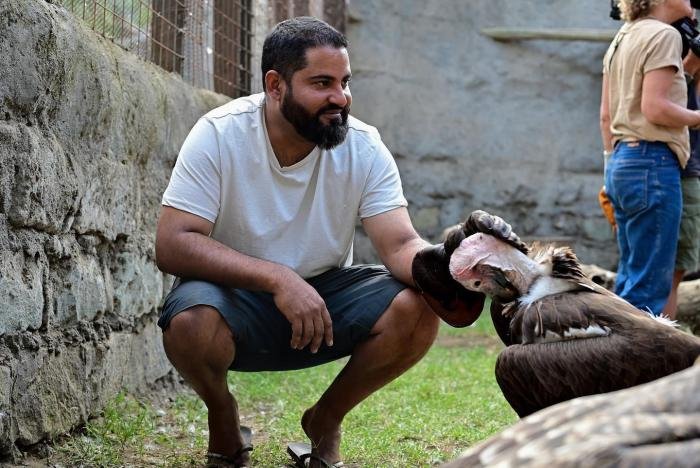
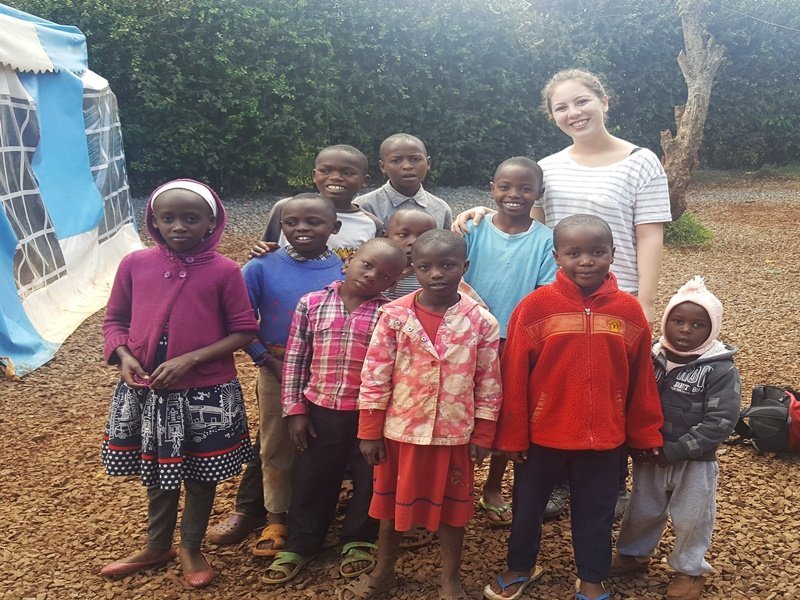

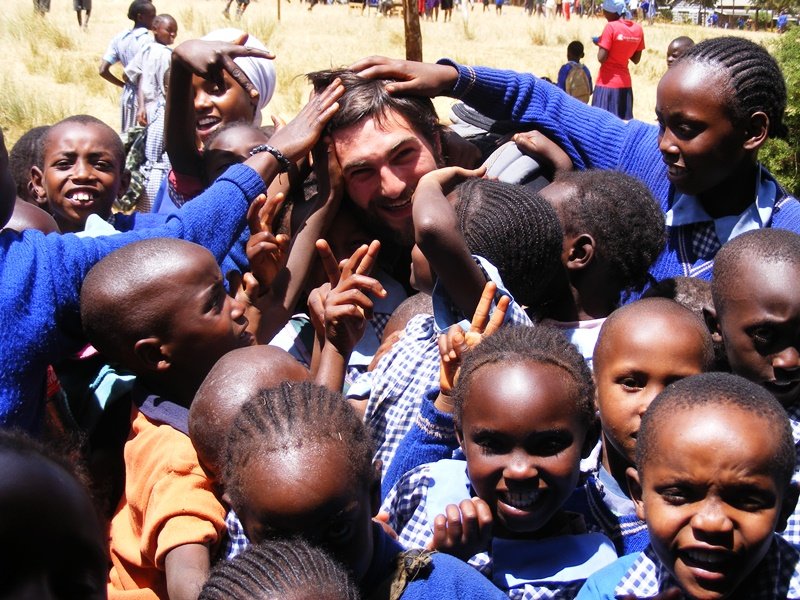

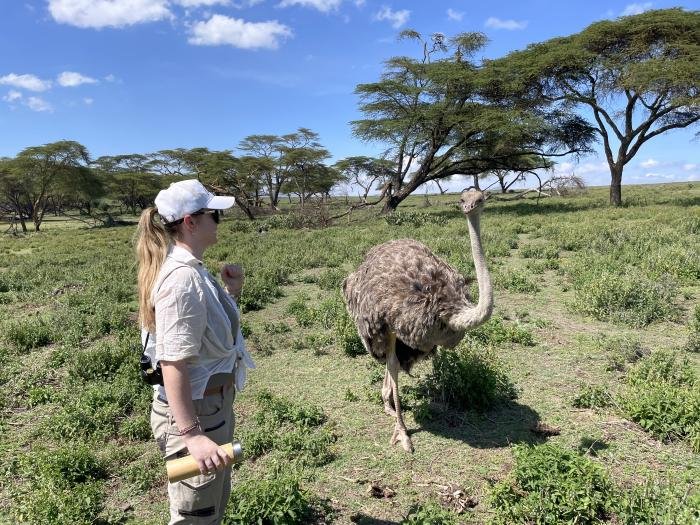
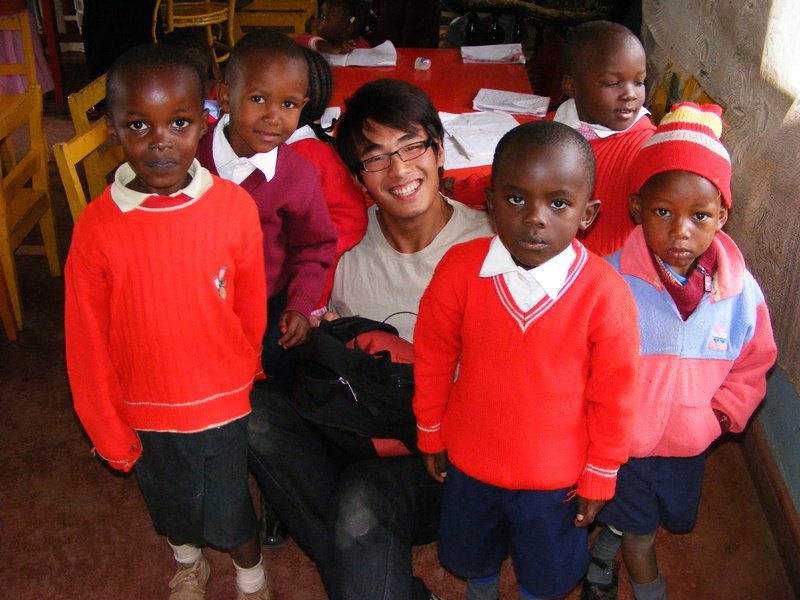
What our volunteers say
Explore other destinations
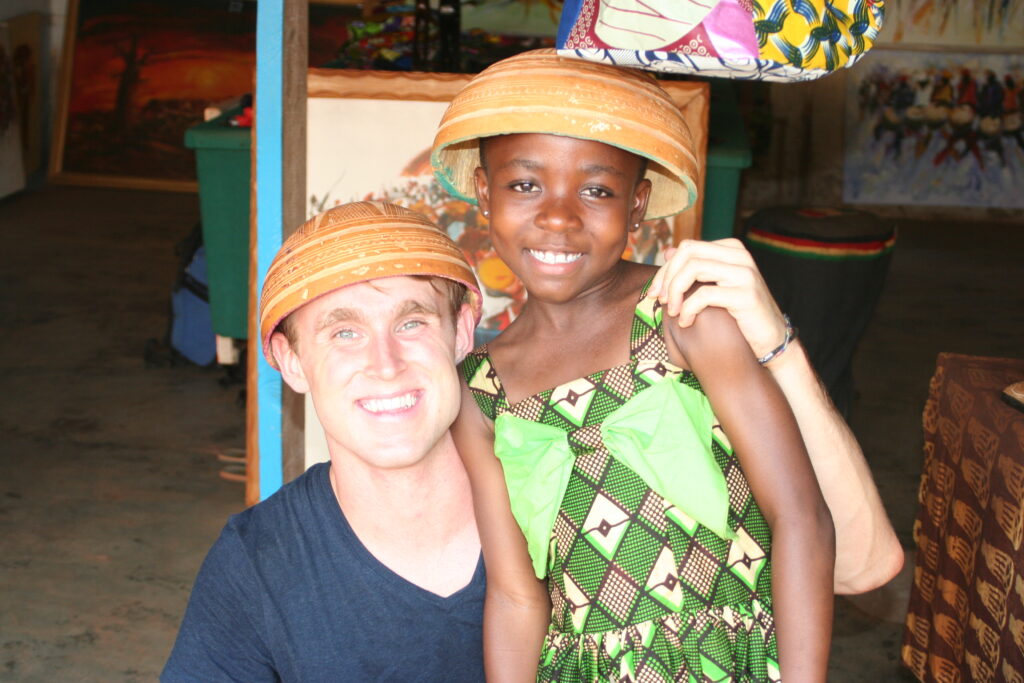
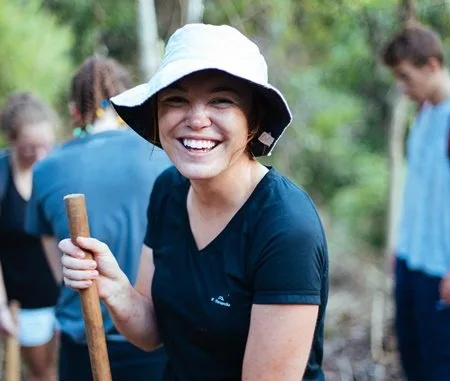
Your questions, answered
How much does it cost to volunteer in Kenya?
Programs start from $599 for one week, deposit included — one price covering your bed in the Nairobi volunteer apartments, the meals listed, airport pickup, orientation, placement and 24-hour support. The specials include game drives, tours and a safari; the raptor program includes on-site accommodation, training and transfers. Longer stays cost less per week and each program page shows the full week-by-week total. Flights, the eTA, insurance, local transport and personal spending are extra.
Do I need a visa for Kenya?
Most nationalities need Kenya's Electronic Travel Authorisation (eTA), applied for online before you travel; your passport must be valid for six months beyond your return with two blank pages. Check the current fee and processing time on the official Kenyan eTA portal — our pre-departure guide walks you through it.
Is Kenya safe for volunteers?
With sensible habits, yes. You live in a gated, guarded apartment complex in a residential suburb of Nairobi, get a thorough safety briefing from the coordinator, and have 24-hour support. Use taxis or ride-hailing after dark, keep valuables out of sight in town and on matatus, avoid areas the team flags, and travel in groups at night. Our Kenya programs have run for well over a decade and most volunteers arrive solo.
What is the minimum age to volunteer in Kenya?
17 on the childcare, teaching and special programs, with a parental consent form for under-18s, and 18 on the raptor conservation and medical programs. Families with children are welcome on the childcare, teaching and special programs. The medical program is for registered healthcare professionals only.
How long can I volunteer in Kenya?
From one week to 24 weeks on the childcare and teaching programs, one to twelve weeks on the medical program and two to twelve weeks at the raptor center; the specials are fixed at one or two weeks. All programs start on Sundays throughout the year and the next available start is 19 Sep 2026.
Where will I stay in Kenya?
In Nairobi, in shared volunteer apartments (usually four to a room in bunk beds, with private units available) inside a gated complex in Lower Kabete, with hot showers, kitchen facilities and Wi-Fi. Raptor volunteers stay on the sanctuary at Lake Naivasha in a private living complex with solar power, hot water, fast Wi-Fi and 24-hour security — your own room and bathroom when there are three volunteers or fewer.
Are meals included in Kenya?
In Nairobi you get breakfast supplies to cook yourself and a dinner cooked by the house cook on weekdays, and three meals a day at weekends; weekday lunch is your own, usually a packed sandwich or a cheap meal near the project. At the raptor center basic groceries, water, tea and squash are supplied and volunteers cook for themselves (a cook can be arranged for groups of four to six). Specials include meals as listed in their itineraries.
Will I be picked up at the airport in Kenya?
Yes. The local coordinator meets you at Jomo Kenyatta International Airport in Nairobi and takes you to the volunteer apartments (or agrees a meeting point if you arrive overland). Raptor volunteers are driven directly to Naivasha with the return transfer to the airport included; on the Nairobi programs the departure transfer can be arranged at extra cost.
Which vaccinations do I need for Kenya?
A yellow fever certificate is required if you arrive from a yellow-fever country and is widely recommended for Kenya; malaria prophylaxis is advised for Naivasha, the coast and safari areas (risk in Nairobi itself is low); hepatitis A, typhoid and routine vaccinations are commonly recommended. See a travel clinic six to eight weeks before departure and check NHS Fit for Travel or the CDC.
When is the best time to volunteer in Kenya?
The dry seasons — January to February and July to October — are the most comfortable and the best for safaris, with the Maasai Mara migration from July to October. The long rains (March–May) and short rains (November) are wetter but quieter and cheaper for weekend trips. Nairobi's altitude keeps temperatures mild all year, and programs run year-round.
Can I go on safari while volunteering in Kenya?
Yes. The 1-week special includes a Nairobi National Park game drive and the 2-week special a 1-night/2-day Lake Nakuru or Naivasha safari plus the Giraffe Centre, Mamba Village and Bomas of Kenya. On all other programs the coordinator helps you book weekend safaris to Nakuru, Naivasha or the Maasai Mara at your own cost.
What should I pack for volunteering in Kenya?
Layers for Nairobi's mild days and cool evenings, modest clothes for schools and centers, sturdy shoes and outdoor clothes for the raptor sanctuary, a rain jacket in the rainy seasons, mosquito repellent, sunscreen and a hat, a headlamp, a small zipped bag for valuables, your own towel, a first-aid kit and any regular medication plus malaria tablets where advised. Teaching and childcare volunteers can bring stationery or books; binoculars are a bonus at the sanctuary.
Ready to volunteer in Kenya?
6 programs · from $599 · next start 19 Sep 2026
Free advice, no obligation. Change program, dates or destination free of charge up to 45 days before you start.