 English (US) ▾
 Nederlands
 English (UK)
 Deutsch
 Italiano
 Português
 Español
 Français
Volunteer Abroad for Environmental & Conservation Students
Blog · June 25, 2026 · 9 min read · By Saurabh
Yes — if you are studying environmental science, biology, ecology, zoology or conservation, you can volunteer abroad on real fieldwork, either on your own or as part of a faculty-led student group. The key is choosing an ethical, welfare-first project where you gather genuine data and support habitats and wildlife responsibly. Volunteering Solutions is a certified B Corporation, and our wildlife conservation projects and broader environment and conservation programs are built around that principle.
What is conservation volunteering abroad for students?
Conservation volunteering abroad means joining a managed project overseas to protect habitats, species or ecosystems — for example monitoring wildlife, restoring forests or coral, or collecting field data — while staying with local hosts. For students, it adds practical fieldwork, applied skills and global perspective to classroom learning.
Why is volunteering abroad valuable for environmental and biology students?
Textbooks and lab modules teach you the theory; conservation fieldwork abroad lets you apply it. You practice transect surveys, species identification, data recording, sampling and habitat assessment in real ecosystems — coral reefs, rainforests, savanna, wetlands — that you simply cannot replicate on campus. For a biology, ecology or zoology degree, that hands-on experience is gold.
It also builds your employability. Conservation, environmental consultancy, wildlife research and NGO roles are competitive, and recruiters look for candidates who have worked in the field, handled real data and shown they can cope outside a controlled setting. Time on an ethical project gives you concrete examples for applications, dissertations and interviews — plus references and a sense of which specialism genuinely excites you. Many students find a placement helps shape a final-year research question or postgraduate direction.
What will I actually do on a conservation project?
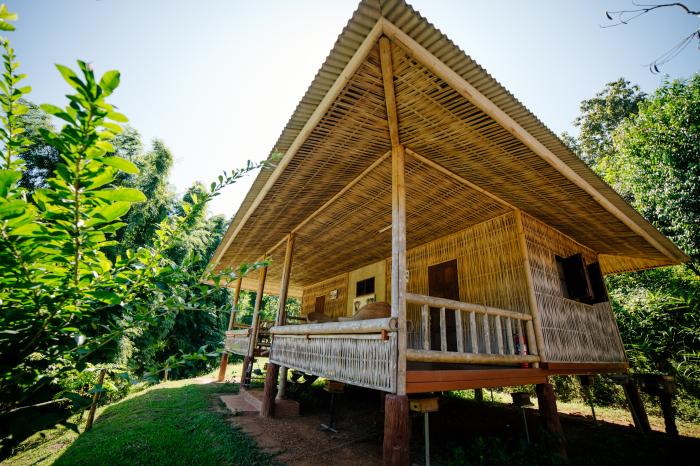
Day-to-day work depends on the project, the season and local priorities set by our in-country teams, but typical activities include:
- Wildlife monitoring — recording sightings, behavior and population data, camera-trap checks, bird and mammal counts, and identification surveys.
- Habitat work — tree planting and nursery work, invasive-species removal, trail maintenance, fencing and erosion control.
- Marine conservation — reef and seagrass surveys, beach and underwater clean-ups, sea-turtle nest monitoring and hatchling protection (some sites require or offer dive training).
- Forest and ecosystem conservation — reforestation, biodiversity surveys and supporting community education on sustainable land use.
- Data entry and reporting — logging field observations so they feed into long-term research and management decisions.
This is non-medical, practical conservation work. You will not need a science degree to take part on most projects, but if you are studying the subject you will get far more out of the data side and can often align tasks with your coursework.
What does ethical wildlife volunteering look like?
This matters more than anything else, and as a certified B Corporation it is central to how we operate. Ethical, welfare-first conservation means animals are not used as props for tourists. That rules out the activities you will sadly still see advertised elsewhere:
- No cub-petting or cub interaction. Hand-rearing big-cat cubs for tourist photos is linked to the captive-breeding and canned-hunting industry, not conservation.
- No walking-with-lions. Animals habituated to humans this way can rarely be released and often end up in the same exploitative supply chain.
- No riding, performances or forced contact. Welfare comes before the photo.
What we support instead is genuine conservation: habitat protection, monitoring of wild populations, and — where animals are in care — rehabilitation aimed at release back into the wild, or lifetime sanctuary for those that cannot be released. A good example is the way responsible elephant work has moved away from riding and towards observation and welfare; our guide to ethical elephant volunteering in Thailand explains the difference in detail. If a project promises hands-on cuddles with wild animals, treat that as a red flag — and a useful talking point for your studies.
Should I go individually or as a faculty-led student group?
Both work well; it depends on your goals.
Going individually suits students who want flexibility over dates and duration, the chance to meet volunteers from around the world, and full ownership of the experience. You join an existing project on the ground and are supported throughout by our in-country teams.
Faculty-led or student-group trips suit a cohort traveling together, often for credit, a module or a society expedition. A lecturer leads the group, the itinerary can be tailored to learning outcomes, and the logistics — accommodation, transfers, project schedule, risk assessment support — are arranged for you. If you are a lecturer or society organiser, see our faculty-led group trips page, and read how other departments have run theirs in our guide to faculty-led group volunteering trips abroad.
How does conservation volunteering fit into my degree?
More neatly than you might expect. A placement can supply primary data or a case study for a dissertation, evidence for a year-in-industry or work-placement requirement, or fieldwork experience that strengthens a UCAS or postgraduate application. Some students arrange it over the summer; others build it into a study-abroad or sandwich year. Talk to your course leader early about whether a trip can be recognized for credit, count towards required field hours, or support an independent research project — and bring the project details so they can assess the academic fit.
Where can environmental and conservation students go?
Some of the most popular destinations for student conservation work include:
- Costa Rica — rainforest and marine biodiversity, sea-turtle conservation and reforestation, ideal for tropical ecology.
- South Africa — savanna wildlife monitoring and Big Five habitat work, strong for zoology and game-reserve research.
- Thailand — ethical elephant welfare and marine projects, popular with first-time travelers.
Each destination offers different ecosystems and species, so choose one that matches your specialism. Our in-country teams handle the local arrangements at every site, so you have support from arrival to departure.
How much does it cost, and is funding available?
Costs vary by destination, project and trip length, and your program fee typically covers accommodation, most meals, in-country support and your project placement; international flights, insurance and visas are usually separate. Because conservation projects often run in lower-cost regions, a few weeks abroad can be more affordable than students expect.
Funding is worth chasing. Many universities offer travel bursaries, fieldwork grants, study-abroad scholarships or society funding, and students often combine several sources. Our university funding page sets out the kinds of support to look for and how to make a strong case to your institution. Start early — many grant deadlines fall months before travel.
Is conservation volunteering abroad safe?
Safety is built into how we run projects. Our in-country teams provide an in-person orientation, brief you on site-specific procedures, and are reachable for support throughout your stay. Accommodation is vetted, and for marine or remote fieldwork you will receive the relevant safety guidance and, where needed, training. You should always travel with comprehensive insurance that covers volunteering activities, check government travel advice for your destination, and follow your project leaders. For group trips, we can support your faculty’s own risk-assessment process. If you have any questions before you commit, just contact our team.
What conservation volunteering adds to your career and CV
Beyond the time in the field itself, a well-chosen placement gives you evidence you can point to long after you return. Employers in conservation, environmental consultancy and research rarely doubt that graduates know the theory; what they want to see is whether you can apply it reliably outside a lab. Time spent running surveys, recording clean data and adapting when conditions change shows exactly that.
To get the most from it, treat the trip as a project, not just a holiday with a purpose. Keep a field log, note the survey methods and equipment you used, and record any data sets you contributed to so you can describe them precisely later. Those specifics — a transect protocol you followed, a species list you helped compile, a reforestation target you worked towards — turn a vague line on a CV into a concrete, interview-ready example.
The softer gains matter too. Working alongside our in-country teams and volunteers from other countries builds cross-cultural communication, resilience and teamwork, all of which recruiters value. Ask, where appropriate, whether your project lead can provide a reference, and connect what you did to the roles or postgraduate study you are aiming for.
Marine vs land conservation: which suits your studies?
Both marine and land-based projects deliver genuine fieldwork, but they suit different specialisms, comfort levels and budgets, so it is worth matching the setting to your course before you choose.
Marine conservation centers on reef and seagrass surveys, fish and invertebrate identification, water-quality monitoring and sea-turtle nest protection. It fits marine biology, oceanography and aquatic-ecology students especially well. Some sites require or offer dive training, so factor in time, cost and a basic swimming and fitness level — and follow the safety guidance our in-country teams provide for any in-water work.
Land conservation covers wildlife monitoring, camera-trapping, habitat restoration, reforestation and biodiversity surveys across savanna, rainforest and wetland. It suits zoology, ecology, environmental science and forestry students, and usually needs no specialist certification, which can make it more accessible for a first trip.
If you are unsure, think about the data you want to gather and the ecosystem your dissertation or coursework relates to. Many destinations, such as Costa Rica, offer both within reach, letting you sample each. Tell us your specialism and we can suggest projects that fit.
Frequently asked questions
Do I need a science degree to join a conservation project?
No. Most projects welcome enthusiastic volunteers regardless of background. That said, environmental, biology, ecology and zoology students tend to get more from the data and survey work and can often align tasks with their studies.
Will the experience count towards my degree?
It can. Many students use a placement for dissertation data, field hours, or a placement-year requirement. Recognition for credit is decided by your university, so speak to your course leader early and share the project details.
How do I know a wildlife project is ethical?
Avoid anything offering cub-petting, walking-with-lions, riding or staged animal contact. Look for genuine conservation — habitat protection, wild-population monitoring, and rehabilitation for release or lifetime sanctuary. As a certified B Corporation, this welfare-first standard guides every project we offer.
Can a lecturer bring a whole class or society?
Yes. We run faculty-led and student-group trips with tailored itineraries, arranged logistics and support for your risk assessment. A lecturer leads the group while our in-country teams manage the on-the-ground arrangements.
How long should I go for?
Placements commonly run from one or two weeks up to several months. Longer stays let you contribute more to long-term data sets and build deeper skills, but even a short, well-chosen trip delivers real fieldwork experience.
Plan your trip — enquire now
Tell our team your discipline, rough dates and any destination ideas and we’ll put together a tailored proposal — individual or group. We reply within one working day.

Saurabh Sabharwal is the founder of Volunteering Solutions and its parent B Corporation, Impact Explorers. He has championed ethical, affordable volunteer travel since 2007 and writes about how to volunteer abroad responsibly.