English ▾
 Nederlands
 Deutsch
 Italiano
 Português
 Español
 Português
 Français
 日本語
日本語 한국어
한국어
Street Children Volunteer Program Ecuador – Quito
Volunteer in Street Children Volunteer Program Ecuador gives a second chance to the local street children and youth. This project offers vital support to local street children and youth through a non-profit organization dedicated to supporting those who have lived or are currently living on the streets.
- Volunteer for street children in Ecuador in a local shelter that aims to help and raise over 100 children
- Participate in the center’s everyday tasks and do your bit for the continued functioning of the shelter care
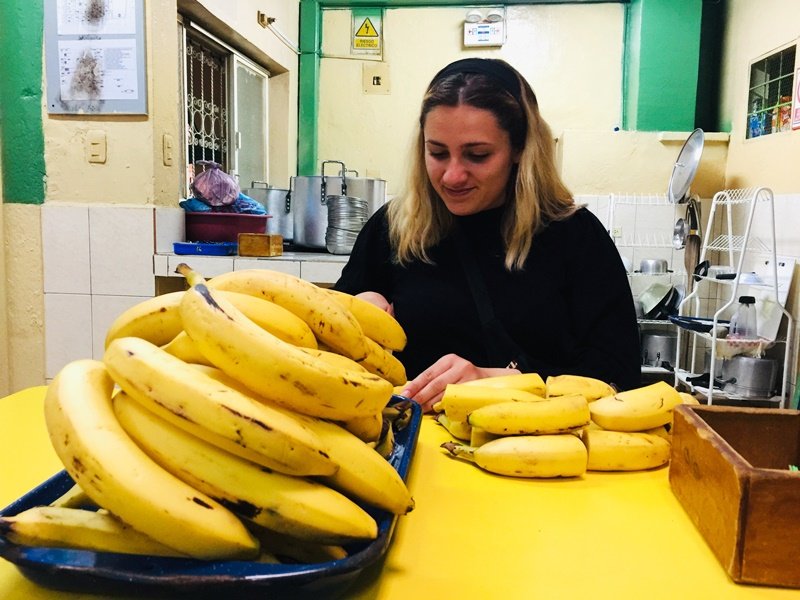
- Some of the responsibilities include School visits to check attendance of the kids, helping with food preparation, and preparing recreational activities
- Opportunity to witness and live the local life of Quito and give back to its community
- Volunteers are free to explore the country during the weekends as work is carried out on weekdays for 5-6 hours
This project provides a second chance to local street children and youth, offering support through a non-profit organization that assists children who live or have lived on the streets. As a volunteer, you can make a meaningful impact by helping children with their homework, teaching hygiene education, and providing them with affection and attention. Many of these children have faced difficult beginnings, such as being born to drug-addicted parents, living on the streets, experiencing violence, abuse, or neglect, or being forced to work selling candy on the streets.
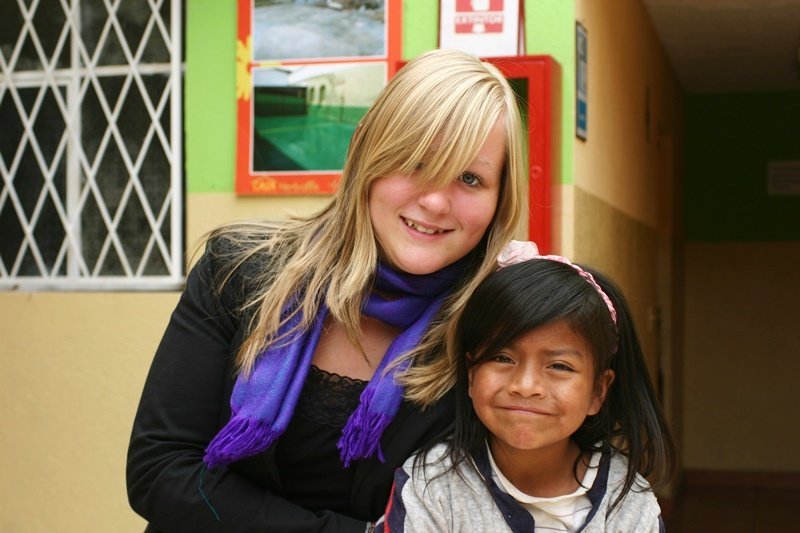
One of the most important roles of a volunteer is to empower these children and teenagers. This can be done through simple actions, such as offering compliments or engaging in fun activities like playing, art, music, or sports. It’s essential for them to feel valued and understood, regardless of their background, race, or economic or educational status.
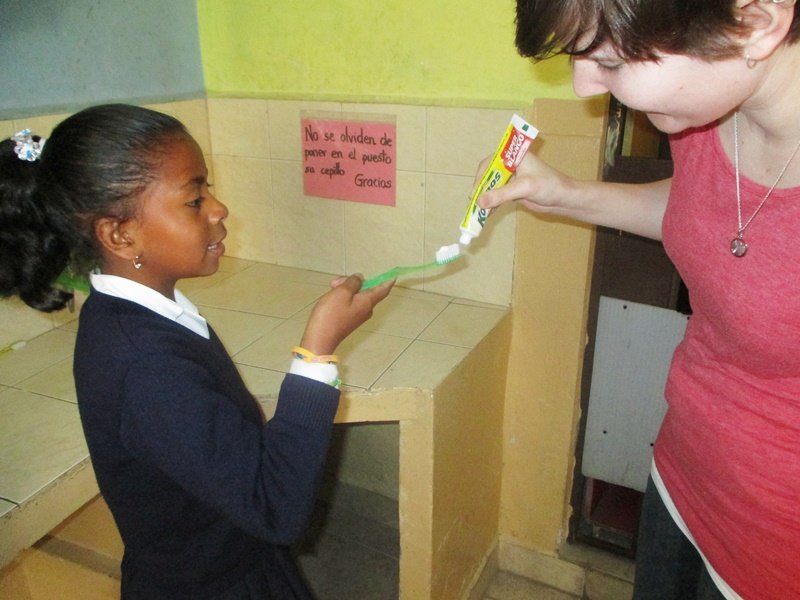
The center helps over 100 children, though not all attend at the same time. Some come in the morning, while others attend in the afternoon. Every child receives a nutritious lunch at the center and is encouraged to brush their teeth afterward. The program emphasizes the importance of education as a means to break the cycle of poverty and prevent the children from following in the footsteps of their parents. With the support of sponsors and funding, the project helps cover the costs of schooling, such as uniforms, books, and materials, which some families cannot afford.
Additionaly, the project offers workshops in areas like baking and woodworking. If you have a talent to share, you’re welcome to create your own workshop and contribute to the children’s learning and development.
Want to see other ways to make an impact? Check out our Volunteer in South America programs.
Volunteer Roles & Responsibilities
Volunteers involvement at the project makes a significant difference in the children’s education, well-being and daily lives. Typical duties of the volunteer include :-
-
Positive Attention: Provide the children with positive and safe attention.
-
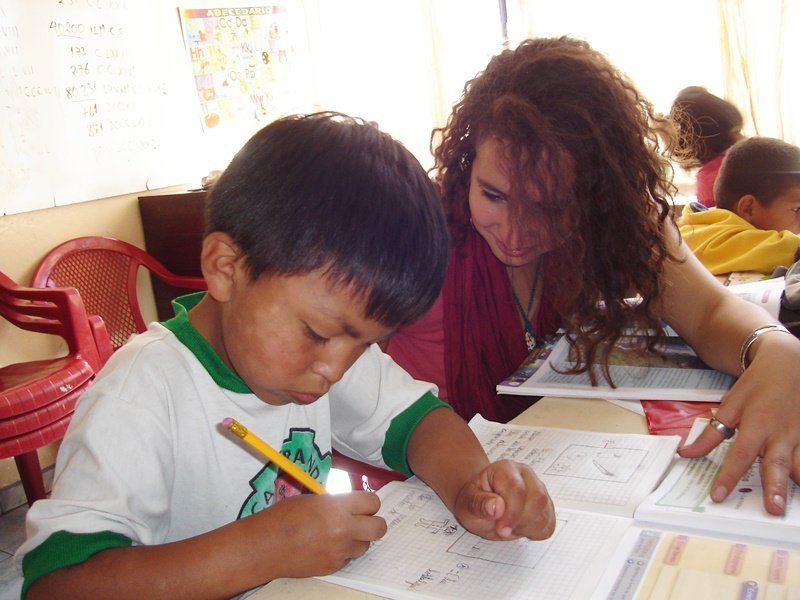
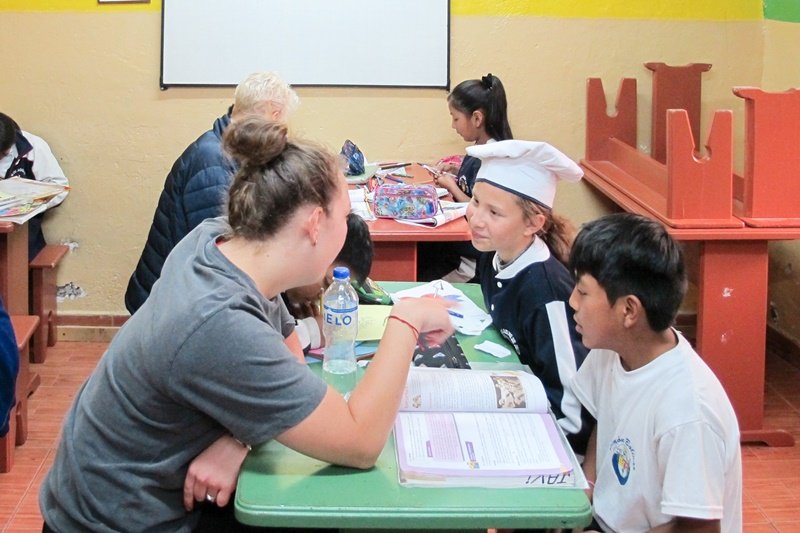
Homework Help: Support children with their homework, especially those who are behind or lack a quiet space and parental assistance
-
Fun and Games: Engage children and teenagers in sports, art, music, and other fun activities
-
Kitchen Support: Assist in the kitchen, particularly during busy lunchtimes, to help the youngest children and ensure they clean up after themselves
-
Workshop Support: Help with or create workshops that benefit the children
-
School Visits: Regularly visit local schools to check on the children’s attendance, grades, and overall progress
-
Educational Activities: Prepare and conduct educational activities that enhance learning
-
Recreational Activities: Plan and organize activities for after homework or during breaks
-
Hygiene Education: Teach essential hygiene practices like hand washing and brushing teeth
-
IT Room Supervision: Supervise and assist children using the IT room for their homework
-
Additional Support: Be ready to handle any unexpected needs, such as accompanying a child to a doctor’s appointment or dentist visit
Requirements & eligibility
Volunteers must be 18 years or older at the time of joining the project. Participants should have an open mind and flexible attitude for working in a new and different environment. Volunteers need to be flexible, open-minded and have a passion for working with children. You should also be proactive and have the ability to take initiative All volunteers must provide a clean criminal background check report prior to joining the program. An intermediate level of Spanish would be mandatory requirement for participants joining this program.
A typical day
Upon arrival in Quito you will have your Meet & Greet to discuss your expectations, rules of the project and how to move in the city. You will receive information on how to go to the project (walking distance) on the first working day, usually on Mondays.
Once you arrive at the project, you will have an orientation meeting where general information about the activities during the following days will be provided. It is also discussed what the expectations are and what talents and passions you want to use as a volunteer to contribute to the project with the aim that your time in the project makes an impact for the project and yourself.
Now is time to work… please take into consideration that not all the days will be the same, so your activities will be defined depending on the daily needs, we count on your flexibility to help at the project.
At midday, you will have a break for lunch, which is served at the project. This is a great opportunity for you to get to know the people of the community and their lives.
In the afternoon, you will continue with your duties until around 4pm.The rest of the day is free for you to enjoy the city. For the following days, the schedule is similar, working from 7am to 4pm from Monday to Friday.
The coordinator will indicate you where you will be most needed, and of course if you have ideas, these are always welcome!!
This is a tough project so please be patient, your volunteer work is extremely valuable and helps to keep the project running. You will learn a lot and at times you may get frustrated of the way things work in Ecuador. Organization and the pace at which things run may be very different to what you are used to but please take into account that these are cultural differences that you should respect.
Show initiative that you are willing to work hard, be happy and motivated and you will get the most out of your time as a volunteer.
Life on the programme
Accommodation & meals
Airport Transfer
Volunteers would be picked up from the Mariscal Sucre International Airport by the VolSol staff or the in-country coordinator. Volunteers who are already present in Quito can arrive directly at the hostel accommodation.
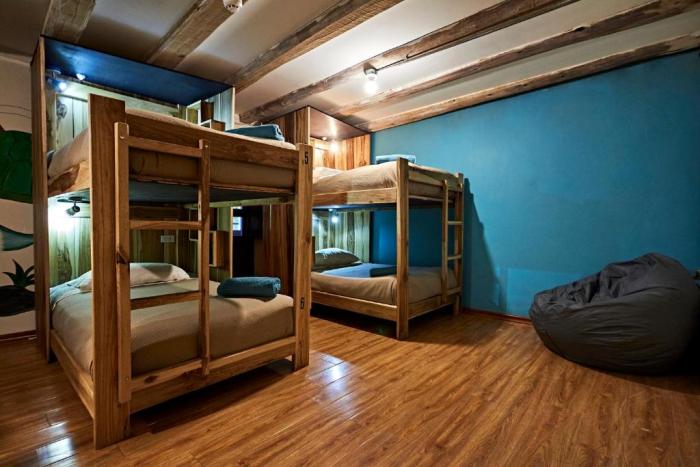
Accommodation
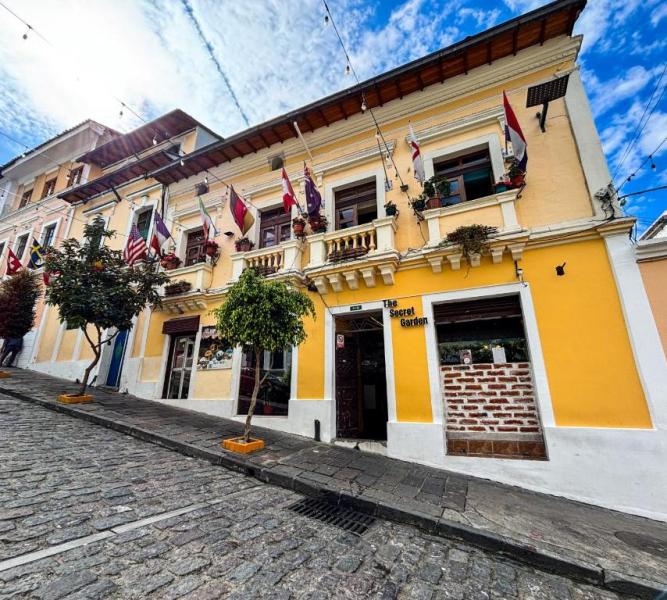
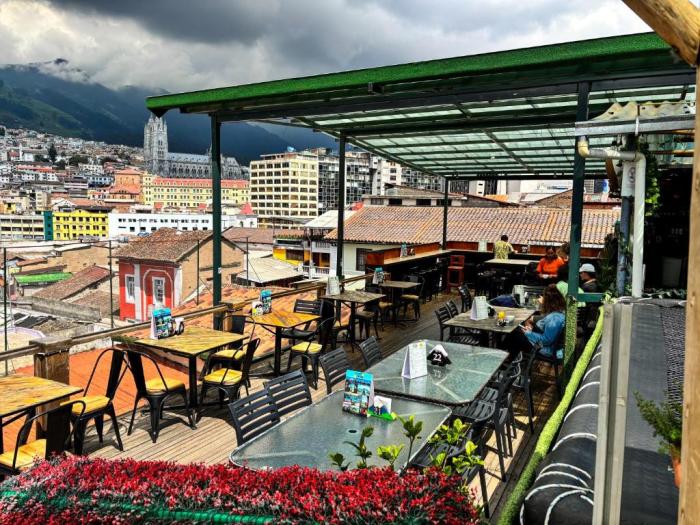
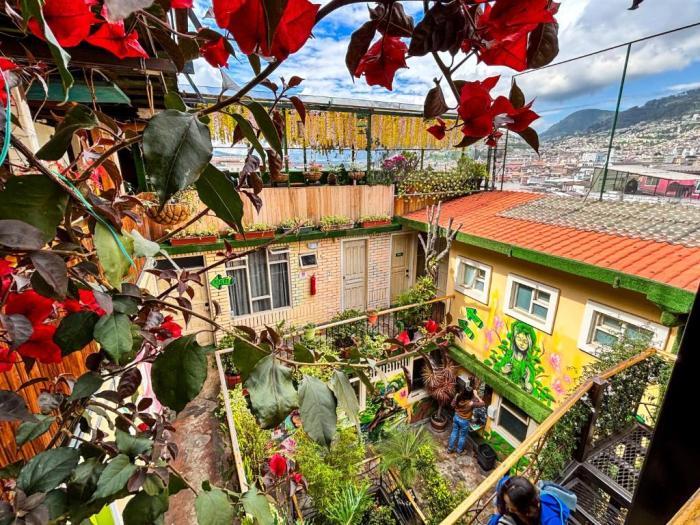
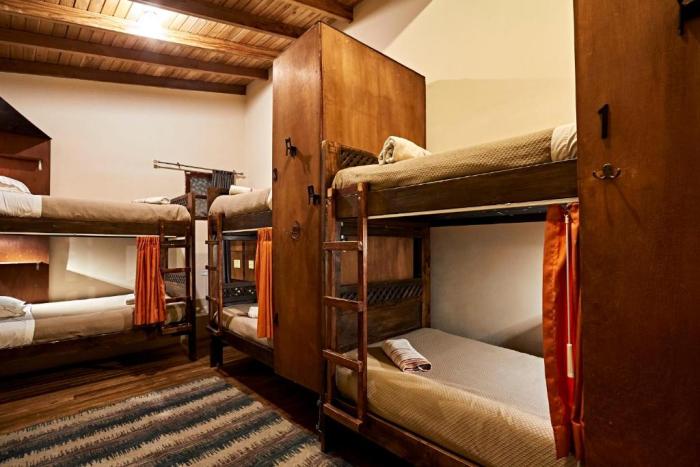
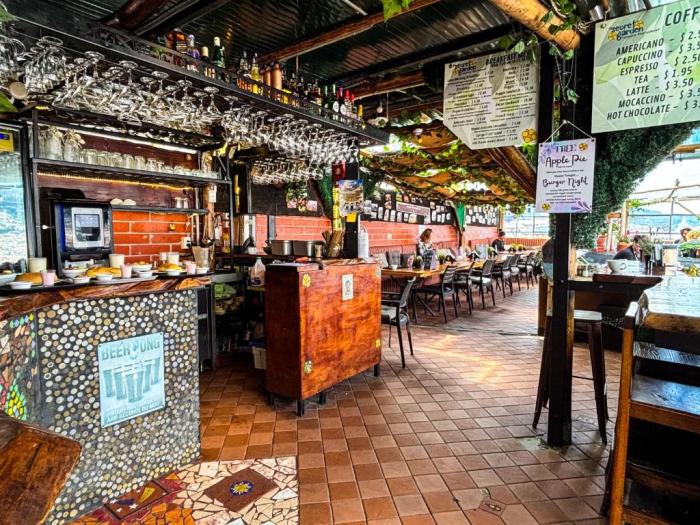
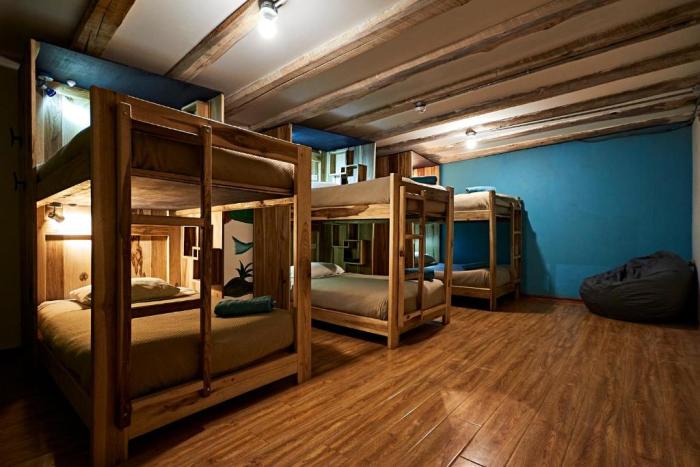
Participants are provided dorm style accommodation in a centrally located hostel.Secret Garden Hostel is one of Quito’s most popular backpacker hostels, known for its lively atmosphere, stunning views, and strong sense of community. Located on a hill just a short walk from Quito’s historic Old Town, the hostel offers panoramic views over the city and surrounding mountains—especially breathtaking at sunset. The hostel is located downtown, about a 20-minute walk from the project.
Secret Garden is also a great base for exploring Quito. Guests can easily visit nearby attractions like Plaza Grande, La Ronda, and the TelefériQo cable car. The hostel also helps organize trips to its sister property, Secret Garden Cotopaxi, which offers a more nature-focused experience near the Cotopaxi volcano.
Orientation
Our local staff will provide a comprehensive orientation session for the volunteers. The orientation would cover information about your project, routes, and buses or public transport that you can take to reach your project site.The orientation would take place usually on Sunday, the next day after your arrival.
Meals
Participants are provided with lunch at the project. Other meals can be taken at the hostel restaurant by paying directly. Meals are not included in the program.The hostel offers social spaces and activities for guests (there is no communal kitchen), and volunteers receive a 50% discount at the restaurant.
During your Free Time
Quito offers a lot of things to do and it is full of nice places to see like parks, museums and plazas. Its large historic center is a great place to spend a couple of afternoons, visiting its historic plazas, churches, and beautiful colonial streets; you can also take the cable car to go up the Pichincha volcano, where you can have amazing views of the whole city. You can also visit the Mitad del Mundo (middle of the world), Pululahua volcano´s ctrater, and much more! During the weekends you can go to the rainforest, to the very popular Mindo town or north to the famous Otavalo indigenous town.
Start dates
Weekly start dates, year-round — pick any week across the next two years.
Program fees by duration
A one-off application fee ($249 / £179 / €229 / AU$350) is charged in addition to the program fee — valid for one year, during which you may enrol in multiple programs. A 5% international banking fee applies to credit-card payments in USD or AUD.
| Duration | Program fee | |
|---|---|---|
| 3 weeks | $901 | |
| 4 weeks | $1,056 | |
| 5 weeks | $1,211 | |
| 6 weeks | $1,366 | |
| 7 weeks | $1,521 | |
| 8 weeks | $1,676 | |
| Each additional week | +$199 / week |
Indicative conversion — your booking is charged in the currency you choose at checkout.
✓ What you're paying for
- 24 hrs Assistance and support from staff
- Comprehensive Pre- Departure Information
- Pick up from the airport
- Orientation
- Project Donation
- Lunch (served at the project on working days)
- Accommodation in a nice and cozy hostel close to the project
- Day tour to Cotopaxi volcano (Bike Tour)
- Travel & Medical Insurance (Available at an extra cost)
- Certificate of Participation(On Request)
Not included
- Airfare
- Return Trip to Airport (Can be arranged at extra cost)
- Local Transportation
- Personal Expenses
- Visa Fees
- Meals
- Vaccinations
Frequently asked questions
Do I need to know the local language or English to join the volunteer program? If so, what level?
Spanish is the official language in Ecuador and knowledge of Spanish language would be helpful for you to communicate with the project staff and children.For volunteers working in the project in Quito, it is recommended to have some knowledge of Spanish. If you do not have any knowledge of Spanish, we recommend you to consider volunteering in the animal rescue project in Puyo instead. That would be more suitable.
Can I know more about the program locations in Ecuador ?
Volunteering Solutions offers programs in Quito and Puyo. Quito, the capital of Ecuador, is a vibrant city nestled high in the Andes at over 2,800 meters above sea level. Known for its stunning colonial architecture, the city’s historic center is one of the largest and best-preserved in South America and is recognized as a UNESCO World Heritage Site. Quito blends old-world charm with modern energy—narrow cobblestone streets, grand plazas, and ornate churches are complemented by contemporary neighborhoods, lively cafés, and breathtaking viewpoints like El Panecillo and TelefériQo. Surrounded by dramatic mountain landscapes, Quito offers a rich cultural experience and serves as a gateway to both the Andes highlands and the Amazon Basin.
Puyo is a welcoming rainforest city located on the edge of the Ecuadorian Amazon. With a warm, humid climate and lush green surroundings, it’s a hub for eco-adventures and indigenous cultural experiences. Travelers come to Puyo for jungle trekking, wildlife encounters, waterfall hikes, and visits to local Kichwa communities. The city itself has a relaxed atmosphere, with markets, riverside parks, and viewpoints offering scenic looks over the vast Amazon canopy. Puyo acts as an ideal starting point for exploring deeper into the rainforest while still providing the conveniences of a small urban center.
How do I apply for a program and when do I need to pay?
You can book your slot by filling the online application form and pay the application fee. You can pay your program fee later and also, in installments, however, the complete payment should be made 45 days prior the start of the program. If you are volunteering in a group, you can also fill a group application form. The initial application fee is refunded in the unlikely event that we’re not able to offer you a place on the program, and you have the flexibility to request a change of start date up until the 45 day payment deadline (this is subject to availability for other dates).
Are there any necessary requirements to participate in the Ecuador Volunteering Projects?
The necessary requirements to participate in the Ecuador volunteer projects are as follows:-
Volunteers must be at least 18 years old at the time of joining the program, be in good health, and need to have an open mind and flexible attitude for working in a new and different environment, and should bring energy and enthusiasm to make a difference.
When should I apply for a volunteer program in Ecuador?
As we have limited spots available in our programs and we follow the first come first serve basis, it is recommended that potential volunteers book their programs well in advance to get confirmed placements. You can book your slot by filling the application form online and pay the application fee. You can pay your program fee later and also, in installments, however, the complete payment should be made 45 days prior the start of the program. If you are volunteering in a group, you can also fill a group application form.
Can I apply with a friend?
Yes! On our application form you can detail the name of the friend(s) or partner you are applying with. You will be placed in the same project and accommodation and in the same dorm (subject to restrictions regarding male and female dorms). There is also the option of a private room upgrade in the volunteer house, subject to availability and the relevant upgrade fee. Please enquire with our team regarding prices and availability.
What happens if the program isn’t available?
We will refund your application fee if the program isn’t available after you have applied.
How long will it take to process an application? Will my application be accepted?
After you complete your application, your personalised ‘My Account’ will be active.You will need to upload your CV/Resume along with your photo in the same. Our backend team and the placement site takes around 10-12 days to review your application. After we review your CV and documents, your booking is confirmed and booking confirmation is updated in your ‘My Account’. Approval of your application depends on your qualification and eligibility criteria for each project as well as availability in the program.
Does VolSol provides discount if I choose more than one program or if I am a returning volunteer?
If you are planning to come for multiple programs in your trip, you will have to pay the application fees just once. Your application fee is valid for a years time (from the date of application). You will not have to pay the application fees again if you come within the mentioned time frame.For our returning volunteers, $50 discount is provided for the application fee for their next Vol Sol program.
Can I volunteer as part of a group?
For individual volunteers:
You will arrive on the same start date as other volunteers joining at the same time and will be part of a cohort for your program. This means you’ll share the same orientation day, accommodation, and overall experience; a great way to meet new people and make friends from around the world. The best time to join if you want to meet lots of other volunteers is July and August as these are the most popular months.
For groups:
If you already have a group, we also accept applications from university and college groups, high school groups, corporate teams, families, and groups of friends. Your group can fill in our Group Application Form, providing details such as the number of participants, preferred duration, budget, and destination.We take special care in providing your group with a placement that best suits your goals, and we can customise your itinerary to ensure you get exactly the experience you’re looking for. For groups of five or more, we can even design special group programs that combine meaningful volunteer work with cultural immersion and travel opportunities.All our programs, whether individual or group, are designed to be safe, affordable, and rewarding, offering every volunteer a memorable and impactful experience.
Will VolSol provide with a reference or a certificate after program completion?
Yes, we will provide you with the Certificate after successful completion of your program. The certificate is provided on request.
Can I know more about accommodation and food arrangements?
For Volunteers in Animal Rescue Project
Upon arrival in Quito, volunteers are provided accommodation for a night at a hostel centrally located in Quito. After transfer to the project in Puyo, volunteers are accommodated onsite in shared cabanas.
The volunteer cabañas at the Animal Rescue Center offer dorm-style rooms that can accommodate up to 17 people. Youll have access to shared kitchen and bathroom facilities, along with a social area featuring a TV, DVD player, hammocks, and a selection of books. The accommodation is simple yet comfortable, creating a communal atmosphere among volunteers.
Meals are provided to the volunteers at the project site.
For Volunteers in Quito
Participants are provided dorm style accommodation in a centrally located hostel. Meals are not included in Quito programs.
Can vegetarians be accommodated?
Yes, however, you must inform us in advance and also mention about any dietary requirement in your application form.
rnWould I have free time during my program? Can I do sightseeing during my program?
Volunteers typically work for around 5-6 hours in a day. Depending on the workload every day, working hours can vary. Evenings are free for the volunteers and volunteers usually get together and go out for social gatherings, eat out or just relax at the hostel. Quito offers a number of activities and attractions for the discerning travelers. Quito is surrounded by Cotopaxi volcano and Pichincha, Antizana, Cayambe volcanoes that make the Andean contour. Full of churches and majestic architecture and exquisite fine dining experiences, walking tour in this beautiful city is not enough.
For volunteers in Puyo, there are plenty of enjoyable activities to do after their service hours. They can relax in a hammock with a book, play board or card games, or take a short trip into Puyo, which is just 15 minutes away by car. For more adventurous options, Baños is about 1 hour and 20 minutes away by bus and is a popular tourist town known for its thermal baths, lively nightlife, canopy tours, mountain biking, waterfalls, rafting, and canyoning—all set near the active Tungurahua volcano. Volunteers can also visit the jungle town of Tena, around 2 hours away, for an unforgettable Amazon adventure or guided jungle tour.
Are there more expenses once I arrive in Ecuador?
Volunteers in Quito and Puyo need to cover for personal expenses, return drop to the airport. For participants in Quito, meals are not included in the fee so you need to cover for that.
For how many hours do I have to volunteer in a day?
Volunteers usually work for 5 to 6 hours a day depending on their program. You will have the weekend off so you can go to travel on weekends. However, volunteers need to be flexible, open-minded and understand that work requirements can change as well on certain occasions.
rnWhere can I change my money in Quito? Are there ATMs in Quito?
You will find a number of currency exchange counters and ATMs in the airport as well as the popular tourist areas of Quito. Your pre-departure booklet will have this information, your coordinator would also guide you with this information.
rnHow safe is Quito, Ecuador?
Quito and Puyo are generally safe destinations, but each comes with different considerations for travelers. Quito, as a large capital city, has more issues with petty crime such as pickpocketing and bag snatching, especially in busy tourist areas and on public transport, so visitors should stay alert, keep valuables out of sight, use registered or app-based taxis, and avoid walking alone at night in quieter neighborhoods. Puyo, on the edge of the Amazon, has a more relaxed small-town atmosphere with lower crime rates, and most risks there relate to outdoor activities rather than urban safety; basic precautions like securing belongings, being cautious at night, and following the advice of local guides during rainforest excursions help ensure a smooth visit. Overall, both places are safe for travelers who take sensible, common-sense precautions.
What immunizations/vaccinations will I need?
We recommend you to consult your physician or travel doctor before traveling to Ecuador. Yellow Fever Vaccine: Required only if you are arriving from a country where yellow fever is endemic (e.g., Brazil, Colombia, Peru, parts of Africa).Not required when flying directly from Europe, North America, the UK, Australia, or most Asian countries.
The following vaccinations are recommended for travelers going to Ecuador.
- Yellow Fever
- Hepatitis A and B
- Typhoid
- Tetanus (Recommended for Puyo project volunteers)
What are the Visa requirement and process to go to Ecuador?
Citizens of over 90 countries — including the UK, USA, Canada, EU nations, Australia, New Zealand, and most of Latin America — can enter Ecuador visa-free for up to 90 days.
What are the recommended airlines to fly to Quito, Ecuador?
The best airlines to fly to Quito, Ecuador (UIO) depend on where you are traveling from, but several carriers consistently offer reliable and convenient routes. From Europe, KLM is the top choice as it provides the only direct flight to Quito from Amsterdam, while Iberia and Air Europa offer good one-stop options via Madrid. Travelers from the UK typically connect through Europe or the United States, with KLM, Iberia, and Air Europa being the most seamless choices, alongside American Airlines, United, or Delta through major U.S. hubs. From the United States, the most dependable airlines with direct flights to Quito are American Airlines from Miami, United from Houston, Delta from Atlanta, and LATAM from Miami. Canadian travelers can reach Quito via U.S. connections with American or United. Within South America, LATAM, Avianca, and Copa Airlines provide strong regional networks that connect smoothly to Quito. Overall, KLM, Iberia, American, United, Delta, and LATAM stand out as the most recommended airlines for comfort, reliability, and ease of connection.
When do I need to arrive in Ecuador for my program? What will happen once I arrive in Ecuador?
All volunteers need to arrive in Quito on the mentioned program arrival date, which is usually a Saturday.Volunteers are picked up from the Mariscal Sucre International Airport (UIO) by a representative. You will be transferred to the hostel accommodation in Quito on that day. The next day, those participants going to Puyo are given an induction and dropped off to the bus station for transfer to Puyo.Those participants who will be doing the program in Quito itself will be given induction and taken to the project the next day.
How can I connect with past Volunteering Solutions Ecuador alumni as well as other former and current volunteers?
We encourage volunteers to get in touch with former Volunteering Solutions Tanzania program participants and also other program participants joining our projects. You are recommended to join the Volunteering Solutions Facebook Page or Facebook Group and connect with other participants and our team.
To read alumni interviews from past participants, visit, Meet a Volunteer section on our website.
Can you put me in contact with other volunteers who have done this program?
We can only provide contact details for former volunteers who have consented to having their data shared. However, there is a Facebook group for past and current volunteers which you are welcome to join. There are also hundreds of reviews online from our former volunteers as well as social media posts on Instagram, TikTok and our You Tube Channel.
Can I meet other volunteers before I arrive?
The best thing to do is join our Facebook group and put up a post detailing your start date, that way you can connect directly with other volunteers joining at the same time as you.
From volunteers in Ecuador
Schedule a meeting with a programme advisor
We're here to help — a 20-minute one-on-one with detailed info, expert advice and application guidance.
Book a free meeting