 English (US) ▾
 Nederlands
 English (UK)
 Deutsch
 Italiano
 Português
 Español
Faculty-Led Group Volunteering Trips Abroad: A University Planning Guide
Blog · June 25, 2026 · 12 min read · By Saurabh
Yes — if you are a professor, lecturer, study-abroad coordinator or student-group leader, you can organize a faculty-led group volunteering trip abroad, and a specialist provider will handle the in-country logistics for you. A faculty-led trip lets you take a group of your own students overseas on a short, structured volunteering program that you help shape around your course, your timeline and your learning objectives. This 2026 guide walks you through exactly how to plan one — choosing a destination and project, group sizes, budgeting, safety, academic fit and the timeline you should work to.
Faculty-led group trips are one of the fastest-growing forms of education abroad because they combine real community impact with hands-on, experiential learning — and because the faculty member stays in control of the academic content. At Volunteering Solutions we run customised group volunteering programs for college and university cohorts, high school and IB groups, and other organized groups across Asia, Africa, Europe and Latin America. Here is how to put one together.
What is a faculty-led group volunteering trip abroad?
A faculty-led program is a short-term education-abroad trip designed and accompanied by a faculty member, rather than a semester exchange run by a partner university. The faculty member sets the academic framing; the provider arranges everything on the ground. When the trip is built around volunteering, your students spend their days contributing to a genuine community or conservation project — teaching, childcare, environmental work, community development — while you connect that work back to your syllabus.
It sits firmly in the world of experiential and service-learning: students learn by doing, reflecting and applying classroom theory in an unfamiliar context. That is what makes it so valuable on a transcript and a CV, and why so many departments now build a faculty-led option into their programs.
Faculty-led volunteering vs other education-abroad options
It helps to be clear on how a faculty-led volunteering trip differs from the alternatives, because the format you choose shapes the learning outcomes:
- Semester exchange — students study at a partner university for a term. Deep, but long, and the academic content sits outside your control.
- Faculty-led study tour — you lead a short trip of lectures, site visits and cultural activities. Excellent for exposure, but largely observational.
- Global immersion program — an intensive short course that embeds students in a place or sector, often language- or business-focused.
- Faculty-led volunteering / service-learning trip — the same faculty-led structure, but students actively contribute to a community or conservation project and reflect on it for credit. This is the most hands-on, and the easiest to assess.
If your goal is experiential, active learning with a measurable community contribution — and a story your students will tell for years — the volunteering format is hard to beat.
Why choose volunteering for a faculty-led trip?

A study tour shows students a place; a volunteering trip lets them contribute to it. The difference matters for learning outcomes and for the kind of reflection you can assess afterwards. The main benefits of choosing a volunteering format are:
- Genuine experiential learning — students apply skills and theory in a real setting, not a lecture hall.
- Measurable community impact — the group leaves behind something tangible, from painted classrooms to teaching hours delivered.
- Cohort bonding — shared, slightly-outside-the-comfort-zone experiences build friendships and teamwork that carry back to campus.
- Employability — cross-cultural competence, adaptability and teamwork are exactly what graduate employers look for.
- Cultural immersion — living and working alongside a local community is a world away from a sightseeing itinerary.
For more on this, our guide on why college students are choosing to volunteer abroad together digs into the motivations driving the trend.
Which subjects and disciplines suit a group volunteering trip?
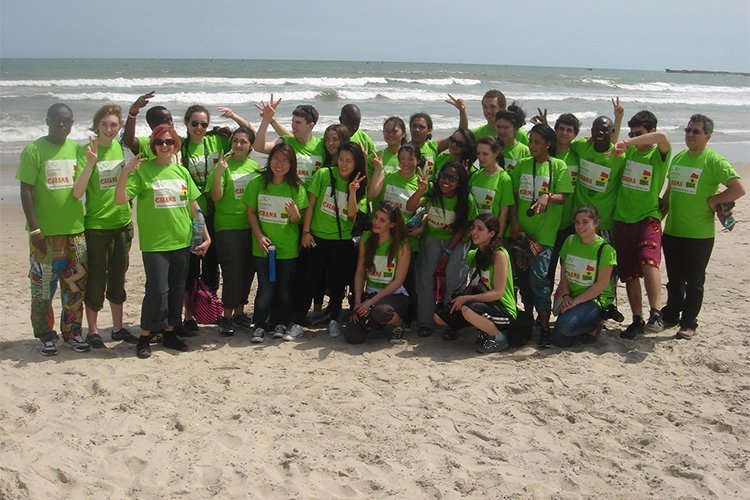
Almost any department can build a meaningful trip — the key is matching the project type to your course. Some natural fits:
- Education & teacher training → teaching volunteer projects, where students plan and deliver lessons in local schools.
- Environmental science, biology & ecology → wildlife and conservation projects, from habitat work to data collection.
- Sociology, social work & international development → community development and childcare placements.
- Gender studies & politics → women’s empowerment programs.
- Business & management → sustainability, CSR and community-enterprise themed placements that double as team-building.
- Languages & cultural studies → immersion-focused placements that pair service with language practice.
High schools and IB Diploma groups are well catered for too: our CAS group trips and expeditions are designed around the Creativity, Activity, Service framework, and our high school volunteer programs are built for younger groups with extra supervision.
How to plan a faculty-led group volunteering trip: step by step
Organizing a group trip feels daunting the first time, but it breaks down into a clear sequence. Work through these steps:
- Define your learning objectives. Decide what students should gain academically and personally. This drives every later choice and gives you something concrete to assess on return.
- Choose a project type and destination. Match the placement to your discipline (see above), then shortlist destinations that offer it.
- Set your dates and duration. Most faculty-led volunteering trips run one to three weeks, slotted into reading weeks, summer or winter breaks.
- Estimate group size. Confirm how many students and accompanying staff will travel — this affects pricing and logistics.
- Build a budget. Work out the per-student cost and how it will be funded (department budget, student contributions, fundraising, grants).
- Brief and recruit students. Run an information session, set expectations, and handle applications and deposits.
- Confirm logistics with your provider. Accommodation, meals, in-country transport, airport pickup, project schedule and 24/7 support.
- Manage risk and pre-departure prep. Insurance, vaccinations, visas, risk assessment, codes of conduct and a pre-departure orientation.
- Integrate the academics. Decide how the trip is assessed — reflective journals, a project, a presentation — so it counts toward the course.
A good provider does the heavy lifting on steps 7 and 8, which is the part most faculty members worry about. You can hand us your objectives and dates and we will build the itinerary around them.
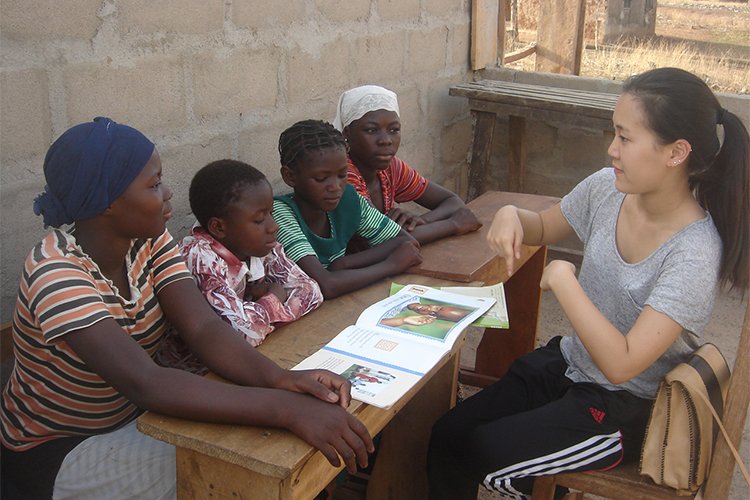
What group sizes work, and who can come?
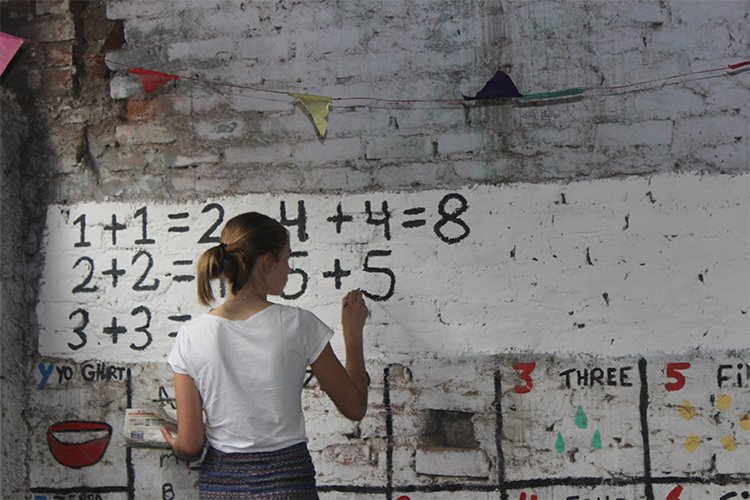
Group volunteering is flexible. We run trips for college and university cohorts, high school and IB groups, friends and family groups, and corporate teams. Smaller groups of around 8–15 are easy to place together on a single project, while larger cohorts can be split across complementary placements in the same location so everyone stays together socially. Accompanying faculty and chaperones travel with the group throughout. If you are weighing up numbers, our ultimate guide to group volunteering abroad and our school group programs guide cover the practicalities in more depth.
How much does a faculty-led group trip cost?
Group trips are quoted per student, and the fee typically bundles accommodation, meals, in-country transport, airport pickup, the project placement and round-the-clock in-country support — so the headline number covers far more than it first appears. International flights, insurance, visas and personal spending are usually separate and should be budgeted on top.
Because every faculty-led trip is customised — destination, duration, project and group size all move the price — the best approach is to tell us your parameters and get a tailored group quote. Group rates and organiser arrangements differ from individual bookings, so contact our group team for current pricing rather than relying on a single figure. If budget is the deciding factor, lower-cost destinations such as Nepal, India and Ghana stretch a department budget further than many alternatives.
Choosing a destination for your group
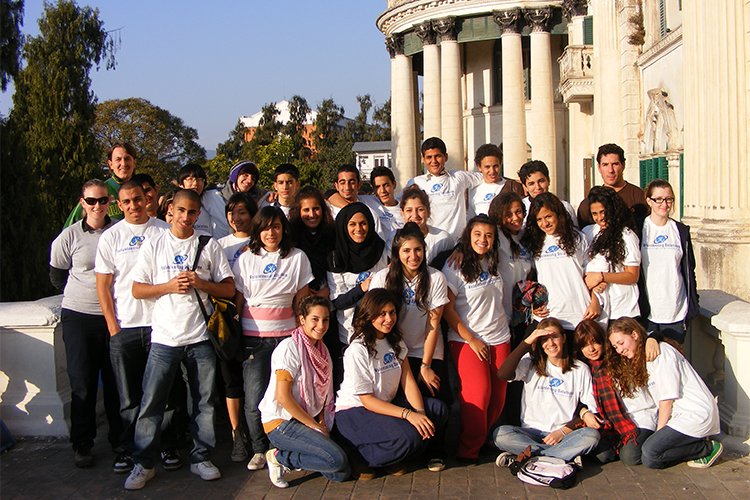
The right destination depends on your discipline, budget and how adventurous your group is. Popular, well-supported choices for faculty-led volunteering include Nepal, India, Thailand, Sri Lanka, Bali, Ghana, Kenya, Tanzania, Peru and Costa Rica. Each offers a different mix of project types, cost, language environment and cultural setting. You can browse the full range on our destinations page, then talk to us about which best fits your objectives.
Safety, support and responsible volunteering
Taking a student group abroad is a serious responsibility, so the provider’s safeguards matter as much as the itinerary. Volunteering Solutions is a certified B Corporation with our in-country teams who run orientation, accompany placements and provide 24/7 support throughout the trip. Just as importantly, responsible providers ensure placements are genuinely beneficial to the host community rather than displacing local jobs — an ethical foundation you will want to be able to explain to students, parents and your institution. Our group volunteering trips are designed around real community need, with risk assessments and clear codes of conduct to support your institution’s own duty-of-care requirements.
Before you commit, ask any provider a few direct questions: Is your in-country support run by your own staff or subcontractors? What is your emergency and evacuation procedure? How do you vet placements to make sure they help rather than harm? What is the student-to-supervisor ratio? Can you share risk assessments and references from other institutions? A provider that answers these clearly and in writing is one you can confidently stand behind to your department, your students and their parents.
How to get started
The simplest first step is to get in touch with an outline of what you want: your discipline, rough group size, preferred dates and any destination ideas. From there we will propose a tailored itinerary and quote. Explore the group volunteer abroad page for an overview, see how others have done it in our group trips guide, and when you are ready, contact our group team to start planning. A well-run faculty-led volunteering trip is one of the most rewarding things you can offer your students — and you do not have to organize it alone.
Frequently asked questions
Can I organize a faculty-led group volunteering trip abroad?
Yes. Faculty members, study-abroad coordinators and student-group leaders can organize a faculty-led trip with a specialist provider that arranges all in-country logistics — accommodation, meals, transport, the project placement and support — while you set the academic framing and accompany your students. Tell the provider your objectives, dates and group size and they build the itinerary around them.
How many students do I need for a group trip?
Groups are flexible. Smaller groups of around 8–15 are easy to place on a single project, while larger cohorts can be split across complementary placements in the same location so the group stays together. Accompanying faculty and chaperones travel with the group throughout.
Which subjects work best for a group volunteering trip?
Many disciplines fit well: education and teacher training (teaching placements), environmental science and biology (conservation and wildlife), sociology, social work and international development (community development and childcare), gender studies (women’s empowerment), business (sustainability and CSR), and languages (immersion placements). The key is matching the project type to your course objectives.
How much does a faculty-led group trip cost?
Trips are priced per student and usually include accommodation, meals, in-country transport, airport pickup, the project placement and 24/7 support. Flights, insurance, visas and personal spending are typically extra. Because each trip is customised, request a tailored group quote rather than relying on a single figure — lower-cost destinations like Nepal, India and Ghana stretch a budget further.
How far in advance should we plan?
Aim to start planning six to twelve months ahead. That leaves time to define objectives, recruit students, arrange funding, complete risk assessments and handle visas, vaccinations and insurance comfortably before departure.
Is it safe to take a student group volunteering abroad?
With the right provider, yes. Look for dedicated in-country teams, orientation on arrival, 24/7 support, documented risk assessments and clear codes of conduct. As a certified B Corporation, Volunteering Solutions builds these safeguards into every group trip to support your institution’s duty of care.
Plan your group trip — enquire now
Ready to start, or just want to talk it through? Tell our Groups Team your discipline, rough group size, preferred destination and dates using the form below, and we’ll come back to you within one working day with ideas and a tailored quote.
{
“@context”: “https://schema.org”,
“@type”: “FAQPage”,
“mainEntity”: [
{
“@type”: “Question”,
“name”: “Can I organize a faculty-led group volunteering trip abroad?”,
“acceptedAnswer”: {
“@type”: “Answer”,
“text”: “Yes. Faculty members, study-abroad coordinators and student-group leaders can organize a faculty-led trip with a specialist provider that arranges all in-country logistics — accommodation, meals, transport, the project placement and support — while you set the academic framing and accompany your students. Tell the provider your objectives, dates and group size and they build the itinerary around them.”
}
},
{
“@type”: “Question”,
“name”: “How many students do I need for a group trip?”,
“acceptedAnswer”: {
“@type”: “Answer”,
“text”: “Groups are flexible. Smaller groups of around 8 to 15 are easy to place on a single project, while larger cohorts can be split across complementary placements in the same location so the group stays together. Accompanying faculty and chaperones travel with the group throughout.”
}
},
{
“@type”: “Question”,
“name”: “Which subjects work best for a group volunteering trip?”,
“acceptedAnswer”: {
“@type”: “Answer”,
“text”: “Many disciplines fit well: education and teacher training (teaching placements), environmental science and biology (conservation and wildlife), sociology, social work and international development (community development and childcare), gender studies (women’s empowerment), business (sustainability and CSR), and languages (immersion placements). The key is matching the project type to your course objectives.”
}
},
{
“@type”: “Question”,
“name”: “How much does a faculty-led group trip cost?”,
“acceptedAnswer”: {
“@type”: “Answer”,
“text”: “Trips are priced per student and usually include accommodation, meals, in-country transport, airport pickup, the project placement and 24/7 support. Flights, insurance, visas and personal spending are typically extra. Because each trip is customised, request a tailored group quote rather than relying on a single figure.”
}
},
{
“@type”: “Question”,
“name”: “How far in advance should we plan a faculty-led trip?”,
“acceptedAnswer”: {
“@type”: “Answer”,
“text”: “Aim to start planning six to twelve months ahead. That leaves time to define objectives, recruit students, arrange funding, complete risk assessments and handle visas, vaccinations and insurance comfortably before departure.”
}
},
{
“@type”: “Question”,
“name”: “Is it safe to take a student group volunteering abroad?”,
“acceptedAnswer”: {
“@type”: “Answer”,
“text”: “With the right provider, yes. Look for dedicated in-country teams, orientation on arrival, 24/7 support, documented risk assessments and clear codes of conduct. As a certified B Corporation, Volunteering Solutions builds these safeguards into every group trip to support your institution’s duty of care.”
}
}
]
}
Ready to plan? Explore our faculty-led group trips or start a group application.

Saurabh Sabharwal is the founder of Volunteering Solutions and its parent B Corporation, Impact Explorers. He has championed ethical, affordable volunteer travel since 2007 and writes about how to volunteer abroad responsibly.