 English (US) ▾
 Nederlands
 English (UK)
 Deutsch
 Italiano
 Português
 Español
 Français
Volunteer in Bali: The Complete 2026 Guide
Blog · June 29, 2026 · 9 min read · By Luni
Yes — Bali is one of the best and most affordable places in the world to volunteer, with projects in sea turtle and coral-reef conservation, marine clean-ups, teaching English and childcare, set against the island’s temples, rice terraces and beaches. This complete 2026 guide covers everything you need to plan a trip: the projects on offer, where you’ll be based, what it costs, the best time to go, visas, and how to choose an ethical program.
Looking for a placement? See all volunteer programs in Bali: teaching, kindergarten, marine conservation, coral reef restoration and turtle conservation placements, with current dates and fees.
Bali pairs genuinely meaningful volunteering with one of the most welcoming cultures in Southeast Asia — which is exactly why it’s a favorite for first-time and returning volunteers alike. Explore our programs on the volunteer in Bali page, or read on for the full picture.
What is volunteering in Bali like?
Volunteering in Bali means joining a community or conservation project on the Indonesian island of Bali — from rehabilitating sea turtles and restoring coral reefs to teaching English in local schools — usually for one to eight weeks, with accommodation, meals and in-country support arranged for you. It suits volunteers aged 17 and over, needs no previous experience for most projects, and leaves plenty of time to experience Balinese culture and the island itself.
Why volunteer in Bali?
Bali earns its popularity for good reasons:
- Affordable — among the lower-cost volunteer destinations, so your budget (and any funding) stretches further.
- Outstanding conservation work — sea turtles, coral reefs and marine ecosystems make Bali a standout for ocean lovers.
- A warm, living culture — daily temple offerings, ceremonies and the famous Balinese hospitality.
- Easy to enjoy — beaches, rice terraces, volcanoes and Ubud’s arts scene on your days off.
- Great for first-timers — well-trodden, well-supported, and sociable.
What volunteer projects are available in Bali?
Bali offers an unusually wide range of projects for one island:
- Sea turtle conservation — help care for, protect and release endangered turtles.
- Coral reef restoration & scuba diving — restore reefs and learn to dive on a conservation program.
- Marine conservation — broader ocean and coastline protection work.
- Teaching English — support lessons and fun learning activities in local schools.
- Kindergarten & childcare — help young children learn and play.
You can also explore these by cause: wildlife & conservation, teaching and childcare.
Sea turtle, coral and marine conservation: Bali’s signature
If there’s one thing Bali is known for among volunteers, it’s marine and wildlife conservation. You can help rehabilitate and release sea turtles, replant and monitor coral reefs (often combined with learning to scuba dive), and join clean-ups and ecosystem work along the coast. These projects are hands-on, genuinely impactful, and unforgettable. Just make sure any wildlife project is welfare-first — see the ethics section below — and explore the full range on our wildlife conservation hub.
Where will you be based in Bali?
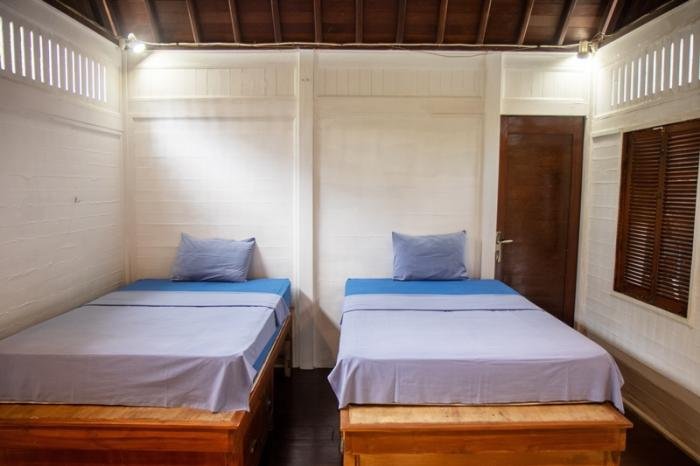
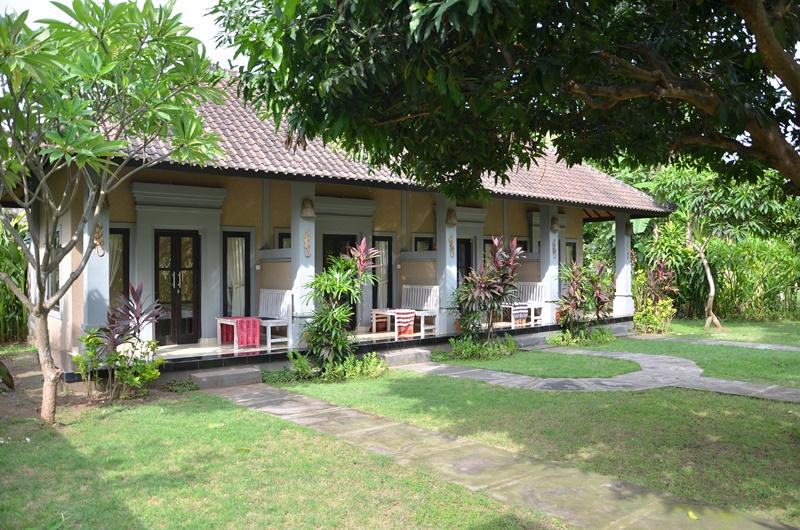
It depends on your project. Conservation and diving programs are usually on the quieter north and east coasts (around Lovina and the Tianyar area), where the reefs and turtle centers are. Teaching and childcare placements are often near Ubud, Bali’s cultural heart, surrounded by rice terraces and temples. Wherever you’re based, you’ll stay in shared volunteer accommodation with meals provided, and Bali’s compact size makes weekend trips easy.
A typical week volunteering in Bali
Most programs run Monday to Friday, leaving weekends free. On conservation projects, mornings might mean feeding and cleaning at the turtle center, checking nests, surveying reefs or a training dive; on teaching and childcare placements, you’ll help run lessons and activities. Afternoons are usually lighter, with time to rest, explore nearby villages or take a class. Evenings are spent with fellow volunteers over dinner at the volunteer house. Weekends are yours to discover the island — and Bali’s size means even far-flung spots are reachable for a two-day trip.
How much does it cost to volunteer in Bali?
Bali is one of the more affordable destinations, though conservation and diving programs cost a little more because of the specialist activities involved. Typical starting fees per week:
| Project | From (per week) | Focus |
|---|---|---|
| Teaching English | ~US$470 | Schools & community |
| Kindergarten & childcare | ~US$470 | Early-years care |
| Marine conservation | ~US$475 | Coastline & ocean |
| Sea turtle conservation | ~US$897 | Turtle care & release |
| Coral reef restoration & diving | ~US$1,059 | Reef work + dive training |
Fees typically cover accommodation, meals, airport pickup and in-country support; international flights, insurance and visas are extra. Prices and start dates change, so check the individual program pages for current figures. If you’re a student, our guide to university funding for volunteering abroad covers grants and scholarships that can help, and our fundraising guide shows how to raise the rest. For a deeper look at day-to-day spending, see how much it costs to live in Bali while volunteering.
How long should you go, and when’s the best time?
Most Bali programs run from one to eight weeks, with rolling start dates through the year. One to two weeks works for a focused taste; longer stays let you build skills (especially on diving and conservation projects) and contribute more. The best time to go is the dry season, roughly April to October, which is ideal for marine and diving work and for exploring the island; the wet season (November to March) is greener and quieter but brings more rain. Projects run year-round either way.
Bali beyond the project: your days off
Part of Bali’s appeal is what’s waiting on your time off. Base yourself near Ubud for rice terraces, temples, art markets and yoga; head to the beaches of the south and west for surf and sunsets; or explore the quieter north and east coasts near your conservation project. Further afield, a sunrise trek up Mount Batur, waterfalls in the lush interior, and a boat trip to Nusa Penida or the Gili Islands are all popular volunteer weekends. Balancing meaningful work with genuine adventure is exactly why so many people choose Bali.
Do you need a visa to volunteer in Bali?
Bali is part of Indonesia, so you’ll need to meet Indonesian entry requirements. Many short-stay volunteers enter on a visa on arrival or a tourist visa, while longer or specific placements may need a social/cultural visa — the right option depends on your nationality and how long you’re staying. Indonesian visa rules change regularly, so always confirm the current requirements with the official Indonesian immigration authorities (and your program team) before you book flights.
Is volunteering in Bali ethical?
It can be — if you choose carefully. As a certified B Corporation, Volunteering Solutions runs community-led projects designed around genuine local need, and our wildlife and marine work is welfare-first. Two things to watch for anywhere in Bali: avoid attractions that offer hands-on contact with captive wildlife for entertainment, and choose childcare and teaching projects that support (not replace) local staff. Responsible turtle, reef and community projects — where you’re contributing to real conservation and education — are the ones worth your time. Our in-country teams run orientation on arrival and provide 24/7 support throughout.
Health, safety and staying respectful
Bali is a well-trodden, generally safe destination, and our in-country teams are on hand throughout. A few sensible basics: drink bottled or filtered water and ease into local food to avoid an upset stomach; use sun protection and stay hydrated, especially on the water; and check current travel-health advice and any recommended vaccinations with a travel clinic before you go. Culturally, dress modestly at temples (a sarong is usually required), be mindful around ceremonies and daily offerings, and follow your team’s guidance — a little respect goes a long way in Bali.
Who is volunteering in Bali for?
Bali suits gap-year travelers, students, career-breakers, families and anyone drawn to conservation, the ocean or Southeast Asian culture. Diving and marine projects are perfect for ocean lovers (no diving experience needed for many — training is provided), while teaching and childcare suit those who want to work with children and communities. It’s also a superb first volunteer destination thanks to its affordability, support and easy travel.
Is volunteering in Bali worth it?
For most volunteers, absolutely. You contribute to real conservation or community work — protecting turtles and reefs that genuinely need help, or supporting children’s education — while immersing yourself in one of the world’s most beautiful and welcoming cultures, all at a relatively affordable cost. You’ll come home with new skills (often including a diving qualification), stories you’ll tell for years, and a meaningful experience that stands out on a CV or university application. The key is choosing an ethical, well-supported program so your time and money do real good.
How to get started
Decide roughly how long you can go and which kind of project excites you most, then browse the options on our volunteer in Bali page and check current dates and fees on the program pages. Before you travel, it’s worth reading our do’s and don’ts of living and volunteering in Bali. When you’re ready, get in touch and our team will help you choose the right program.
Frequently asked questions
Can you volunteer in Bali?
Yes. Bali offers a wide range of volunteer projects — sea turtle and coral-reef conservation, marine work, teaching English and childcare — usually for one to eight weeks, with accommodation, meals and in-country support arranged. Most projects welcome volunteers aged 17 and over with no previous experience.
How much does it cost to volunteer in Bali?
Teaching, childcare and marine conservation programs start from around US$470–475 per week; sea turtle conservation from about US$897 and coral-reef restoration with diving from about US$1,059. Fees usually include accommodation, meals, airport pickup and in-country support. Flights, insurance and visas are extra — check program pages for current pricing.
What is the best time to volunteer in Bali?
The dry season, roughly April to October, is best — ideal for marine and diving projects and for exploring the island. The wet season (November to March) is greener and quieter but rainier. Projects run year-round with rolling start dates.
Do I need a visa to volunteer in Bali?
Yes — Bali is part of Indonesia. Many short-stay volunteers use a visa on arrival or tourist visa, while longer placements may need a social/cultural visa, depending on your nationality and length of stay. Indonesian visa rules change, so always confirm current requirements with official immigration before booking.
Is volunteering with turtles in Bali ethical?
It can be, if the project is welfare-first and focused on rehabilitation and release rather than entertainment. Avoid any attraction offering hands-on contact with captive wildlife for photos. As a certified B Corporation, Volunteering Solutions runs conservation projects built around genuine animal welfare and real outcomes.
Do I need diving experience for Bali’s marine projects?
Not usually — many coral-reef and diving programs include training, so beginners are welcome. You should be comfortable in the water and reasonably fit. Check the specific program page for any requirements.
Start planning your Bali trip
Tell us what you’re looking for and we’ll help you find the right Bali program and dates — no obligation. We reply within one working day.
Ready to plan your trip? Browse all volunteer abroad programs — 115+ affordable placements in 23 countries, rated 4.8/5.

Luni Chhochoon writes for Volunteering Solutions, a certified B Corporation, covering volunteer abroad programs, destinations and tips for traveling with purpose.