 English (US) ▾
 Nederlands
 English (UK)
 Deutsch
 Italiano
 Português
 Español
 Français
Global Immersion & Experiential Learning Trips Abroad
Blog · June 25, 2026 · 9 min read · By Saurabh
A global immersion trip is a short, structured experience abroad where students learn by living and working inside a different culture rather than observing it from a coach window — and volunteering is one of the most powerful ways to deliver it. Done well, an immersion or experiential-learning trip builds exactly the skills classrooms and study tours struggle to teach: cultural intelligence, adaptability, initiative and real-world problem solving. This guide explains what global immersion and experiential learning actually mean, how a volunteering trip delivers them, how they differ from a study tour, and how universities, schools and student groups can run one.
Volunteering Solutions designs immersive, experiential group volunteering programs across Asia, Africa, Europe and Latin America for universities, colleges and schools. Here’s how immersion learning works — and how to make it count.
What is experiential learning?
Experiential learning is learning through direct experience and structured reflection, rather than through lectures alone. The classic model, David Kolb’s experiential learning cycle, describes four stages: concrete experience (doing something real), reflective observation (thinking about what happened), abstract conceptualisation (drawing out lessons and theory), and active experimentation (applying those lessons next time). A well-designed trip moves students around that full cycle — which is why the learning sticks long after they get home.
Why immersion learning matters now
Employers and universities increasingly value what a classroom can’t easily teach. In a globalised, fast-changing job market, cultural intelligence — the ability to work effectively across cultures — sits alongside adaptability, collaboration and initiative as the skills graduates most need and most often lack. Decades of research into experiential and service-learning show that students who learn by doing retain more, engage more deeply, and transfer their learning to new situations better than those taught by lecture alone. A global immersion trip compresses all of that into one or two intense, memorable weeks. That’s why universities, business schools and employers increasingly treat international immersion as core development rather than an optional extra — and why a well-run trip can shape a student’s confidence, worldview and direction long after they return.
What is a global immersion trip?
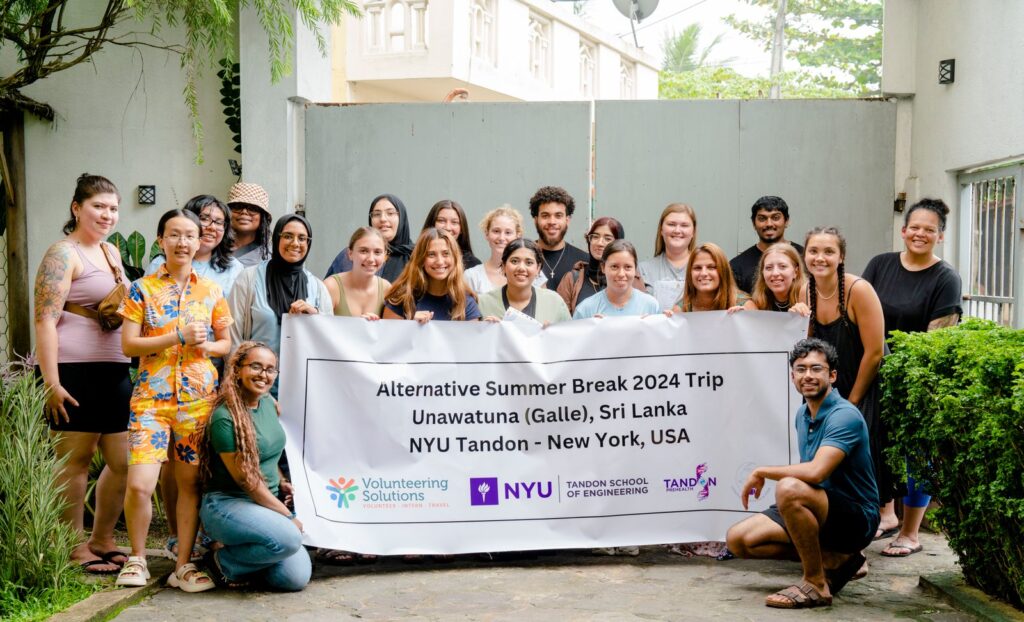
A global immersion trip is a short overseas program — typically one to three weeks — that embeds a group of students in an unfamiliar culture and a real project or context, so they learn by participating. Where a study tour shows students a place, an immersion trip asks them to contribute to it and reflect on the experience. When the immersion is built around volunteering and service, students work alongside a local community on a genuine need, which deepens both the cultural immersion and the learning.
How volunteering delivers immersion and experiential learning
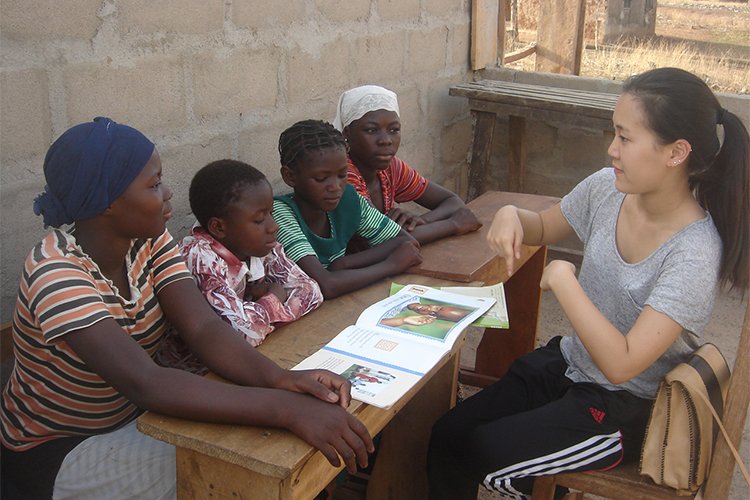
Volunteering is a natural vehicle for experiential learning because it puts students into Kolb’s cycle automatically: they take on real tasks (concrete experience), debrief each day (reflection), connect the work to bigger issues like education access or conservation (conceptualisation), and adapt their approach as the trip goes on (experimentation). It also delivers genuine cultural immersion — living, eating and working with local people and an in-country team, not just sightseeing. The result is a trip that develops the whole person, not just their CV.
Crucially, volunteering immersion is reciprocal and grounded: students aren’t passive guests but contributors to a real project the local community has prioritised. That sense of contributing — rather than consuming an experience — is what makes the cultural exchange genuine and the learning meaningful. It also keeps the trip ethical, which matters: responsible immersion supports the host community rather than treating it as a backdrop.
Immersion trip vs study tour vs study abroad
These terms get used loosely, so here’s how they compare:
| Format | What students do | Length | Best for |
|---|---|---|---|
| Study abroad / exchange | Study at a partner university for credit | A term or year | Deep academic & cultural immersion over time |
| Study tour | Lectures, site visits, cultural activities — largely observational | 1–2 weeks | Exposure and context |
| Global immersion (volunteering) | Live and work on a real community or conservation project | 1–3 weeks | Hands-on, experiential, high-impact learning |
| Faculty-led trip | Any of the above, designed and led by a lecturer for credit | 1–3 weeks | Tying the experience to a course |
An immersion volunteering trip is the most active and the easiest to assess through reflection — which is why so many programs now choose it over a traditional study tour.
What students gain from an immersion trip
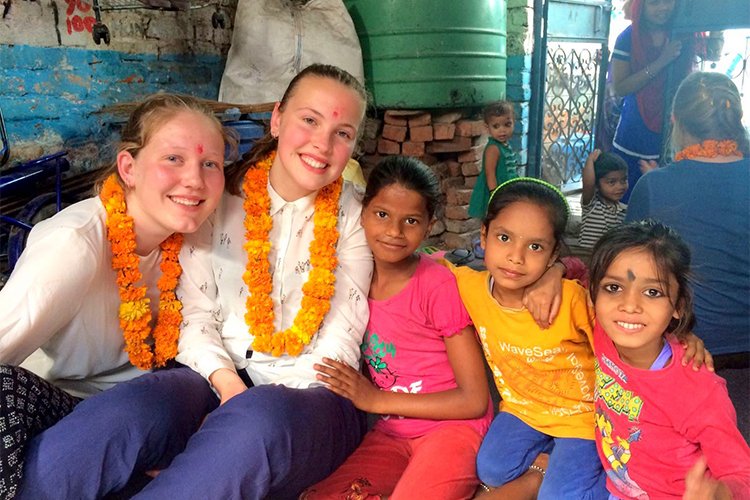
- Cultural intelligence — the ability to work effectively across cultures, increasingly prized by employers.
- Adaptability and resilience — built by navigating an unfamiliar environment.
- Initiative and problem-solving — real situations rarely follow a script.
- Teamwork and communication — with their group, the community and the in-country team.
- Global perspective — first-hand engagement with issues of global significance.
- Confidence and self-awareness — the quiet outcomes that change how students see themselves.
Who are global immersion trips for?
Immersion and experiential trips suit a wide range of groups:
- Universities and colleges — for cohorts, societies and clubs; see group volunteering for university & college students.
- Faculty-led programs — built around a course for credit; see our faculty-led group trips.
- Business and management schools — global immersion as leadership and CSR development.
- Language and cultural studies — immersion that pairs service with language practice.
- Schools and IB groups — through our CAS group trips and high school programs.
How to design an immersion or experiential trip
For faculty and group leaders, a strong immersion trip comes down to a few design choices:
- Define the learning outcomes — what should students understand or be able to do afterwards?
- Choose a project and destination that genuinely connect to those outcomes.
- Build in daily reflection — journals, group debriefs or short presentations move students through the full learning cycle.
- Balance work, culture and downtime so the immersion is rich, not exhausting.
- Plan the assessment or takeaway — a reflective report, project or portfolio that captures the learning.
A specialist provider handles the logistics — accommodation, the project, transport, safety and in-country support — so you can focus on the learning. Our in-country teams run orientation and support the group throughout.
Reflection: the key to making immersion stick
The difference between a memorable holiday and genuine experiential learning is structured reflection. Without it, students collect experiences but don’t convert them into lessons; with it, they move through the full learning cycle. Simple, effective tools include a daily journal (a few honest lines, not an essay), short group debriefs at the end of each day, prompts that connect the day’s work to bigger questions, and a final group presentation or written piece. For credit-bearing trips, map these reflections to your learning outcomes so the experience is assessable. Encourage students to be honest about what challenged them — the discomfort is often where the deepest learning happens.
Where can immersion groups go?
Popular, well-supported destinations include Nepal, India, Thailand, Sri Lanka, Bali, Ghana, Kenya, Tanzania, Peru and Costa Rica — each offering a different cultural setting, project mix and level of challenge. Browse them all on our destinations page.
How much does it cost, and how is it funded?
Trips are quoted per student and typically include accommodation, meals, in-country transport, airport pickup, the project and 24/7 support, with flights, insurance, visas and spending money extra. Because each program is customised, request a tailored quote. There is also far more funding available than most students realize — see our guide to university funding for volunteering abroad (Turing Scheme, university grants, scholarships and more) and our fundraising guide.
Safety and support
As a certified B Corporation with our in-country teams, Volunteering Solutions builds orientation, 24/7 support, risk assessments and ethical, community-led project design into every immersion program — so students can focus on learning, and leaders can meet their institution’s duty of care.
Tips for a high-impact immersion trip
- Pick a project that matches your goals — the closer the fit, the richer the learning.
- Prioritise reflection — build it into every day, not just the end.
- Keep groups a workable size — small enough that everyone has a real role.
- Balance challenge and support — stretch students, but with strong in-country backup.
- Brief well before departure — expectations, ethics and cultural awareness set the tone.
- Capture it — photos, journals and reflections for portfolios, CVs and future cohorts.
Turning an immersion trip into a credential
An immersion experience is most valuable when students can articulate it. Encourage participants to frame the trip around concrete competencies — cross-cultural communication, teamwork under pressure, problem-solving in an unfamiliar context — and to keep evidence such as reflections, photos and a short project write-up. For university students this becomes interview gold and, on a faculty-led trip, can count toward academic credit; for school and IB students it feeds directly into a CAS portfolio. The trip itself is the experience — the reflection and framing are what turn it into a credential that opens doors.
Frequently asked questions
What is a global immersion trip?
A global immersion trip is a short overseas program — usually one to three weeks — that embeds students in an unfamiliar culture and a real project so they learn by participating rather than observing. When built around volunteering, students work alongside a local community on a genuine need, which deepens both the cultural immersion and the learning.
What is the difference between experiential learning and a study tour?
A study tour is largely observational — lectures, site visits and cultural activities. Experiential learning is active: students do real work, reflect on it, draw out lessons and apply them, moving through the full experiential learning cycle. A volunteering immersion trip is experiential, which makes the learning deeper and easier to assess.
Who are immersion trips for?
Universities and colleges (cohorts, societies and clubs), faculty-led course groups, business and language students, and schools or IB groups. They suit any group that wants hands-on, cross-cultural learning rather than a sightseeing trip.
How long is a global immersion trip?
Most run one to three weeks, scheduled into university or school breaks. Longer trips allow deeper immersion and more substantial project work; shorter ones still deliver strong experiential learning when reflection is built in.
How is an immersion trip funded?
Trips are quoted per student, and there’s more funding available than most realize — the Turing Scheme, university travel grants and bursaries, scholarships, charitable trusts and group fundraising. See our university funding guide for the full breakdown.
Plan your immersion trip — enquire now
Tell our Groups Team about your group and your goals, and we’ll design a tailored immersion program — no obligation. We reply within one working day.

Saurabh Sabharwal is the founder of Volunteering Solutions and its parent B Corporation, Impact Explorers. He has championed ethical, affordable volunteer travel since 2007 and writes about how to volunteer abroad responsibly.