 English (UK) ▾
 Nederlands
 English (US)
 Deutsch
 Italiano
 Português
 Español
 Français
Women’s Education Programme
Join the Women Education Programme in Morocco with Volunteering Solutions and support local women and girls through education, literacy development, and skill-building initiatives. Volunteers play a vital role in empowering women with knowledge and confidence, helping them improve their livelihoods and strengthen their communities.
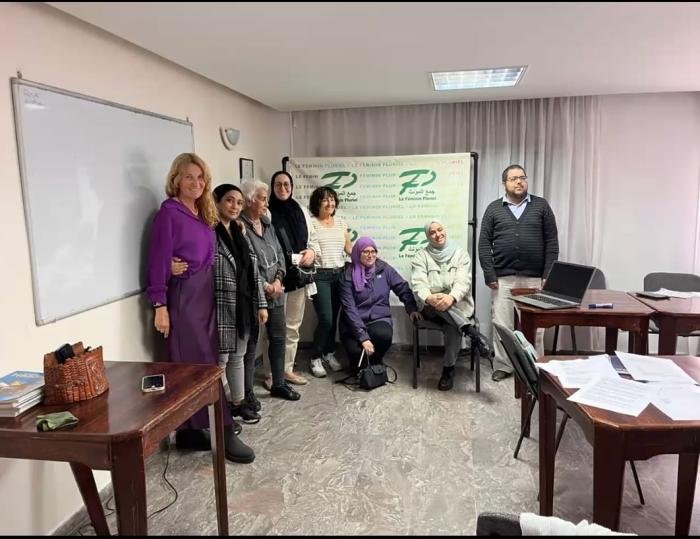
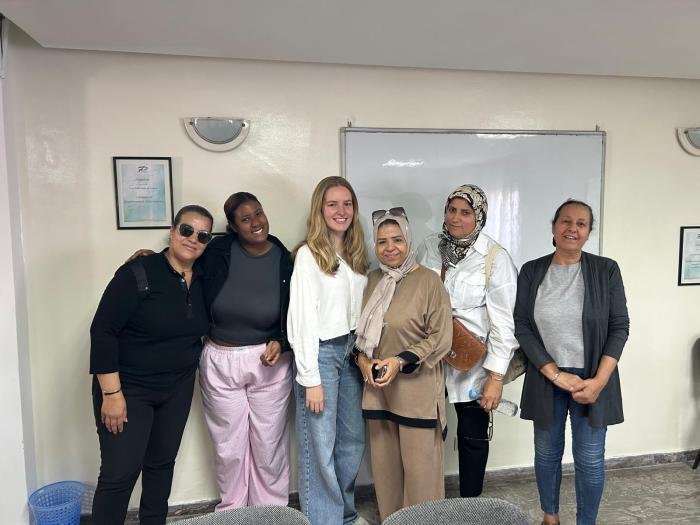
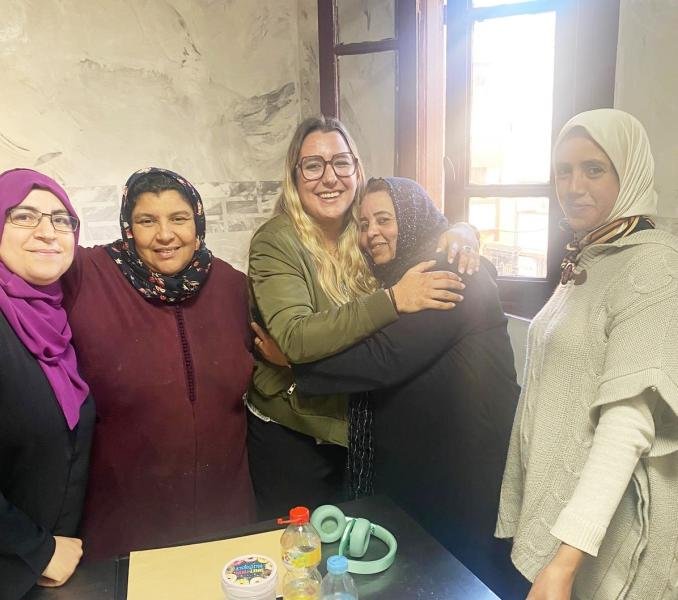
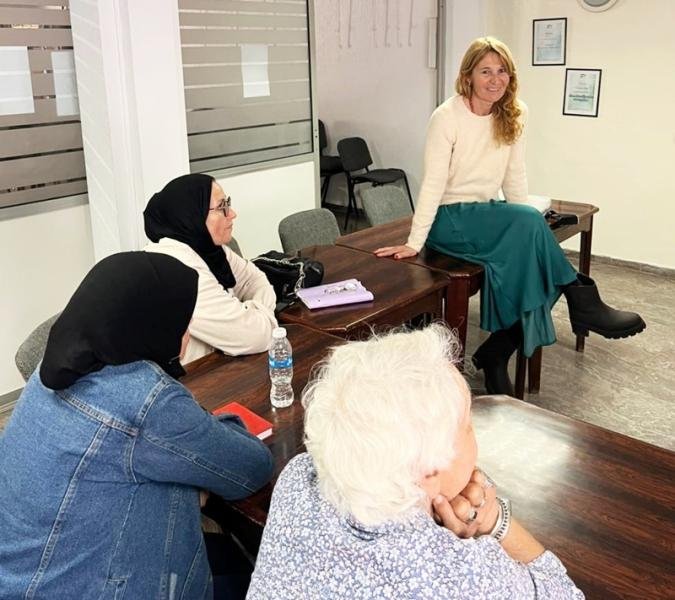
In Rabat, you are placed with community-based organisations running women's education programmes, working directly with local women and young girls on literacy, basic English or French, and life skills. Day to day you co-teach or run small-group sessions on reading, writing, computer literacy, and workshops covering health, communication, or income-generating skills, working alongside local staff who plan the wider programme. This programme suits volunteers age 18 and up with no teaching experience required, though basic French or Arabic helps you communicate with women who often do not speak English.
You can join for 1–24 weeks, with starts every week (sundays); the next start is 25 Oct 2026. You live with a host family in Rabat, sharing home-cooked Moroccan meals three times a day, and work weekday mornings or afternoons in a half-day shift timed around participants who are often homemakers, leaving weekends free to explore the medina or travel to Fez, Marrakesh, or the desert. Prices start at £586, deposit included. Because sessions run in half-day shifts, you have time each day to prepare materials and settle into family life.
- A volunteering opportunity for volunteers enthusiastic about women’s causes in the spirit of Global sisterhood
- Opportunity to work some of the best NGOs that work for women rights, andissues, and their overall empowerment
- Responsibilities include engaging deeply with Moroccan women and conducting Focussed Group Discussions to inculcate confidence and agency in women
- Assist the local staff with policy formation, advocacy, administrative tasks
- Work on women’s rights, reproductive health, land rights, and domestic violence
- Volunteers interested in the cause of upliftment of the women and making a difference in their lives would find this project fulfilling and rewarding
- Work on weekdays for the project, weekends are free to explore the country
Your role on this programme
- Teach basic literacy and foundational education skills to local women and girls
- Support lessons in work-related English or French for participants
- Support computer literacy and basic digital skills sessions
- Provide academic support and mentoring for young girls
- Assist with awareness sessions on health, communication, women's rights, and single parenting
- Support income-generating initiatives and small community projects
- Assist local staff with lesson planning, activity preparation, and daily programme operations
- Support broader educational workshops for women and young girls
Exact duties vary with the placement's needs, the season and your experience.
Role boundaries
You assist local teachers and programme staff and are not a substitute for qualified teachers or social workers; you do not set curriculum, handle sensitive casework such as domestic violence cases on your own, or make policy or programme decisions. Local staff plan the sessions and supervise your work throughout, and your duties may vary with the placement's needs.
A typical day and week
The Women Education Programme operates either in the mornings or afternoons, as many participants are homemakers with household responsibilities. Volunteers are informed of their specific working hours prior to arrival in Morocco or upon arrival.
A typical weekday schedule includes breakfast with the host family around 8:00 am, followed by programme activities between approximately 9:00 am and 12:00 pm or 3:00 pm to 5:00 pm, depending on the assigned shift. Volunteers usually return to the host family for lunch between 12:00 pm and 2:00 pm and have time to prepare lessons for upcoming sessions. Dinner with the host family is generally around 8:00 pm.
Please note that working hours may vary slightly depending on the placement, season, and local community needs.
During the weekends volunteers are free to explore the city, and do activities such as; Travel with their other volunteers to Fez, Marrakech, Chefchouan Marrakech or the Merzouga the desert. Explore the world’s heritage sites of Rabat such as Hassan Tower, Kasbah Oudaya, Chellah, the beach, the Souks inside the Medina and more
Note: Please note, the schedule may vary depending on the particular project the volunteer is participating on.
Timings are the placement's usual pattern; the local team confirms your hours at orientation, and they can change with school terms, clinic rotas, weather and the project's needs.
Who can join and what you need
- Minimum age 18
- No teaching experience required, though prior experience is helpful
- Basic knowledge of French or Arabic is beneficial, though not mandatory
- Patience, adaptability, and cultural sensitivity for a community-based setting
- A criminal background check, issued within 12 months of the start date, since the placement involves work with children
- Valid passport and travel/medical insurance (your own policy or the one Volunteering Solutions arranges)
- Willingness to bring simple teaching aids or materials if you have them
The placement, its limits and your part in it
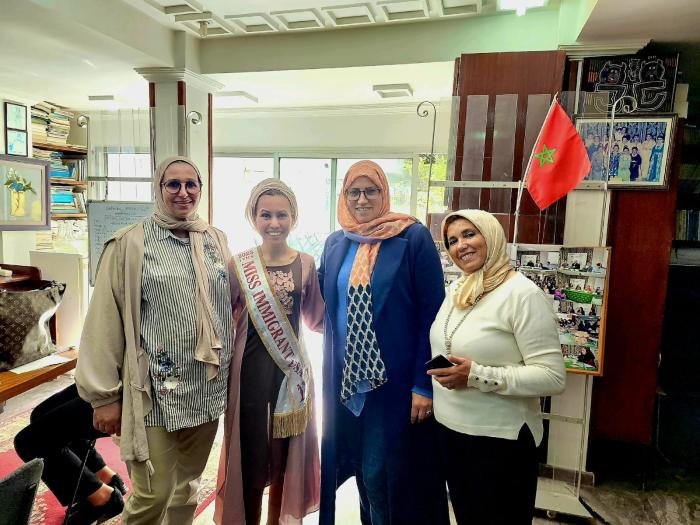
You are placed with community-based organisations in Rabat that run education and empowerment programmes for local women and girls, focusing on literacy, language, and life skills. Local staff design the sessions, set the daily schedule, and decide which activities volunteers support based on the group's needs and your skills.
Because the programme works with women and girls, a criminal background check is required, and local staff supervise all sessions and any awareness work on sensitive topics such as health or domestic violence. Your contribution is to support existing lessons and workshops alongside local staff and other volunteers, not to run the programme independently or guarantee particular outcomes for participants.
Our standards
- Responsible volunteer travel policyHow we choose, run and review every project
- Safeguarding policyBackground checks, supervision and our code of conduct with children
- Child & vulnerable adult protectionThe rules every volunteer follows on placement
- Certified B CorporationSocial and environmental performance verified by B Lab
- How we volunteer responsibly in MoroccoCountry-level partner context and standards
Start dates
Weekly start dates, year-round — pick any week across the next two years.
Programme fees by duration
Prices include your £179 booking deposit — which is deducted from your total programme fee. Your deposit stays valid for one year, during which you may enrol in multiple programmes. A 5% international banking fee applies to credit-card payments in USD or AUD.
| Duration | Total price | |
|---|---|---|
| 1 week | £586 | |
| 2 weeks | £833 | |
| 3 weeks | £1,045 | |
| 4 weeks | £1,249 | |
| 5 weeks | £1,453 | |
| 6 weeks | £1,657 | |
| 7 weeks | £1,861 | |
| 8 weeks | £2,065 | |
| Each additional week | +£255 / week |
Indicative conversion — your booking is charged in the currency you choose at checkout.
✓ What you're paying for
- 24 hrs Assistance and support from VS Staff
- Comprehensive Pre- Departure Information
- Pickup from Rabat International Airport or Rabat Ville Train Station and transfer to accommodation
- Orientation on arrival
- Accommodation in Host Family
- Meals (3 Meals in a day)
- Certificate of Participation(On Request)
Not included
- Airfare
- Visa and Visa extension fee
- Airport taxes
- Local Transportation
- Any personal expenses
- Return Airport Drop
Accommodation & meals
Airport Transfer
Volunteers are picked up from the airport (in Rabat) or the bus terminal / Train Station in Rabat and are transferred to their home stay accommodations. For those volunteers arriving at Casablanca, you can take the train from the airport to Rabat Ville train station directly.
Accommodation
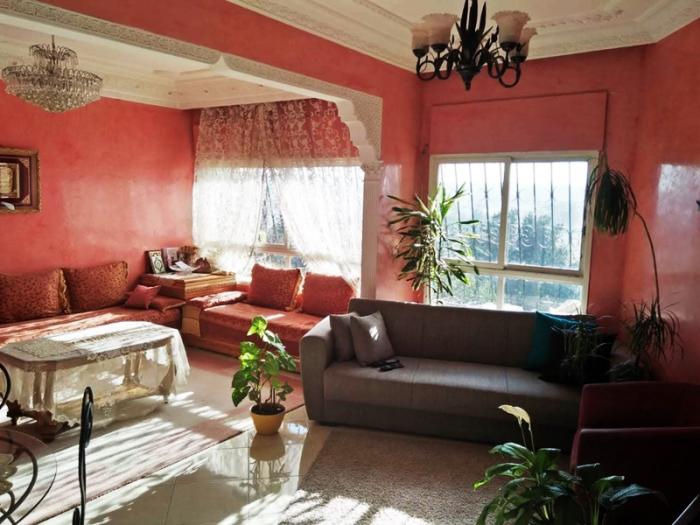
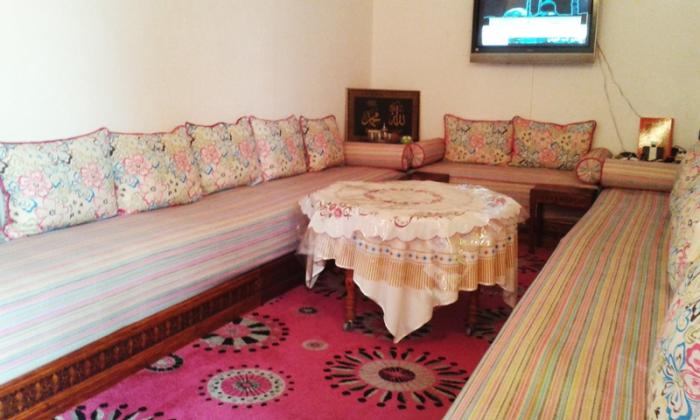
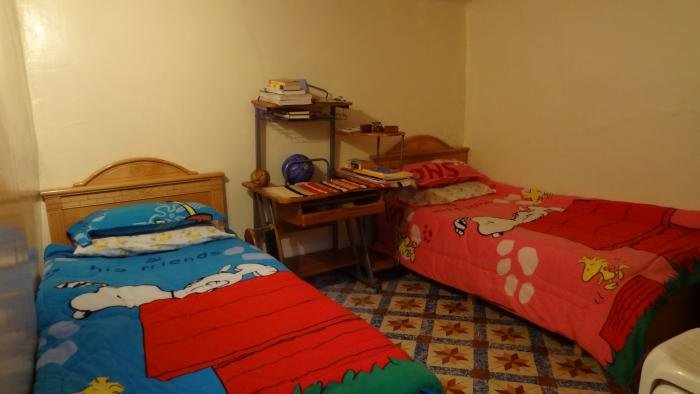
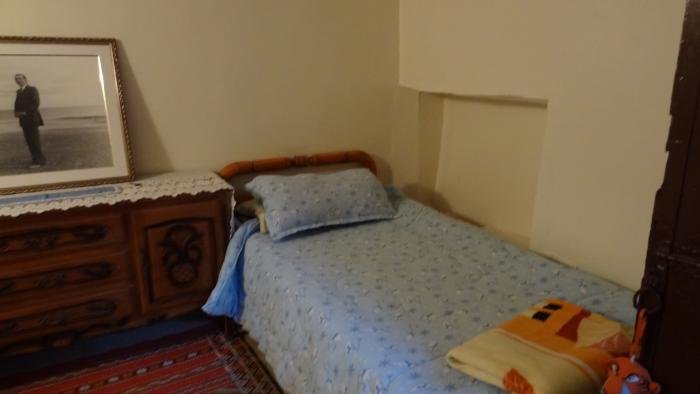
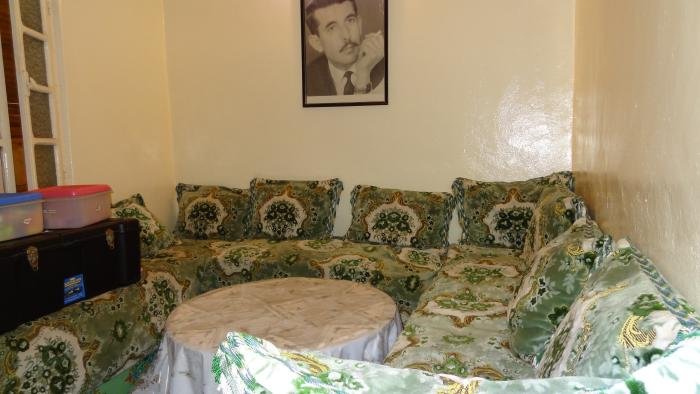
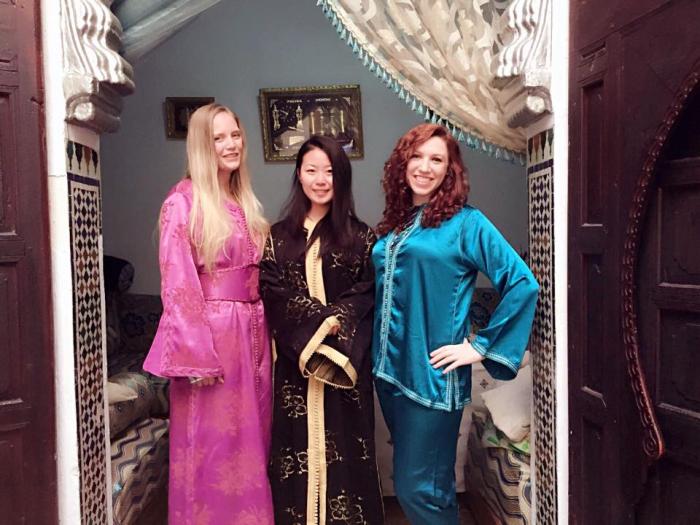
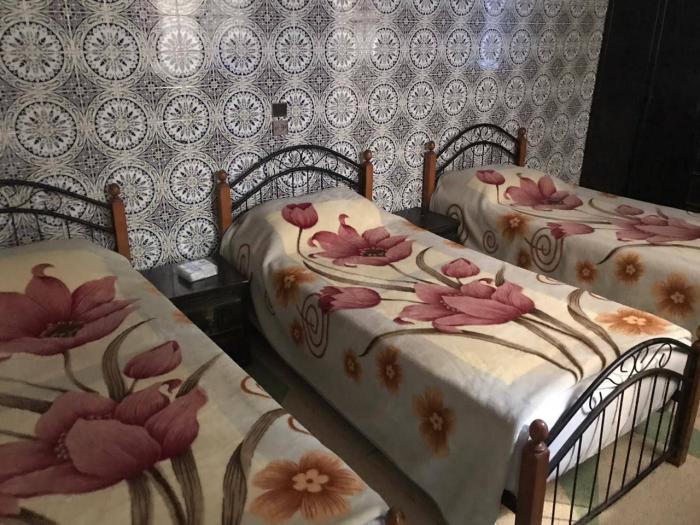
Volunteers are accommodated in a homestay where you will live with a local family and other volunteers. Staying with a local family is a great learning experience as this is an opportunity to learn the Moroccan way of life, meet local people, eat local food, speak the local language and engage in local customs and traditions. Volunteers may share a room with other volunteers but in many homestays volunteers have their own rooms. Volunteers are recommended to bring their towel and toiletries. It is important to note that Moroccan homes have a shared living environment in which Sdaders (Moroccan couches) are used as sitting and dining room.
Orientation
All volunteers are given an orientation and briefing on arrival. The session shall be conducted by the local coordinator and shall cover important topics about your programme, your roles and responsibilities, things to do, safety guidelines, transportation, places to visit, culture and traditions and basic do’s and dont’s. You would also be shown around the area of accommodation, the orientation office and where to buy basic necessities.
Meals
3 Moroccan meals (Breakfast, Lunch and dinner) will be provided in this project. Meals typically combine fresh Mediterranean fruits and vegetables with aromatic spices, many of which are traditionally imported. A traditional Moroccan meal often begins with a selection of hot and/or cold salads, followed by a tagine—a slow-cooked stew served with bread, which is a staple at every meal. Lamb and chicken are the most commonly used meats, and couscous topped with meat and vegetables is a popular national dish.
In accordance with Islamic dietary practices, pork and alcohol are not consumed. Drinking mint tea is an important daily tradition and an integral part of Moroccan hospitality. Volunteers in Morocco are provided with three meals per day—breakfast, lunch, and dinner.
Volunteers who prefer bottled water should budget approximately £5 per week, based on an average consumption of around two liters per day.
During your Free Time
During the weekdays volunteers usually enjoy roaming around the Medina area where the volunteer Riad is located. You will be located in the heart of the Old quarter area in Rabat which is characterized by small winding alleys and traditional markets. You can visit the Le Tour Hassan mosque or explore the Kasbah Les Oudaias area in Rabat as well. On the weekends volunteers head out further afield to places such as Fez, Marrakesh or the desert area.
Life on the programme



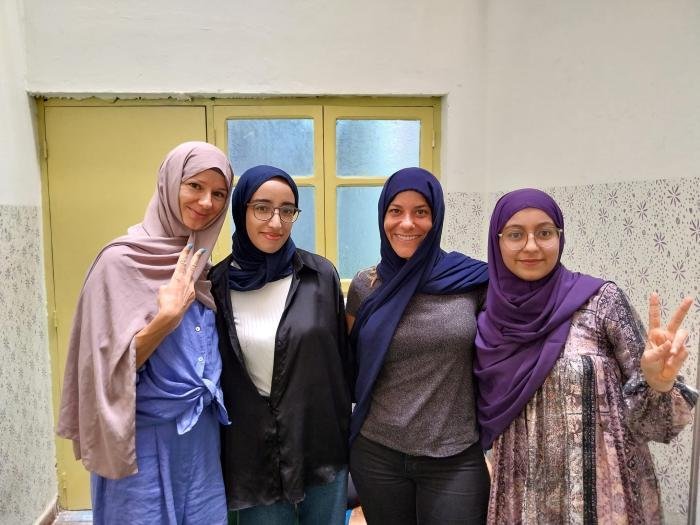
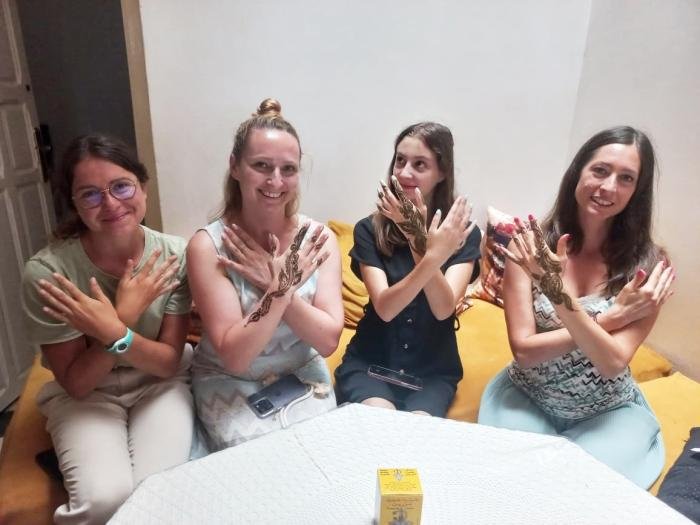
Getting there and who looks after you in Morocco
Pickup on arrival
You are met at Rabat–Salé Airport (RBA) or Rabat Ville train station and transferred to your host family. If you land in Casablanca (CMN), take the airport train directly to Rabat Ville, where your pickup is arranged.
First night
You settle in with your host family, who provide your first meals and a place to sleep in the homestay.
Orientation
On your first Monday, the local coordinator runs an orientation covering your role, safety guidelines, transportation, and local culture and customs, and shows you around the accommodation area.
First project day
You are told your specific working hours and shift (morning or afternoon) before or on arrival, then join local staff at the placement to begin assisting with sessions.
Ongoing support
The local coordinator in Rabat and a 24-hour emergency contact are available throughout your stay.
From volunteers in Morocco
Frequently asked questions
What do volunteers actually do on this programme?
You assist local staff with literacy, English or French lessons, computer skills sessions, and workshops on topics like health, communication, and women's rights, working with local women and girls in Rabat.
Do I need teaching experience or language skills?
No experience is required; basic French or Arabic is helpful since many participants do not speak English, and longer-term volunteers with stronger language skills may take on more responsibility.
What does a typical day look like?
You have breakfast with your host family around 8am, then work a half-day shift, either roughly 9am to 12pm or 3pm to 5pm, followed by lunch, lesson preparation, and dinner with the family around 8pm.
How long can I volunteer and when can I start?
Placements run 1–24 weeks, with starts every week (sundays); the next available start is 25 Oct 2026.
What is the cost and what does it include?
Prices start at £586, deposit included; this covers airport or train station pickup, host family accommodation and three meals a day, orientation, and 24-hour in-country support.
Where do I live and what do I eat?
You live with a host family in Rabat, sharing home-cooked Moroccan meals such as tagines, couscous, and mint tea three times a day, with vegetarian options available on request; you may share a room or have your own, depending on the homestay.
How does airport pickup work?
You are picked up at Rabat–Salé Airport or Rabat Ville train station and taken to your host family; if you fly into Casablanca, take the direct airport train to Rabat Ville, where pickup is arranged.
Is a background check required?
Yes, because the programme involves working with women and girls, a criminal background check issued within 12 months of your start date is required.
Is the programme safe and what support is available?
A local coordinator in Rabat runs your orientation and is available along with a 24-hour emergency contact throughout your stay.
What about visas, insurance, or vaccinations?
Travel and medical insurance is compulsory, using your own policy or the one Volunteering Solutions arranges; specific visa or health guidance for Morocco is sent in your pre-departure information.
Who is this programme suited for?
It suits volunteers age 18 and older who are patient, adaptable, and interested in community-based education work, with or without prior teaching experience.
What happens on weekends?
Weekends are free; volunteers often explore Rabat's medina, Kasbah, and heritage sites, or travel to Fez, Marrakesh, Chefchaouen, or the desert.
Related pages
Schedule a meeting with a programme advisor
We're here to help — a 20-minute one-on-one with detailed info, expert advice and application guidance.
Book a free meetingMore projects in Morocco
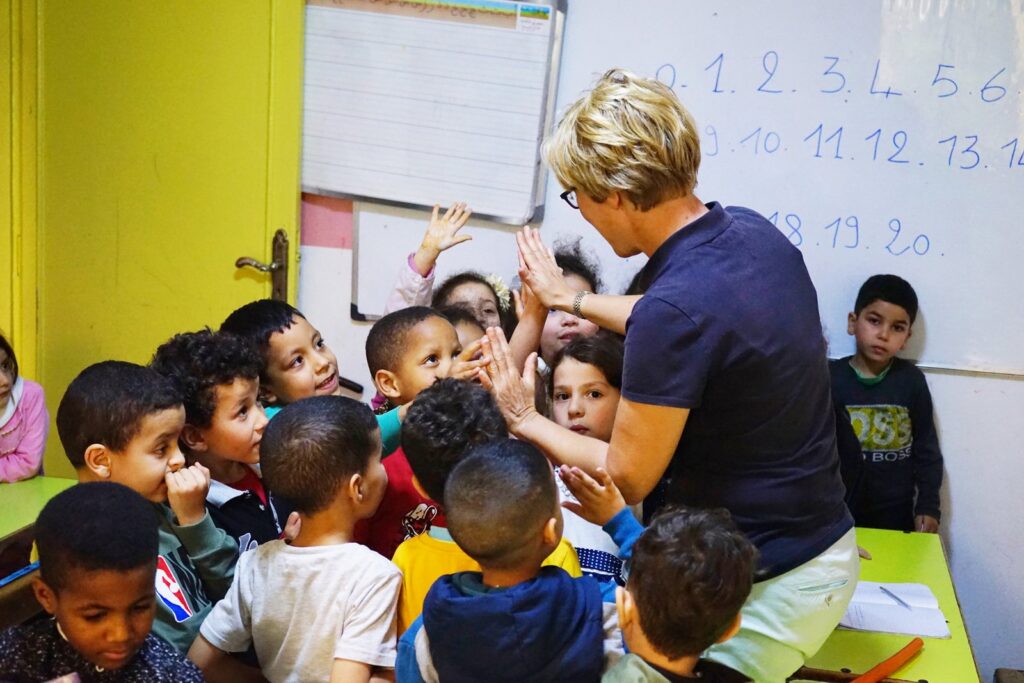
Childcare Volunteer Programme in Morocco
Join the Childcare Volunteer Programme in Rabat, Morocco with Volunteering Solutions and support children from disadvantaged communities by…
Sports Education Programme in Morocco
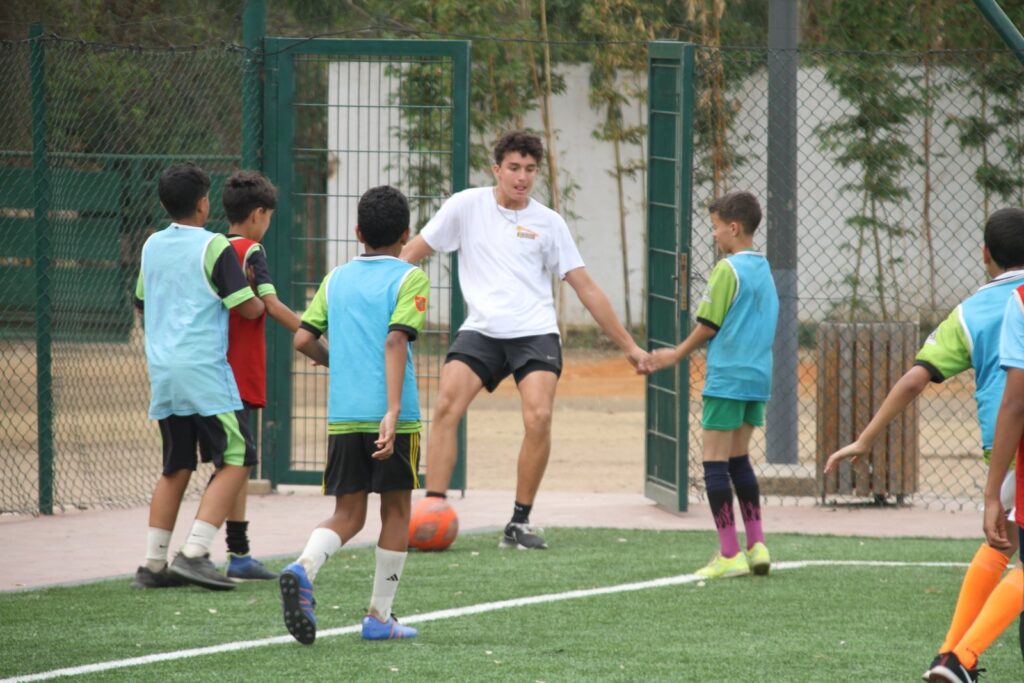
Take part in the Sports Development Programme in Morocco and help young people discover the power of sport…
Volunteer Teaching Programme in Morocco
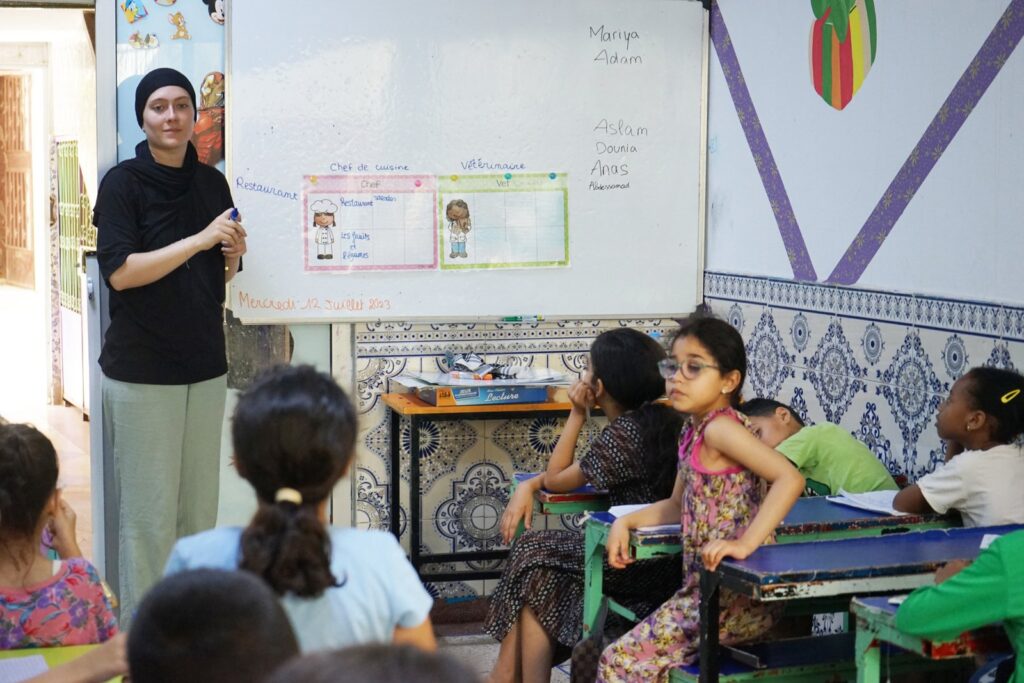
Join the Teaching English Programme in Morocco with Volunteering Solutions and help children, youth, and adults improve their…