 English (US) ▾
 Nederlands
 English (UK)
 Deutsch
 Italiano
 Português
 Español
Group Volunteering Abroad for University & College Students
Blog · June 25, 2026 · 10 min read · By Saurabh
University and college students can absolutely volunteer abroad as a group — whether you’re a student society, a course cohort, a sports club or just a group of friends — and a specialist provider will handle all the logistics so you can travel together safely and affordably. Group trips are one of the best things you can do at university: you make a real difference, travel with people you know, gain experience employers love, and split the planning. This guide explains how student group volunteering abroad works, who can organize it, what it costs (and how to fund it), and how to set one up.
If you already know you want to go, start with our university & college group programs or the wider group volunteer abroad overview. If you’re still planning, read on.
What is group volunteering abroad for students?
Group volunteering abroad is a short, organized trip — usually one to four weeks — where a group of students travels overseas together to work on a community or conservation project, with accommodation, in-country support and the placement all arranged for you. It can be student-led (a society, club or group of friends organizing it themselves) or faculty-led (a lecturer building it around a course). Either way, you travel as a group, work as a group, and share the experience.
Why volunteer abroad as a group at university?
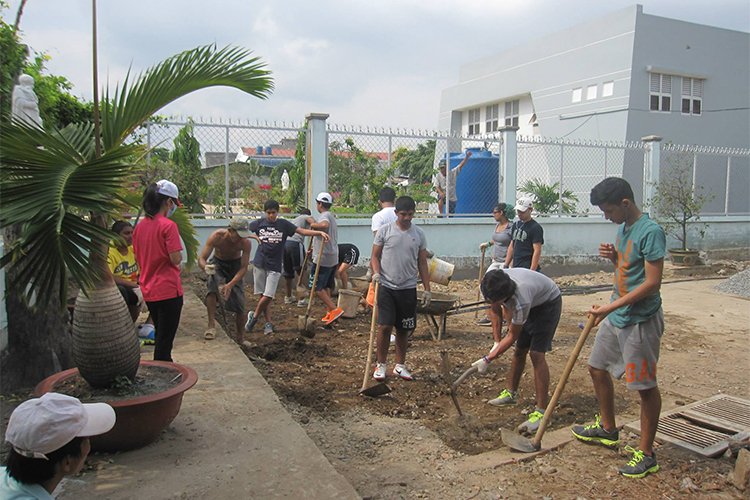
Going as a group changes the experience for the better:
- You travel with people you know — no arriving alone; you build the experience with friends or coursemates.
- Stronger bonds — shared, slightly-outside-your-comfort-zone experiences create friendships that outlast university.
- Employability — teamwork, cross-cultural communication and initiative are exactly what graduate employers and CVs need.
- Real impact — a group can achieve more on a project than an individual in the same time.
- Easier and often cheaper — you share the planning, and group trips can be more affordable per person than going solo.
For more on the trend, see our piece on why college students are choosing to volunteer abroad together.
Who can organize a student group trip?
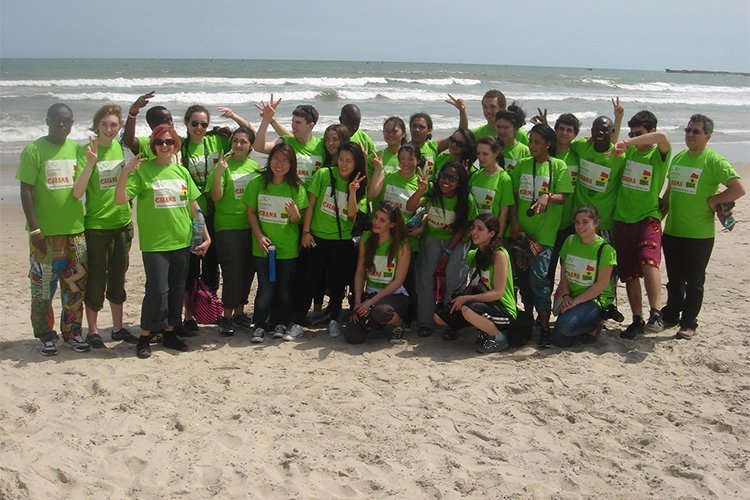
Almost any group on campus can put a trip together:
- Student societies and clubs — volunteering, international, subject and cultural societies are a natural fit.
- Course cohorts — coursemates traveling together, often with a learning angle tied to their degree.
- Friend groups — you don’t need an official society; a group of friends can book together.
- Sports teams and fundraising (RAG) groups — combine a challenge or fundraiser with meaningful service.
- Faculty-led groups — organized by a lecturer for academic credit; see our guide to faculty-led group volunteering trips and the dedicated faculty-led group trips page.
Student-led or faculty-led: which suits your group?
Both work — the difference is who organises the trip and whether it carries academic credit. Student-led trips (a society, club or group of friends) are flexible and social: you choose the cause, destination and dates, and we handle the logistics. Faculty-led trips are organized by a lecturer and can be tied to your course for credit, which also unlocks more funding routes. Many groups start out student-led and bring a staff member on board later to add an academic angle. If credit or department funding might be possible, it’s worth involving a faculty member early.
What projects can student groups do?
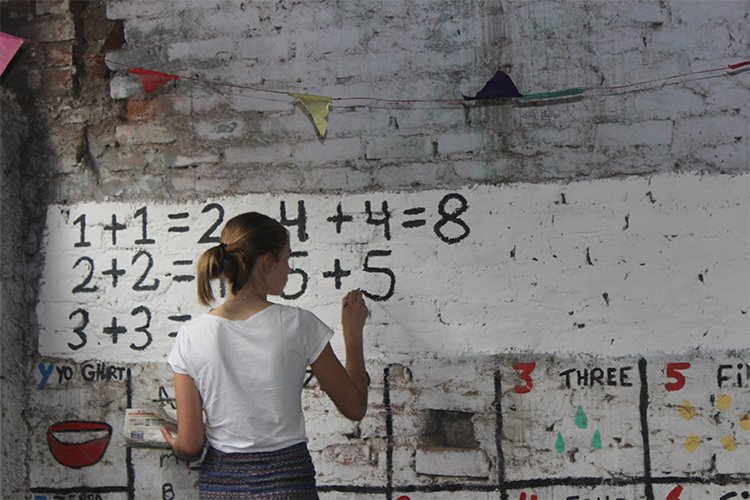
Projects are matched to your group’s interests (and, for course groups, your subject). Popular options include teaching, childcare, community development and wildlife and conservation. A typical day mixes hands-on project work with cultural immersion and some free time to explore, so the trip is meaningful and memorable.
- Teaching & education — supporting lessons and activities in local schools and community centers.
- Childcare & community development — helping at childcare centers and on community projects the local team prioritises.
- Wildlife & conservation — habitat work, animal care and environmental projects for groups who love the outdoors.
- Construction & renovation — hands-on work improving community spaces, where available.
A typical day blends project work in the morning with lunch alongside the local team, an afternoon of cultural activity, and downtime with your group in the evening. Weekends often include an excursion, so you experience the country, not just the project site — and the shared meals, travel and free time are where the friendships really form.
How to organize a group trip: step by step
- Gather your group — even a handful of committed people is enough to start; groups of around 8–15 place easily on one project.
- Pick a project type and destination — agree what you want to do and where.
- Choose your dates — most student groups travel in the summer, winter or reading-week breaks.
- Get a group quote — tell us your numbers and dates and we’ll build a tailored itinerary and price.
- Sort funding and deposits — see the funding section below; collect deposits to secure places.
- Prepare together — we provide pre-departure guidance, and you travel with full in-country support.
How much does it cost — and how to fund it?

Group trips are quoted per student and typically include accommodation, meals, in-country transport, airport pickup, the project placement and 24/7 support; flights, insurance, visas and personal spending are usually extra. Because trips are customised by destination, duration and group size, the best move is to request a tailored group quote.
The good news: there’s far more funding available than most students realize. Our dedicated guide to university funding for volunteering abroad covers the Turing Scheme, university travel grants and bursaries, scholarships, charitable trusts and more — and our fundraising guide shows how to raise the rest as a group. Lower-cost destinations like Nepal, India and Ghana also stretch a student budget further.
Choosing a destination for your group
Popular, well-supported destinations for student groups include Nepal, India, Thailand, Sri Lanka, Bali, Ghana, Kenya, Tanzania, Peru and Costa Rica. Each offers a different mix of project type, culture, cost and adventure. Browse the full range on our destinations page, then talk to us about which fits your group.
When’s the best time for a student group trip?
Most student groups travel during the long summer break, which allows a longer trip, but winter and spring breaks and reading weeks all work well for shorter placements. Confirm your group and dates several months ahead: popular destinations and dates fill up, Turing and grant deadlines fall early, and fundraising needs a run-up. If your trip is tied to a course, your department will usually steer the timing. As a rule of thumb, start planning 6–12 months before you want to travel.
Is it safe, and how are we supported?
Traveling as a student group, safety and support matter. Volunteering Solutions is a certified B Corporation with our in-country teams who run orientation, support your group throughout and are on call 24/7. Projects are ethical and community-led, with risk assessments and clear codes of conduct — and a designated group leader (a staff member, society lead or friend) keeps everyone coordinated. For younger or school groups, see our CAS group trips and high school programs.
How group volunteering boosts your CV and career
Beyond the experience itself, a well-chosen volunteer trip is one of the strongest things you can put on a graduate CV. Employers consistently look for evidence of teamwork, adaptability, cultural awareness, initiative and resilience — and a group project abroad demonstrates all of them in a way a part-time job rarely can. It gives you concrete stories for interviews: a challenge you tackled, a team you worked in, a real outcome you contributed to. For students heading into competitive fields — from teaching and healthcare to development, business and the environment — it’s a genuine differentiator. To get the most career value, take on a clear responsibility within the group, keep a short reflective log of what you learn, and be ready to talk about the impact and the lessons, not just the itinerary.
Tips for organizing a successful group trip
- Start early — 6–12 months ahead gives time to recruit, fundraise and apply for grants.
- Pick a clear group leader — one person to coordinate with us and keep everyone informed.
- Lock in numbers with deposits — small deposits secure places and commitment.
- Sort funding in parallel — apply for Turing and university grants while you fundraise as a group.
- Agree expectations up front — budget, behavior and goals, so everyone’s aligned.
- Document it — photos and reflections make great fundraising content and look brilliant on a CV.
How to get started
The simplest first step is to tell us roughly how many of you there are, your rough dates and any destination or project ideas. From there we’ll propose a tailored itinerary and group quote — and point you to the right funding. Explore the university & college groups page, compare options in our best programs for college students guide, and enquire below when you’re ready.
Frequently asked questions
Can university students volunteer abroad as a group?
Yes. Student societies, clubs, course cohorts, sports teams, friend groups and faculty-led groups can all organize a volunteer trip abroad together. A specialist provider arranges accommodation, the project, transport and in-country support, so the group can travel safely and affordably.
How many students do we need to travel as a group?
Even a small group works — around 8 to 15 students place easily on a single project, while larger groups can be split across complementary placements in the same location so everyone stays together. A designated group leader helps coordinate.
How much does a student group trip cost?
Trips are quoted per student and usually include accommodation, meals, in-country transport, airport pickup, the project and 24/7 support. Flights, insurance, visas and spending money are extra. Because each trip is customised, request a tailored group quote — and lower-cost destinations stretch a student budget further.
How can we fund a group volunteer trip?
There’s more funding available than most students realize — the Turing Scheme, university travel grants and bursaries, scholarships, charitable trusts, and group fundraising. See our university funding guide for the full breakdown, and our fundraising guide for raising the rest as a group.
Is it safe to volunteer abroad as a student group?
With the right provider, yes. Look for a certified, accountable organization with in-country teams, orientation on arrival, 24/7 support, risk assessments and clear codes of conduct. As a B Corporation, Volunteering Solutions builds these safeguards into every group trip.
{
“@context”: “https://schema.org”,
“@type”: “FAQPage”,
“mainEntity”: [
{ “@type”: “Question”, “name”: “Can university students volunteer abroad as a group?”, “acceptedAnswer”: { “@type”: “Answer”, “text”: “Yes. Student societies, clubs, course cohorts, sports teams, friend groups and faculty-led groups can all organize a volunteer trip abroad together. A specialist provider arranges accommodation, the project, transport and in-country support, so the group can travel safely and affordably.” } },
{ “@type”: “Question”, “name”: “How many students do we need to travel as a group?”, “acceptedAnswer”: { “@type”: “Answer”, “text”: “Even a small group works — around 8 to 15 students place easily on a single project, while larger groups can be split across complementary placements in the same location so everyone stays together. A designated group leader helps coordinate.” } },
{ “@type”: “Question”, “name”: “How much does a student group trip cost?”, “acceptedAnswer”: { “@type”: “Answer”, “text”: “Trips are quoted per student and usually include accommodation, meals, in-country transport, airport pickup, the project and 24/7 support. Flights, insurance, visas and spending money are extra. Because each trip is customised, request a tailored group quote, and lower-cost destinations stretch a student budget further.” } },
{ “@type”: “Question”, “name”: “How can we fund a group volunteer trip?”, “acceptedAnswer”: { “@type”: “Answer”, “text”: “There’s more funding available than most students realize — the Turing Scheme, university travel grants and bursaries, scholarships, charitable trusts, and group fundraising. See our university funding guide for the full breakdown, and our fundraising guide for raising the rest as a group.” } },
{ “@type”: “Question”, “name”: “Is it safe to volunteer abroad as a student group?”, “acceptedAnswer”: { “@type”: “Answer”, “text”: “With the right provider, yes. Look for a certified, accountable organization with in-country teams, orientation on arrival, 24/7 support, risk assessments and clear codes of conduct. As a B Corporation, Volunteering Solutions builds these safeguards into every group trip.” } }
]
}
Plan your student group trip — enquire now
Tell our Groups Team how many of you there are, your rough dates and any destination ideas, and we’ll send a tailored proposal — no obligation. We reply within one working day.
Ready to plan your trip? Browse all volunteer abroad programs — 115+ affordable placements in 23 countries, rated 4.8/5.

Saurabh Sabharwal is the founder of Volunteering Solutions and its parent B Corporation, Impact Explorers. He has championed ethical, affordable volunteer travel since 2007 and writes about how to volunteer abroad responsibly.