 English (US) ▾
 Nederlands
 English (UK)
 Deutsch
 Italiano
 Português
 Español
Public Health Nutrition Volunteer in Philippines
Volunteer at the Nutrition Project to help the organization address nutritional issues among the children of the Child Sponsorship Program and the local community.
This program places you in Tacloban, on the island of Leyte, working with a local social welfare unit's nutrition project for children enrolled in a child sponsorship program and the surrounding community. Day to day you prepare supplementary feeding for malnourished children, buy local ingredients at the market, measure height and weight to track their progress, teach basic hygiene habits such as handwashing and toothbrushing, and help run nutrition workshops for parents. It suits health, nutrition or public-health students, qualified nutritionists and dietitians, or anyone with a genuine interest in community health, minimum age 18.
Placements run 2–24 weeks, starting every week (sundays) (next start 20 Sep 2026), and you live with a Filipino host family in the Tacloban area, sharing breakfast and dinner with them and arranging your own lunch. Prices start at $1,139, deposit included. A distinct feature of this program is the direct, hands-on menu planning and feeding work with children under a social development project, alongside regular nutrition lectures for their parents.
- Opportunity to do volunteer work in Philippines with social welfare units to conduct awareness camps for health and nutrition
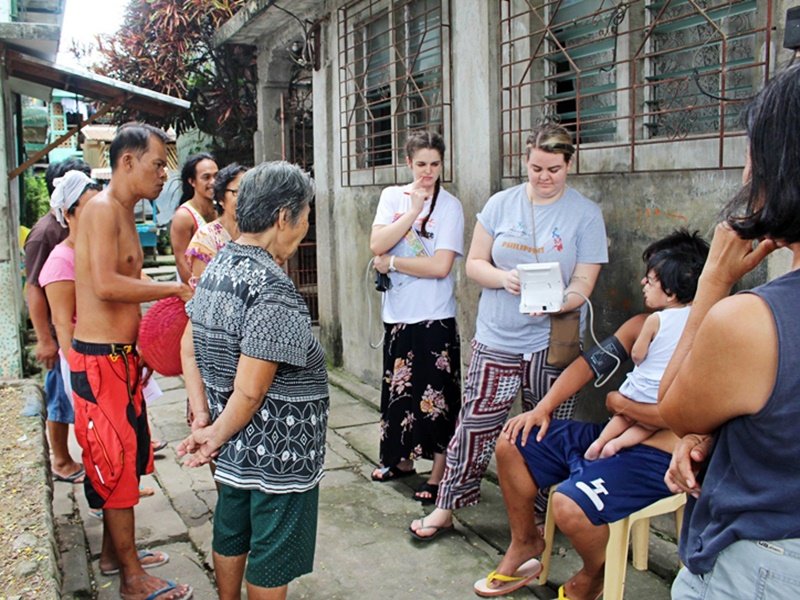
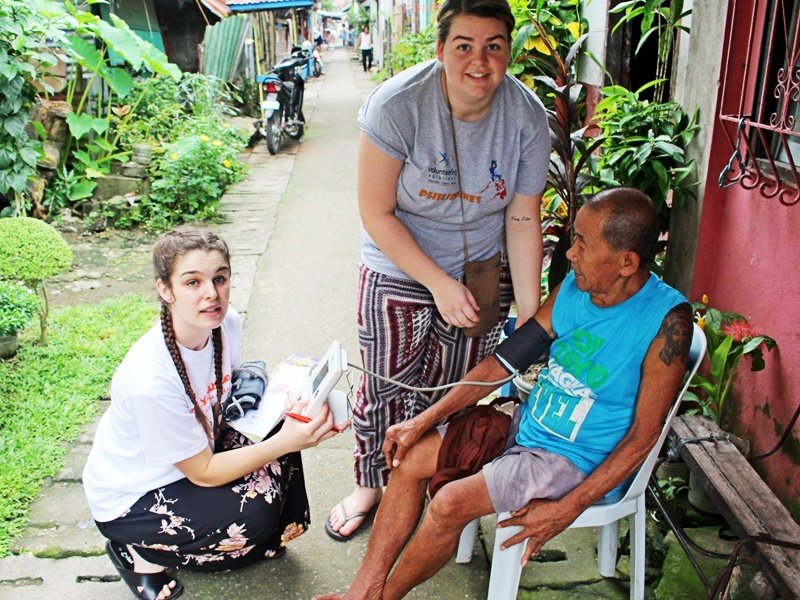
- Provide assistance to professional doctors/nurses for the healthcare of locals, and develop an understanding of rural health of the country
- Responsibilities include assisting the local doctor with daily consultations, helping with local government based initiatives such as vaccinations or deworming, visiting local barangays during community clinic consultations, conducting workshops (depending on the experience)
- Take part in the Annual Medical Mission or Annual Medical Check-up for all children enrolled under various social development projects
Your role on this program
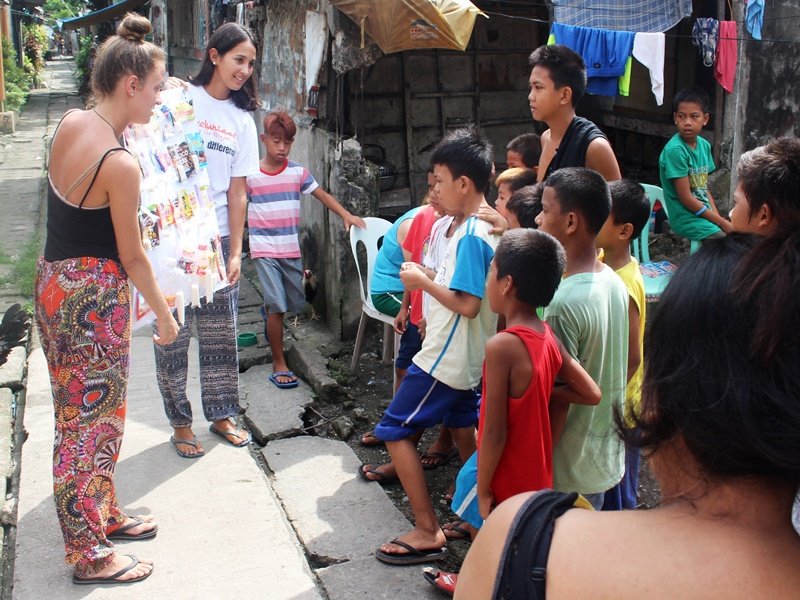
- Prepare and serve supplementary feeding to children enrolled in the nutrition project
- Plan menus around locally available ingredients and the children's existing eating habits
- Purchase local ingredients at the public market to supplement the children's diets
- Record and analyze children's height and weight to track their nutritional progress
- Teach and reinforce handwashing and toothbrushing after meals
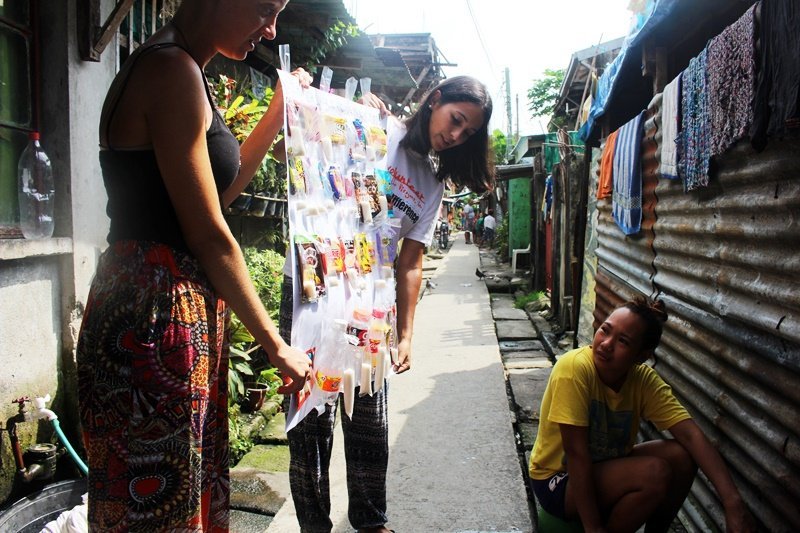
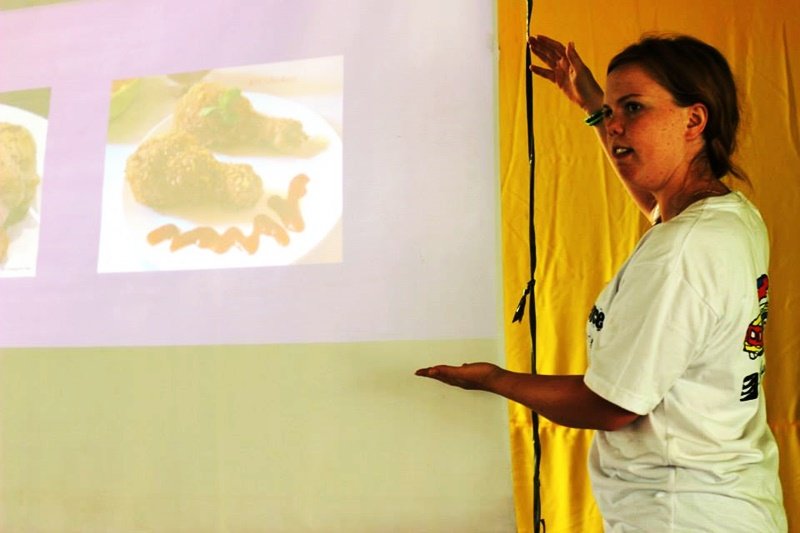
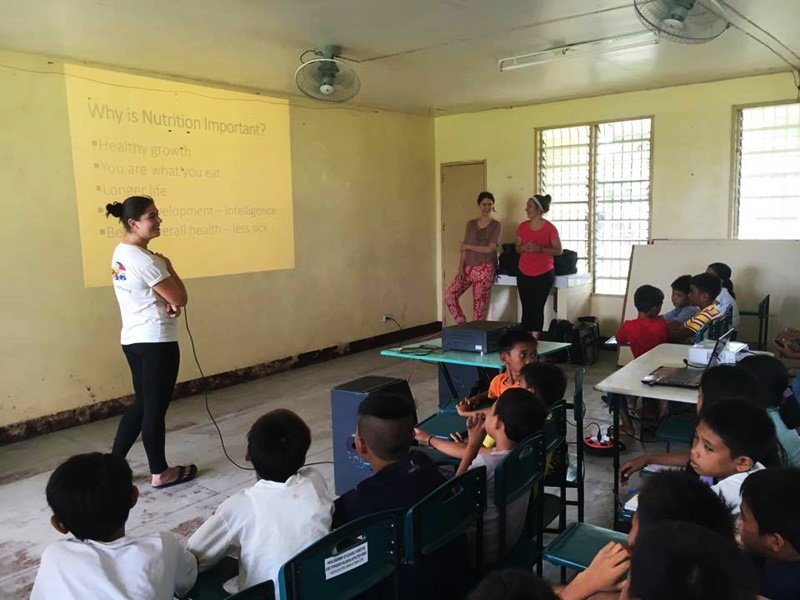
- Organize and help run seminars and workshops on balanced diets for local and rural communities
- Support nutrition lectures for parents held roughly every two weeks, using simple, illustrated material
- Encourage parents toward nutrient-rich food habits that fit their household budget
Exact duties vary with the placement's needs, the season and your experience.
Role boundaries
Volunteers are not doctors, nurses or dietitians and do not diagnose, treat or make clinical decisions; you work under the supervision of the local coordinator, usually alongside one or two other nutrition volunteers, and a coordinator is present to assist and translate during parent lectures and workshops. Because the role involves regular contact with children, a criminal background check issued within 12 months of the start date is required, and duties may vary with the placement's needs.
A typical day and week
A typical volunteer schedule under this program is as follows;
-
Saturday/Sunday – Arrival
-
Monday – Orientation. An orientation session will be conducted by the local coordinator, covering topic areas; such as safety, culture, language, places to visit, behavior, food, and other suggestions over things to do in the Philippines
-
Monday to Friday – Volunteer Work
Breakfast – 6:00 am
Volunteer work – 08:00 am to 1pm generally
Lunch – Post working hours at the project (volunteers need to arrange lunch at own cost. They can choose to go home and cook for lunch or can buy a meal at any of the nearest food joints.)
Dinner – 06:00 pm onwards -
Weekends – Free to explore the city
The same volunteer work schedule continues from the second week onwards
Note: Please note, the schedule may vary depending on the particular project the volunteer is participating on.
Timings are the placement's usual pattern; the local team confirms your hours at orientation, and they can change with school terms, clinic rotas, weather and the project's needs.
Who can join and what you need
- Minimum age 18
- Background in health sciences, nutrition, dietetics or public health welcome, but not required if you have a genuine interest in community health
- Flexible and open-minded attitude toward working in a new and challenging environment
- CV/resume submitted as part of your application
- Criminal background check issued within 12 months of the start date, required for work involving children
- Copy of passport
- Valid travel and medical insurance (your own policy or one arranged through Volunteering Solutions)
- Willingness to communicate through a translator, as not all parents speak English
The placement, its limits and your part in it
The project works with a local social welfare unit's child sponsorship and community nutrition program in the Tacloban area, serving malnourished infants, pre-school children, and school-age sponsored children. Volunteers are placed alongside one or two other nutrition volunteers and report to a local coordinator, who also attends and translates during parent workshops and lectures.
Menu planning and feeding practices are built around what local families can realistically source and afford, so that parents can repeat what volunteers demonstrate at home. Volunteers do not set clinical or nutritional policy for the program; they carry out feeding, monitoring and education tasks under local supervision. Your contribution is one part of an ongoing local effort, working alongside coordinators and the families themselves.
Start dates
Weekly start dates, year-round — pick any week across the next two years.
Program fees by duration
Prices include your $249 booking deposit — which is deducted from your total program fee. Your deposit stays valid for one year, during which you may enroll in multiple programs. A 5% international banking fee applies to credit-card payments in USD or AUD.
| Duration | Total price | |
|---|---|---|
| 2 weeks | $1,139 | |
| 3 weeks | $1,289 | |
| 4 weeks | $1,439 | |
| 5 weeks | $1,589 | |
| 6 weeks | $1,739 | |
| 7 weeks | $1,889 | |
| 8 weeks | $2,039 | |
| Each additional week | +$200 / week |
Indicative conversion — your booking is charged in the currency you choose at checkout.
✓ What you're paying for
- Airport Pickup and Drop Off
- Welcome Orientation – Program Orientation
City Tour & Placement Orientation - Accommodation in a Filipino Host Family
- 2 Meals a Day
- Detailed Pre Departure Info Pack
- Project Placement
- 24 hrs Assistance and support from in country staff
- Travel and Medical Insurance (Available at an extra cost)
- Certificate of Participation(On Request)
Not included
- Visa
- Vaccinations
- Flights
- Local Transportation
- Personal Expenses
Accommodation & meals
Airport Transfer
Volunteers are picked up from and dropped off at Tacloban Airport by a local representative staff member. Volunteers can arrive on Saturday or Sunday before starting their orientation on Monday.
Orientation
Orientation takes place on the Monday and includes comprehensive coverage of a number of relevant topics. It is given by a qualified staff member of the local team. Orientation includes the following activities:
-
Introduction to the program, its history, structure, and organization
-
Introduction to the Philippines and the Filipino Culture
-
What to expect from the Volunteer Program
-
Health and Safety Briefing
-
Behavior Policy Briefing
-
Introduction to the actual placement, with special attention to transportation
-
Introduction to the placement staff and volunteers
Accommodation
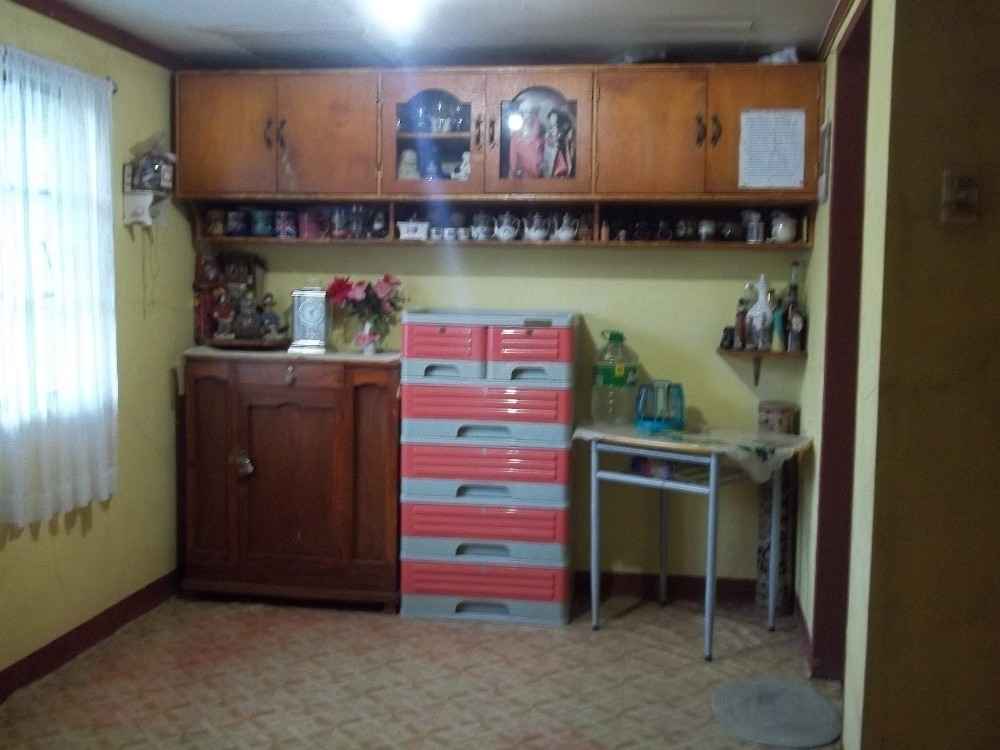
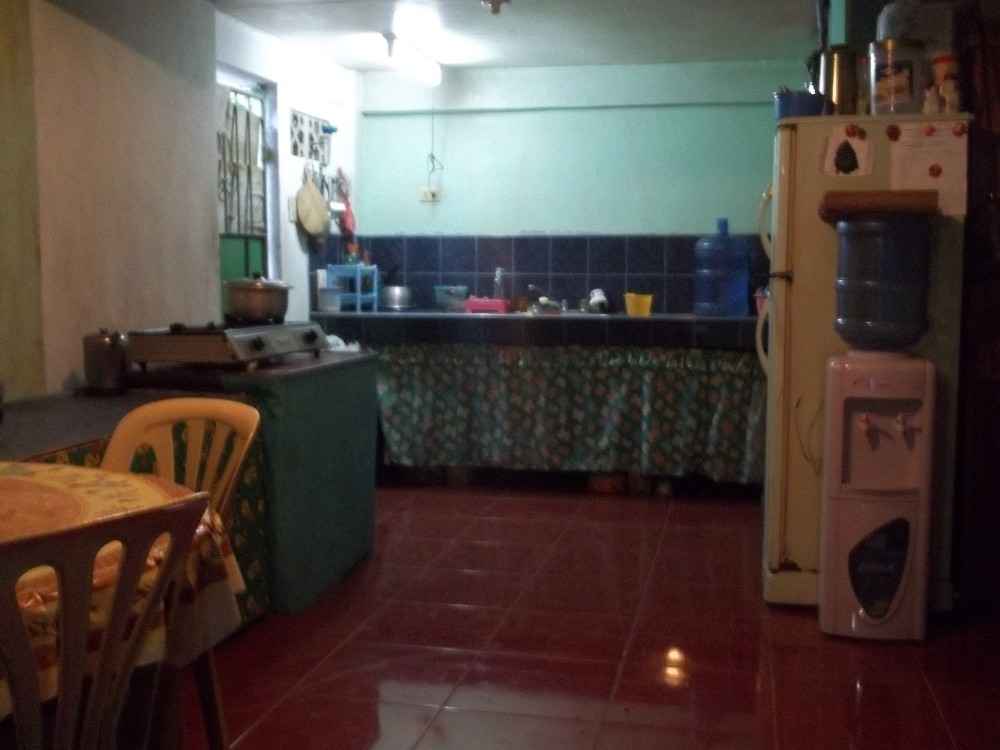
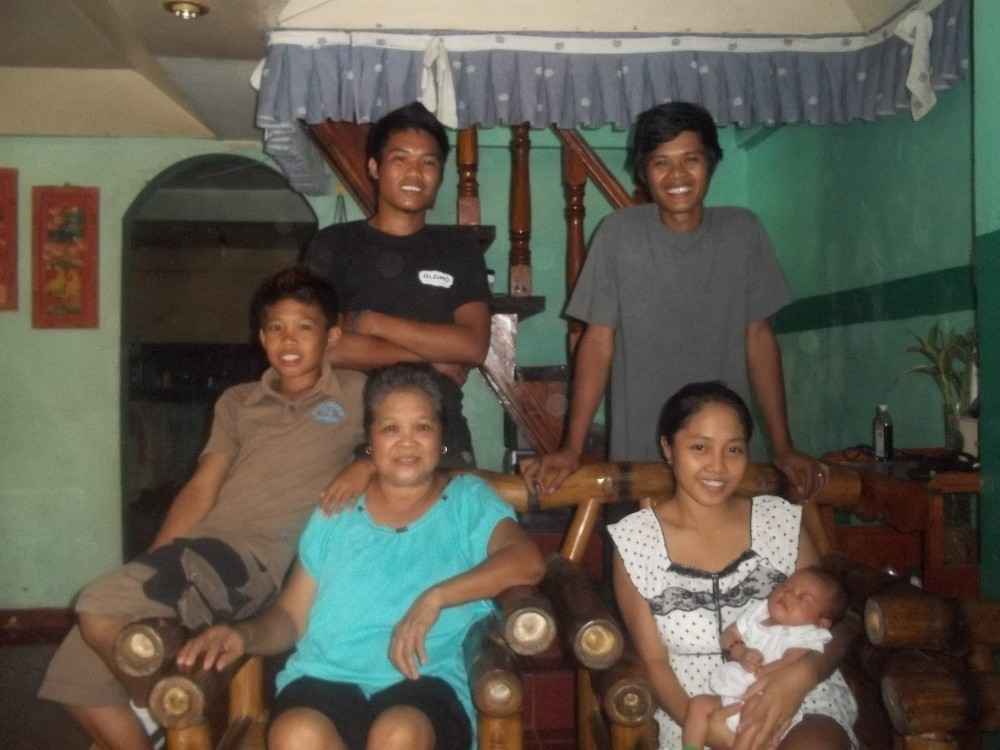
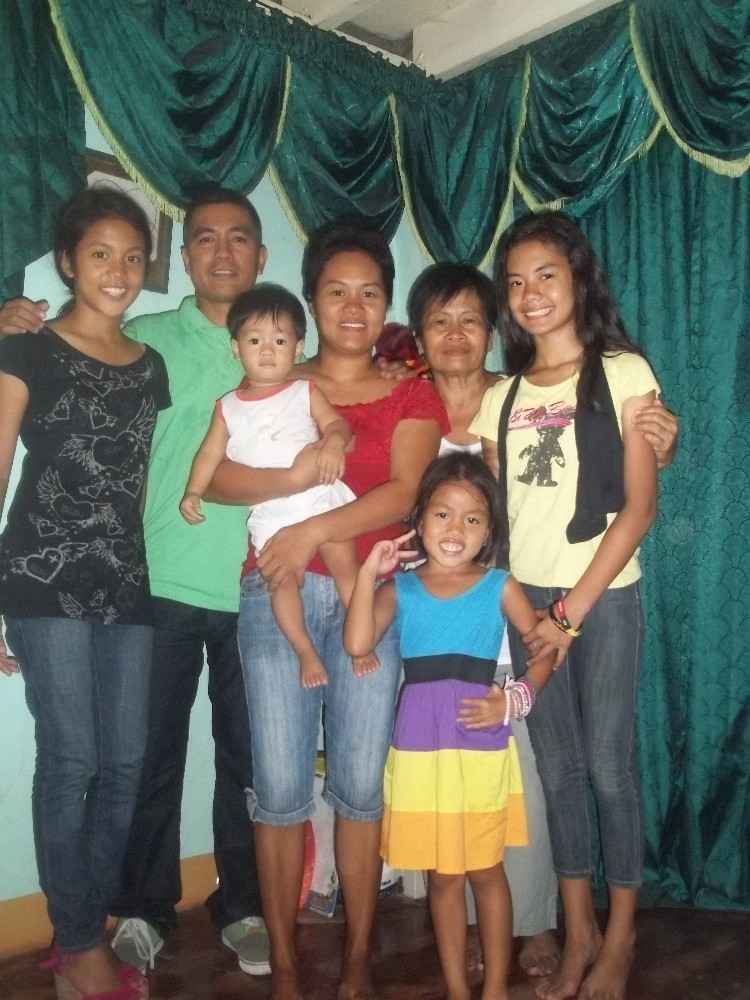
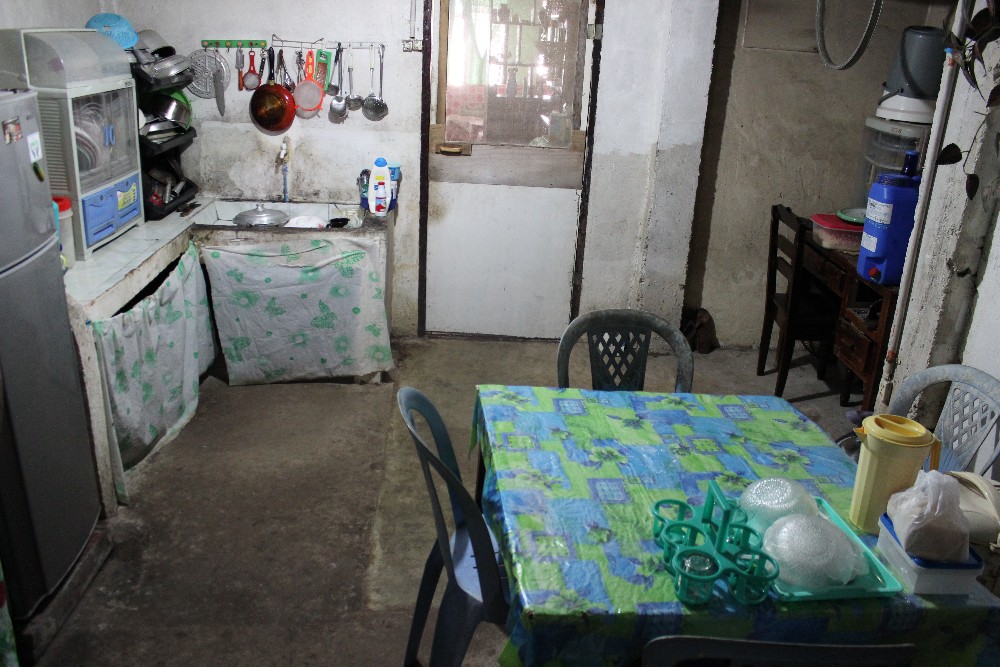
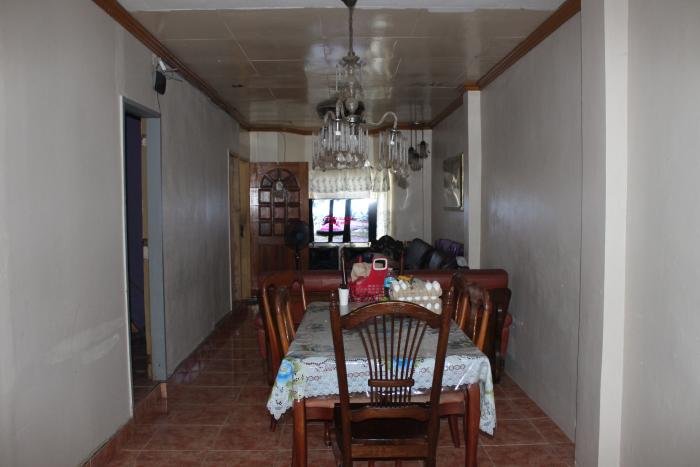
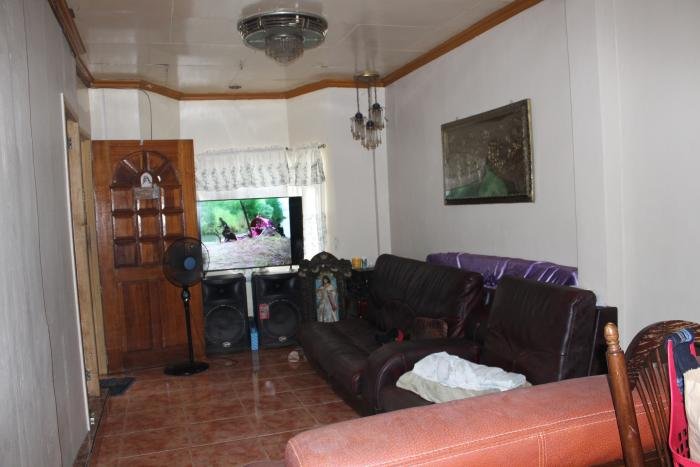
Volunteers will live with homestay families residing in the Tacloban area. The homestays have been thoroughly evaluated before they were accepted into our homestay program. are experienced in accommodating international volunteers. Prior to your arrival, you will receive a profile outlining the specifics of your homestay family.
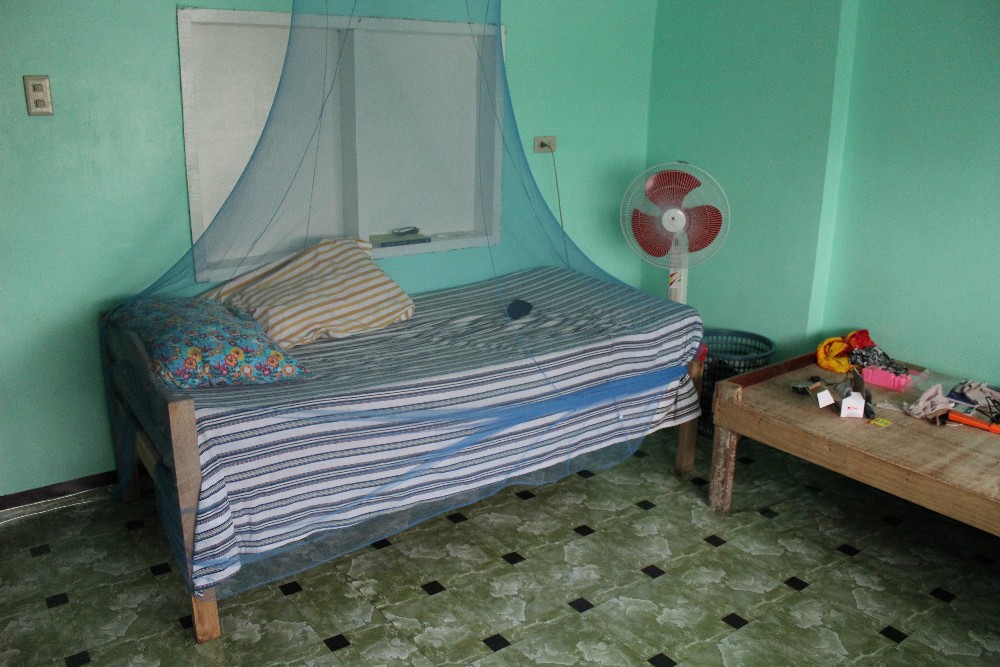
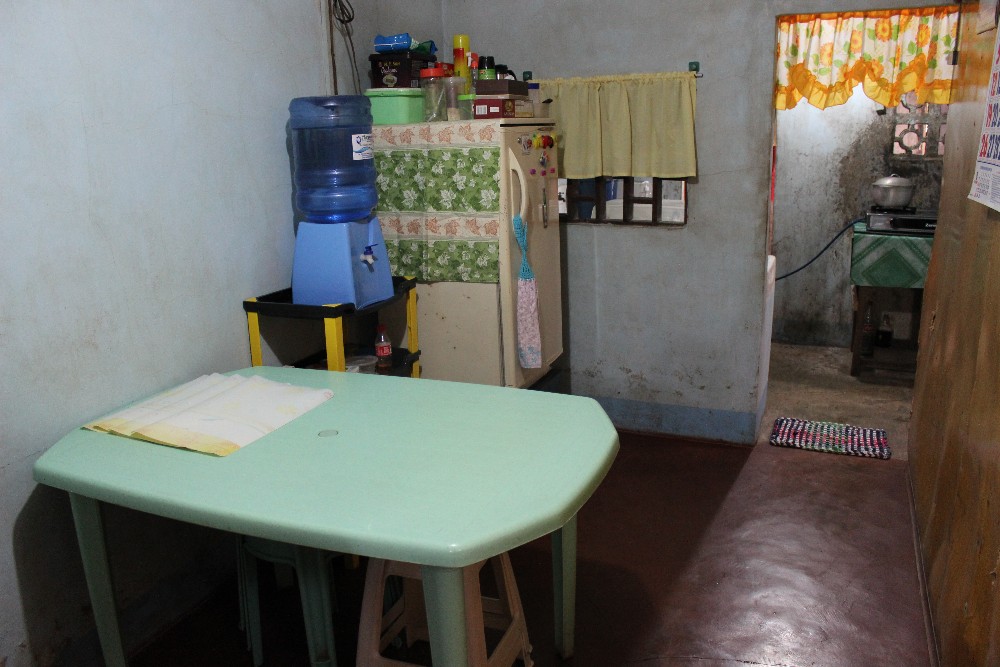
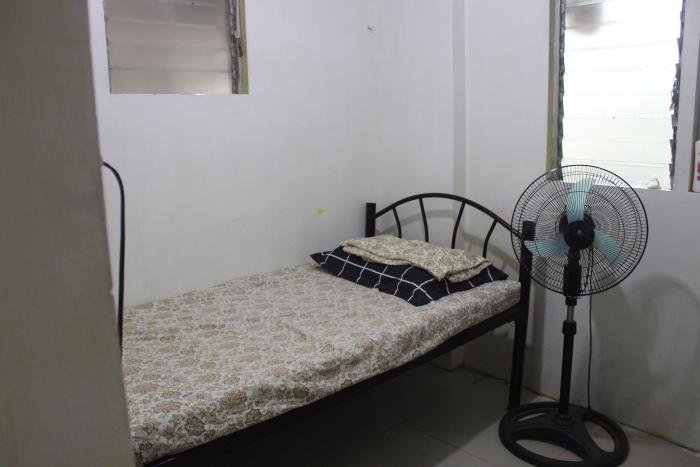
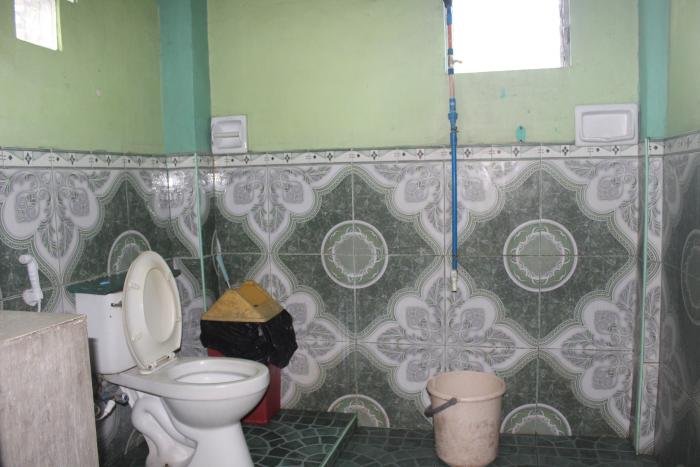
Your homestay will welcome you into their home and treat you as a member of the family. By living with them, you will be able to experience Filipino culture and participate in their daily activities. You will eat the same food they are eating, though your homestay family knows what foreigners like to eat. If you have special dietary requirements, it is best to inform us beforehand so we can meet your needs. You will be served only two meals per day, breakfast and dinner. Your homestay will also provide you with filtered drinking water, as it is best not to drink tap water. All the homestays have electricity and running water. You will have a private room by yourself or shared with a fellow volunteer. You also are provided a mosquito net and electric fan. The bathroom or toilet, commonly called “comfort room or CR” will be shared with all the family members.
Bathroom accommodation is basic and the volunteer will take cold, bucket baths because hot running showers are uncommon in Filipino homes – don’t worry too much about this as cold bucket baths are often refreshing after being in the tropical heat all day. Finally, volunteers will also have to get used to the sound of roosters crowing even before the break of dawn.
Meals
During your time as a volunteer, you will be provided with two meals a day (breakfast and dinner) by your homestay. Aside from this, access to safe drinking water will also be provided by your homestay. All meals will be served with rice and typically include fish, chicken or pork. Homestays can cater for special dietary restrictions, however, we require that you include this in the application form.
During your Free Time
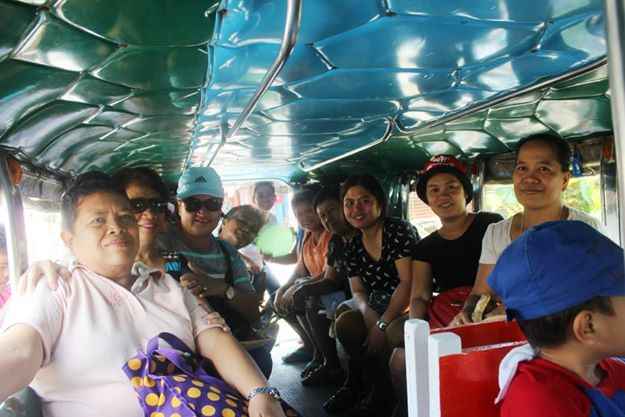
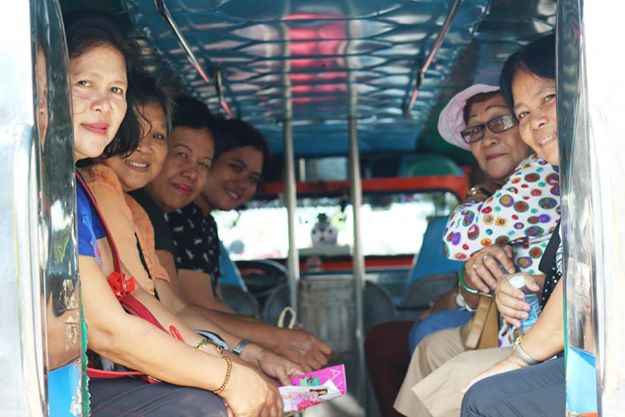
The local coordinating team in the Philippines arranges for the volunteers to go on two excursions. On one of the trips, volunteers visit the local areas of interest such as San Juanico Bridge, the Santo Nino Shrine and the MacArthur Landing Memorial Park. Volunteers will get an opportunity to experience the natural beauty of the tropical island of Leyte.
Life on the program
Getting there and who looks after you in Philippines
Airport pickup
A local representative meets you at Tacloban Airport (TAC) and takes you to your homestay. You can arrive on the Saturday or Sunday before your Monday orientation.
First night with your host family
You settle in with your Filipino homestay family, who provide breakfast and dinner and a private or shared room.
Monday orientation
A full-day orientation run by a qualified local staff member covers the program structure, Filipino culture, health and safety, behavior policy, and a city tour, followed by an introduction to your placement and its staff.
First project day and ongoing support
You are introduced to the local coordinator and any other nutrition volunteers before starting your half-day shift, with 24-hour in-country assistance available throughout your placement.
From volunteers in Philippines
Frequently asked questions
What does a volunteer on the Public Health Nutrition project actually do?
You prepare supplementary feeding for children in the program, plan menus, buy ingredients at the market, track children's height and weight, teach hygiene habits, and help run nutrition workshops for parents.
Who is this program suitable for?
It suits health, nutrition, public-health or dietetics students, qualified nutritionists and dietitians, and anyone with a genuine interest in community health, minimum age 18.
What does a typical day look like?
You work Monday to Friday, generally 8am to 1pm, either in the morning or afternoon depending on the site, always as a half-day shift of at least 4 hours; lunch is on your own and weekends are free.
How long can I volunteer and when do placements start?
Placements run 2–24 weeks, with starts every week (sundays); the next start date is 20 Sep 2026.
What does the program cost and what is included?
Prices start at $1,139, deposit included, covering airport pickup and drop-off, orientation, host family accommodation, two meals a day, project placement, a pre-departure info pack, and 24-hour in-country support; flights, visa, vaccinations, local transportation and personal expenses are not included.
Where do I live and what do I eat?
You live with a Filipino host family in the Tacloban area, in a private or shared room, and receive breakfast and dinner with them plus filtered drinking water; you arrange your own lunch, usually at a nearby food stall.
How do I get from the airport to the project?
A local representative picks you up at Tacloban Airport (TAC) and drops you off at your homestay; you can arrive on the Saturday or Sunday before Monday orientation.
What support is available if something goes wrong?
The local coordinator supervises your placement and the local team provides 24-hour emergency assistance throughout your stay.
Do I need a visa, vaccinations or insurance?
Visas and vaccinations are not included and specific guidance is sent in your pre-departure information pack; travel and medical insurance is compulsory, either your own policy or one arranged through Volunteering Solutions.
Will I be doing any clinical or medical work?
No, you are not a doctor, nurse or dietitian and you do not diagnose or treat anyone; your role is feeding, monitoring growth measurements, teaching hygiene habits and supporting workshops under the local coordinator's supervision.
Do I need a background check since I will be working with children?
Yes, because the project involves regular contact with children, a criminal background check issued within 12 months of your start date is required.
What if I do not speak Tagalog or Filipino languages?
The local coordinator is present at workshops and lectures to translate, so you can work in English while parent-facing material is kept simple and illustrated.
Related pages
Schedule a meeting with a program advisor
We're here to help — a 20-minute one-on-one with detailed info, expert advice and application guidance.
Book a free meetingMore projects in Philippines
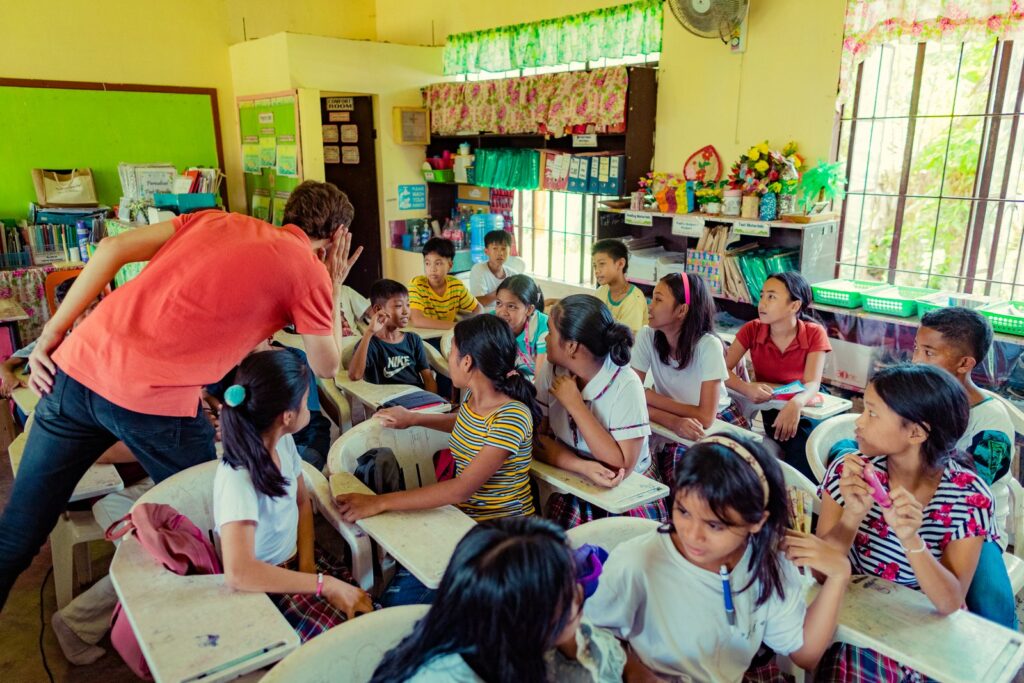
Volunteer Teaching in the Philippines
As a volunteer in the teaching program in Philippines you can get involved with education to help enhance…
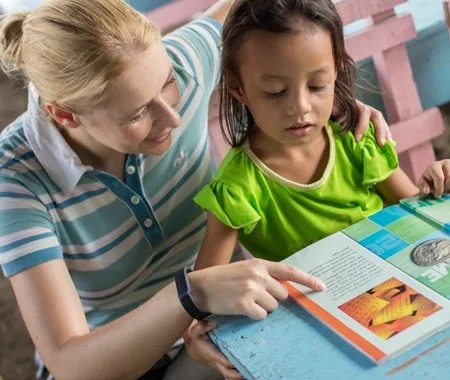
Childcare and Social Welfare Program in the Philippines
Volunteer with local childcare centers and social welfare projects and take care of children from underserved communities in…
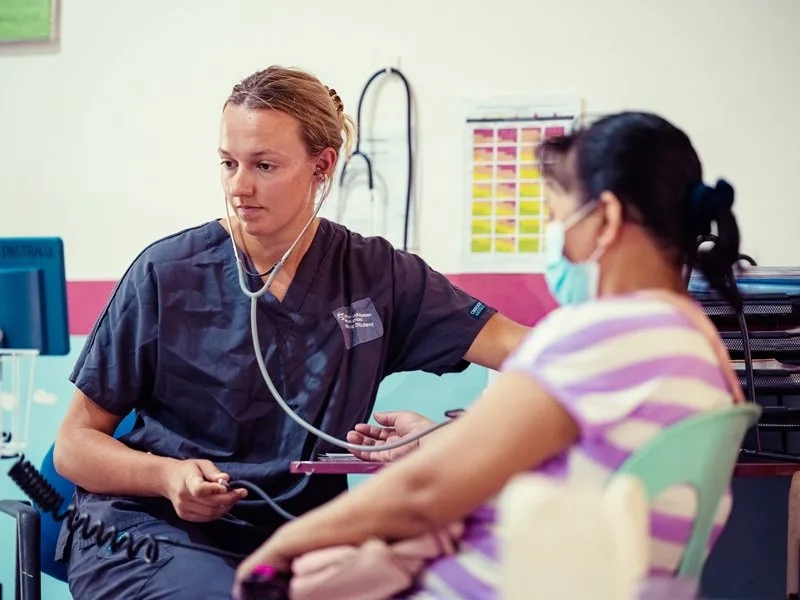
Rural Medical Volunteering in the Philippines
Participate in rural medical volunteering in Philippines and do your bit for the healthcare of the locals from…