










Overview
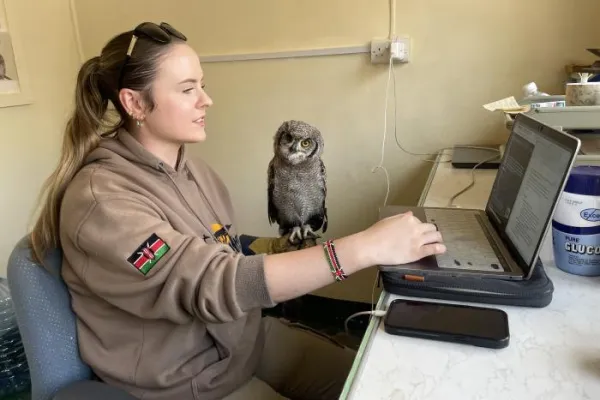
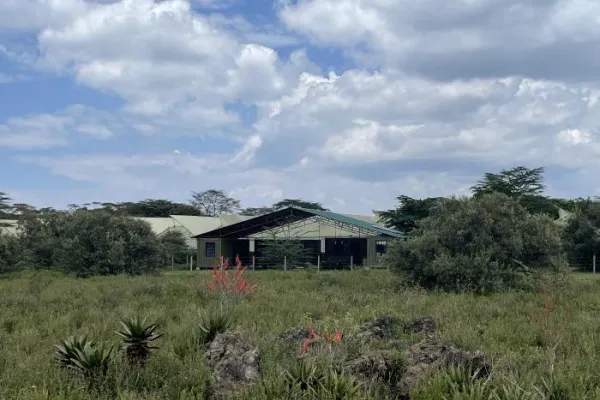
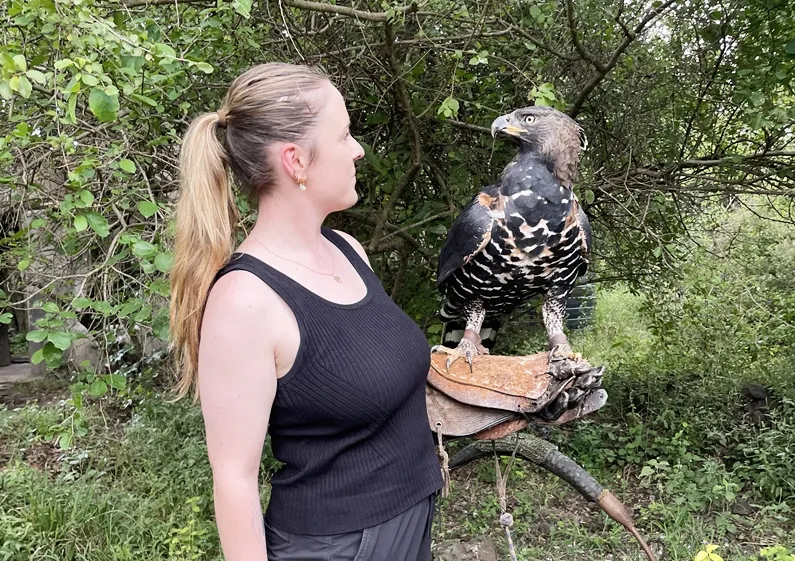
Our Volunteer Programme offers a unique and immersive opportunity to experience wildlife conservation within a working sanctuary in Kenya’s Great Rift Valley. Based at Kilimandege Sanctuary on the shores of Lake Naivasha, the programme provides hands-on, practical training in raptor conservation—an area few organisations specialise in.
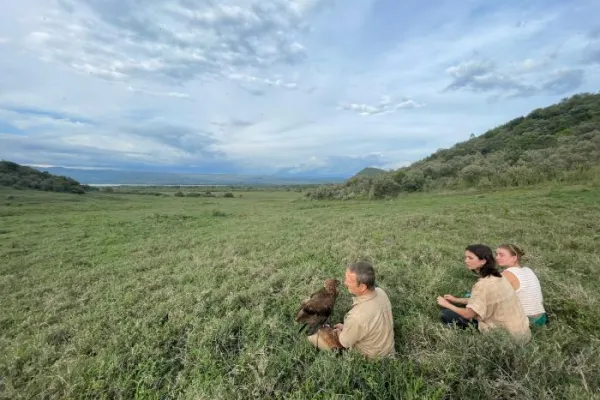
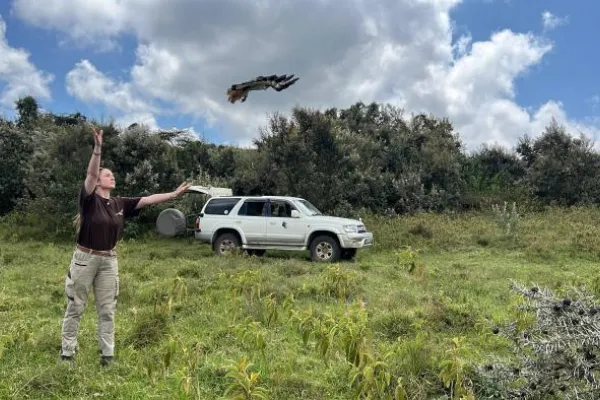
Volunteers gain first-hand experience in a wide range of conservation activities. These may include conducting population surveys and banding studies (subject to permits) of African Fish Eagles on Lake Naivasha by boat, and Augur Buzzards on land within this internationally recognised RAMSAR site and birdwatching hotspot. You may also assist in monitoring the breeding population of the Critically Endangered Rüppell’s Vulture in Hell’s Gate National Park.
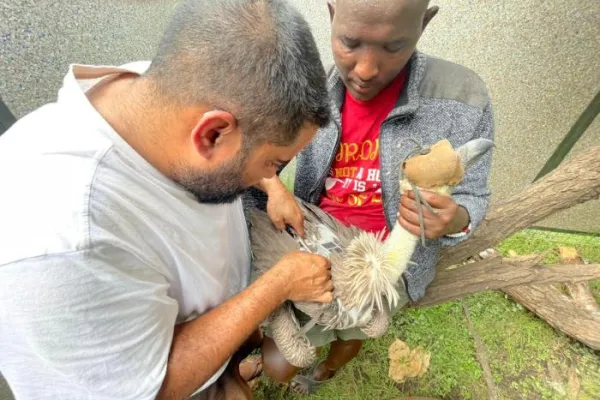
In addition, volunteers have the opportunity to observe and learn from our in-house avian veterinarian, support rescue and rehabilitation efforts, and contribute to ongoing initiatives to protect and enhance the Kilimandege Sanctuary.
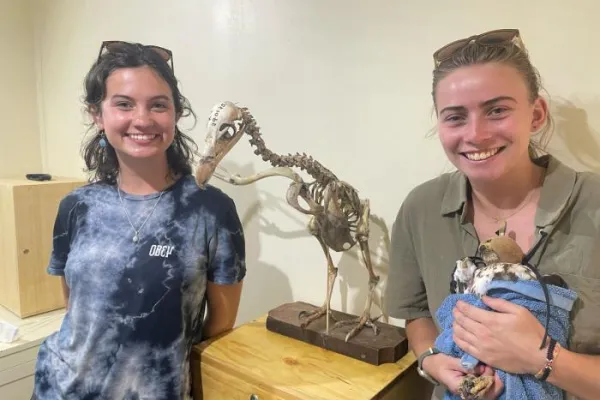
The program offers a unique opportunity to work alongside experienced conservationists, veterinarians, and researchers, contributing directly to wildlife conservation while learning about raptor rehabilitation, research, education, and community outreach. Placements range from short-term volunteer stays to longer internships for those pursuing careers in conservation and wildlife management.
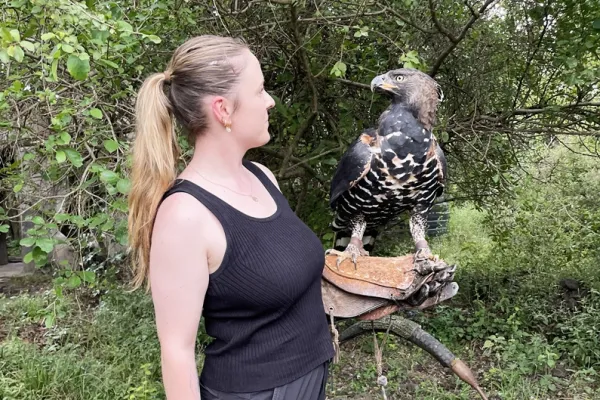
You will benefit greatly from joining one of the most unique conservation initiatives in the region. This programme offers a fantastic insight into how a wildlife conservation project operates in Africa, combined with hands-on training in falconry—one of the oldest field sports and an essential tool in raptor rehabilitation. Participants gain first-hand experience of the real challenges facing conservation in modern Africa, while working closely with both wild and captive birds through research, ongoing care, and rehabilitation efforts.
In addition, the programme provides an excellent opportunity to develop valuable vocational skills in raptor conservation, rehabilitation, and environmental education. Volunteers and interns will also have the chance to collaborate with and learn from world-renowned local and international scientists, wildlife professionals, and veterinarians. Overall, the experience is both rewarding and transformative, offering an unforgettable and life-changing journey in the heart of Africa’s Great Rift Valley.
Volunteer Work Schedule
Volunteers typically work Monday to Saturday, from 9:00 am to 5:00 pm, with a break for lunch. However, schedules are flexible and vary depending on daily priorities, ongoing projects, and individual interests.
On days involving fieldwork (such as research, trapping, or tagging), activities may begin earlier. Volunteers are encouraged to take initiative and focus on areas that interest them most.
Sundays are generally free, allowing time to relax or explore the surrounding area.
Volunteer Roles & Responsibilities
Volunteers are involved in a wide range of daily and field-based activities, including:
Daily care of captive birds, including feeding and enclosure cleaning and maintenance
Assisting with the repair and improvement of aviaries and facilities
Leading guided tours of the raptor centre and birdwatching walks within the sanctuary
Supporting the on-site veterinarian in the clinic when required
Assisting with the rescue and transport of injured or sick birds
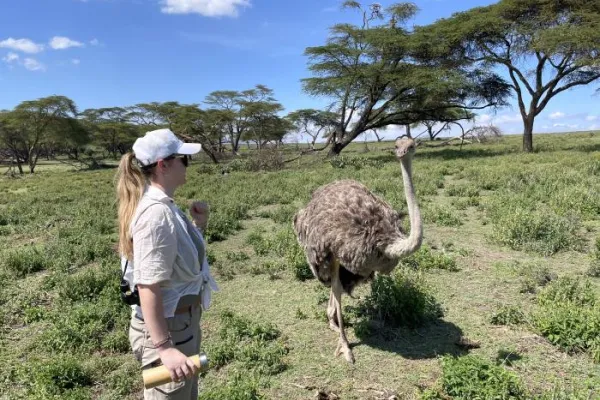
Participating in sanctuary upkeep, including tree planting, invasive species removal, and wildlife monitoring
Supporting the development and maintenance of the on-site tree nursery
Learning basic carpentry and woodworking skills for conservation projects
Assisting with fieldwork such as trapping and tagging raptors (e.g. African Fish Eagles and Augur Buzzards)
Monitoring local raptor populations and identifying nesting sites
Assisting with data collection, entry, and basic analysis
Taking part in educational outreach visits to schools and local communities
Project Requirement
Project Requirement
Volunteers must be 18 years or older at the time of joining the project. Participants should have an open mind and flexible attitude for working outdoors and should have a keen interest and love for animals and wildlife. All volunteers must provide a clean criminal background check report prior to joining the program.
Schedule a Google Meet with a Program Advisor
Interested in our programs? We're here to provide expert guidance
- Get Detailed Info
- 20 min One -on-One meeting
- Get expert advise
- Application Guidance
Photo Gallery
Living
Living
Airport Transfers
Volunteers are picked up from Nairobi Airport and driven directly to the project site in Naivasha. For those participants who will already be in Nairobi, pickup can be provided from your accommodation. Return transfer back to Nairobi airport is also included in the fee. For those participants arriving late at night, we recommend booking a hotel near the airport and pickup will directly be provided from the hotel the next day.
Orientation
The volunteers would be a given an initial orientation and training with guidelines and instructions by the project coordinators.
Accommodation
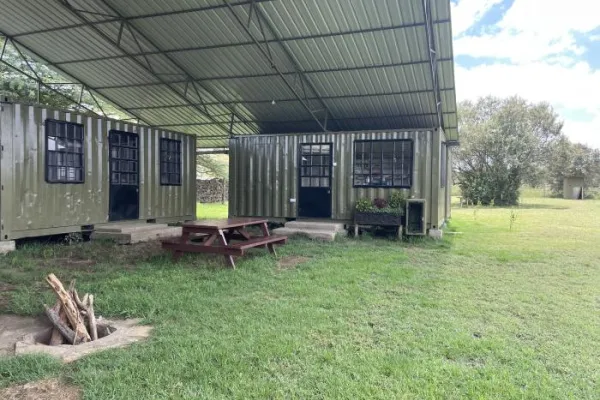
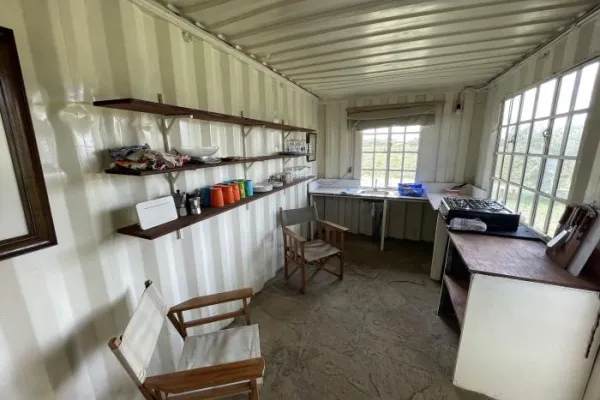
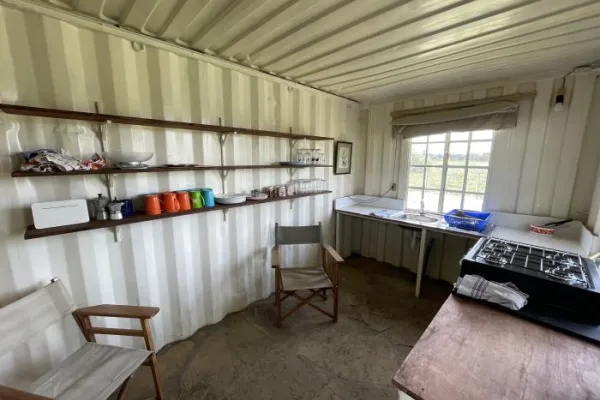
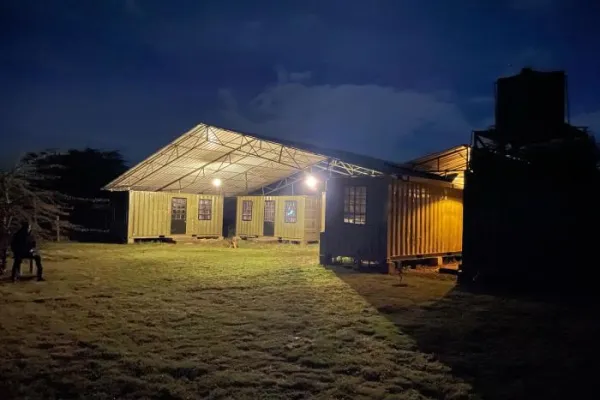
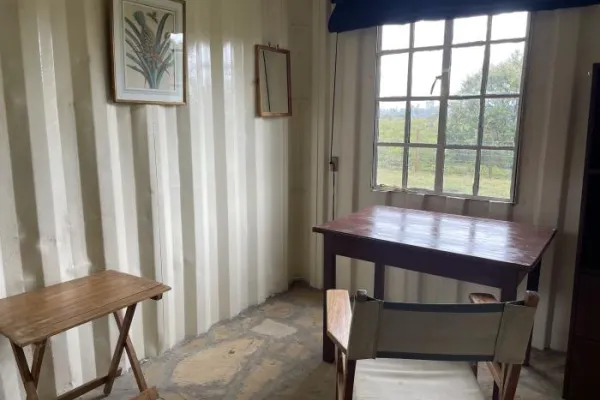
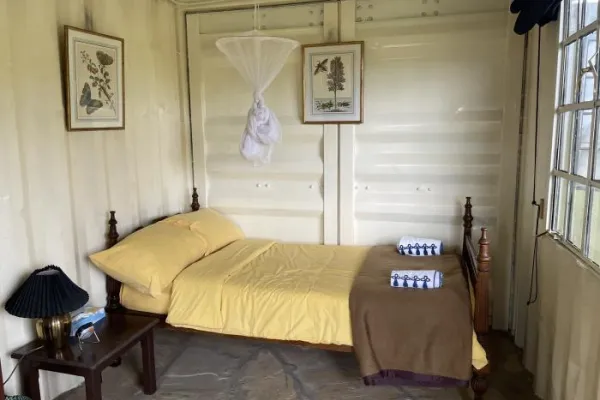
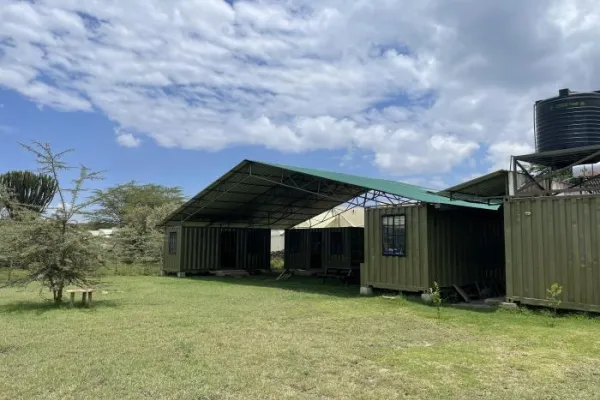
Accommodation consists of 3 separate rooms within a private living complex on the sanctuary. There is an ablutions block consisting of 3 separate bathrooms (toilet, shower, sink). If occupancy is 3 or less, each volunteer will have their own room and bathroom, if occupancy is higher then rooms and bathrooms will be shared by 2, up to a maximum of 6 volunteers. Electricity and hot water are provided by solar power. There is a communal kitchen with a fridge and gas burner. Photos attached. Unlimited and fast WiFi is included and there is 24 hour security. There is a large fence in (for security) garden with a tree nursery, outdoor firepits, bbq and dart board.
Meals
Basic groceries are supplied for meals where volunteers are asked to cook for themselves. For groups of 4-6 a cook may be made available.
During Free Time
Volunteers are free to decide when and for how long they want to be off duty, our hours are flexible. On arrival each volunteer will be given a local area information document with useful numbers and ideas of how they may spend their time off: restaurants nearby, local attractions, taxi numbers, etc.All volunteers will also have the opportunity to travel locally to places such as Nakuru National Park, Lakes Bogoria and Baringo. In addition, they can enjoy their leisure time in and around Naivasha, exploring local lodges and restaurants.
Dates
Dates
January
04
11
18
25
February
01
08
15
22
March
01
08
15
22
29
April
05
12
19
26
May
03
10
17
24
June
01
07
14
21
28
July
05
12
19
26
August
02
09
16
23
30
September
06
13
20
27
October
04
11
18
25
November
01
08
15
22
29
December
06
13
20
27
January
03
10
17
24
February
07
14
21
28
March
07
14
21
28
April
04
11
18
25
May
02
09
16
23
June
06
13
20
27
July
04
11
18
25
August
01
08
15
22
29
September
05
12
19
26
October
03
10
17
24
31
November
07
14
21
28
December
05
12
19
26
Costs
| Duration |
Program Fee
|
Choose your currency
|
|---|---|---|
| 2 Weeks | $1250 | |
| 3 Weeks | $1725 | |
| 4 Weeks | $2155 | |
| 5 Weeks | $2630 | |
| 6 Weeks | $3060 | |
| 7 Weeks | $3500 | |
| 8 Weeks | $3975 | |
| Extra Week | $475 |
Please Note: A registration fee of is charged in addition to the program fee. This fee is valid for one year, during which participants may enroll in multiple programs. A 5% international banking fee applies to credit card payments of program fee made in USD or AUD.
What are you Paying For?
- Assistance and support from Staff
- Comprehensive Pre- Departure Information
- Airport Transfers from Nairobi to Naivasha (Bothways)
- Donation to the Project
- Accommodation
- Transportation between field sites and centres
- Basic groceries
- Water, tea, and squash
- Weekly laundry service and twice-weekly cleaning
- Initial orientation and training
- All project-related equipment
- Unlimited internet access
What's NOT Included?
- Airfare
- Visa Fee
- Vaccinations
- Accommodation in Nairobi at the start and end of your stay, if required
- Personal expenses
- Optional excursions
- Entry fees to National Parks and Reserves
- Vaccinations
- Tips and gratuities
FAQ's
Accommodation, Meals and Daily Life
-
Can I know more about the accommodation and food arrangements?
-
Accommodation consists of 3 separate rooms within a private living complex on the sanctuary. There is an ablutions block consisting of 3 separate bathrooms (toilet, shower, sink). If occupancy is 3 or less, each volunteer will have their own room and bathroom, if occupancy is higher then rooms and bathrooms will be shared by 2, up to a maximum of 6 volunteers. Electricity and hot water are provided by solar power. There is a communal kitchen with a fridge and gas burner. Photos attached. Unlimited and fast WiFi is included and there is 24 hour security. There is a large fenced in (for security) garden with a tree nursery, outdoor firepits, bbq and dart board. The living areas are constantly being improved.
Basic groceries are supplied for meals where volunteers are asked to cook for themselves. For groups of 4-6 a cook may be made available.
-
Can vegetarians and vegans be accommodated?
-
Yes, however you must inform us in advance and also mention about any dietary requirement in your application form.
-
Are there more expenses once I arrive in Kenya?
-
You need to pay for local sightseeing trips, personal expenses, shopping expenses while in Kenya. Your airport transfers, accommodation, meals are included in the fee.
Connect with Past Volunteers
-
How can I connect with past Volunteering Solutions Kenya alumni and other former and current volunteers?
-
We encourage volunteers to get in touch with former Volunteering Solutions program participants and also other program participants joining our projects. You are recommended to join the Volunteering Solutions Facebook Group to communicate with other participants. To read alumni interviews from past participants, visit the Meet a Volunteer page on our website.
Flights, Arrival and Visa Information
-
Do I need a visa to go to Kenya?
-
Yes, all participants need to apply for Electronic Travel Authorization before going to Kenya. Please visit the following link to apply for the ETA, https://etakenya.go.ke/
-
What are the recommended airlines to fly to Kenya?
-
Jomo Kenyatta International Airport in Nairobi is the busiest airport in East Africa and serves as the hub for international flights in that region. It is well connected with flights from major European, Middle Eastern and Asian cities.Some of the major airlines operating in Kenya are:
- Kenya Airways
- British Airways
- Turkish Airlines
- KLM Dutch Airlines
- Swiss Air
- Emirates
- Etihad Airways
- Egypt Air
Free Time and Weekend Travel
-
Can you tell me more about the local area and things to do in freetime?
-
On arrival each volunteer will be given a local area information document with useful numbers and ideas of how they may spend their time off: restaurants nearby, local attractions, taxi numbers, etc.
Health, Safety and Support
-
How safe is Kenya?
-
Kenya is one of the most popular destinations of the world visited by many tourists and nature enthusiasts. The Kenyan people are very warm and friendly towards foreigners. Volunteers are informed about the necessary safety precautions during the Orientation session as well as in the pre-departure information guide. You will have the assistance and support of the in-country coordinator in Kenya. It is strongly recommended to follow the safety rules and regulations provided by the in-country coordinator.
-
What immunizations/vaccinations will I need?
-
Participants are recommended to consult their travel doctor before their arrival in Kenya. The recommended vaccinations are as follows:
- Yellow Fever (If coming from a YFV infected country)
- Hepatitis A and B
- Typhoid
-
Do I need to buy a health insurance?
-
Yes, for all participants it is mandatory to have a travel medical insurance.Volunteers have the option to purchase Travel and Medical Insurance at a nominal extra cost from Volunteering Solutions. To provide the best option to our participants, we offer comprehensive insurance coverage in collaboration with a leading insurance provider. To read more about the insurance coverage, please click here
Program Overview and Application Process
-
Are there any necessary requirements to participate in the Raptor Conservation and Rehabilitation Program ?
-
Volunteer placements are open to everyone aged 18 and over. During your stay, you’ll have the opportunity to work at the project and explore the diverse landscapes of the Rift Valley and beyond. Volunteers must have a keen interest in wildlife conservation.
-
Can I know more about the program location in Kenya?
-
The project is located within the Kilimandege Sanctuary on the shores of Lake Naivasha, serves as the main operations base, where injured birds brought in for treatment and rehabilitation, taking their first steps toward recovery and eventual release.
-
How do I apply for a program and when do I need to pay?
-
You can book your slot by filling the application form online and pay the application fee. You can pay your program fee later and also, in installments, however, the complete payment should be made 45 days prior the start of the program.If you are volunteering in a group, you can also fill a group application form. The initial application fee is refunded in the unlikely event that we’re not able to offer you a place on the program, and you have the flexibility to request a change of start date up until the 45 day payment deadline (this is subject to availability for other dates). Since spaces on this program are very limited we suggest you to register your spot on the program as soon as you have decided on the program choice.
-
When should I apply for the Raptor conservation volunteer program in Kenya?
-
As we have very limited spots available in this program and we follow the first come first serve basis, it is recommended that potential volunteers book their programs well in advance to get confirmed placements. Applying and securing your place in advance also allows you to prepare better for your trip - to get any recommended or mandatory vaccinations and to book your flight in good time to get the best price. Additionally, securing your place in advance means that you will keep the price on the website at the time of application and won’t be subject to any annual fee increases.
-
Can I apply with a friend?
-
Yes! On our application form you can detail the name of the friend(s) or partner you are applying with. You will be placed in the same project and accommodation.
-
How long does it take to process my application? Will my application be accepted?
-
After you complete your application, your personalized ‘My Account’ will be active.You will need to upload your CV/Resume along with your photo in the same. Our backend team and the placement site takes around 10-12 days to review your application. After we review your CV and documents, your booking is confirmed and booking confirmation is updated in your ‘My Account’. Some projects need a mandatory criminal background check and the same is mentioned in the project info of your program. Approval of your application depends on your qualification,eligibility criteria as well as availability for each project.
-
When do I need to arrive and depart from the program ?
-
All volunteers are required to arrive on Sunday and depart on Saturday. Transfers to and from Nairobi to Naivasha are included in the program fee.
-
Does Vol Sol provides a reference or a certificate after program completion?
-
Yes, we will provide you with the Certificate after successful completion of your program. The certificate is provided on request.
-
Does Vol Sol provides discount if I choose more than one program or if I am a returning Volunteer?
-
If you are planning to come for multiple programs in your trip, you will have to pay the application fees just once. Your application fees is valid for a year's time (from the date of application). You will not have to pay the application fees again if you come within the mentioned time frame. If you decide to volunteer in separate programs in multiple countries, you will need to fill separate applications.