 English (US) ▾
 Nederlands
 English (UK)
 Deutsch
 Italiano
 Português
 Español
Medical Volunteer Program in Tanzania – Arusha
A hospital placement in Arusha for qualified doctors, nurses and midwives. Work with Tanzanian clinicians across a busy and varied caseload, with volunteer house accommodation and all meals included.
This program places qualified doctors, nurses, midwives and other registered clinicians in hospitals in and around Arusha, northern Tanzania. You work alongside Tanzanian clinicians on a busy caseload that includes malaria and other tropical and infectious disease, late presentations and road traffic trauma, joining ward rounds, clinics and theater as your supervisor allows. It suits registered health professionals only; this is not a student elective.
Placements run 1–12 weeks, starting every week (sundays), with the next start on 13 Sep 2026. You live at the Arusha volunteer house, in a shared room with three meals a day cooked on site, and the program costs from $879 (deposit included). Your department is not fixed in advance — the hospital allocates you based on where support is needed and what your registration allows, and when enough clinicians are on the program at once, community outreach in surrounding villages is also part of the schedule.
- Hospital placements in Arusha for qualified doctors, nurses and midwives
- Work with Tanzanian clinicians across a busy and varied caseload
- Exposure to tropical and infectious disease and to trauma care
- Community outreach in surrounding villages when numbers allow
- Placements from 1 to 12 weeks
- Volunteer house with three meals a day, WiFi, security and a sociable common area
- Weekends free for the Serengeti, Ngorongoro Crater, Tarangire and Lake Manyara
Who this program is for
This program is open to qualified, registered doctors and nurses — and to registered midwives, clinical officers and other licensed healthcare professionals. You will need to be fully qualified and currently registered with your national regulator (the GMC or NMC in the UK, or the equivalent body in your country).
It is not a student elective. If you are a medical, nursing or pre-med student looking for an elective placement, our sister brand Med Trips runs programs designed specifically for students, with the supervision and sign-off that university placements require.
About the program
The Medical Volunteer Program in Arusha places qualified clinicians in hospitals in and around the city, in northern Tanzania. You will work alongside Tanzanian doctors and nurses across a busy caseload, and see conditions that are uncommon in high-resource systems — malaria and other tropical and infectious disease, late presentations, and a high volume of road traffic trauma, which is particularly common in Arusha.
Arusha sits below Mount Meru, and is the gateway to the northern safari circuit — the Serengeti, Ngorongoro Crater, Tarangire and Lake Manyara are all within reach at the weekend.
How your department is allocated
This is the main thing to understand before you apply: you cannot choose your department in advance. Placements are allocated by the hospital, based on where they need clinical support during the weeks you are there, and on what your registration and experience allow you to do. The clinical leads make that decision on arrival, and rotations between departments are at their discretion.
We will always pass on your areas of interest, and in practice most participants do spend time in more than one department over a longer placement. But we will not promise you a specific ward, speciality or theater list before you travel, and you should not book this program expecting one.
Where you will be placed
Sample placement — St. Elizabeth Hospital, Arusha. Known locally as “Kwa Father Babu”, St. Elizabeth is in the Ngarenaro suburb and is one of the three largest hospitals in Arusha. As a Council Designated Hospital it acts as a referral center for local dispensaries and health centers, and receives patients from other hospitals for services they do not provide. It offers both inpatient and outpatient care.
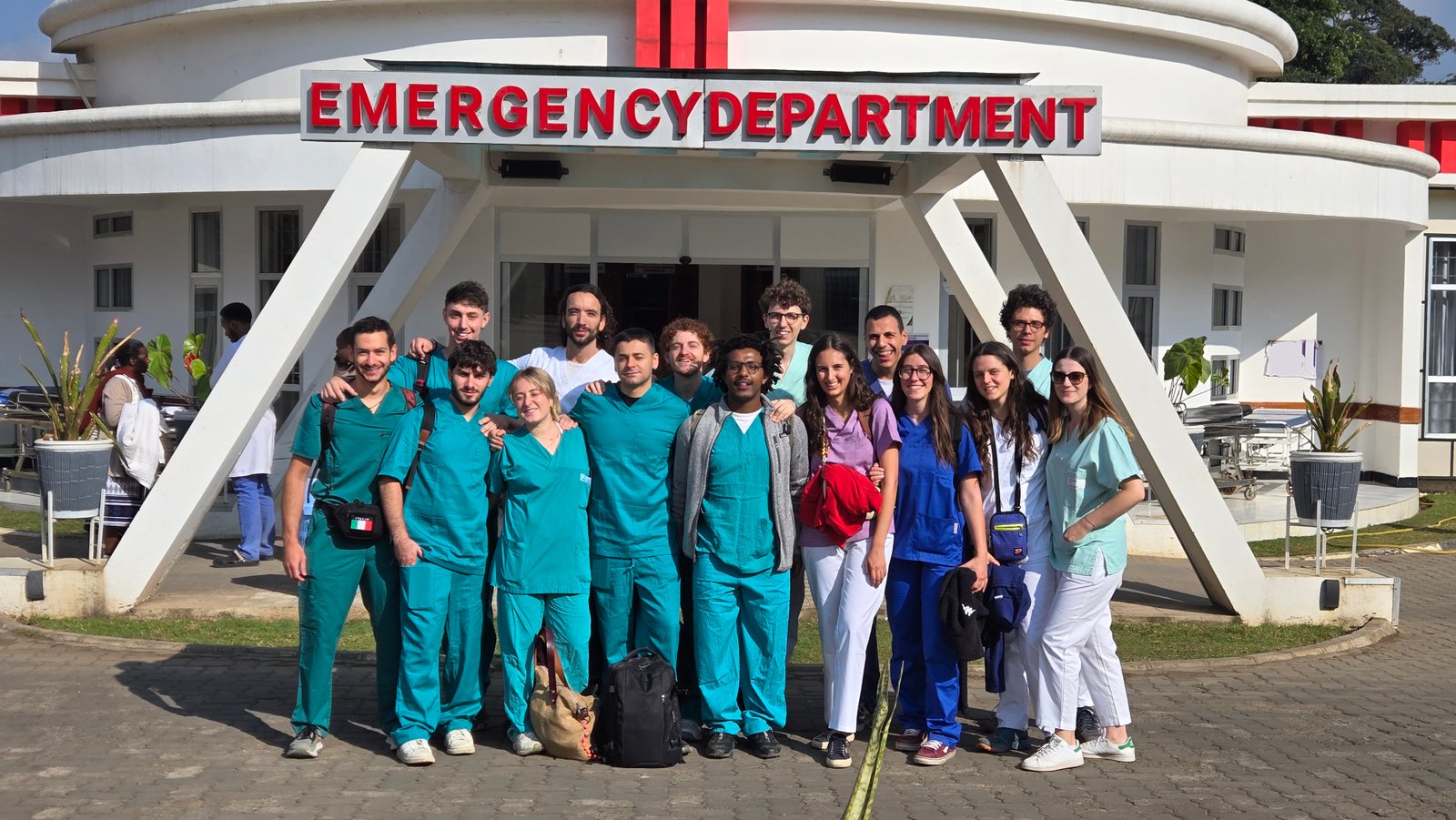
Departments there include outpatients and emergency medicine, internal medicine, the surgical ward, ophthalmology, paediatrics and neonatology, intensive care, theater, obstetrics and gynaecology, physiotherapy, dental, radiology, pharmacy and the laboratory. This is a sample only — we work with several hospitals in and around Arusha and you may be placed at any of them.
Your role on placement
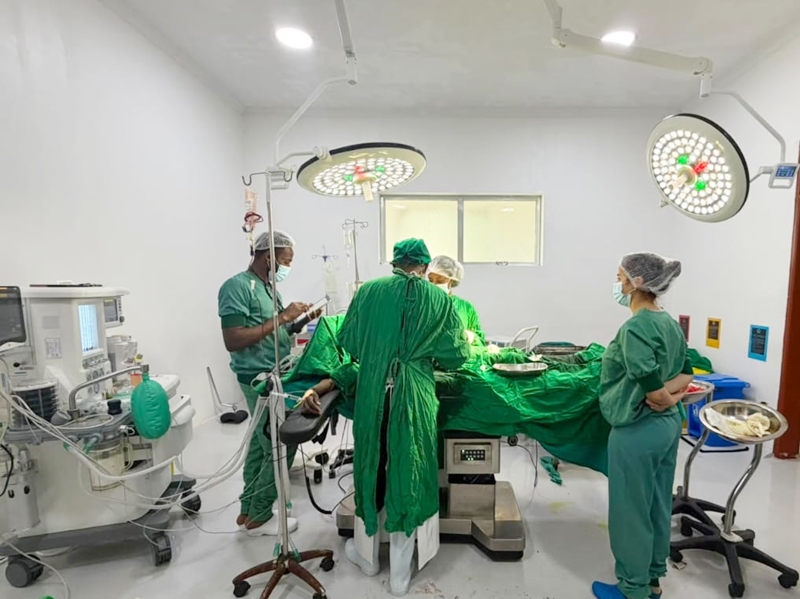
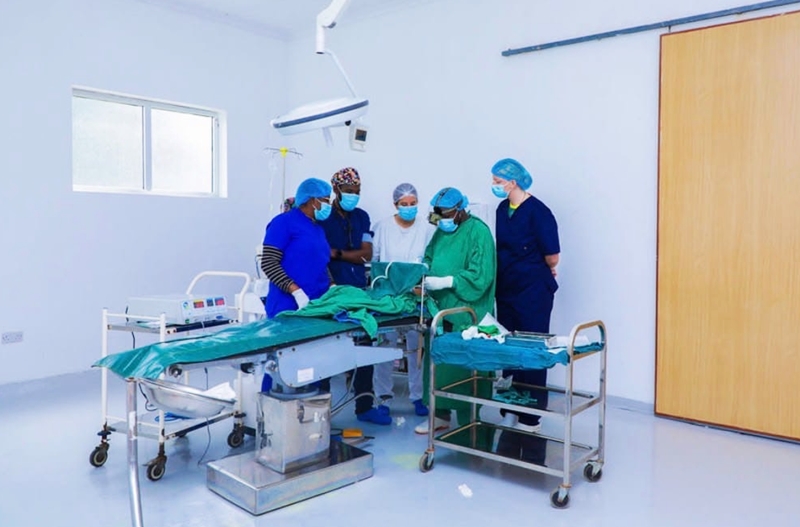
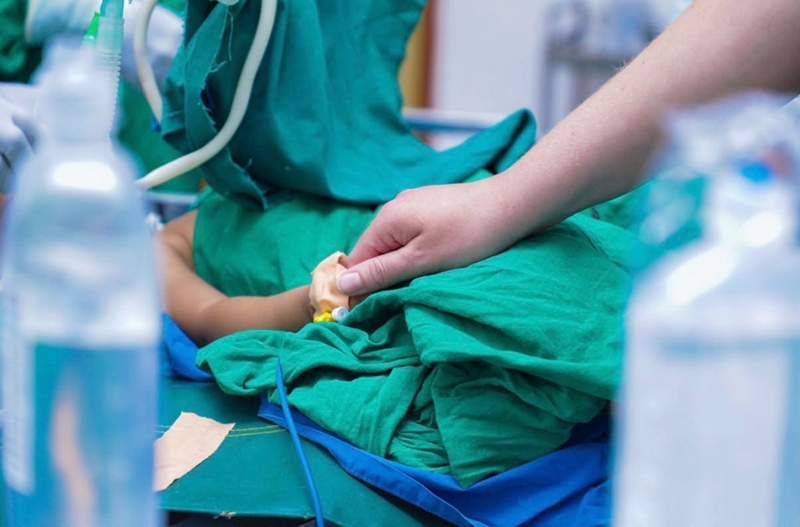
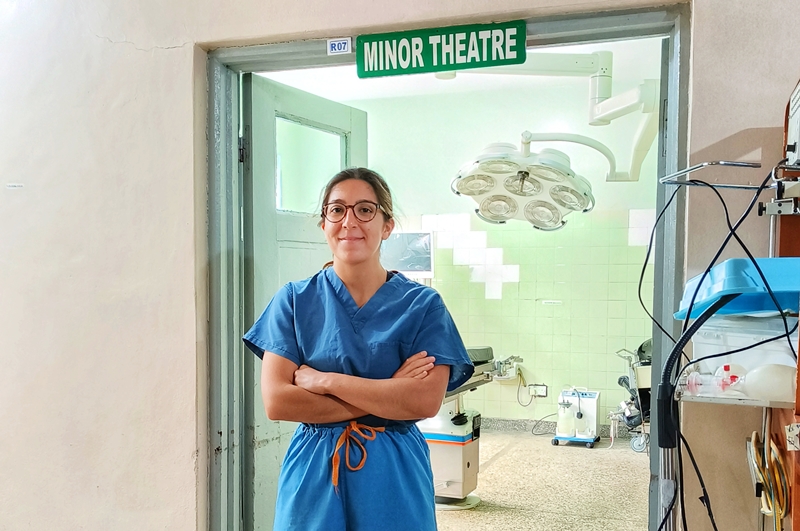
You will be paired with an experienced local supervisor. As a registered professional you will typically be involved in ward rounds, clinics and theater, and may assist with procedures within your scope of practice and at your supervisor's discretion — wound care, observations, minor procedures and similar. Hands-on involvement is never guaranteed: it depends on your registration, your experience, the supervising clinician's judgement and the patient's consent.
When enough clinicians are on the program at the same time, the local team also runs community outreach in surrounding villages, providing care to people with little access to health services. Outreach requires a minimum number of participants, so it cannot be guaranteed for any given week.
Prices, durations, start dates and the minimum age come straight from our booking system for this program. Program facts reviewed 13 Sep 2026.
Your role on this program
- Join ward rounds, clinics and theater lists alongside your supervising local clinician
- Assist with wound care, observations and minor procedures within your registration and at your supervisor's discretion
- Observe and support care across departments such as outpatients, internal medicine, surgery, paediatrics, obstetrics and gynaecology, depending on where you are allocated
- Take part in community outreach in surrounding villages when enough clinicians are on the program to run it
- Attend orientation covering safety, culture, language and the local area before starting at the placement
- Work across more than one department over a longer placement, as rotations allow
Exact duties vary with the placement's needs, the season and your experience.
Role boundaries
You do not have independent clinical responsibility: you are supernumerary at all times and work under direct supervision of local clinicians. Hands-on involvement — including any minor procedures — is decided by your supervisor, depends on your registration, experience and the patient's consent, and duties vary with the placement's needs; you do not diagnose, prescribe, administer medication or take clinical decisions on your own.
A typical day and week
A typical week on the program in Arusha looks like this:
- Sunday — arrival in Arusha
- Monday — orientation with the local coordinator, covering safety, culture, language, food, places to visit and things to do in Tanzania
- Tuesday to Friday — placement at the hospital or clinic
- Weekends — free to explore the city or head out on safari
Daily timings
- Breakfast from 07:30
- At the placement 08:30 to 12:30, then 14:00 to 15:00
- Lunch from 12:30
- Dinner from 18:30
The same pattern continues Monday to Friday from the second week onwards. Timings vary depending on the placement and department you are allocated to.
Timings are the placement's usual pattern; the local team confirms your hours at orientation, and they can change with school terms, clinic rotas, weather and the project's needs.
Who can join and what you need
- Minimum age 18, and open to registered health professionals only
- Current, full registration with your national regulator (for example the GMC or NMC in the UK, or the equivalent body in your country)
- Proof of registration, a CV and a copy of your passport before you travel
- A clean criminal background check issued within 12 months of the start date
- Your own scrubs or lab coat
- Compulsory travel/medical insurance, either your own policy or the one Volunteering Solutions arranges
The placement, its limits and your part in it
The program works with hospitals in and around Arusha, including St. Elizabeth Hospital in Ngarenaro, a Council Designated Hospital acting as a referral center with departments spanning outpatients, surgery, obstetrics, paediatrics, theater, radiology and more. You are not attached to a fixed department in advance: clinical leads at the hospital assign you based on need and on your registration, and you may rotate between departments during a longer placement.
Local clinicians supervise you throughout. You work within your own registration and scope of practice, and any hands-on involvement — from observations to minor procedures — is at the supervising clinician's discretion and with the patient's consent. Your contribution is as an additional pair of trained hands supporting a busy caseload, not as an independent provider of care, and community outreach in the surrounding villages only runs when there are enough clinicians on the program at the same time to staff it.
Start dates
Weekly start dates, year-round — pick any week across the next two years.
Program fees by duration
Prices include your $249 booking deposit — which is deducted from your total program fee. Your deposit stays valid for one year, during which you may enroll in multiple programs. A 5% international banking fee applies to credit-card payments in USD or AUD.
| Duration | Total price | |
|---|---|---|
| 1 week | $879 | |
| 2 weeks | $1,104 | |
| 3 weeks | $1,315 | |
| 4 weeks | $1,623 | |
| 5 weeks | $1,951 | |
| 6 weeks | $2,320 | |
| 7 weeks | $2,668 | |
| 8 weeks | $3,017 | |
| Each additional week | +$350 / week |
Indicative conversion — your booking is charged in the currency you choose at checkout.
✓ What you're paying for
- 24-hour assistance and support from our in-country staff
- Comprehensive pre-departure information and support from the Volunteering Solutions team
- Airport pickup from Kilimanjaro or Arusha airport
- Orientation on arrival
- Three meals a day
- Accommodation at the volunteer house
- Assistance booking weekend safaris and other trips
- Medical insurance
- Certificate of participation (on request)
Not included
- Airfare
- Visa and work permit fee (work permit charges are payable in country)
- Return airport drop (can be arranged at extra cost)
- Local transport
- Vaccinations
- Weekend safaris and excursions
Accommodation & meals
Airport transfer
You will be met at Kilimanjaro International Airport and transferred to your accommodation in Arusha. If you are flying into Nairobi instead, there is a direct shuttle or bus to Arusha and we will collect you from the bus station. Transfers can also be arranged from Arusha Airport, which currently serves domestic flights only, for anyone arriving from Dar es Salaam or Zanzibar.
Accommodation
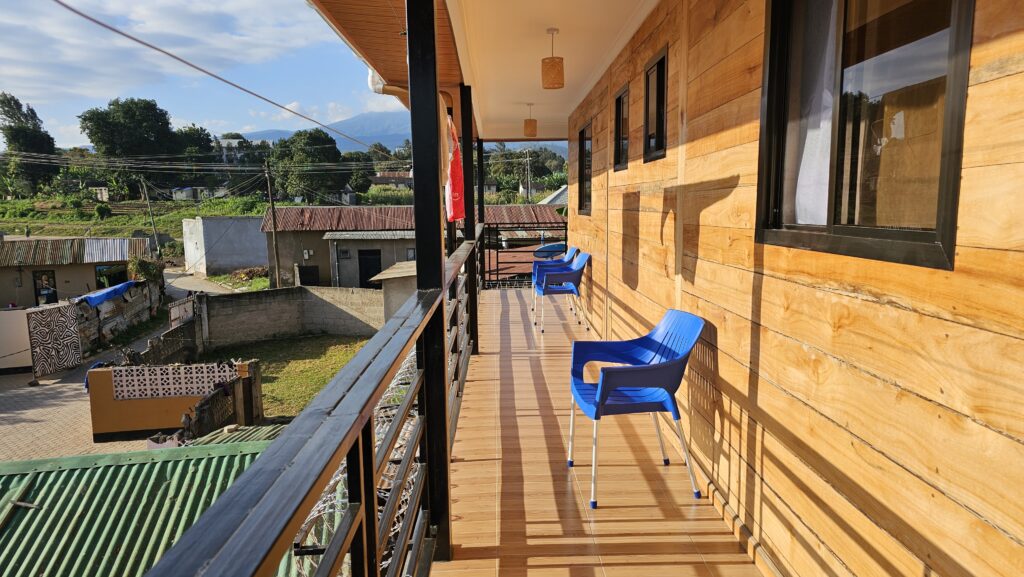
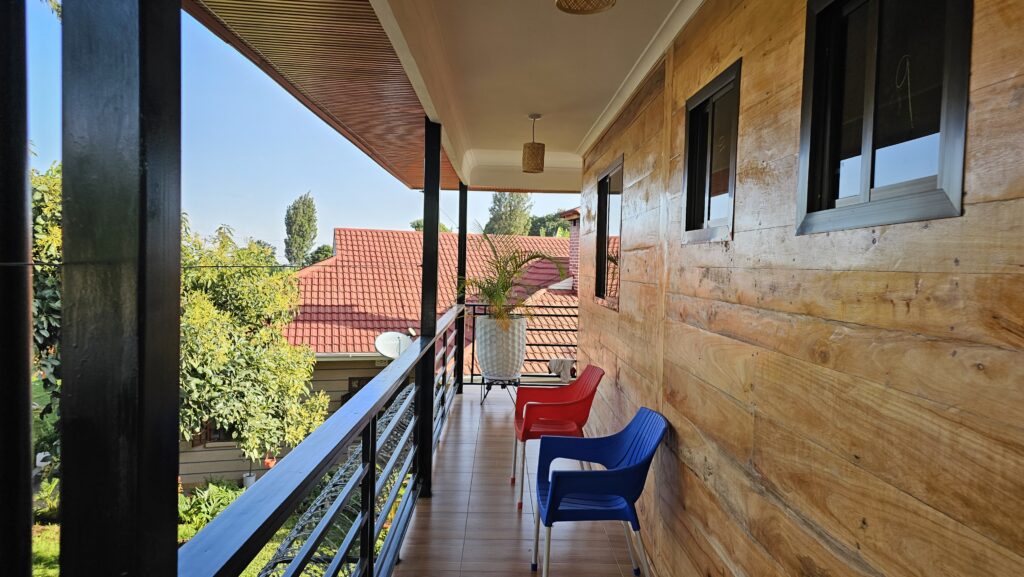
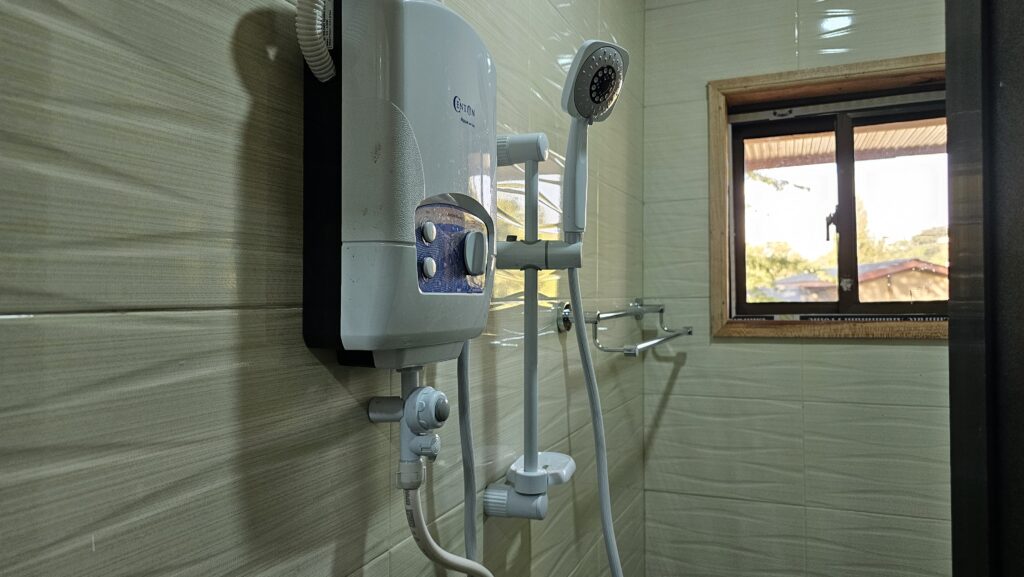
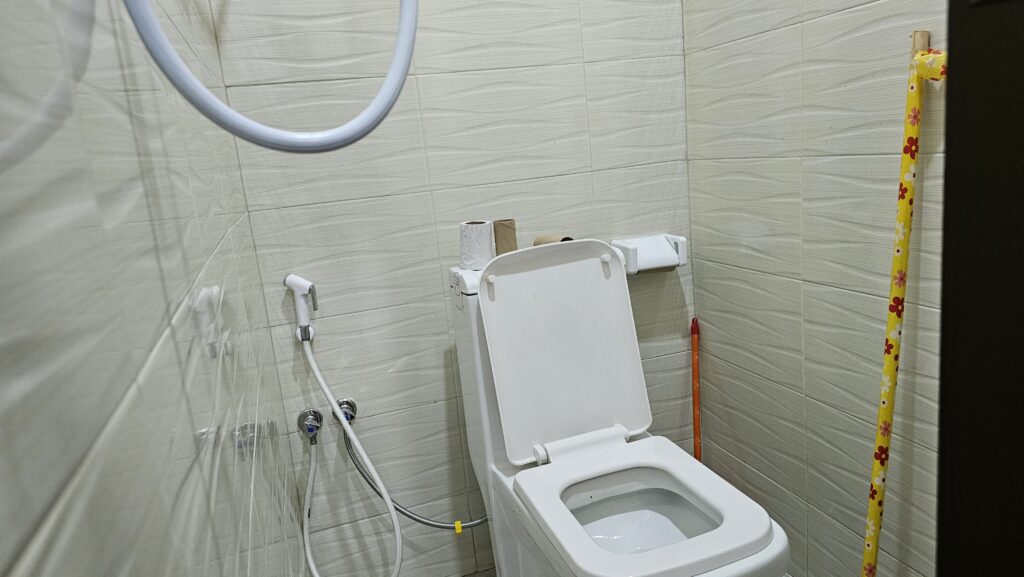
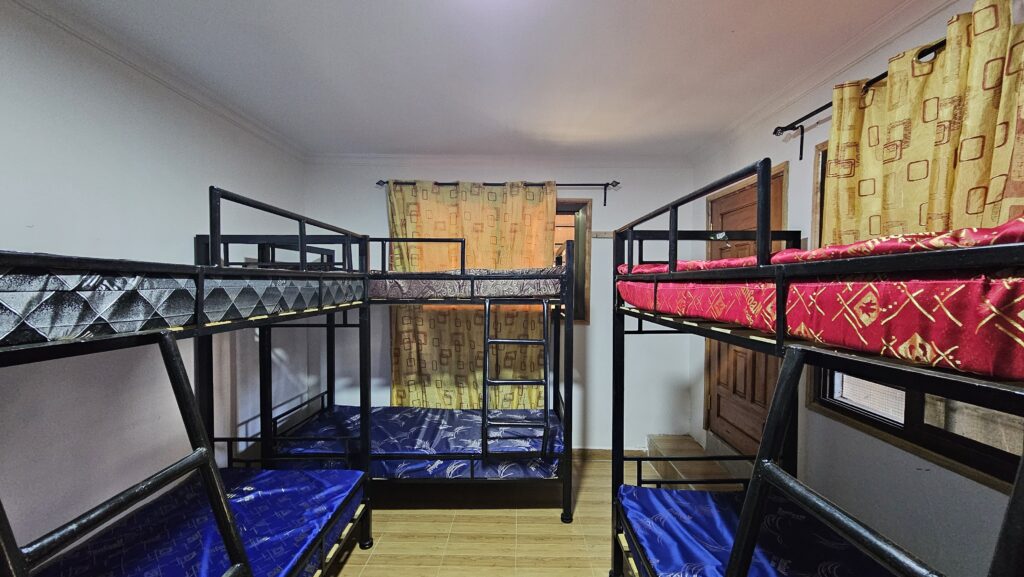
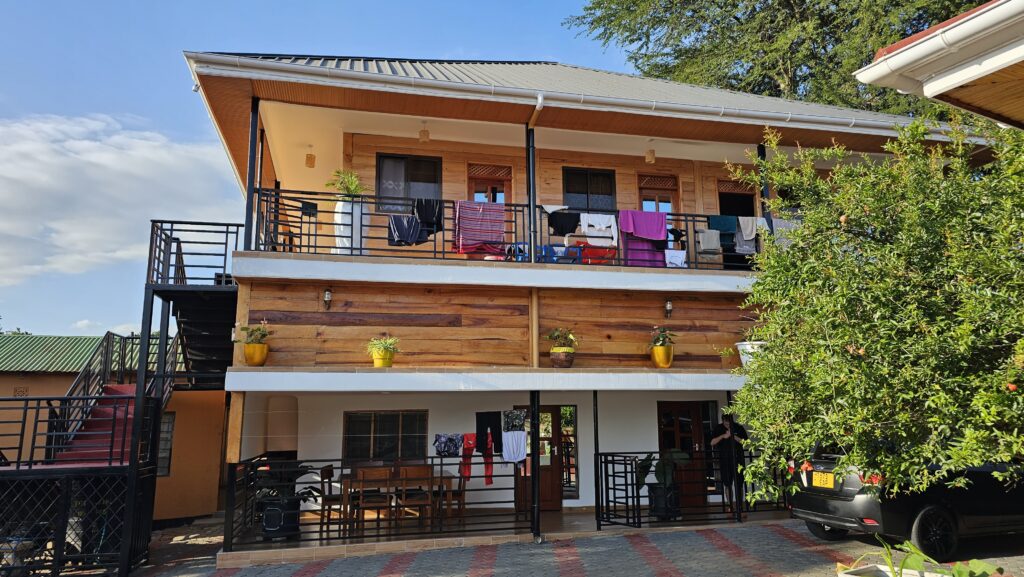
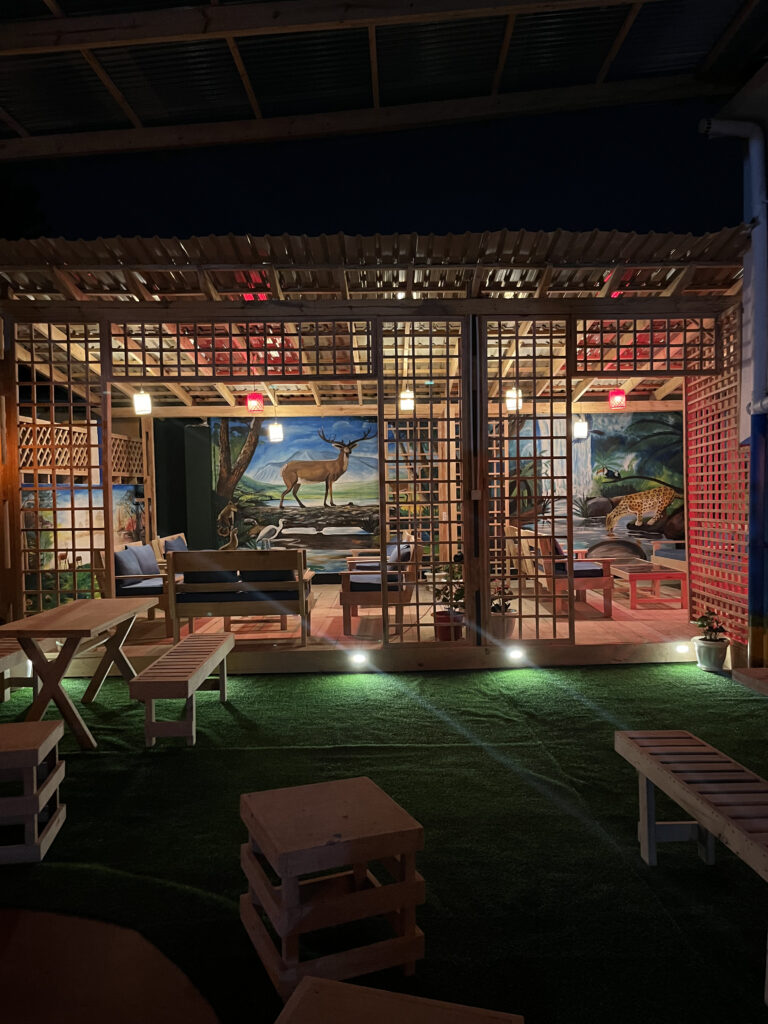
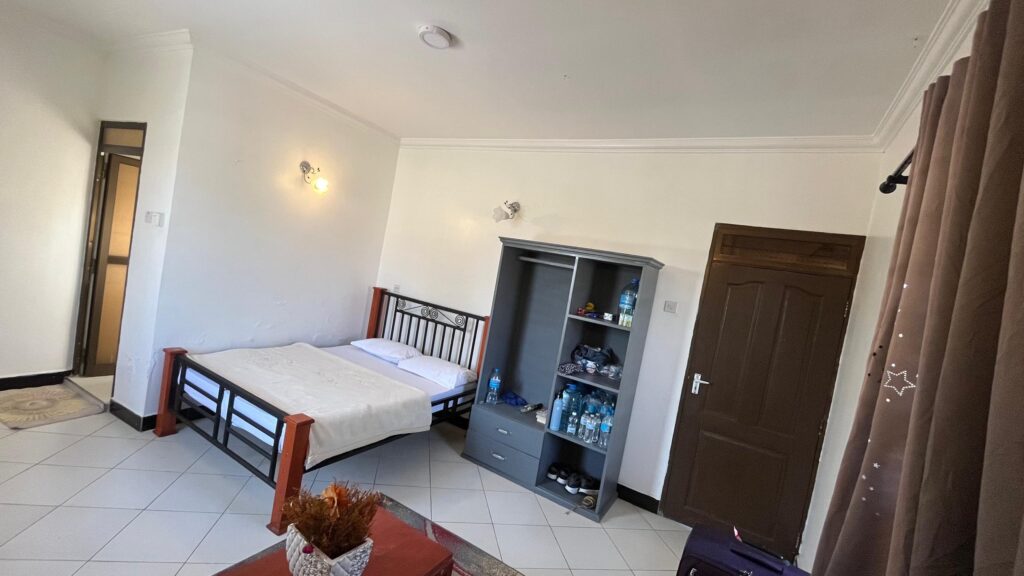
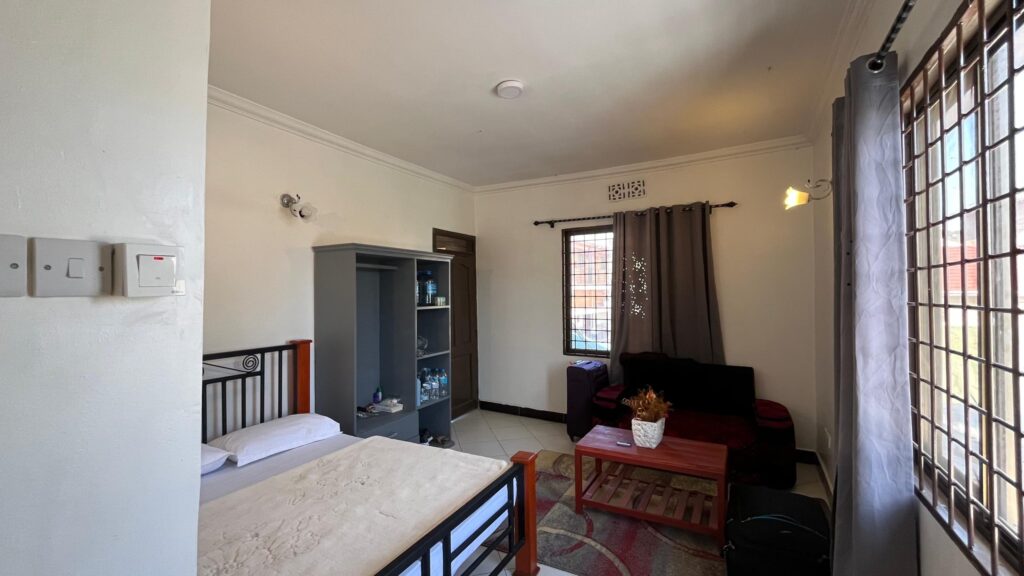
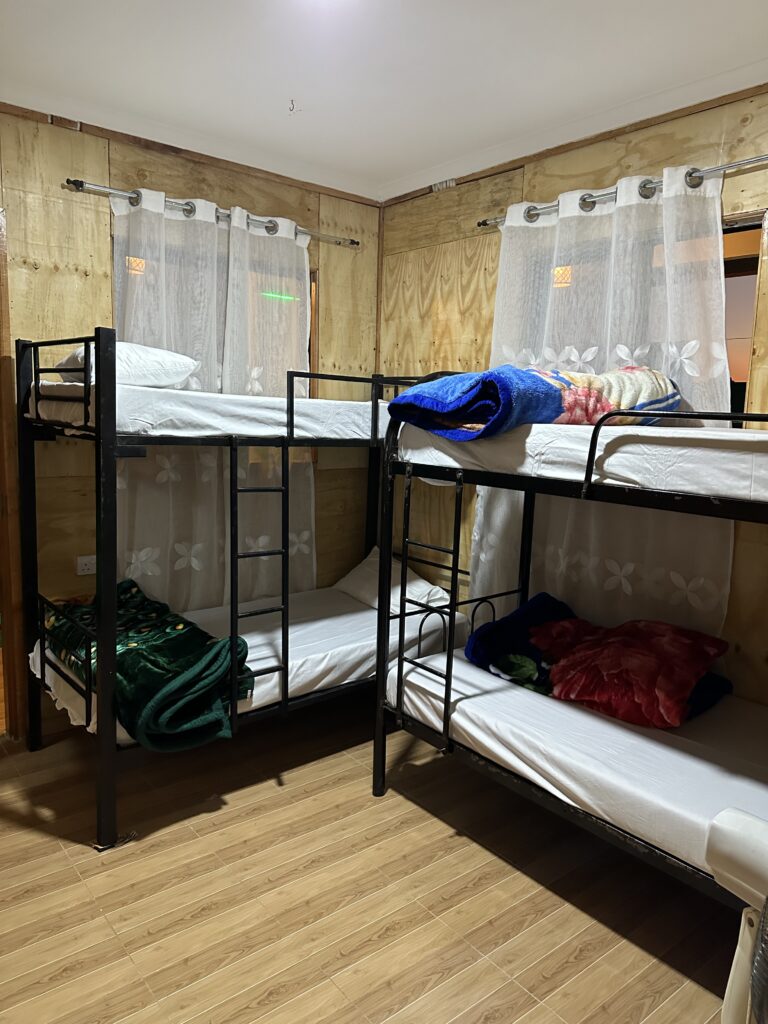
Volunteers stay in a dedicated volunteer house in Arusha, in shared rooms, with private room upgrades available on request at additional cost.
The house has:
- Comfortable shared rooms, with private upgrades available
- A staffed kitchen with freshly prepared meals
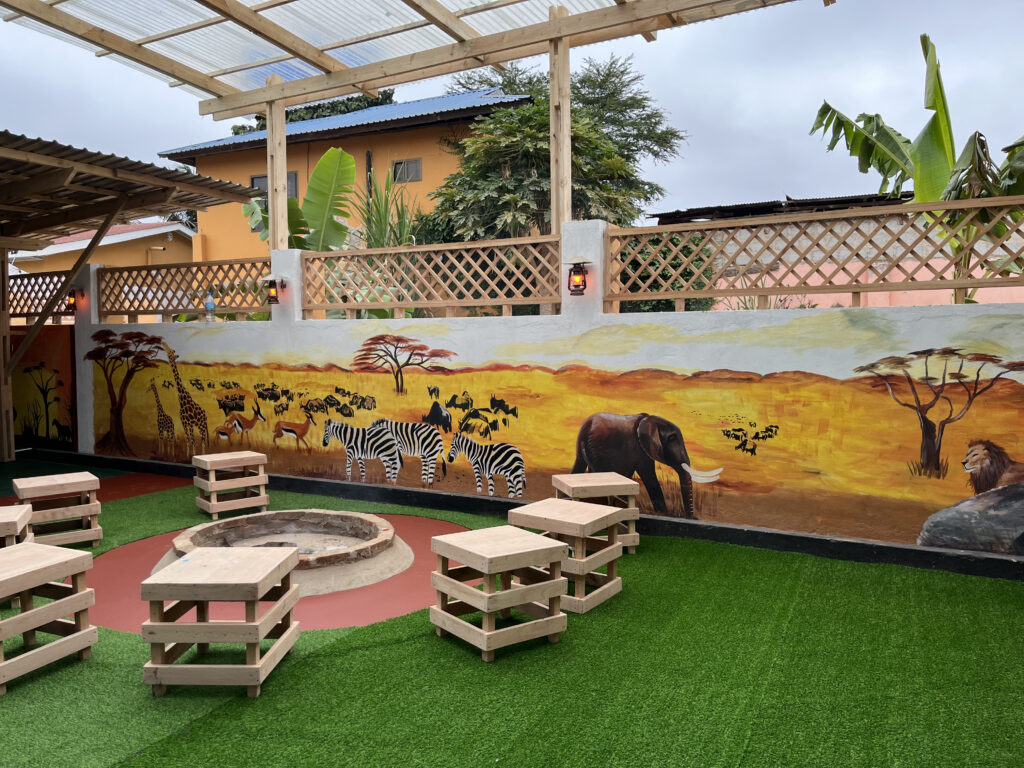
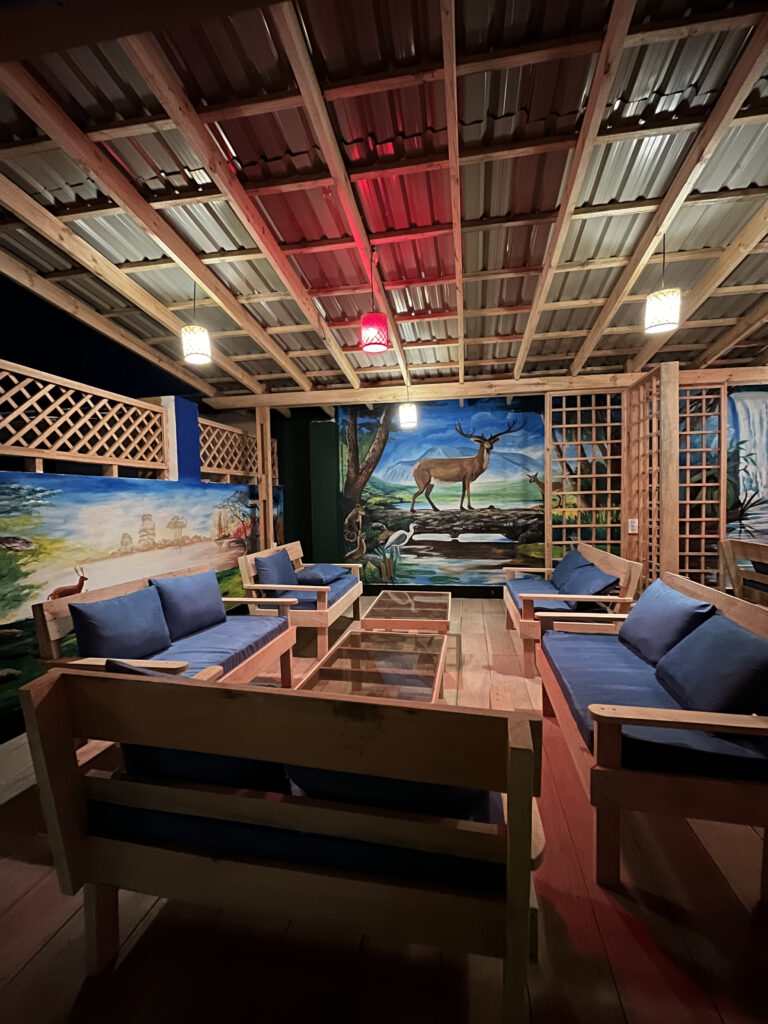
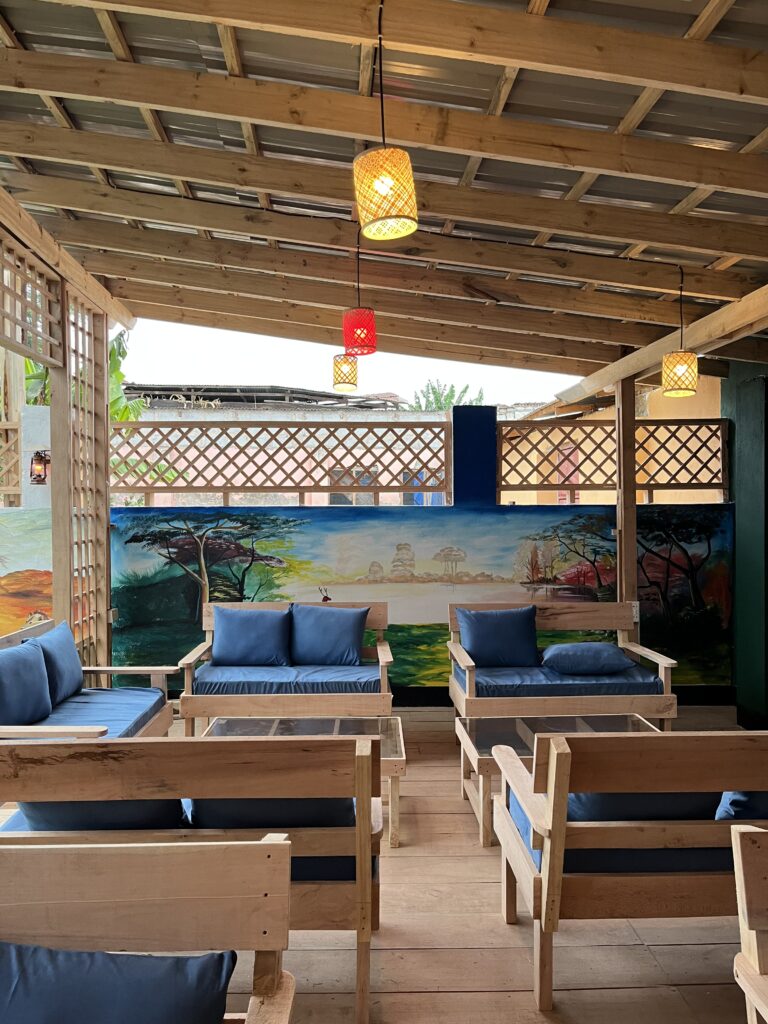
- A spacious common area
- Games including snooker and table tennis
- WiFi throughout
- CCTV and a security guard on duty
It is about 25 minutes on foot from Arusha's clock tower, and can accommodate more than 50 people, so it is a sociable base. Laundry can be done by hand in the washing area, or given to helpers at additional cost.
Orientation
The local coordinator runs a full orientation covering safety, the local area and transport, cultural guidance, and things to see and do in Arusha. Afterwards you will be introduced to your placement and given a guided tour of the town.
Meals
Three meals a day are provided, mixing Western and Tanzanian food. Breakfast is tea or coffee, toast with butter and jam, seasonal fruit and eggs. Lunch and dinner include rice, spaghetti, chapati, mashed potato, chips, salads, Tanzanian stews and fruit. Breakfast and dinner are served at the house; lunch is usually packed to take to your placement, or eaten back at the house if you return earlier.
Your free time
Arusha is the gateway to Tanzania's northern safari circuit. Most volunteers take a safari at some point during their placement — the Serengeti, Ngorongoro Crater, Lake Manyara and Tarangire are all reachable for a weekend. Closer to the city you can visit Maasai villages, the Snake Park, Arusha National Park, Lake Duluti, Chemka Hot Springs and Materuni Waterfalls. Weekend trips are at additional cost.
Life on the program
Getting there and who looks after you in Tanzania
Airport pickup
You are met at Kilimanjaro International Airport, or at the Arusha bus station if you arrive by shuttle from Nairobi, or at Arusha's domestic airport, and transferred to the volunteer house.
First night
You settle in at the volunteer house, with dinner served on site and staff on hand if you have questions before orientation the next day.
Orientation
The local coordinator runs a full orientation on your first Monday covering safety, culture, language, food and things to do in Tanzania, followed by an introduction to your placement and a guided tour of town.
First project day and ongoing support
Placement runs Tuesday to Friday that first week, with breakfast from 7:30am and the placement day from 8:30am to 3pm; coordinators and a 24-hour emergency contact remain available throughout your stay.
From volunteers in Tanzania
Frequently asked questions
What will I actually do on placement?
You join ward rounds, clinics and theater lists with a local supervising clinician, and may assist with tasks such as wound care, observations or minor procedures within your registration, at your supervisor's discretion and with patient consent; duties vary with the placement's needs.
Who can join this program?
It is open to fully qualified, currently registered health professionals — doctors, nurses, midwives and clinical officers — aged 18 or over; you will be asked for proof of registration with your national regulator. Students and pre-med applicants should look at Med Trips, which runs student elective programs.
Can I choose which department I work in?
No. The hospital allocates your department based on where support is needed while you are there and what your registration and experience allow; we pass on your interests, and over a longer placement most people spend time in more than one area.
What does a typical day look like?
Breakfast is from 7:30am, the placement runs from 8:30am to 12:30pm and again from 2pm to 3pm Tuesday to Friday, with lunch usually packed to take to the hospital; weekends are free.
How long can I stay and when do placements start?
Placements run 1–12 weeks, starting every week (sundays), with the next start date on 13 Sep 2026; longer placements generally give you more variety, as you are more likely to rotate through more than one department.
What does the fee include?
The fee, from $879 with $249 deposit included, covers airport pickup, orientation, accommodation at the volunteer house, three meals a day, medical insurance, 24-hour in-country support and a certificate of participation on request; airfare, visa and work permit fees, local transport, vaccinations and weekend safaris are not included.
Where do I stay and what do I eat?
You stay in a shared room at the Arusha volunteer house, with private room upgrades available at extra cost; three meals a day are provided, mixing Western and Tanzanian food, with breakfast and dinner at the house and lunch usually packed for the placement.
How does airport pickup work?
You are met at Kilimanjaro International Airport, or collected from the Arusha bus station if arriving by shuttle from Nairobi, or from Arusha's domestic airport, and taken to the volunteer house.
What support is available if something goes wrong?
Local coordinators provide orientation, help booking weekend safaris and give a 24-hour emergency contact; the volunteer house also has CCTV and a security guard on duty.
Do I have independent clinical responsibility?
No. You are supernumerary at all times and work under direct supervision of local clinicians; what you are able to do hands-on is decided by your supervisor, within your scope of practice and with patient consent.
What documents do I need to bring?
You need proof of current professional registration, a CV, a copy of your passport and a clean criminal background check issued within 12 months of the start date, plus your own scrubs or lab coat.
What about visas and vaccinations?
Visa and work permit fees are payable locally and are not included in the program fee; vaccinations are also not included, and any specific guidance is sent to you before departure.
Related pages
Schedule a meeting with a program advisor
We're here to help — a 20-minute one-on-one with detailed info, expert advice and application guidance.
Book a free meetingMore projects in Tanzania
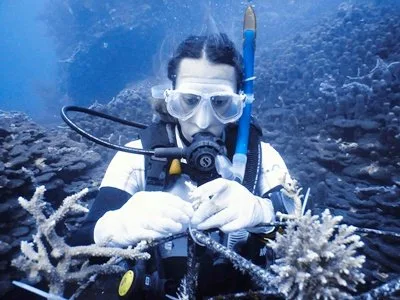
Coral Restoration & Sea Turtle Conservation by Scuba Diving in South Tanzania
Volunteers work in the project in Mikindani Mtwara are involved in all activities performed to restore the coral…
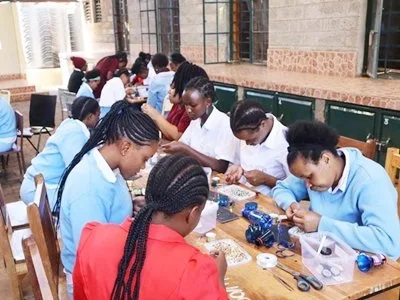
Women Empowerment in Arusha – Tanzania
Help a local NGO in doing tremendous work to give a second chance to young women who couldn't…
Special Needs Care Volunteer Program in Arusha – Tanzania
Support children with disabilities such as cerebral palsy, autism, and Down syndrome at a Special Needs Care Center…