English (US) ▾
 Nederlands
 English (UK)
 Deutsch
 Italiano
 Português
 Español
 Français
Things to Do in New Zealand
Milford Sound, Queenstown, Rotorua's geothermal parks and Tongariro — what to see in New Zealand around a volunteer placement.
See volunteer programs in New ZealandNew Zealand fits fiords, glaciers, volcanoes, rainforest and empty beaches into two islands with a population smaller than many cities. It is also one of the easiest countries anywhere to travel independently — safe, English-speaking and set up for the outdoors.
Distances look small on the map and take longer than expected; the roads are winding and the views keep stopping you.
The best things to do in New Zealand
1. Milford Sound
A fiord of sheer rock walls rising 1,200 meters from black water, with waterfalls that appear in their hundreds after rain — and it rains a lot, which is when it is most spectacular. Boat cruises run daily from the head of the sound; the drive in through the Homer Tunnel is half the experience.
2. Queenstown and Central Otago
The adventure capital: bungee jumping was commercialised here, alongside jet boating, skydiving and skiing in winter. Quieter alternatives are the Routeburn Track, the Gibbston Valley wineries and the drive to Glenorchy along the lake.
3. Rotorua and the geothermal north
Steaming ground, bubbling mud and geysers at Wai-O-Tapu and Te Puia, alongside the strongest Māori cultural presence in the country — hāngī meals and cultural performances hosted by local iwi. The sulphur smell is real and you stop noticing it.
4. Tongariro Alpine Crossing
Widely called the best day walk in the country: 19 kilometers past emerald crater lakes, volcanic scree and the cone of Ngāuruhoe. It is a serious full-day hike with alpine weather that changes fast — check the forecast and go prepared.
5. The Bay of Islands and the far north
Subtropical north of Auckland: 144 islands, dolphins, sailing and the Waitangi Treaty Grounds, where New Zealand’s founding document was signed — the essential stop for understanding the country’s history.
6. Glaciers and the West Coast
Franz Josef and Fox glaciers descend almost to rainforest level, and heli-hikes put you on the ice. The coast road south through Haast is one of the emptiest and most beautiful drives in the country.
When to visit New Zealand
Southern hemisphere seasons: summer (December-February) is warmest and busiest, with long daylight. Autumn (March-May) has settled weather and Central Otago color. Winter (June-August) is ski season in Queenstown and quiet elsewhere. Spring is changeable. Fiordland is wet year-round — that is what makes the waterfalls.
Getting around
A car or campervan gives the most freedom and is how most visitors travel; roads are good but winding, so allow far more time than distances suggest. InterCity buses connect the main towns, and domestic flights save long hauls between islands. The Interislander ferry between Wellington and Picton is a scenic journey in itself.
Seeing New Zealand as a volunteer
New Zealand placements suit anyone wanting to combine project work with serious outdoors time. Our New Zealand placements are based in various locations, include accommodation, meals, airport pickup and 24/7 in-country support, and leave evenings and weekends free — which is exactly when most of this list gets ticked off. See volunteer programs in New Zealand for live prices and dates, or read our complete guide to volunteering in New Zealand for costs, visas and safety.
New Zealand travel FAQs
How long do you need in New Zealand?
Two weeks covers one island properly; three to four to do both without rushing. Volunteers on longer placements can spread travel across weekends and a break at the end.
Do I need a visa for New Zealand?
Many nationalities can enter visa-free for short stays but must obtain an NZeTA electronic authorisation before travel. We confirm requirements for your nationality after you apply.
Is New Zealand expensive?
Yes, by regional standards — food, fuel and activities all cost more than in Southeast Asia or Latin America. Self-catering, holiday parks and free Department of Conservation walks keep it manageable.
North Island or South Island?
The South Island has the alpine scenery, fiords and glaciers; the North has geothermal activity, Māori culture, beaches and the bigger cities. If you can only pick one for landscapes, most choose the South.
Photo: Krzysztof Golik / Wikimedia Commons (CC BY-SA 4.0)
Volunteer programs in New Zealand
Combine your trip with meaningful project work — housing, meals, airport pickup and 24/7 in-country support included.
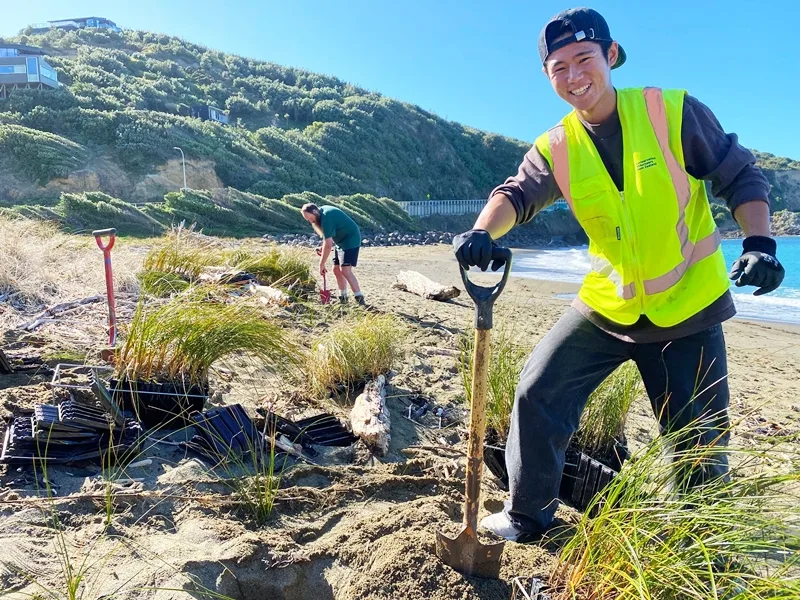
Popular volunteer programs
Volunteers often pair these with a trip here — same support, housing and meals included.
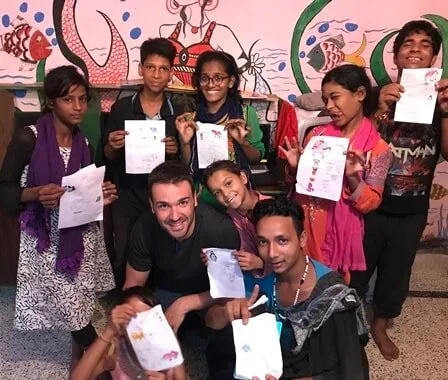
1 Week Special Volunteer Program in India
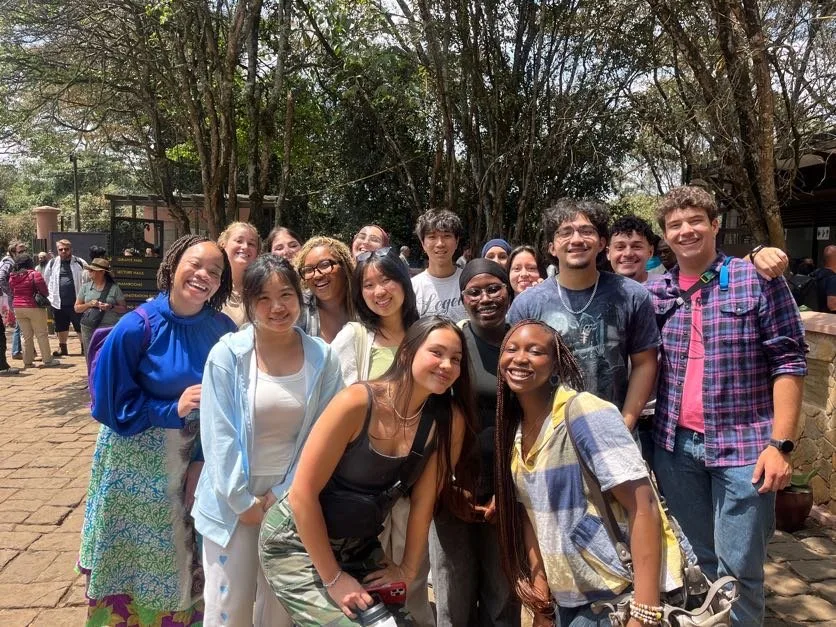
1 Week Special Volunteer Program in Kenya
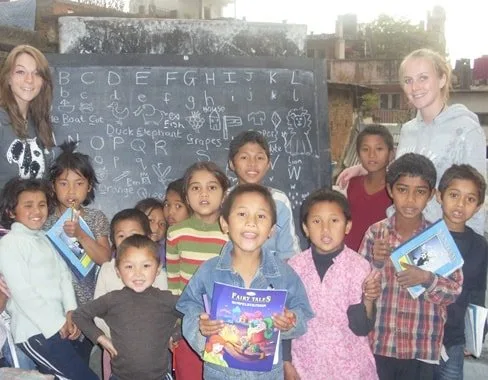
1 Week Special Volunteer Program in Nepal

1 Week Special Volunteer Program in Peru