 English (US) ▾
 Nederlands
 English (UK)
 Deutsch
 Italiano
 Português
 Español
Conservation Volunteering Program in New Zealand
Join the Conservation Volunteering in New Zealand & work towards making a difference for the environment. Live amidst nature, share your hands in doing some good work & meet amazing people from other parts of the world.
You join a conservation team on New Zealand's North or South Island, working from a meeting point in Auckland, Wellington, Christchurch or Punakaiki. Day-to-day tasks depend on the season and the local team's priorities: raising native seedlings and litter clean-ups in summer, tree planting and site preparation in winter, plus weeding, pest control, track maintenance and wildlife monitoring throughout the year. The program suits anyone aged 18 or over who is reasonably fit and comfortable working outdoors; no previous conservation experience is required.
Placements run 1–8 weeks, starting every week (fridays), with the next start on 25 Sep 2026. You live in shared volunteer house accommodation (bring your own sleeping bag) and get all meals included, from a self-made breakfast and packed lunch to a group-cooked evening meal. Prices start at $831 (deposit included), covering accommodation, meals, project travel, a wildlife or plant guidebook, orientation and local project support. Because you move to a different project location every week or two, a longer placement lets you take on a wider range of New Zealand conservation work in one trip.
- Join Conservation Volunteering in New Zealand, get an opportunity to work with professional environmentalists and learn more about the flora & fauna of the country
- Volunteer to reduce the impact of change in weather and an overall rise in the temperature in the island country
- Help in the conservation and preservation work as guided by the project coordinator
- Help in the maintenance work and upkeep of the forests or allocated project area
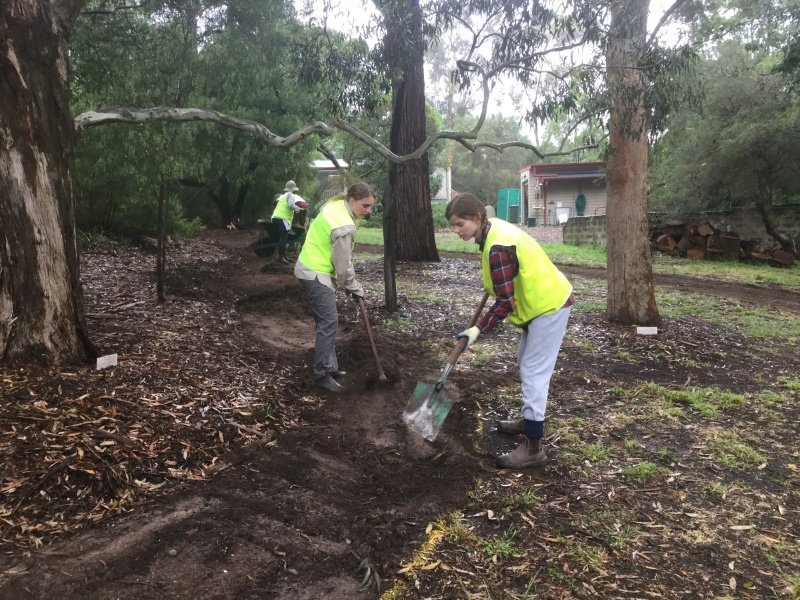
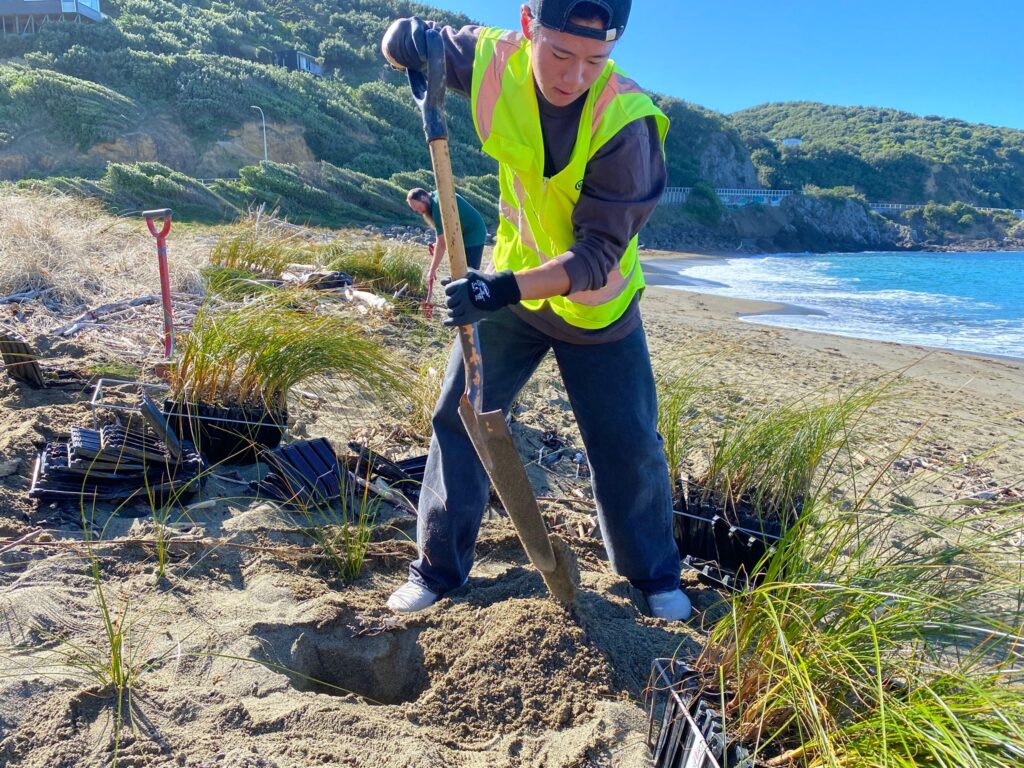
- Learn a diverse range of practical conservation skills that impact important wetlands, coastal sand dunes, woodlands and more
- Take up adventurous activities such as scuba diving, snorkeling, jungle safaris, bouldering, skydiving, and more
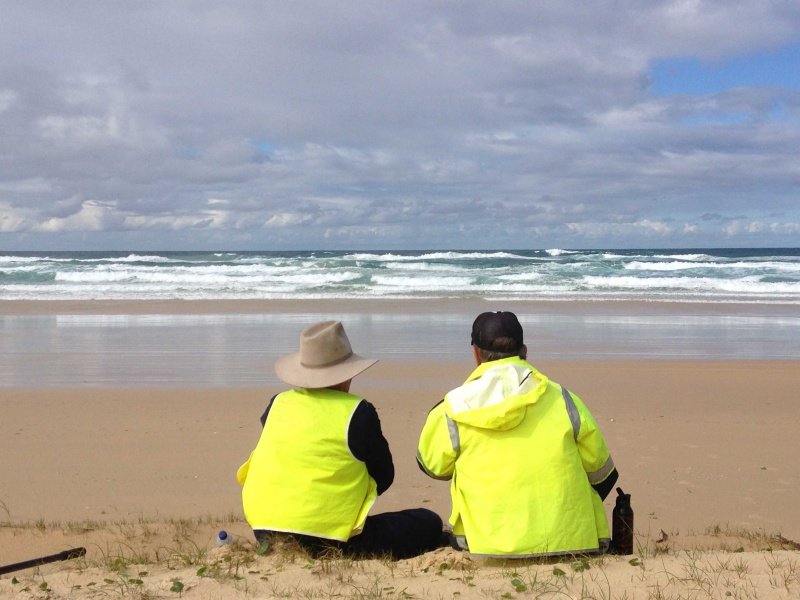
- Volunteers work on weekdays, weekends are free to explore the city
Your role on this program
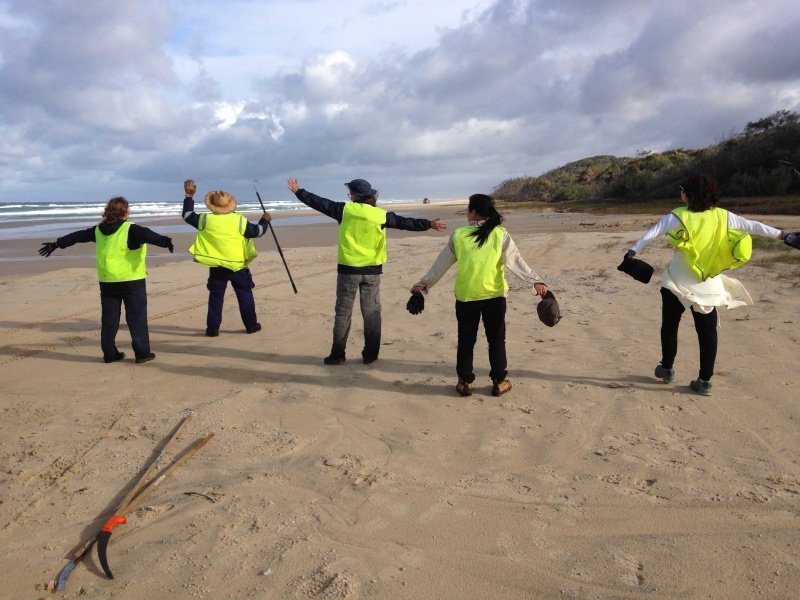
- Plant native trees and prepare planting sites ahead of the growing season
- Raise native seedlings in project nurseries during summer months
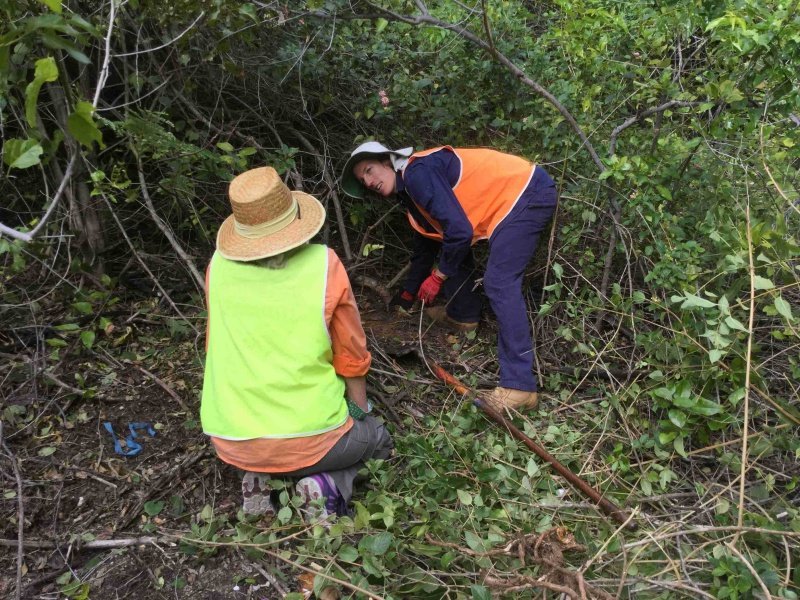
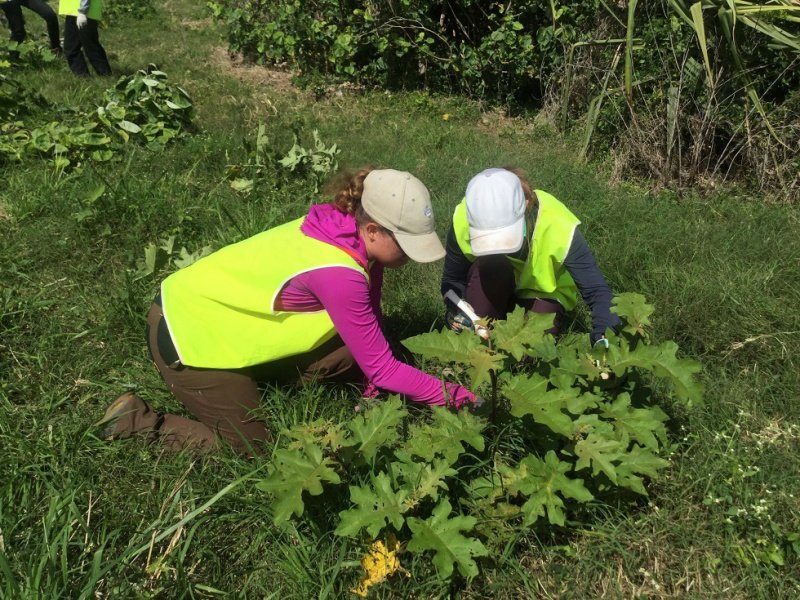
- Remove invasive weeds and help with pest control across project sites
- Maintain walking tracks and trails
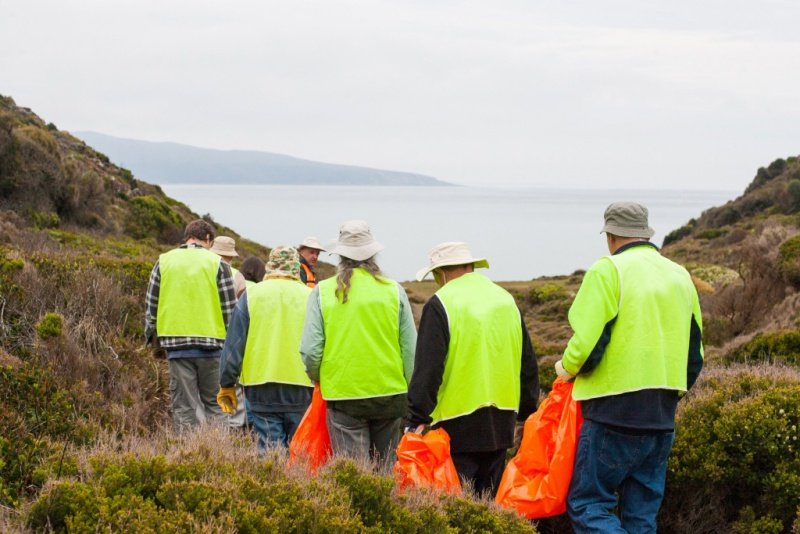
- Carry out litter clean-ups at parks, streams and coastal areas
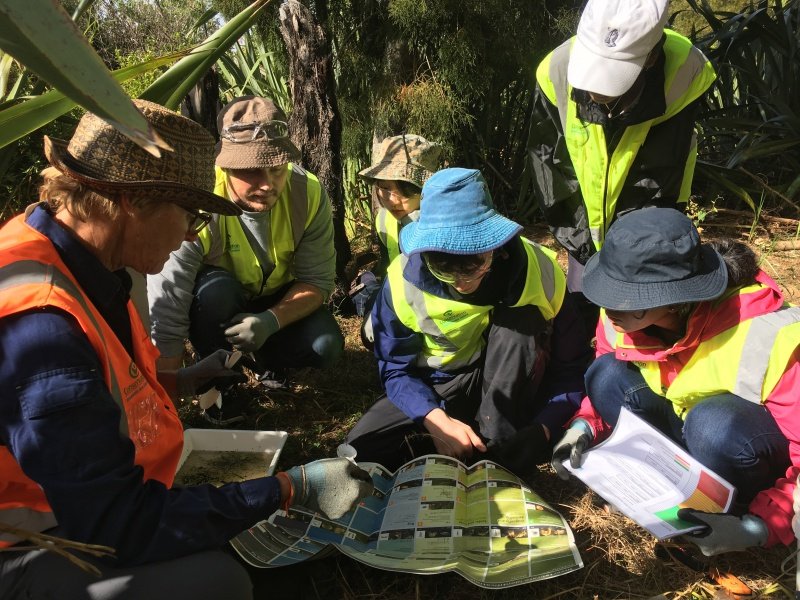
- Assist with wildlife monitoring under your team leader's instruction
- Help restore river corridors, wetlands and coastal dune areas
- Help prepare the evening meal, wash dishes and complete domestic duties at the volunteer accommodation
Exact duties vary with the placement's needs, the season and your experience.
Role boundaries
You do not choose which conservation activity you do on a given day, work with tools before being trained on them, or handle wildlife independently — any animal monitoring happens only under the team leader's instruction and follows the local animal welfare policy. A project coordinator and team leader set each day's tasks, explain the project's aims and safety requirements, and work alongside you on-site throughout.
A typical day and week
Projects normally run for 5 days per week, with one or two days free per week for relaxing or sightseeing. Project hours are from 8 AM – 4 PM daily, although this can vary on some projects when required by seasonal conditions or project activities.
Volunteers travel to a different project location every week or two. This means that in a 6-week Conservation Experience, you could visit at a range of locations and undertake several different conservation activities., depending on conservation needs and project availability at the time. We incorporate as much variety into our program as possible, while focussing on essential conservation as the main outcome.
All volunteers receive an orientation session lasting around one hour and this is provided when they arrive to join the program at 11 am on a Friday.
Following this, volunteers will either be moved to the local volunteer accommodation, or to regional placements by train, bus or vehicle (we make all travel arrangements for the volunteers). The first weekend is free time for the volunteers, though some travel may occasionally be required on Sunday if they are going to a very remote project location.
Volunteers will be advised when their Team Leader will pick them up for the first project – usually 8 AM on Monday morning (times may vary slightly by season).
Additional inductions take place on every project site, carried out by the Team Leader before the volunteers begin each activity. These cover:
-
The conservation aims of the specific project
-
How it will be carried out, including any instruction or training required for the volunteers
-
Essential safety information
-
Facilities on site / nearby
Timings are the placement's usual pattern; the local team confirms your hours at orientation, and they can change with school terms, clinic rotas, weather and the project's needs.
Who can join and what you need
- Minimum age 18
- No previous conservation experience needed
- Reasonable level of fitness — comfortable being active outdoors for five to six hours a day
- Open, flexible attitude and willingness to work outdoors and get hands dirty
- Bring your own sleeping bag and be prepared to share bedrooms and bathrooms
- Declare any pre-existing injuries, allergies or medical conditions at the time of booking
- Travel and medical insurance (your own policy or the one Volunteering Solutions arranges)
The placement, its limits and your part in it
Volunteering Solutions works with a local partner organization in New Zealand that runs conservation projects across the North and South Islands, from native plantings in Auckland's regional parks to river corridor restoration in Christchurch and forest corridor work in Wellington. A project coordinator meets you at the start of the program, and a team leader works alongside you on-site every day, explaining each project's aims, training you on tools and safety before you begin, and deciding the day's activities according to the season, weather and the local team's conservation needs.
Any wildlife monitoring or contact happens only under the team leader's instruction and follows the local animal welfare policy; you do not handle animals independently or set the conservation program yourself. Your contribution is the practical labor of a rotating volunteer team — planting, weeding, clearing tracks, monitoring and site preparation — carried out alongside the local team's ongoing work, not a stand-alone project you run on your own.
Our standards
- Responsible volunteer travel policyHow we choose, run and review every project
- Animal welfare policyOur rules for wildlife, marine and animal-care projects
- Certified B CorporationSocial and environmental performance verified by B Lab
- How we volunteer responsibly in New ZealandCountry-level partner context and standards
Start dates
Weekly start dates, year-round — pick any week across the next two years.
Program fees by duration
Prices include your $249 booking deposit — which is deducted from your total program fee. Your deposit stays valid for one year, during which you may enroll in multiple programs. A 5% international banking fee applies to credit-card payments in USD or AUD.
| Duration | Total price | |
|---|---|---|
| 1 week | $831 | |
| 2 weeks | $1,263 | |
| 3 weeks | $1,744 | |
| 4 weeks | $2,199 | |
| 5 weeks | $2,644 | |
| 6 weeks | $3,094 | |
| Each additional week | +$595 / week |
Indicative conversion — your booking is charged in the currency you choose at checkout.
✓ What you're paying for
- All meals, including on weekends
- All accommodation, including on weekends
- Project-related travel
- Volunteers wildlife or plant guidebook
- Pre Departure Information
- Orientation and Induction on arrival
- Local Project Support
- Certificate of Participation (On Request)
Not included
- Travel to starting point at office
- Visa and passport charges
- Flights Cost
- Departure, airport and airline charges
- Laundry, medical expenses, personal travel insurance and items of a personal nature
Accommodation & meals
Arrival in New Zealand
All participants need to arrive at the meeting point address provided to them on the program start date i.e Friday at 11am. Full address and instructions shall be provided to the participants beforehand. Please note that airport pickup is not provided in the program and participants need to arrive directly at the provided address.
Orientation
As soon as you arrive at the location of your choice, you have to report to your assigned project site, where you would be met by your project coordinator. He/she would give you a detailed orientation. Areas like safety, locations, transportation, things to see etc will be covered in the Orientation. After your orientation is over, you will be taken to your accommodation and given the rest of the day to settle. Depending on the arrival date, you may have the weekend to explore the place and you are free to do so.
Accommodation
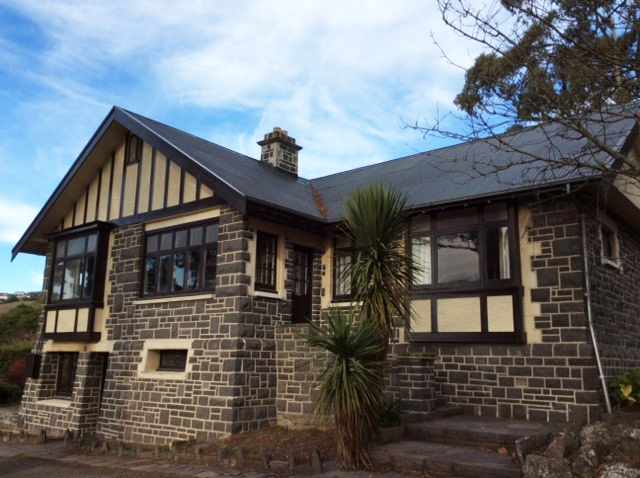
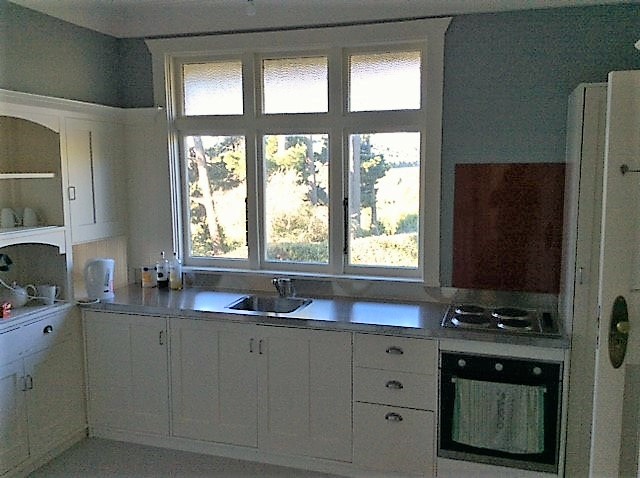
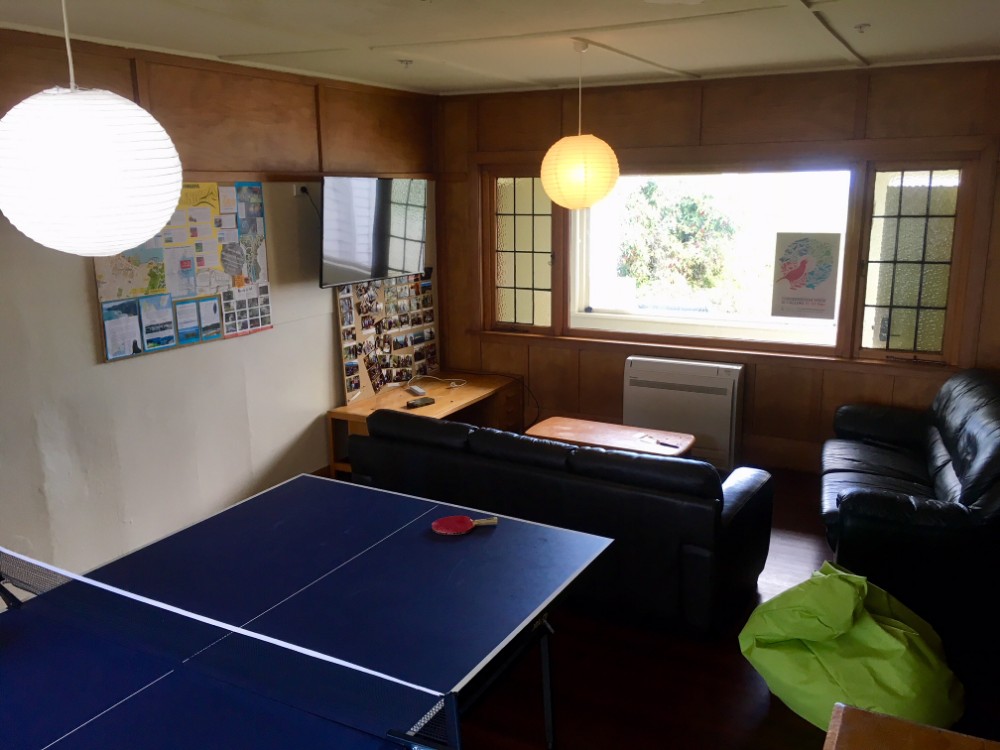
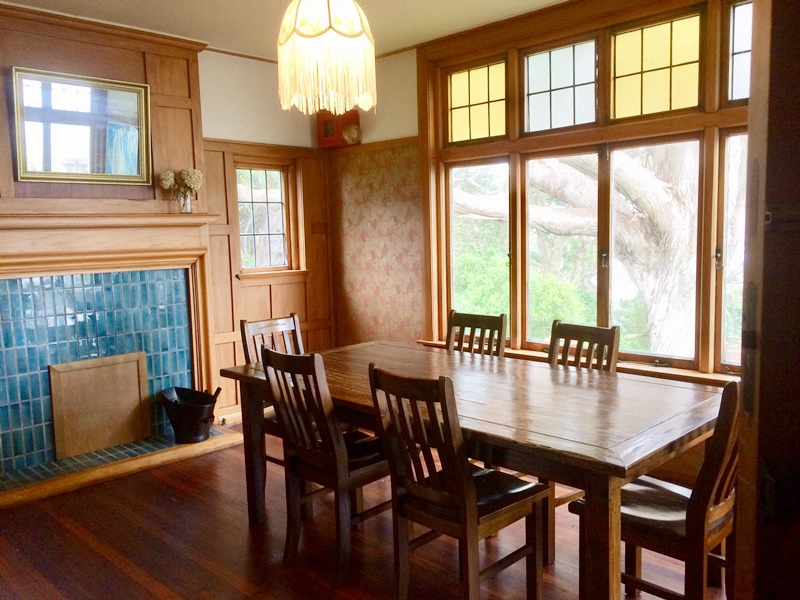
The type of accommodation provided to the volunteers varies according to the project location and would be either in a hostel or a volunteer house. All the accommodations would be clean and comfortable.All volunteers are required to bring a sleeping bag with them and be prepared to share bedrooms and bathrooms.
Meals
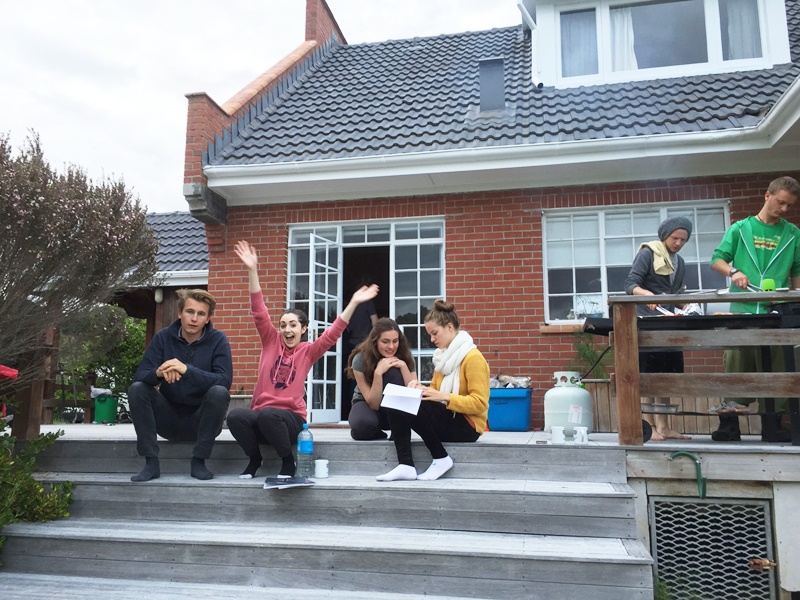
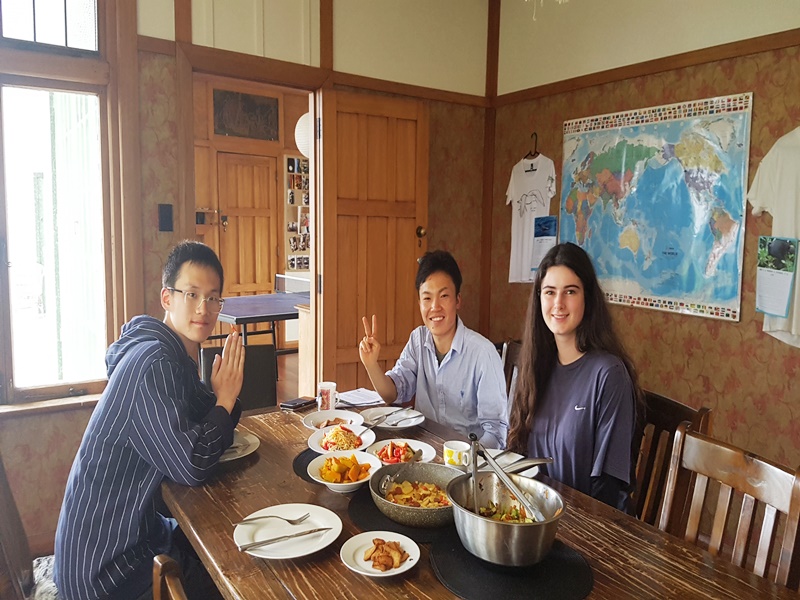
The meals provided reflect the local diet within New Zealand. For breakfast volunteers are generally supplied cereals, bread or toast, tea and coffee. Lunch is normally a self-made sandwich and fruit; in the evening volunteers enjoy a meal prepared by the group, typically something like pasta, roast or a vegetarian option. Volunteers help with the preparation of meals and cleaning up of dishes, plus some domestic duties as required. We rely on every volunteer to participate fully in the program, and the evening meal is a popular part of the day.We can cater for vegetarians but if volunteers have very specific dietary requirements (for example, food allergies), they may need to provide their own food. Please advise any special dietary requirements at the time of booking.
During your Free Time
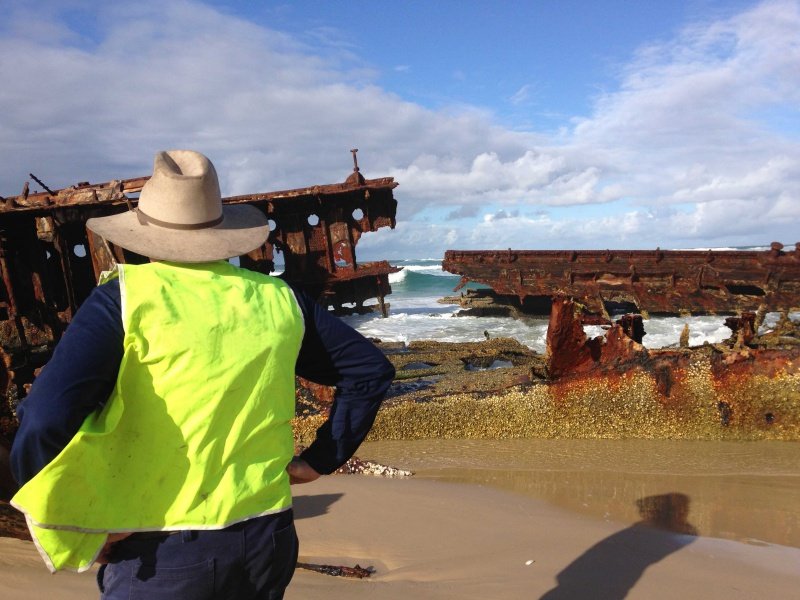
You will have free time on the weekends and there are plenty of things to do and many places can be visited over the weekends. Participants can travel to main city locations on the weekends depending on the free time allocated by their project leader. For those participants in North Island, you can head out to Auckland to explore the city and those in the South Island can head out to Queenstown or Christchurch for the weekend.
.jpg)

Life on the program
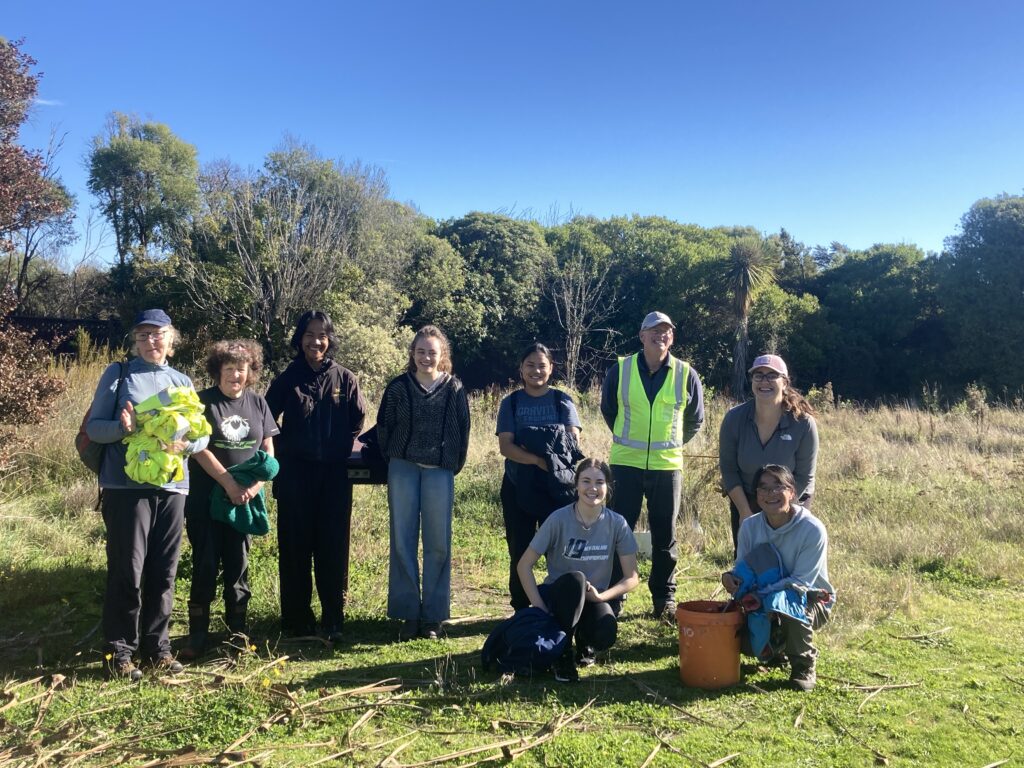
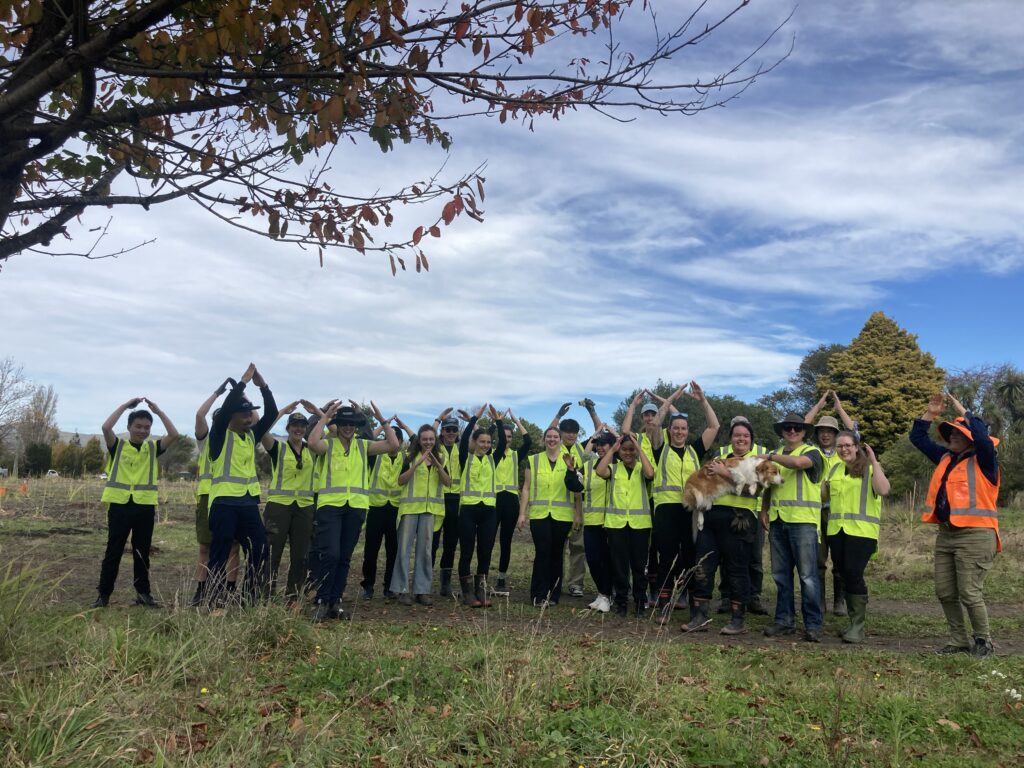
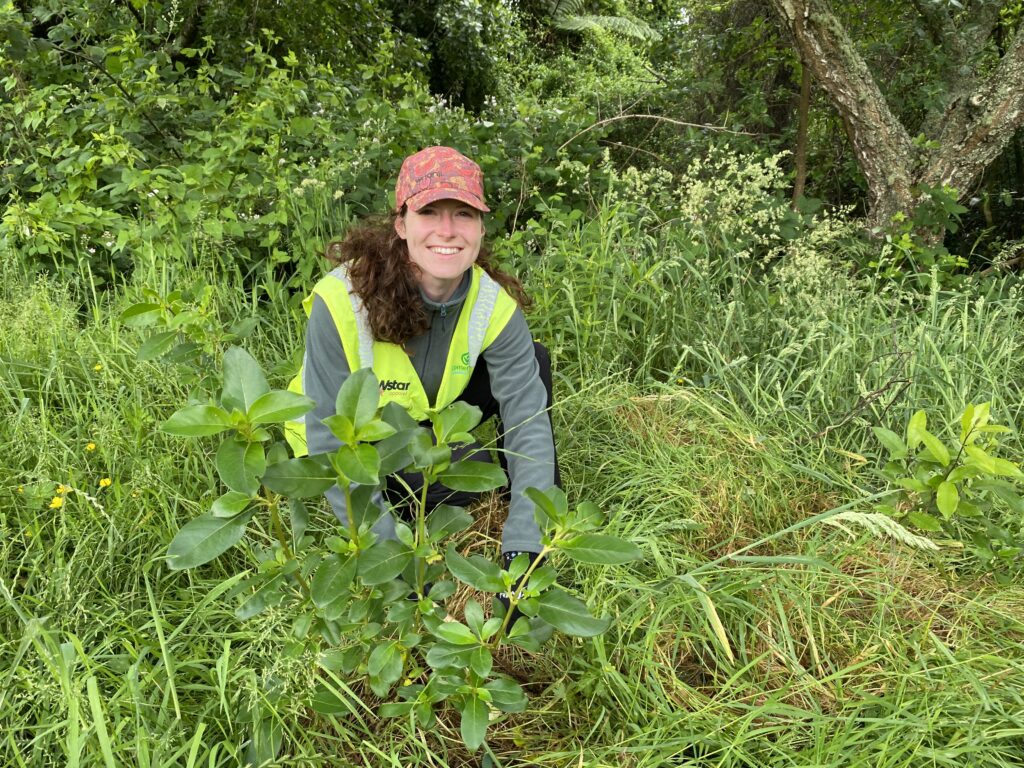
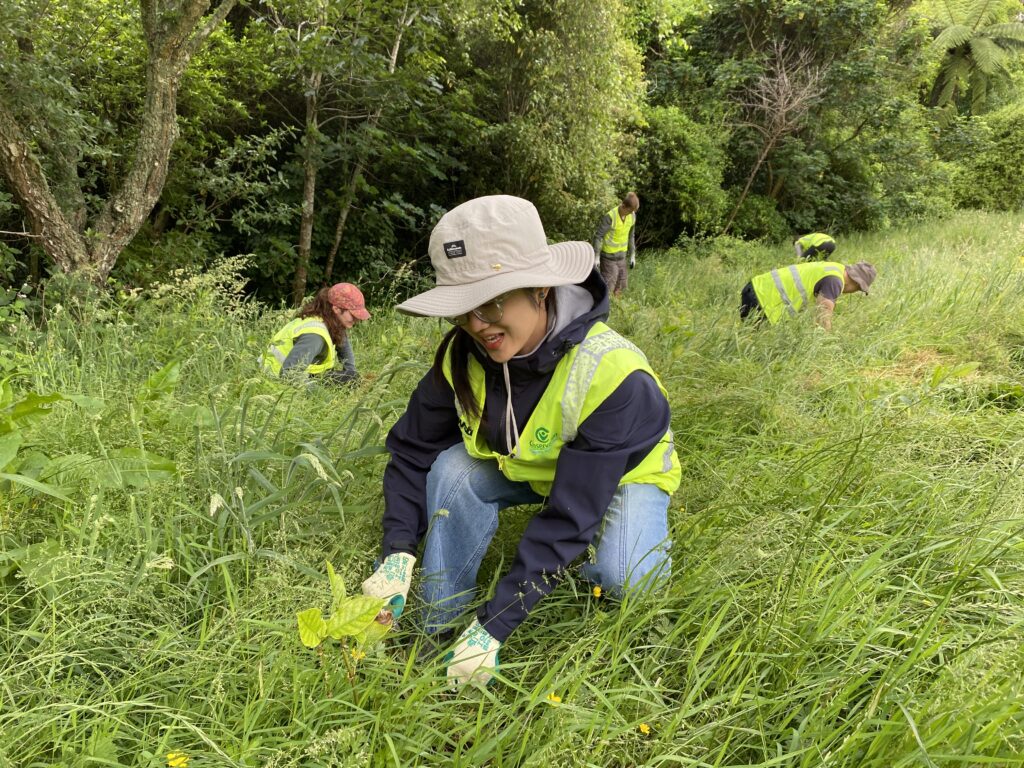
Getting there and who looks after you in New Zealand
Getting to the meeting point
There is no airport pickup on this program. You make your own way to the meeting point in Auckland, Wellington, Christchurch or Punakaiki, arriving by 11am on your Friday start date; the exact address is sent to you in advance.
Orientation on arrival
Your project coordinator and team leader meet you at the meeting point and run an orientation of about an hour, covering safety, project locations and transport. After orientation you are taken to your volunteer house accommodation to settle in.
First weekend
The first weekend after arrival is free time, though occasional Sunday travel is required if your project location is remote. You will be told when and where your team leader will collect you for the first project, usually 8am on Monday.
First project day and ongoing support
At each new project site, the team leader runs a further site induction covering the project's conservation aims, any training needed, safety information and on-site facilities, then works alongside you daily and supplies a wildlife or plant guidebook. A local emergency contact is available around the clock.
From volunteers in New Zealand
Frequently asked questions
What kind of work will I actually be doing?
Tasks depend on the season and the local team's needs and can include tree planting and site preparation, raising native seedlings, weeding, pest control, track maintenance, litter clean-ups and wildlife monitoring under your team leader's instruction.
Do I need conservation experience to join?
No previous experience is required; you do need a reasonable level of fitness and should be comfortable being active outdoors for five to six hours a day.
What does a typical day and week look like?
Projects run Monday to Friday, roughly 8am-4pm, with weekends free to relax or explore; you may move to a different project location every week or two.
How long can I volunteer and when do placements start?
Placements run 1–8 weeks, starting every week (fridays), with the next start on 25 Sep 2026.
What does the price include and how does the deposit work?
Prices start at $831 with the $249 deposit included; the deposit counts toward your total, is valid for a year and is refunded if no place can be offered. The fee covers accommodation, all meals, project travel, a wildlife or plant guidebook, orientation and local project support.
Where will I live and what will I eat?
You stay in shared volunteer house accommodation and bring your own sleeping bag, sharing bedrooms and bathrooms with other volunteers. All meals are included, including weekends: a self-made breakfast and packed lunch, plus a group-cooked evening meal such as pasta, roast or a vegetarian option.
Is airport pickup included?
No, this program does not include airport pickup. You travel independently to the meeting point in Auckland, Wellington, Christchurch or Punakaiki by 11am on your Friday start date, using the address sent to you in advance.
What support is there if something goes wrong?
A project coordinator and team leader run your orientation and work alongside you every day, and the local team provides a 24-hour emergency contact throughout your placement.
Do I need a visa, vaccinations or insurance?
Travel and medical insurance is compulsory, either your own policy or the one Volunteering Solutions arranges; specific visa and vaccination guidance is sent to you before departure.
Will I get to handle or interact with wildlife directly?
Any wildlife monitoring happens only under your team leader's direct instruction and follows the local animal welfare policy; you do not handle animals independently or for activities such as riding, bathing or photos.
Who is this program best suited for?
It suits anyone aged 18 or over who wants practical, seasonal outdoor conservation work, is reasonably fit, and is comfortable with shared accommodation and a flexible, changing project schedule.
Can I change my dates, program or destination after booking?
Yes, you can change your program, dates or destination free of charge up to 45 days before your start date.
Related pages
Schedule a meeting with a program advisor
We're here to help — a 20-minute one-on-one with detailed info, expert advice and application guidance.
Book a free meeting