 English (US) ▾
 Nederlands
 English (UK)
 Deutsch
 Italiano
 Português
 Español
Volunteer in South Africa
 Certified B Corporation
★ Rated 4.7/5 (1,461 reviews) 25,000+ volunteers since 2007
Certified B Corporation
★ Rated 4.7/5 (1,461 reviews) 25,000+ volunteers since 2007
Volunteer in South Africa with Volunteering Solutions in Cape Town and Port Elizabeth (Gqeberha) on nine programs: childcare and social welfare, teaching and sports coaching in township schools and community centers, a medical program for medical and nursing students in clinics and hospitals, an animal rescue and rehabilitation shelter, and a 2-week special with a wildlife safari — all in Cape Town; plus community childcare and youth support, a penguin and marine bird rescue center, and wildlife conservation on a private game reserve out of Port Elizabeth.
Programs start on fixed dates all year — Sundays in Cape Town, Mondays in Port Elizabeth — run from one week to 24 weeks, and are open from age 18 (17 in Port Elizabeth), with families welcome on the childcare, wildlife and 2-week special programs. South Africa combines serious community need with first-world infrastructure, English everywhere and weekends of Table Mountain, the Garden Route and Big Five safaris. Prices start at $653 for one week, deposit included.
Volunteer opportunities in South Africa
9 programs you can join right now — every card below and every link here goes to the program’s own page with live dates and prices.
- 2 Weeks Special Volunteer Program in South Africa — Join the amazing 2 Weeks Special Volunteer Program in South Africa – Cape Town, volunteer at a Childcare/Social Welfare Center, travel around during free time/weekends with fellow volunteers.
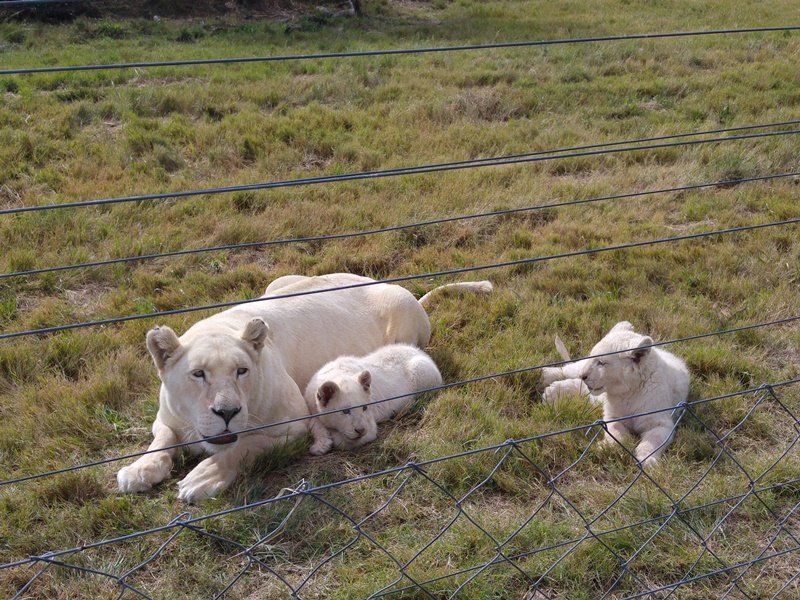
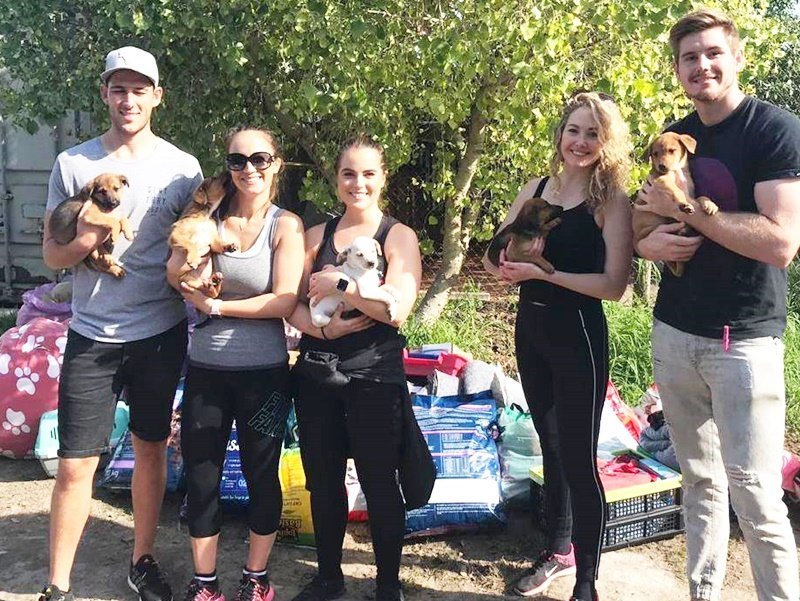
- Animal Rescue & Rehabilitation Project — Volunteers in the project work to rescue, treat and rehabilitate animals in need in suburban Cape Town area in an animal shelter.
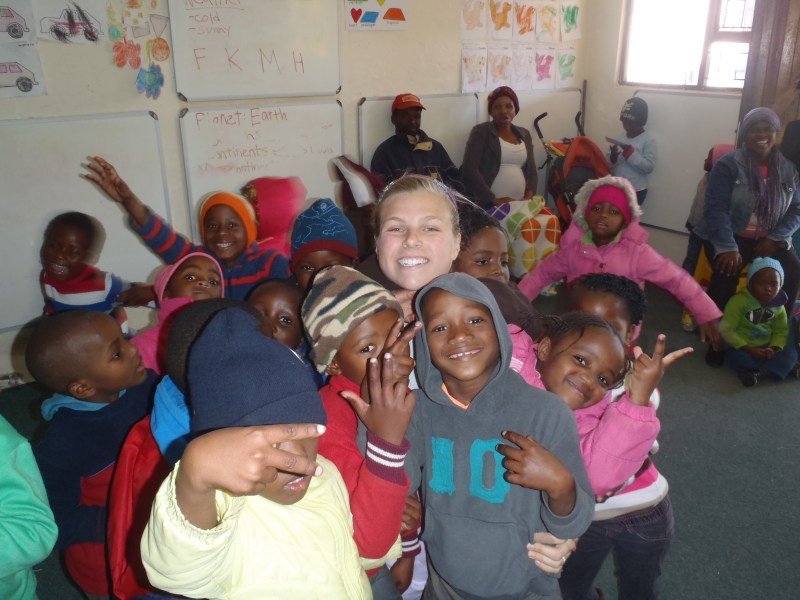
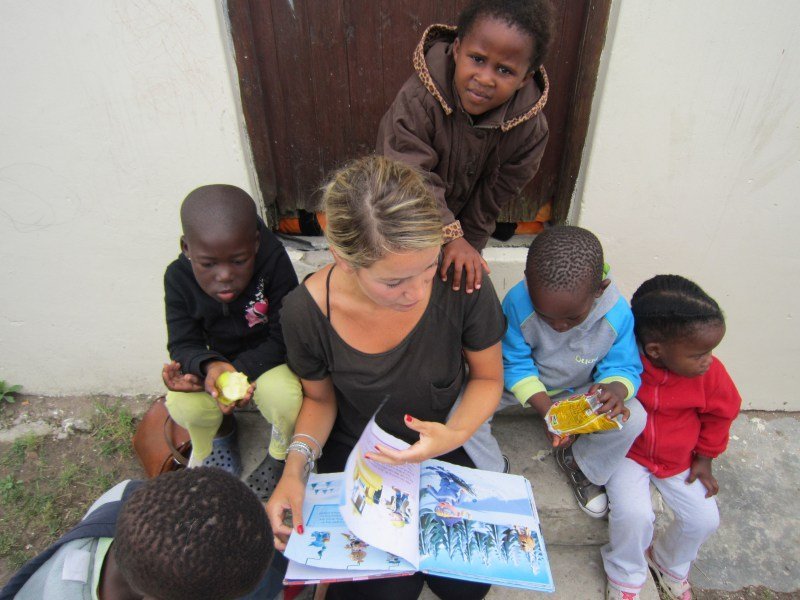
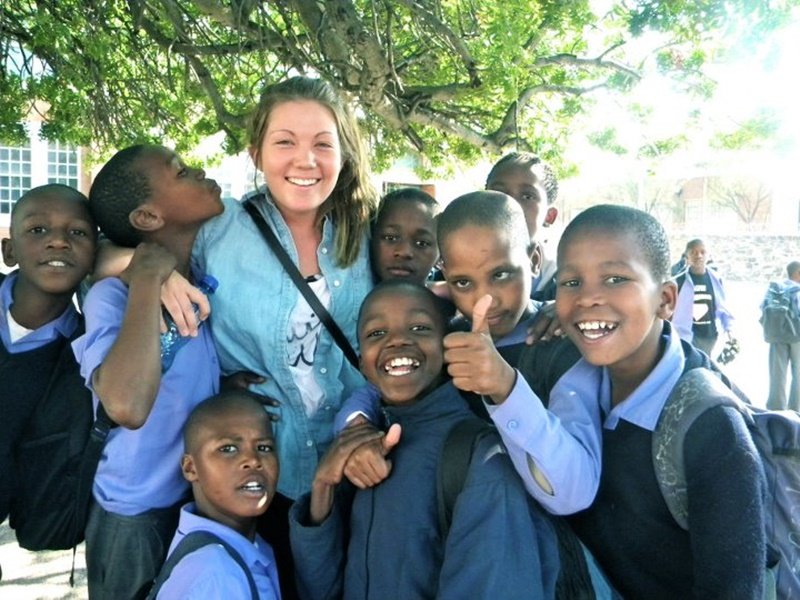
- Childcare and Social Welfare Volunteer in South Africa — Join childcare volunteer work in South Africa, work for the welfare of the local community and for children coming from lower income families.
- Community Childcare and Youth Support Program in Port Elizabeth — Make a difference in the lives of children and youth in South Africa by volunteering in Gqeberha (Port Elizabeth).
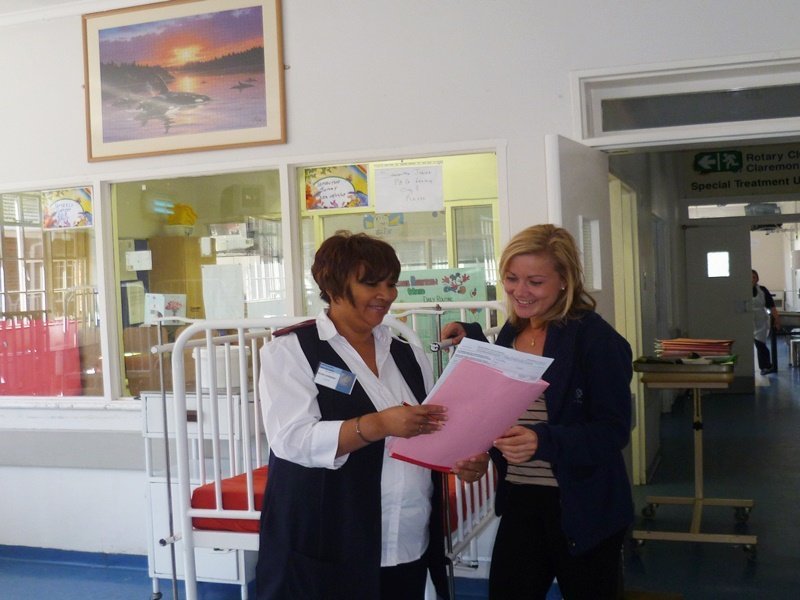
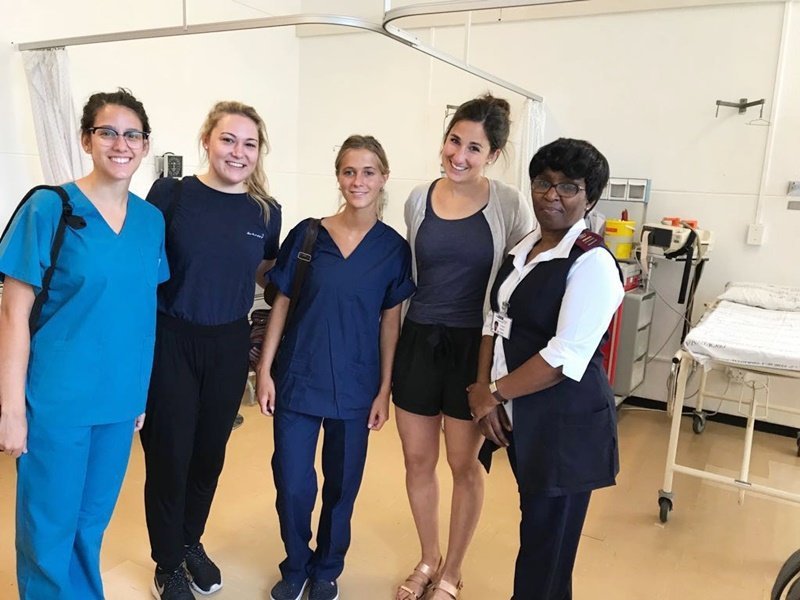
- Medical Volunteer Program in South Africa — Volunteer work in local healthcare clinics in and around Cape Town and assist staff in day-to-day work under professional guidance.This program offers an excellent opportunity for medical and nursing…
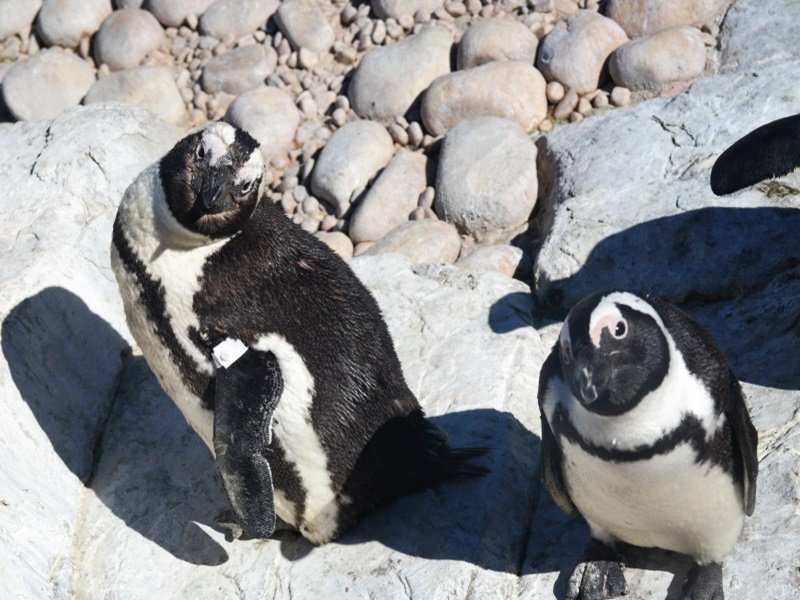
- Volunteer for the Penguin and Marine Bird Rescue Center — Volunteering Solutions offers a Penguin and Marine Bird Rescue Program in South Africa, focusing on rescuing and rehabilitating African Penguins and other marine birds affected by human impact.
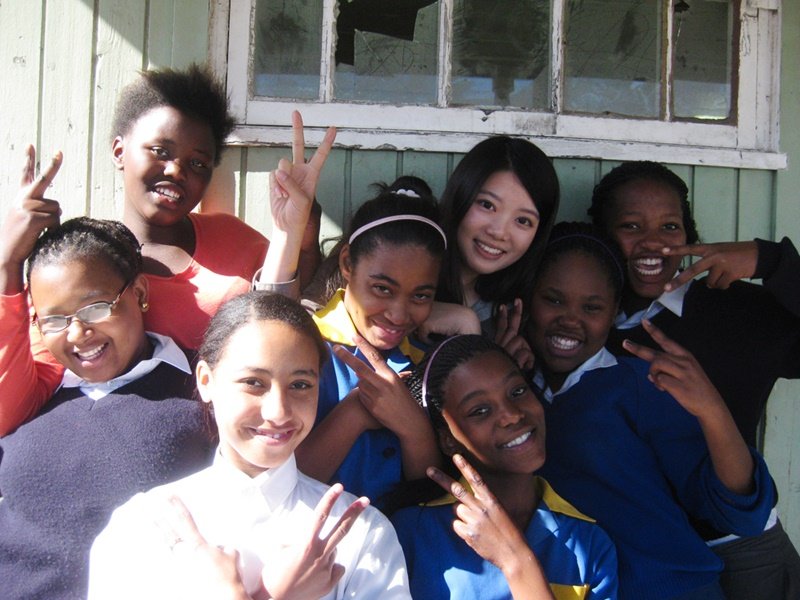
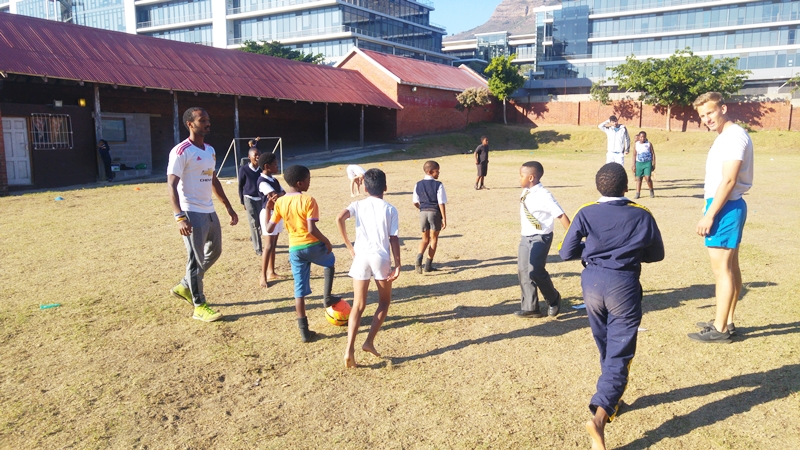
- Volunteer in Sports Development in South Africa — Volunteered in a sports development program in South Africa, providing sports training and life skills to children from underserved communities attending local primary schools.
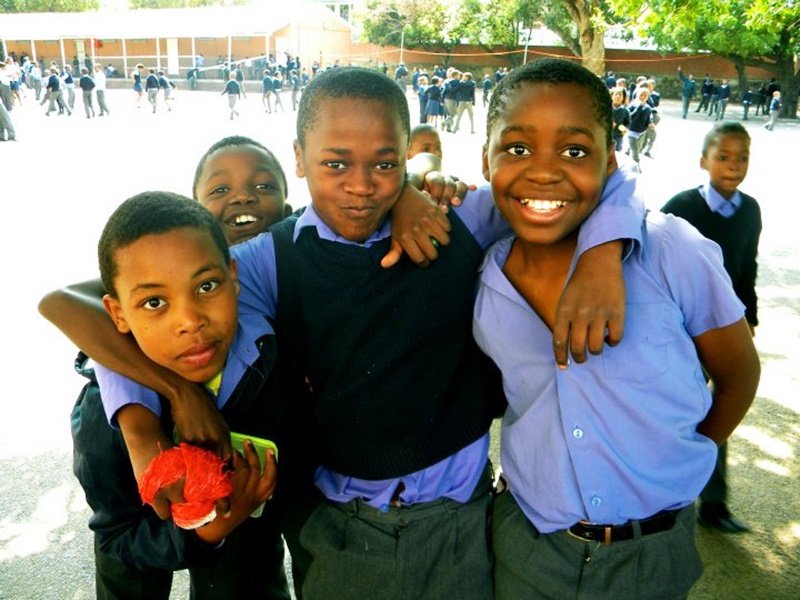
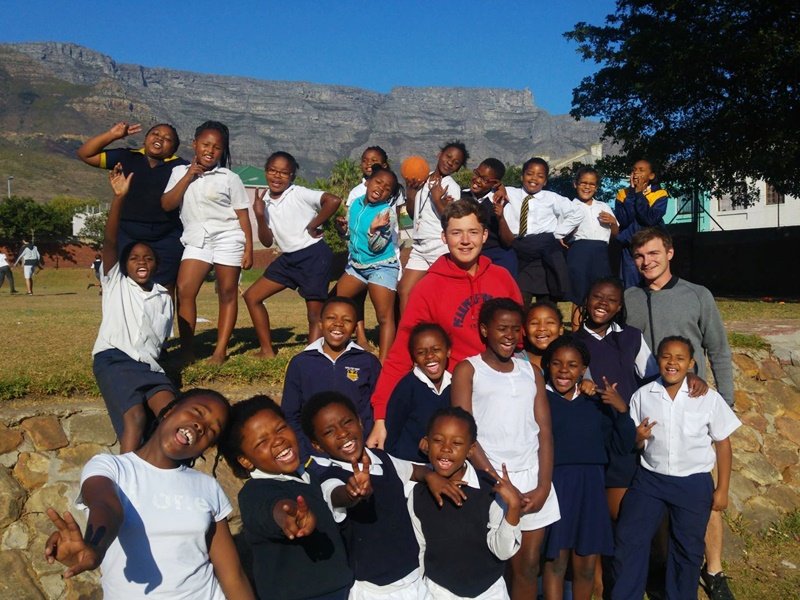
- Volunteer Teaching in South Africa – Cape Town — The Teaching Program is focused on assisting trained/qualified local teachers, in their day-to-day duties, to achieve their aim of educating and empowering children living in disadvantaged…
- Wildlife Volunteer Projects in South Africa — Be a part of wildlife volunteer program in South Africa, located near Port Elizabeth and get an opportunity to ethically experience African wildlife and make efforts for their preservation.
The impact you’ll make
Your time and energy will directly support long-standing community projects across Cape Town, where inequalities in education, healthcare and youth development are real and ongoing. By volunteering, you’ll become part of grassroots efforts that focus on sustainable growth, not quick fixes.
Whether you’re helping a child read their first book or assisting in a busy clinic, every day brings purpose.
Volunteering in South Africa at a glance
Projects you can join
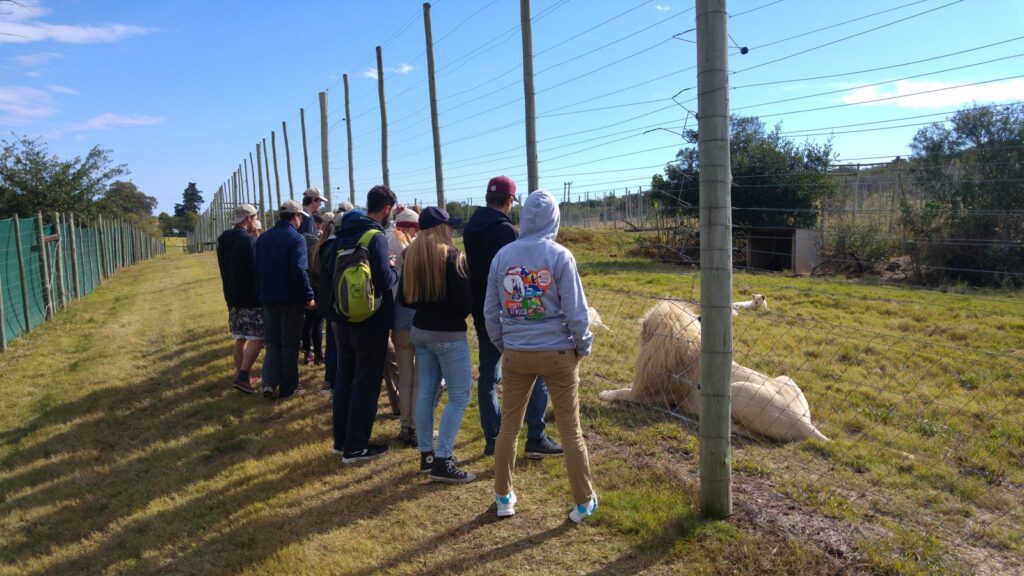
Wildlife Volunteer Projects in South Africa
Be a part of wildlife volunteer program in South Africa, located near Port Elizabeth and get an opportunity…
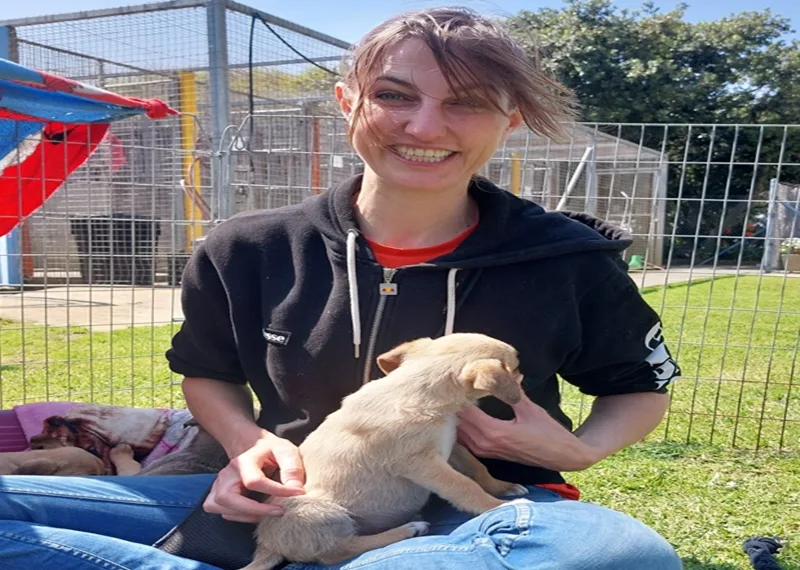
Animal Rescue & Rehabilitation Project
Volunteers in the project work to rescue, treat and rehabilitate animals in need in suburban Cape Town area…
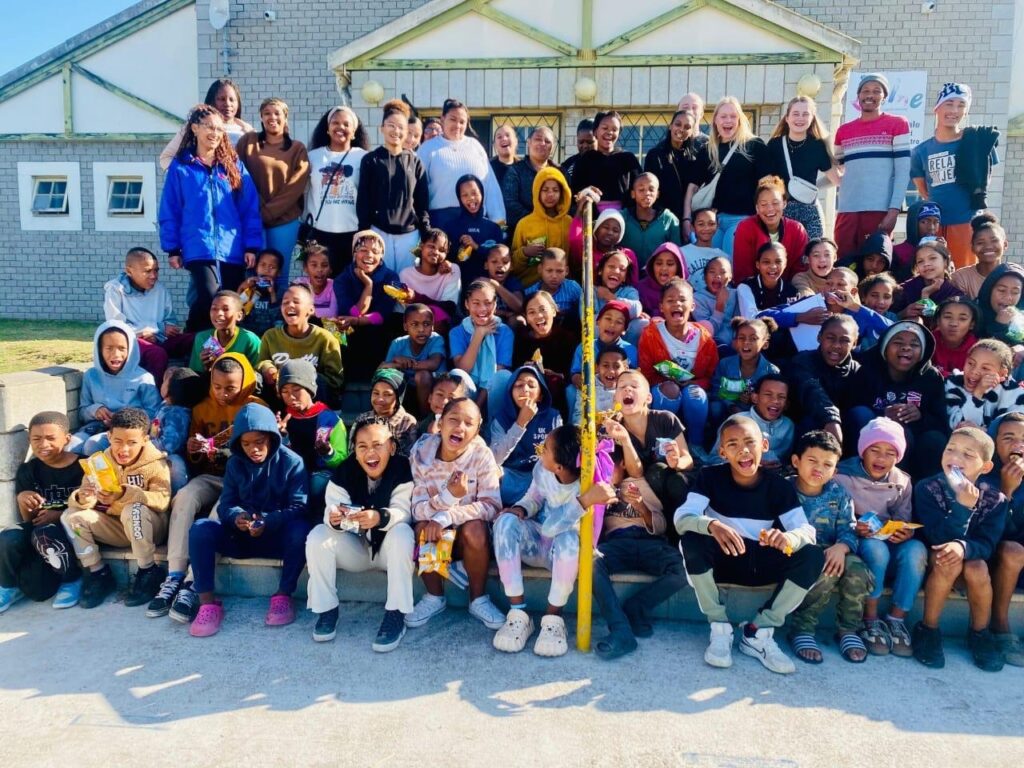
Community Childcare and Youth Support Program in Port Elizabeth
Make a difference in the lives of children and youth in South Africa by volunteering in Gqeberha (Port…
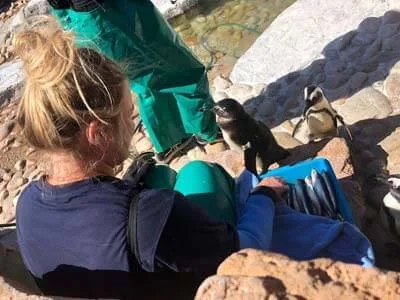
Volunteer for the Penguin and Marine Bird Rescue Center
Volunteering Solutions offers a Penguin and Marine Bird Rescue Program in South Africa, focusing on rescuing and rehabilitating…
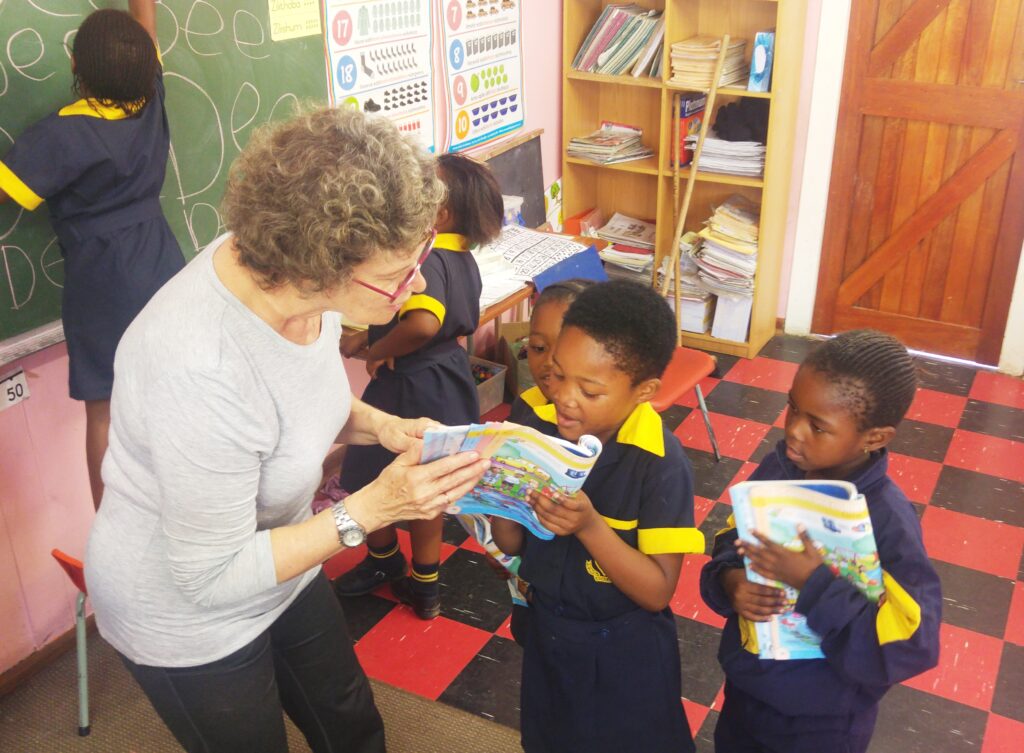
Volunteer Teaching in South Africa – Cape Town
The Teaching Program is focused on assisting trained/qualified local teachers, in their day-to-day duties, to achieve their aim…
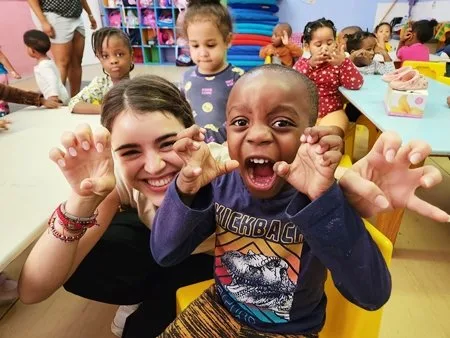
Childcare and Social Welfare Volunteer in South Africa
Join childcare volunteer work in South Africa, work for the welfare of the local community and for children…
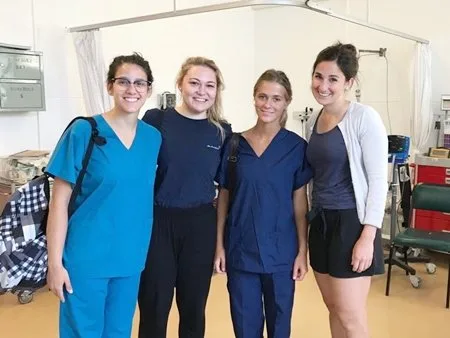
Medical Volunteer Program in South Africa
Volunteer work in local healthcare clinics in and around Cape Town and assist staff in day-to-day work under…
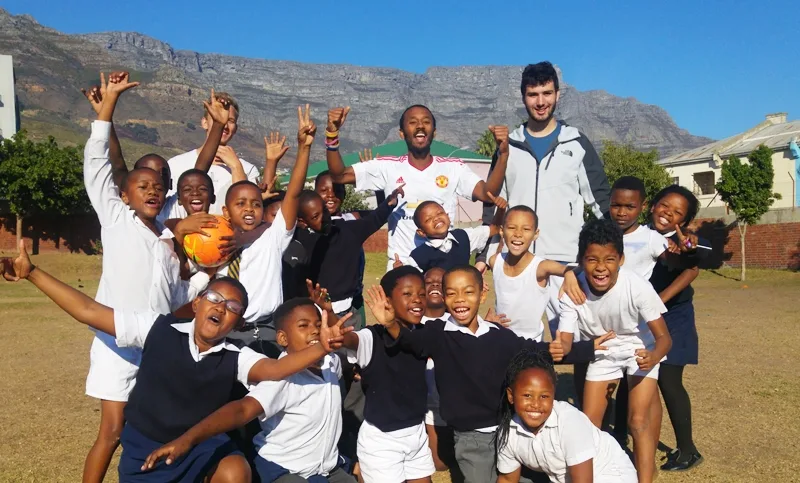
Volunteer in Sports Development in South Africa
Volunteered in a sports development program in South Africa, providing sports training and life skills to children from…
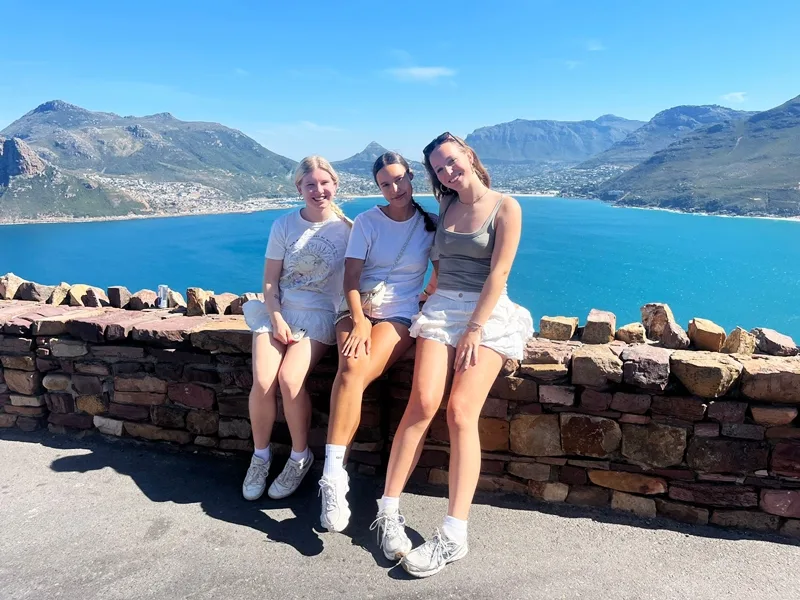
2 Weeks Special Volunteer Program in South Africa
Join the amazing 2 Weeks Special Volunteer Program in South Africa - Cape Town, volunteer at a Childcare/Social…
What it costs to volunteer in South Africa
All-in prices: accommodation, the meals listed for the program, airport pickup where listed, orientation, placement and in-country support are included.
| Program | Location | Duration | From |
|---|---|---|---|
| Childcare and Social Welfare Volunteer in South Africa | Cape Town | 1-24 Weeks | $653 1 week |
| Animal Rescue & Rehabilitation Project | Cape Town | 2-12 Weeks | $774 2 weeks |
| Volunteer in Sports Development in South Africa | Cape Town | 2-24 Weeks | $774 2 weeks |
| Volunteer Teaching in South Africa – Cape Town | Cape Town | 2-24 Weeks | $774 2 weeks |
| Medical Volunteer Program in South Africa | Cape Town | 2-24 Weeks | $1,024 2 weeks |
| 2 Weeks Special Volunteer Program in South Africa | Cape Town | 2 Weeks | $1,094 2 weeks |
Includes the $249 booking deposit (counts toward your total, valid for a year, refunded if we cannot place you). Longer stays lower the weekly rate — each program page has the full week-by-week table.
What your fee covers
- Cape Town: accommodation at the volunteer hostel in Observatory (4–8-bed dorms) or with a host family in a local community; weekday breakfast at the hostel, or three meals a day with a host family
- Port Elizabeth: accommodation at the volunteer house near the beach with three meals a day, daily transfers to and from your project, a welcome pack with a free SIM card, and a direct donation to the project
- Wildlife reserve: shared dorms on the reserve, all meals, a guided wildlife tour, reserve T-shirt and cap, and weekend transport to Port Elizabeth or Jeffreys Bay
- Airport pickup (Cape Town shuttle; Port Elizabeth pickup and drop-off)
- Orientation, program placement, 24-hour staff assistance and a comprehensive pre-departure guide
- 2-week special: a 2-day wildlife safari tour and a walking tour of Cape Town
Not included
- Flights, visa fees where they apply, and vaccinations (rabies and tetanus are compulsory for the animal rescue project)
- Travel and medical insurance (compulsory — our partner policy is available at extra cost)
- Cape Town: daily transport to your project by minibus taxi, lunches and dinners at the hostel, and the return airport transfer (can be arranged at extra cost)
- Weekend outings and safaris, snacks and drinks, and personal expenses
Cape Town community programs are the lowest-priced and run from one or two weeks up to 24; the medical program costs more because placements are in clinics and hospitals with additional vetting; Port Elizabeth programs include three meals a day and daily transfers; the penguin rescue center has a four-week minimum. Every program page shows the full week-by-week total.
Where you stay and what you eat in South Africa
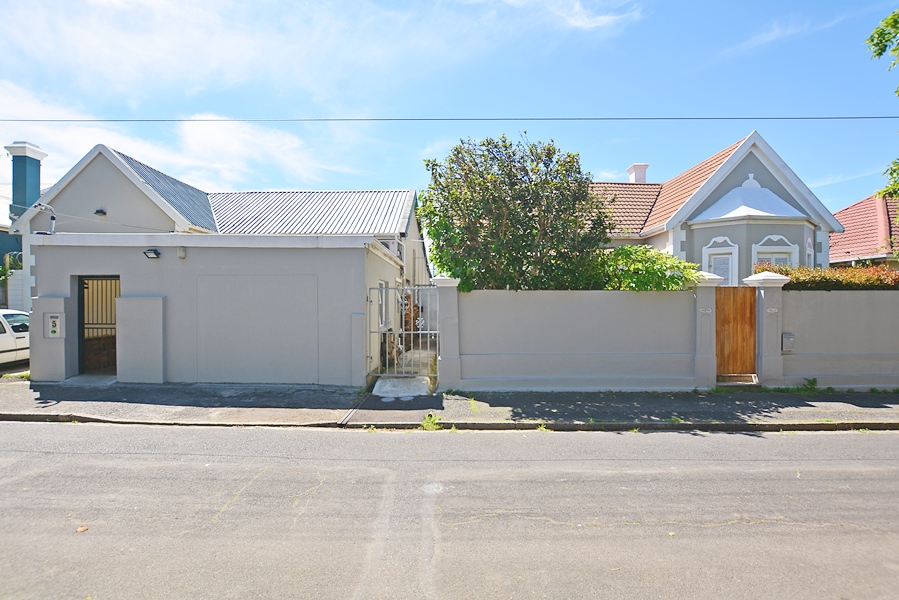
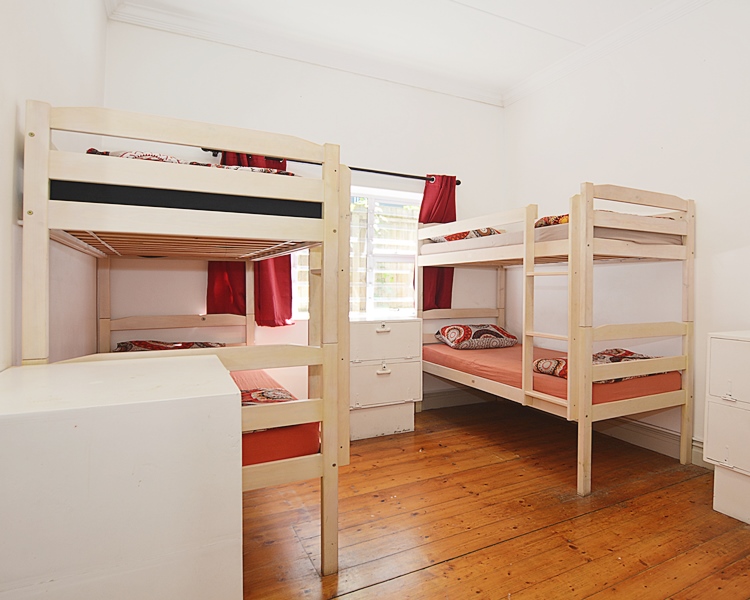
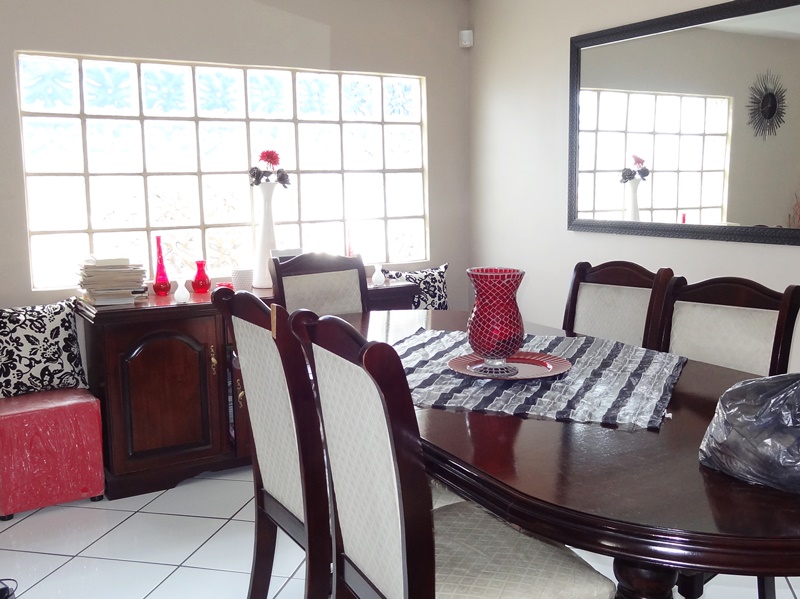
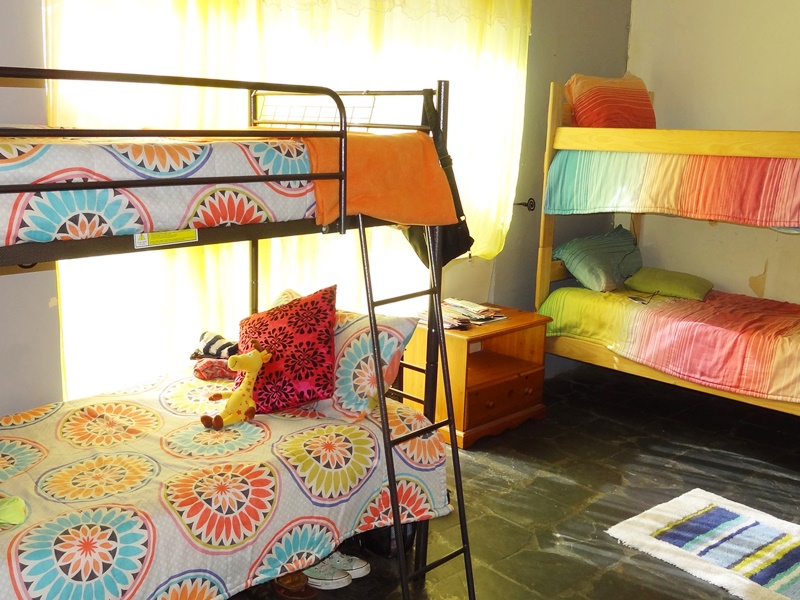
Cape Town: most volunteers stay at the volunteer hostel in Observatory, a leafy suburb about 20 minutes from the city center with shops, restaurants, public transport and beaches close by. It is a backpacker-style house used only by program participants, with 4–8-bed dorms, a lounge for movie nights and braais, a kitchen, and a secure, clean, sociable atmosphere shared with volunteers from around the world. A self-service breakfast (cereals, eggs, bread, fruit, tea and coffee) is provided on weekdays; lunch, dinner and weekend meals are your own — eaten out cheaply nearby, ordered in or cooked in the house kitchen. Alternatively you can live with a host family in a local community, with three meals a day: breakfast before the project, a packed lunch and dinner at home. You travel to your project by minibus taxi, cheap and efficient.
Port Elizabeth: the volunteer house is a grand old home with modern touches, a swimming pool for summer and a fireplace for winter, well secured and within walking distance of the beach, restaurants, laundry and shops. Private rooms for singles or couples are available on request with a surcharge. Three meals a day follow a weekly set menu prepared by the cook with your help — a continental breakfast buffet, make-your-own sandwiches for lunch at the project, and hearty dinners such as soups, stews and oven dishes; vegetarians and vegans are catered for if you tell us in advance, and coffee, tea and water are free all day.
Wildlife reserve: same-gender dorms on the reserve, about 45 minutes from Port Elizabeth Airport, with an entertainment area, lounge and TV room, internet at set hours and meals seven days a week; couples' rooms can be arranged at extra cost subject to availability.
Arriving in South Africa and who looks after you
Cape Town programs
fly into Cape Town International Airport (CPT), where a representative meets you and a shuttle takes you to the volunteer hostel (volunteers arriving overland make their own way). You are housed at the hostel during orientation, then move to a host family if that is your choice.
Port Elizabeth programs
arrive at Port Elizabeth Airport (PLZ) on your Monday start date; the team collects you and drops you back at the end of your stay. Wildlife-reserve volunteers must land before 4pm for the scheduled transfer to the reserve.
Orientation
On your first Monday in Cape Town the local coordinator covers safety, living in and getting around the city, culture and your project, then takes you to your placement; the 2-week special adds a walking tour of Cape Town. In Port Elizabeth you receive a welcome pack with an information guide, free SIM card and maps, an introduction to the program and a tour of the area before starting; on the reserve, coordinators give a basic orientation and a weekly itinerary of roles.
Your working week
Cape Town placements typically run 8am–3pm Monday to Friday after a 7:30am departure; Port Elizabeth projects include daily transfers; reserve volunteers follow the weekly itinerary with weekend transport to town. Coordinators are reachable 24 hours a day everywhere.
Staying safe in South Africa and who can join
South Africa has a high crime rate in places, and we treat safety seriously rather than glossing over it: our Cape Town hostel is in the safe, well-served suburb of Observatory and used only by volunteers; host families are in communities the coordinators know; the Port Elizabeth house is well secured near the beachfront; and coordinators are reachable 24 hours a day. The rules given at orientation are the ones that matter — do not walk alone after dark, travel in groups at night and use Uber or arranged transport rather than walking, keep phones and cash out of sight, use minibus taxis only on the routes the team shows you, avoid displaying valuables in township areas, and never resist a robbery. Followed sensibly, they let thousands of volunteers enjoy South Africa every year.
Health: no vaccinations are required for entry from Europe, North America or Australasia (a yellow fever certificate is needed if arriving from a yellow-fever country); routine vaccinations should be current and hepatitis A and typhoid are commonly recommended. The animal rescue project requires rabies and tetanus vaccinations. Tap water is safe in Cape Town and Port Elizabeth. Check NHS Fit for Travel or the CDC before departure. Visa: UK, Irish, most EU, US, Canadian, Australian and New Zealand passport holders enter visa-free for up to 90 days; placements over 90 days need a volunteer visa arranged in advance. Passports need six months' validity and blank pages.
Who can join: minimum age 18 in Cape Town and on the reserve, 17 in the Port Elizabeth community program (with parental consent); families are welcome on the childcare, wildlife and 2-week special programs. A clean criminal background check is required on all programs. The medical program accepts medical and nursing students, physician assistants, CNAs and EMTs — not pre-med students — and needs a CV, passport copy, proof of studies or registration and a short motivation letter. The penguin center needs a four-week minimum and outdoor fitness.
Requirements checklist
- Minimum age: 17+ — younger children can join the family-friendly programs with a parent; minimum ages vary by project. Family volunteering
- Background check: required for placements with children or vulnerable adults — issued within 12 months of your start date, in English or with a translation. How to get one
- Travel insurance: comprehensive cover for your whole stay is compulsory; you can bring your own or take the policy we arrange. Insurance details
- Safeguarding: every volunteer follows our code of conduct for children and vulnerable adults, explained again at orientation. Read the policy
📘 Planning in more depth? Read our South Africa costs, visa and safety guide.
How we volunteer responsibly in South Africa
Our South African partners are township schools and crèches, social welfare and youth centers, community clinics and hospitals, an animal rescue shelter, a penguin and marine bird rehabilitation center and a private wildlife reserve, each with its own professional staff. Volunteers assist teachers, carers, coaches, nurses, vets and rangers; they do not run classes alone, provide medical care beyond their training, or work unsupervised with children.
All placements with children follow our child protection policy — background checks before arrival, no photographs without permission, no gifts to individual children, and no orphanage tourism. Animal and wildlife work follows our animal welfare policy: rescued birds and animals are rehabilitated for release wherever possible, there is no petting for photographs, and reserve work (monitoring, habitat management, anti-poaching support) is directed by the reserve's conservation team. The Port Elizabeth programs include a direct donation to the project's needs from your fee.
South Africa's inequalities are visible every day on a placement. Come to listen and support local leadership rather than to fix, and expect the community to teach you as much as you contribute.
Our standards
- Responsible volunteer travel policyHow we choose, run and review every project
- Safeguarding policyProtecting children and vulnerable adults on every placement
- Animal welfare policyOur rules for wildlife, marine and animal-care projects
- Certified B CorporationSocial and environmental performance verified by B Lab
Life outside the project in South Africa
Best time: November to March is summer — warm, dry in Cape Town and the best time for beaches and Table Mountain; the Port Elizabeth coast is mild year-round; winter (June–August) brings rain to Cape Town but is prime whale-watching and safari season, with cooler days better for wildlife viewing. Programs run all year.
Getting around: minibus taxis and Uber in the cities, the MyCiTi bus in Cape Town, and cheap domestic flights and the Baz Bus backpacker route between Cape Town and Port Elizabeth. Weekends from Cape Town: Table Mountain, Robben Island, the Cape Peninsula and Boulders Beach penguins, the Winelands, Hermanus whale watching, and Aquila or Inverdoorn game reserves for a first safari. From Port Elizabeth: Addo Elephant National Park, Jeffreys Bay surf, Tsitsikamma and the Garden Route, sandboarding on the dunes; reserve volunteers get weekend transport to town.
Etiquette: South Africans are friendly and direct; greet everyone, learn a few words of isiXhosa or Afrikaans, respect township communities as neighborhoods rather than attractions, and ask before photographing people. Our Things to Do in South Africa guide has more.

Travel on your weekends
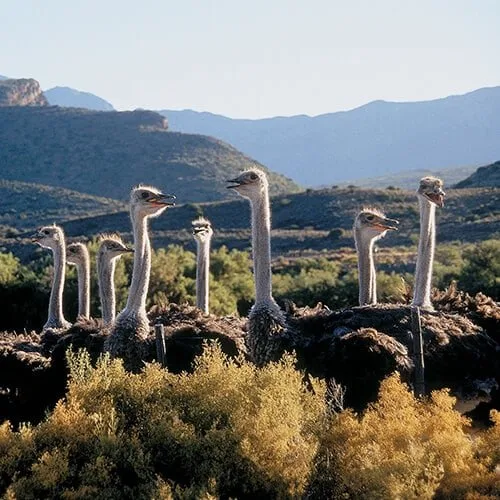
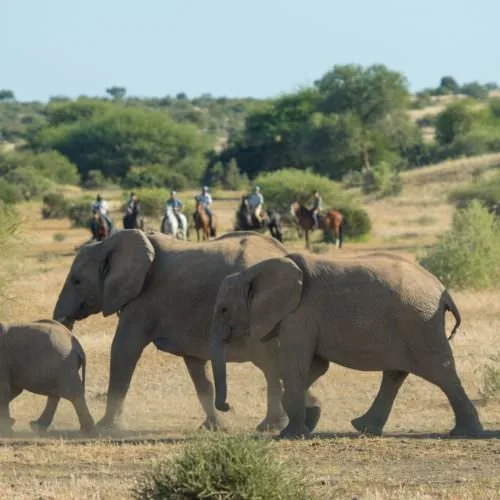
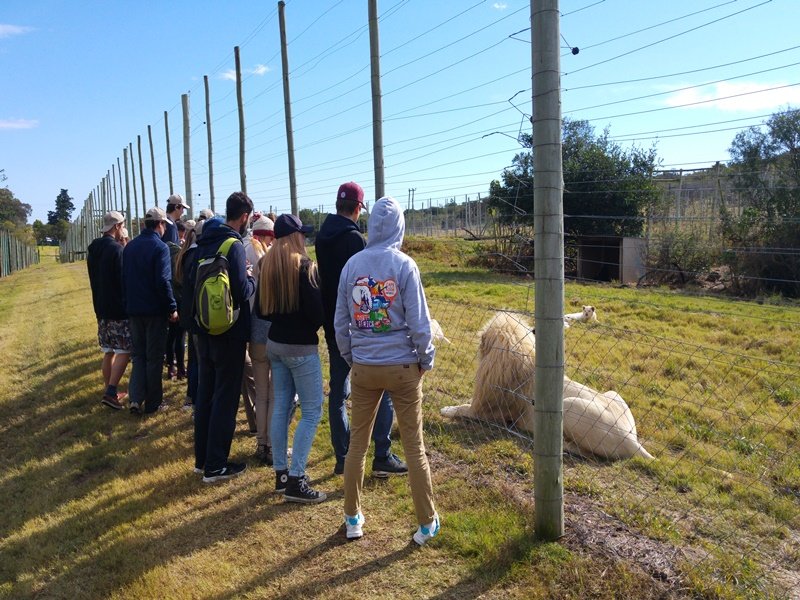
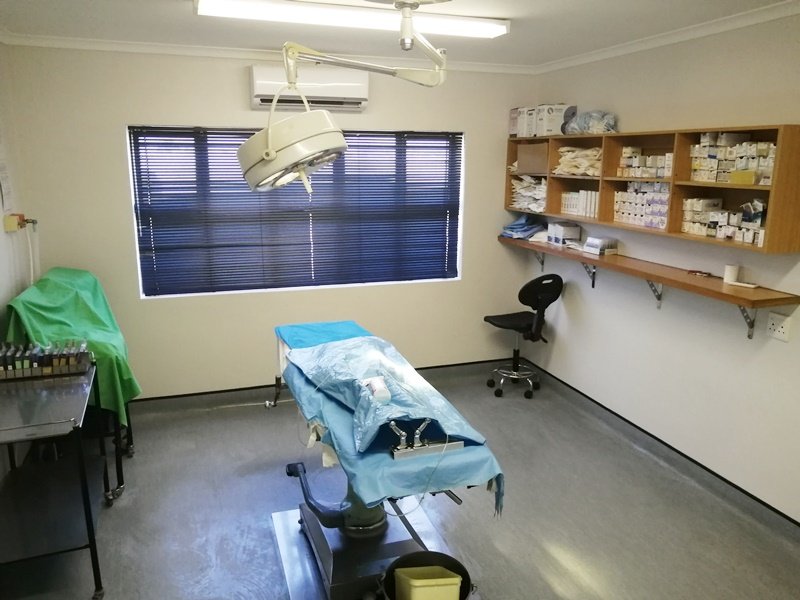
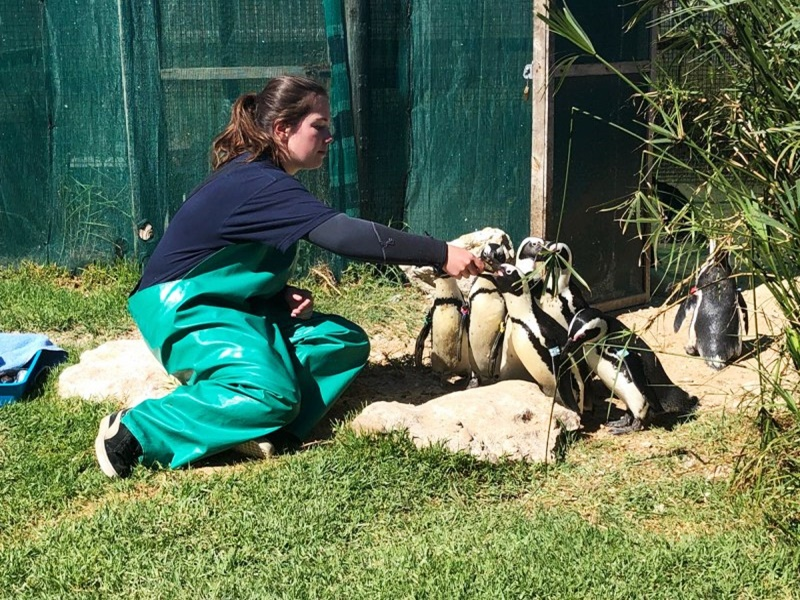
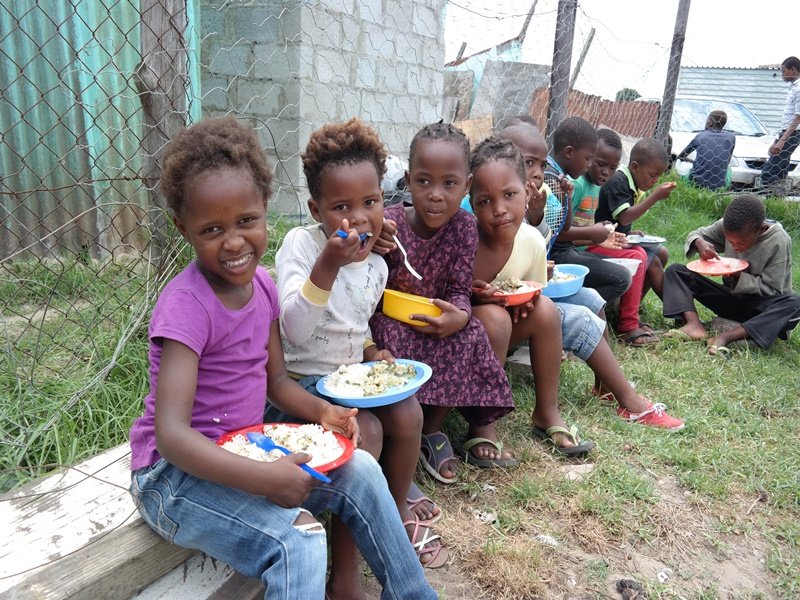
Life in South Africa

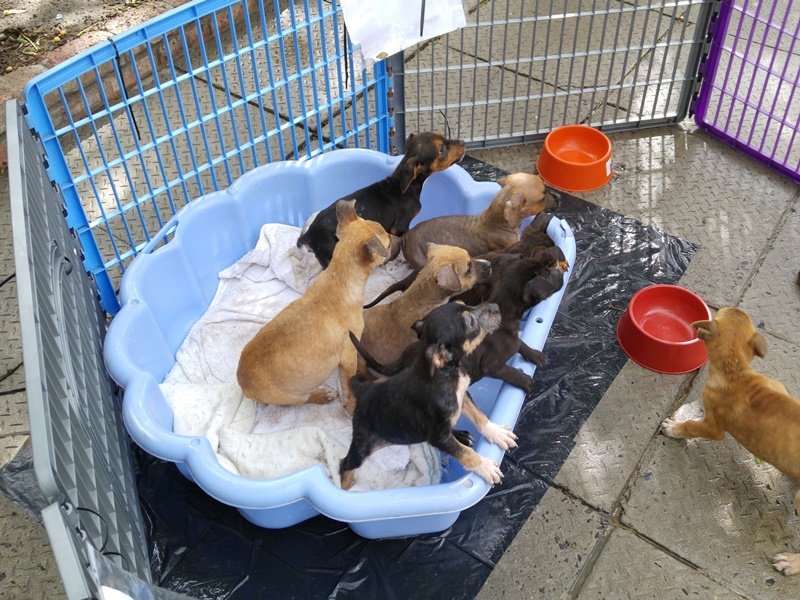
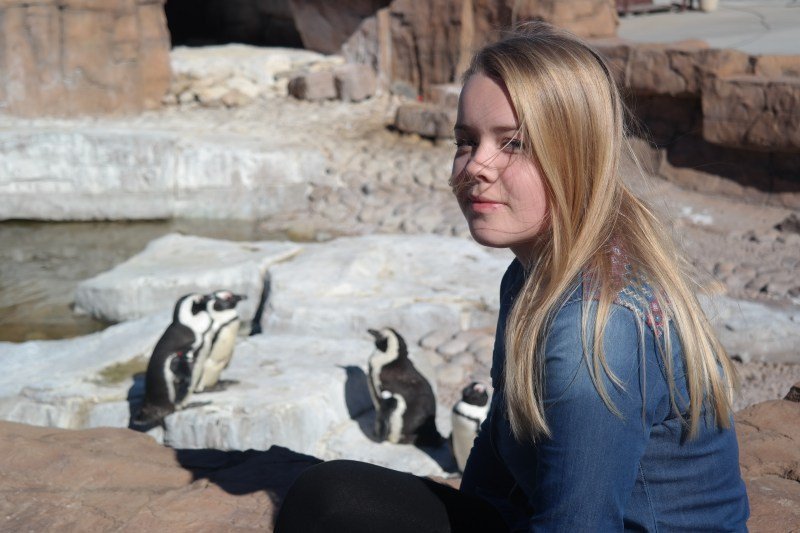
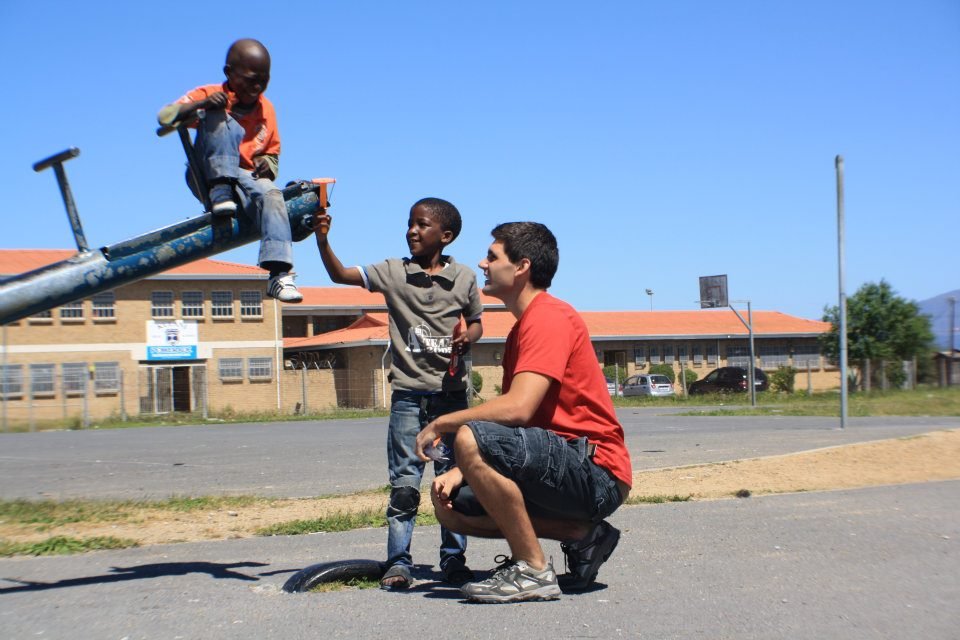
What our volunteers say
Explore other destinations
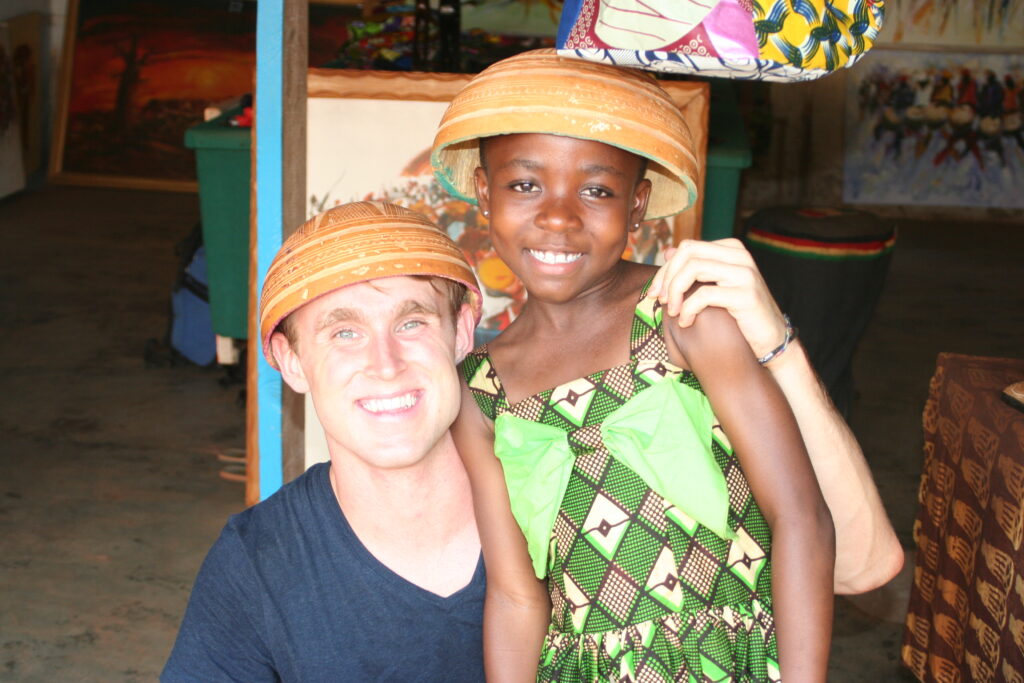
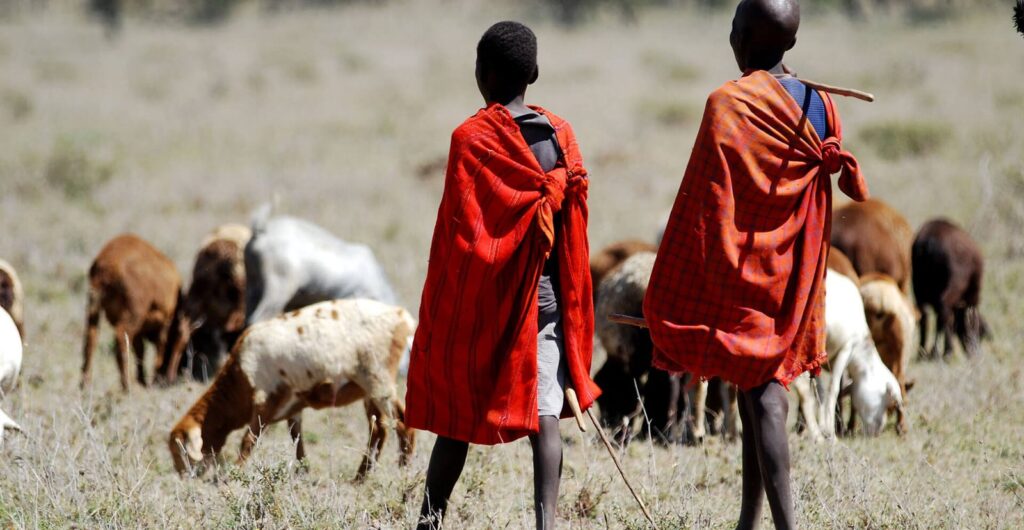
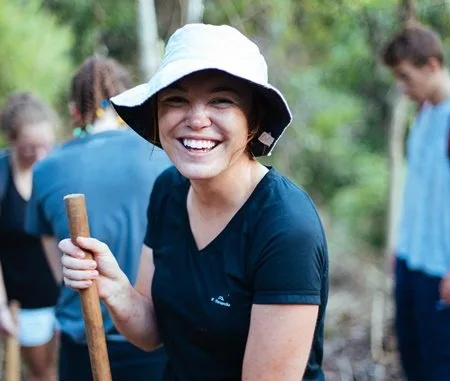
Your questions, answered
How much does it cost to volunteer in South Africa?
Programs start from $653 for one week in Cape Town, deposit included, covering accommodation, the meals listed for your program, airport pickup, orientation, placement and 24-hour support. Port Elizabeth programs include three meals a day and daily project transfers; the medical program and the penguin rescue center cost more because of specialist placements. Longer stays cost less per week and each program page shows the full week-by-week total. Flights, insurance, local transport in Cape Town and personal spending are extra.
Do I need a visa for South Africa?
Citizens of the UK, Ireland, most EU countries, the USA, Canada, Australia and New Zealand can enter South Africa visa-free for up to 90 days with a passport valid for at least six months and blank pages. If your placement is longer than 90 days you must apply for a volunteer visa before traveling; our pre-departure guide explains the process. Other nationalities should check with the nearest South African mission.
Is South Africa safe for volunteers?
South Africa has real crime, and we plan around it rather than ignoring it. You are met at the airport, live in a volunteer hostel used only by participants (Cape Town) or a secured house near the beach (Port Elizabeth), get a detailed safety briefing at orientation and have coordinators on call 24 hours a day. The rules — no walking alone after dark, arranged transport at night, valuables out of sight, minibus taxis only on known routes — keep thousands of volunteers safe every year.
What is the minimum age to volunteer in South Africa?
18 on the Cape Town programs and the wildlife and penguin projects, and 17 (with parental consent) on the Port Elizabeth community childcare and youth program. Families with children are welcome on the Cape Town childcare program, the 2-week special and the wildlife reserve program — tell us your children's ages when you enquire.
How long can I volunteer in South Africa?
From one week (Cape Town childcare, Port Elizabeth community and the wildlife reserve) or two weeks (teaching, sports, medical, animal rescue) up to 24 weeks; the penguin rescue center has a four-week minimum and the 2-week special is fixed at two weeks. Cape Town programs start on Sundays and Port Elizabeth programs on Mondays throughout the year; the next available start is 27 Sep 2026.
Where will I stay in South Africa?
In Cape Town, at a volunteers-only hostel in the suburb of Observatory (4–8-bed dorms, lounge, kitchen, 20 minutes from the center) or with a host family in a local community. In Port Elizabeth, at a secured volunteer house with a pool, a fireplace and the beach within walking distance (private rooms on request). Wildlife-reserve volunteers stay in same-gender dorms on the reserve.
Are meals included in South Africa?
It depends on where you stay. Cape Town hostel volunteers get a self-service breakfast on weekdays and buy or cook their other meals; Cape Town host families provide three meals a day including a packed lunch. Port Elizabeth volunteers get three meals a day from a weekly set menu, and reserve volunteers are fed seven days a week. Vegetarians and vegans are catered for with notice.
Will I be picked up at the airport in South Africa?
Yes. Cape Town volunteers are met at Cape Town International Airport and taken to the hostel by shuttle (the return transfer can be arranged at extra cost; overland arrivals make their own way). Port Elizabeth volunteers are collected at Port Elizabeth Airport on their Monday start date and dropped back at the end — wildlife-reserve volunteers must land before 4pm for the transfer.
Which vaccinations do I need for South Africa?
None are required for entry from Europe, North America or Australasia; a yellow fever certificate is needed only if you arrive from a yellow-fever country. Routine vaccinations should be current and hepatitis A and typhoid are commonly recommended. The animal rescue and rehabilitation project requires rabies and tetanus vaccinations. Check NHS Fit for Travel or the CDC before you travel.
When is the best time to volunteer in South Africa?
November to March is summer — warm and dry in Cape Town, ideal for beaches and hiking. June to August is cooler and wetter in Cape Town but the best season for whale watching and game viewing. Schools follow the South African calendar, with the long summer break in December and January. Programs run all year round.
Can medical students volunteer in South Africa?
Yes — the medical program in Cape Town is open to medical and nursing students, physician assistants, CNAs and EMTs (not pre-med or pre-nursing students). You observe and assist in clinics and hospitals under supervision within your level of training, and must provide a background check, passport copy, CV, proof of studies or registration and a short motivation letter before you start. The program runs from two to 24 weeks.
What should I pack for volunteering in South Africa?
Layers — Cape Town can be hot by day and cold at night, and winter is wet — plus smart-casual clothes for placements, scrubs for medical volunteers, sturdy shoes and clothes you can ruin for animal and reserve work, a hat, sunscreen, a small bag that closes securely, a flashlight, a first-aid kit and any regular medication. Reserve volunteers get a T-shirt and cap; teaching and childcare volunteers can bring stationery, books or sports equipment.
Ready to volunteer in South Africa?
9 programs · from $653 · next start 27 Sep 2026
Free advice, no obligation. Change program, dates or destination free of charge up to 45 days before you start.