 English (US) ▾
 Nederlands
 English (UK)
 Deutsch
 Italiano
 Português
 Español
Volunteer in Madagascar
 Certified B Corporation
★ Rated 4.7/5 (1,461 reviews) 25,000+ volunteers since 2007
Certified B Corporation
★ Rated 4.7/5 (1,461 reviews) 25,000+ volunteers since 2007
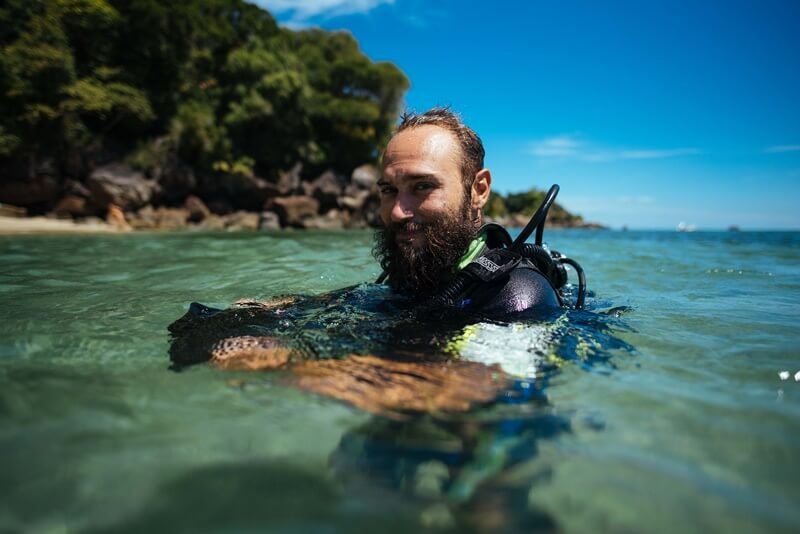
Volunteer in Madagascar with Volunteering Solutions on Nosy Komba, a small island off the north-west coast, at a conservation camp built into the hillside above a coral reef. Five programs run from the camp: marine conservation by scuba (for certified divers), sea turtle monitoring, forest conservation surveys of lemurs, reptiles and birds, English teaching in the island’s village schools, and community development and construction projects.
Programs start twice a month all year (you arrive on the Sunday and begin with orientation on Monday), run from one or two weeks to twelve (four to eight for the marine program), and are open from age 18 with a reasonable level of fitness — island life means stairs, boats and hikes. This is field conservation with a strong community side: three meals a day on camp, solar power, cold showers, huts shared with volunteers from around the world, and lemurs in the trees. Prices start at $869 for one week, deposit included.
Volunteer opportunities in Madagascar
5 programs you can join right now — every card below and every link here goes to the program’s own page with live dates and prices.
- Community Development Volunteering — Be a volunteer and contribute towards the development of infrastructures where the entire community in Nosy Komba gets benefited as a whole.Volunteers help in building of useful projects for the…
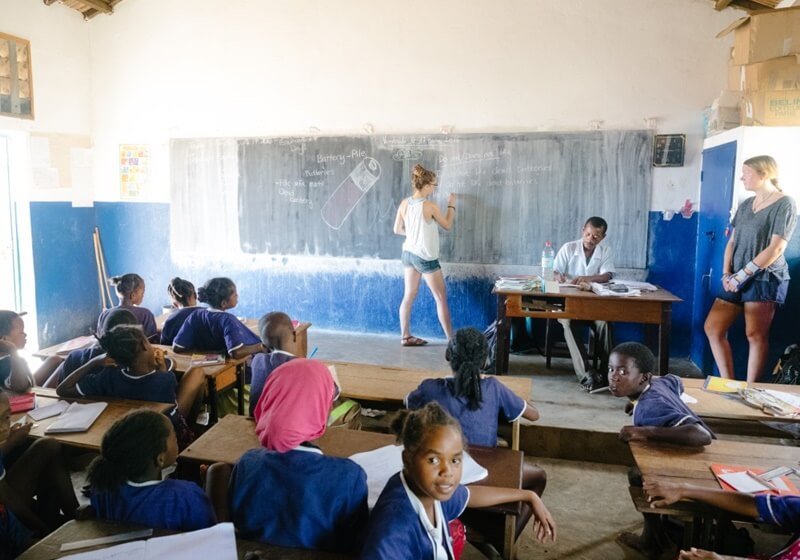
- English Teaching Volunteer Program — Make an impact by volunteering in the English Teaching Program in Madagascar, helping young people build a brighter future.
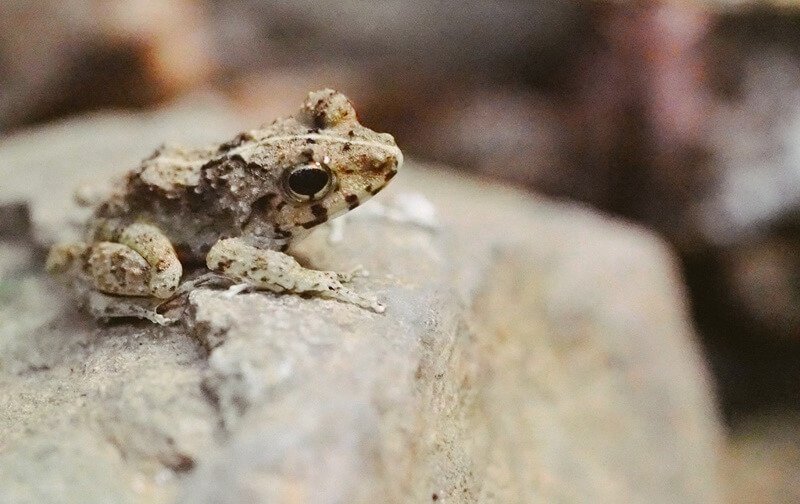
- Forest Conservation Volunteer Program — Be a volunteer for the Forest Conservation Program in Madagascar and contribute towards protecting the flora & fauna of Nosy Komba.
- Marine Conservation Volunteering Program — Find out the most amazing Marine Conservation Volunteering Program in Madagascar and travel to experience the best that the country has to offer.
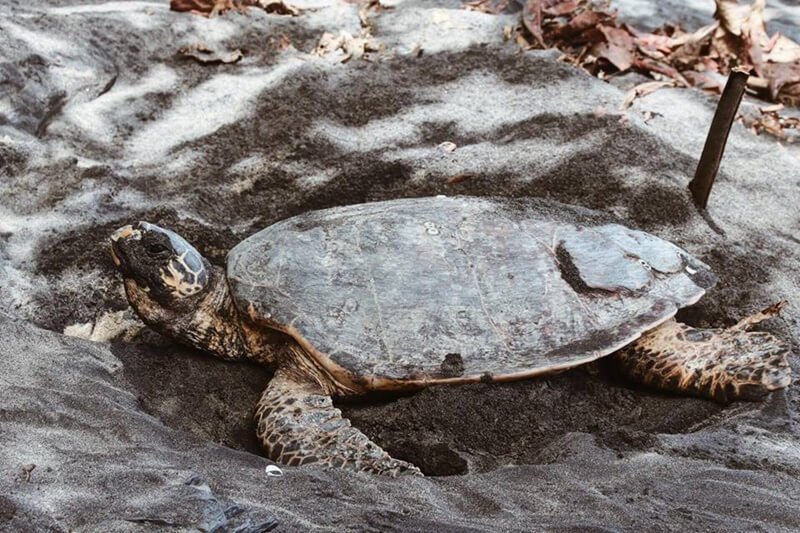
- Sea Turtle Monitoring Program — The turtle conservation volunteer program in Madagascar involves monitoring sea turtles on the northern beaches.
Make a Positive Impact in Madagascar
Madagascar is home to some of the world’s most endangered species and fragile ecosystems. Through your conservation work, you’ll contribute to efforts that protect marine and terrestrial biodiversity, teach in island schools and support local community projects.
These programs are ideal for anyone passionate about wildlife, ecology and climate action – whether you’re a student, gap year traveler or eco-conscious adventurer.
Volunteering in Madagascar at a glance
Volunteer Projects you can join in Madagascar

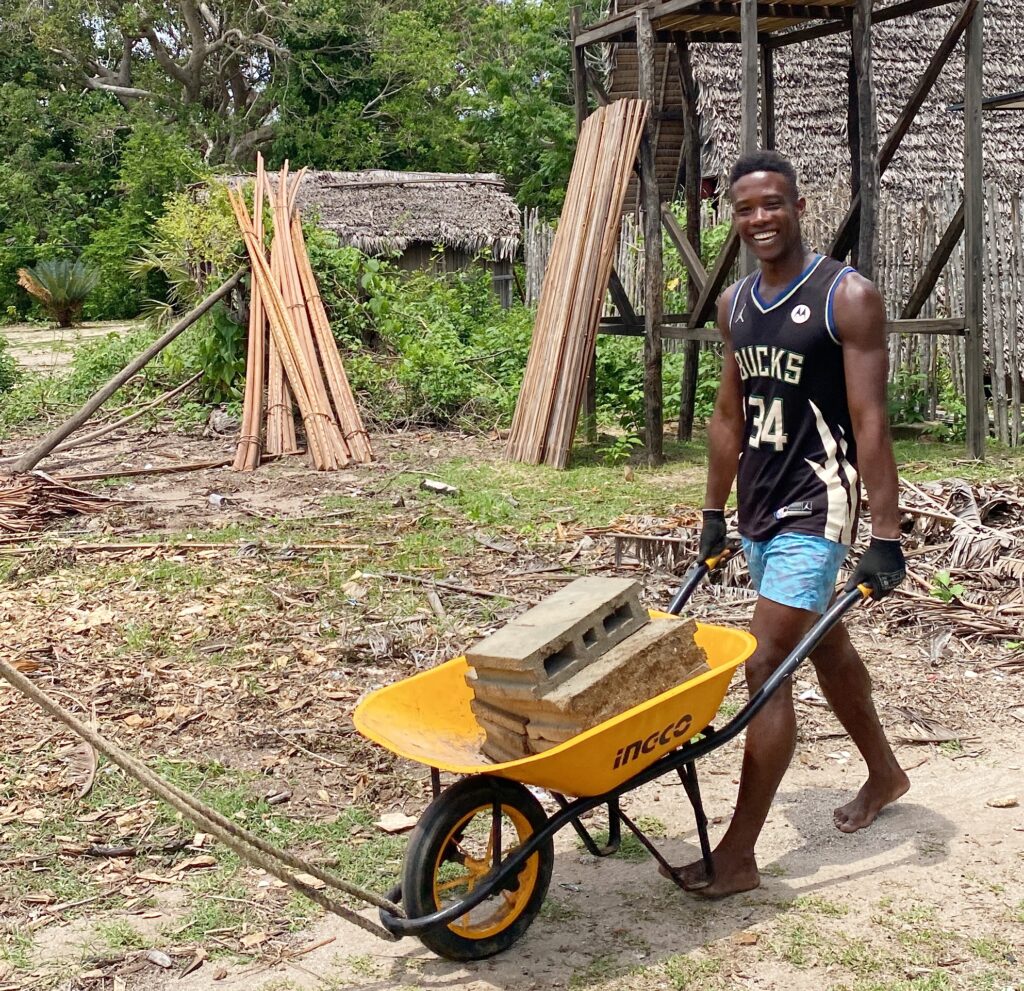
Community Development Volunteering
Be a volunteer and contribute towards the development of infrastructures where the entire community in Nosy Komba gets…
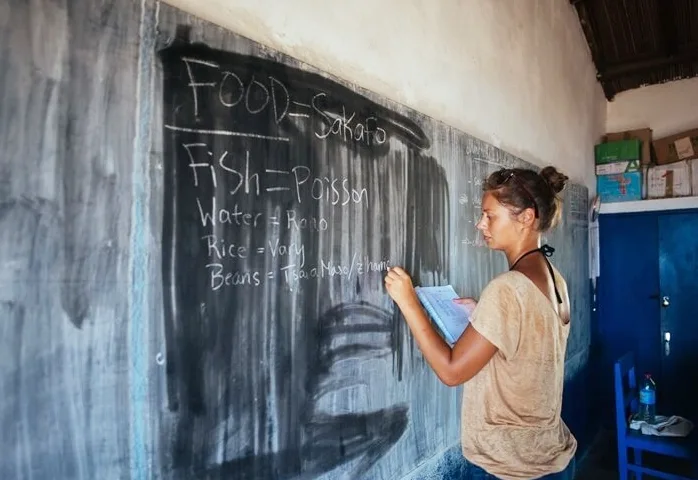
English Teaching Volunteer Program
Make an impact by volunteering in the English Teaching Program in Madagascar, helping young people build a brighter…
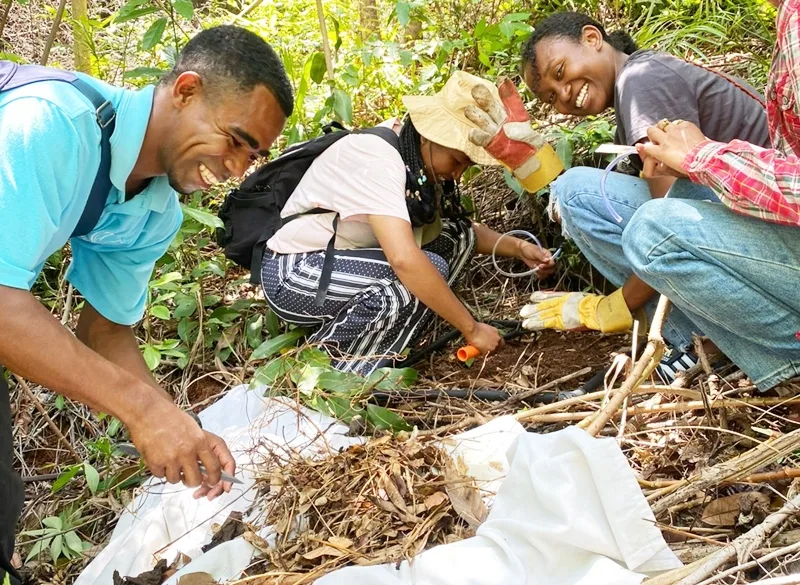
Forest Conservation Volunteer Program
Be a volunteer for the Forest Conservation Program in Madagascar and contribute towards protecting the flora & fauna…
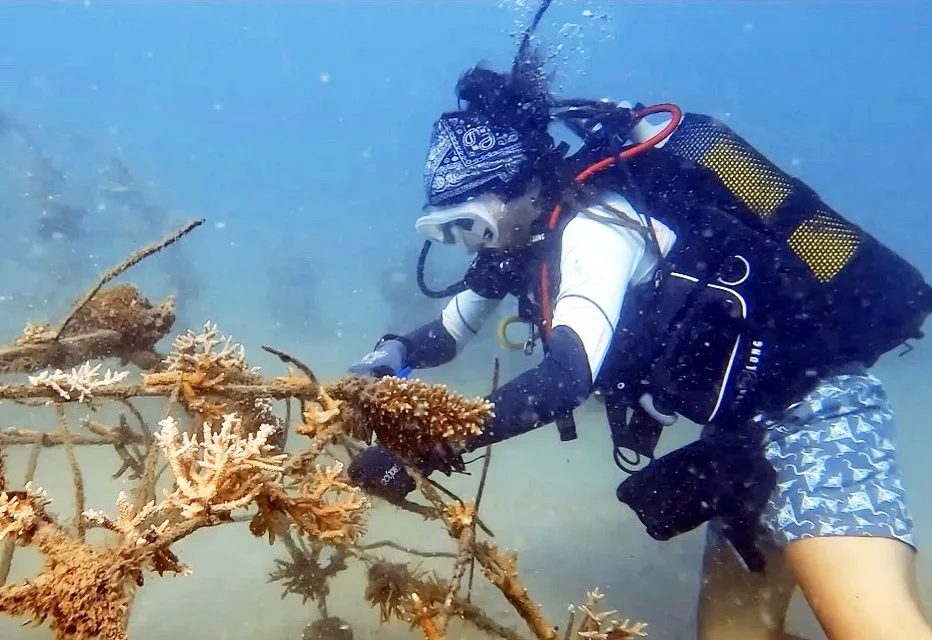
Marine Conservation Volunteering Program
Find out the most amazing Marine Conservation Volunteering Program in Madagascar and travel to experience the best that…
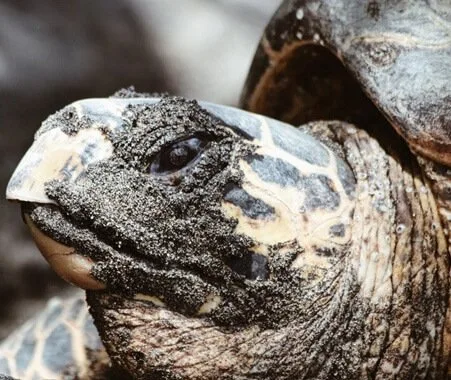
Sea Turtle Monitoring Program
The turtle conservation volunteer program in Madagascar involves monitoring sea turtles on the northern beaches. During the nesting…
What it costs to volunteer in Madagascar
All-in prices: accommodation, the meals listed for the program, airport pickup where listed, orientation, placement and in-country support are included.
| Program | Duration | From |
|---|---|---|
| Community Development Volunteering | 2-12 Weeks | $869 1 week |
| English Teaching Volunteer Program | 2-12 Weeks | $869 1 week |
| Forest Conservation Volunteer Program | 2-12 Weeks | $869 1 week |
| Sea Turtle Monitoring Program | 1-12 Weeks | $869 1 week |
| Marine Conservation Volunteering Program | 4-8 Weeks | $2,524 4 weeks |
Includes the $249 booking deposit (counts toward your total, valid for a year, refunded if we cannot place you). Longer stays lower the weekly rate — each program page has the full week-by-week table.
What your fee covers
- Sleeping accommodation on camp for the whole program — shared huts at Turtle Cove on Nosy Komba (or A-frame bungalows at the mainland camp)
- Three meals a day, seven days a week, on camp
- Airport pickup on Nosy Be and the boat transfer to camp, plus transport to program sites
- Orientation, supervision and training by the project staff
- Marine program: supervision and training by Rescue Divers, Dive Masters and Instructors, with BCDs, tanks, air fills, regulators and weights provided
- 24-hour assistance, a comprehensive pre-departure guide and a certificate on request
Not included
- Flights to Nosy Be, the Madagascar visa and vaccinations
- Travel and health insurance (compulsory — our partner policy is available at extra cost)
- The transfer back to the airport at the end of your program (the team helps you book it)
- Marine program: PADI course fees and crew packs where applicable, and your own snorkel, mask, fins and booties
- Bedding, towel and padlock (bring your own), and personal items
The community, teaching, forest conservation and sea turtle programs share one price and run from one or two weeks up to twelve; the marine conservation program costs more because it is a four-to-eight-week, dive-based program with a professional dive team and equipment. All run from the same camp with full board. Every program page shows the full week-by-week total.
Where you stay and what you eat in Madagascar
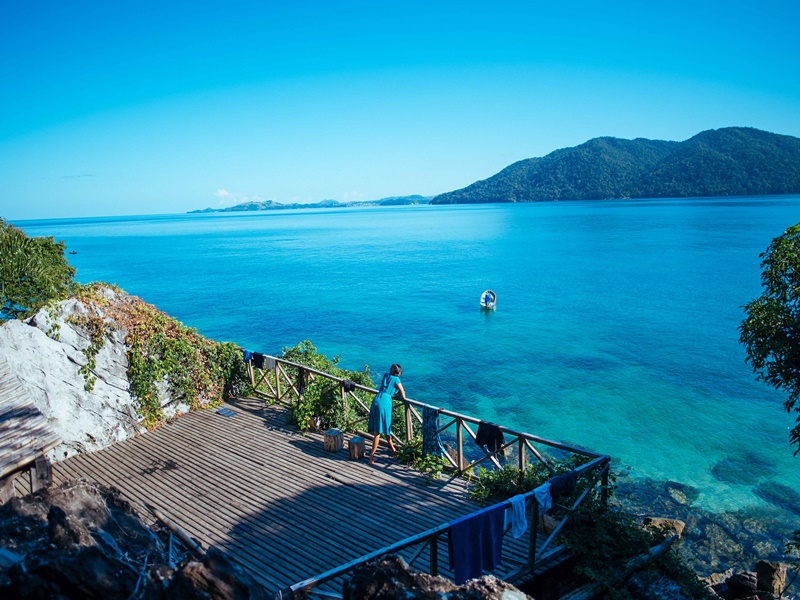
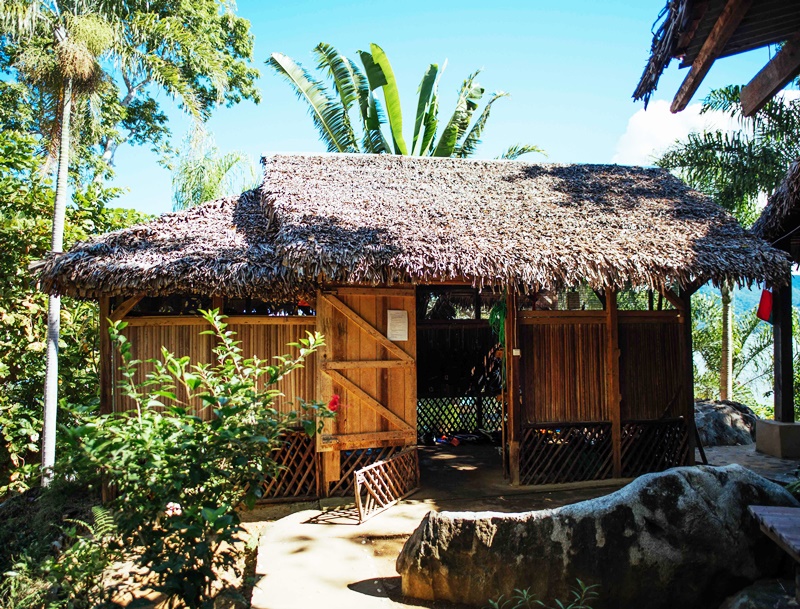
Turtle Cove, Nosy Komba: the camp is a multi-level compound built into the steep slopes of the island, reached by stone stairs up from a beach, with the main house perched above the dive deck and a view across the water to the Lokobe Forest Reserve on Nosy Be. The main house is where senior staff live and where volunteers meet, plan and hang out on wide decks with hammocks, bean bags and benches. You share a hut with four to six other volunteers; huts have bathroom facilities with running water, flush toilets and cold-water showers, a work area, and lockable storage boxes for small valuables — bring your own bedding, towel and a padlock for your luggage.
Ampohana camp (mainland): some programs use a second camp in a small, remote village on the mainland, where volunteers sleep in a communal A-frame bungalow with double bunk beds. Both camps are eco-friendly with solar-powered lighting; charging is limited, so bring a power bank.
Three meals a day are served on camp seven days a week — breakfast at 6–8am, lunch at noon, dinner in the evening — built around rice with fish, beans, vegetables and fruit, plus drinking water. It is simple, communal and outdoors, and Hellville on Nosy Be is the place to stock up on snacks and a local SIM.
Arriving in Madagascar and who looks after you
Arrive at Nosy Be Fascene Airport (NOS) on the Sunday before your start date
Most routes connect through Antananarivo or the Indian Ocean hubs. Our staff meet you at the airport (or the boat port if you come overland) and, if there is time before the last boat, show you around Hellville to buy snacks, a SIM card and cash from the ATM — note that shops close for siesta from noon to about 2:30pm.
Boat to camp
The crossing to Nosy Komba takes about 45 minutes and the last boat leaves around 3pm; if you land later, the team helps you into a hotel in Hellville and collects you the next morning.
Day one: orientation
Breakfast at 8:30, an orientation presentation at 10, a health and safety presentation at 11, then paperwork and an introduction to your program; marine volunteers do their dive check-outs with the dive team.
Program days
Morning activities start early (breakfast 6–8am), with surveys, dives, turtle patrols, classes or construction shifts scheduled by the staff, lunch on camp at noon and afternoons for further sessions, data work or rest. Staff live on camp and are available around the clock; you arrange your own transfer back to the airport at the end (the team helps you book it).
Staying safe in Madagascar and who can join
Nosy Komba is a small, friendly island with no roads and a camp staffed by resident project teams, so the safety considerations are environmental: steep stairs and slippery paths, boats and tides, sun and heat, and — for divers — the sea, managed by a professional dive team. Follow the health and safety briefing, never dive or swim beyond your training, wear reef shoes and a hat, and keep valuables in your lockable box. In Hellville take normal care with cash and phones.
Health: malaria is present, so take prophylaxis and use repellent and a net; hepatitis A, typhoid and routine vaccinations are commonly recommended and rabies vaccination is worth discussing; a yellow fever certificate is required if you arrive from a yellow-fever country. The nearest hospitals are basic, so comprehensive travel and health insurance (with diving cover for the marine program) is compulsory. Check NHS Fit for Travel or the CDC well before departure. Visa: most nationalities obtain an e-Visa in advance or a visa on arrival; passports need six months' validity and two blank pages.
Who can join: minimum age 18 (exceptions possible with a legal guardian's permission or when accompanied by parents), energy, a positive attitude and a reasonable level of fitness. Forest conservation surveys involve steep hikes; the marine program requires Open Water and Advanced Open Water certification (or completing the courses on site at extra cost) and a four-week minimum. Teaching volunteers work with children and provide a criminal background check.
Requirements checklist
- Minimum age: 18+
- Background check: required for placements with children or vulnerable adults — issued within 12 months of your start date, in English or with a translation. How to get one
- Travel insurance: comprehensive cover for your whole stay is compulsory; you can bring your own or take the policy we arrange. Insurance details
- Safeguarding: every volunteer follows our code of conduct for children and vulnerable adults, explained again at orientation. Read the policy
📘 Planning in more depth? Read our Madagascar costs, visa and safety guide.
How we volunteer responsibly in Madagascar
Our Madagascar partner runs long-term research and community programs on Nosy Komba and the nearby mainland: reef and fish surveys that feed into marine protection, sea turtle nesting and population monitoring, forest surveys of lemurs, chameleons, reptiles and birds, English classes in the village schools, and construction and community projects requested by the villages themselves. Volunteers are trained by the staff and contribute to real datasets and real buildings rather than to a show for visitors.
Wildlife work follows our animal welfare policy and scientific protocols — turtles and lemurs are observed and recorded, never handled for photographs or fed — and diving follows the dive team's safety rules. Teaching follows our child protection policy, with background checks before arrival and lessons planned with the local teachers. The camp itself runs on solar power and a low-waste ethic that volunteers are expected to share.
This is a program for people who want to work: early mornings, physical days, basic living and the satisfaction of seeing the survey sheets and the school walls fill up.
Our standards
- Responsible volunteer travel policyHow we choose, run and review every project
- Safeguarding policyProtecting children and vulnerable adults on every placement
- Animal welfare policyOur rules for wildlife, marine and animal-care projects
- Certified B CorporationSocial and environmental performance verified by B Lab
Life outside the project in Madagascar
Best time: the dry season from April to November — June to September is the most pleasant, with low humidity, little rain and calm seas for diving and turtle work; October stays warm and calm. December to March is the rainy season, with heavy rain and the risk of cyclones. Programs run all year.
Getting around: everything on Nosy Komba is on foot or by boat; Nosy Be is a short crossing away for Hellville's markets, ATMs and restaurants. Free time: snorkeling off the camp's beach, walking to the island's lemur park and villages, the beaches and sunsets of Nosy Be, day trips to Nosy Tanikely marine reserve or Lokobe Forest, and — with more days — whale-shark and humpback seasons off Nosy Be (roughly September to December for whale sharks).
Etiquette: greet villagers ("salama"), ask before photographing people, dress modestly in the villages, respect local fady (taboos) that the staff explain, and buy from village stalls when you can. Our Things to Do in Madagascar guide has more.
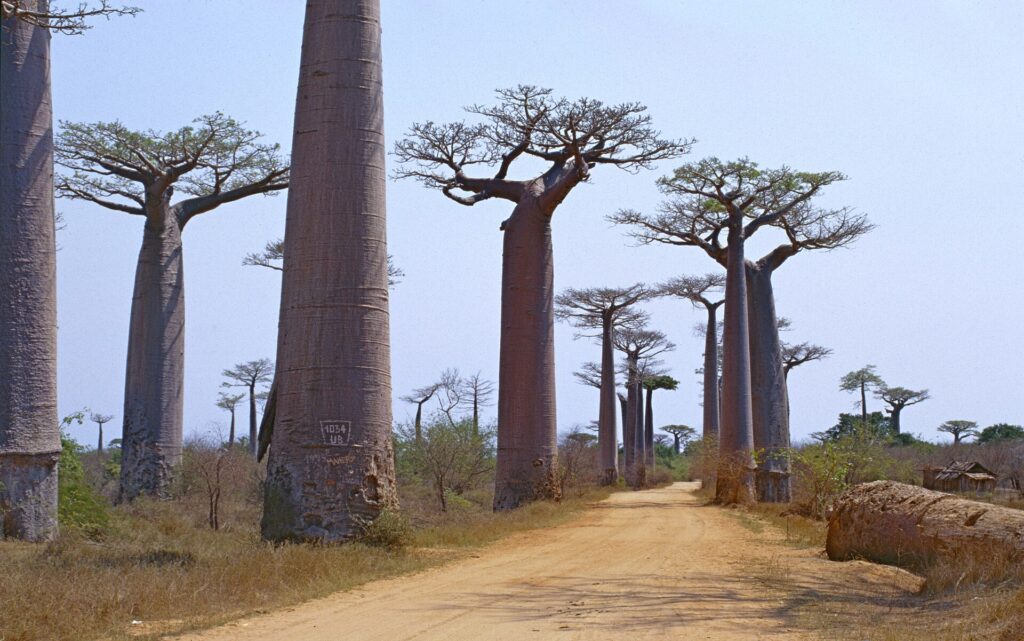
Life in Madagascar

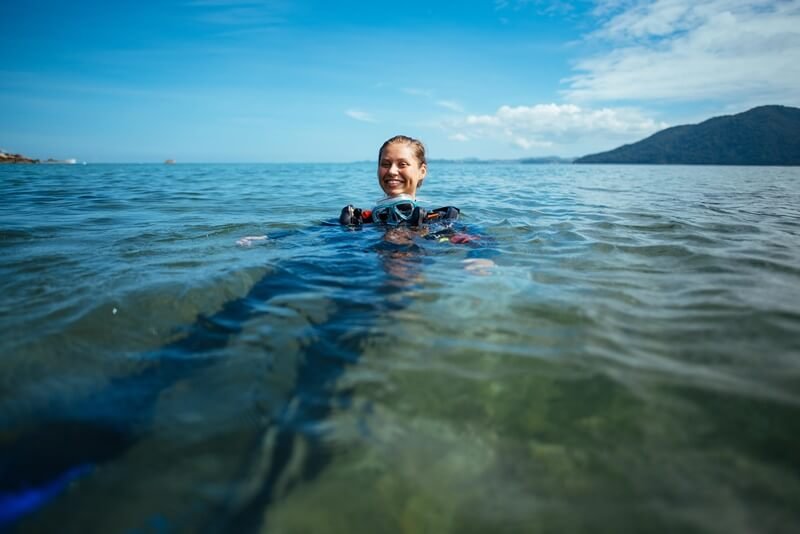
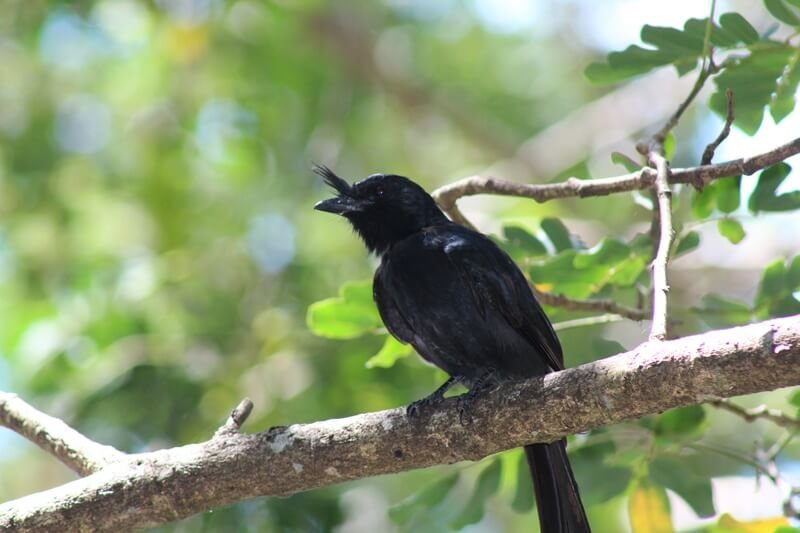
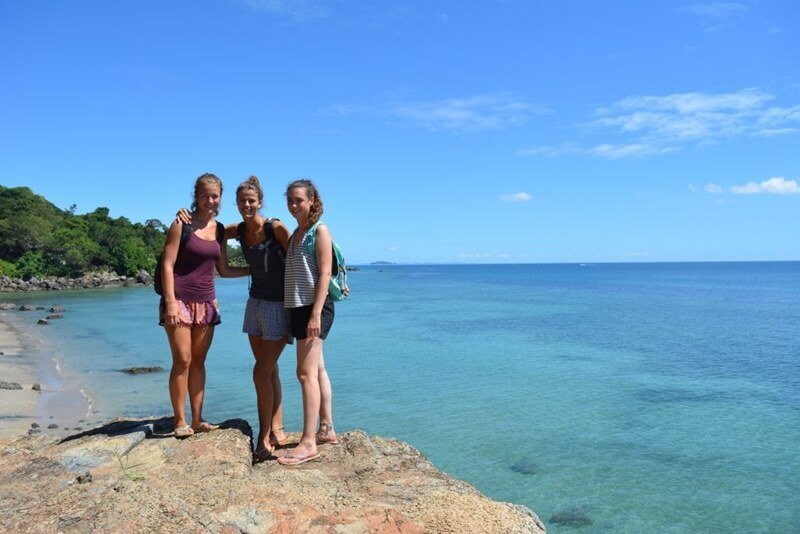
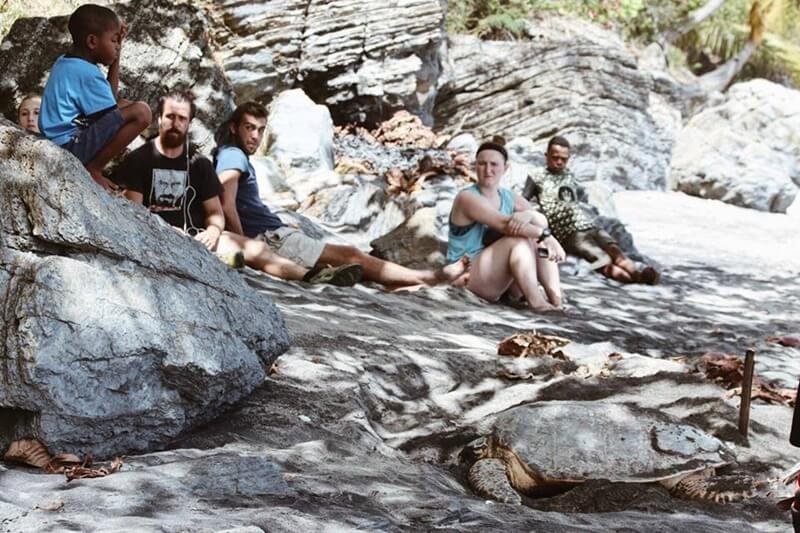
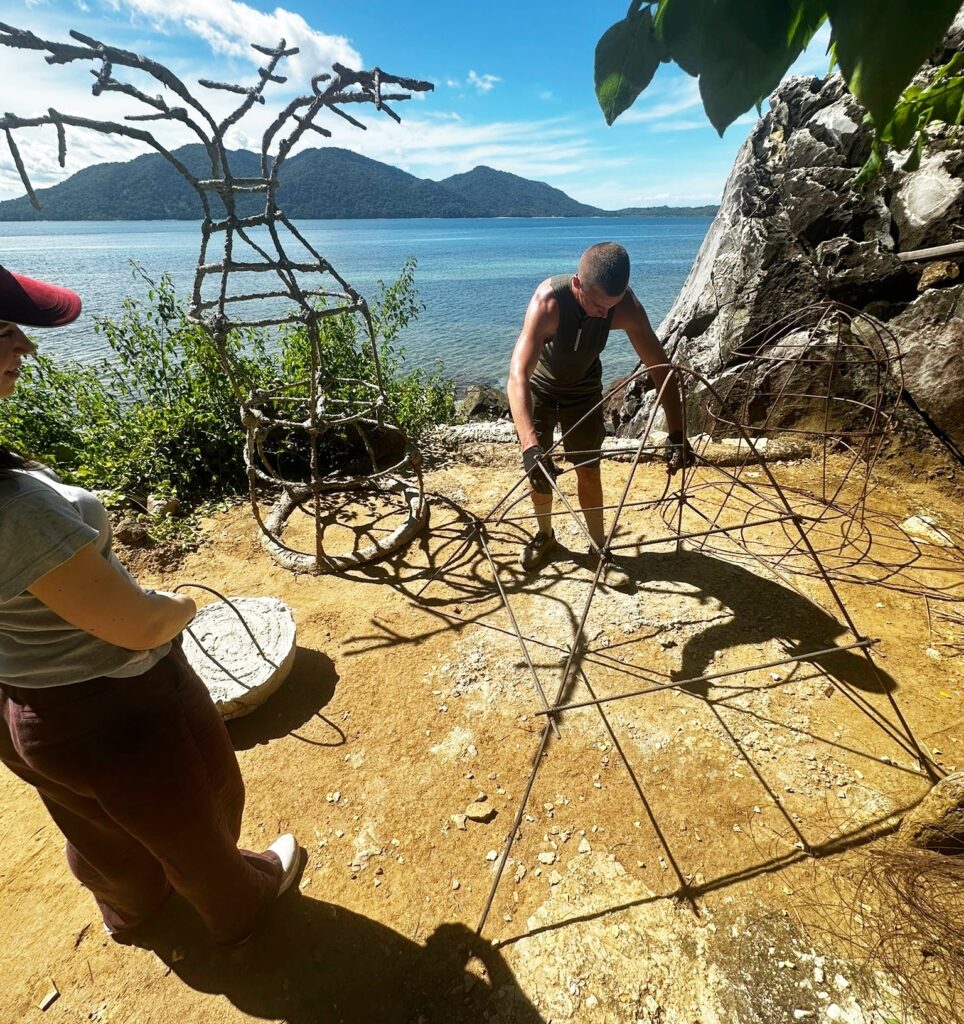
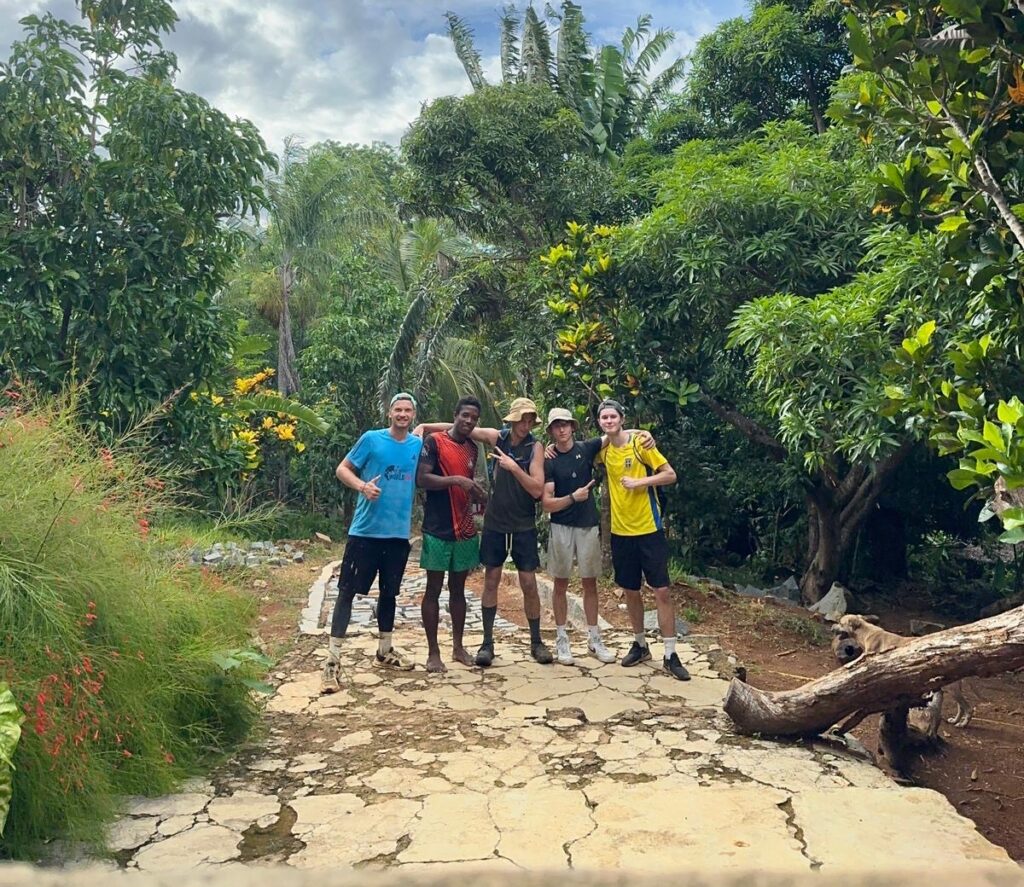
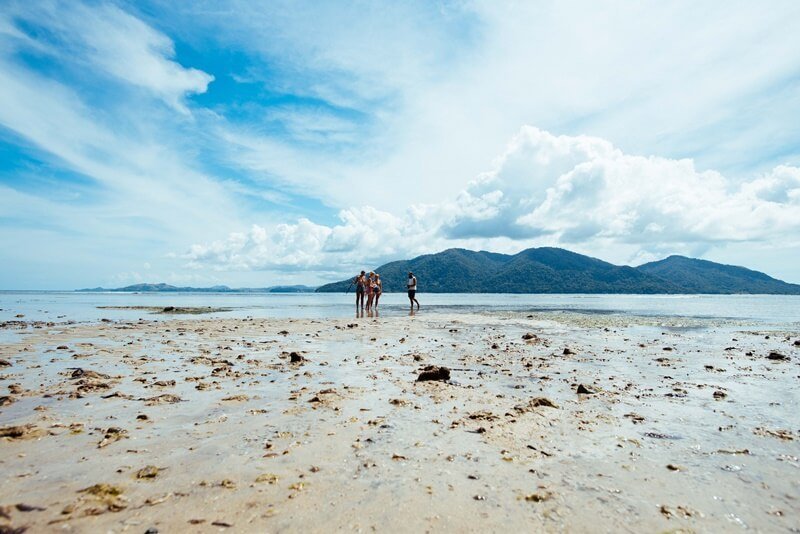
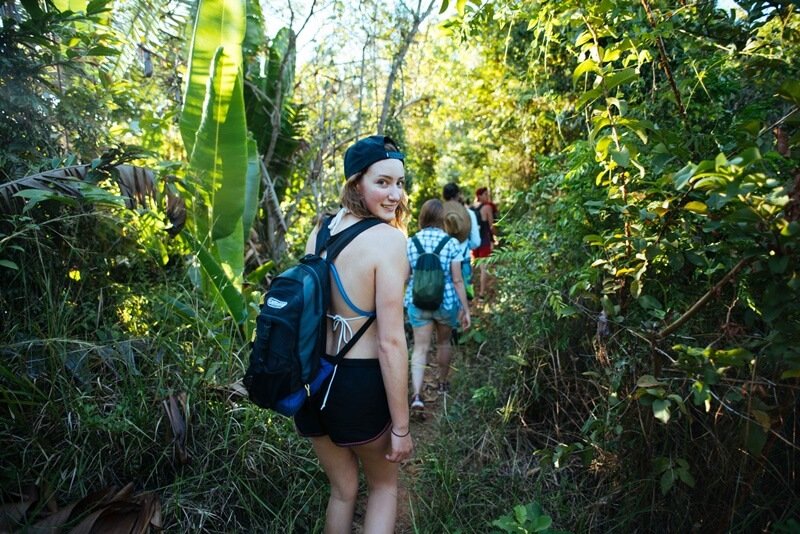
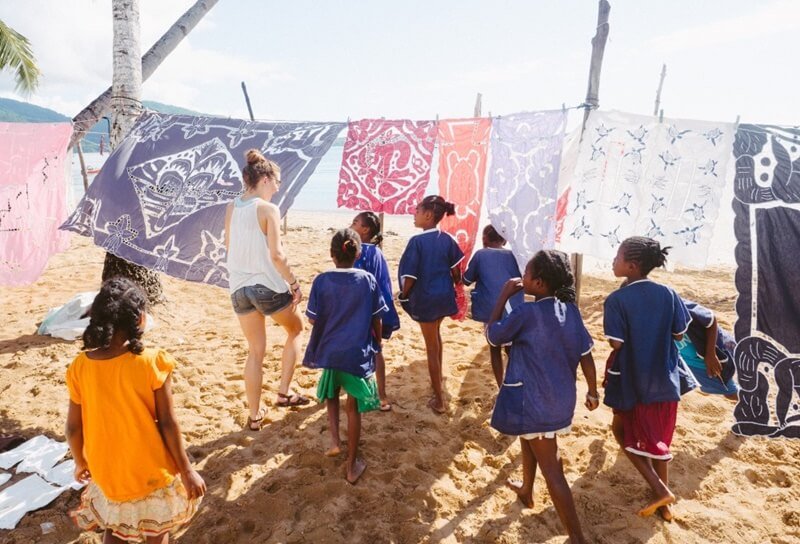
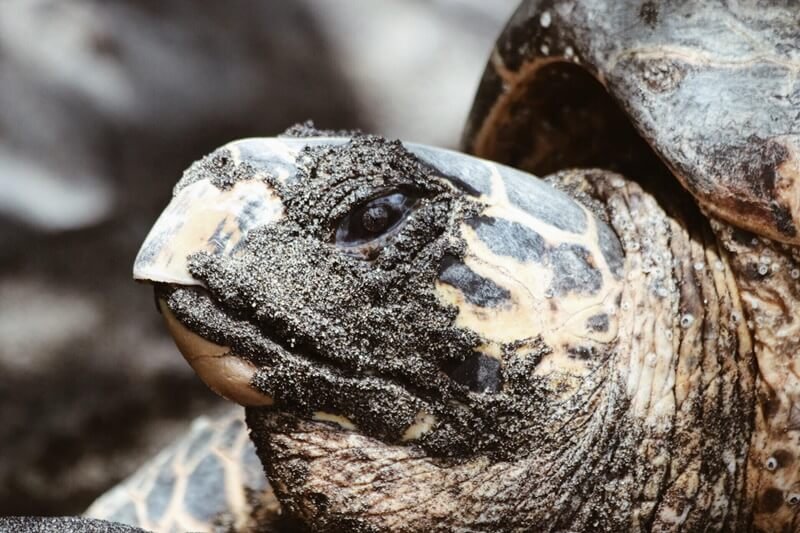
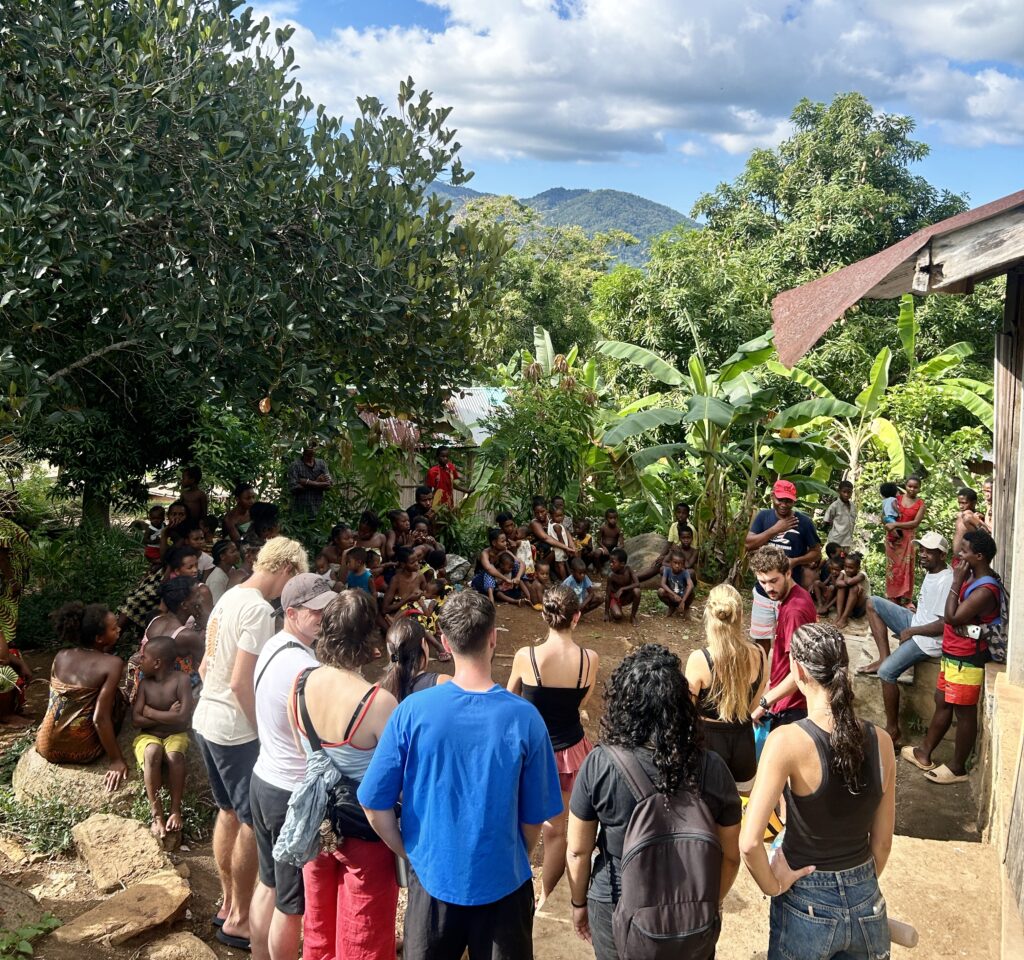
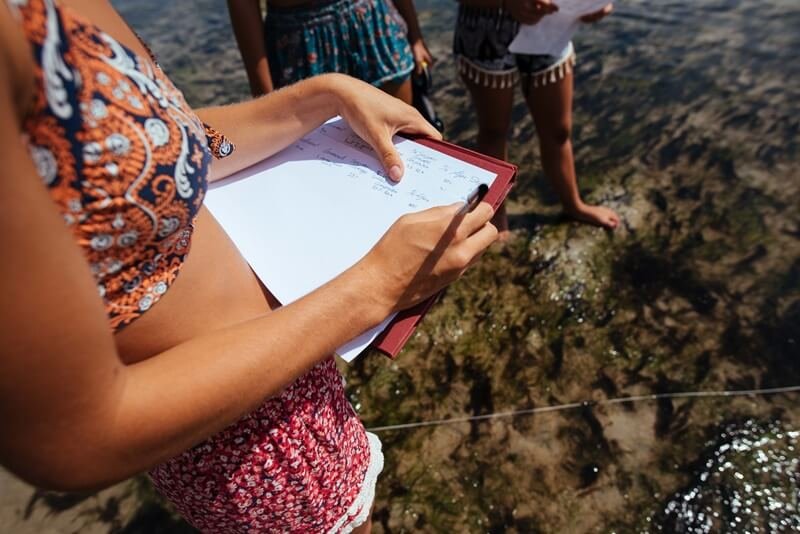
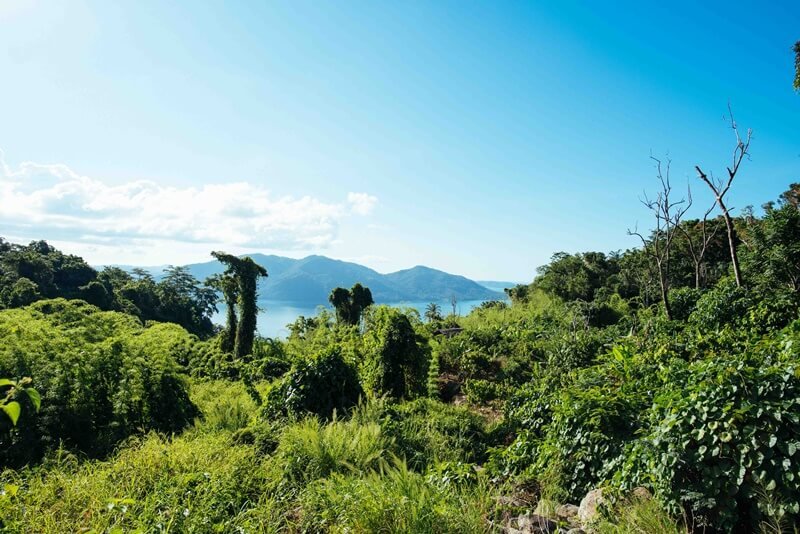
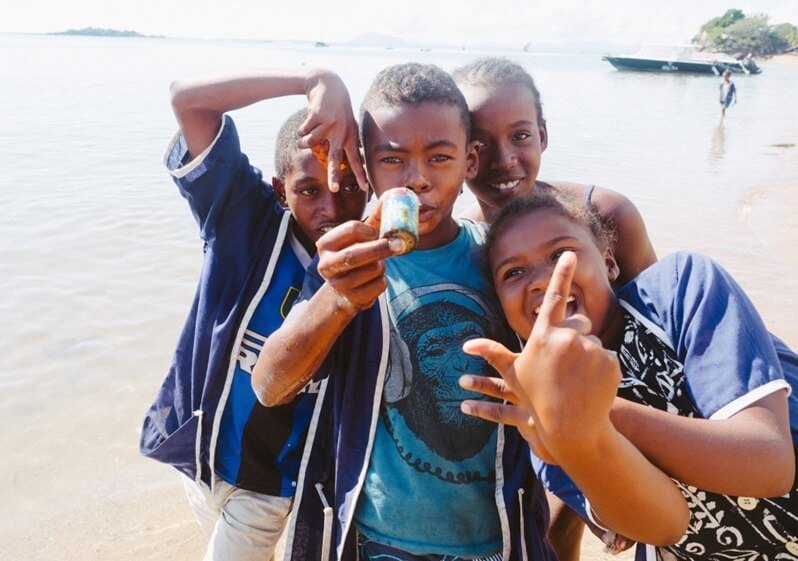
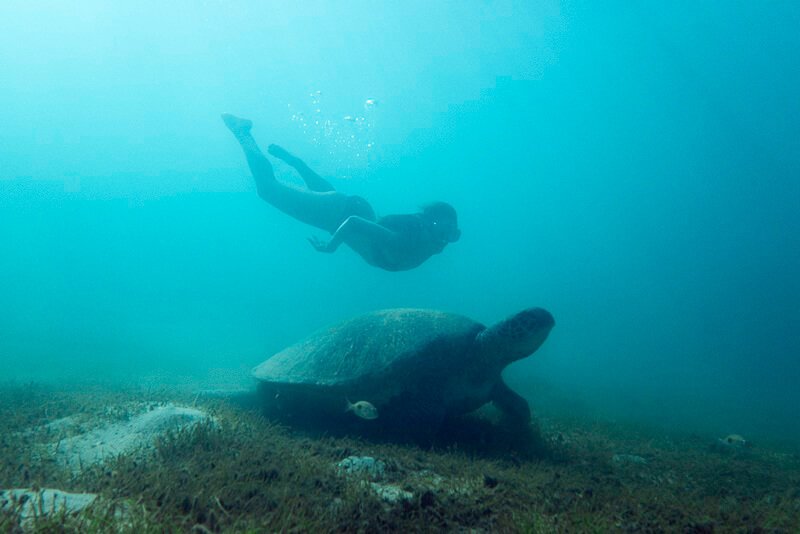
What our volunteers say
Explore other destinations
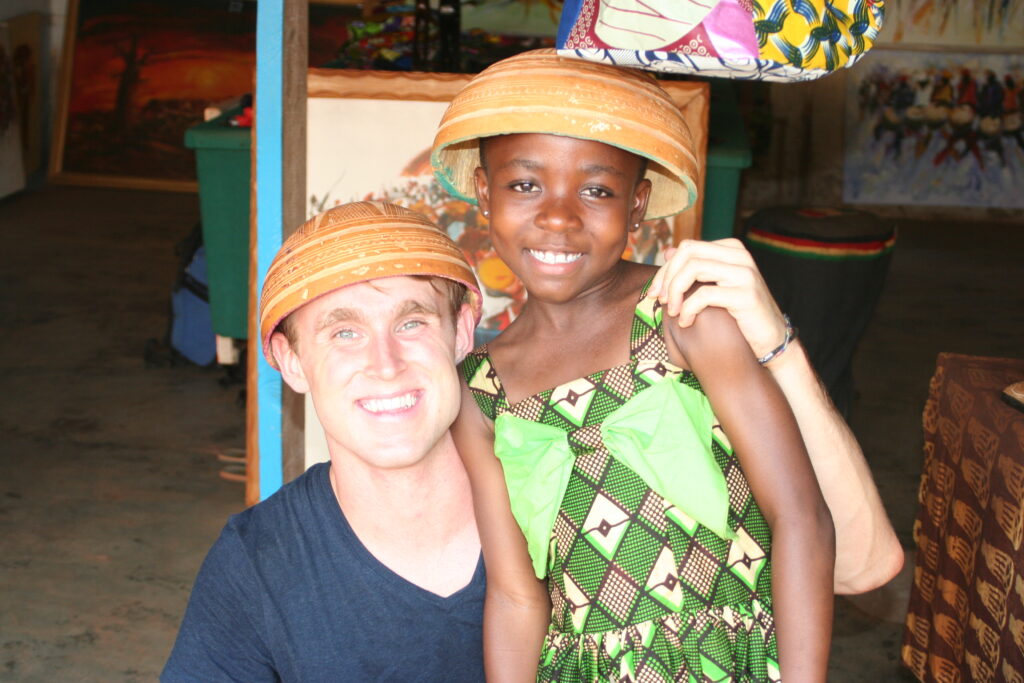
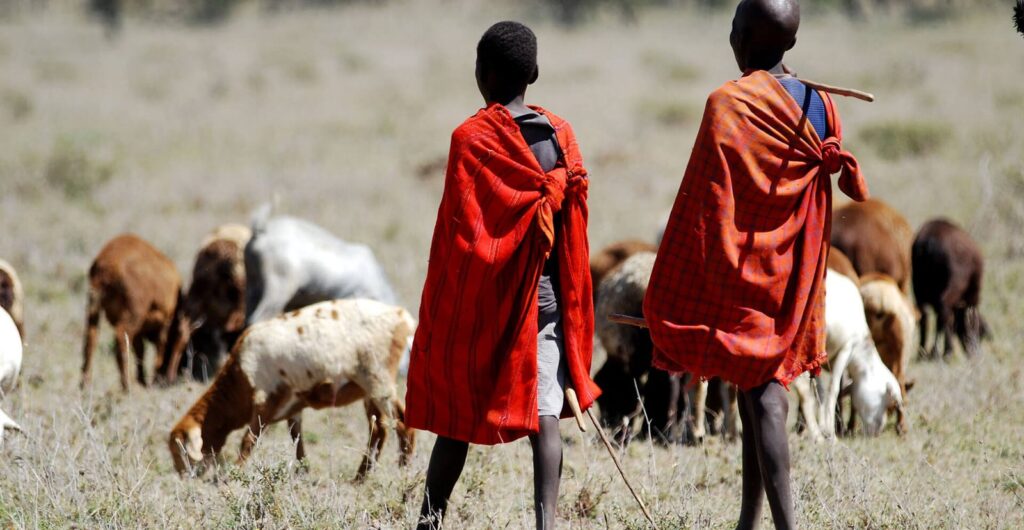
Your questions, answered
How much does it cost to volunteer in Madagascar?
Programs start from $869 for one week, deposit included — one price covering your hut on camp, three meals a day every day, airport pickup and the boat to Nosy Komba, orientation, training and 24-hour support. The marine conservation program costs more because it is dive-based with a professional dive team and equipment. Longer stays cost less per week and each program page shows the full week-by-week total. Flights, visa, insurance, bedding and the return transfer are extra.
Do I need a visa for Madagascar?
Yes — most nationalities can obtain an e-Visa online before travel or a visa on arrival at the airport. Your passport must be valid for six months beyond your return with two blank pages. Check the current process and fees on the official Madagascar e-Visa portal; our pre-departure guide explains the steps.
Is Madagascar safe for volunteers?
On Nosy Komba, yes — a small island with no roads, a camp staffed around the clock and a professional dive team for marine work. The risks are environmental: steep paths, boats, sun, sea and mosquitoes, all covered in the health and safety briefing on day one. Take normal care with valuables in Hellville on Nosy Be, and make sure your insurance covers remote areas and, if relevant, diving.
What is the minimum age to volunteer in Madagascar?
18 on all programs, with possible exceptions if a legal guardian gives written permission or you travel with your parents. Volunteers also need a reasonable level of fitness for island life and, for the forest program, for hikes to the survey sites.
How long can I volunteer in Madagascar?
Sea turtle monitoring runs from one week; community development, teaching and forest conservation from two weeks; all up to twelve weeks. The marine conservation program runs from four to eight weeks. Programs run twice a month throughout the year — you arrive on a Sunday and begin with orientation on the Monday; the next available start is 4 Oct 2026.
Where will I stay in Madagascar?
At Turtle Cove, a conservation camp built into the hillside of Nosy Komba above a coral reef: shared huts for four to seven volunteers with running water, flush toilets and cold showers, lockable storage boxes, a main house with decks and hammocks, and solar-powered lighting. Some programs use a second camp of A-frame bungalows in the mainland village of Ampohana. Bring your own bedding, towel and padlock.
Are meals included in Madagascar?
Yes — three meals a day, seven days a week, cooked on camp: rice-based Malagasy dishes with fish, beans, vegetables and fruit, plus drinking water. Tell us about dietary needs in advance; snacks can be bought in Hellville.
Will I be picked up at the airport in Madagascar?
Yes. Arrive at Nosy Be Fascene Airport (NOS) on the Sunday before your start date and our staff meet you there (or at the boat port) and transfer you by boat to Nosy Komba — a 45-minute crossing with the last boat around 3pm. If you land later, the team helps you into a Hellville hotel and collects you the next morning. The transfer back to the airport at the end is your own to arrange, with the team's help.
Which vaccinations do I need for Madagascar?
Malaria prophylaxis is strongly advised, with repellent and a mosquito net; hepatitis A, typhoid and routine vaccinations are commonly recommended, rabies vaccination is worth discussing, and a yellow fever certificate is required if you arrive from a yellow-fever country. See a travel clinic six to eight weeks before departure and check NHS Fit for Travel or the CDC.
When is the best time to volunteer in Madagascar?
April to November, the dry season — especially June to September, when humidity is low, rain is rare and the sea is calm for diving and turtle work. December to March brings heavy rain and cyclone risk. Programs run all year round.
Do I need to be a certified diver for the Madagascar marine program?
Yes — the marine conservation program requires Open Water and Advanced Open Water certification, or you can complete the courses on site at extra cost (course fees and PADI materials are not included). You need your own snorkel, tempered-glass mask, open-heel fins and booties; BCDs, tanks, air, regulators and weights are provided. The sea turtle, forest, teaching and community programs need no diving.
What should I pack for volunteering in Madagascar?
Your own bedding (sheet or sleeping-bag liner), a towel and a padlock; quick-dry clothes, a hat, reef-safe sunscreen and reef shoes; a headlamp and power bank (solar power only, limited charging); strong mosquito repellent and a net; sturdy shoes for forest surveys; a refillable bottle; a first-aid kit, malaria tablets and any regular medication; and dive gear (mask, snorkel, fins, booties) if you join the marine program.
Ready to volunteer in Madagascar?
5 programs · from $869 · next start 4 Oct 2026
Free advice, no obligation. Change program, dates or destination free of charge up to 45 days before you start.