 English (US) ▾
 Nederlands
 English (UK)
 Deutsch
 Italiano
 Português
 Español
 Français
Thailand Volunteer Costs, Visa & Ethical Project Guide
Blog · July 13, 2026 · 12 min read · By Luni
Volunteering in Thailand means joining a structured, ethical project — almost always in and around Chiang Mai in the mountainous north — where you can help care for rescued elephants, teach English to schoolchildren or novice monks, or support children and adults with special needs. Programs run from 1 to 8+ weeks, start from about US$790 for two weeks (elephant welfare from US$840 for one week), and are open to volunteers aged 17 and over with no prior experience required. This 2026 – 2027 guide walks through the real programs, honest costs, visa rules, the best time to go, and how to tell a genuine welfare project from a tourist trap.
Looking for a placement? See all volunteer programs in Thailand: English teaching, teaching monks, special needs care and the ethical elephant program in Chiang Mai, with current dates and fees.
At Volunteering Solutions we’ve sent volunteers to Thailand since 2007, and as a certified B Corp we place a lot of weight on doing this responsibly — which, in Thailand especially, is the whole game. Here’s everything you need to plan a trip that helps rather than harms.
Why volunteer in Thailand?
Thailand is one of Asia’s most rewarding — and most misunderstood — places to volunteer. It combines genuine need in rural schools and care homes with world-famous conservation work, all in a country that is welcoming, affordable and easy to travel around. Northern Thailand, centred on Chiang Mai, is the hub for volunteering: it’s calmer and greener than Bangkok, home to a network of temples, hill-tribe communities and elephant sanctuaries, and has a large expat and volunteer community that makes it safe and comfortable for first-timers.
The other reason Thailand stands out is that it forces you to think about ethics. “Volunteering with elephants” can mean supporting a genuine rescue where animals are never ridden — or it can mean propping up a trekking camp that exploits them. Choosing well matters more here than almost anywhere, which is exactly why a transparent, welfare-first organiser is worth having.
What volunteer programs are available in Thailand?
Volunteering Solutions runs four established projects in Thailand, all based in and around Chiang Mai. Each is small, locally coordinated and designed so that short-term volunteers add real value rather than disruption.
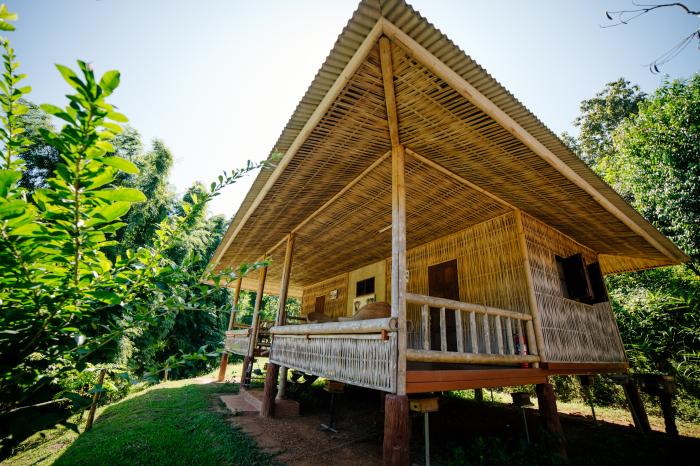
1. Elephant welfare volunteering (Chiang Mai)
The Volunteer with Elephants in Thailand program is our most popular Thailand placement. You help care for rescued elephants at a sanctuary that has retired them from logging and the trekking industry — no riding, no shows, no chaining for performance. Day to day you prepare food, plant and harvest fodder, clean the habitat and observe the elephants from a respectful distance. It starts from US$840 for one week, making it one of the few genuinely ethical elephant projects you can join for a single week.
2. Teaching English in Chiang Mai schools
The Teaching English Volunteer Program places you as a classroom assistant in under-resourced local schools, helping children build conversational English through games, songs and simple lessons. No teaching qualification or degree is required — enthusiasm and a willingness to plan matter more. It runs from a 2-week minimum, from US$790.
3. Teaching English to novice monks

One of Thailand’s most unique experiences, the Teaching English to Monks project lets you teach young novice monks at a temple school. English is a life-changing skill for these boys, and in exchange you gain a rare window into monastic and Buddhist life. Also from a 2-week minimum, from US$790.
4. Special needs & community care
The Special Needs Care Volunteer Program supports a Chiang Mai home for children and adults with intellectual and physical disabilities. Volunteers assist with daily activities, therapy support, feeding and simple recreation. It’s emotionally demanding, deeply valued work, from a 2-week minimum, from US$790.
Whichever you choose, you can explore the wider cause areas too — wildlife conservation, teaching abroad, childcare and community development.
How much does it cost to volunteer in Thailand?
Thailand programs start from US$790 for two weeks, or from US$840 for a one-week elephant placement. The fee is a transparent program fee — not a “donation” of unknown destination — and it covers your accommodation, most meals, airport pickup, in-country coordination and 24/7 local support. The table below shows real starting prices; always check the individual program page for current pricing, as fees are reviewed periodically.
| Program (Chiang Mai) | Minimum stay | From (2 weeks) | Longer stays |
|---|---|---|---|
| Elephant Welfare | 1 week | US$1,140 | 1 wk US$840 · 4 wks US$1,740 |
| Teaching English (schools) | 2 weeks | US$790 | 4 wks US$970 · 8 wks US$1,410 |
| Teaching English to Monks | 2 weeks | US$790 | 4 wks US$970 · 8 wks US$1,410 |
| Special Needs Care | 2 weeks | US$790 | 4 wks US$970 · 8 wks US$1,410 |
On top of the program fee, budget for your international flights, travel insurance (compulsory), your visa if you need one, vaccinations and personal spending money. The good news: Thailand is inexpensive day to day, so a modest budget stretches a long way. For a wider comparison, see our guide to the cheapest Asian countries to volunteer.
Why do you pay to volunteer in Thailand?
It’s a fair question. Your fee funds the things that make a placement safe and genuinely useful: housing and feeding volunteers, employing local coordinators who screen and support each project, running airport pickups and orientation, and — at the elephant sanctuary — contributing to the enormous cost of feeding animals that eat up to 150–200kg of food a day. A responsible organiser tells you what the fee does. If a program can’t explain where the money goes, that’s a red flag.
When is the best time to volunteer in Thailand?
You can volunteer in Thailand year-round, but the seasons make a real difference to comfort:
- November–February (cool, dry season): the most popular and comfortable window — warm days, cooler evenings, low humidity. Ideal for elephant work and being outdoors.
- March–May (hot season): temperatures climb into the high 30s°C. Note that Chiang Mai’s “burning season” (roughly March–April) can bring poor air quality from agricultural fires — worth factoring in if you’re sensitive.
- June–October (green/rainy season): lush landscapes, fewer tourists and often the best value. Rain usually comes in short afternoon bursts rather than all-day downpours, so projects run as normal.
School-based teaching placements align best with the Thai academic calendar (roughly mid-May to March), but our coordinators can place volunteers throughout the year.
Do I need a visa to volunteer in Thailand?
Most Western nationalities (including UK, US, EU, Australia and Canada) can enter Thailand visa-exempt for up to 30 days for tourism, which covers short volunteer trips of two to four weeks. If you plan to stay longer, you should apply for a 60-day tourist visa at a Thai embassy or consulate before you travel. Visa rules change, so always confirm the current requirements for your nationality with the official Thai embassy before booking flights. For a fuller breakdown, read how long you can stay in Thailand as a volunteer. Our team will send you a support letter and guidance once you’ve booked.
Is elephant volunteering in Thailand ethical?
It can be — but only if you choose carefully. Thailand has hundreds of “elephant experiences”, and many are not welfare projects at all. As a B Corp we only work with a genuine sanctuary, and we’d encourage you to apply the same standards anywhere you look:
Green flags (a genuine project):
- No riding, no circus-style shows, no bathing that stresses the animals
- Elephants have space to roam and socialise; interaction is on their terms
- The organization is transparent about the animals’ history and its funding
- Volunteers do real work — food prep, habitat care, observation
Red flags (walk away):
- Elephant rides, painting, or performances marketed as “fun”
- Chained elephants, bullhooks, or back-to-back tourist contact all day
- Vague answers about where your money goes
For the full picture, see our dedicated guide to ethical elephant volunteering in Thailand and our wider wildlife conservation projects.
What is daily life like as a volunteer in Thailand?

Most volunteers are based in shared volunteer accommodation in or near Chiang Mai, with fellow volunteers from around the world — a big part of what makes the experience so social and safe. Meals typically feature fresh, delicious Thai food, and your working day usually runs mornings to mid-afternoon, leaving evenings and weekends free to explore.
Chiang Mai itself is a gift: hundreds of temples, night markets, cooking classes, waterfalls and jungle treks, plus easy weekend trips to Pai, Chiang Rai or further afield. Many volunteers combine a placement with independent travel around Thailand’s islands and beaches afterwards. If you’re weighing Thailand against other Southeast Asian destinations, our Volunteer in Bali guide and Volunteer in India guide make useful comparisons.
Who can volunteer in Thailand?
Our Thailand programs are open to volunteers aged 17 and over (under-18s may need parental consent and are usually placed on care or teaching projects). You don’t need a degree, teaching certificate or animal-care background — just a genuine willingness to help, adaptability and respect for local culture. Solo travelers, students on a gap year, career-breakers and older volunteers all join; you won’t be the only one arriving alone. Short on time? Thailand suits one- and two-week volunteer programs particularly well, thanks to the one-week elephant option.
How do you choose a responsible Thailand program?
Use this quick checklist before you book any Thailand placement — with us or anyone else:
- Welfare and safeguarding: for animal projects, no riding/shows; for children, proper safeguarding and background checks.
- Transparency: a clear fee breakdown and an honest description of what you’ll actually do.
- Local partnership: in-country coordinators who work with the community, not fly-in operators.
- Real reviews: look for verified reviews on independent platforms, not just testimonials on the company’s own site.
- Support: 24/7 in-country contact, airport pickup and orientation included.
Volunteering Solutions ticks each of these as a certified B Corp with in-country teams in Chiang Mai and over 25,000 volunteers placed since 2007. Ready to talk it through? Get in touch with our team and we’ll help you pick the right project and dates.
Frequently asked questions about volunteering in Thailand
How much does it cost to volunteer in Thailand?
Programs start from about US$790 for two weeks, or from US$840 for a one-week elephant welfare placement. The fee covers accommodation, most meals, airport pickup, orientation and 24/7 in-country support. Flights, insurance, visa and personal spending are extra. Check the program page for current pricing.
Can you volunteer with elephants in Thailand ethically?
Yes — at a genuine sanctuary where elephants are never ridden, never made to perform, and are free to roam and socialise. Avoid any project offering rides, shows or all-day tourist contact. Volunteering Solutions works only with a welfare-first sanctuary near Chiang Mai.
Do I need a visa to volunteer in Thailand?
Most Western nationals can enter visa-exempt for up to 30 days, which covers short placements. For stays beyond 30 days, apply for a 60-day tourist visa at a Thai embassy before traveling. Always confirm current rules for your nationality.
Do I need qualifications or experience?
No. Our Thailand teaching, care and elephant programs require no degree, teaching certificate or prior experience — only enthusiasm, adaptability and respect for local culture. Full orientation is provided on arrival.
When is the best time to volunteer in Thailand?
November to February (cool, dry season) is the most comfortable and popular. March to May is hot with some smoke haze around Chiang Mai; June to October is green, quieter and often the best value, with rain usually falling in short afternoon bursts.
Is Thailand safe for solo and female volunteers?
Thailand is one of Asia’s most traveler-friendly countries, and Chiang Mai in particular is calm and welcoming. You’ll live in shared volunteer accommodation with a built-in community and 24/7 local support, which makes it a reassuring choice for solo and first-time volunteers.
{
“@context”: “https://schema.org”,
“@type”: “FAQPage”,
“mainEntity”: [
{“@type”:”Question”,”name”:”How much does it cost to volunteer in Thailand?”,”acceptedAnswer”:{“@type”:”Answer”,”text”:”Programs start from about US$790 for two weeks, or from US$840 for a one-week elephant welfare placement. The fee covers accommodation, most meals, airport pickup, orientation and 24/7 in-country support. Flights, insurance, visa and personal spending are extra.”}},
{“@type”:”Question”,”name”:”Can you volunteer with elephants in Thailand ethically?”,”acceptedAnswer”:{“@type”:”Answer”,”text”:”Yes, at a genuine sanctuary where elephants are never ridden, never made to perform and are free to roam and socialise. Avoid any project offering rides, shows or all-day tourist contact. Volunteering Solutions works only with a welfare-first sanctuary near Chiang Mai.”}},
{“@type”:”Question”,”name”:”Do I need a visa to volunteer in Thailand?”,”acceptedAnswer”:{“@type”:”Answer”,”text”:”Most Western nationals can enter visa-exempt for up to 30 days, which covers short placements. For stays beyond 30 days, apply for a 60-day tourist visa at a Thai embassy before traveling. Always confirm current rules for your nationality.”}},
{“@type”:”Question”,”name”:”Do I need qualifications or experience to volunteer in Thailand?”,”acceptedAnswer”:{“@type”:”Answer”,”text”:”No. Thailand teaching, care and elephant programs require no degree, teaching certificate or prior experience, only enthusiasm, adaptability and respect for local culture. Full orientation is provided on arrival.”}},
{“@type”:”Question”,”name”:”When is the best time to volunteer in Thailand?”,”acceptedAnswer”:{“@type”:”Answer”,”text”:”November to February is the most comfortable and popular season. March to May is hot with some smoke haze around Chiang Mai; June to October is green, quieter and often the best value, with rain usually in short afternoon bursts.”}},
{“@type”:”Question”,”name”:”Is Thailand safe for solo and female volunteers?”,”acceptedAnswer”:{“@type”:”Answer”,”text”:”Thailand is one of Asia’s most traveler-friendly countries and Chiang Mai is calm and welcoming. Volunteers live in shared accommodation with a built-in community and 24/7 local support, making it reassuring for solo and first-time volunteers.”}}
]
}
Start planning your Thailand volunteer trip
Whether you want to care for rescued elephants, teach in a Chiang Mai classroom or support a community care home, Volunteering Solutions can match you to an ethical, well-supported project and the right dates. Tell us what you’re thinking and we’ll take it from there.
Ready to plan your trip? Browse all volunteer abroad programs — 115+ affordable placements in 23 countries, rated 4.8/5.

Luni Chhochoon writes for Volunteering Solutions, a certified B Corporation, covering volunteer abroad programs, destinations and tips for traveling with purpose.