 English (US) ▾
 Nederlands
 English (UK)
 Deutsch
 Italiano
 Português
 Español
Underwater Conservation in Barcelona
Join a group of local and international volunteers to scuba dive to explore and act on all things that can be done to protect underwater environments
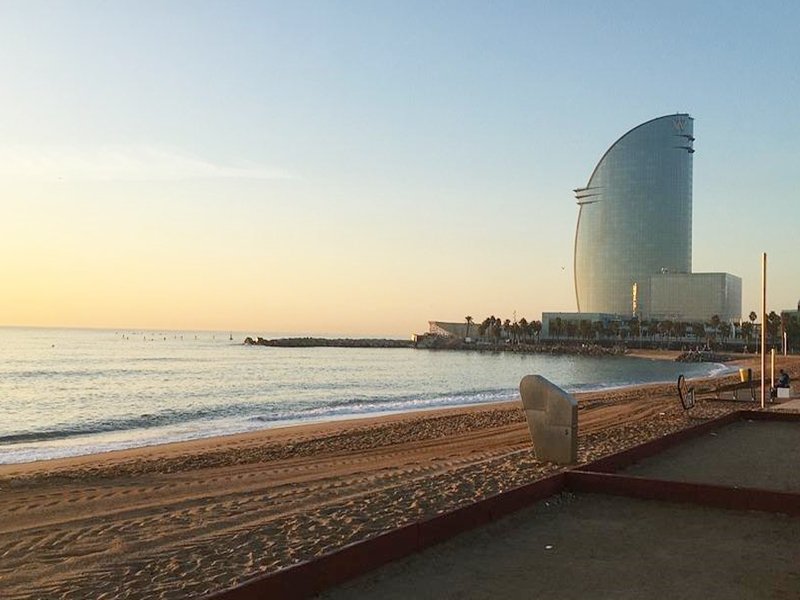
This program places you on the Barcelona coast, working with a non-profit scuba diving initiative linked to the Catalan federation of scuba diving. Day to day you take part in survey and identification dives, clean up marine debris from the seabed, photograph fish and other species, and log biodiversity data in a monitored coastal ecosystem. The program is open to non-divers (17+, two or more weeks recommended so you can complete PADI Open Water training first) as well as certified divers, and families with children aged 14 and up are welcome.
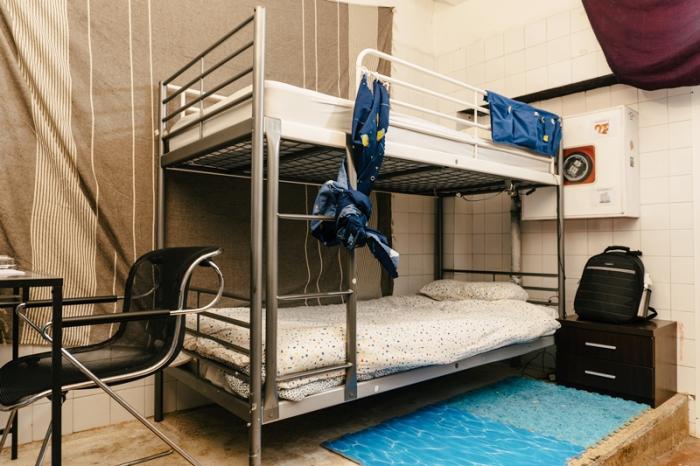
Placements run 1–8 weeks, with a new start every week (every week (sundays)), next departure 27 Sep 2026. You live in a shared NGO apartment or hostel in Barcelona, cooking meals together in a shared kitchen with a communal lunch, and get there and back by metro. Prices start at $1,239 (deposit included). The program's distinct feature is the direct link with the Catalan diving federation's scientific projects, giving you structured dive training alongside conservation work most weeks, Monday to Friday, with weekends free to explore the city.
- Discover Barcelona underwater by helping to conserve the diverse ecosystem of the coast of the city from your home based in the community apartment of the NGO!
- Live and volunteer with the Catalan federation of scuba diving and scientific programs in various marine preservation tasks in mediterranean waters.
- Explore Barcelona on afternoons and weekends in an authentic and engaged way, outside of the traditional tourist circuits
- Meet other volunteers and make lifelong friends with the same ideas and goals!
Your role on this program
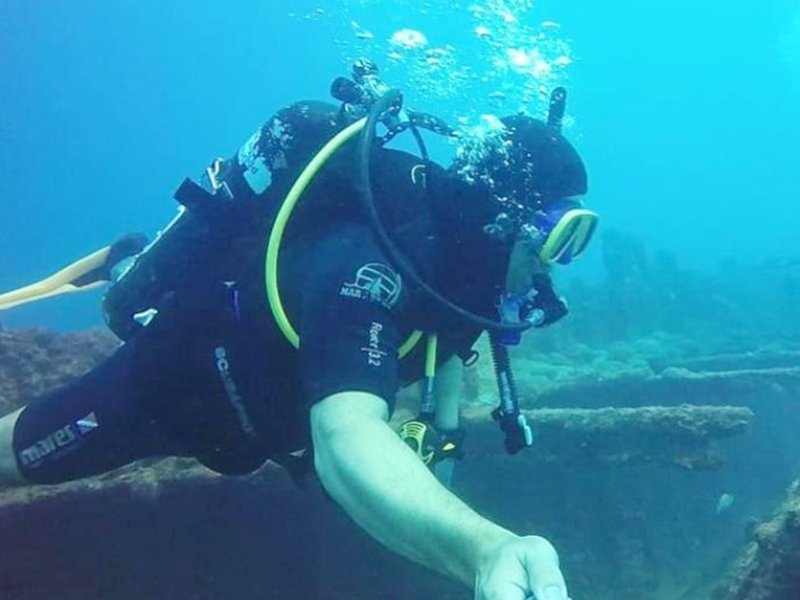
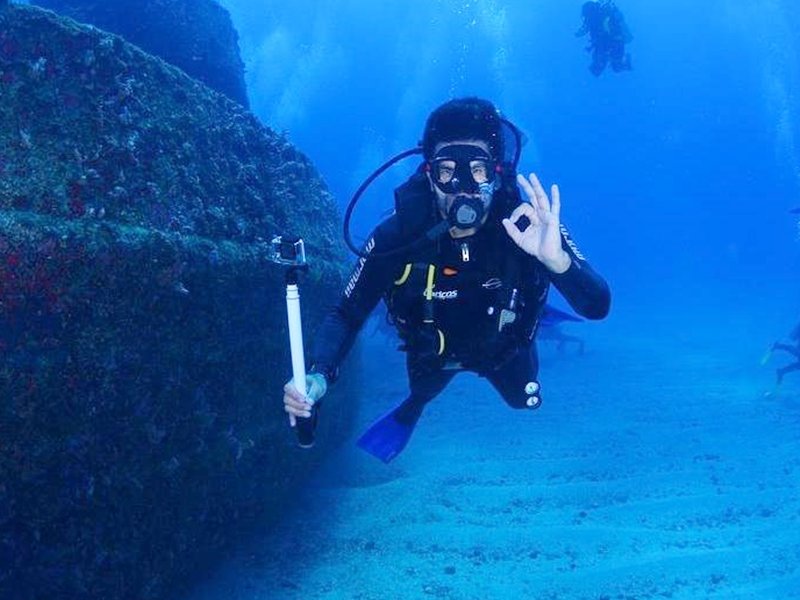
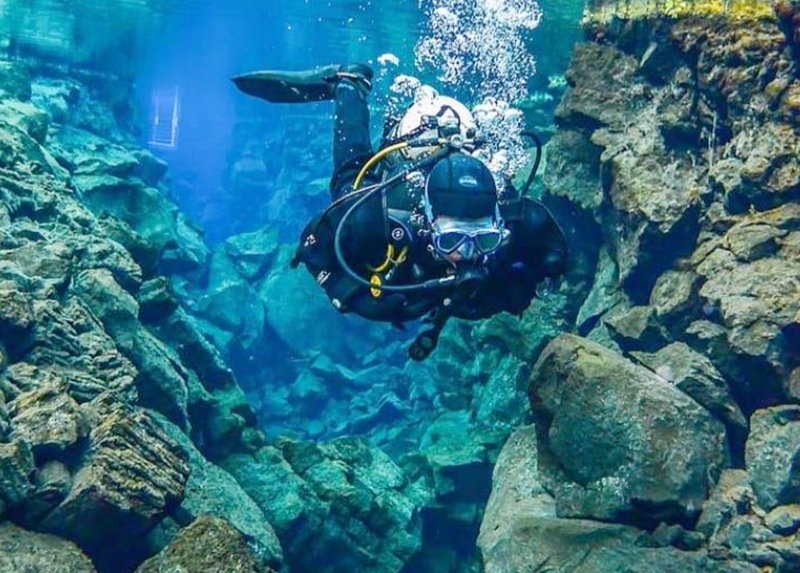
- Take part in survey and identification dives to monitor marine species along the Barcelona coast
- Clean up the seabed of marine debris using dive equipment and nets
- Log information on the trash and items collected during clean-up dives
- Remove marine organisms from collected debris and return them safely to the sea
- Photograph fish and other marine life as part of species documentation
- Collect and register biodiversity data in a monitored ecosystem near a former power plant site
- Help with community work in the Nou Barris district after diving sessions
- Write up a short article summarizing the mission you worked on
- Assist with summer camp workshops on the sea and environment for local kids (summer only)
Exact duties vary with the placement's needs, the season and your experience.
Role boundaries
Volunteers dive and collect data only under the instruction of the scuba diving center's staff, and non-divers complete PADI Open Water training before joining any conservation dive; duties may vary with the placement's needs and the season. You do not dive unsupervised, do not handle marine life beyond returning it to the sea as instructed, and do not take on the role of dive instructor or marine biologist, both of which remain with qualified staff.
A typical day and week
Day 1, Sunday: Arrive at Barcelona Airport (El Prat) on Sunday. Volunteers are accommodated in the apartment
of the NGO.
Day 2, Monday: Volunteers will begin each morning at 7:30am by preparing and eating on their own (Mum
said…) a morning snack of coffee and fruit in the NGO accommodations. On Monday 8:30 am, volunteers will go by metro and walk to the Scuba Diving Center, where the journey starts at 9:30 with the training and preparation of the dive. They will settle in and have an orientation before the first dive at 10:30am. Non-divers will begin their PADI Open Water training.
Day 3, Tuesday: Volunteers will begin as usual at 7:30am by preparing and eating on their own a morning breakfast in the NGO accommodations. The journey starts at 9:30 with the training and preparation of the dive. The dive will be at 10:30 AM observing local underwater biodiversity
followed at 11:30 by a training regarding material organization and maintenance.
Lunch can be made on site at 12:30 or at home at 13:30. Then Volunteers come back by Metro to the NGO for the Afternoon briefing. Then during 2 hours they will give a hand to community work that needs to be done before ending the shift at 16hs.
Day 4, Wednesday: Starting from 7:30am by morning breakfast and going to the scuba diving club as everyday. The journey starts at 9:30 with the training and preparation of the dive. The dive will be at 10:30 AM observing local underwater biodiversity followed at 11:30 by a training regarding material organization and maintenance. Then they will receive training dedicated to the local ecosystem balance and resilience. Lunch can be made on site at 12:30 or at home at 13:30. Then Volunteers come back by Metro to the NGO for the Afternoon briefing. Then during 2 hours they will give a hand to community work that needs to be done before ending the shift at 16hs.
Day 5, Thursday: Starting from 7:30am by morning routine. The journey starts at 9:30 with the training and preparation of the dive. The dive will be at 10:30 AM by the mission to clean the sea without disturbing it; followed at 11:30 by a training regarding material organization and maintenance.
Then they will receive last guidelines to remember for the certification they shall pass on friday. Then Volunteers come back by Metro to the NGO. From 14hs to 16hs they will give a hand to community work that needs to be done before ending their shift.
Day 6,Friday: Starting from 7:30am by morning routine. The journey starts at 9:30 with the training and preparation of the dive. The dive and the exam will be at 10:30 am Student-divers will end with their training and complete their certification. Newly scuba certified volunteers will take part in all conservation dives in the following weeks. Then they will receive their certification and come back by Metro to the NGO. From 14hs to 16hs they will redact an article about the mission they worked on.
Day 7, Saturday: Free time to explore Barcelona with other volunteers.
Day 8, Sunday: Free time to explore Barcelona with other volunteers.
Timings are the placement's usual pattern; the local team confirms your hours at orientation, and they can change with school terms, clinic rotas, weather and the project's needs.
Who can join and what you need
- Minimum age 17, families welcome with children aged 14 and up
- Basic level of Spanish or English
- Non-certified divers recommended to book a minimum of two weeks to take part in conservation dives
- Own dive light/torch required if certified divers plan optional night or deep dives
- Criminal background check issued within 12 months of the start date, required for any placement involving children (such as summer camp workshops)
- Compulsory travel/medical insurance, own policy or the one arranged through Volunteering Solutions
- CV and passport copy for registration
- Comfortable swimming ability and general fitness for daily dive training
The placement, its limits and your part in it
The program is run in partnership with a non-profit diving initiative linked to the Catalan federation of scuba diving, with local NGO coordinators in Barcelona handling your induction and welcome interview. Diving, training, and data collection are organized and supervised by the scuba diving center's staff, and community work in the Nou Barris district is coordinated separately by the NGO team, who set the day's tasks based on need.
Volunteers work as trained support, not as substitutes for marine biologists, dive instructors, or social workers: dives are supervised, marine life is handled only as instructed, and any work with children (such as summer workshops) sits within the standard background-check and supervision framework. Your contribution is practical and time-limited, helping with clean-up, monitoring, and data logging alongside the ongoing work of the diving center and its local partners.
Our standards
- Responsible volunteer travel policyHow we choose, run and review every project
- Animal welfare policyOur rules for wildlife, marine and animal-care projects
- Certified B CorporationSocial and environmental performance verified by B Lab
- How we volunteer responsibly in SpainCountry-level partner context and standards
Start dates
Weekly start dates, year-round — pick any week across the next two years.
Program fees by duration
Prices include your $249 booking deposit — which is deducted from your total program fee. Your deposit stays valid for one year, during which you may enroll in multiple programs. A 5% international banking fee applies to credit-card payments in USD or AUD.
| Duration | Total price | |
|---|---|---|
| 1 week | $1,239 | |
| 2 weeks | $1,804 | |
| 3 weeks | $2,404 | |
| 4 weeks | $2,764 | |
| 5 weeks | $3,244 | |
| 6 weeks | $3,724 | |
| 7 weeks | $4,204 | |
| 8 weeks | $4,684 |
Indicative conversion — your booking is charged in the currency you choose at checkout.
Note: A mid-season surcharge of $240/week applies to the program fee in April, May and October. A high-season surcharge of $420/week applies from June to September.
✓ What you're paying for
- Pre departure Information and Support
- Airport pickup in Barcelona during scheduled hours
- Orientation/Induction on arrival
- Workshops
- Accommodation in shared apartment or hostel
- Full induction and orientation on arrival
- Dive Equipment
- Meals
- Laundry
- In-country support
- Project equipment and resources
Not included
- Flights
- Visa if required
- Travel Insurance
- Personal Expenses
Accommodation & meals
Airport Transfer
The project site is in Barcelona, Spain. When you land in Barcelona, a local representative will be waiting for you at the airport with a sign that says your name and will take you directly to your accommodation. Airport pickup is provided between 10am – 6pm on the program arrival date, which has to be Sunday.
Orientation
Participants are given an induction on arrival and welcome interview in the next few days to be able to plan the volunteering and the program.
Accommodation and Meals
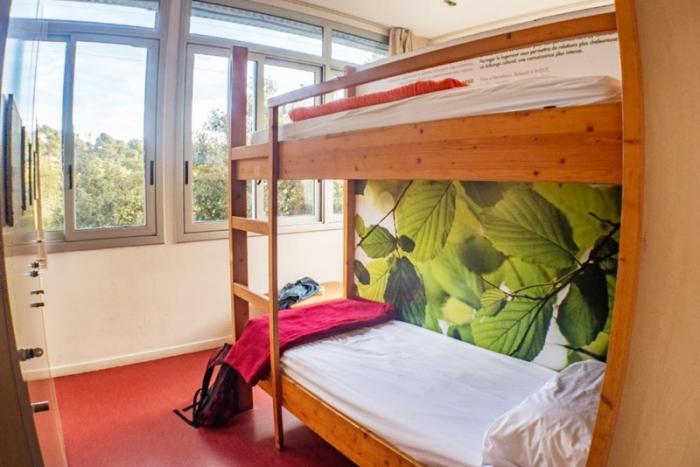
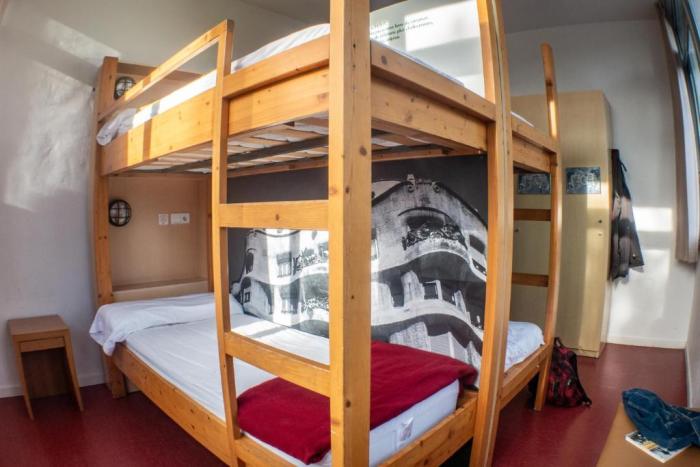
Participants are accommodated in a sustainable hostel or a shared, same-gender apartment, depending on availability and length of stay. Private rooms may be available for an additional cost. All accommodations include shared kitchens and bathrooms.
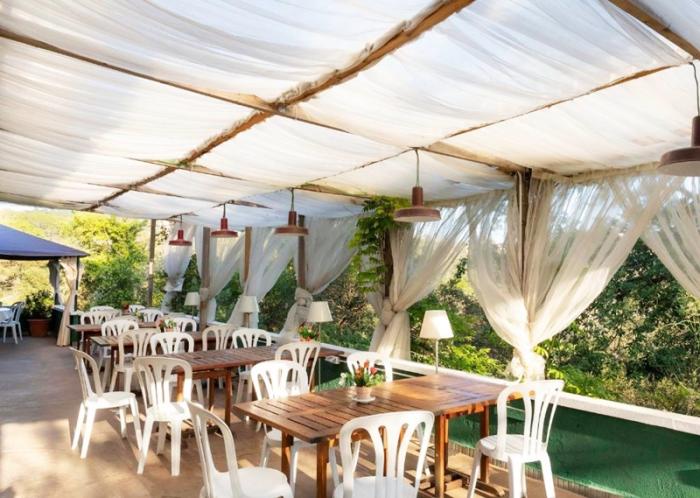
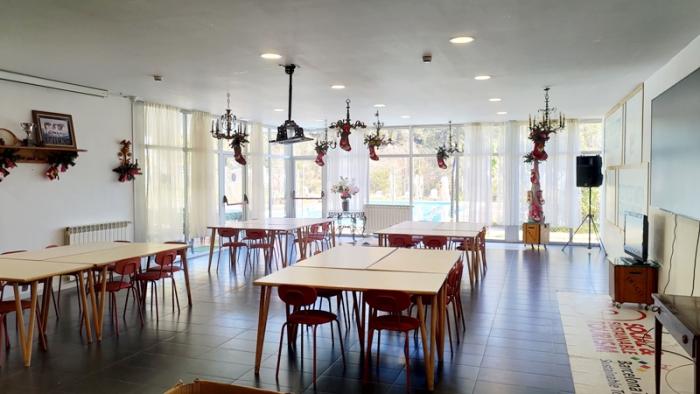
Food is provided throughout the program. Volunteers collaborate to plan and prepare meals together, with lunch typically prepared and shared communally. Breakfast, dinner, and snacks are self-managed by participants using the ingredients supplied. The project covers basic, healthy, and nutritious food items, with additional support from a local food bank.
Local Transportation
Participants typically use the Barcelona Metro to travel between their accommodation and the project site. The metro system is reliable, affordable, and well-connected across the city.
During your Free Time
Barcelona is one of the world’s most vibrant and visited cities, offering a wide range of cultural and recreational activities. The local team can provide guidance on places to visit, eat, and explore. Volunteers are also encouraged to organize their own outings.
For weekend trips, the Costa Brava—just 1.5 hours from Barcelona—offers beautiful coastal towns such as Cadaqués, Platja d’Aro, and Tossa de Mar.
Volunteer work takes place in the Nou Barris district, an area known for its diverse immigrant community, where many residents face socio-economic challenges. This provides participants with an opportunity to make a meaningful local impact.
Life on the program
Getting there and who looks after you in Spain
Airport pickup
A local representative meets you at El Prat Airport (BCN) with a sign bearing your name, between 10am and 6pm on your Sunday start date, and takes you directly to your accommodation.
First night
You settle into the NGO's shared apartment or hostel in Barcelona on arrival day.
Orientation
In the following days you get a full induction and a welcome interview with the local NGO coordinators to plan your volunteering schedule.
First project day
From Monday, you start with an early breakfast at 7:30am, travel by metro to the scuba diving center, and begin dive training and preparation, with non-divers starting their PADI Open Water course.
Ongoing support
Local NGO coordinators and the diving center staff provide daily guidance, and 24-hour emergency contact is available throughout your stay.
From volunteers in Spain
Frequently asked questions
What do volunteers actually do day to day?
You take part in survey and identification dives, clean-up dives to remove marine debris, photography and data collection on local species, and community work in the Nou Barris district, with tasks depending on the season and the project's needs.
Do I need to be a certified diver to join?
No, the program is open to non-divers, who complete PADI Open Water training as part of the first week; a minimum of two weeks is recommended for non-divers so there is time to also take part in conservation dives.
What are the working hours?
Volunteers work Monday to Friday, roughly 7:30am to 4pm, for about 35 hours a week, with weekends free to explore Barcelona.
How long can I stay and when can I start?
Placements run 1–8 weeks, with a new start every week (every week (sundays)); the next start date is 27 Sep 2026.
What does the program cost and what is included?
Prices start at $1,239 (deposit included, $249 refundable if no place can be offered), covering accommodation, meals, dive equipment except computers, airport pickup, orientation, laundry, and in-country support. Flights, visas, and travel insurance are not included.
Where do I live and what do I eat?
You stay in a shared apartment or hostel with same-gender rooms and shared kitchens and bathrooms; food is provided throughout, with volunteers planning and cooking meals together and a shared communal lunch.
How does airport pickup work?
A local representative meets you at El Prat Airport (BCN) between 10am and 6pm on your Sunday start date and takes you directly to your accommodation.
What support is available if something goes wrong?
Local NGO coordinators in Barcelona handle your induction and welcome interview, and a 24-hour emergency contact is available throughout the program.
Do I need a visa, vaccinations, or insurance?
Travel/medical insurance is compulsory, either your own policy or one arranged through Volunteering Solutions; specific visa or vaccination guidance, if needed, is sent before departure.
Who is this program suited for?
It suits people aged 17 and up, including families with children 14 and older, who want structured dive training combined with hands-on marine conservation work rather than a purely tourist diving trip.
Is a background check required?
Yes, a criminal background check issued within 12 months of your start date is required if you take part in any work involving children, such as the seasonal summer camp workshops.
What is the scope of the marine work? Will I handle animals?
Marine organisms found in collected debris are only ever handled to return them safely to the sea, and this is done under staff instruction as part of clean-up dives; there is no handling of marine life beyond this task.
Related pages
Schedule a meeting with a program advisor
We're here to help — a 20-minute one-on-one with detailed info, expert advice and application guidance.
Book a free meetingMore projects in Spain
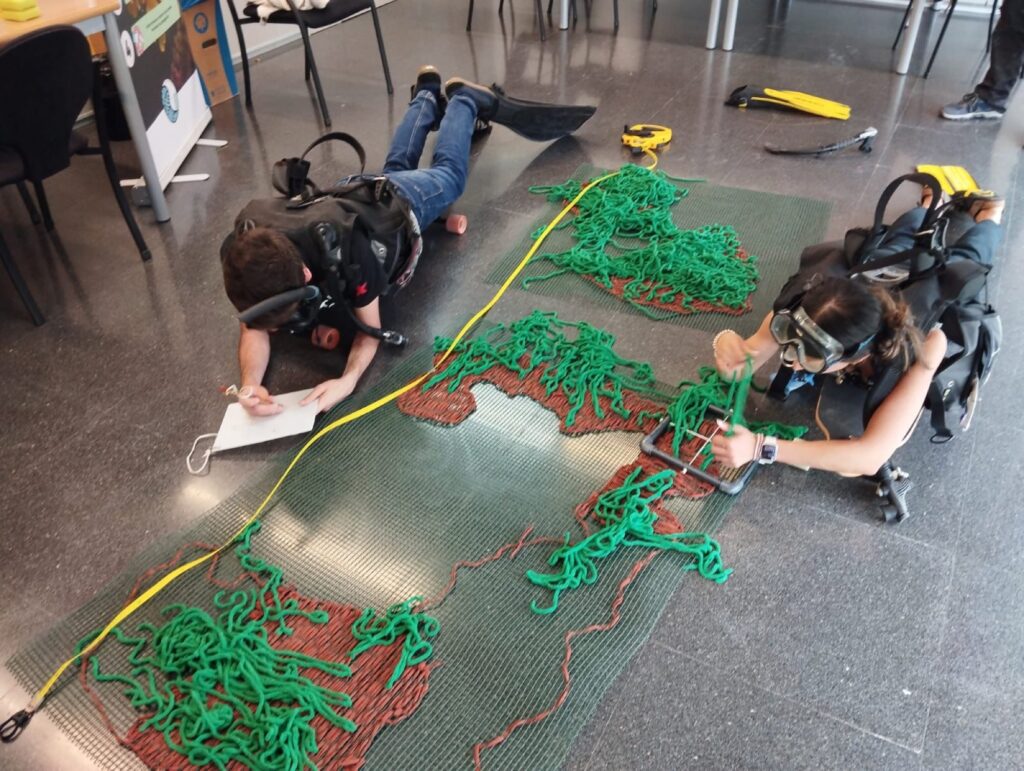
Environmental & Marine Conservation Volunteering in Valencia
Protect Valencia's coastline, wetlands and green spaces — join reforestation, beach clean-ups and marine data collection in one…
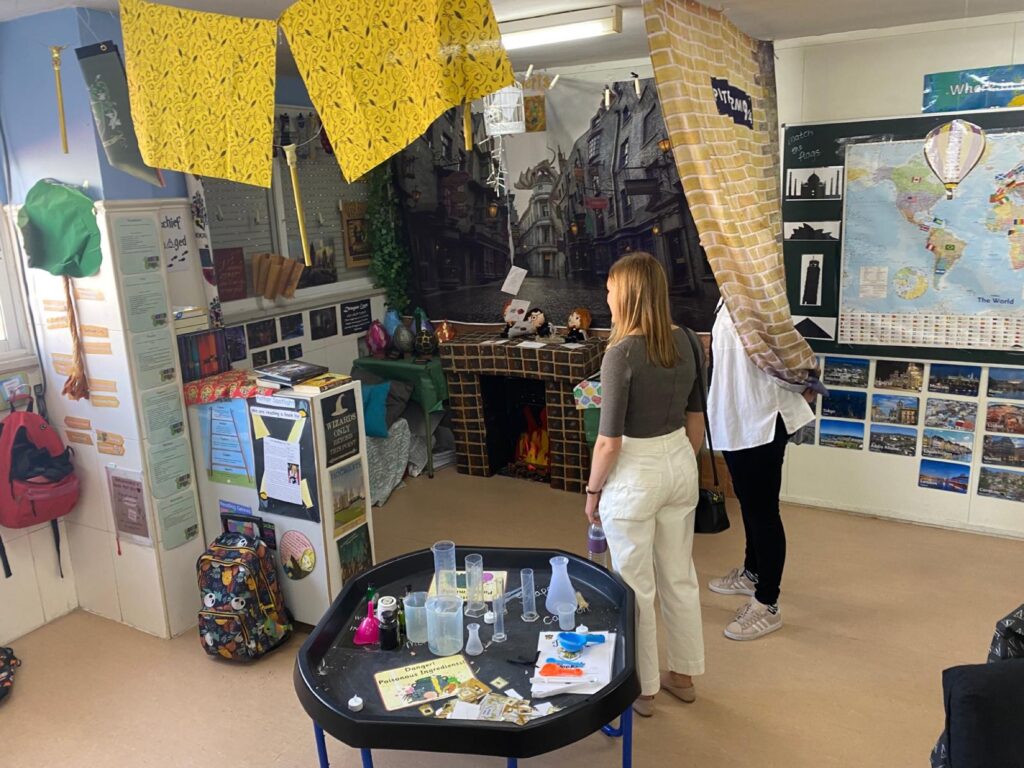
Youth & Education Volunteer Program in Valencia
Mentor and inspire local children and teenagers in Valencia through language, sport and after-school activities — a rewarding…
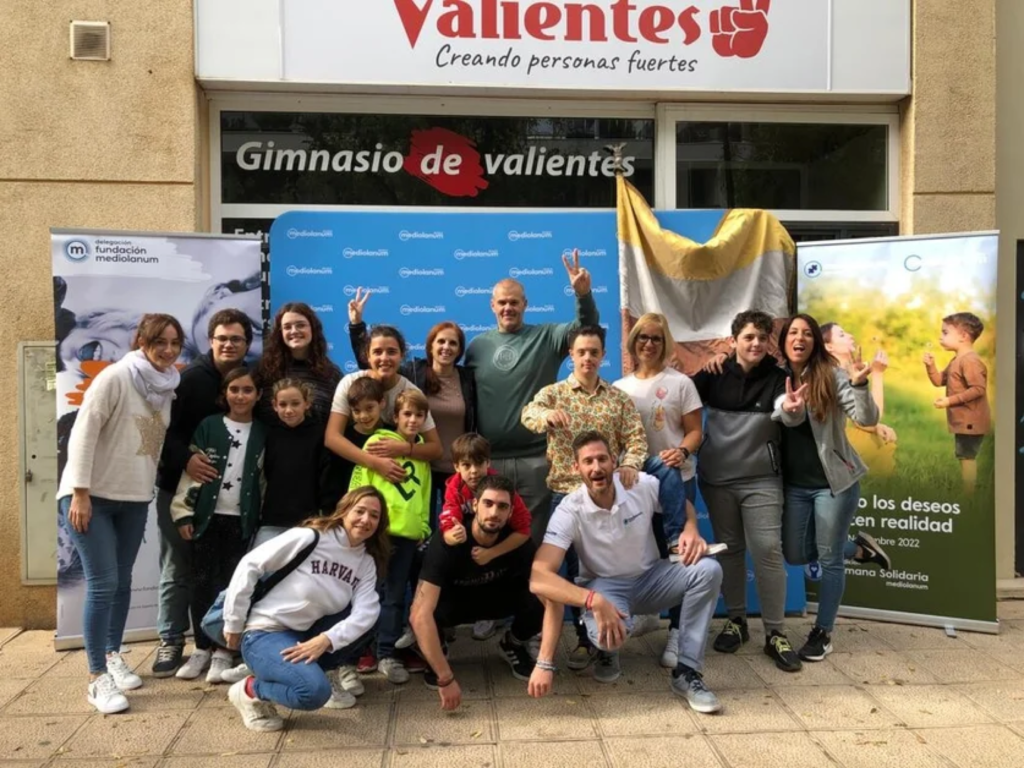
Social Inclusion & Community Volunteering in Valencia
Work alongside Valencia's community organizations supporting older people, those experiencing homelessness and newly arrived migrants — meaningful social-impact…