 English ▾
 Nederlands
 Deutsch
 Italiano
 Português
 Español
 Português
 Français
 日本語
日本語 한국어
한국어
Turtles, Wildlife & Permaculture Volunteer Experience
Live and volunteer in one of Costa Rica’s most biodiverse coastal regions while protecting endangered sea turtles, restoring forests, and learning sustainable permaculture practices. Based in Playa Ario on the Nicoya Peninsula, this immersive experience combines wildlife conservation, community engagement, and eco-living in a remote and inspiring natural setting.
The Turtles, Wildlife & Permaculture Volunteering Program in Costa Rica offers an immersive conservation experience for volunteers seeking hands-on involvement in wildlife protection, sustainable living, and community-based environmental initiatives. Set in one of Costa Rica’s most ecologically rich regions, this program allows volunteers to contribute meaningfully to ongoing conservation efforts while experiencing life in a remote coastal environment.
The project is based in Playa Ario, located on the Nicoya Peninsula, within the protected Caletas–Ario National Wildlife Refuge. This area is known for its pristine beaches, tropical forests, rivers, and high levels of biodiversity. Volunteers live and work in close proximity to nature, supporting projects that protect endangered species, restore natural habitats, and promote environmentally responsible practices.
A major focus of the program is sea turtle conservation, with volunteers assisting in the protection of Olive Ridley, Green, and Hawksbill turtles during the nesting season (June to February). Activities include beach patrols, nest monitoring, hatchery maintenance, and data collection, all carried out under the guidance of experienced local conservation staff. These efforts play a vital role in increasing hatchling survival rates and protecting vulnerable nesting areas.
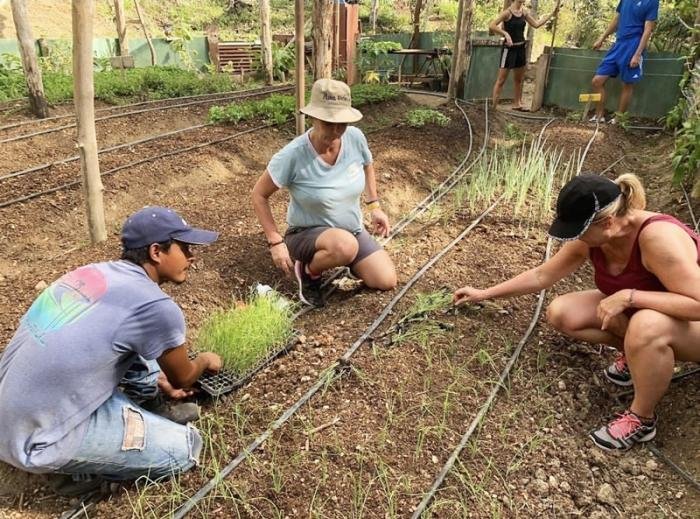
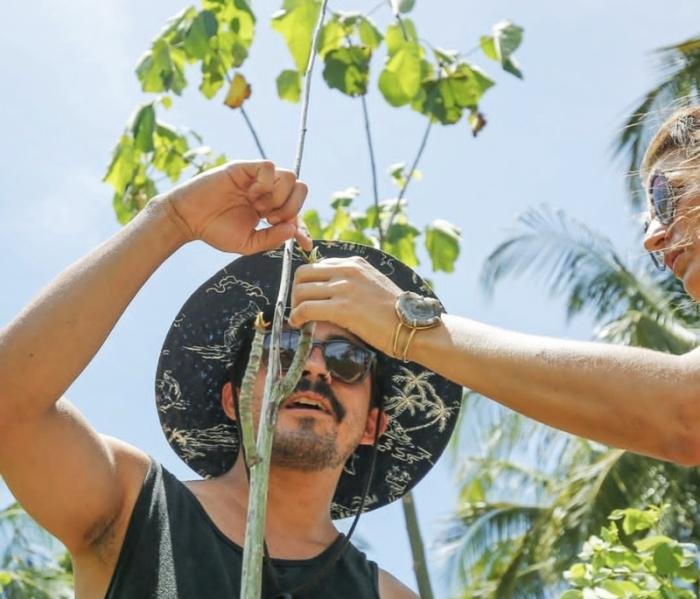
In addition to wildlife conservation, volunteers take part in permaculture and agroforestry activities throughout the year. These projects focus on organic food production, soil regeneration, composting, tree planting, and seed collection. Volunteers gain practical knowledge of sustainable agriculture and learn how permaculture principles support biodiversity, food security, and long-term environmental resilience.
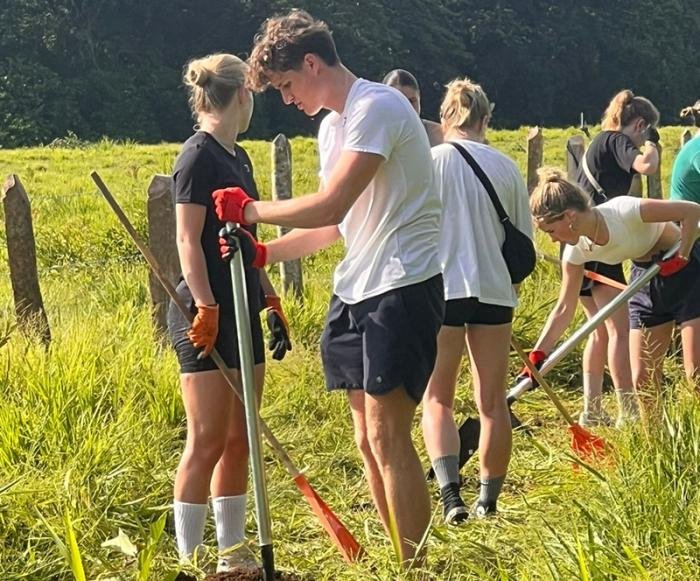
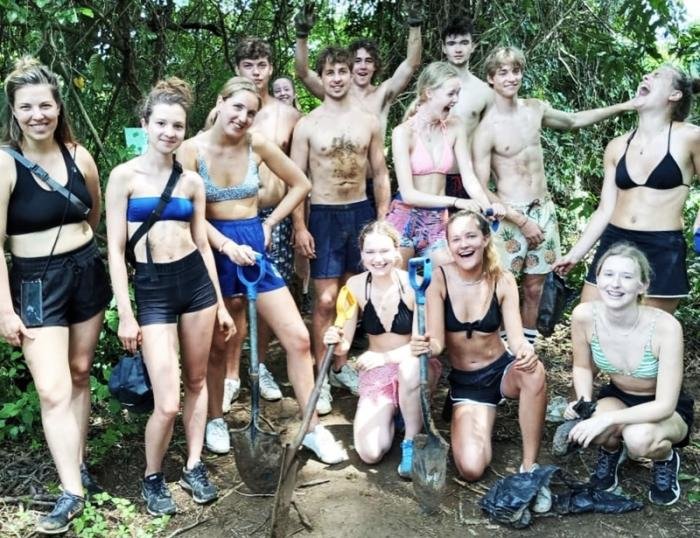
The program also emphasizes reforestation, environmental education, and community engagement. Volunteers assist with planting native tree species, maintaining trails, monitoring local wildlife, and supporting environmental awareness campaigns. When schedules allow, participants may also contribute to educational workshops and community initiatives aimed at promoting conservation and sustainable living practices.
Volunteers are accommodated at a simple, eco-style camp near the project site, offering a unique opportunity to disconnect from city life and fully immerse themselves in nature. Meals are provided daily and are mostly vegetarian, often prepared using locally sourced ingredients. Wi-Fi access is limited, encouraging participants to engage more deeply with their surroundings and fellow volunteers.
This program is suitable for first-time volunteers, gap year students, and eco-conscious travelers aged 18 and above. No prior experience or Spanish language skills are required—just a positive attitude, flexibility, and a willingness to work outdoors in a natural environment. With a minimum stay of two weeks, volunteers can make a genuine contribution while gaining valuable insight into conservation work and sustainable living in Costa Rica.
Volunteer Roles & Responsibilities
Volunteer tasks vary depending on the season and project requirements and may include:
Sea Turtle Conservation (June to February)
- Participating in night and early-morning beach patrols
- Identifying, marking, and monitoring turtle nests
- Assisting with hatchery work and data collection
- Supporting hatchling releases
Permaculture & Agroforestry (Year-round)
- Organic gardening and food production
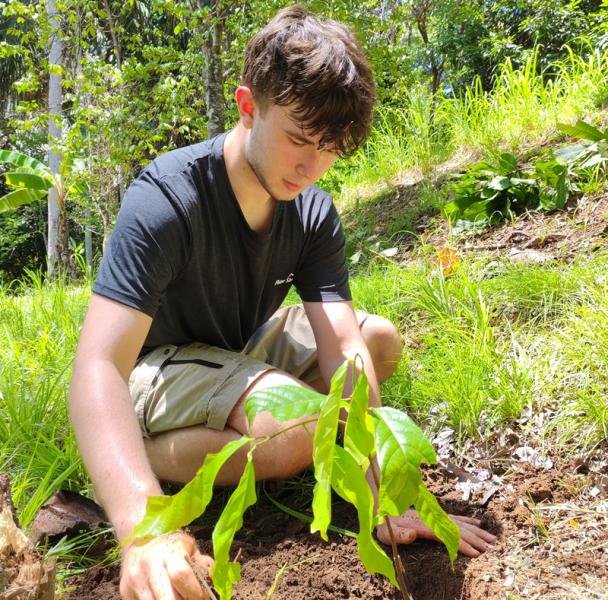
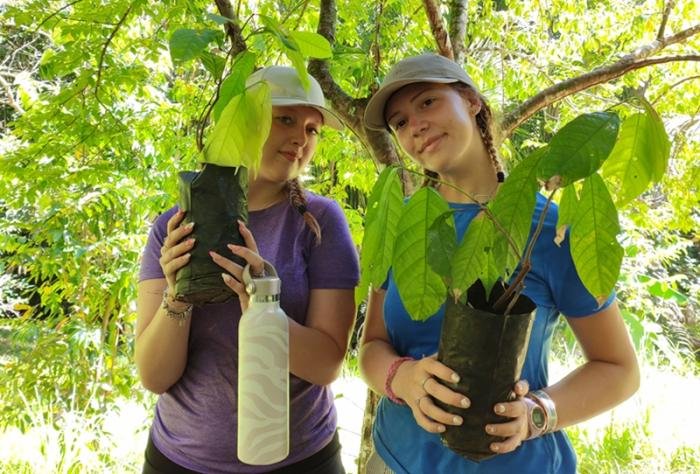
- Tree planting and seed collection
- Composting and soil regeneration
- Maintaining irrigation systems
Reforestation & Wildlife Conservation (Year-round)
- Planting native trees
- Trail and habitat maintenance
- Assisting with wildlife monitoring activities
Environmental Education & Community Projects
- Supporting awareness and conservation campaigns
- Assisting with workshops and educational activities
- Participating in beach clean-ups and recycling initiatives
During the non-nesting season (March to May), volunteers focus mainly on permaculture, reforestation, and environmental education activities.
Requirements & eligibility
Volunteers must be 18 years or older and commit to a minimum stay of two weeks. Wi-Fi access at the project site is limited, so participants should be prepared for minimal connectivity. The work can be physically demanding, and volunteers are expected to be in good health and comfortable with outdoor activities. Medical insurance is mandatory for participation. Mindful packing and zero-waste habits are strongly encouraged, as the program promotes sustainable living. Volunteers should also be prepared for a remote and peaceful environment with limited nearby services, making it ideal for full immersion in nature.
A typical day
The volunteer schedule is flexible and planned around tides, weather conditions, and current conservation priorities. Tasks vary by season, and volunteers are guided by on-site staff to ensure a well-balanced experience that combines productive project work with adequate rest.
A typical day may start early with a sunrise beach patrol or activities in the permaculture gardens, followed by breakfast. Mid-morning is usually dedicated to core project work such as reforestation, habitat restoration, or data collection. Afternoons are lighter and may include community-based initiatives, environmental workshops, or free time to relax, read, or explore nearby trails and beaches.
Evenings are generally spent together as a group, with shared dinners, informal discussions, learning sessions, or movie nights. While daily schedules can change depending on weather and project needs, flexibility, cooperation, and teamwork are key aspects of the volunteer experience, allowing participants to live and work in harmony with nature.
Life on the programme


Accommodation & meals
Airport Transfer
Volunteers arriving in Costa Rica are provided with airport pickup from Juan Santamaría International Airport (San José). The program includes one night of accommodation in San José to allow participants time to rest after their international journey. The following day, volunteers travel by shared shuttle from San José to Cóbano, followed by a 4×4 transfer from Cóbano to Playa Ario, as the project site is located in a remote coastal area. The 4×4 transfer is included both on arrival and departure, ensuring safe and reliable access to the volunteer camp.Return travel from Cobano to San Jose is not included in the fee. Volunteers can also book a short flight from Cobano to San Jose.
Orientation
All volunteers take part in a pre-departure online orientation, which provides essential information about the program, packing guidelines, travel arrangements, and what to expect on arrival. Upon reaching the project site, an on-site orientation meeting is conducted by the local team. This orientation covers project goals, daily schedules, safety guidelines, volunteer roles, and an introduction to sustainable living practices. Volunteers are supported throughout the program by an English-speaking volunteer coordinator.
Accommodation
Located closer to the beach and the sea turtle nesting areas, the ranger station offers a more rustic and immersive accommodation option. Volunteers stay in shared rooms with basic facilities, making it ideal for those who want a hands-on field experience in close proximity to conservation work.
All meals are freshly prepared, mostly vegetarian, and often made using locally sourced ingredients. The camp operates with solar power for essential needs, and Wi-Fi access is limited, encouraging volunteers to fully disconnect from daily distractions and engage with the natural environment.
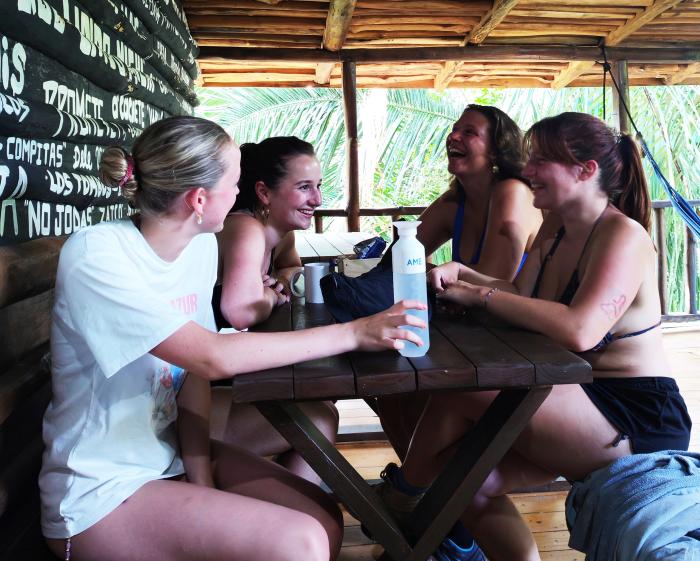
Wildlife is a regular part of daily life at the camp, with monkeys, tropical birds, and occasional sightings of deer or iguanas nearby. The atmosphere is friendly and communal, fostering a strong sense of teamwork and respect for nature and sustainable living.
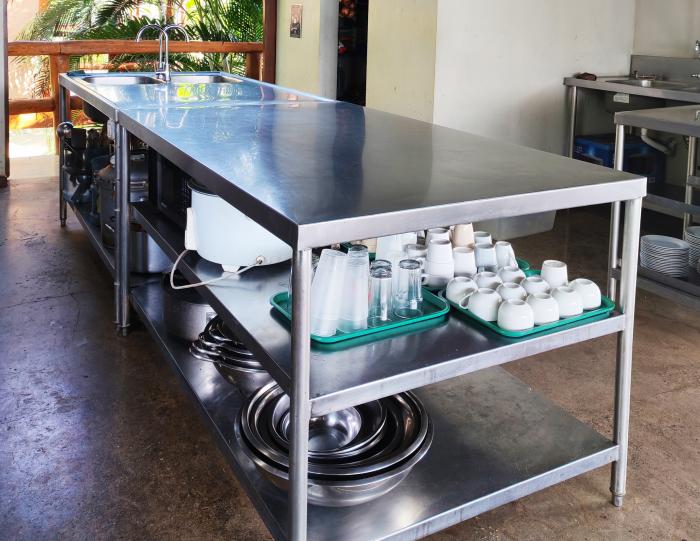
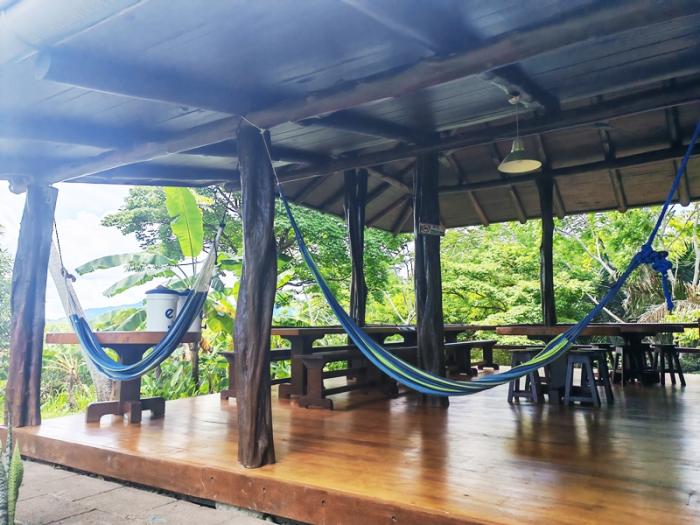
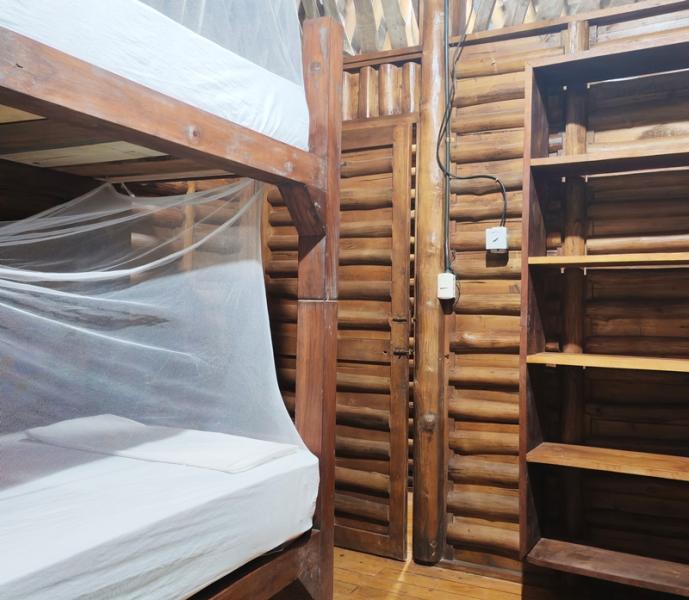
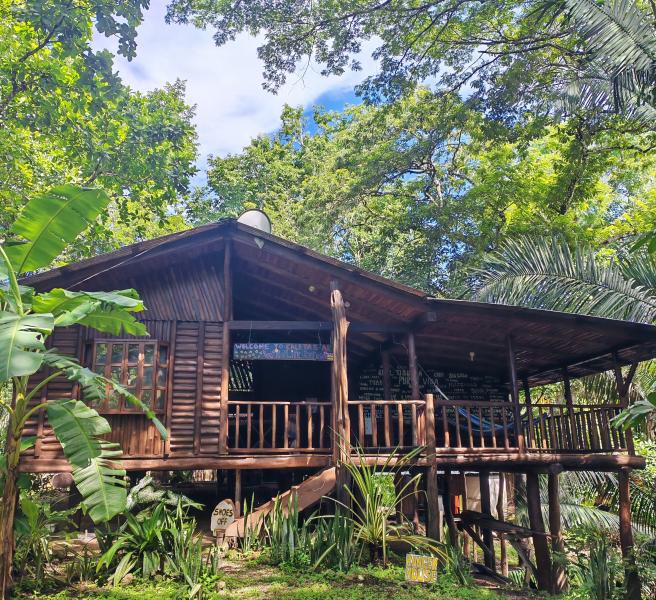
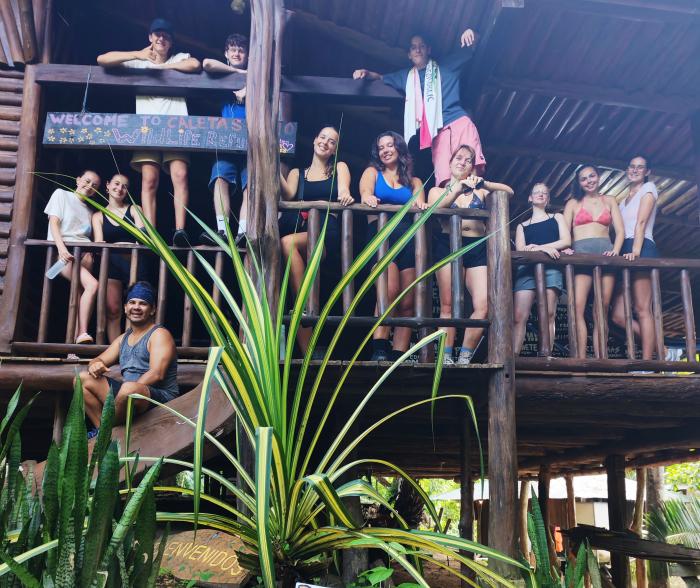
Volunteers also have an option to stay at Bungalows at the Main Campus. Surrounded by trees and connected by trails, the bungalows provide shared dorm-style rooms with bunk beds and fans. Bathrooms are communal, and a large open dining area serves as a space for meals, meetings, and community time. Volunteers need to pay an extra fee to stay at the bungalows accommodation at the main campus.
Meals
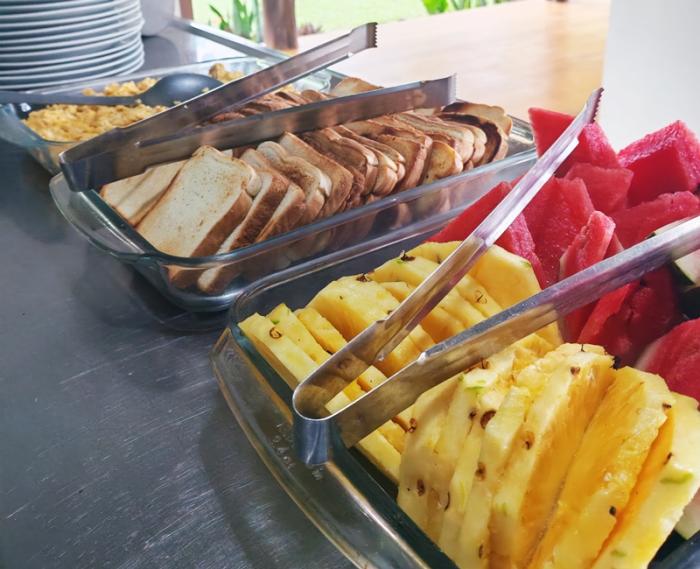
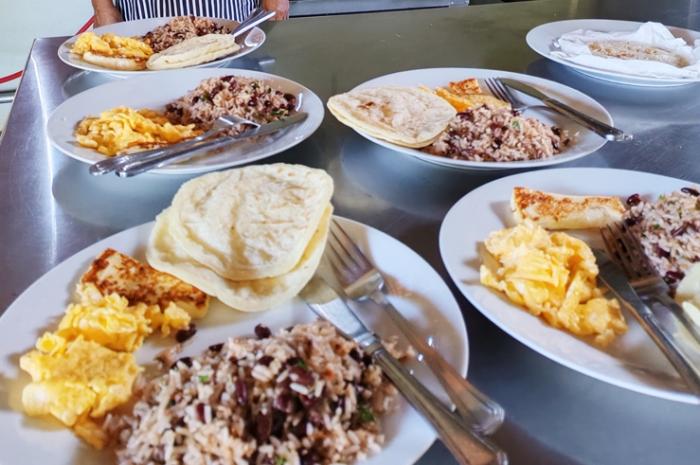
The program includes three meals per day, prepared on-site by the project team. Meals are mostly vegetarian and often made using fresh, locally sourced ingredients, including produce grown through the project’s permaculture initiatives. Special dietary requirements can usually be accommodated with advance notice. Mealtimes are an important part of community life at the camp, providing opportunities for volunteers to relax, connect, and share experiences.
During your free time
Volunteers typically work five days per week and have two days off to rest, explore, or simply enjoy the peaceful surroundings of Playa Ario and the Nicoya Peninsula. Free time provides the perfect opportunity to relax, recharge, and experience Costa Rica’s natural beauty and local culture.
One of the most popular ways to spend free time is enjoying long beach walks along Playa Ario, where volunteers can swim, relax, or watch spectacular sunsets over the Pacific Ocean. The beach is largely untouched and offers a quiet, natural setting ideal for reflection and downtime.
Volunteers can also take part in horseback riding tours, which offer a unique way to explore the coastline, nearby farms, and forest trails. For those interested in surfing, nearby beaches such as Manzanillo, Santa Teresa, and Malpaís are well known for their excellent waves and surf culture, making them popular weekend destinations.
The Nicoya Peninsula is also known as one of the world’s “Blue Zones,” and volunteers can embrace this lifestyle by joining yoga or meditation sessions offered locally, focusing on wellness, balance, and relaxation. Cultural activities such as Costa Rican cooking classes or traditional dance sessions may also be available, allowing volunteers to learn more about local traditions and community life.
Nature lovers can use their free time to explore nearby protected areas, including Cabo Blanco Nature Reserve, or take a snorkeling trip to Isla Tortuga to experience Costa Rica’s rich marine biodiversity. These excursions provide excellent opportunities to see wildlife both on land and underwater.
At the volunteer camp, several free weekly activities are offered, including guided night walks to observe nocturnal wildlife, farm-to-table sessions, communal dinners, movie nights, game nights, and informal cultural exchanges. Many volunteers also organize shared taxi trips to Santa Teresa, a lively beach town located about 45 minutes away, known for its cafés, shops, and relaxed atmosphere.
All optional tours and activities outside the camp are available at an additional cost, except for enjoying the beach and natural areas around the project. Free time is designed to complement the volunteer experience, allowing participants to balance meaningful conservation work with rest, exploration, and cultural discovery.
Start dates
Weekly start dates, year-round — pick any week across the next two years.
Program fees by duration
A one-off application fee ($249 / £179 / €229 / AU$350) is charged in addition to the program fee — valid for one year, during which you may enrol in multiple programs. A 5% international banking fee applies to credit-card payments in USD or AUD.
| Duration | Program fee | |
|---|---|---|
| 2 weeks | $1,227 | |
| 3 weeks | $1,521 | |
| 4 weeks | $1,815 | |
| 5 weeks | $2,109 | |
| 6 weeks | $2,403 | |
| 7 weeks | $2,697 | |
| 8 weeks | $2,991 | |
| Each additional week | +$350 / week |
Indicative conversion — your booking is charged in the currency you choose at checkout.
✓ What you're paying for
- Pre-departure communication and support
- Pre-departure online orientation
- Airport pickup from Juan Santamaría International Airport
- One-night stay in San Jose
- Shared shuttle transfer from San Jose to Cobano
- 4×4 transfer from Cobano to Playa Ario (included both ways)
- On-site orientation meeting
- Three daily meals (mostly vegetarian)
- Guidance from an English-speaking volunteer coordinator
- Access to project areas for wildlife conservation and permaculture work
- Free weekly activities such as guided night walks, farm-to-table sessions, movie or game nights, and cultural exchanges
- Certificate of Participation (available on request)
Not included
- Flights
- Meals that are not mentioned
- Transfer back to San Jose from Cobano (Can be added at extra charges)
- Personal Expenses
- Travel and Medical Insurance (Available at extra charges)
Frequently asked questions
When should I apply for the volunteer programs in Costa Rica?
It is advised to apply for the projects once the volunteering/ traveling dates are decided as there are limited spots available. The application fee is valid for one full year and can be sent earlier than the desired period of volunteering, for timely confirmation of the seat. As soon as you decide the travel dates, we suggest you to apply for the program and hold your spot. We abide by the first come first serve policy.
rnHow long will it take to process my application? Will my application be accepted?
Usually, it takes around 10-12 working days for the application to be processed and placement to be confirmed. After we review your CV and documents, your booking is confirmed and the booking confirmation is updated in your My Account and you can view the information in your account. The application acceptance depends on the availability of seats in the project as well as the eligibility criteria of the program (age, skills and experience etc.).
rnAre there any necessary requirements to participate in the Costa Rica volunteer programs?
Below are the necessary requirements to participate in the Costa Rica volunteer projects:
Volunteers must be 17 years or older for Teaching, Childcare, and Spanish Immersion at the beginning of the program. For all other programs, you need to be 18 years or older.
Volunteers joining the medical volunteer project must be either Pre-Medical, Medical or Nursing student or possess other qualifications related to medical and nursing field. Medical professionals such as doctors and nurses are also welcome to join the program.
Volunteers need to have an open mind and flexible attitude for working in a new and different environment.
The volunteer should bring energy and enthusiasm to make a difference.
The participant must be in good health.
Knowledge of Spanish (basic to intermediate) is necessary for all the programs.
Can I volunteer as part of a group?
Yes, you are welcome to take part in Costa Rica Volunteer Programs as part of a group. We welcome families, friends, high school students, college/university and corporate groups to volunteer together in the Costa Rica volunteer programs. Please get in touch for a customized program suitable for your group as per your budget and requirements.
I haven’t traveled or volunteered abroad before. Can I still be a part of VolSol?
Yes, most definitely you can, as we believe that every participant brings something new to the project. If you do not have previous experience, we offer you the opportunity to have a great start with us. We make international volunteering easy – not only are our Volunteer Abroad opportunities rooted in offering you extensive support, but they are also very affordable.
rnDoes VolSol provide with a reference or a certificate after program completion?
Yes, we will provide you with the Certificate after successful completion of your program. The certificate is provided on request.
When do I need to arrive in Costa Rica for my program? What will happen once I arrive in Costa Rica?
All volunteers are required to arrive on the designated program start date. Upon arrival at Juan Santamaría International Airport, participants will be met by a local representative and transferred to their assigned accommodations.
Volunteers joining the Childcare and Teaching programs will stay with carefully selected host families. Those participating in the Animal Rescue Project in Alajuela or the Turtle Conservation Project in Matapolo will spend their first night in a homestay before continuing to their project locations.
Participants enrolled in the Animal Rescue Project in Puerto Viejo will be collected from the airport and provided overnight accommodation in a hostel in San José. Volunteers joining the Turtle and Environmental Conservation Project in Osa Peninsula should arrive directly in Puerto Viejo, unless they have booked the optional San José Arrival Package, which includes airport pickup and an overnight stay.
What are the Program locations in Costa Rica?
We offer a wide variety of programs in Costa Rica located in all different regions of the country. The Childcare,Teaching and Women Empowerment projects are located in and around San Ramon de Alajuela which is around 45 minutes from the capital city of San Jose.The Turtle and Environment Conservation project is located in Osa Peninsula.The Wildlife and Animal Rescue Center project is located near Puerto Viejo. The Turtle, Wildlife and Permaculture project project takes place near Playa Ario, a wild and beautiful beach within the Caletas–Ario National Wildlife Refuge, where forests, rivers, and the ocean meet.
A VolSol fornece carta de recomendação ou certificado após a conclusão do programa?
Sim, forneceremos o certificado após a conclusão bem-sucedida do programa. O certificado é fornecido mediante solicitação.
What if I have my own accommodation. Can I still volunteer for the project?
Unfortunately, the entire volunteering experience is as much about volunteering on your project, as it is about the cross-cultural exchange and community building. A lot of that happens through the accommodation that we have set up, where one can enjoy by being with like-minded people. Additionally, for safety reasons, all volunteers must live in the allotted accommodation.
Can vegetarians be accommodated?
Yes, however, you must inform us in advance and also mention about any dietary requirement in your application form.
Would I have free time during my program? Can I do sightseeing during my program?
Depending on your project placement, you will get evenings and the weekends free to travel and explore the place. In the evenings, volunteers usually get together and go out for social gatherings, eat out or just relax at the volunteer house. Weekends are free for the volunteers and you can go for short weekend trips. There’s actually so much to do in Costa Rica. Visit Nicoya Peninsula, Arenal Volcano, Corcovado National Park, Monteverde Cloud Forest Biological Reserve, La Paz Waterfall Gardens, Tabacón Hot Springs, San José, Caño Negro Wildlife Refuge, Tortuguero National Park and much more. For volunteers in Playa Ario, there is plenty to experience in and around Playa Ario and the Nicoya Peninsula when you’re not working on conservation projects. Many volunteers also organize shared taxis to visit Santa Teresa, a lively beach town located about 45 minutes away. Known for its vibrant cafés, surf culture, and relaxed atmosphere, it’s a great place to spend a day off with fellow volunteers. Free activities offered at the camp include guided night walks, movie nights, and communal dinners — perfect moments to relax, share experiences, and enjoy the sense of community that grows naturally here.
Are there more expenses once I arrive in Costa Rica?
Your program fee does not cover your personal expenses. You will need to provide for yourself your personal expenses, such as bottled water, local transport, telephone, shopping, sightseeing etc. However, you should carry around $70-$80 per week for your basic personal expenses. This amount can vary and you would need a higher amount if you choose to go on weekend trips out of town.
rnFor how many hours do I have to volunteer in a day?
Volunteers usually work for 4 to 6 hours a day depending on their program. You will have weekends off so you can travel on weekends. However, volunteers need to be flexible, open-minded and understand that work requirements can change as well on certain occasions.
rnWhere can I change my money in Costa Rica? Are there ATMs in the city?
You can change money upon your arrival at Juan Santamaria Airport or from the bank. There is a good network of ATMs as well.
rnCan I know more about accommodation and food arrangements?
Turtle, Wildlife and Permaculture Project
Upon arrival in San Jose accommodation is provided in a hostel for the night. When at the project in Nicoya Peninsula, the accommodation is located closer to the beach and the turtle nesting sites. This rustic station
accommodates volunteers in shared rooms with basic facilities, ideal for those seeking a more immersive field experience. All meals are freshly prepared, mostly vegetarian, and often made with local produce. Solar power supports essential needs, and Wi- Fi is limited — encouraging full connection with the natural surroundings. Wildlife is part of daily life here: monkeys,tropical birds, and even the occasional deer or iguana can be seen near the camp. The atmosphere is communal, friendly, and rooted in respect for the environment
Teaching, Childcare and Women Empowerment Projects
Volunteers stay with welcoming local host families, offering a great chance to experience Costa Rican culture and daily life. You’ll receive two meals per day, and detailed information about your host family will be shared after your placement is confirmed.
Animal Rescue Project (Puerto Viejo)
On arrival, volunteers stay one night in a hostel in San José. During the project, accommodation is provided in a dorm-style hostel near the center. Meals are not included, but you’ll have access to a fully equipped kitchen to prepare your own food.
Osa Peninsula Projects
Volunteers in the Osa Peninsula stay directly at the project site in shared dorm-style accommodation.
Do I need to buy health insurance?
Yes, for all participants, it is mandatory to have a valid travel medical insurance for their trip. Volunteers have the option to purchase Travel and Medical Insurance at a nominal extra cost from Volunteering Solutions. To provide the best option to our participants, we offer comprehensive insurance coverage in collaboration with a leading insurance provider.
rn
If you already have a valid Travel and Medical insurance, you can email us a copy of the same. It is also advised to bring along the Insurance documents during your trip.
How safe is Costa Rica in general?
Costa Rica is considered one of the safest and most stable countries in Central America, and it is a popular destination for international travellers, students, and volunteers. The country has a long-standing reputation for political stability, a strong democratic system, and no standing army, which has contributed to a generally peaceful society.For visitors, Costa Rica is safe to travel when normal precautions are taken. Most trips are trouble-free, especially in tourist-friendly areas such as San José, the Nicoya Peninsula, and coastal regions.
What immunizations/vaccinations will I need?
All participants are recommended to consult their physician or travel doctor before traveling to Costa Rica. To view the general list of vaccinations recommended for your travel to Costa Rica, click here.
Does Volunteering Solutions help with Visa?
Participants (most nationalities) require a Tourist Visa to travel to Costa Rica. Travelers from most countries can get a 90-day permit stamped on their passport on arrival.We advise you to check with your nearest Costa Rican embassy as well.
rnWhat are the recommended airlines to fly to Costa Rica?
Several international airlines offer convenient flights to Costa Rica from both North America and Europe. From North America, airlines such as United Airlines, American Airlines, Delta Air Lines, JetBlue Airways, Southwest Airlines, and Air Canada operate frequent direct and connecting flights to Costa Rica from major cities in the United States and Canada. These airlines provide good connectivity via hubs such as Houston, Miami, Atlanta, New York, Toronto, and Montreal, making travel to Costa Rica straightforward and accessible.
Travellers flying from Europe can choose from a number of well-established carriers offering direct or one-stop flights to Costa Rica. British Airways operates direct flights from London, while Iberia offers direct connections from Madrid. KLM Royal Dutch Airlines and Air France provide direct services from Amsterdam and Paris respectively, and airlines such as Lufthansa and SWISS International Air Lines offer convenient one-stop connections from other European cities via their main hubs.
Volunteers are recommended to book flights arriving at Juan Santamaría International Airport (SJO) in San José, which is Costa Rica’s main international airport and offers the widest range of international connections, as well as the most convenient onward travel options to the project location.
How can I connect with past Volunteering Solutions Costa Rica alumni as well as other former and current volunteers?
We encourage volunteers to get in touch with former Volunteering Solutions Costa Rica program participants and also other program participants joining our projects. You are recommended to join the Volunteering Solutions Facebook Page or Facebook Group to communicate with other participants.
rn
rn
To read alumni interviews from past participants, visit ?the Meet a Volunteer section on our website.
From volunteers in Costa Rica
Schedule a meeting with a programme advisor
We're here to help — a 20-minute one-on-one with detailed info, expert advice and application guidance.
Book a free meetingMore projects in Costa Rica

Women Empowerment in San Ramon de Alajuela
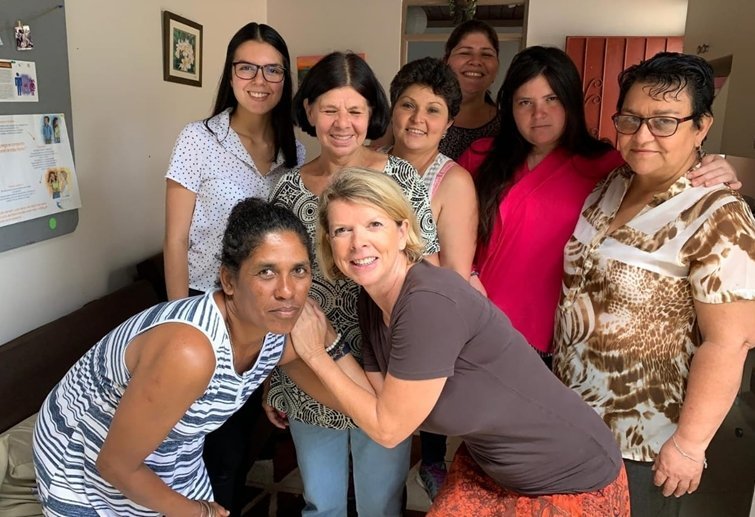
Join the Women Empowerment Program in Costa Rica with Volunteering Solutions and contribute to a life-changing initiative that…
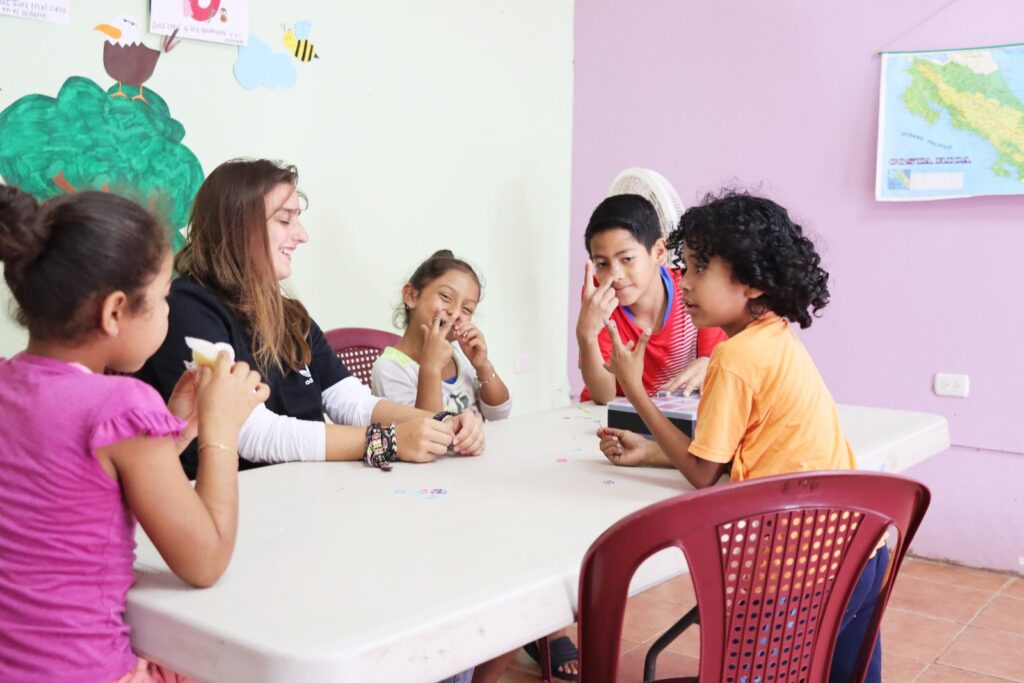
Childcare Volunteer Program in Costa Rica
Help nurture Costa Rica’s youngest minds by volunteering in community childcare centers, bringing care, creativity, and hope to…
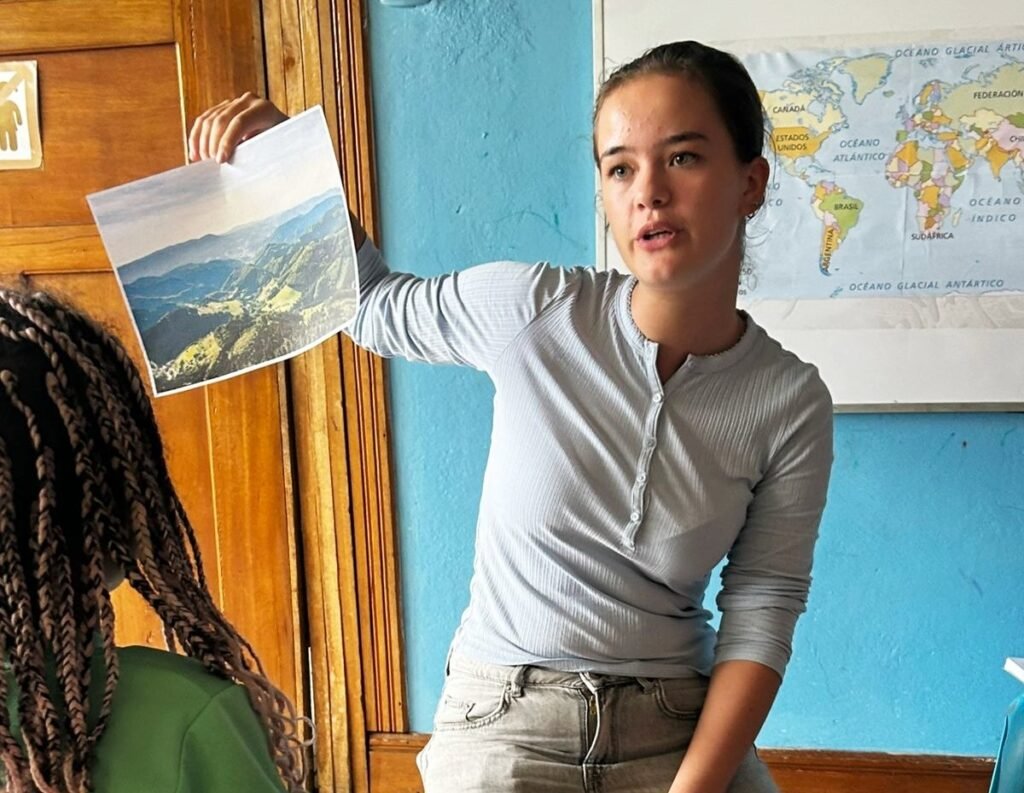
Volunteer Teaching English in Costa Rica
Volunteer in Costa Rica and inspire young minds by supporting classroom learning or teaching subjects you’re passionate about.Make…