 English ▾
 Nederlands
 Deutsch
 Italiano
 Português
 Español
 Português
 Français
 日本語
日本語 한국어
한국어
Volunteer in Costa Rica at Wildlife & Animal Rescue Center
Volunteers work with rescued, mistreated and injured animals on Costa Rica’s Caribbean coastline, where reggae music fills the air and surfers line up on the horizon.
- Meaningful volunteer work for conserving the wildlife in Costa Rica
- Explore the rich biodiversity of Costa Rica and explore its eco-reserves
- Make the most of the opportunity to live with the wildlife and work for their welfare and development
- Responsibilities include food preparation for the animals, getting to know about endangered wildlife species
- First-hand learning opportunity while working with a team of experts
Costa Rica is home to a rich variety of plants and animals. Even though the country has only about 0.25% of the world’s landmass it contains 5% of the world’s biodiversity. Both tropical plant and animal species abound in Costa Rica. The country is home to more than 200 species of mammals and more than 800 species of birds.
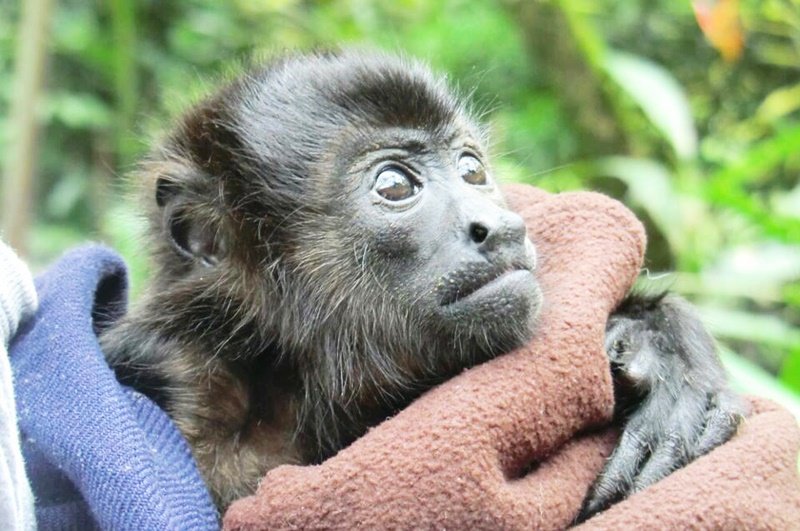
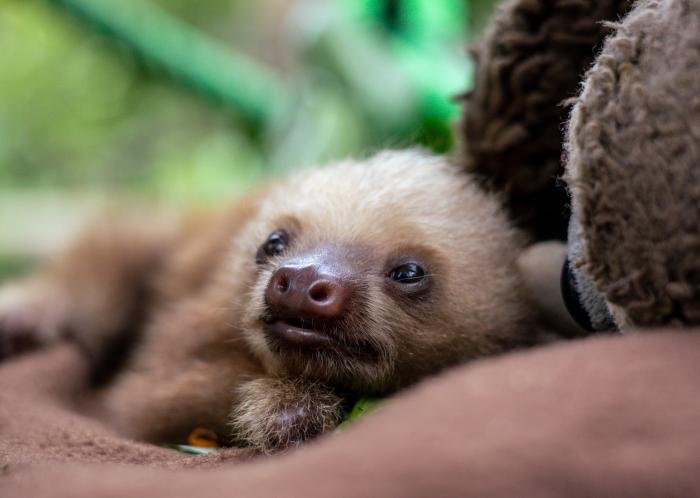
Volunteers joining this program will be working at an animal rescue center, a temporary or permanent home for the ill, injured, and orphaned animals. A perfect program for wildlife enthusiasts, this month-long volunteering project will enhance your ability to be interactive with the animals while working closely with an experienced team. With a focus on monkeys, sloths, other mammals, birds, and reptiles; the center provides veterinary services, round-the-clock care, and comfort to animals that would otherwise be unable to survive in the rainforest of the Caribbean.
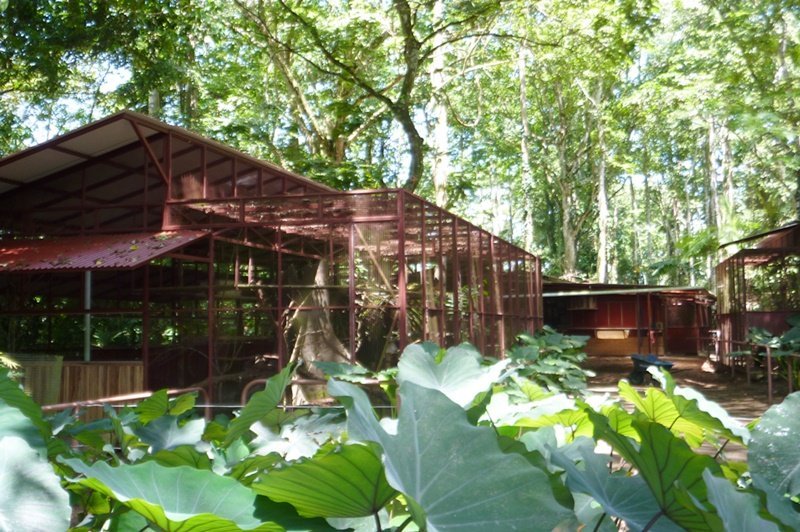
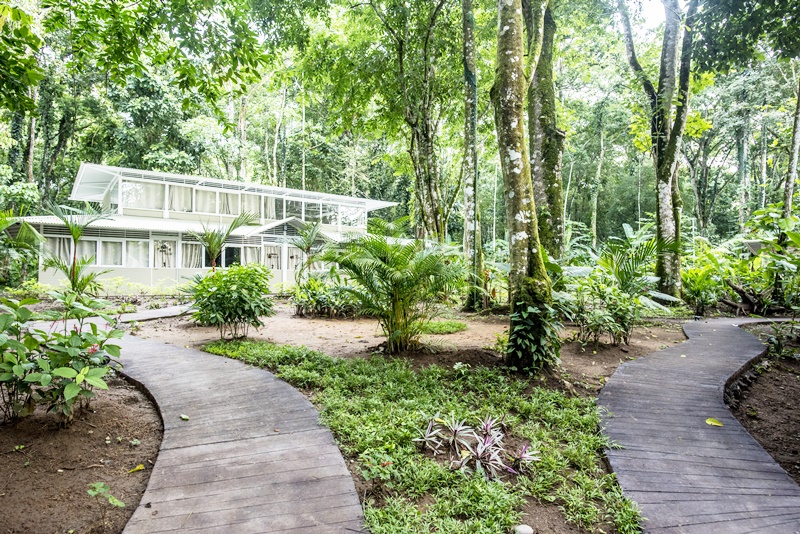
This animal rescue center covers an area of 49 hectares of primary forest; this untouched property is the ideal place to locally release many of the animals as it gives them the best chance of a clean and naturally safe environment with little chance of interaction with humans in the future.
The project is located 4km away from Puerto Viejo and 220km from San Jose, Costa Rica’s capital. By shuttle/bus it takes around 4 hours from San Jose to reach Puerto Viejo and from here around 10 minutes to head to the project.
Background of the Program
Founded in 2004 by a passionate European couple deeply moved by the lack of care for the wild animals in Costa Rica, the Animal Rescue Center in Puerto Viejo was established to make a meaningful change. After multiple visits to the country, they decided to create a sanctuary for the many animals in need. The center quickly became a refuge for reptiles, mammals, and even a baby jaguar, highlighting the urgent need for their rescue efforts.
To support their mission, the founders purchased a significant portion of private primary rainforest. This land provides a safe haven where animals can be gently reintroduced into their natural habitat. Unlike many similar organizations, the Jaguar Rescue Center operates independently of government funding and relies heavily on volunteers for both financial support and operational assistance.
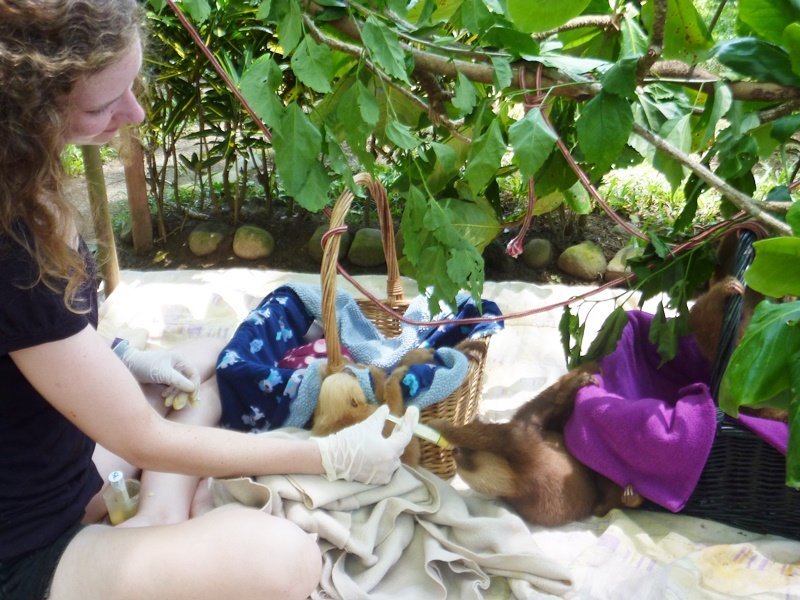
Volunteers at the center are essential to the care of a diverse range of wildlife, including monkeys, wild cats, sloths, raccoons, anteaters, and marsupials. Daily tasks include preparing diets, cleaning enclosures, monitoring animal health, and assisting with their gradual release back into the wild. Each day is filled with new surprises and challenges, making the volunteer experience dynamic and profoundly impactful.
Want to see other ways to make an impact? Check out our Volunteer in South America programs.
Volunteer Roles & Responsibilities
Volunteer tasks can vary on a daily basis and volunteers need to be flexible and open-minded. Volunteers should also be proactive and bring in new initiatives and ideas to the project.
Here’s a peek at the exciting activities awaiting you:
-
Hands-On Maintenance: Help keep the facilities in great shape, ensuring a safe and cozy environment for the animal residents.
-
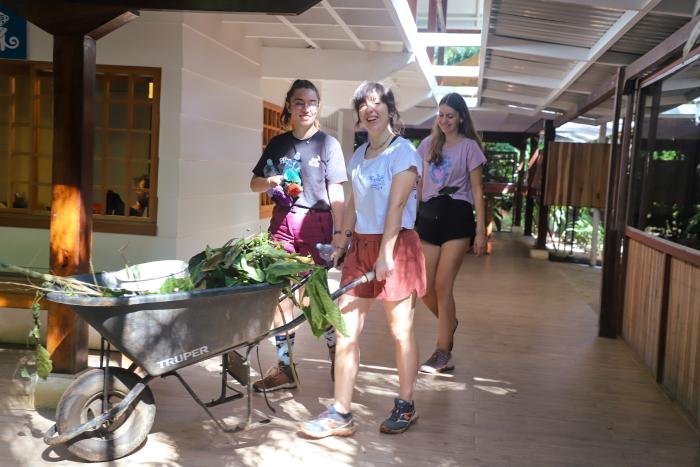
Pathway Patrol: Tidy up pathways and areas around animal enclosures to keep everything neat and organized.
-
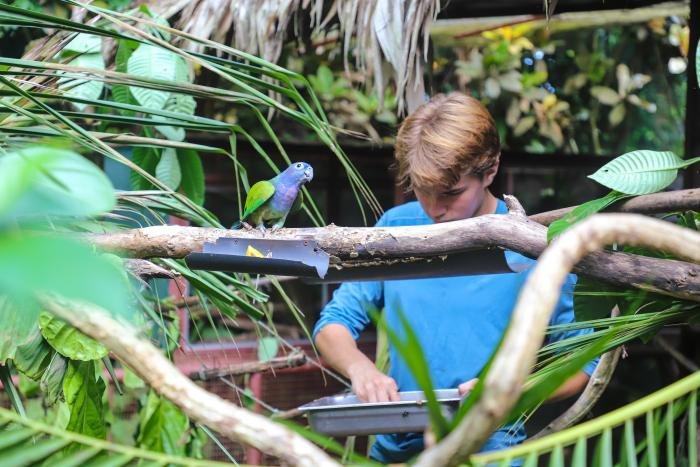
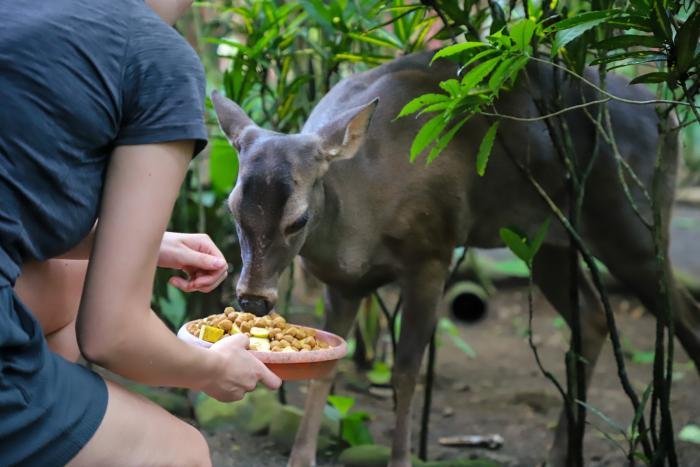
Diet Prep and Daily Care: Assist with preparing diets and daily care routines alongside the dedicated animal keepers, gaining hands-on experience in animal husbandry.
-
Visitor Guide: Share your passion for wildlife by guiding visitors through the sanctuary and sharing amazing stories about our animal residents.
-
Training Sessions: Join in training to learn more about animal behaviors and care techniques, enhancing your knowledge and skills.
-
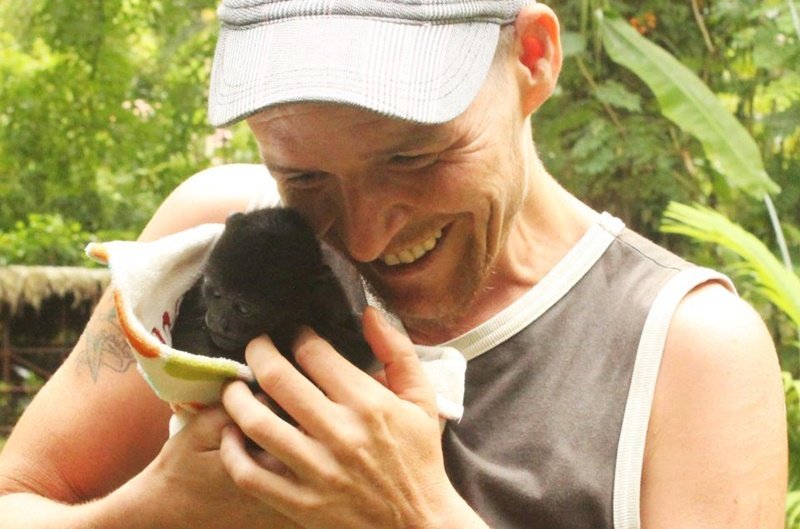
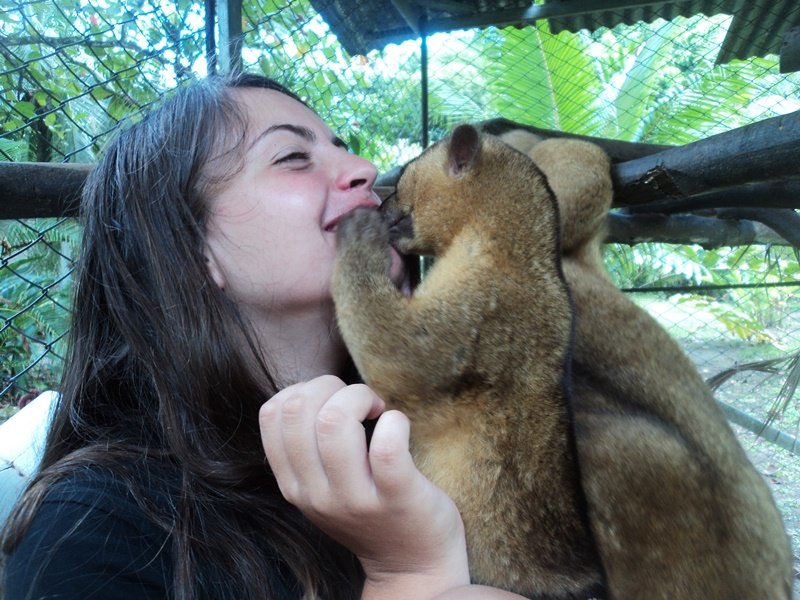
Compassionate Care: Provide loving care to our animals through feeding, monitoring, and engaging with them, helping create a nurturing environment where they can thrive.
Make a direct impact on the lives of our animals and contribute to their health, happiness, and overall quality of life!
Requirements & eligibility
Volunteers must be 18 years or older at the time of joining the project, and must be ready to commit at least 4 weeks for this program. You need to have an open mind and a flexible attitude for working in a new and different environment. The volunteer should bring energy and enthusiasm to make a difference. Participants must be fit and healthy at the time of joining the program and should be prepared to work outdoors and get their hands dirty. Participants in the program should have a keen interest and love for animal conservation work. Participants should have no criminal convictions and should provide a clean criminal background check report. Tuberculosis test is mandatory for joining this program.
A typical day
Given below is a suggested plan, and might change according to circumstances.
Day 1, Saturday : Arrival day in San Jose, pickup from airport and transfer to hostel accommodation for the night.
Day 2, Sunday: Arrival day in Puerto Viejo. Volunteers are dropped to the bus station from where they take shuttle to Puerto Viejo.
Day 3, Monday: Volunteer training begins every Monday at 11:00 am. On this day, you will be introduced to the other volunteers, join a tour of the Center, and get all the information you need to fully start your volunteering the next day.
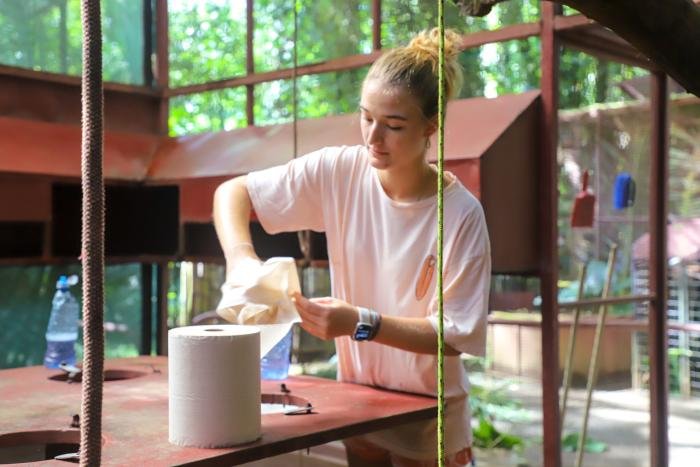
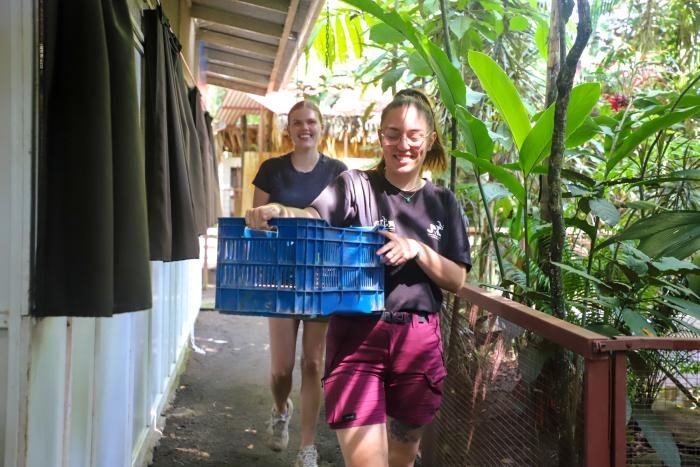
Days 4 to Day 23: Tuesday-Sunday: You’ll be working at the project site on all weekdays. The work can include a broad range of tasks, from doing the dishes and cleaning up after the animals, to building and remodeling enclosures, or baby-sitting a new arrival to ease the stress of their new environment.
Weekends are not necessarily off as it varies depending on the work you have been assigned to do; in your free time, you can enjoy the beautiful beaches of Puerto Viejo.
Days 24 to Day 30, Monday-Sunday: In the last week, you will stay at the release center where you will be assisting with the necessities of the day, many of them will be accompanying animals into their reintroduction process, visual tracking, and making written comments for a final report on the state of the reintroduction.
Day 31, Monday: End of the program. From the release center, you will travel back to the Rescue Center.
At Rescue Center, you will work five days a week, which may include weekdays or weekends, from 7:30 am to around 4:00 pm. On your arrival day (Sunday), you’ll meet other volunteers and some of the staff. You’ll have the rest of the day to explore the town and get settled. Orientation and training start Monday at 11 am (attendance is mandatory). During this session, you’ll be introduced to the other volunteers, join a 90-minute tour of the Center with tourists, and receive instructions from your volunteer manager.
In the following weeks, your work will include a variety of tasks. You might do dishes, clean animal areas (a constant task), assist with building and remodeling enclosures, or care for new arrivals to help them adjust to their new environment.
Life on the programme
Accommodation & meals
Airport Transfer
Volunteers are picked up from the San Jose International Airport by the local coordinator or representative. Those volunteers who are arriving overland or are already in Costa Rica will be picked up at a meeting point decided beforehand in San Jose.
Accommodation
Upon arrival in San Jose, participants are picked up from the airport and provided accommodation for a night in a hostel.
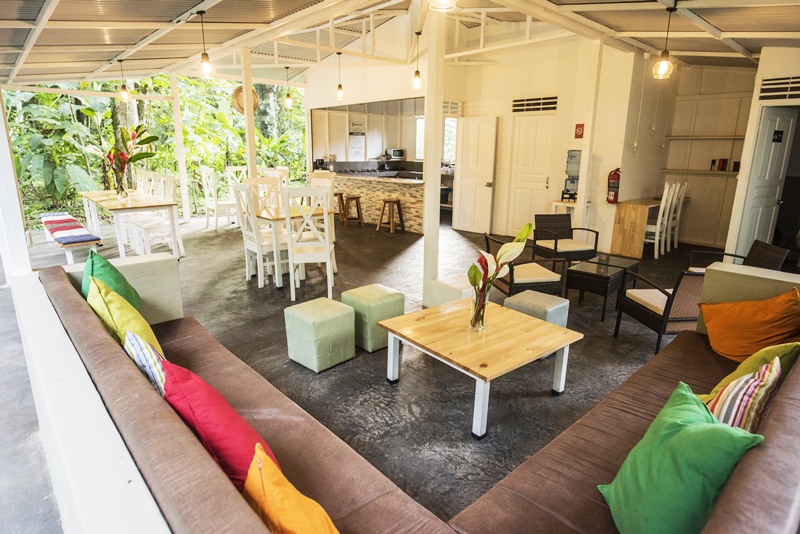
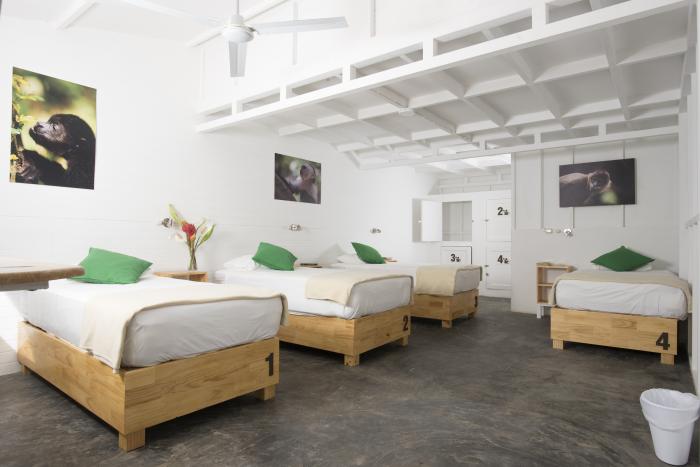
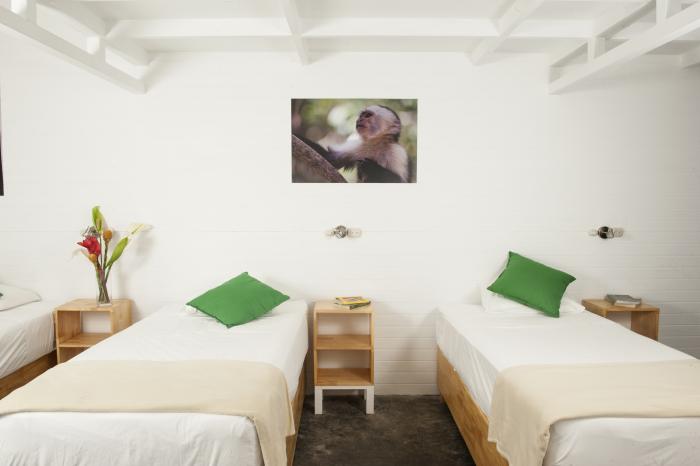
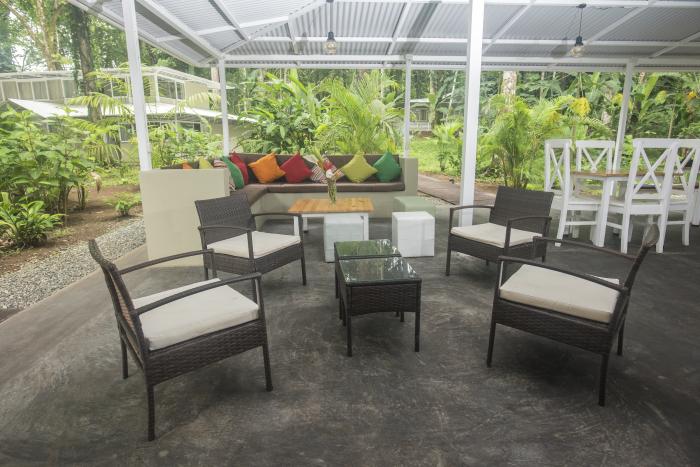
At the rescue center, the accommodation is set up to be cozy and practical for volunteers. Each room has four single beds with comfy mattresses, individual reading lights, and plugs to charge your gadgets.
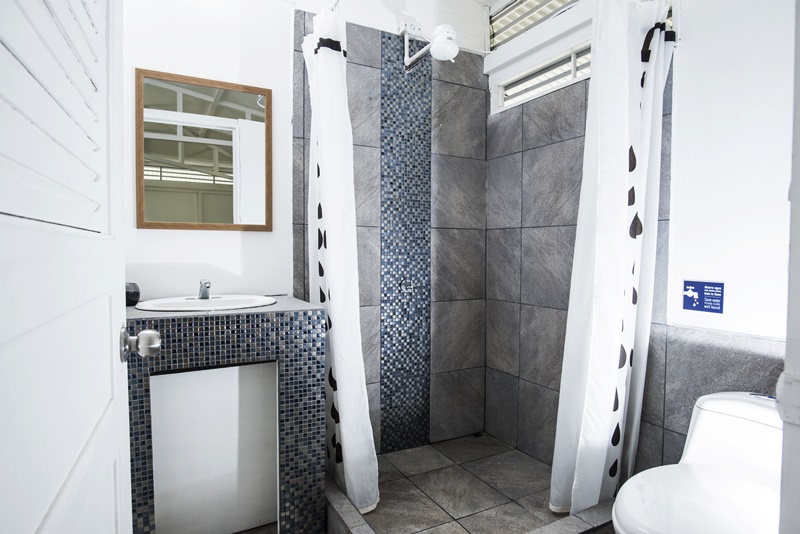
You’ve got your own bathroom with a toilet and a hot shower, so no need to share with a crowd.
We hook you up with bed linen and towels (just not for the beach), and there’s Wi-Fi everywhere for staying connected. They keep things clean with regular cleaning, and you can do your laundry on-site for a small fee, which is handy.
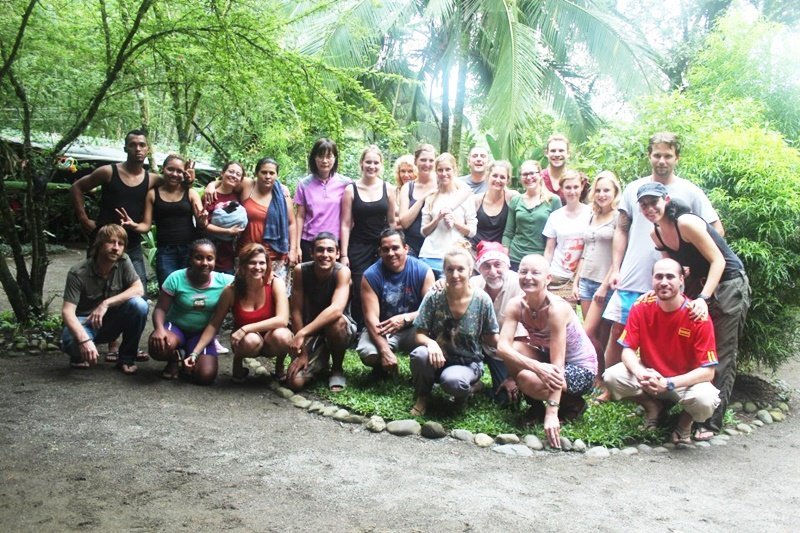
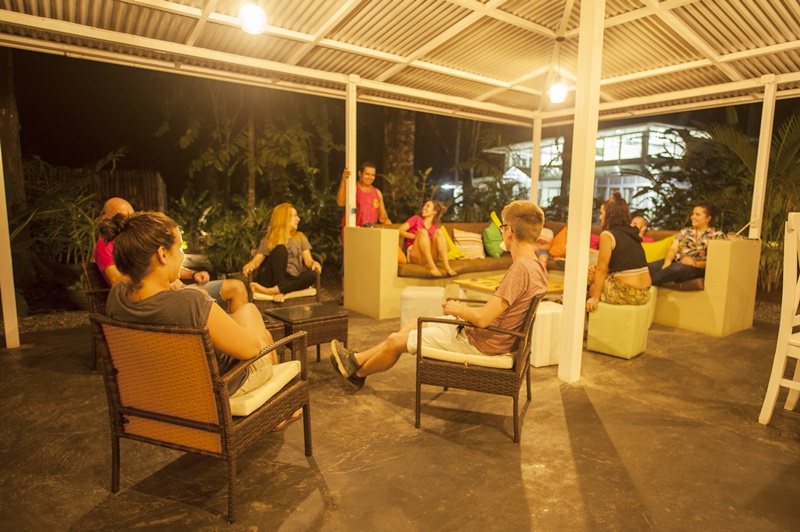
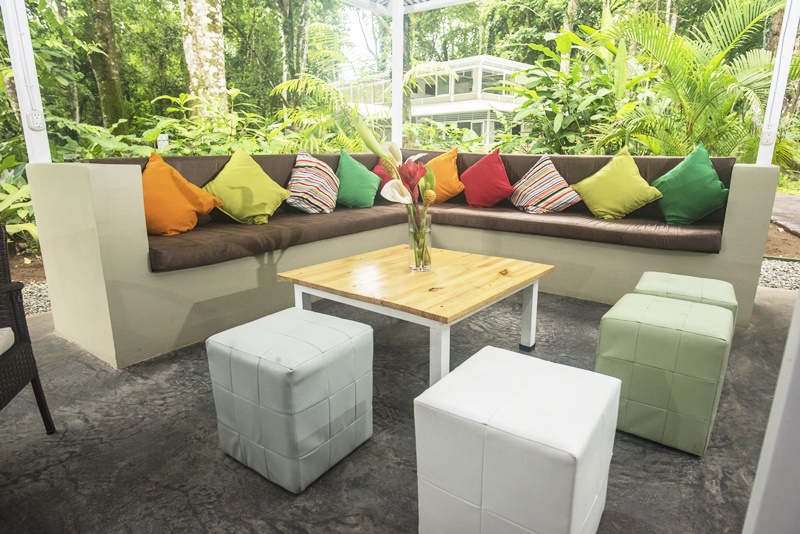
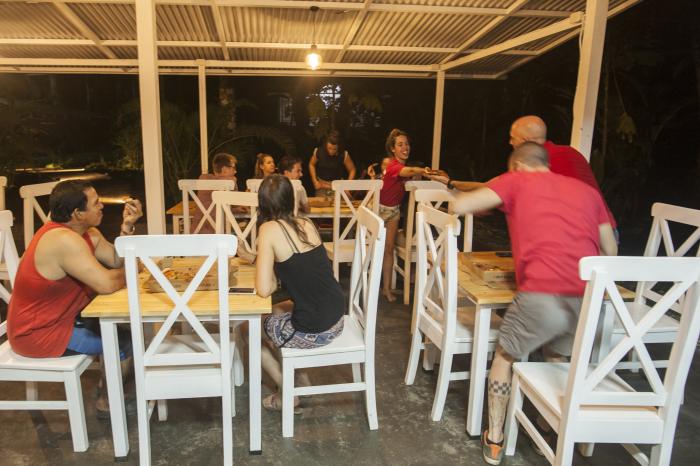
There’s a chill hangout spot where you can relax and hang out with other volunteers after your day’s work.
All in all, it’s a laid-back setup that makes sure you’re comfortable while you’re helping out at the center.
Orientation
All volunteers are given an orientation before starting the program by the project coordinator.Orientation is conducted by the local staff and covers topics such as Volunteer Roles and Responsibilities, Rules and Expectations, Safety and Introduction to your project and placement.
Meals
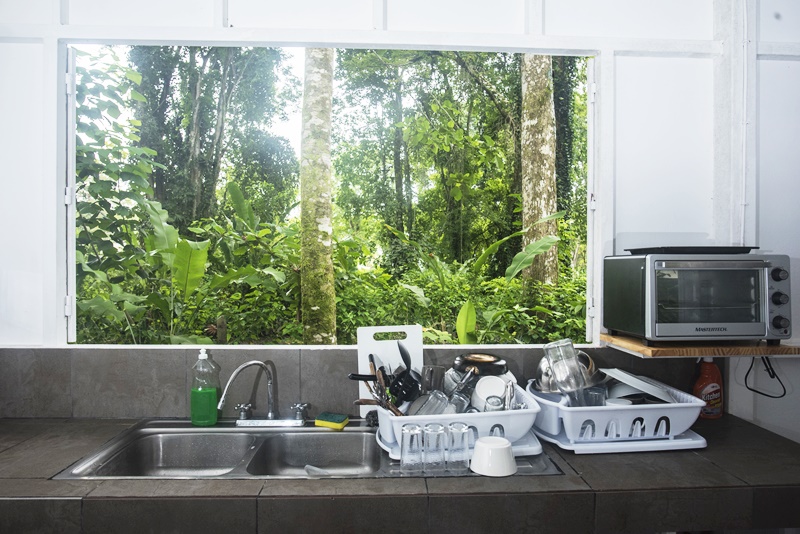
Meals are not included but there’s a fully equipped shared kitchen (cutlery and utensils, stove, oven, microwaves). Volunteers can store their food and drinks in the fridges. Lunch can be taken to the centre, where there is a fridge and microwave.
During your Free Time
On your free days, you are free to discover the magical places around Puerto Viejo, like the breathtaking beaches, the Cahuita Natural Park hike and waterfall, canopy tours and many others.
Start dates
Weekly start dates, year-round — pick any week across the next two years.
Program fees by duration
A one-off application fee ($249 / £179 / €229 / AU$350) is charged in addition to the program fee — valid for one year, during which you may enrol in multiple programs. A 5% international banking fee applies to credit-card payments in USD or AUD.
| Duration | Program fee | |
|---|---|---|
| 4 weeks | $1,543 | |
| 5 weeks | $1,728 | |
| 6 weeks | $1,913 |
Indicative conversion — your booking is charged in the currency you choose at checkout.
✓ What you're paying for
- 24 hrs Assistance and support from VS Staff
- Comprehensive Pre- Departure Information
- Pickup from San Jose International Airport and accommodation in San Jose
- Shuttle Transfer from San Jose to Puerto Viejo
- Orientation
- Accommodation in dorms at the project
- Certificate of Participation(On Request)
Not included
- Airfare
- Visa
- Vaccinations
- Weekend trips and excursions
- Any personal expenses
- Travel insurance (available at nominal cost)
- Post project stay in San Jose
- Return Airport Drop
Frequently asked questions
When should I apply for the volunteer programs in Costa Rica?
It is advised to apply for the projects once the volunteering/ traveling dates are decided as there are limited spots available. The application fee is valid for one full year and can be sent earlier than the desired period of volunteering, for timely confirmation of the seat. As soon as you decide the travel dates, we suggest you to apply for the program and hold your spot. We abide by the first come first serve policy.
rnHow long will it take to process my application? Will my application be accepted?
Usually, it takes around 10-12 working days for the application to be processed and placement to be confirmed. After we review your CV and documents, your booking is confirmed and the booking confirmation is updated in your My Account and you can view the information in your account. The application acceptance depends on the availability of seats in the project as well as the eligibility criteria of the program (age, skills and experience etc.).
rnAre there any necessary requirements to participate in the Costa Rica volunteer programs?
Below are the necessary requirements to participate in the Costa Rica volunteer projects:
Volunteers must be 17 years or older for Teaching, Childcare, and Spanish Immersion at the beginning of the program. For all other programs, you need to be 18 years or older.
Volunteers joining the medical volunteer project must be either Pre-Medical, Medical or Nursing student or possess other qualifications related to medical and nursing field. Medical professionals such as doctors and nurses are also welcome to join the program.
Volunteers need to have an open mind and flexible attitude for working in a new and different environment.
The volunteer should bring energy and enthusiasm to make a difference.
The participant must be in good health.
Knowledge of Spanish (basic to intermediate) is necessary for all the programs.
Can I volunteer as part of a group?
Yes, you are welcome to take part in Costa Rica Volunteer Programs as part of a group. We welcome families, friends, high school students, college/university and corporate groups to volunteer together in the Costa Rica volunteer programs. Please get in touch for a customized program suitable for your group as per your budget and requirements.
I haven’t traveled or volunteered abroad before. Can I still be a part of VolSol?
Yes, most definitely you can, as we believe that every participant brings something new to the project. If you do not have previous experience, we offer you the opportunity to have a great start with us. We make international volunteering easy – not only are our Volunteer Abroad opportunities rooted in offering you extensive support, but they are also very affordable.
rnDoes VolSol provide with a reference or a certificate after program completion?
Yes, we will provide you with the Certificate after successful completion of your program. The certificate is provided on request.
When do I need to arrive in Costa Rica for my program? What will happen once I arrive in Costa Rica?
All volunteers are required to arrive on the designated program start date. Upon arrival at Juan Santamaría International Airport, participants will be met by a local representative and transferred to their assigned accommodations.
Volunteers joining the Childcare and Teaching programs will stay with carefully selected host families. Those participating in the Animal Rescue Project in Alajuela or the Turtle Conservation Project in Matapolo will spend their first night in a homestay before continuing to their project locations.
Participants enrolled in the Animal Rescue Project in Puerto Viejo will be collected from the airport and provided overnight accommodation in a hostel in San José. Volunteers joining the Turtle and Environmental Conservation Project in Osa Peninsula should arrive directly in Puerto Viejo, unless they have booked the optional San José Arrival Package, which includes airport pickup and an overnight stay.
What are the Program locations in Costa Rica?
We offer a wide variety of programs in Costa Rica located in all different regions of the country. The Childcare,Teaching and Women Empowerment projects are located in and around San Ramon de Alajuela which is around 45 minutes from the capital city of San Jose.The Turtle and Environment Conservation project is located in Osa Peninsula.The Wildlife and Animal Rescue Center project is located near Puerto Viejo. The Turtle, Wildlife and Permaculture project project takes place near Playa Ario, a wild and beautiful beach within the Caletas–Ario National Wildlife Refuge, where forests, rivers, and the ocean meet.
A VolSol fornece carta de recomendação ou certificado após a conclusão do programa?
Sim, forneceremos o certificado após a conclusão bem-sucedida do programa. O certificado é fornecido mediante solicitação.
What if I have my own accommodation. Can I still volunteer for the project?
Unfortunately, the entire volunteering experience is as much about volunteering on your project, as it is about the cross-cultural exchange and community building. A lot of that happens through the accommodation that we have set up, where one can enjoy by being with like-minded people. Additionally, for safety reasons, all volunteers must live in the allotted accommodation.
Can vegetarians be accommodated?
Yes, however, you must inform us in advance and also mention about any dietary requirement in your application form.
Would I have free time during my program? Can I do sightseeing during my program?
Depending on your project placement, you will get evenings and the weekends free to travel and explore the place. In the evenings, volunteers usually get together and go out for social gatherings, eat out or just relax at the volunteer house. Weekends are free for the volunteers and you can go for short weekend trips. There’s actually so much to do in Costa Rica. Visit Nicoya Peninsula, Arenal Volcano, Corcovado National Park, Monteverde Cloud Forest Biological Reserve, La Paz Waterfall Gardens, Tabacón Hot Springs, San José, Caño Negro Wildlife Refuge, Tortuguero National Park and much more. For volunteers in Playa Ario, there is plenty to experience in and around Playa Ario and the Nicoya Peninsula when you’re not working on conservation projects. Many volunteers also organize shared taxis to visit Santa Teresa, a lively beach town located about 45 minutes away. Known for its vibrant cafés, surf culture, and relaxed atmosphere, it’s a great place to spend a day off with fellow volunteers. Free activities offered at the camp include guided night walks, movie nights, and communal dinners — perfect moments to relax, share experiences, and enjoy the sense of community that grows naturally here.
Are there more expenses once I arrive in Costa Rica?
Your program fee does not cover your personal expenses. You will need to provide for yourself your personal expenses, such as bottled water, local transport, telephone, shopping, sightseeing etc. However, you should carry around $70-$80 per week for your basic personal expenses. This amount can vary and you would need a higher amount if you choose to go on weekend trips out of town.
rnFor how many hours do I have to volunteer in a day?
Volunteers usually work for 4 to 6 hours a day depending on their program. You will have weekends off so you can travel on weekends. However, volunteers need to be flexible, open-minded and understand that work requirements can change as well on certain occasions.
rnWhere can I change my money in Costa Rica? Are there ATMs in the city?
You can change money upon your arrival at Juan Santamaria Airport or from the bank. There is a good network of ATMs as well.
rnCan I know more about accommodation and food arrangements?
Turtle, Wildlife and Permaculture Project
Upon arrival in San Jose accommodation is provided in a hostel for the night. When at the project in Nicoya Peninsula, the accommodation is located closer to the beach and the turtle nesting sites. This rustic station
accommodates volunteers in shared rooms with basic facilities, ideal for those seeking a more immersive field experience. All meals are freshly prepared, mostly vegetarian, and often made with local produce. Solar power supports essential needs, and Wi- Fi is limited — encouraging full connection with the natural surroundings. Wildlife is part of daily life here: monkeys,tropical birds, and even the occasional deer or iguana can be seen near the camp. The atmosphere is communal, friendly, and rooted in respect for the environment
Teaching, Childcare and Women Empowerment Projects
Volunteers stay with welcoming local host families, offering a great chance to experience Costa Rican culture and daily life. You’ll receive two meals per day, and detailed information about your host family will be shared after your placement is confirmed.
Animal Rescue Project (Puerto Viejo)
On arrival, volunteers stay one night in a hostel in San José. During the project, accommodation is provided in a dorm-style hostel near the center. Meals are not included, but you’ll have access to a fully equipped kitchen to prepare your own food.
Osa Peninsula Projects
Volunteers in the Osa Peninsula stay directly at the project site in shared dorm-style accommodation.
Do I need to buy health insurance?
Yes, for all participants, it is mandatory to have a valid travel medical insurance for their trip. Volunteers have the option to purchase Travel and Medical Insurance at a nominal extra cost from Volunteering Solutions. To provide the best option to our participants, we offer comprehensive insurance coverage in collaboration with a leading insurance provider.
rn
If you already have a valid Travel and Medical insurance, you can email us a copy of the same. It is also advised to bring along the Insurance documents during your trip.
How safe is Costa Rica in general?
Costa Rica is considered one of the safest and most stable countries in Central America, and it is a popular destination for international travellers, students, and volunteers. The country has a long-standing reputation for political stability, a strong democratic system, and no standing army, which has contributed to a generally peaceful society.For visitors, Costa Rica is safe to travel when normal precautions are taken. Most trips are trouble-free, especially in tourist-friendly areas such as San José, the Nicoya Peninsula, and coastal regions.
What immunizations/vaccinations will I need?
All participants are recommended to consult their physician or travel doctor before traveling to Costa Rica. To view the general list of vaccinations recommended for your travel to Costa Rica, click here.
Does Volunteering Solutions help with Visa?
Participants (most nationalities) require a Tourist Visa to travel to Costa Rica. Travelers from most countries can get a 90-day permit stamped on their passport on arrival.We advise you to check with your nearest Costa Rican embassy as well.
rnWhat are the recommended airlines to fly to Costa Rica?
Several international airlines offer convenient flights to Costa Rica from both North America and Europe. From North America, airlines such as United Airlines, American Airlines, Delta Air Lines, JetBlue Airways, Southwest Airlines, and Air Canada operate frequent direct and connecting flights to Costa Rica from major cities in the United States and Canada. These airlines provide good connectivity via hubs such as Houston, Miami, Atlanta, New York, Toronto, and Montreal, making travel to Costa Rica straightforward and accessible.
Travellers flying from Europe can choose from a number of well-established carriers offering direct or one-stop flights to Costa Rica. British Airways operates direct flights from London, while Iberia offers direct connections from Madrid. KLM Royal Dutch Airlines and Air France provide direct services from Amsterdam and Paris respectively, and airlines such as Lufthansa and SWISS International Air Lines offer convenient one-stop connections from other European cities via their main hubs.
Volunteers are recommended to book flights arriving at Juan Santamaría International Airport (SJO) in San José, which is Costa Rica’s main international airport and offers the widest range of international connections, as well as the most convenient onward travel options to the project location.
How can I connect with past Volunteering Solutions Costa Rica alumni as well as other former and current volunteers?
We encourage volunteers to get in touch with former Volunteering Solutions Costa Rica program participants and also other program participants joining our projects. You are recommended to join the Volunteering Solutions Facebook Page or Facebook Group to communicate with other participants.
rn
rn
To read alumni interviews from past participants, visit ?the Meet a Volunteer section on our website.
From volunteers in Costa Rica
Schedule a meeting with a programme advisor
We're here to help — a 20-minute one-on-one with detailed info, expert advice and application guidance.
Book a free meetingMore projects in Costa Rica

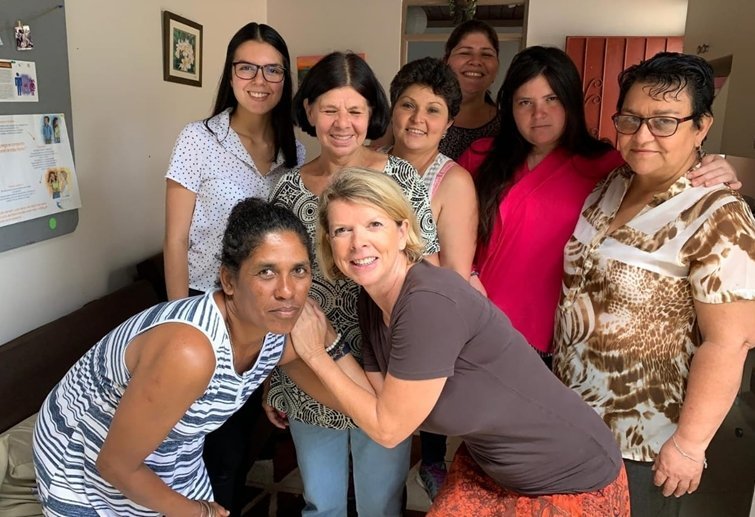
Women Empowerment in San Ramon de Alajuela
Join the Women Empowerment Program in Costa Rica with Volunteering Solutions and contribute to a life-changing initiative that…
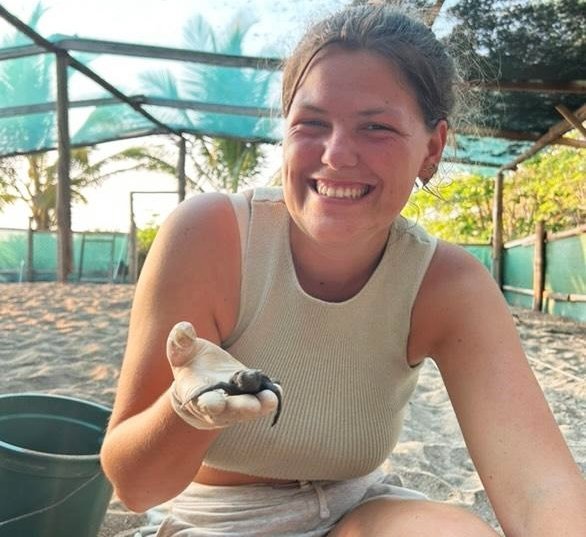
Turtles, Wildlife & Permaculture Volunteer Experience
Live and volunteer in one of Costa Rica’s most biodiverse coastal regions while protecting endangered sea turtles, restoring…
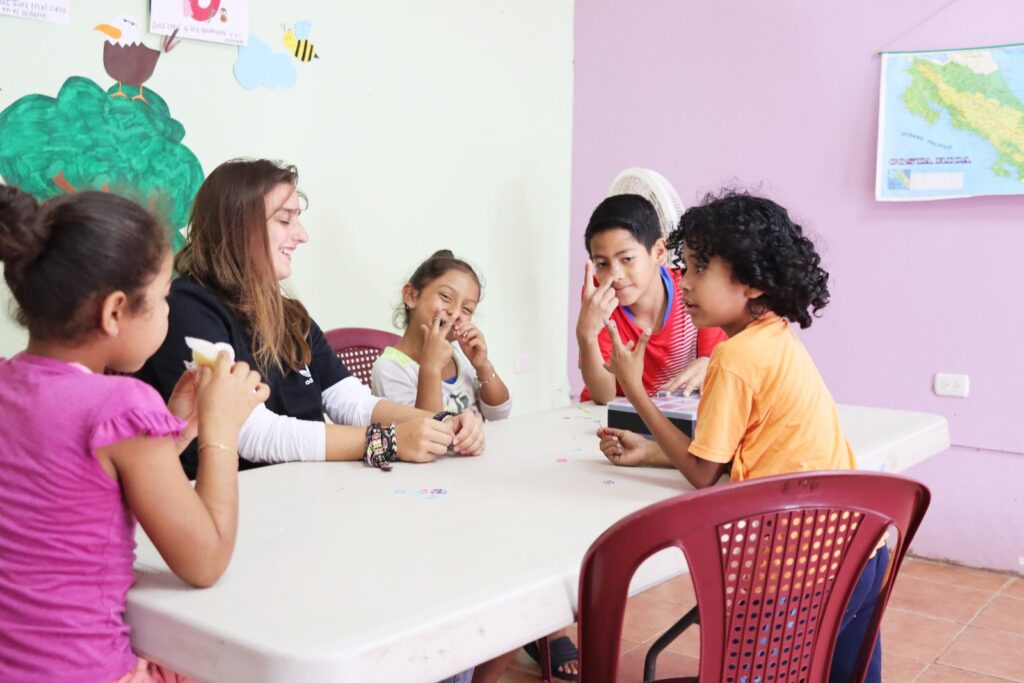
Childcare Volunteer Program in Costa Rica
Help nurture Costa Rica’s youngest minds by volunteering in community childcare centers, bringing care, creativity, and hope to…