 English (US) ▾
 Nederlands
 English (UK)
 Deutsch
 Italiano
 Português
 Español
Volunteer in Morocco – Rabat
 Certified B Corporation
★ Rated 4.7/5 (1,461 reviews) 25,000+ volunteers since 2007
Certified B Corporation
★ Rated 4.7/5 (1,461 reviews) 25,000+ volunteers since 2007
Volunteer in Morocco with Volunteering Solutions in Rabat, the capital, on four community programs: teaching English, childcare at day-care centers, women’s education and literacy, and sports coaching for young people. Every placement comes with a Moroccan host family and three home-cooked meals a day, which is what sets Morocco apart — you live the language, the food and the rhythm of family life rather than watching it from a hostel.
Programs start every Sunday all year, run from one week to 24 weeks, and are open from age 18 with no teaching experience required (basic French or Arabic helps). Rabat is calmer and safer to navigate than Marrakesh, sits on the Atlantic with a tram and train network, and puts Casablanca, Fez, Chefchaouen and the Sahara within weekend reach. Prices start at $689 for one week, deposit included.
Volunteer opportunities in Morocco
4 programs you can join right now — every card below and every link here goes to the program’s own page with live dates and prices.
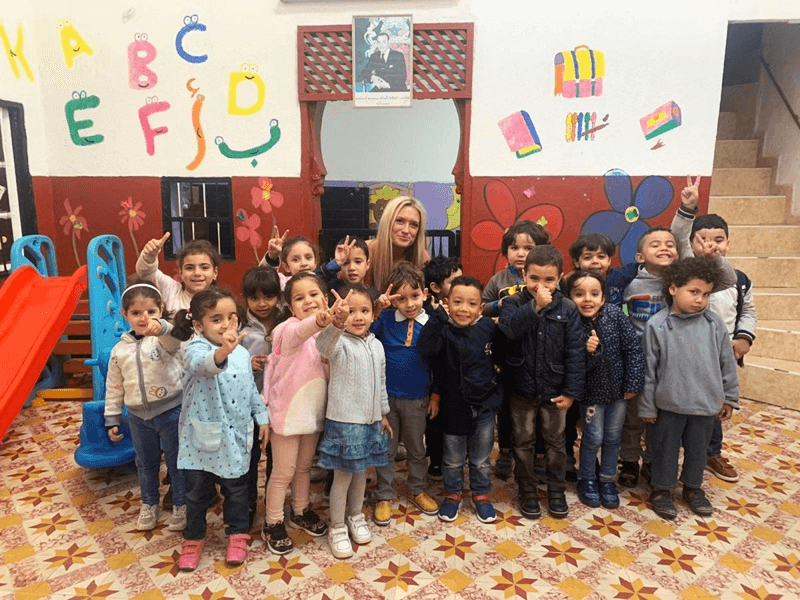
- Childcare Volunteer Program in Morocco — Join the Childcare Volunteer Program in Rabat, Morocco with Volunteering Solutions and support children from disadvantaged communities by providing care, education, and positive engagement.
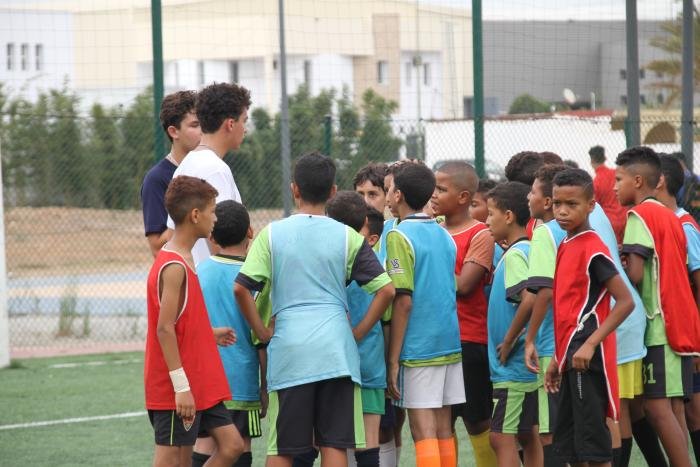
- Sports Education Program in Morocco — Take part in the Sports Development Program in Morocco and help young people discover the power of sport as a pathway to confidence, teamwork, and healthy living.
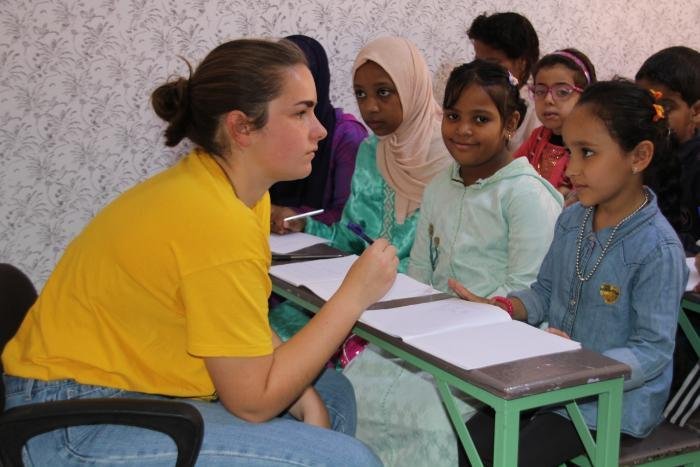
- Volunteer Teaching Program in Morocco — Join the Teaching English Program in Morocco with Volunteering Solutions and help children, youth, and adults improve their English language skills.
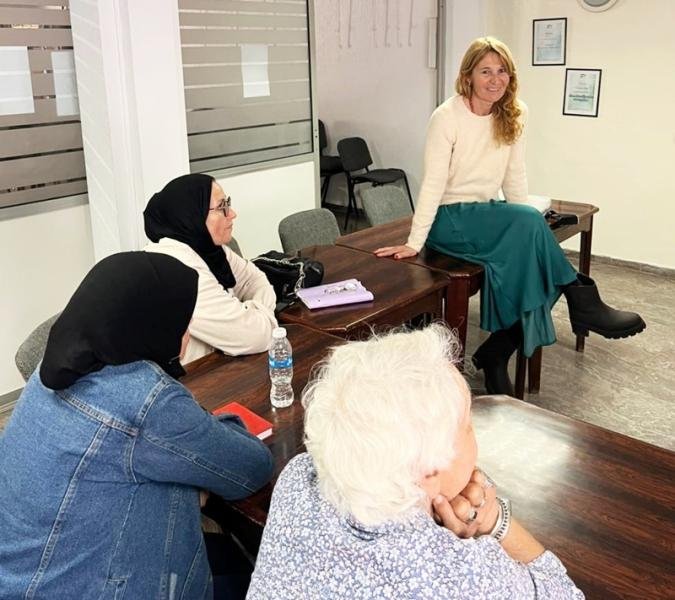
- Women’s Education Program — Join the Women Education Program in Morocco with Volunteering Solutions and support local women and girls through education, literacy development, and skill-building initiatives.
Make a Positive Impact in Morocco
Volunteering in Morocco is a rewarding way to connect with communities and make a real difference. Whether you’re helping children build new skills or empowering women to gain independence, your time and energy contribute to sustainable development goals.
You’ll also gain insights into Moroccan society, values and traditions – making your trip even more enriching.
Volunteering in Morocco at a glance
Volunteer Projects you can join in Morocco
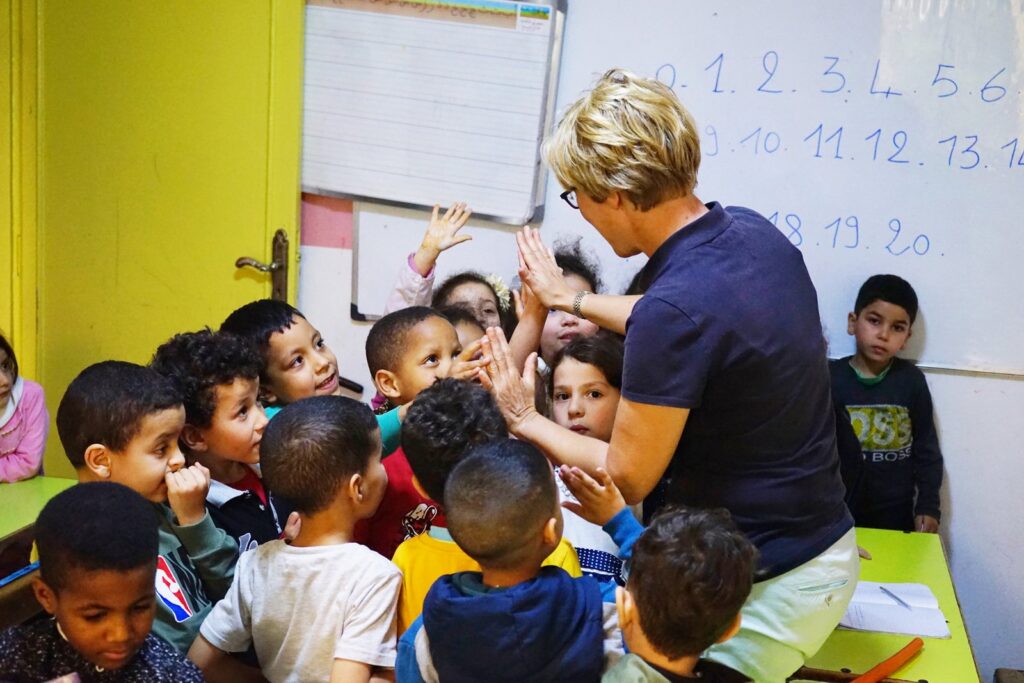
Childcare Volunteer Program in Morocco
Join the Childcare Volunteer Program in Rabat, Morocco with Volunteering Solutions and support children from disadvantaged communities by…
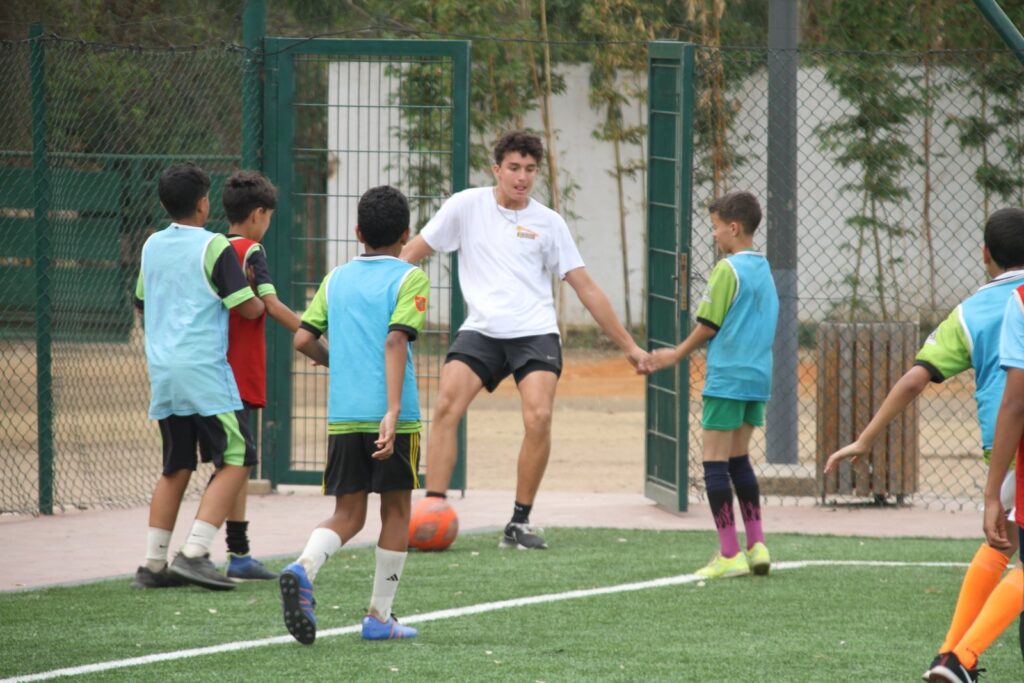
Sports Education Program in Morocco
Take part in the Sports Development Program in Morocco and help young people discover the power of sport…
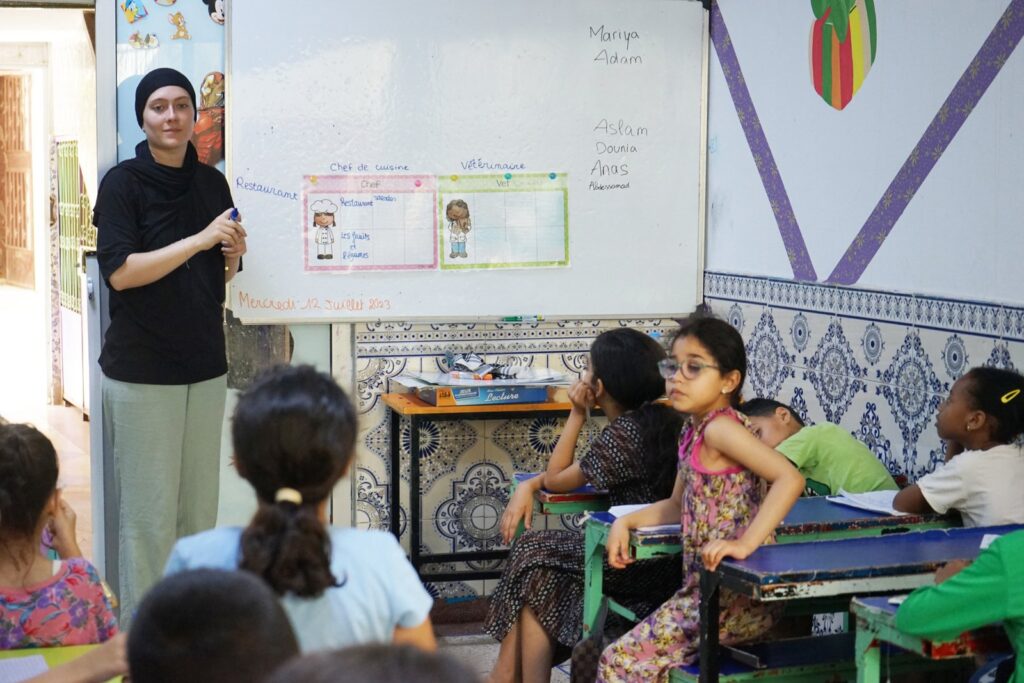
Volunteer Teaching Program in Morocco
Join the Teaching English Program in Morocco with Volunteering Solutions and help children, youth, and adults improve their…
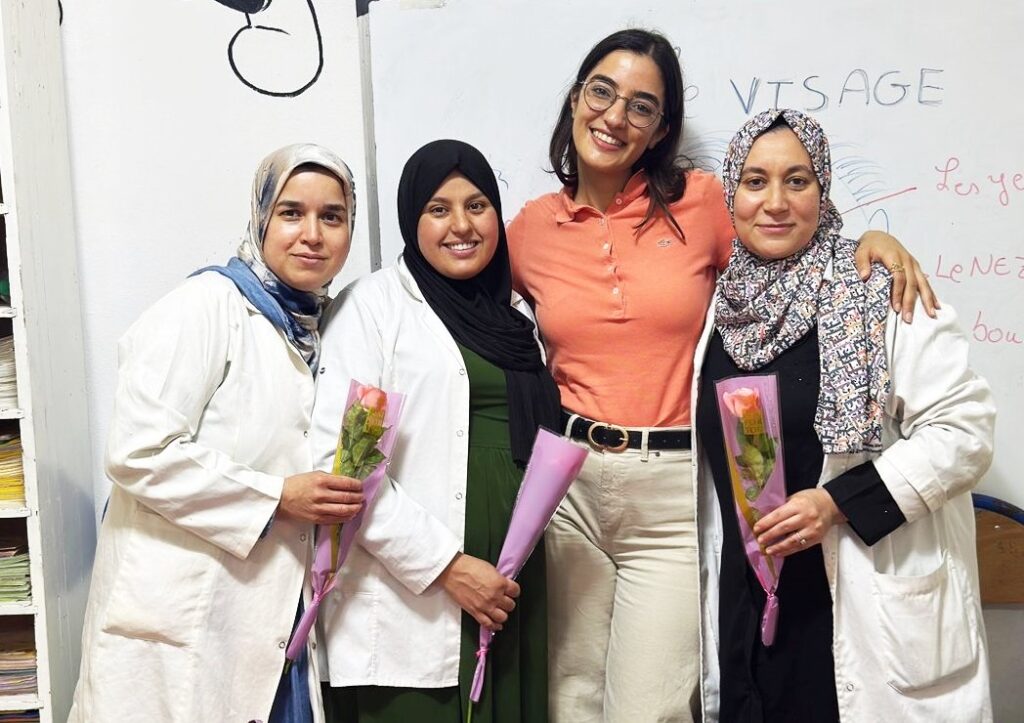
Women’s Education Program
Join the Women Education Program in Morocco with Volunteering Solutions and support local women and girls through education,…
What it costs to volunteer in Morocco
All-in prices: accommodation, the meals listed for the program, airport pickup where listed, orientation, placement and in-country support are included.
| Program | Duration | From |
|---|---|---|
| Childcare Volunteer Program in Morocco | 1-24 Weeks | $689 1 week |
| Sports Education Program in Morocco | 1-24 Weeks | $689 1 week |
| Volunteer Teaching Program in Morocco | 1-24 Weeks | $689 1 week |
| Women’s Education Program | 1-24 Weeks | $689 1 week |
Includes the $249 booking deposit (counts toward your total, valid for a year, refunded if we cannot place you). Longer stays lower the weekly rate — each program page has the full week-by-week table.
What your fee covers
- Host-family accommodation in Rabat for your whole program (own room in many homes, otherwise shared with another volunteer)
- Three meals a day with the family
- Pickup at Rabat–Salé Airport or Rabat Ville train station and transfer to your host family
- Orientation on arrival and introduction to your placement
- 24-hour in-country support and a comprehensive pre-departure guide
- Certificate of participation on request
Not included
- Flights and airport taxes
- Visa or visa-extension fees where they apply, and vaccinations
- Travel insurance (compulsory — our partner policy is available at extra cost)
- Local transport to your placement (petit taxis and trams are inexpensive)
- Return transfer to the airport, personal expenses and weekend travel
All four Rabat programs share one price because they run from the same host families with the same support; the fee falls per week the longer you stay, from 1 week up to 24 weeks. Each program page shows the full week-by-week total.
Where you stay and what you eat in Morocco
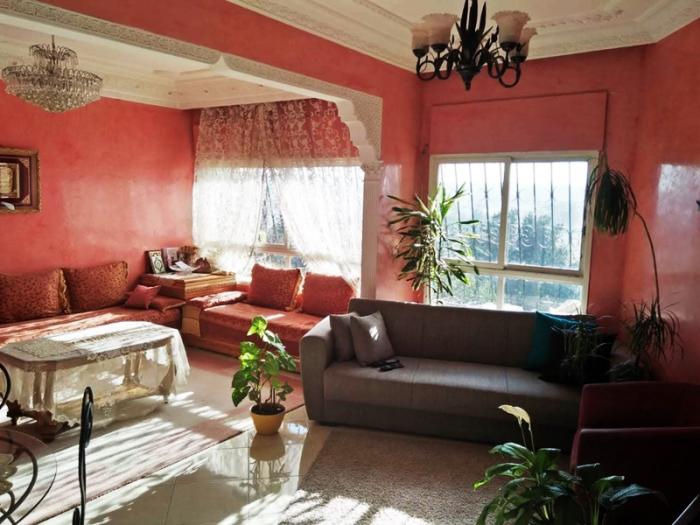
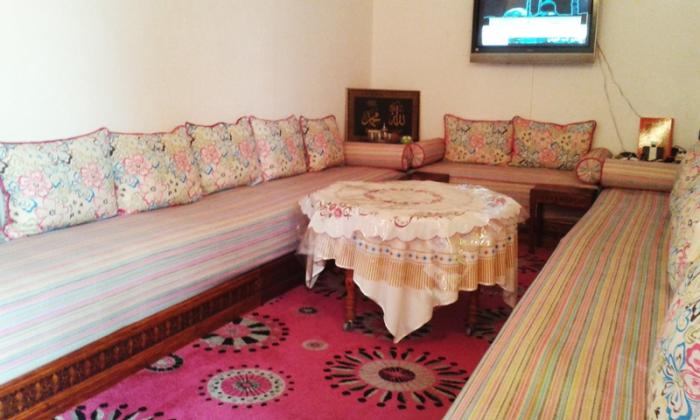
You stay with a local host family in Rabat, usually alongside one or two other volunteers. Many families give volunteers their own room; otherwise you share with another volunteer of the same gender. Moroccan homes are built around a shared living space — the salon with its low sofas (sdaders) is where the family eats, talks and hosts guests — so expect to be part of daily life rather than a lodger. Bring your own towel and toiletries; bedding is provided and Wi-Fi is available in most homes.
Three meals a day are included: breakfast (bread, msemen pancakes, jam, olives, mint tea or coffee) around 8am before you leave for the placement, lunch — the main meal — and dinner in the evening with the family. Tagines, couscous on Fridays, harira soup and fresh bread are staples; vegetarians are catered for if you tell us in advance.
Placements are reached by petit taxi, tram or bus (a few dirhams a ride); your coordinator travels with you on the first day and shows you the route. Realistic expectations: homes are comfortable but simple, hot water can be limited at peak times, and life runs on a family timetable — a small price for the immersion most volunteers name as the best part of Morocco.
Arriving in Morocco and who looks after you
Arrive on Sunday
Fly into Rabat–Salé Airport (RBA), or into Casablanca Mohammed V (CMN) and take the direct airport train to Rabat Ville station. Your coordinator meets you at the airport or the station and takes you to your host family.
Monday: orientation
A session with the local coordinator covering safety, Moroccan etiquette, useful Arabic and French phrases, transport, where to eat and what to expect at your project, followed by the commute to your placement and introductions to the staff and the children, students or women you will work with.
Your working week
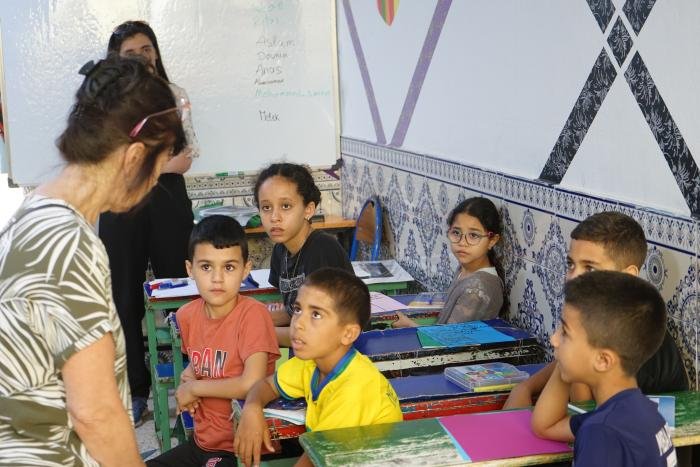
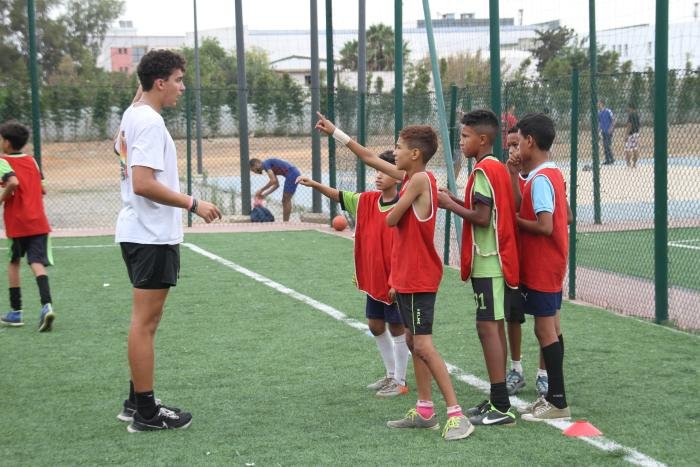
Teaching sessions typically run 9am–12pm; childcare follows the center's hours; women's classes run mornings or afternoons around participants' home responsibilities; sports sessions are in the afternoons after school, two to four hours a day. Monday to Friday, with evenings and weekends free.
Support throughout
The Rabat coordinator checks in during your stay and is reachable 24 hours a day for emergencies; your host family is your first port of call for everyday questions.
Staying safe in Morocco and who can join
Rabat is one of Morocco's most relaxed cities — a capital with wide boulevards, an ocean promenade and a slower pace than Marrakesh — and our programs there have run for well over a decade. You are met on arrival, live with a family the coordinator knows personally, and have a 24-hour local line. Sensible habits keep things simple: dress modestly (shoulders and knees covered; a light scarf is useful for mosques and rural visits), keep valuables out of sight in the medina, use petit taxis with the meter running or the tram, and avoid walking alone late at night. Solo women volunteer in Morocco every year; the orientation covers how to handle unwanted attention politely and firmly.
Health: no vaccinations are required for entry; routine vaccinations should be current and hepatitis A and typhoid are commonly recommended. Drink bottled or filtered water. Check NHS Fit for Travel or the CDC before you go. Visa: citizens of the UK, USA, Canada, Australia, New Zealand and most EU countries enter visa-free for up to 90 days; your passport needs six months' validity. Other nationalities should check with the nearest Moroccan consulate.
Who can join: minimum age 18 on all Morocco programs. Volunteers on the childcare and teaching placements provide a clean criminal background check before starting. No teaching qualification is needed; patience, cultural sensitivity and a few phrases of French or Darija go a long way, particularly in the women's education program. If you are traveling during Ramadan, be ready for shorter project hours and eat discreetly in public during the day.
Requirements checklist
- Minimum age: 18+
- Background check: required for placements with children or vulnerable adults — issued within 12 months of your start date, in English or with a translation. How to get one
- Travel insurance: comprehensive cover for your whole stay is compulsory; you can bring your own or take the policy we arrange. Insurance details
- Safeguarding: every volunteer follows our code of conduct for children and vulnerable adults, explained again at orientation. Read the policy
📘 Planning in more depth? Read our Morocco costs, visa and safety guide.
How we volunteer responsibly in Morocco
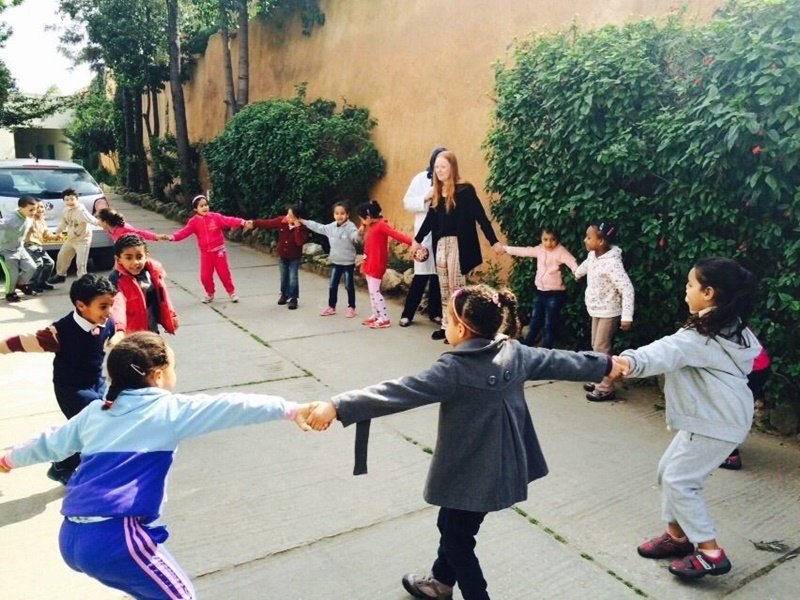
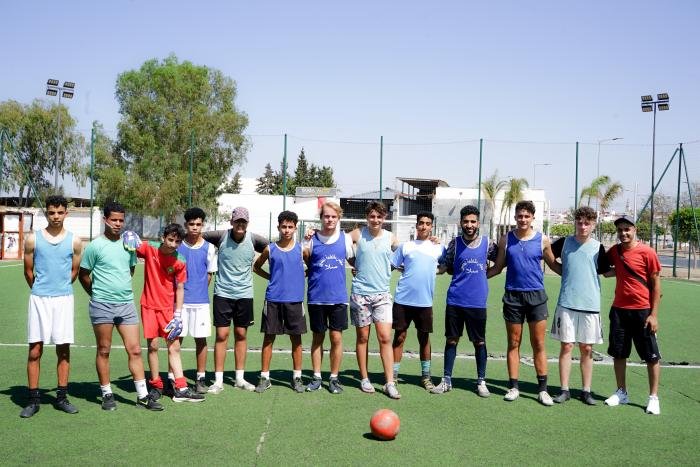
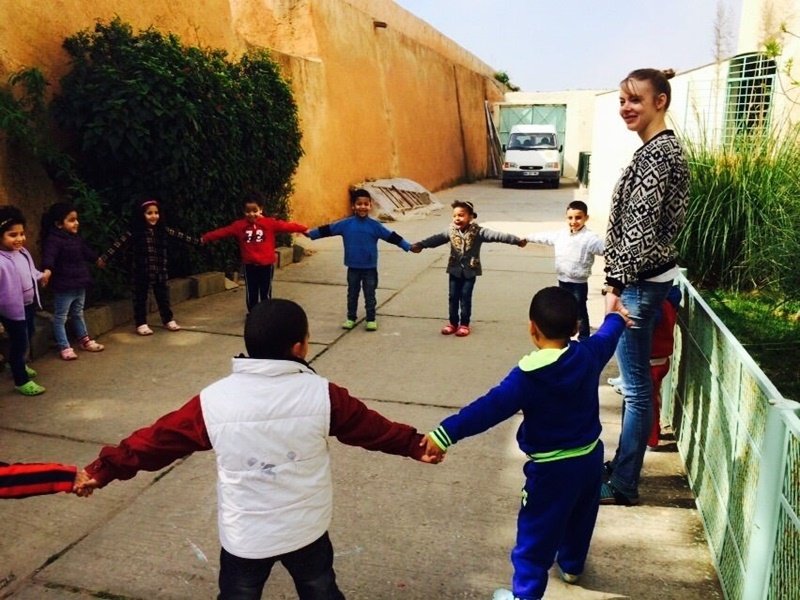
Our Rabat placements are small, community-run centers — neighborhood schools and language centers, a day-care center, a women's association and youth sports groups — that have hosted our volunteers for over a decade. The local coordinator chooses projects where an extra pair of hands genuinely helps: conversation practice with an English speaker, one-to-one attention for pre-schoolers, literacy support for women who missed out on schooling, and coaching that keeps teenagers active after school.
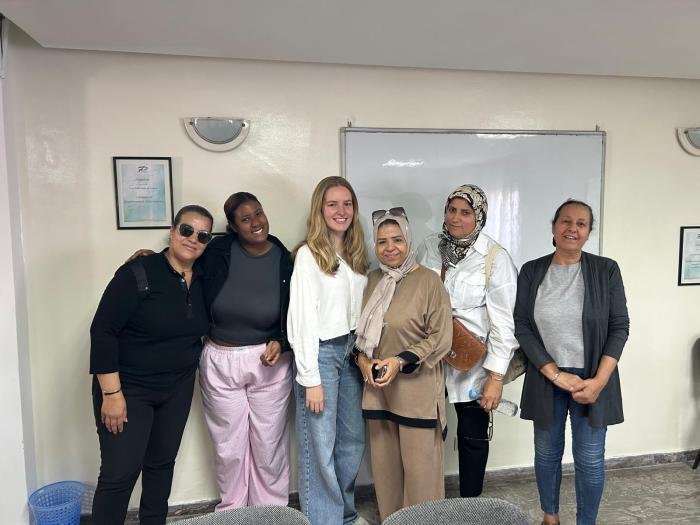
You work alongside Moroccan teachers and carers, never in place of them, and follow our child and vulnerable adult protection policy: no photographs of children without permission, no taking children off-site, and no unsupervised care. The women's education program is women-only in the classroom, and volunteers are asked to respect participants' privacy — many are attending classes for the first time in their lives.
Expect to be a helper, a role model and a source of energy rather than the expert in the room, and to leave the project better staffed for the weeks you are there rather than transformed.
Life outside the project in Morocco
Best time: spring (March–May) and autumn (September–November) are warm and sunny; summers reach 30°C but Rabat's Atlantic breeze keeps it comfortable; winters are mild and occasionally wet. Programs run all year. Check whether your dates overlap Ramadan — the city is quieter by day and lively after sunset.
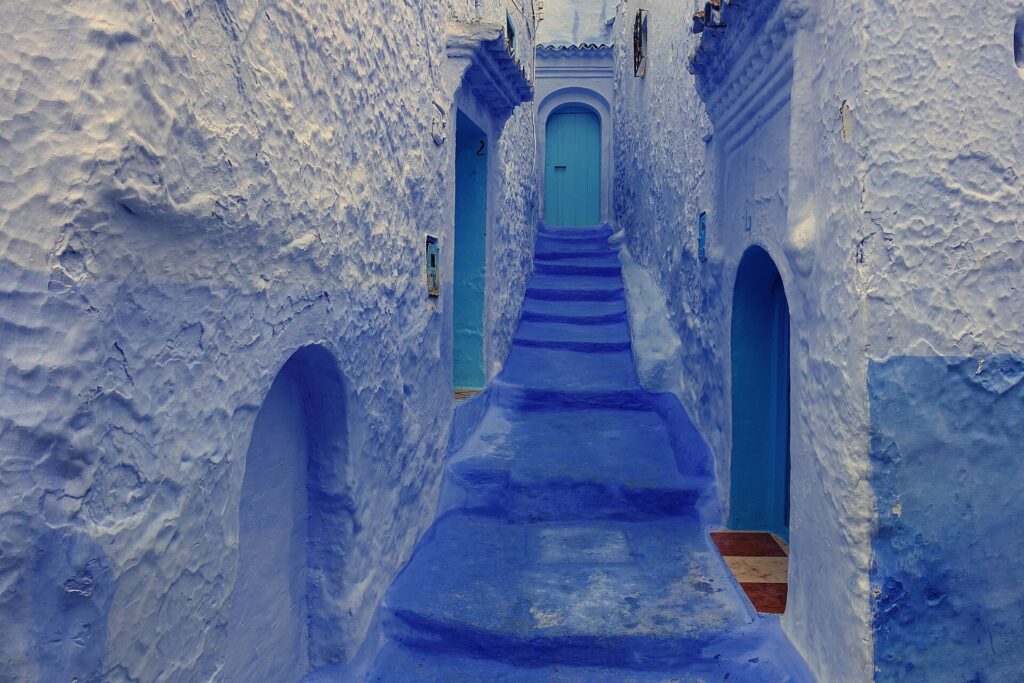
Getting around: Rabat's tram, petit taxis and the ONCF train network are cheap and easy — Casablanca is an hour by train, Fez and Marrakesh two to four hours, Tangier under two hours on the high-speed line. Weekends: the blue streets of Chefchaouen, Fez's medieval medina, Marrakesh and the Atlas foothills, the surf town of Taghazout, or a two-night Sahara trip from Merzouga; closer to home, Rabat's kasbah, the Chellah ruins, the Hassan Tower and Salé's medina across the river, plus a traditional hammam.
Etiquette: greet with a handshake and "salam", accept mint tea when offered, use your right hand for eating and giving, dress modestly, and ask before photographing people. Our Things to Do in Morocco guide has more.
Life in Morocco

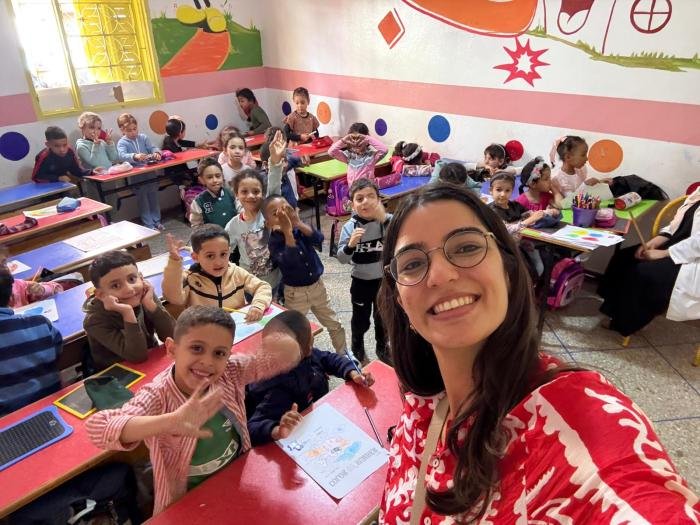
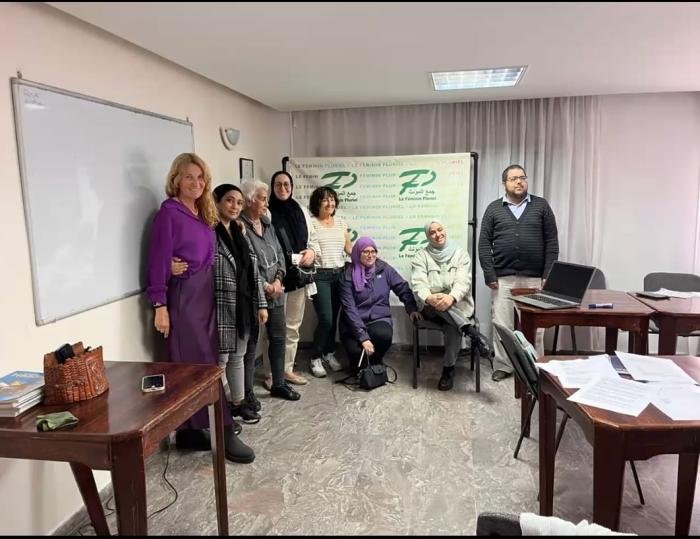
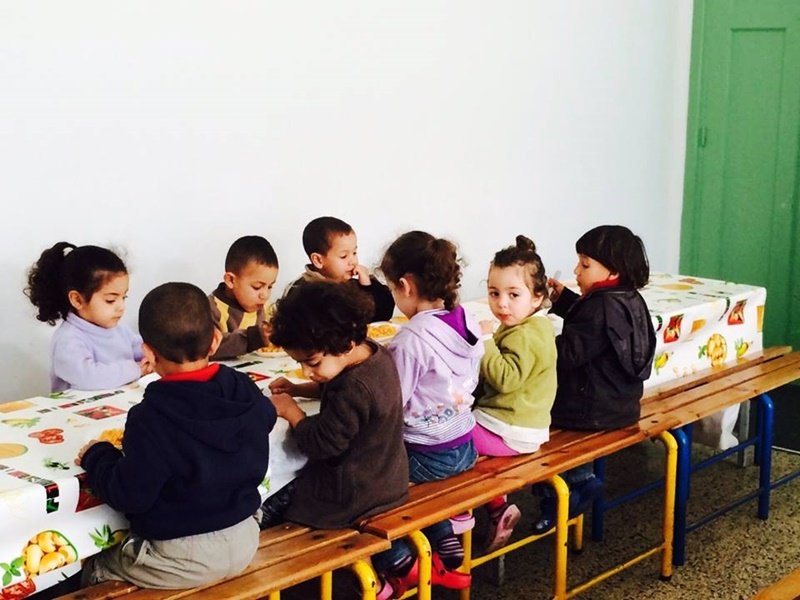
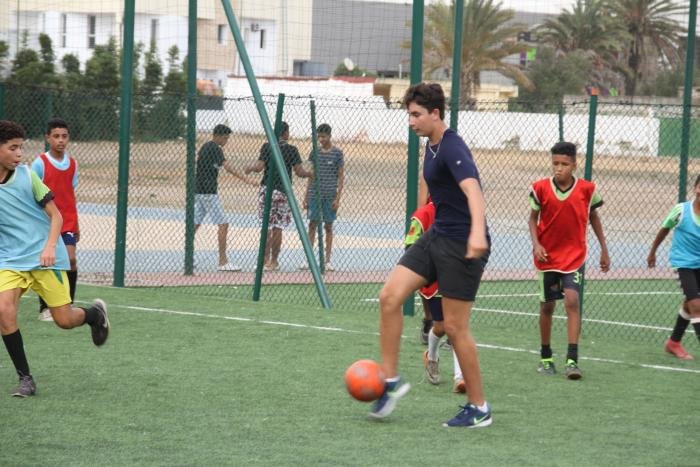
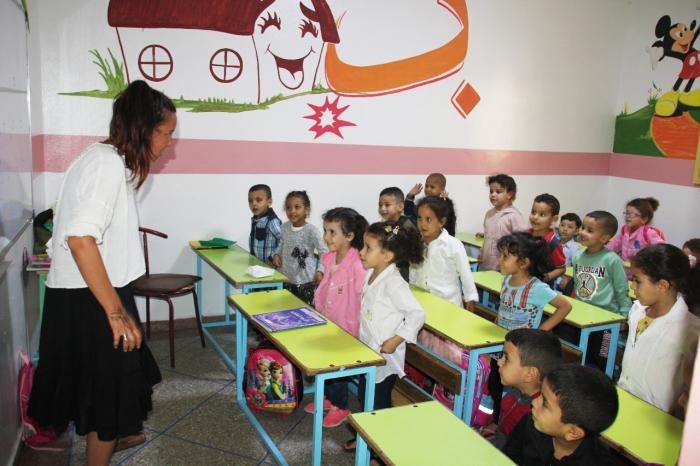
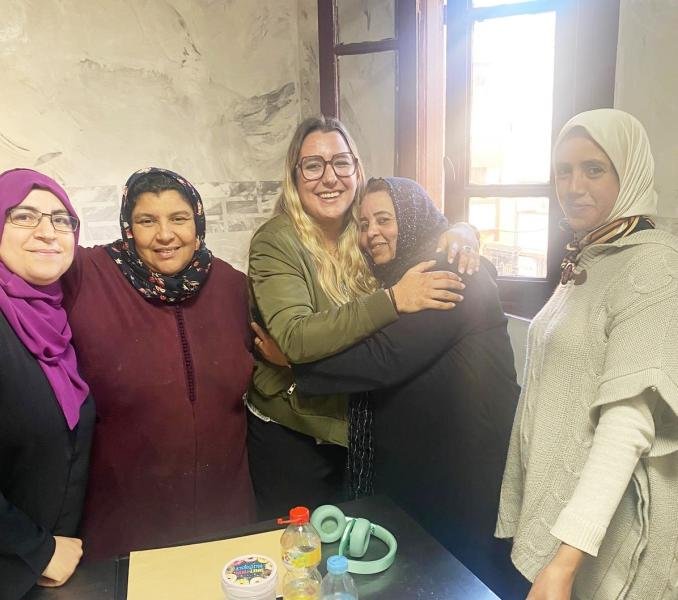
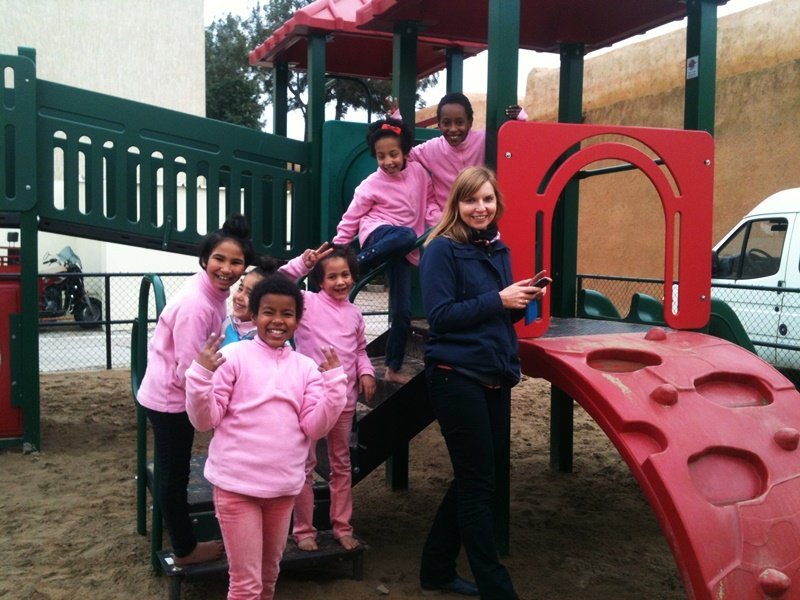
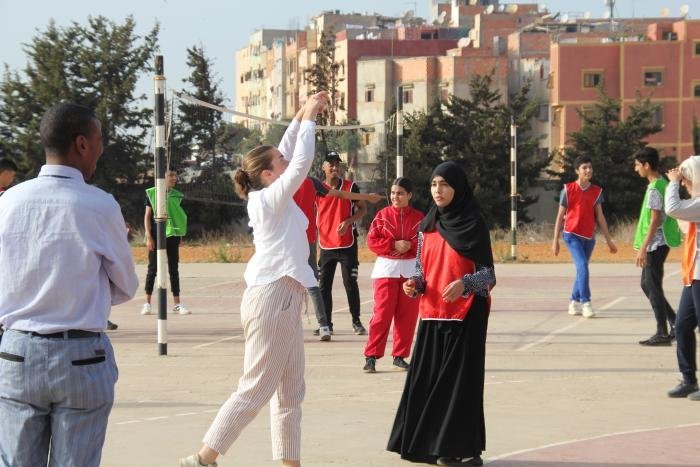
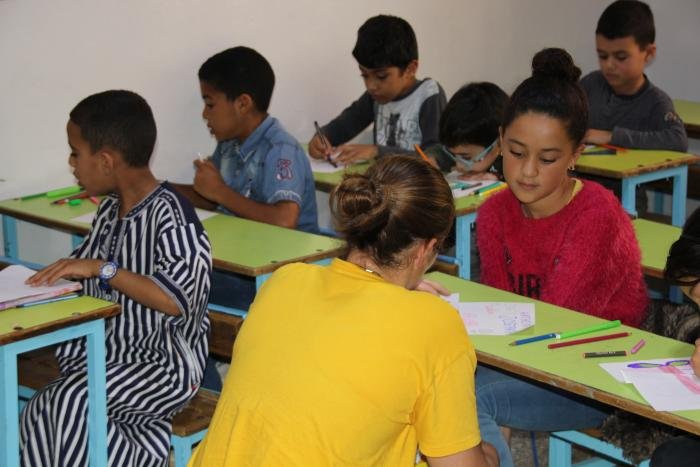
What our volunteers say
Explore other destinations
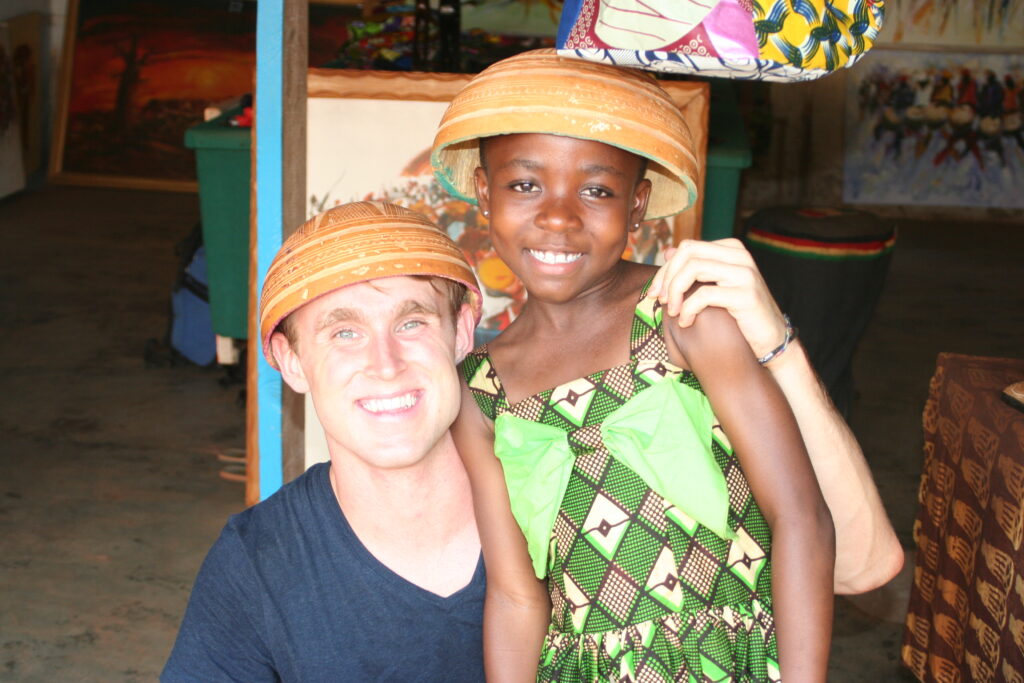
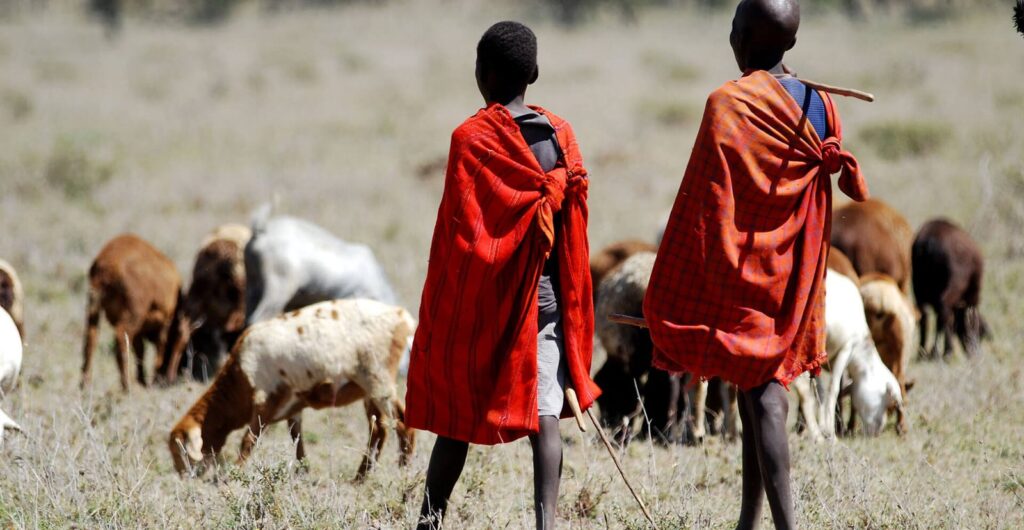
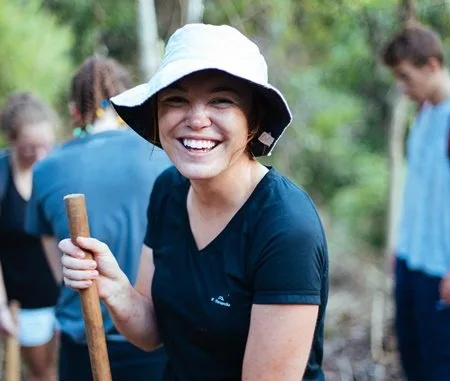
Your questions, answered
How much does it cost to volunteer in Morocco?
Every Morocco program starts from $689 for one week, deposit included — one price covering your host-family accommodation, three meals a day, pickup in Rabat, orientation, placement and 24-hour support. The weekly rate falls the longer you stay, up to 24 weeks, and each program page shows the full week-by-week total. Flights, insurance and personal spending are extra.
Do I need a visa to volunteer in Morocco?
Citizens of the UK, USA, Canada, Australia, New Zealand and most EU countries can enter Morocco visa-free for up to 90 days with a passport valid for at least six months. Volunteers from other countries should check with the nearest Moroccan consulate; our pre-departure guide covers the details for your nationality.
Is Rabat safe for volunteers?
Yes. Rabat is Morocco's administrative capital and one of its calmest cities, with far less hassle than Marrakesh. You are met on arrival, live with a host family the coordinator knows, and have a 24-hour support line. Dress modestly, keep valuables out of sight in the medina, use metered petit taxis or the tram, and avoid walking alone late at night. Solo women join our Morocco programs every year.
What is the minimum age to volunteer in Morocco?
18 on all four Rabat programs. There is no upper age limit — career breakers and retirees join regularly — and the childcare and teaching placements require a clean criminal background check before you start.
How long can I volunteer in Morocco, and when do programs start?
From one week to 24 weeks. All four programs start every Sunday throughout the year, with orientation on the Monday; the next available start is 20 Sep 2026. Longer stays are welcome and cost less per week.
Where will I stay in Morocco?
With a Moroccan host family in Rabat, usually with one or two other volunteers. Many families give volunteers their own room; otherwise rooms are shared with a volunteer of the same gender. Homes are comfortable but simple, most have Wi-Fi, and you should bring your own towel and toiletries.
Are meals included in Morocco?
Yes — three meals a day with your host family: breakfast before the placement, lunch (the main meal) and dinner in the evening. Expect tagines, couscous, harira, fresh bread and endless mint tea. Tell us about dietary needs in advance and the family will cater for them.
Will I be picked up at the airport in Morocco?
Yes. Pickup is included at Rabat–Salé Airport (RBA) and at Rabat Ville train station. Most international flights land in Casablanca (CMN), from where the airport train takes you directly to Rabat Ville in about 90 minutes — your coordinator meets you at the station. The return transfer at the end of your program is not included.
Do I need vaccinations for Morocco?
None are required for entry. Keep routine vaccinations up to date; hepatitis A and typhoid are commonly recommended for Morocco. Drink bottled or filtered water, and check NHS Fit for Travel or the CDC before you travel.
When is the best time to volunteer in Morocco?
Spring and autumn are ideal — warm, sunny and comfortable. Summer reaches around 30°C, softened by Rabat's Atlantic breeze, and winter is mild with some rain. Programs run all year; if your dates fall in Ramadan expect shorter project hours by day and a lively city after sunset, and Eid is a memorable time to be with a host family.
Do I need to speak Arabic or French to volunteer in Morocco?
No. English is enough for the teaching and childcare placements, and your host family and coordinator will help with the basics. Some French or Moroccan Arabic (Darija) is a real advantage in the women's education program, where many participants speak little English, so learn a few phrases before you arrive.
What should I pack for volunteering in Morocco?
Light, modest clothing (long sleeves, trousers or long skirts), a scarf or shawl for religious sites, comfortable shoes, a warm layer for cool evenings outside summer, sunscreen, a small zipped bag for valuables, your own towel and toiletries, and a basic first-aid kit. Teaching aids, stationery or coloring books are welcome at the schools and day-care center — or buy them in Rabat to support local shops.
Ready to volunteer in Morocco?
4 programs · from $689 · next start 20 Sep 2026
Free advice, no obligation. Change program, dates or destination free of charge up to 45 days before you start.