English (US) ▾
 Nederlands
 English (UK)
 Deutsch
 Italiano
 Português
 Español
Things to Do in Peru
Machu Picchu, the Sacred Valley, Rainbow Mountain and the Andes — what to see in Peru, when to go, and how volunteers fit it around a placement in Cusco.
See volunteer programs in PeruPeru packs an improbable amount into one country: the greatest archaeological site in the Americas, a slice of the Amazon, 6,000-meter peaks, high-altitude deserts and a food scene that has made Lima a global destination. Most of it is reachable from Cusco, the old Inca capital at 3,400 meters where our volunteer programs are based.
This guide covers what is genuinely worth your time, when to go, and how to see it around a volunteer placement — because the weekends in Cusco are where most people fit Peru in.
The best things to do in Peru
1. Machu Picchu
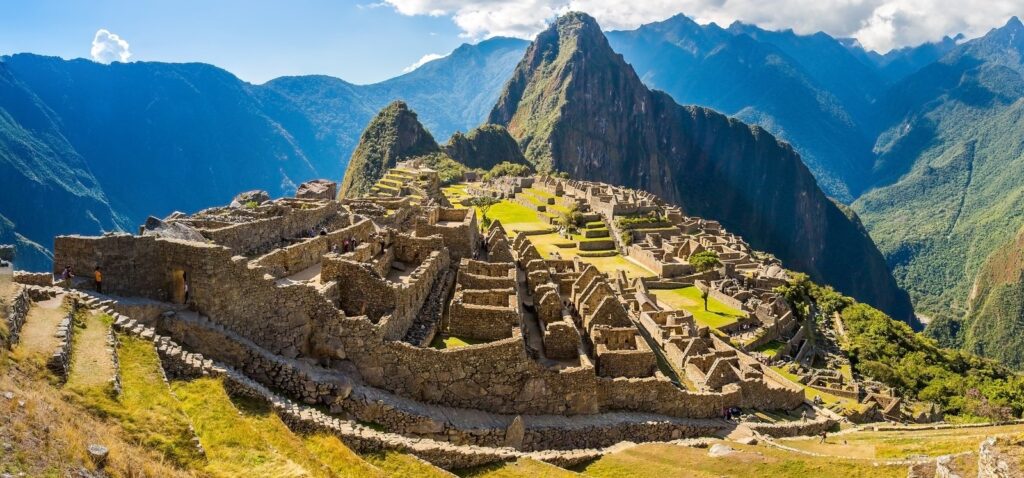
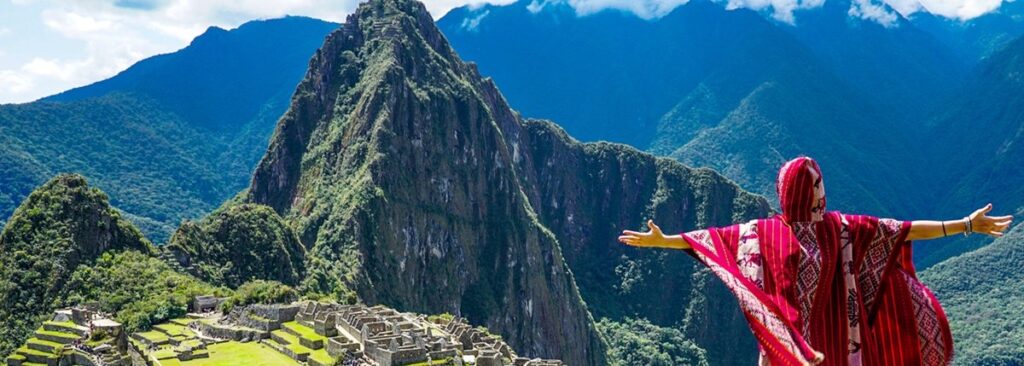
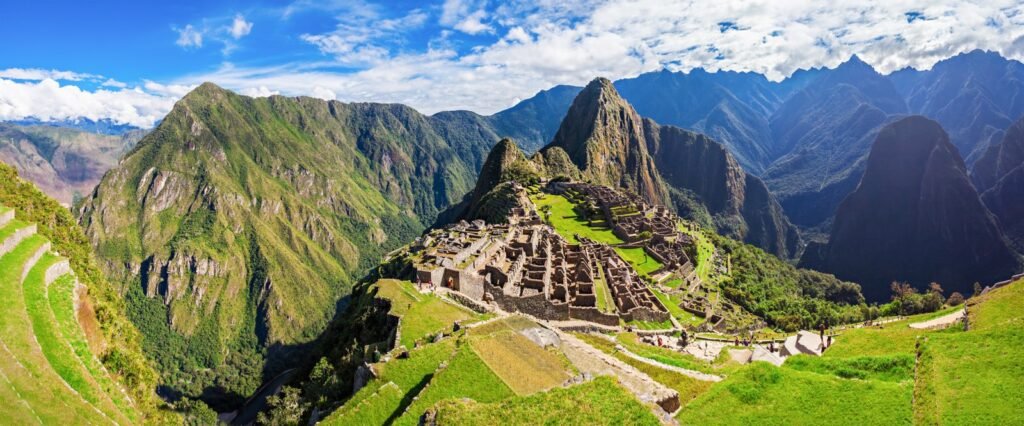
The 15th-century Inca citadel needs no introduction, and it lives up to it. Most visitors take the train from Ollantaytambo to Aguas Calientes, then a bus up to the entrance. Tickets are timed and capped, so book weeks ahead in the June-August peak. Going early or late in the day gives you the site with fewer people and better light.
2. The Sacred Valley
The valley between Cusco and Machu Picchu is worth days in its own right. Pisac has a hilltop ruin above a busy craft market; Ollantaytambo is a living Inca town with a fortress you climb straight from the square; and the Maras salt pans and circular Moray terraces are unlike anything else in the country.
3. Rainbow Mountain (Vinicunca)
The striped mineral ridge at 5,036 meters is a long day trip from Cusco with a genuinely hard hour of walking at altitude. Wait until you have been in Cusco a week before attempting it, start early, and expect cold — this is higher than any point in the Alps.
4. Humantay Lake
A turquoise glacial lake below Salkantay, reached by a steep two-hour hike from the trailhead. Easier than Rainbow Mountain and, for many volunteers, more beautiful. It also works as an acclimatisation day before a bigger trek.
5. Cusco itself
Do not treat the base city as a transit stop. Sacsayhuamán sits on the hill above town with Inca stonework you can put your hand on, Qorikancha shows the Spanish cathedral built directly onto the Inca sun temple, and San Pedro market is the best cheap lunch in the country. The San Blas quarter is where volunteers end up in the evenings.
6. Lake Titicaca and the Amazon
Two bigger add-ons for the end of a placement. Puno on Lake Titicaca is an overnight bus away, with the floating Uros reed islands and Taquile. In the other direction, Puerto Maldonado puts you in Amazon lowland rainforest in an hour by plane — macaws, caiman and river lodges.
When to visit Peru
The dry season runs May to September: crisp sunny days, cold nights and the best trekking conditions, plus the Inti Raymi festival in late June. November to March is the wet season — greener, quieter and cheaper, with rain that usually arrives in afternoon bursts rather than all-day. Cusco is at altitude year-round, so nights are cold whenever you come.
Getting around
Trains to Machu Picchu run from Ollantaytambo and Poroy; everything else in the Sacred Valley is reachable by colectivo (shared minibus) for a few soles. Long-distance buses are comfortable and overnight services are normal. Within Cusco, walking covers most of it, though the hills at 3,400 meters are a workout for the first few days.
Seeing Peru as a volunteer
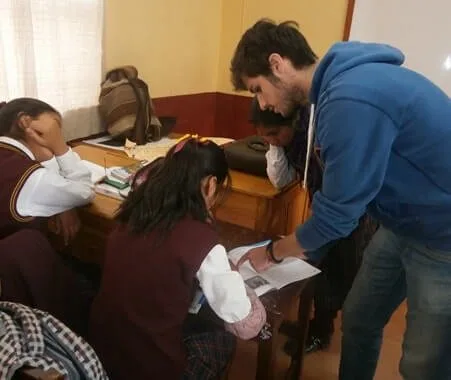
Volunteers in Peru work weekday mornings into the early afternoon, which leaves every weekend free for the list above. Our Peru placements are based in Cusco, include accommodation, meals, airport pickup and 24/7 in-country support, and leave evenings and weekends free — which is exactly when most of this list gets ticked off. See volunteer programs in Peru for live prices and dates, or read our complete guide to volunteering in Peru for costs, visas and safety.
Peru travel FAQs
How many days do you need in Peru?
A week covers Cusco, the Sacred Valley and Machu Picchu at a sensible pace. Volunteers on a multi-week placement see all of it across their weekends without rushing, which is the better way to do it.
Do I need to book Machu Picchu in advance?
Yes. Entry is capped and timed, and trains sell out in the June-August high season. Book several weeks ahead if you are traveling in peak months; a few days is usually enough in the low season.
How do I cope with the altitude in Cusco?
Give yourself two gentle days on arrival, drink far more water than usual, eat lightly and skip alcohol at first. Do not schedule Rainbow Mountain in your first week. Most people feel normal by day three.
Is Peru safe for solo travelers?
Cusco is one of South America’s most visited cities and is well used to independent travelers. Use registered taxis at night, keep valuables out of sight in markets, and stick to organized operators for high-altitude day trips.
Photo: David Berkowitz from New York, NY, USA / Wikimedia Commons (CC BY 2.0)
Volunteer programs in Peru
Combine your trip with meaningful project work — housing, meals, airport pickup and 24/7 in-country support included.
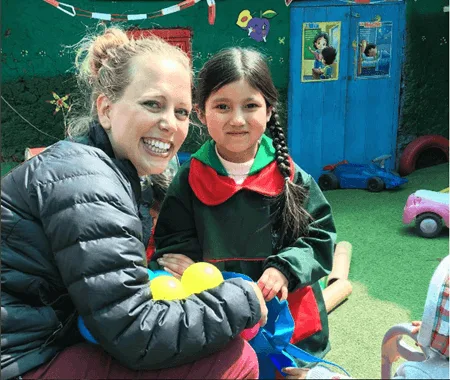
1 Week Special Volunteer Program in Peru
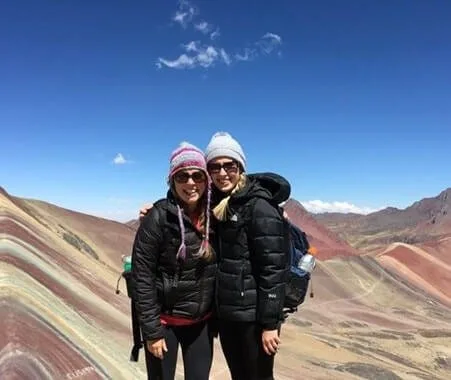
2 Weeks Special Volunteer Program in Peru
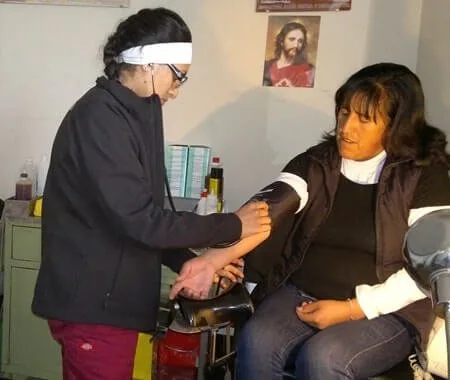
Medical Volunteer Program in Peru – Cusco
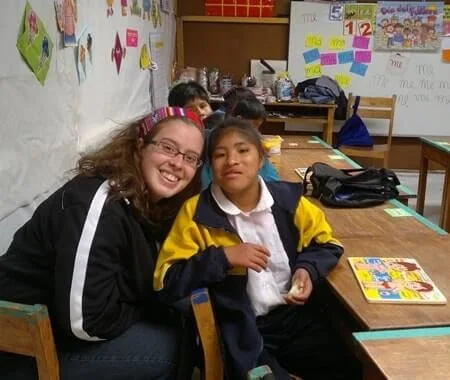
Volunteer in Peru – Cusco For Disabled Care
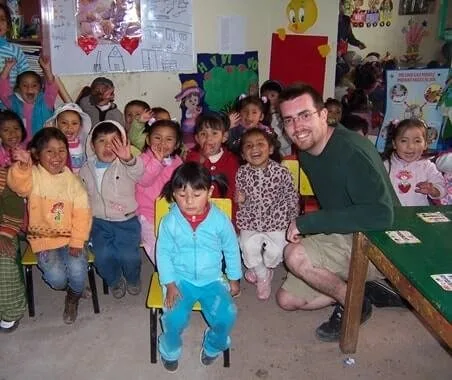
Volunteer Teacher Assistant in Kindergartens Cusco, Peru