 English (US) ▾
 Nederlands
 English (UK)
 Deutsch
 Italiano
 Português
 Español
Volunteer in Thailand
 Certified B Corporation
★ Rated 4.7/5 (1,460 reviews) 25,000+ volunteers since 2007
Certified B Corporation
★ Rated 4.7/5 (1,460 reviews) 25,000+ volunteers since 2007
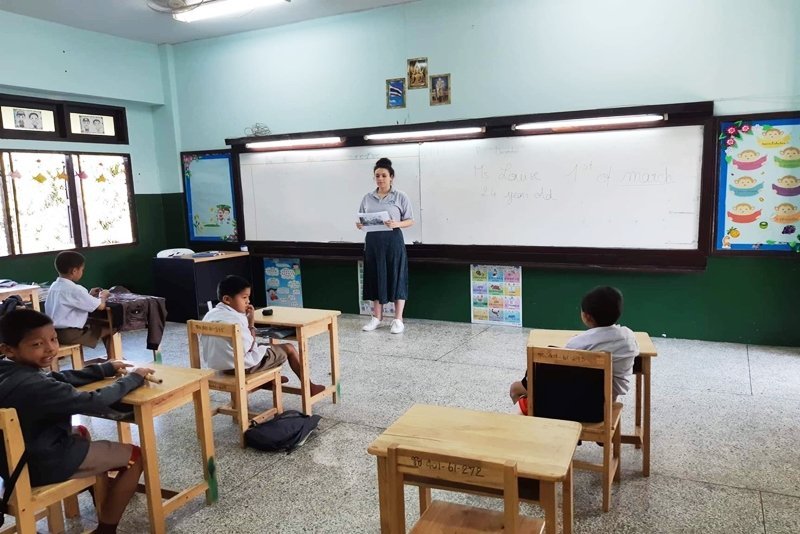
Volunteer in Thailand with Volunteering Solutions in Chiang Mai, the laid-back northern city ringed by mountains and temples, on four programs: teaching English in local schools, teaching English to novice monks in the city’s monasteries, caring for children and adults with special needs at a community center, and an ethical elephant program at a rescue camp in the hills where the animals are never ridden or made to perform.
Programs start twice a month on Fridays all year, run from two to twelve weeks (one to six weeks with the elephants), and are open from age 18 — the elephant program also welcomes families. Every volunteer gets a two-day orientation with a half-day city tour and a cultural welcome dinner before Monday’s first day, and lives in one of two volunteer houses with the coordinating office on site. Weekends bring Pai, Chiang Rai’s White Temple or a flight to the islands within reach. Prices start at $1,039, deposit included.
Volunteer opportunities in Thailand
4 programs you can join right now — every card below and every link here goes to the program’s own page with live dates and prices.
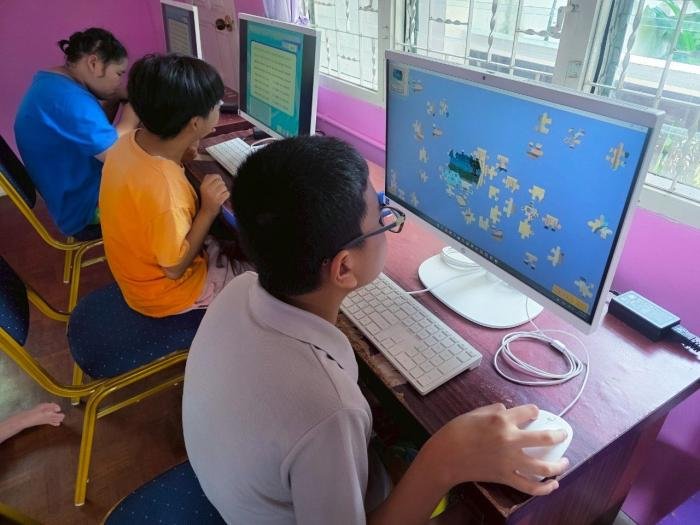
- Special Needs Care Volunteer Program in Chiang Mai – Thailand — Make a lasting impact in Chiang Mai by supporting children and adults with special needs.
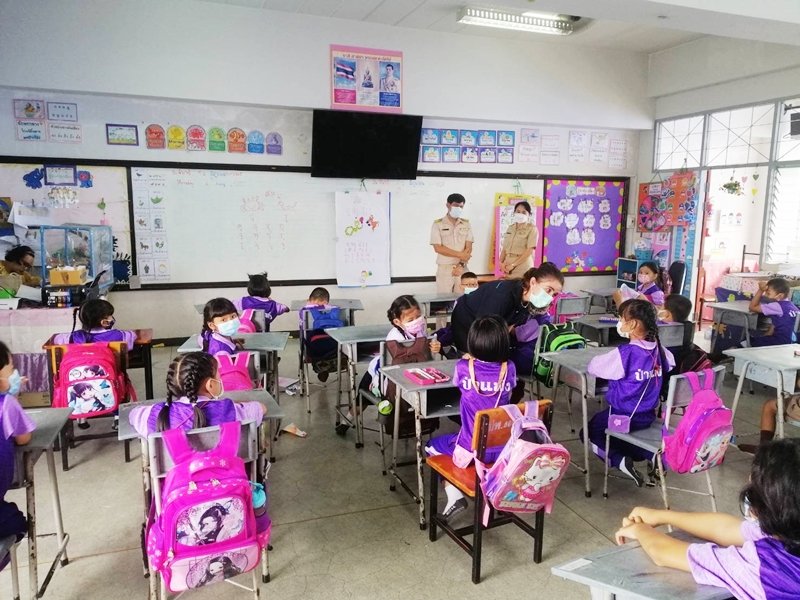
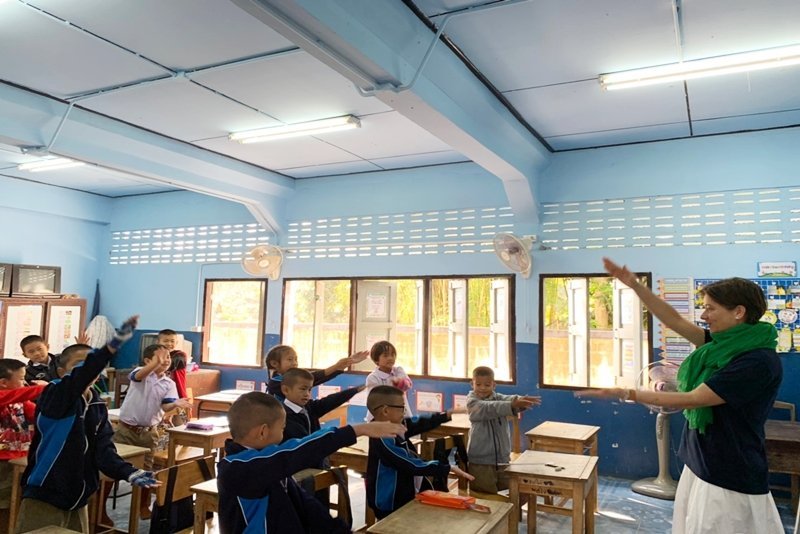
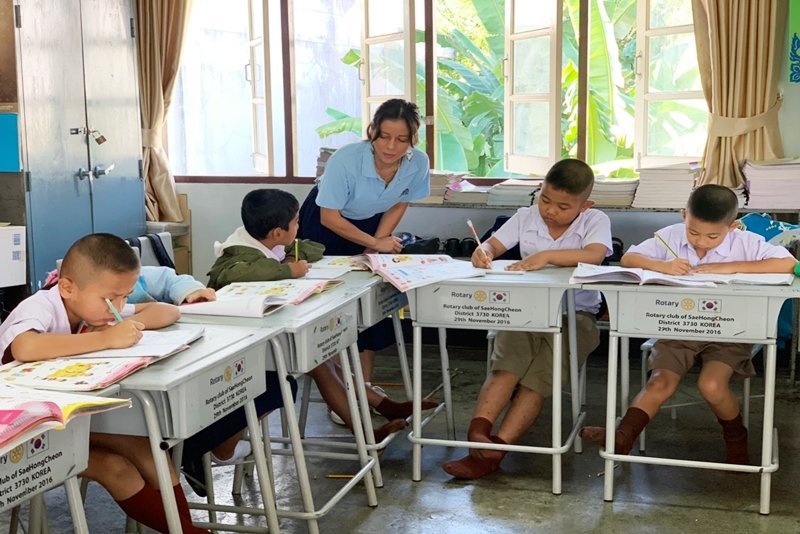
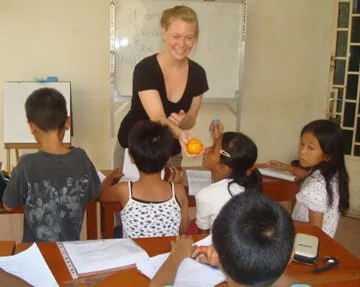
- Teaching English Volunteer Program in Thailand — Join the best affordable Volunteer Teaching English Program in Chiang Mai.
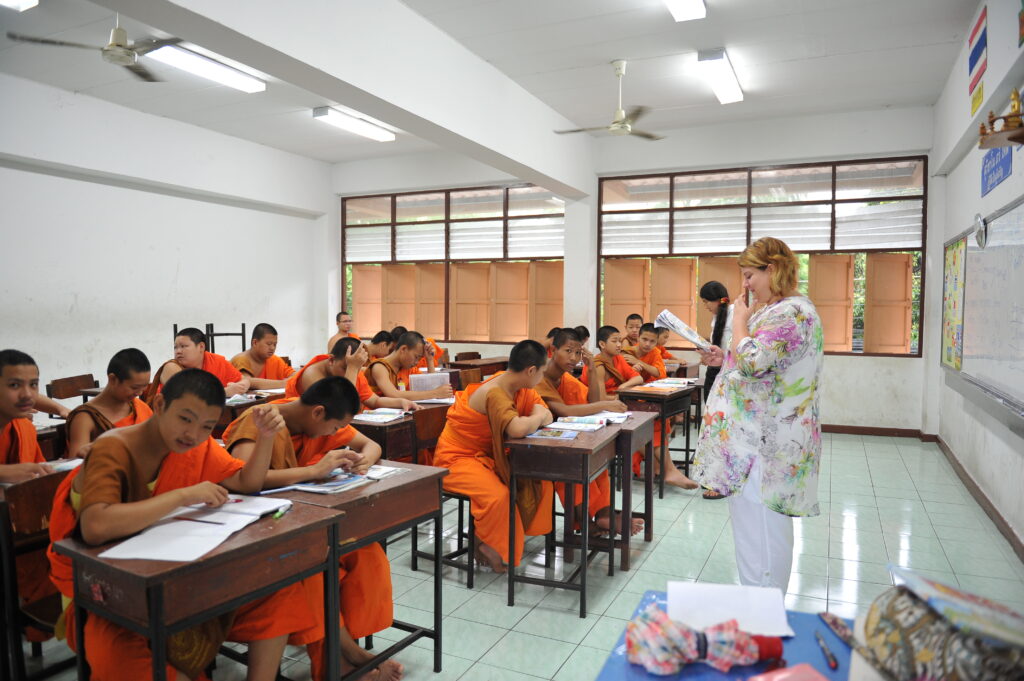
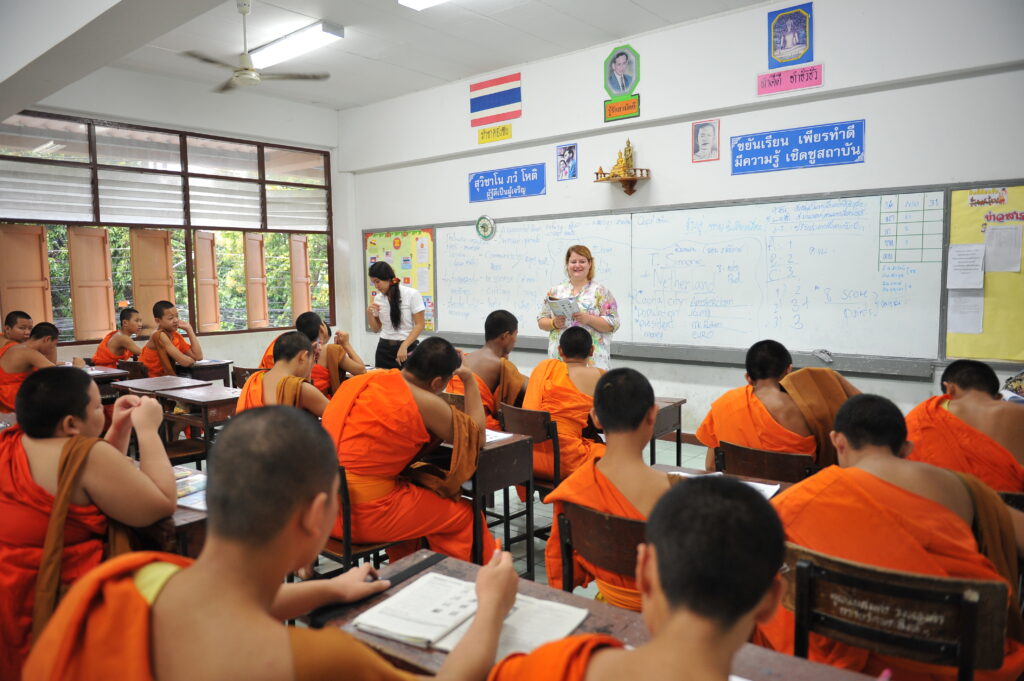
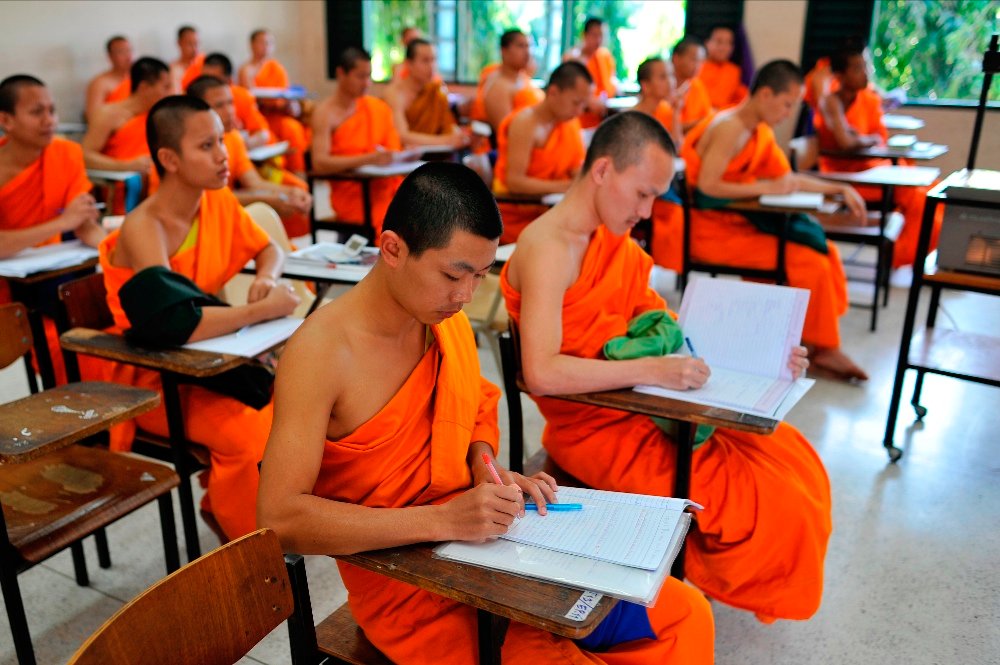
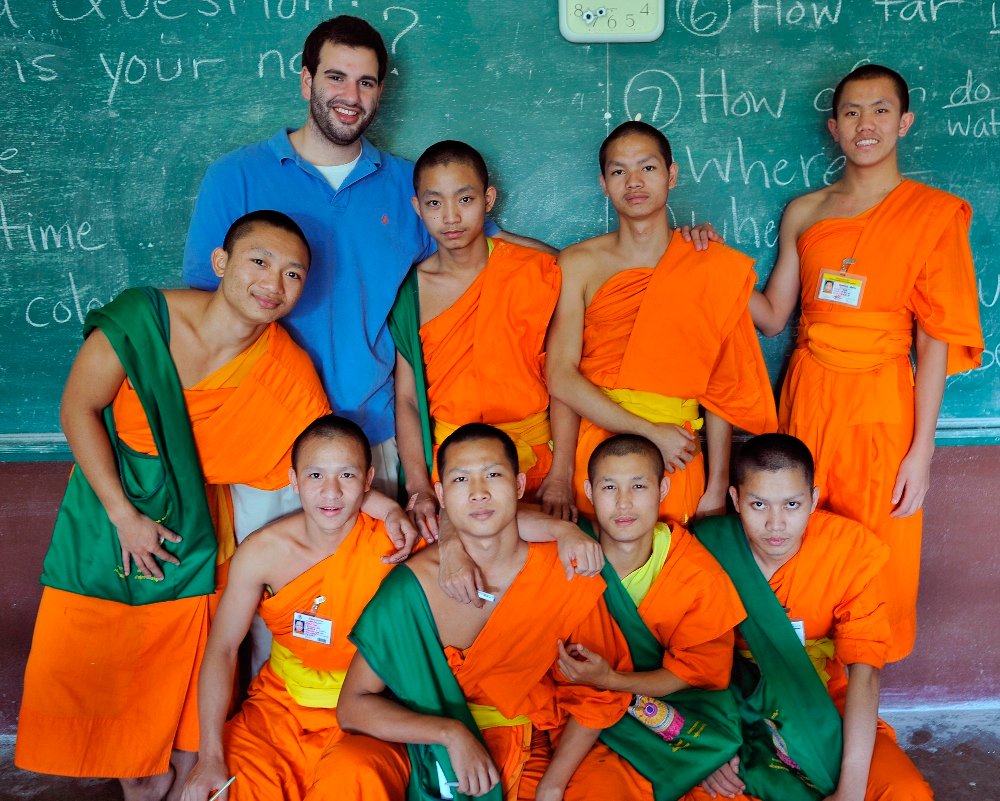
- Volunteer Teaching English To Monks in Chiang Mai Thailand — The Teaching Monks Program in Chiang Mai offers the opportunity to work at monasteries and temple schools, where you can teach young monks elementary subjects while engaging in interactive exchange…
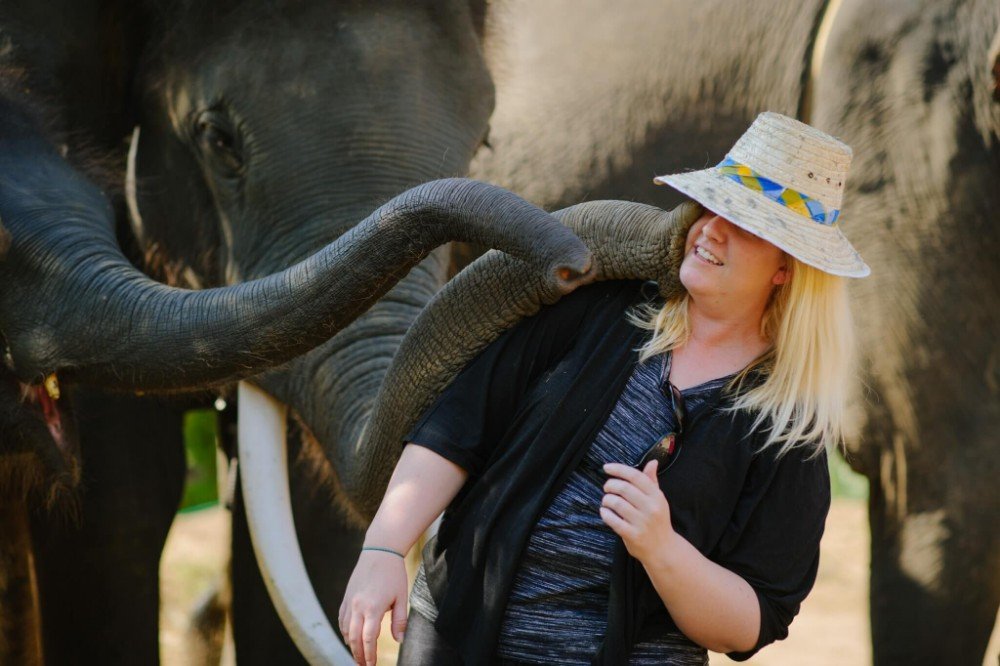
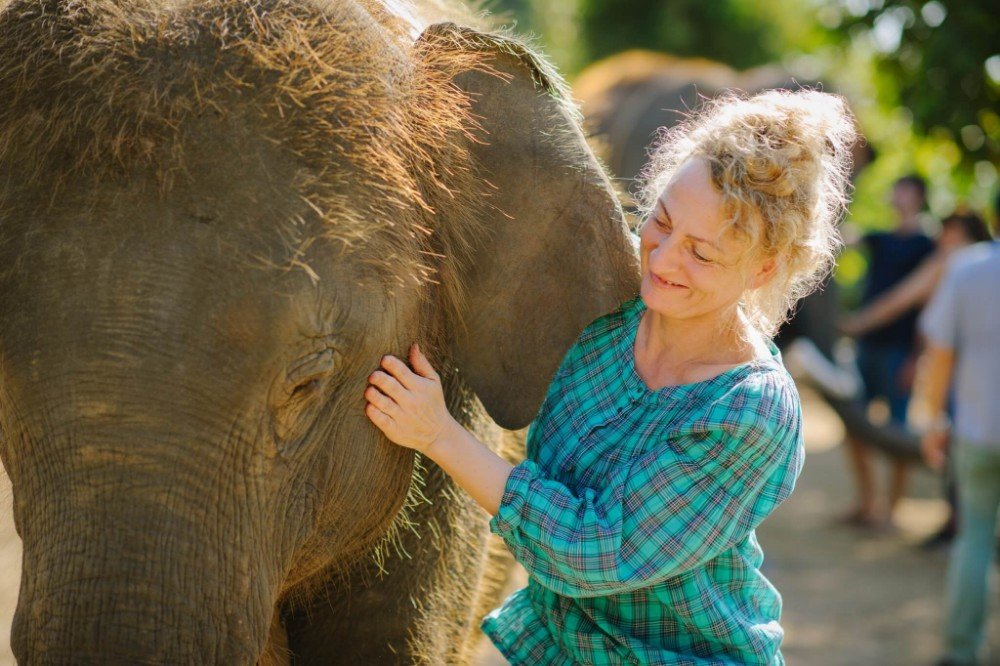
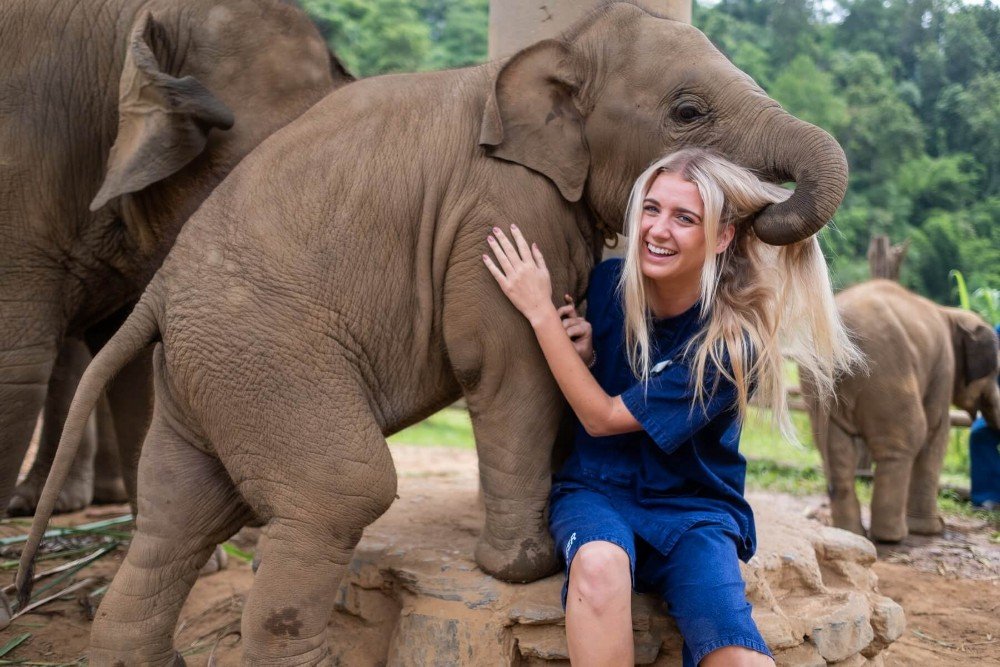
- Volunteer with Elephants in Thailand – Chiang Mai — Embark on an unforgettable adventure in Chiang Mai, Thailand, where you’ll have the chance to volunteer with majestic elephants!
Make a Real Impact
Your contribution goes beyond daily tasks. By volunteering, you become part of a larger movement aimed at sustainable development and cultural exchange.
Whether it’s teaching a child to read or helping conserve endangered species, your efforts leave a lasting imprint on communities and ecosystems.
Volunteering in Thailand at a glance
Prices, durations, start dates and ages come straight from our booking system for each program. Program facts reviewed 12 Sep 2026.
Volunteer Projects you can join in Thailand
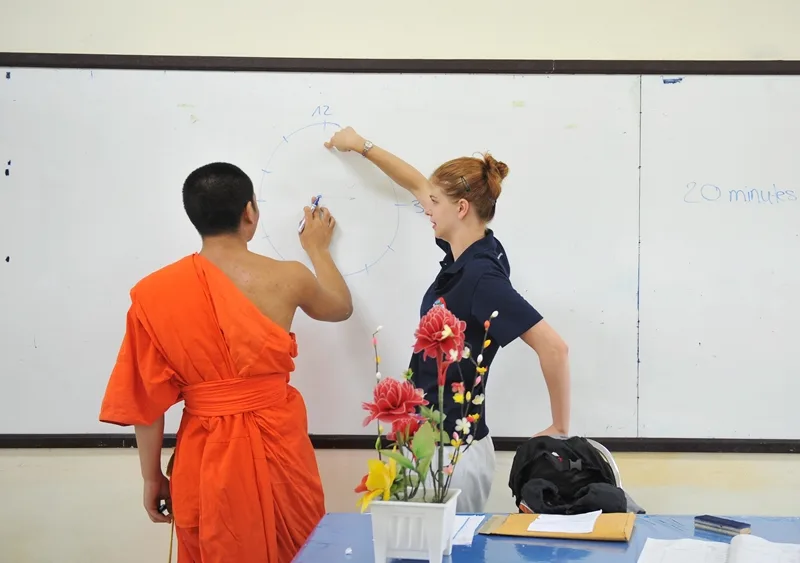
Volunteer Teaching English To Monks in Chiang Mai Thailand
The Teaching Monks Program in Chiang Mai offers the opportunity to work at monasteries and temple schools, where…
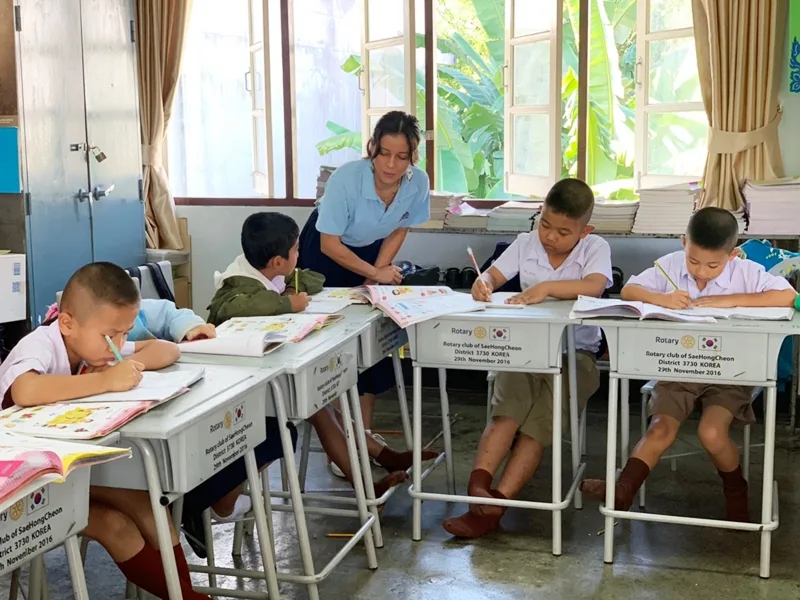
Teaching English Volunteer Program in Thailand
Join the best affordable Volunteer Teaching English Program in Chiang Mai. Volunteer at local schools at teach children…
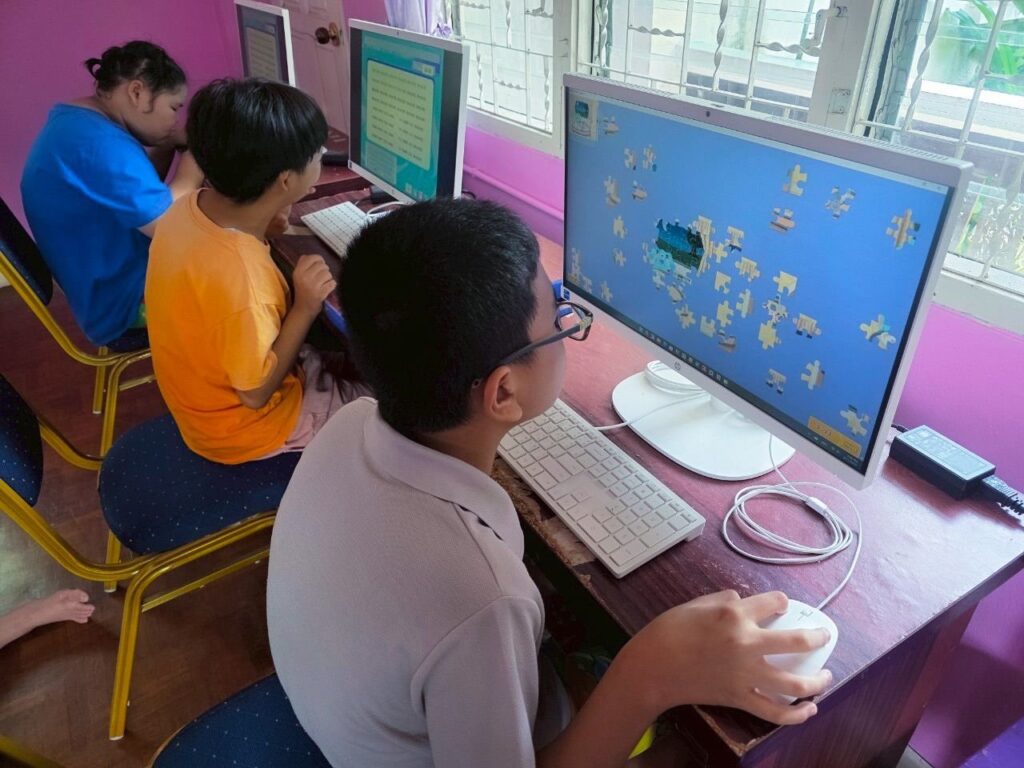
Special Needs Care Volunteer Program in Chiang Mai – Thailand
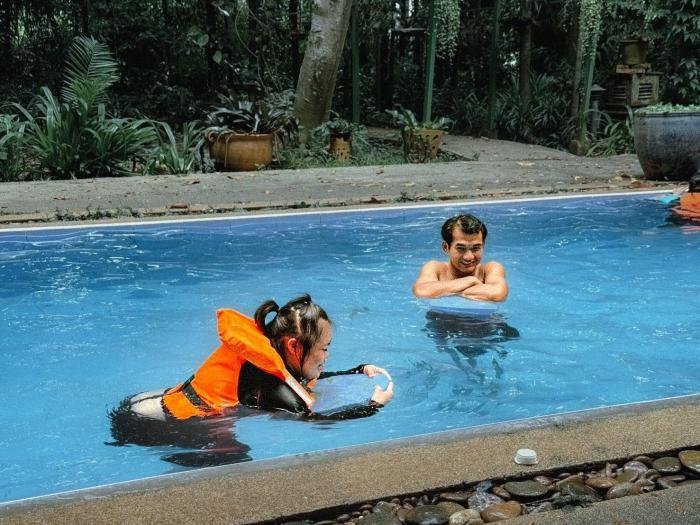
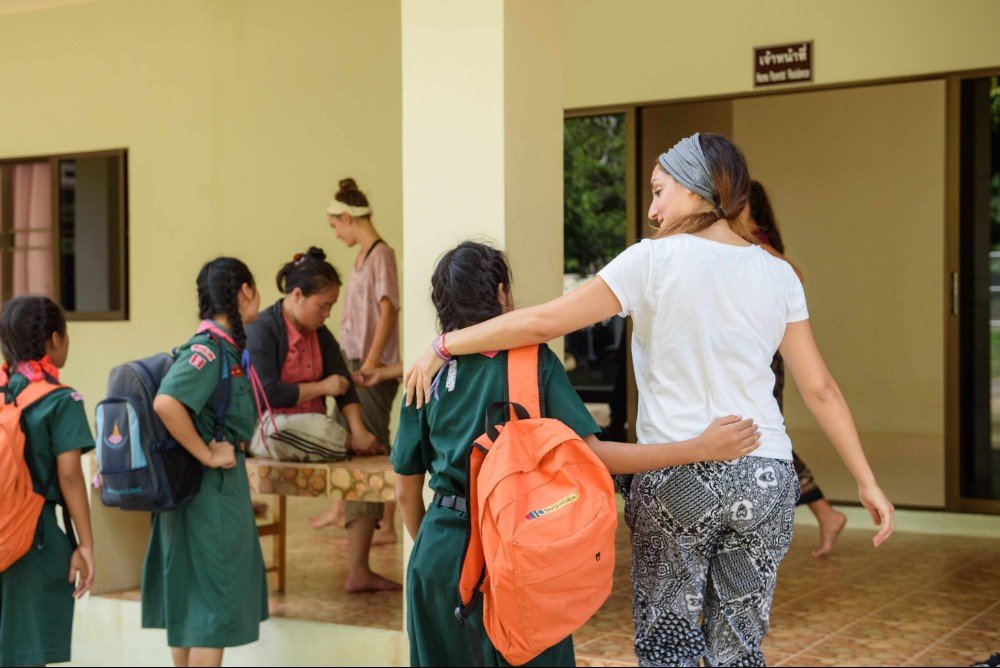
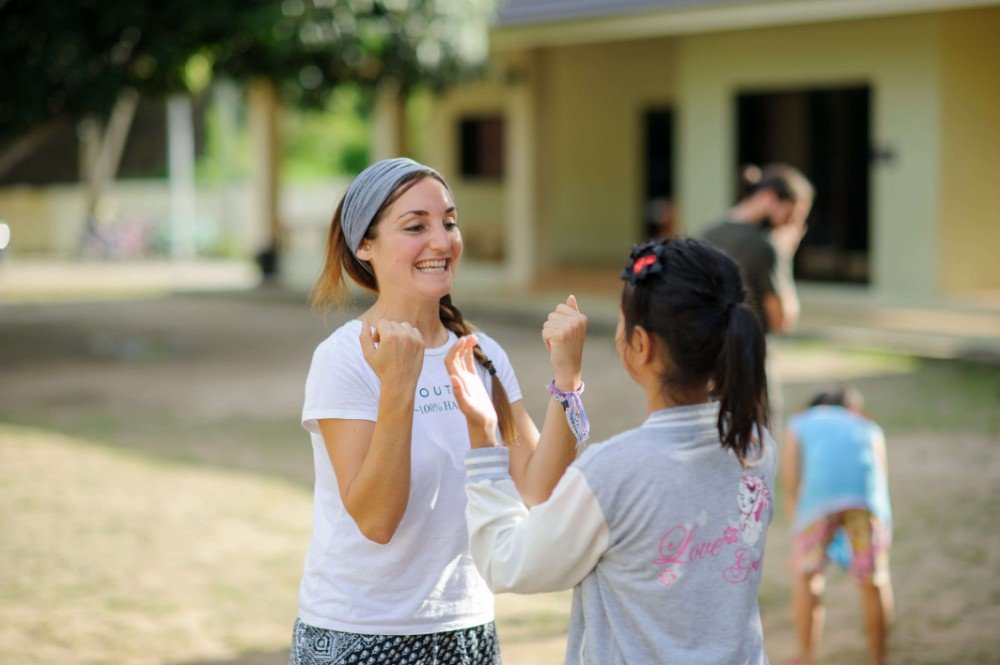
Make a lasting impact in Chiang Mai by supporting children and adults with special needs. Assist in developmental…
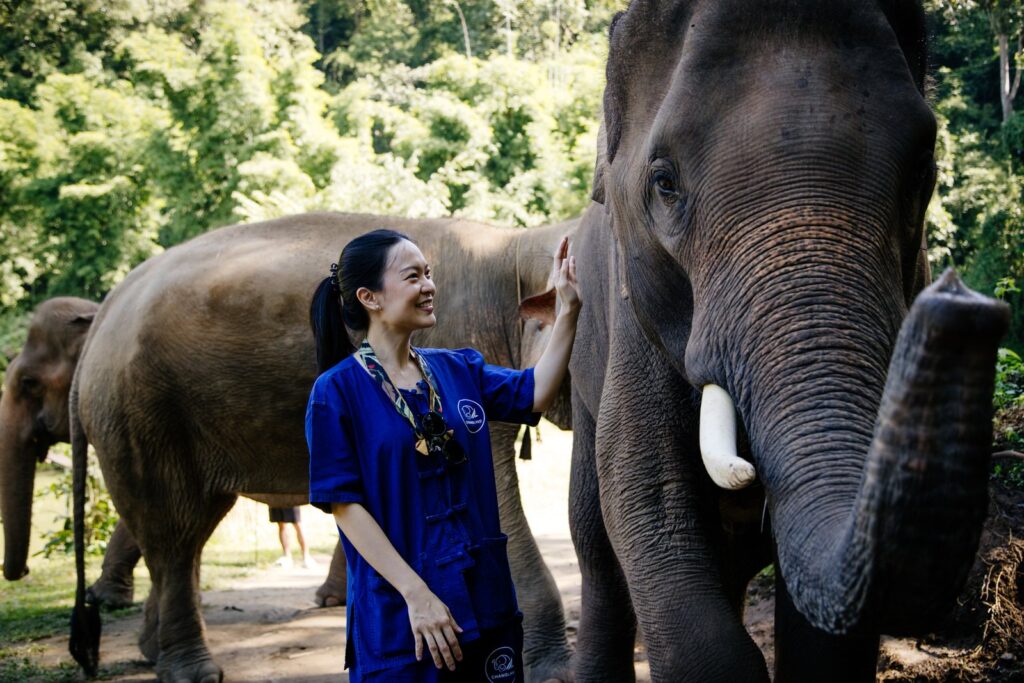
Volunteer with Elephants in Thailand – Chiang Mai
Embark on an unforgettable adventure in Chiang Mai, Thailand, where you’ll have the chance to volunteer with majestic…
What it costs to volunteer in Thailand
All-in prices: accommodation, the meals listed for the program, airport pickup where listed, orientation, placement and in-country support are included.
| Program | Duration | From |
|---|---|---|
| Special Needs Care Volunteer Program in Chiang Mai – Thailand | 2-12 Weeks | $1,039 2 weeks |
| Teaching English Volunteer Program in Thailand | 2-12 Weeks | $1,039 2 weeks |
| Volunteer Teaching English To Monks in Chiang Mai Thailand | 2-12 Weeks | $1,039 2 weeks |
| Volunteer with Elephants in Thailand – Chiang Mai | 1-6 Weeks | $1,089 1 week |
Includes the $249 booking deposit (counts toward your total, valid for a year, refunded if we cannot place you). Longer stays lower the weekly rate — each program page has the full week-by-week table.
What your fee covers
- Shared, air-conditioned accommodation in one of two volunteer houses in central Chiang Mai — and, on the elephant program, rustic rooms at the mountain camp Monday to Friday
- Meals: breakfast supplies and weekday lunches at your project on the Chiang Mai programs; all meals at the elephant camp
- Airport pickup in Chiang Mai
- Two-day orientation, a half-day city tour and a cultural dinner and show
- Transport to and from the elephant camp each week; escorted first-day journey to your school or center
- 24-hour staff assistance, a comprehensive pre-departure guide and a certificate on request
Not included
- Flights, visa fees and vaccinations
- Travel and medical insurance (compulsory — our partner policy is available at extra cost)
- Daily transport to your placement in Chiang Mai (about $1.50–$3 a day by songthaew, or walk)
- Dinners and weekend meals in Chiang Mai, and the return airport transfer
- The cost of your criminal background check, and personal expenses
The three Chiang Mai community programs share one price and run from two to twelve weeks. The elephant program costs slightly more per week because it includes full board at the camp and the weekly transfers into the mountains, and it runs from one to six weeks. Every program page shows the full week-by-week total.
Where you stay and what you eat in Thailand
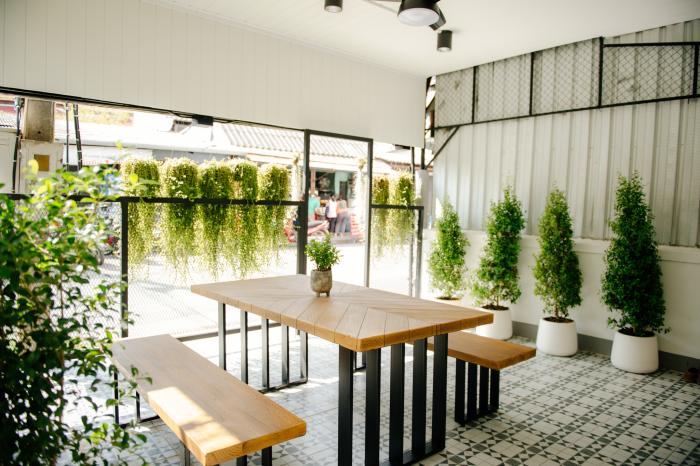
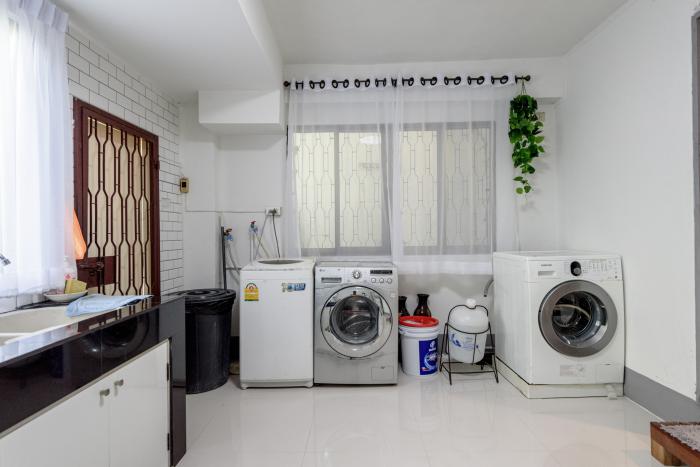
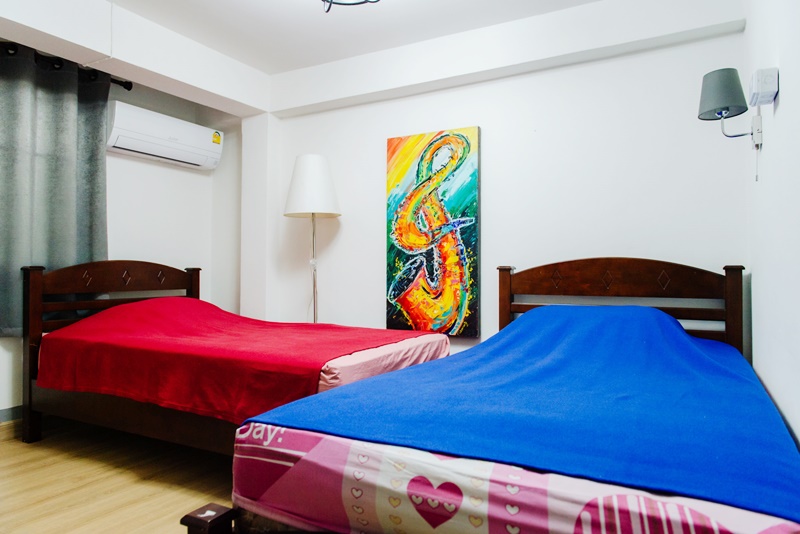
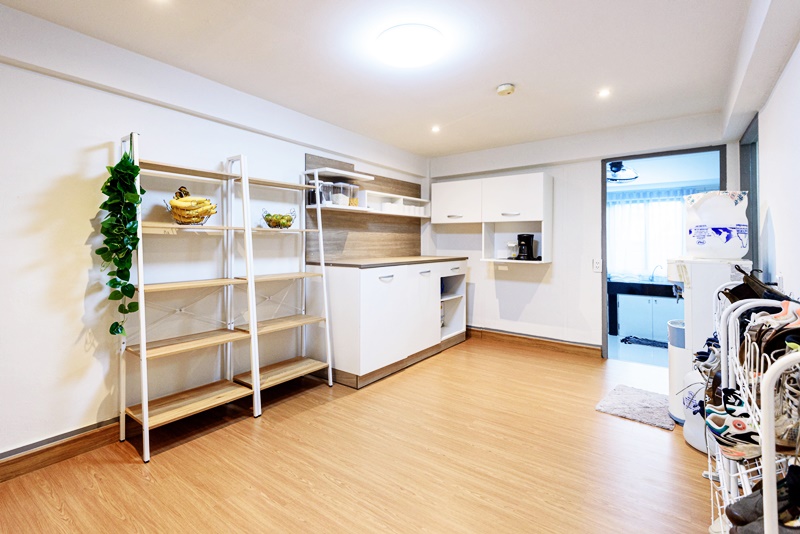
Chiang Mai volunteer houses: two houses minutes apart in the heart of the city, sharing space between more than 30 volunteers at busy times. Bedrooms are air-conditioned and shared; each house has Wi-Fi, a fully equipped kitchen, a large living room for movies and downtime, a washing machine, and toilets and showers. The coordinating office is inside one of the houses, so the team is always close, and restaurants, cafes, convenience stores and laundries are a short walk away. All the ingredients for breakfast — bread, butter, eggs, coffee, tea, fruit — are stocked at the house for you to cook; lunch is taken at your school or center on weekdays; dinners and weekend meals are your own, which most volunteers treat as the best part of living in Chiang Mai.
Elephant camp: Monday to Friday you stay at the camp in the mountains — quaint but very basic rooms, usually private unless you travel with a companion, each with an attached shared bathroom and hot shower. There is no mains electricity: solar cells power a few bulbs and phone charging, and nights are cool. All meals are provided at the camp. Every Friday afternoon the team drives you back to Chiang Mai for the weekend at the volunteer house (weekend meals are your own) and returns you to camp on Monday.
Bring your own towel. Getting to your school or center in Chiang Mai costs about $1.50–$3 a day by shared songthaew truck, though many volunteers walk.
Arriving in Thailand and who looks after you
Arrive on a Friday
Our coordinator or representative meets you at Chiang Mai International Airport (CNX) between 8am and 8pm and drives you to the volunteer house; if you land later, book an airport hotel and the team collects you the next morning. Volunteers already in Chiang Mai are met at an agreed point.
Saturday and Sunday: two-day orientation
Thai culture and greetings, getting around, safety and your project brief, plus a half-day city tour and a cultural welcome dinner and show. You also read reports written by past volunteers at your placement.
Monday: first day
Coordinators escort you to your school or center by local transport, introduce you to the staff and show you the route so you can commute yourself from Tuesday. Elephant volunteers are driven to the camp on Monday morning.
Your working week
Schools run roughly 8am to 4pm with assembly, classes and lunch on site; the special needs center and monastery classes have their own timetables; camp days start early with the elephants. The office in the house and a 24-hour line back you up throughout.
Staying safe in Thailand and who can join
Chiang Mai is one of Asia's safest and most comfortable cities for volunteers — walkable, inexpensive and relaxed. Our two houses are central, the coordinating team works from inside one of them, and 24-hour assistance is always available. The everyday risks are traffic and heat: cross roads carefully, ride a scooter only with a license, helmet and insurance that covers it (many volunteers simply walk or use songthaews), drink bottled or filtered water and take the March–April smoke season seriously if you have asthma. Petty theft is rare but keep valuables locked away.
Health: routine vaccinations should be current; hepatitis A and typhoid are commonly recommended and dengue is present, so use repellent. Rabies exists in Thailand — avoid touching stray dogs and, at the camp, follow the mahouts' instructions around the elephants at all times. Check NHS Fit for Travel or the CDC before you go. Visa: many nationalities can enter Thailand visa-free for short stays; longer placements may need a visa or an in-country extension, so check the current rules for your passport and stay length with the Thai embassy. Passports need six months' validity and two blank pages.
Who can join: minimum age 18 on all four programs (families welcome on the elephant program). Before you start, the teaching, monk-teaching and special-needs programs require a clean criminal background check (at your own cost), a CV and a passport copy; teachers need fluent spoken and written English — prior teaching experience is helpful but not required. Elephant volunteers should be fit, happy to work outdoors and get muddy, and comfortable with basic camp living.
Requirements checklist
- Minimum age: 18+ — younger children can join the family-friendly programs with a parent; minimum ages vary by project. Family volunteering
- Background check: required for placements with children or vulnerable adults — issued within 12 months of your start date, in English or with a translation. How to get one
- Travel insurance: comprehensive cover for your whole stay is compulsory; you can bring your own or take the policy we arrange. Insurance details
- Safeguarding: every volunteer follows our code of conduct for children and vulnerable adults, explained again at orientation. Read the policy
📘 Planning in more depth? Read our Thailand costs, visa and safety guide.
How we volunteer responsibly in Thailand
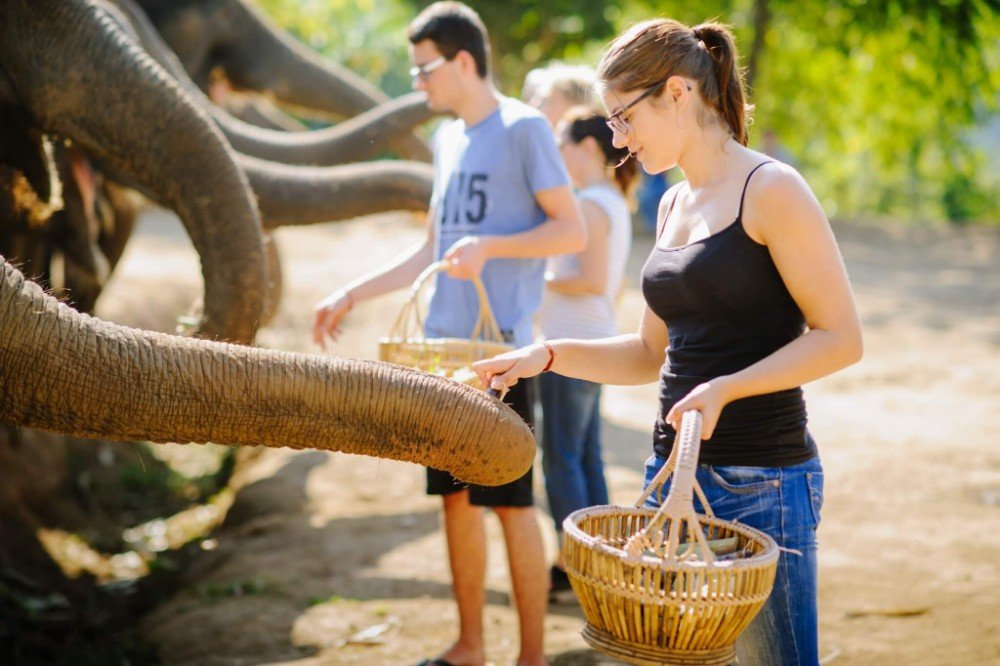
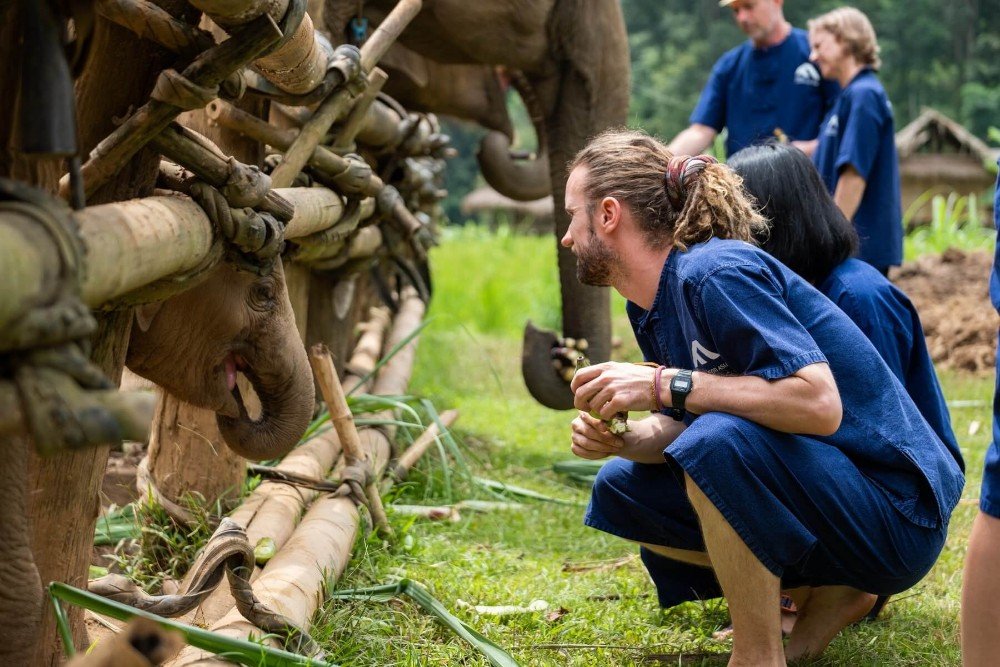
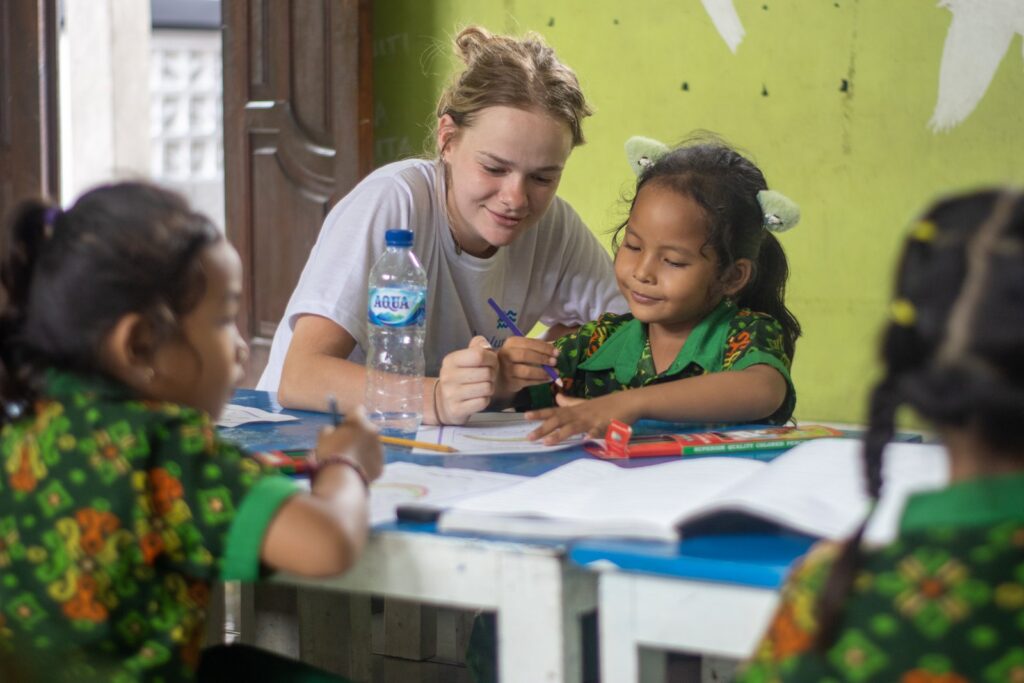
Our Thailand partners are local schools, monasteries and a community special-needs center in Chiang Mai, and a mountain elephant camp that houses rescued animals. Volunteers assist Thai teachers, carers and mahouts — leading conversation practice, supporting therapy and daily-living activities, and helping to feed, bathe and prepare food for the elephants — rather than replacing staff.
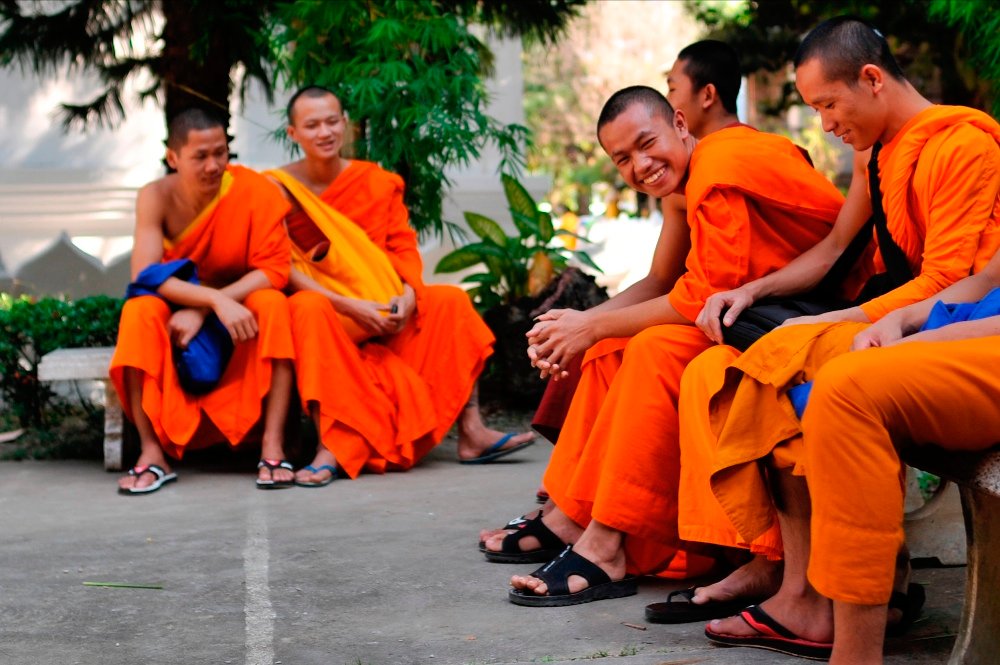
The elephant program is run to our animal welfare policy: no riding, no shows, no chains for entertainment, and all contact directed by the camp's mahouts and keepers for the animals' benefit. Placements with children and vulnerable adults follow our child and vulnerable adult protection policy, with background checks before arrival, no unsupervised care and no photographs without permission; classes with novice monks follow monastery etiquette, which the orientation explains.
Come for the work, not the photos: a fortnight of consistent help in a Thai classroom or an early-morning routine with the elephants is what the partners value, and the cultural depth of Chiang Mai does the rest.
Our standards
- Responsible volunteer travel policyHow we choose, run and review every project
- Safeguarding policyProtecting children and vulnerable adults on every placement
- Animal welfare policyOur rules for wildlife, marine and animal-care projects
- Certified B CorporationSocial and environmental performance verified by B Lab
Life outside the project in Thailand
Best time: November to February is cool and dry — ideal in Chiang Mai and busiest with tourists. March to May is hot, with agricultural burning bringing haze in March–April; June to October is the green season, warm with afternoon rain and lush hills. Programs run all year.
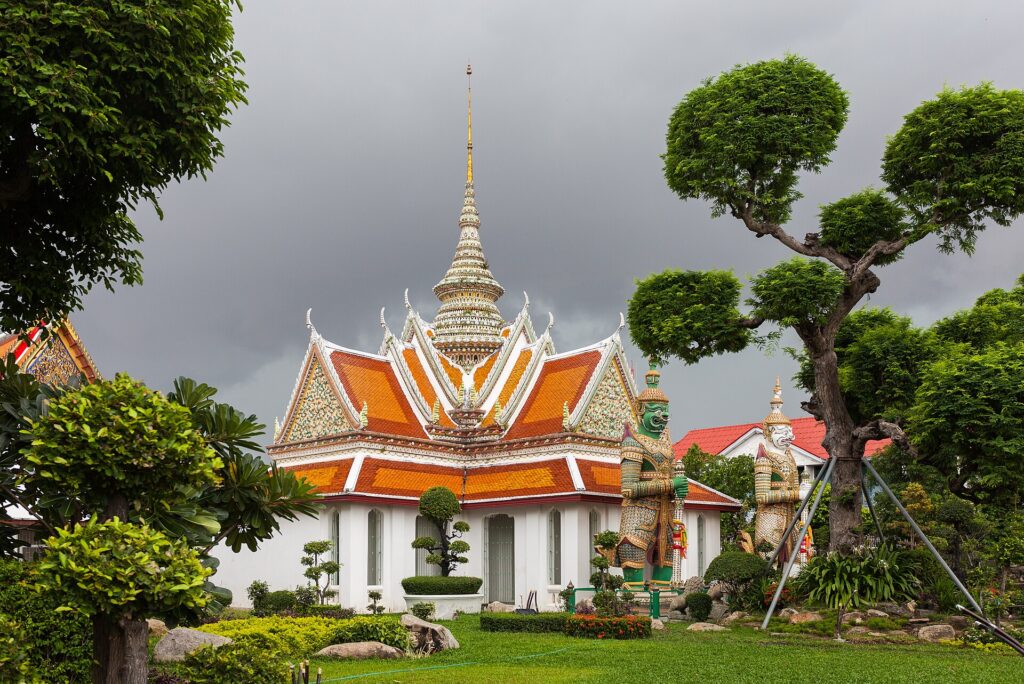
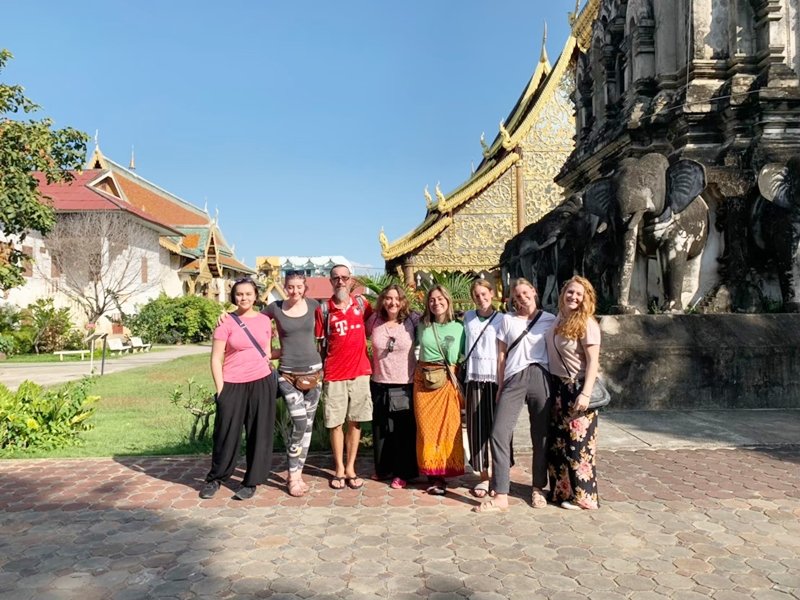
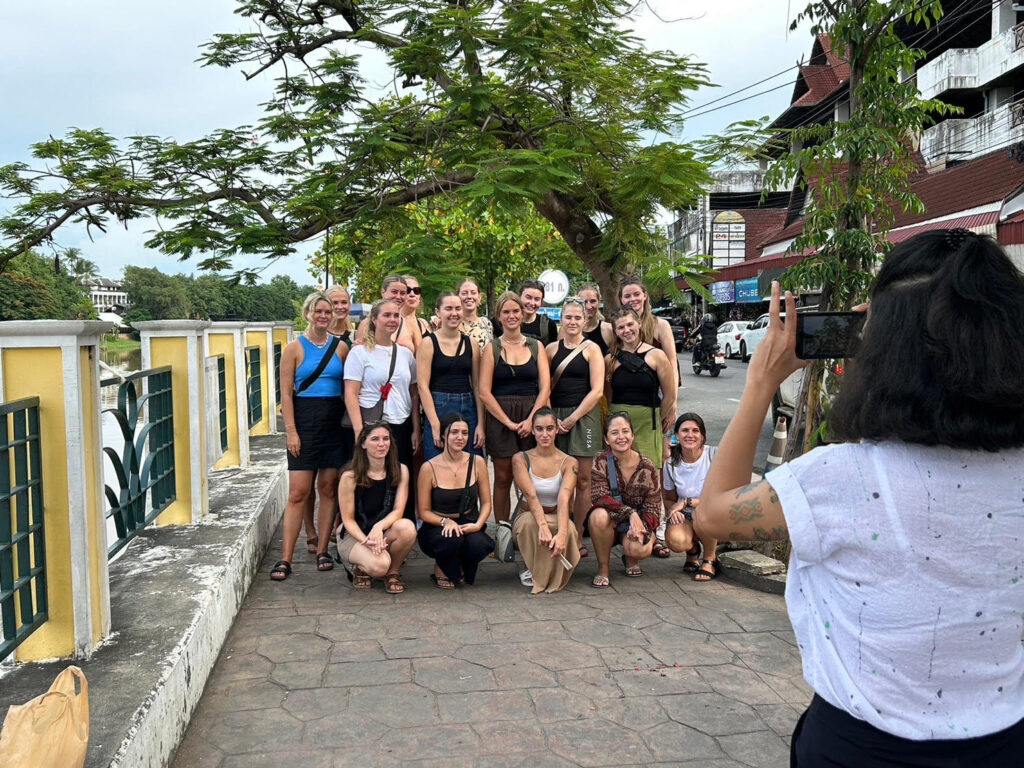
Getting around: red songthaew trucks and ride-hailing apps cover Chiang Mai cheaply; buses reach Pai in three hours and Chiang Rai in four, and Bangkok is a short flight. Weekends: Doi Suthep temple above the city, the Sunday walking street market, Thai cookery classes and massage courses, the hill town of Pai, Chiang Rai's White and Blue Temples, Doi Inthanon's waterfalls, and — with a long weekend — Bangkok or the southern islands.
Etiquette: the wai greeting, shoes off and shoulders and knees covered at temples, never touch a monk if you are a woman, keep feet pointed away from people and Buddha images, stay calm and smile — losing your temper loses face. Our Things to Do in Thailand guide has more.
Life in Thailand
What our volunteers say
Explore other destinations

Your questions, answered
How much does it cost to volunteer in Thailand?
Programs start from $1,039, deposit included (the Chiang Mai teaching, monk-teaching and special needs programs are priced from two weeks; the elephant program from one week), covering accommodation, the meals listed, airport pickup, the two-day orientation with city tour and cultural dinner, placement and 24-hour support. Longer stays cost less per week and each program page shows the full week-by-week total. Flights, visa, insurance, daily transport, dinners and personal spending are extra.
Do I need a visa for Thailand?
Many nationalities — including UK, EU, US, Canadian and Australian passport holders — can enter Thailand visa-free for short stays, and longer placements may need a visa or an extension arranged in-country. Rules change often, so check the current entry requirements for your passport and your stay length with the Thai embassy before booking flights; our pre-departure guide covers the options. Passports need six months' validity and two blank pages.
Is Chiang Mai safe for volunteers?
Yes — Chiang Mai is one of the safest and easiest cities in Asia for international volunteers. You are met at the airport, live in a central volunteer house with the coordinating office inside it, and have 24-hour assistance. The main risks are road traffic and heat: walk or use songthaews rather than renting a scooter without a license, drink bottled water and be aware of the haze season in March–April.
What is the minimum age to volunteer in Thailand?
18 on all four programs. Families with children can join the elephant program together — minimum ages for children vary, so tell us their ages when you enquire. There is no upper age limit.
How long can I volunteer in Thailand?
The teaching, monk-teaching and special needs programs run from two to twelve weeks; the elephant program from one to six weeks. All programs start on Fridays twice a month throughout the year, with orientation over the weekend and work beginning on Monday; the next available start is 18 Sep 2026.
Where will I stay in Thailand?
In one of two shared volunteer houses minutes apart in central Chiang Mai, with air-conditioned bedrooms, Wi-Fi, full kitchens, a large living room and laundry, and the coordinators' office on site. Elephant volunteers spend Monday to Friday in basic, mostly private rooms with hot showers at the solar-powered mountain camp and return to the Chiang Mai house at weekends.
Are meals included in Thailand?
On the Chiang Mai programs, breakfast ingredients are stocked at the house for you to cook and lunch is taken at your school or center on weekdays; dinners and weekend meals are your own, and eating out in Chiang Mai costs a few dollars. On the elephant program all meals are provided at the camp from Monday to Friday, with weekend meals in the city your own.
Will I be picked up at the airport in Thailand?
Yes. Our coordinator meets you at Chiang Mai International Airport (CNX) between 8am and 8pm on your Friday arrival day and takes you to the volunteer house. If you land later, stay at an airport hotel and the team collects you the next morning; volunteers already in the city are met at an agreed point. The return transfer is not included.
Which vaccinations do I need for Thailand?
None are compulsory for entry, but routine vaccinations should be current and hepatitis A and typhoid are commonly recommended; dengue and rabies are present, so bring repellent and avoid stray animals. Check NHS Fit for Travel or the CDC and see a travel clinic six to eight weeks before departure.
When is the best time to volunteer in Thailand?
November to February, when Chiang Mai is cool and dry. March to May is hot and hazy from field burning, and June to October is the green season with afternoon rain. Programs run all year; if you want to teach during the Thai school holidays (roughly mid-March to mid-May and October), ask us about placement options for those dates.
Is the elephant program in Thailand ethical?
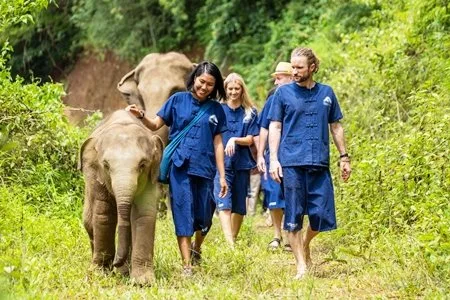
Yes. The camp houses rescued elephants and volunteers help with feeding, bathing, food preparation and enclosure care under the mahouts' direction. There is no riding, no performing and no forced contact, in line with our animal welfare policy — you are there for the elephants' benefit, and the camp's basic solar-powered living reflects its priorities.
What should I pack for volunteering in Thailand?
Modest clothes for schools and temples (shoulders and knees covered — teachers should look smart), clothes you can ruin for the elephant camp, a quick-dry microfiber towel (not provided), sandals and closed shoes, a rain jacket for the green season, a warm layer for cool camp nights, sunscreen, mosquito repellent, a headlamp, a small zipped bag for valuables, a basic first-aid kit and printed copies of your background check, CV and passport.
Ready to volunteer in Thailand?
4 programs · from $1,039 · next start 18 Sep 2026
Free advice, no obligation. Change program, dates or destination free of charge up to 45 days before you start.