 English (US) ▾
 Nederlands
 English (UK)
 Deutsch
 Italiano
 Português
 Español
Volunteer in Philippines
 Certified B Corporation
★ Rated 4.7/5 (1,461 reviews) 25,000+ volunteers since 2007
Certified B Corporation
★ Rated 4.7/5 (1,461 reviews) 25,000+ volunteers since 2007
Volunteer in the Philippines with Volunteering Solutions in Tacloban City on Leyte, on four programs: childcare and social welfare with children in need, teaching in local schools, rural medical volunteering in health centers and clinics for medical, nursing and midwifery students and professionals, and public health nutrition work in the community for health-science and nutrition students. English is an official language, so you are useful from day one.
Programs start every Sunday all year, run from two to 24 weeks, and are open from 17 on the childcare and teaching programs and 18 on the medical and nutrition programs. Every volunteer lives with a vetted Filipino host family — the heart of the experience here — and gets a full orientation with a city tour before starting on Monday. Weekends open up Leyte’s beaches, waterfalls and islands. Prices start at $1,139 for two weeks, deposit included.
Volunteer opportunities in the Philippines
4 programs you can join right now — every card below and every link here goes to the program’s own page with live dates and prices.
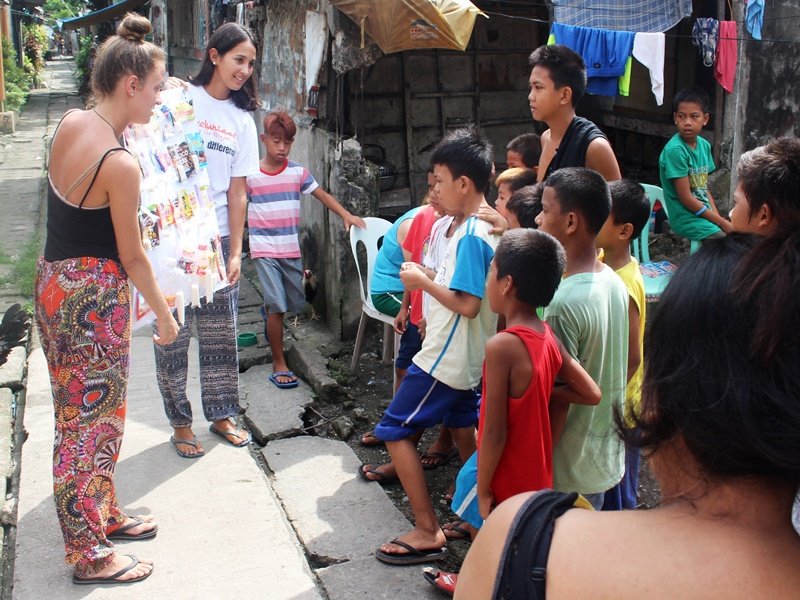
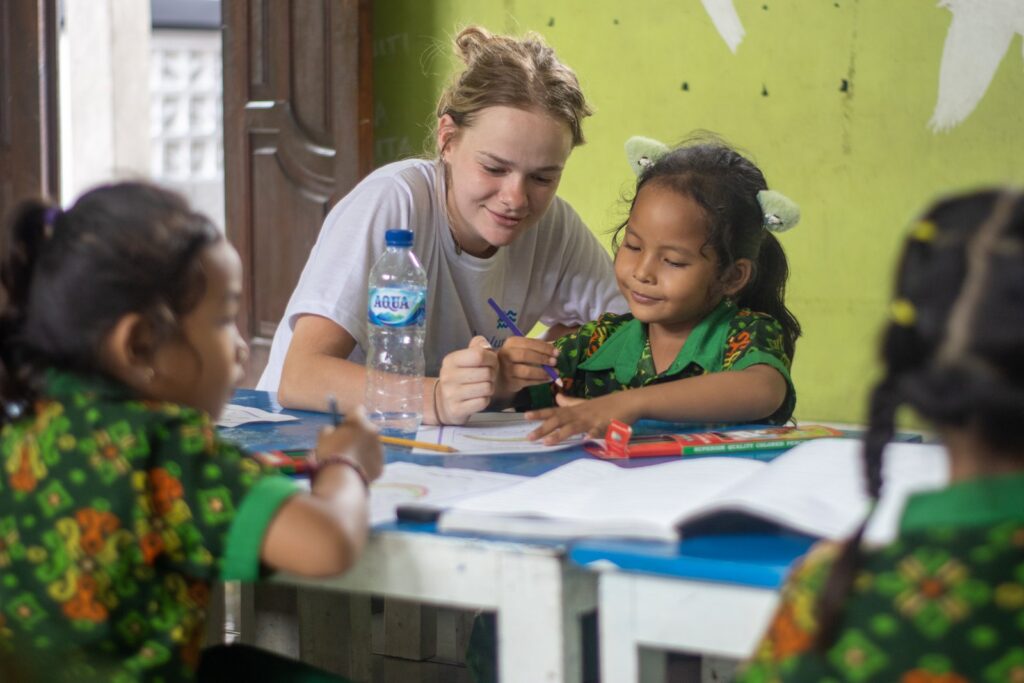
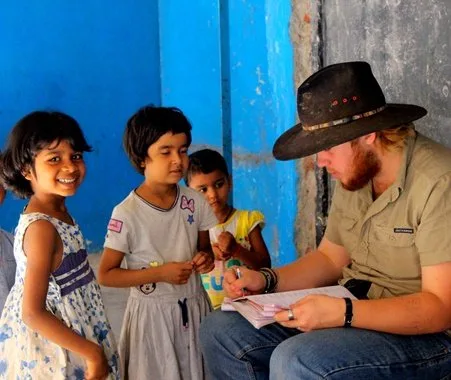
- Childcare and Social Welfare Program in the Philippines — Volunteer with local childcare centers and social welfare projects and take care of children from underserved communities in and around Tacloban region.
- Public Health Nutrition Volunteer in Philippines — Volunteer at the Nutrition Project to help the organization address nutritional issues among the children of the Child Sponsorship Program and the local community.
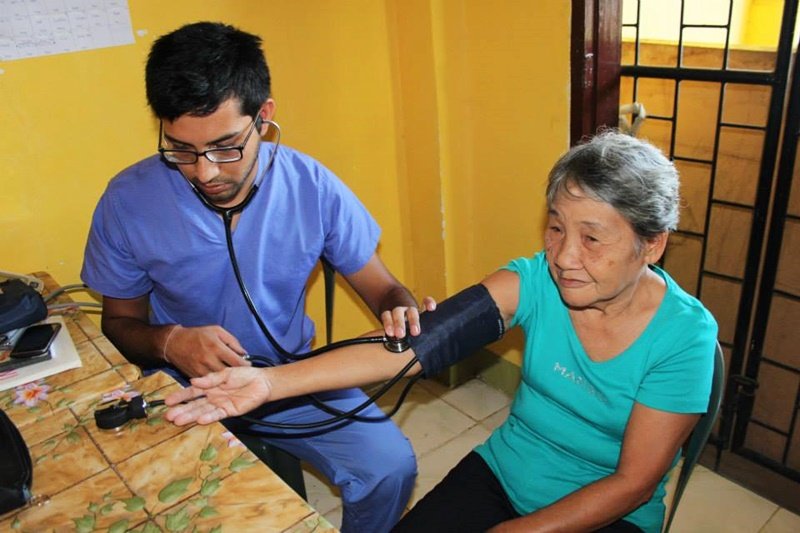
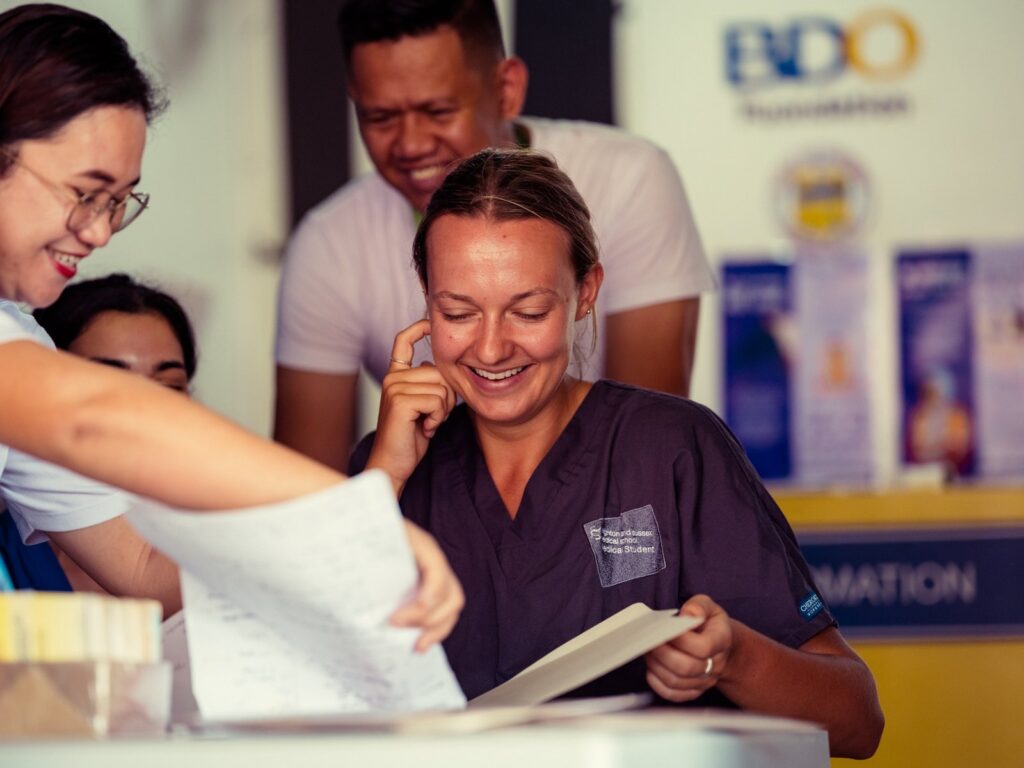
- Rural Medical Volunteering in the Philippines — Participate in rural medical volunteering in Philippines and do your bit for the healthcare of the locals from underserved communities.
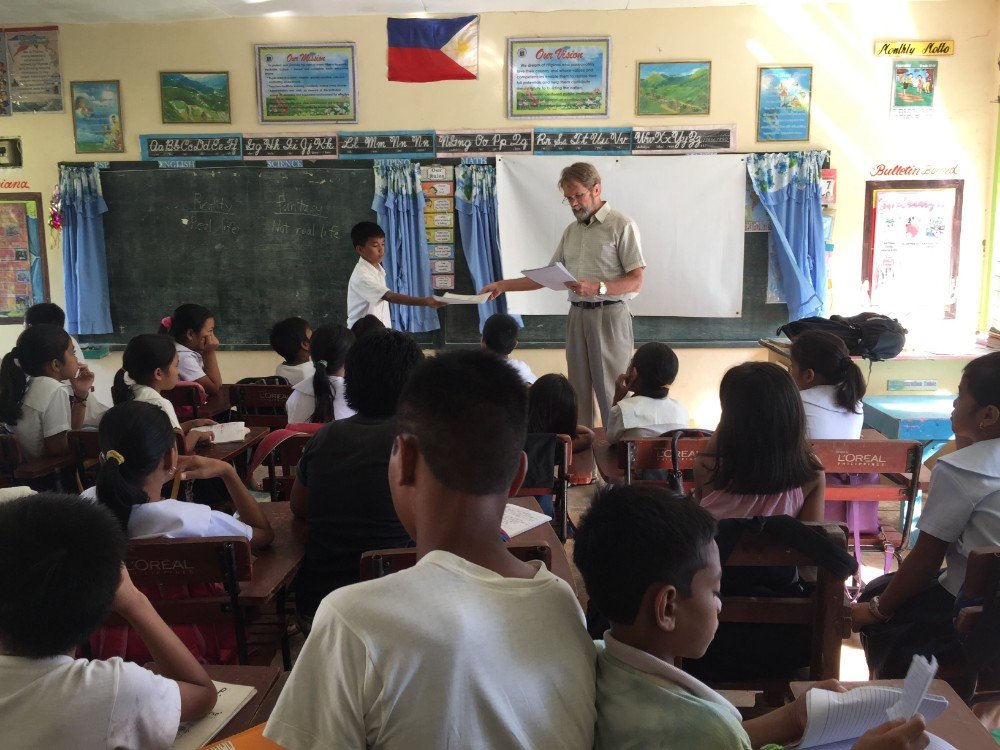
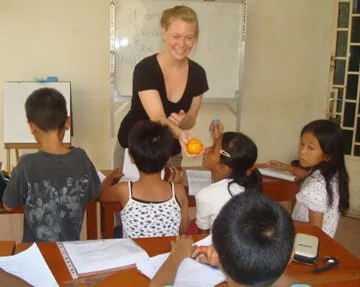
- Volunteer Teaching in the Philippines — As a volunteer in the teaching program in Philippines you can get involved with education to help enhance and develop students’ skills, particularly in reading, writing and speaking in English, as…
Make a Real Impact
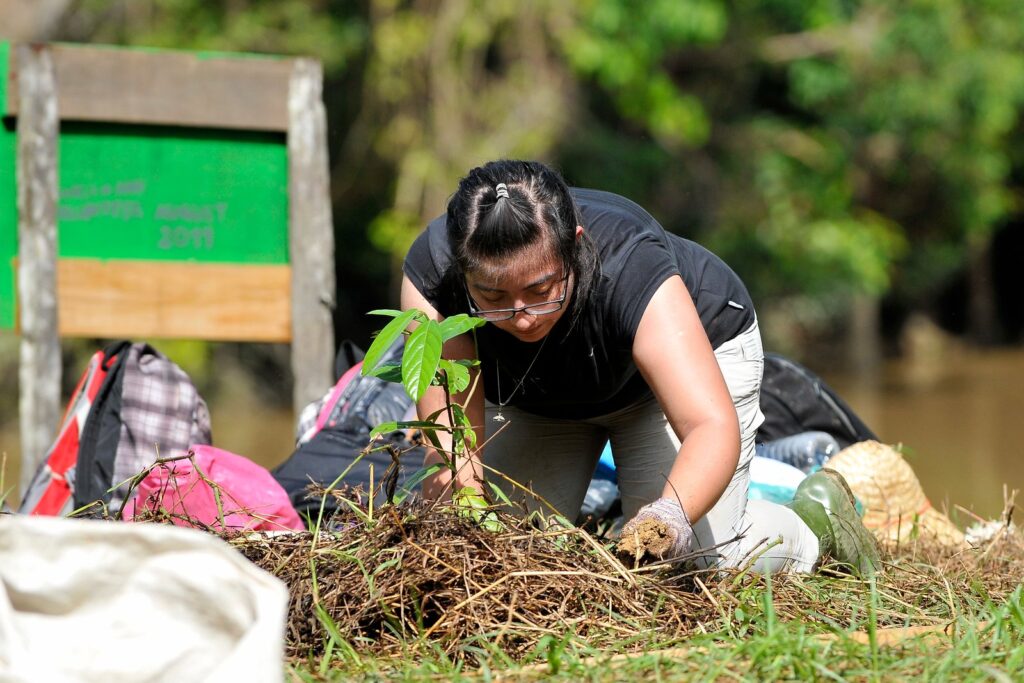
Volunteering in the Philippines gives you the opportunity to positively impact local communities. Whether you’re helping children learn English, assisting in healthcare clinics or supporting community outreach projects, you’ll contribute to ongoing, meaningful change.
Your support helps local organizations to tackle challenges such as poverty, access to healthcare and educational inequality. By the end of your program, you’ll know that you’ve truly made a difference.
Volunteering in Philippines at a glance
Volunteer Projects you can join in Philippines
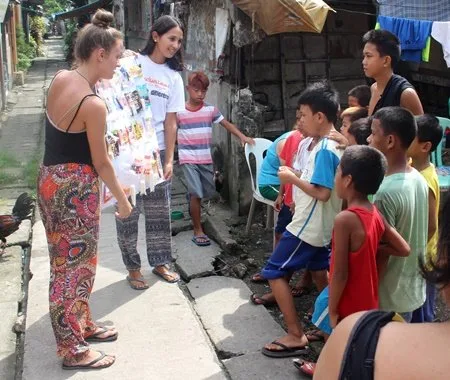
Public Health Nutrition Volunteer in Philippines
Volunteer at the Nutrition Project to help the organization address nutritional issues among the children of the Child…
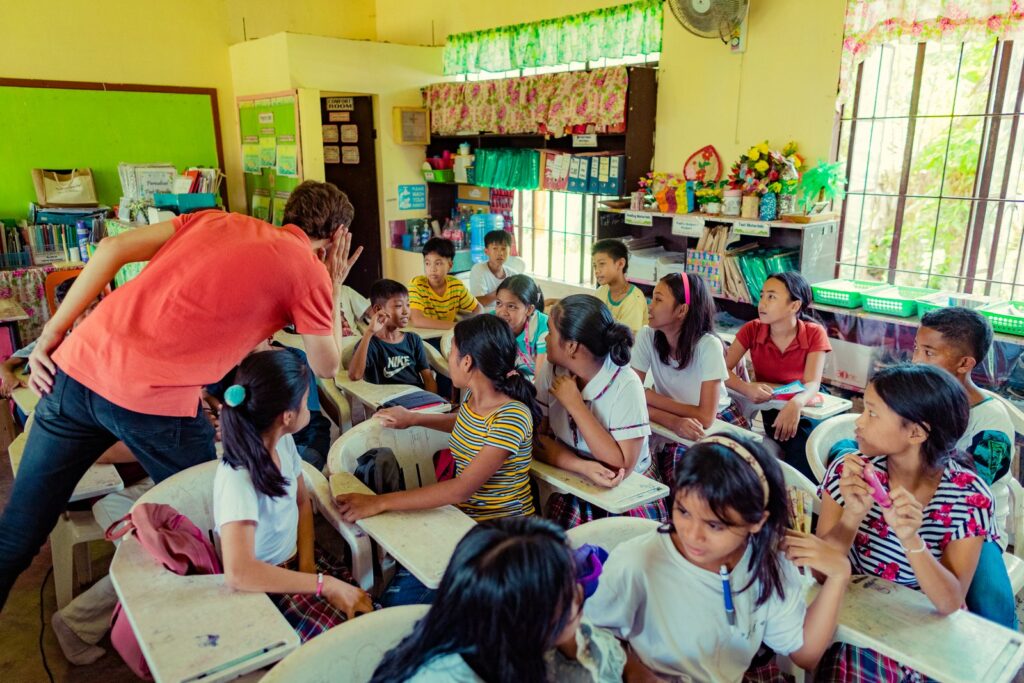
Volunteer Teaching in the Philippines
As a volunteer in the teaching program in Philippines you can get involved with education to help enhance…
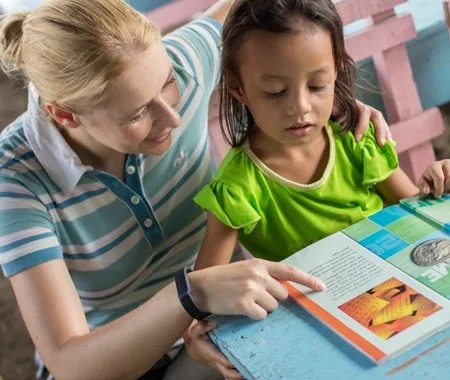
Childcare and Social Welfare Program in the Philippines
Volunteer with local childcare centers and social welfare projects and take care of children from underserved communities in…
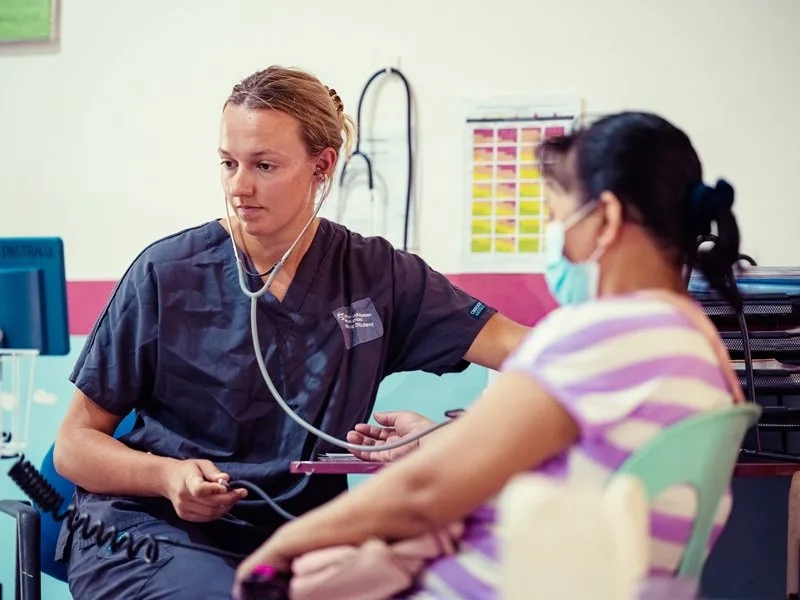
Rural Medical Volunteering in the Philippines
Participate in rural medical volunteering in Philippines and do your bit for the healthcare of the locals from…
What it costs to volunteer in Philippines
All-in prices: accommodation, the meals listed for the program, airport pickup where listed, orientation, placement and in-country support are included.
| Program | Duration | From |
|---|---|---|
| Childcare and Social Welfare Program in the Philippines | 2-24 Weeks | $1,139 2 weeks |
| Public Health Nutrition Volunteer in Philippines | 2-24 Weeks | $1,139 2 weeks |
| Rural Medical Volunteering in the Philippines | 2-24 Weeks | $1,139 2 weeks |
| Volunteer Teaching in the Philippines | 2-24 Weeks | $1,139 2 weeks |
Includes the $249 booking deposit (counts toward your total, valid for a year, refunded if we cannot place you). Longer stays lower the weekly rate — each program page has the full week-by-week table.
What your fee covers
- Accommodation with a vetted Filipino host family in the Tacloban area (private or shared room, fan and mosquito net)
- Breakfast and dinner every day, and filtered drinking water
- Airport pickup and drop-off at Tacloban Airport
- Welcome and program orientation, a city tour and a placement orientation
- Project placement, 24-hour assistance from the in-country staff and a detailed pre-departure information pack
- Certificate of participation on request
Not included
- Flights to Tacloban (via Manila or Cebu), visa extensions beyond the visa-free period, and vaccinations
- Travel and medical insurance (compulsory — our partner policy is available at extra cost)
- Local transport to your placement (jeepneys and tricycles cost a few pesos)
- Lunches, weekend travel and personal expenses
All four Tacloban programs share one price because they run from the same host families with the same orientation and support. They start at two weeks and run up to 24 weeks, with the weekly rate falling the longer you stay; each program page shows the full week-by-week total.
Where you stay and what you eat in Philippines
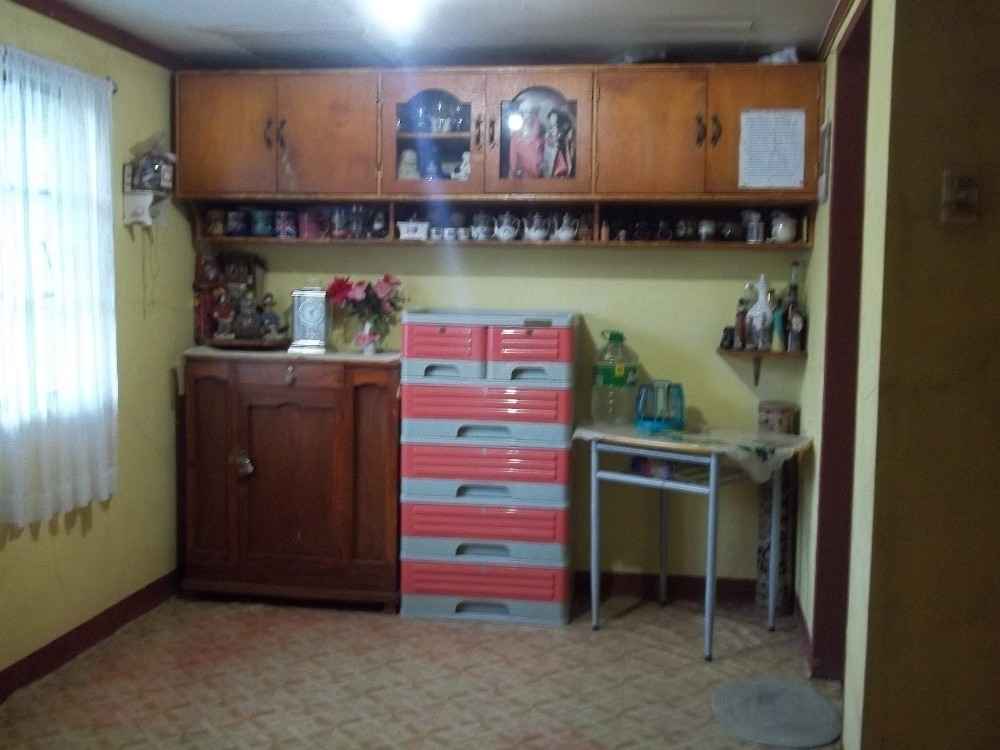
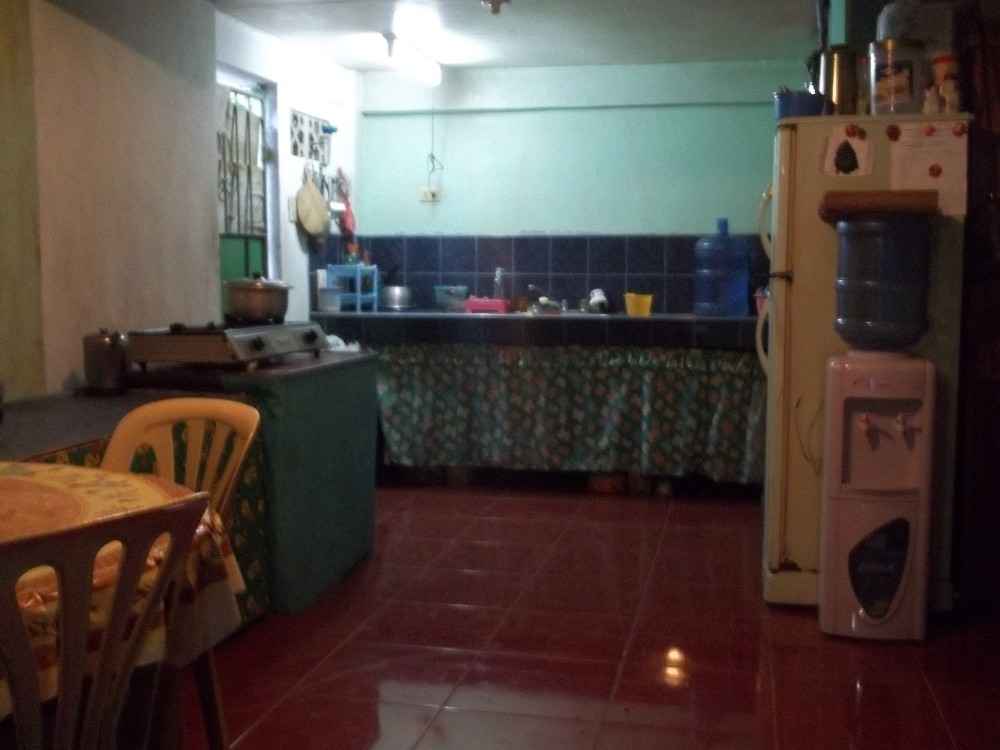
You live with a homestay family in the Tacloban area, thoroughly evaluated before joining our program and experienced in hosting international volunteers; you receive your family's profile before you arrive. Families treat volunteers as members of the household — you eat what they eat (they know what foreigners like), join in daily life and are often invited to family events and fiestas. Tell us about dietary requirements in advance.
You have a private room or share with another volunteer, with an electric fan and a mosquito net provided; all homestays have electricity and running water, and the family provides filtered drinking water. Bathrooms — the "comfort room" — are shared with the family and basic: expect cold bucket baths, which are genuinely refreshing after a day in the tropical heat, as hot showers are uncommon in Filipino homes. Breakfast (around 6am) and dinner are included; lunch is your own at a canteen near your placement for a few dollars.
Placements are reached by jeepney or tricycle, the cheap local transport that the orientation teaches you to use. Bring your own towel and toiletries.
Arriving in Philippines and who looks after you
Arrive on Saturday or Sunday at Tacloban Airport (TAC)
Most volunteers fly via Manila or Cebu. A local representative meets you at the airport and takes you to your host family; the drop-off at the end of your program is also included.
Monday: full orientation
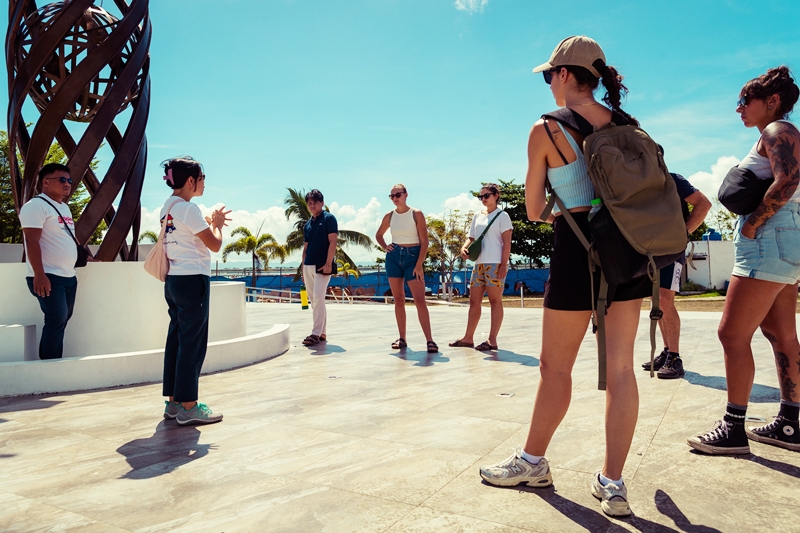
A qualified member of the local team introduces the program, its history and structure, the Philippines and Filipino culture, what to expect from your placement, a health and safety briefing and the behavior policy, followed by a city tour of Tacloban and an introduction to your actual placement and supervisor.
Your working week
Breakfast at 6am, then volunteer work from around 8am to 12pm, with afternoons at some placements until 4pm (medical volunteers typically work mornings on the wards or in the health center), Monday to Friday. Evenings are with your host family and weekends are free.
Support
The in-country staff check in during your placement and are reachable 24 hours a day; medical volunteers work under the supervision of the facility's doctors and nurses.
Staying safe in Philippines and who can join
Tacloban is a mid-sized provincial city on Leyte, far from the conflict areas in the far south of the Philippines that travel advisories refer to, and our host families and placements are in neighborhoods the local team knows personally. Normal precautions apply — keep valuables out of sight, use tricycles and jeepneys the way your family shows you, avoid walking alone late at night, and follow local advice during typhoon season (roughly June to November), when the team monitors weather warnings closely. Filipinos are exceptionally friendly and English is spoken everywhere, which makes getting help easy.
Health: keep routine vaccinations current; hepatitis A and typhoid are commonly recommended, and dengue is present, so use repellent and the mosquito net provided. Drink the filtered water your family supplies, not tap water. Check NHS Fit for Travel or the CDC before you travel. Visa: most nationalities enter visa-free for 30 days; longer stays can be extended in Tacloban City at the Bureau of Immigration (the first 29-day extension currently costs around PHP 3,000). Passports need six months' validity and two blank pages.
Who can join: minimum age 17 on the childcare and teaching programs (with parental consent for under-18s) and 18 on the medical and nutrition programs. Childcare and teaching volunteers provide a clean criminal background check; medical volunteers must also provide a CV, passport copy and proof of their qualifications or student status, and follow the facility's professional conduct rules. The nutrition program suits health-science, nutrition, dietetics and public-health students or qualified practitioners, though anyone with a keen interest in community health can join.
Requirements checklist
- Minimum age: 17+
- Background check: required for placements with children or vulnerable adults — issued within 12 months of your start date, in English or with a translation. How to get one
- Travel insurance: comprehensive cover for your whole stay is compulsory; you can bring your own or take the policy we arrange. Insurance details
- Safeguarding: every volunteer follows our code of conduct for children and vulnerable adults, explained again at orientation. Read the policy
📘 Planning in more depth? Read our Philippines costs, visa and safety guide.
How we volunteer responsibly in Philippines
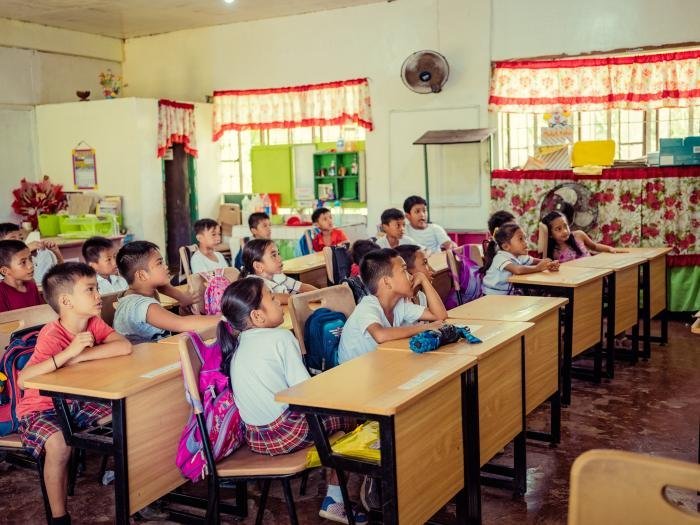
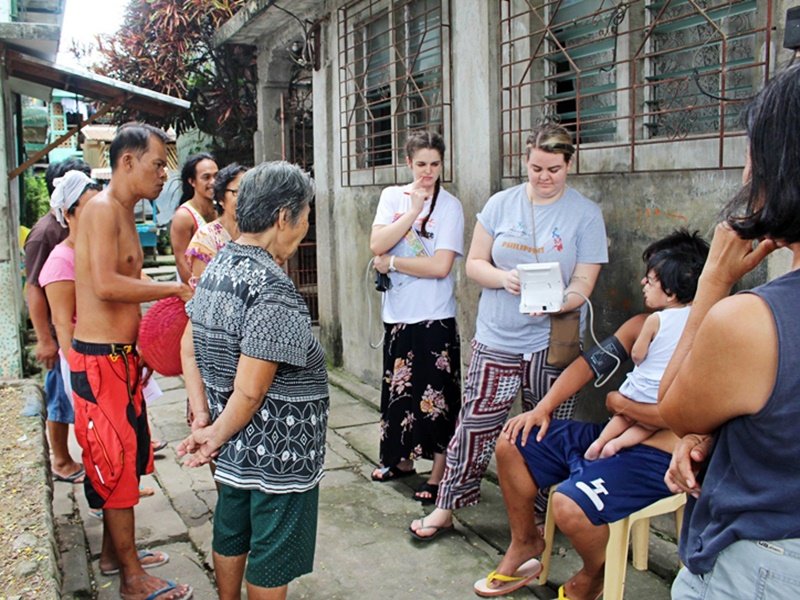
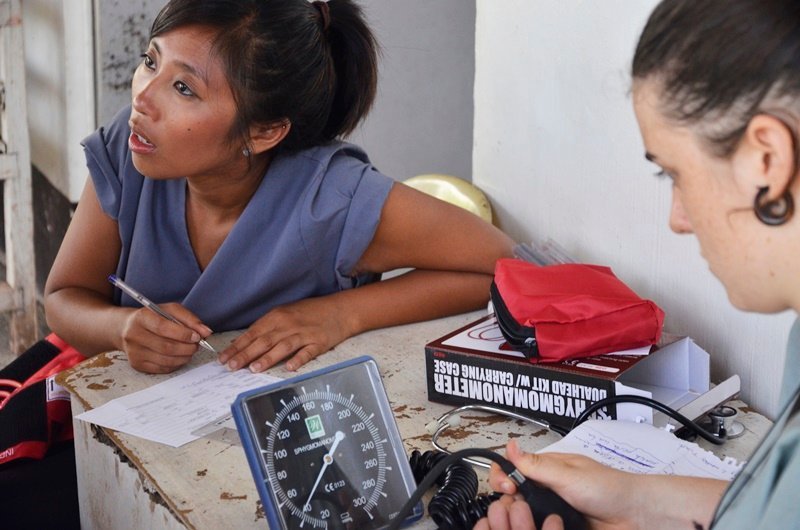
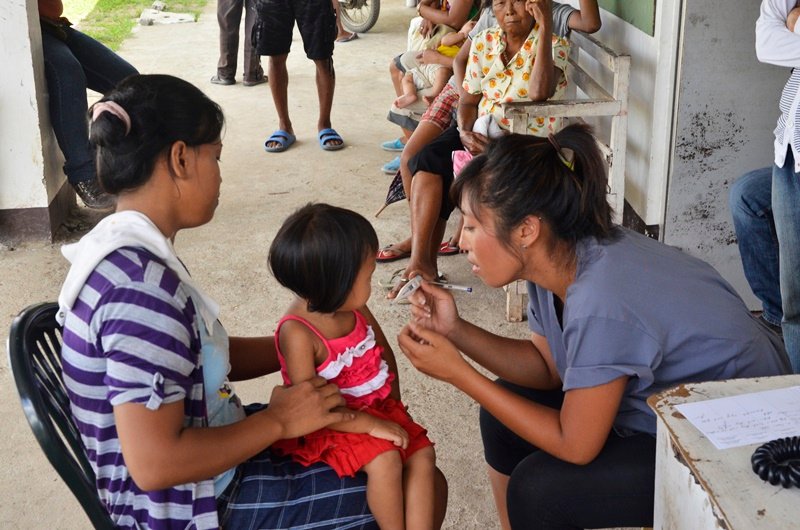
Our Tacloban partners are local schools, social welfare and childcare centers, rural health units and community health programs run by Filipino teachers, social workers, nurses and doctors. Volunteers support that staff — reading and play sessions, classroom assistance, health education, nutrition monitoring, observing and assisting in clinics within the limits of their training — and never take on clinical or caring responsibilities beyond their qualifications.
Medical volunteers work under supervision at all times and are asked to adhere to professional standards; students observe and assist, they do not diagnose or treat independently. Placements with children follow our child protection policy, with background checks before arrival, no photographs without permission and no unsupervised care. We do not offer orphanage visits.
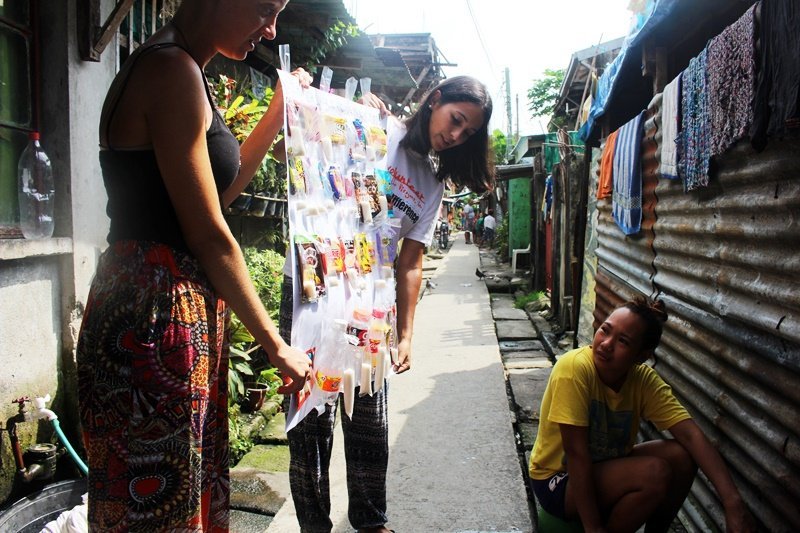
Leyte was at the center of Typhoon Haiyan in 2013 and community resilience is part of daily life here. Volunteers are welcomed warmly and expected to be reliable, humble and consistent — the same people, at the same placement, every morning.
Life outside the project in Philippines
Best time: November to April is the dry season — cooler from December to February, hot from March to May; June to October brings rain and the possibility of typhoons, though programs run all year and the team tracks the weather closely.
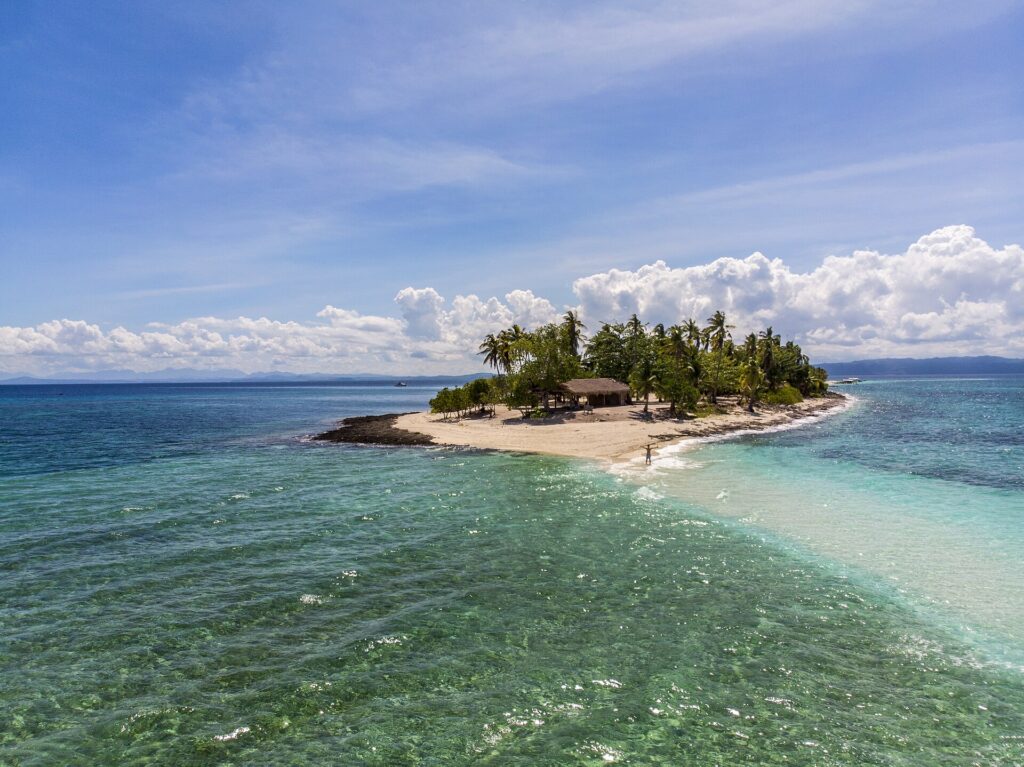
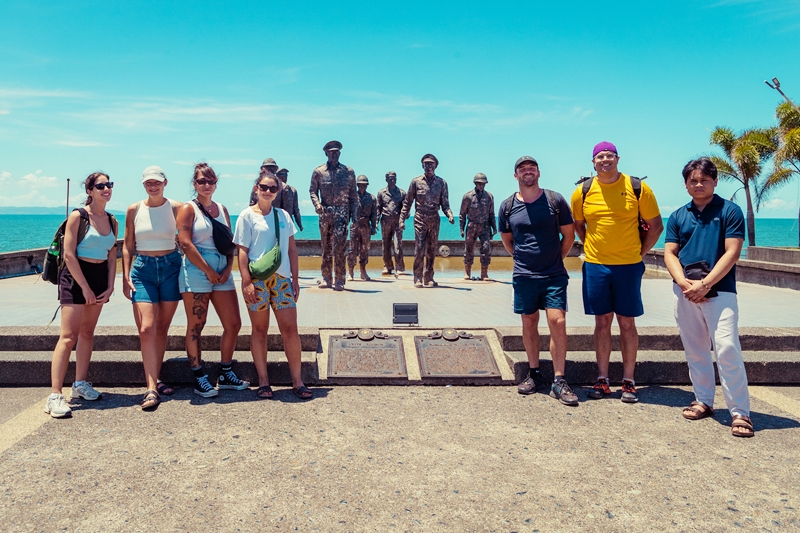
Getting around: jeepneys and tricycles for the city, vans and buses for the island, and short flights or ferries to Cebu and beyond. Weekends: the San Juanico Bridge and Leyte Landing memorial, the beaches and waterfalls of Leyte and Samar, snorkeling and island-hopping, the Sohoton caves in Samar, or a flight to Cebu for Moalboal's sardine run and Kawasan Falls. Ask your host family about local fiestas — Tacloban's Sangyaw festival is in June.
Etiquette: Filipinos are warm and informal; say "po" and "opo" to elders, take your shoes off at the door, accept food when offered, dress modestly at placements and churches, and be patient with "Filipino time". Our Things to Do in the Philippines guide has more.
Life in Philippines
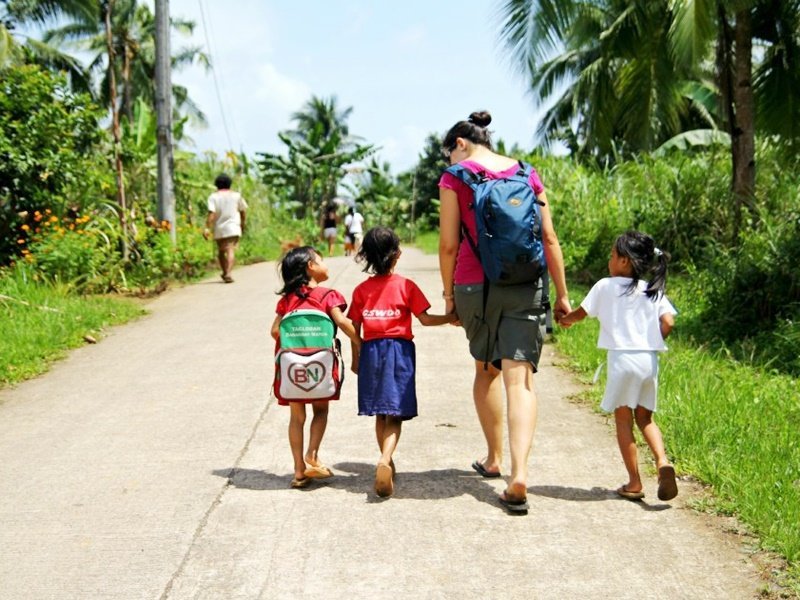
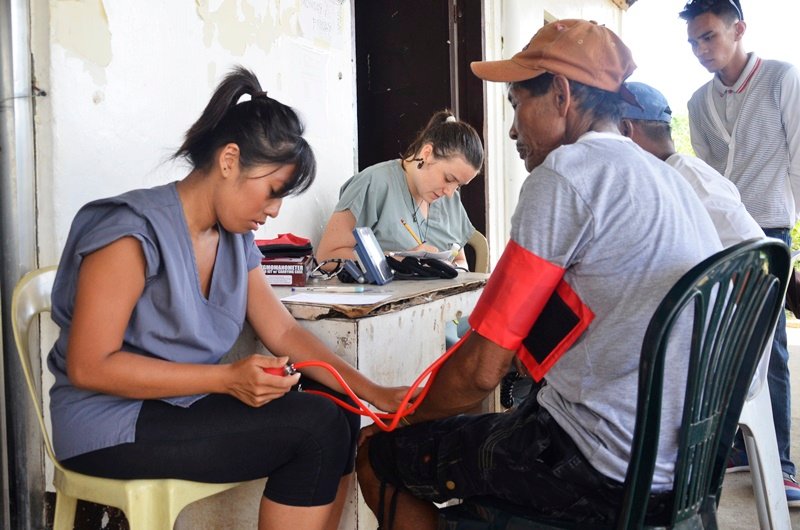

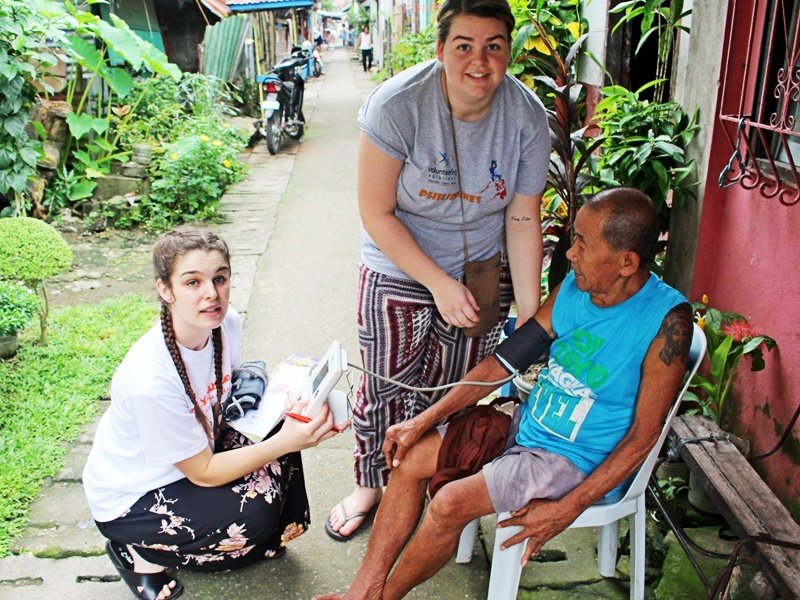
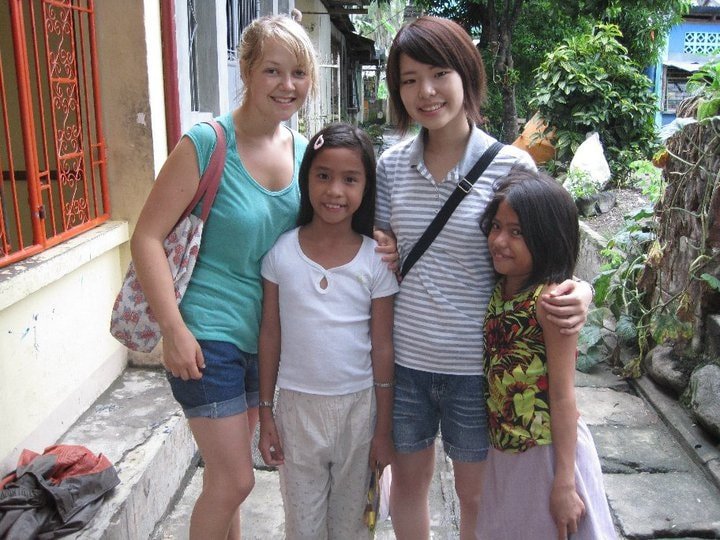

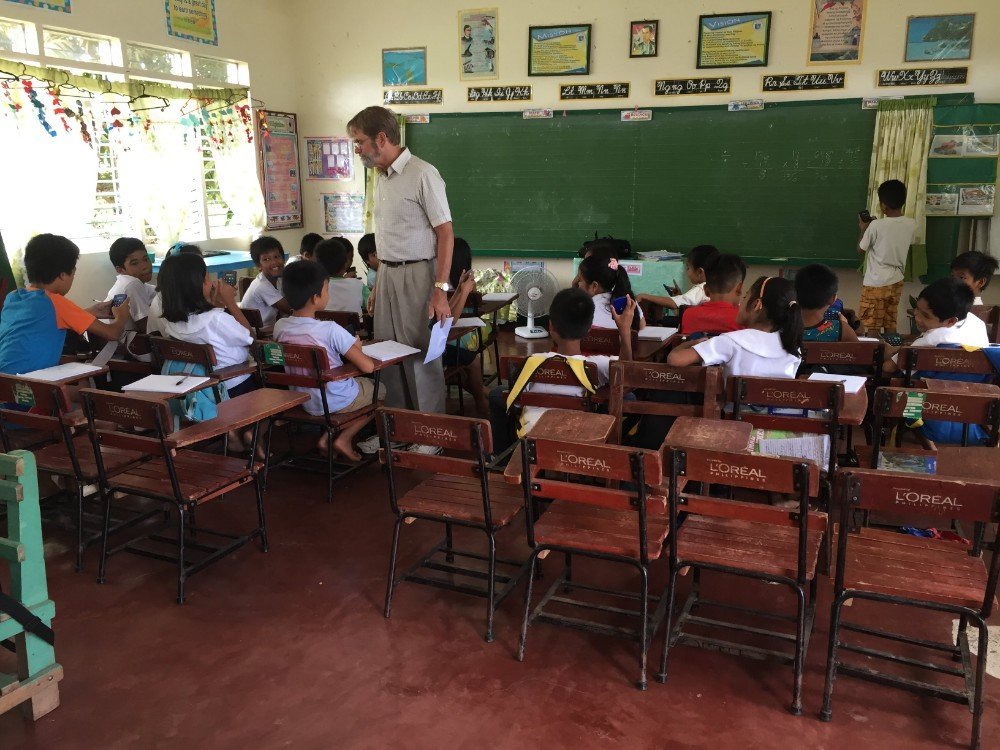
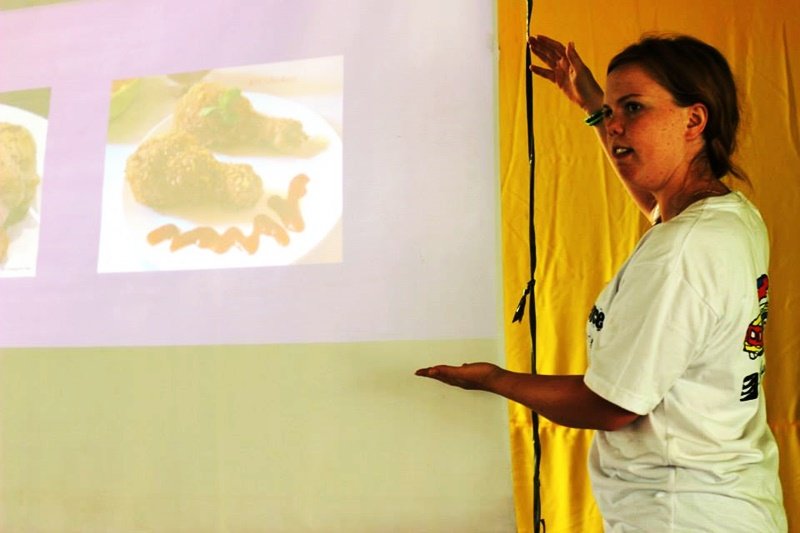
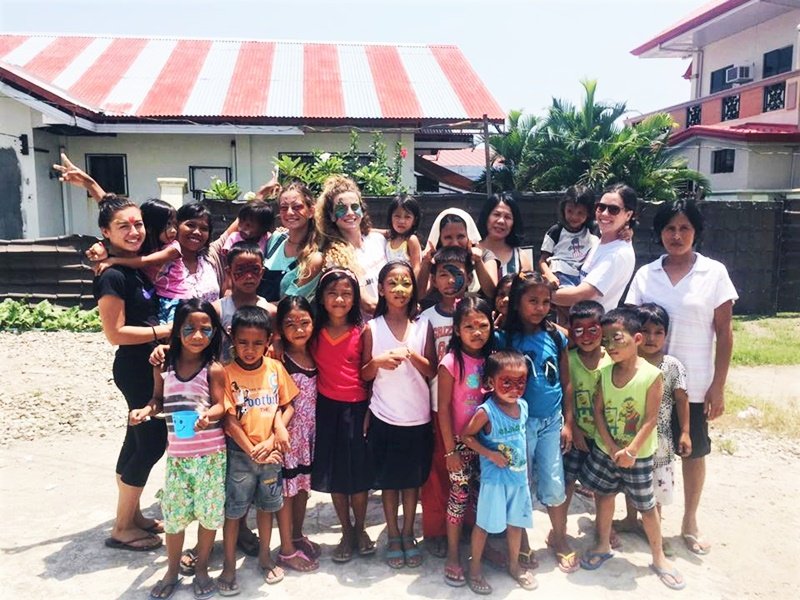
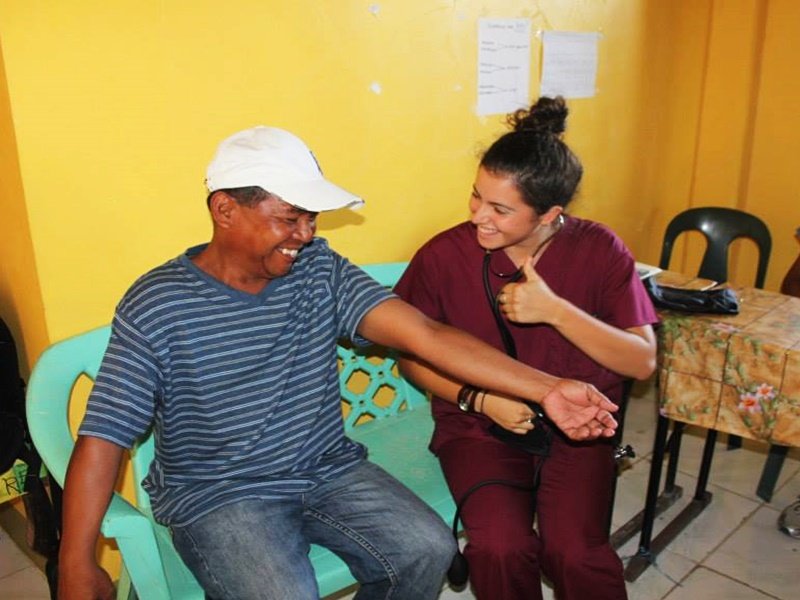
What our volunteers say
Explore other destinations
Your questions, answered
How much does it cost to volunteer in the Philippines?
All four Tacloban programs start from $1,139 for two weeks, deposit included — one price covering your host-family accommodation, breakfast and dinner, airport pickup and drop-off, orientation and city tour, placement and 24-hour support. Longer stays cost less per week (up to 24 weeks) and each program page shows the full week-by-week total. Flights, insurance, visa extensions, lunches and local transport are extra.
Do I need a visa for the Philippines?
Most nationalities — including UK, EU, US, Canadian and Australian passport holders — enter visa-free for 30 days with a passport valid for six months and an onward ticket. For longer programs you extend your stay at the Bureau of Immigration office in Tacloban City (the first 29-day extension currently costs around PHP 3,000; a further month around PHP 7,000). Our pre-departure pack explains the process.
Is Tacloban safe for volunteers?
Yes. Tacloban is a provincial city on Leyte in the central Philippines, far from the regions covered by travel warnings in the far south. You live with a vetted host family, the local team runs a full safety briefing on Monday and is reachable 24 hours a day, and English is spoken everywhere. Take the usual care with valuables, avoid walking alone late at night and follow the team's guidance during typhoon season.
What is the minimum age to volunteer in the Philippines?
17 on the childcare and teaching programs, with a signed parental consent form for under-18s, and 18 on the rural medical and public health nutrition programs. There is no upper age limit.
How long can I volunteer in the Philippines?
From two to 24 weeks on all four programs. Start dates are every Sunday throughout the year (arrive Saturday or Sunday, orientation on Monday); the next available start is 27 Sep 2026. Stays beyond 30 days need a visa extension in Tacloban, which is straightforward.
Where will I stay in the Philippines?
With a Filipino host family in the Tacloban area, evaluated by the local team and experienced with international volunteers. You get a private or shared room with a fan and mosquito net, electricity, running water and filtered drinking water; bathrooms are shared with the family and basic, with cold bucket baths rather than hot showers. You receive your family's profile before you travel.
Are meals included in the Philippines?
Breakfast and dinner are included every day with your host family — Filipino home cooking such as rice, fish, adobo, vegetables and fruit — and the family provides filtered drinking water. Lunch is your own, usually at a canteen near your placement for a few dollars. Tell us about dietary needs before you travel.
Will I be picked up at the airport in the Philippines?
Yes. A local representative meets you at Tacloban Airport (TAC) on your Saturday or Sunday arrival and takes you to your host family, and the drop-off back to the airport at the end of your program is also included. Most volunteers fly into Manila or Cebu and connect on a domestic flight.
Which vaccinations do I need for the Philippines?
None are required for entry from most countries, but routine vaccinations should be current and hepatitis A and typhoid are commonly recommended; dengue is present, so bring repellent and use the mosquito net provided. Check NHS Fit for Travel or the CDC and see a travel clinic six to eight weeks before departure.
When is the best time to volunteer in the Philippines?
November to April, the dry season — cooler and comfortable from December to February, hot from March to May and ideal for beaches and island hopping. June to October is the rainy season with a risk of typhoons; programs run all year and the local team monitors weather warnings.
Can medical students volunteer in the Philippines?
Yes. The rural medical program is open to pre-med, medical, nursing and midwifery students as well as qualified nurses, midwives, CNAs and doctors, and the public health nutrition program suits health-science, nutrition, dietetics and public-health students and practitioners. You work under supervision in rural health units, clinics and community programs, observing and assisting within your level of training, and must provide a background check, CV, passport copy and proof of qualifications before you start.
What should I pack for volunteering in the Philippines?
Light, modest clothes for placements (scrubs or smart clothes for medical volunteers), a quick-dry microfiber towel and toiletries (not provided), sandals and closed shoes, a rain jacket for the wet season, strong mosquito repellent, sunscreen, a small zipped bag for valuables, a first-aid kit and any regular medication, and a flashlight for power cuts. Stationery and children's books are welcome at the schools and centers.
Ready to volunteer in Philippines?
4 programs · from $1,139 · next start 27 Sep 2026
Free advice, no obligation. Change program, dates or destination free of charge up to 45 days before you start.