 English (US) ▾
 Nederlands
 English (UK)
 Deutsch
 Italiano
 Português
 Español
 Français
Marine Conservation Volunteering Abroad: The Complete 2026 Guide
Blog · July 6, 2026 · 11 min read · By Saurabh
Marine conservation volunteering abroad means joining a hands-on ocean-protection project — restoring coral reefs, protecting sea turtle nests, surveying reef fish, or cleaning up plastic — usually for one to twelve weeks. Most programs are beginner-friendly: you are trained on arrival by marine biologists and local coordinators, and no diving certificate or science degree is required to start. This guide explains what the work involves, where you can go, what it honestly costs, how to volunteer ethically, and how to choose a responsible program.
At Volunteering Solutions we are a certified B Corporation that has placed 25,000+ volunteers since 2007, and we run marine and sea-turtle projects across Asia, Africa, Europe and Latin America. Below is everything you need to plan an ocean conservation trip that genuinely helps — and avoids the “voluntourism” traps.
What is marine conservation volunteering?
Marine conservation volunteering is short-term, structured environmental work that supports the protection and restoration of oceans, coastlines and marine wildlife. Volunteers assist trained scientists and local teams with coral reef restoration, sea turtle protection, underwater and beach surveys, data collection, and community education. Placements typically last one to twelve weeks and require no prior experience — training is provided when you arrive.
Why does marine conservation matter?
Oceans cover more than two-thirds of the planet, produce a large share of the oxygen we breathe, and support the livelihoods of billions of people. Yet marine ecosystems are under serious pressure. Coral reefs — which shelter roughly a quarter of all marine species — are being lost to warming seas, pollution and destructive fishing. All seven species of sea turtle are threatened or endangered, hit by poaching, plastic, lost nesting beaches and accidental capture in fishing gear. Plastic waste continues to flow into the sea every year, harming wildlife from plankton to whales.
Well-run conservation projects make a measurable difference: protected hatcheries dramatically raise the number of turtle hatchlings that reach the water, coral nurseries can regrow damaged reefs, and long-term reef and species surveys give scientists the data they need to push for protection. Volunteers provide the extra hands and funding that let small, local conservation teams sustain this work all year. That’s the real value of marine conservation volunteering — you’re not just having an adventure, you’re adding capacity to projects that are protecting fragile ecosystems for the long term. Read more on the benefits of conservation volunteering.
What do marine conservation volunteers actually do?
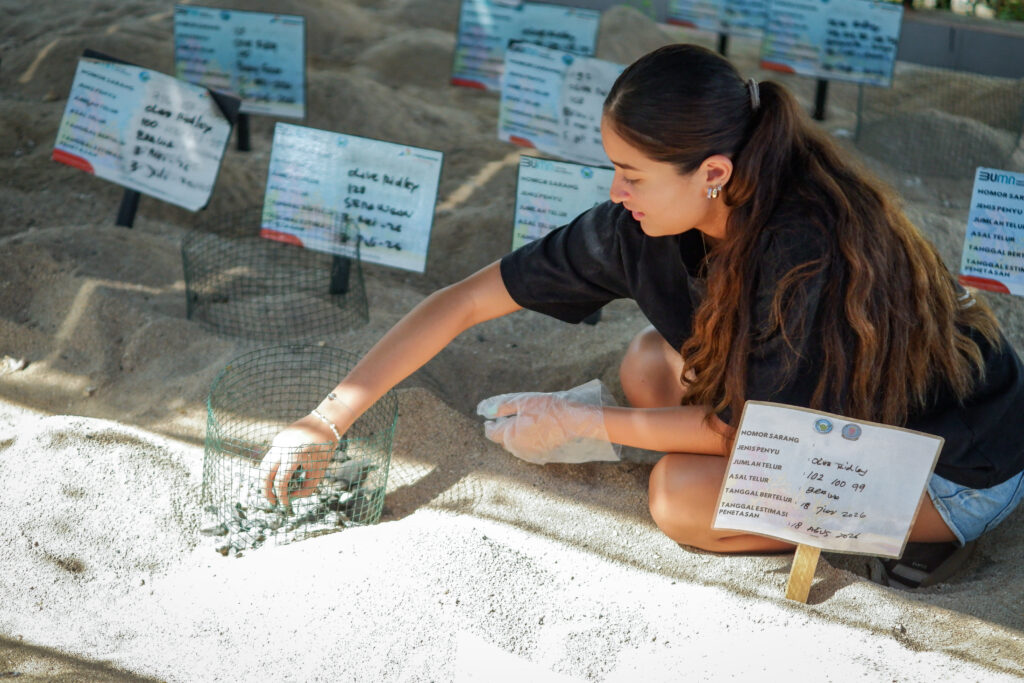
The day-to-day work depends on the project and the season, but marine conservation volunteers abroad typically help with a mix of the following:
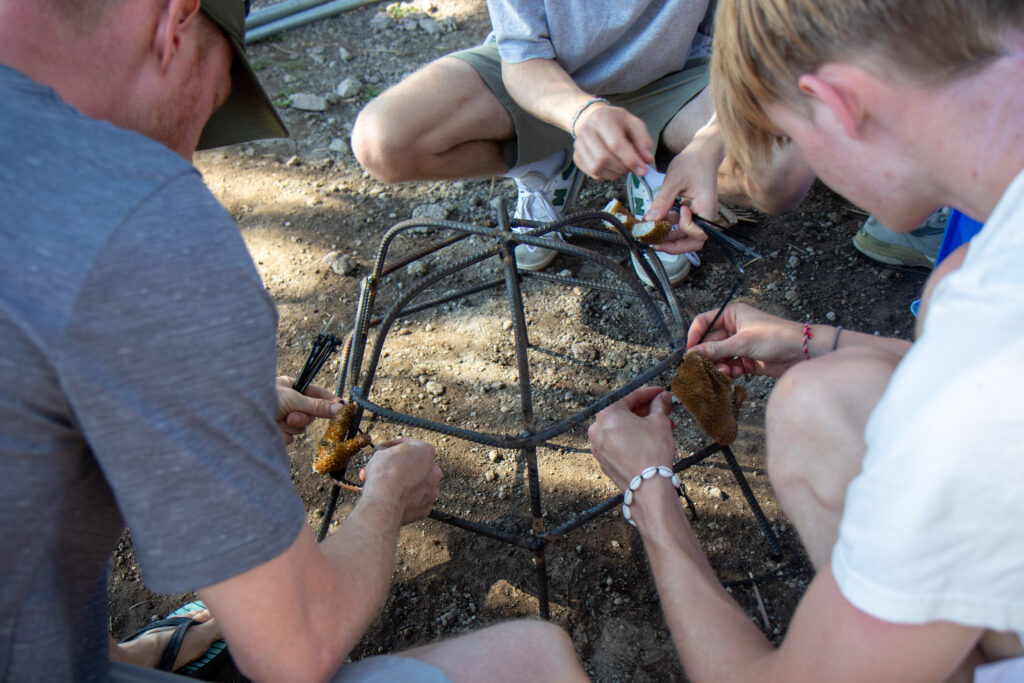
- Coral reef restoration — building and cleaning coral nurseries, transplanting fragments, and monitoring reef recovery on projects like our North Bali Coral Reef Restoration & Scuba Diving program.
- Sea turtle protection — patrolling nesting beaches, relocating eggs to protected hatcheries, running health checks, and releasing hatchlings, as on our Sri Lanka turtle conservation project in Kosgoda.
- Reef and marine-life surveys — recording fish, invertebrate and coral species underwater to build long-term datasets scientists use to track ocean health.
- Plastic and debris removal — beach and underwater clean-ups that keep waste out of the food chain.
- Mangrove and coastline restoration — replanting mangroves that shelter marine nurseries and protect the coast from erosion.
- Community education — helping local schools and fishing communities learn about sustainable practices, because lasting conservation is led by the people who live there.
Explore how these projects fit into the bigger picture on our wildlife conservation volunteering hub and our environment conservation programs.
Where can you volunteer? Marine conservation destinations and costs
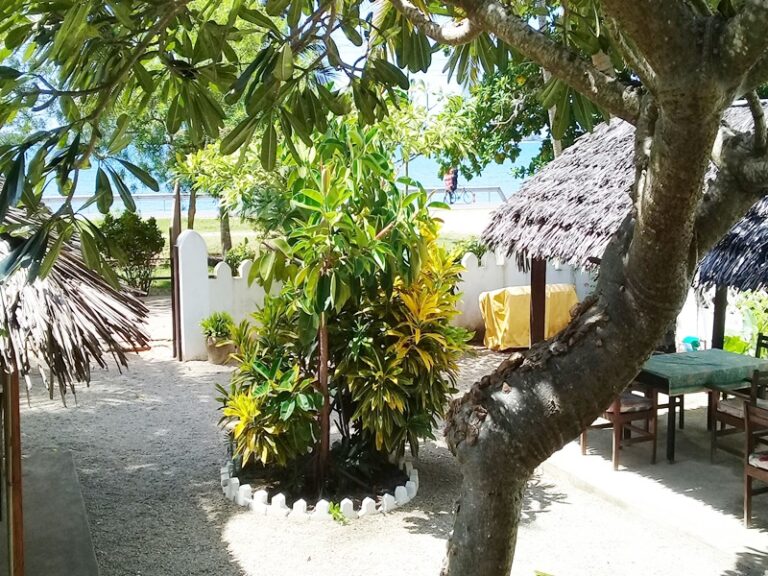
Volunteering Solutions runs marine and sea-turtle projects in seven countries, from budget-friendly turtle hatcheries to specialist scuba-diving research bases. The table below shows the real starting prices and minimum stays. Program fees change with season and duration, so always check the individual program page for current pricing.
| Destination | What you’ll work on | From price* | Min stay |
|---|---|---|---|
| Bali, Indonesia | Marine conservation, mangroves, turtle hatchery, coral & scuba diving | $475 | 1 week |
| Sri Lanka | Sea turtle hatchery & coastal conservation in Kosgoda | $500 | 1 week |
| Costa Rica | Turtle nesting-beach patrols & environment conservation | $735 | 1 week |
| Madagascar | Sea turtle monitoring & marine research diving | $620 | 1 week |
| Spain (Barcelona) | Underwater conservation & Mediterranean marine surveys | $990 | 1 week |
| Tanzania | Coral restoration & sea turtle conservation by scuba diving | $1,225 | 2 weeks |
| South Africa | Penguin & marine bird rescue and rehabilitation | $1,434 | 4 weeks |
*Real starting prices at the time of writing. Fees vary by duration and season — check the individual program page for current pricing.
Prefer a specialist diving base? The Marine Conservation Volunteering Program in Madagascar and the Turtle Conservation Project in Bali are two of our most popular ocean placements. You can also compare our full line-up in the best marine conservation volunteer opportunities round-up.
Do you need a diving certification or a science degree?
No — this is one of the biggest myths about ocean conservation volunteering. Most marine projects are open to complete beginners aged 17 and over, with no prior experience needed. Here’s how qualifications actually work:
- Turtle and beach-based projects (Sri Lanka, Costa Rica, and the Bali turtle project) need no diving at all — the work is on land and in shallow water.
- Snorkel-based reef surveys only require that you’re comfortable in the water; training is given on site.
- Scuba-diving projects such as our North Bali coral reef restoration program and Tanzania coral and turtle diving project welcome both certified divers and beginners — many include PADI training or a discovery dive as part of the placement, so you can learn to dive while you contribute.
A marine biology or environmental-science background is a bonus, not a requirement. What matters most is a reasonable level of fitness, enthusiasm, and a willingness to follow the science-led protocols set by the in-country team.
Is marine conservation volunteering ethical?
It can be — but only if the program is run responsibly. Some “conservation” experiences are really tourist attractions that stress or exploit animals. As a B Corp, we hold our projects to a genuine conservation standard, and we encourage you to apply the same checklist to any provider you compare us with.
Green flags (signs of a responsible marine program):
- Turtles and marine animals are protected for release or left wild — never bred for lifetime captivity or handling by tourists.
- Work is directed by marine biologists or trained local conservationists with clear data goals.
- Coral, reefs and wildlife are observed and restored, not touched or fed for photos.
- Local communities are employed, trained and benefit from the project.
- The organization is transparent about where your fee goes.
Red flags (walk away):
- Riding, hugging, or unlimited handling of turtles or marine life for photos.
- Facilities that keep healthy animals captive indefinitely with no release plan.
- Vague promises, no named local partner, and no explanation of the science.
- Feeding wild animals or touching coral to entertain visitors.
For more on choosing genuinely ethical animal projects, see our guides to the best volunteer programs for animal lovers and wildlife conservation volunteering.
How much does it cost, and where does the money go?
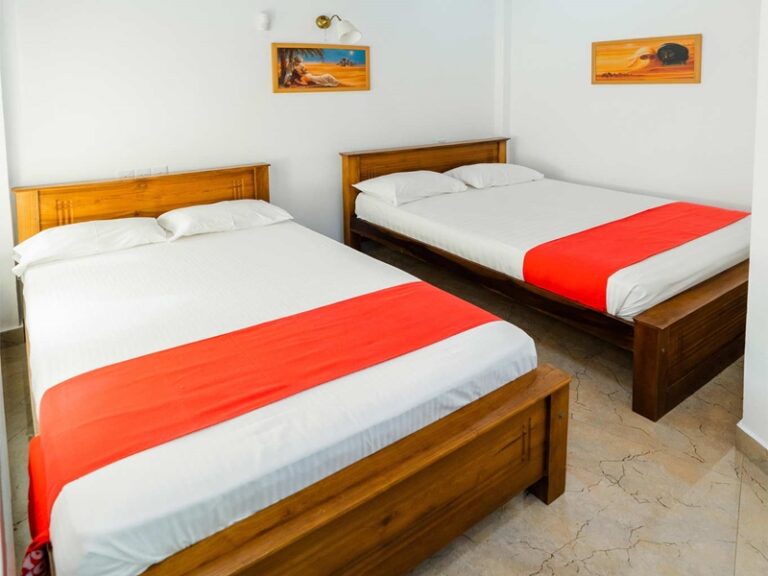
Marine conservation volunteering with Volunteering Solutions starts from around $475 for a one-week placement, with diving-based projects costing more because they include boat time, dive gear, and specialist training. It’s fair to ask why a volunteer program has a fee at all. Here’s the honest breakdown of what your contribution covers:
- Accommodation and most meals for the duration of your stay.
- Airport pickup, orientation and 24/7 in-country support from our local teams.
- Project running costs — hatchery upkeep, coral nurseries, boats, dive equipment, and the salaries of the local conservationists who run the work year-round.
- A direct contribution to the community and conservation outcomes you’re there to support.
Because our in-country teams are permanent and local, your fee keeps projects running long after you fly home — not just during your visit. If budget is your main concern, start with a shorter turtle or marine placement in Bali or Sri Lanka, and read our tips on volunteering in Bali affordably.
When is the best time to volunteer for marine conservation?
The best time depends on the project and the species. As a general guide:
- Sea turtle projects often run year-round because hatcheries and rescue centers operate continuously, though nesting and hatching peaks vary by country — the local team will tell you what you’re likely to see in each month.
- Diving and reef projects are best in each destination’s dry season, when visibility and sea conditions are at their best (for example, the drier months are generally ideal for reef work in Bali, Tanzania and Madagascar).
- Mediterranean projects like Barcelona are most active in the warmer months.
For a broader overview, see our guide to the best time of year to volunteer abroad.
How to choose a responsible marine conservation program
Before you book any ocean conservation trip, run the provider through this quick checklist:
- Accreditation and transparency — is the organization independently certified (for example, a B Corp) and clear about pricing and impact?
- Local partnership — are the people running the project from the community, and do they benefit?
- Real conservation goals — is there data, science and a clear purpose behind the work?
- Animal welfare — release-focused, hands-off, and never exploitative.
- Support and safety — proper orientation, insurance guidance, and 24/7 in-country backup.
Volunteering Solutions ticks every box: certified B Corp, transparent pricing, permanent local teams, and a 4.8/5 verified review score from thousands of volunteers. Ready to start? Get in touch with our team and we’ll help you match a marine conservation project to your budget, dates and experience level.
Frequently asked questions about marine conservation volunteering
Can I volunteer for marine conservation with no experience?
Yes. The vast majority of marine conservation projects abroad are designed for beginners aged 17 and over. You’ll receive full training on arrival from marine biologists and local coordinators, and turtle, beach and snorkel projects require no diving qualification at all.
Do I need to be a certified scuba diver?
Only for diving-based reef projects — and even then, many placements welcome beginners and include PADI training or discovery dives. Turtle hatcheries, beach patrols, mangrove and snorkel projects need no diving certification.
How much does marine conservation volunteering abroad cost?
With Volunteering Solutions, marine and sea-turtle placements start from around $475 for one week. Diving-based projects cost more because they include boat time, equipment and specialist training. Fees cover accommodation, meals, in-country support and project running costs — always check the program page for current pricing.
Which countries are best for marine conservation volunteering?
Popular destinations include Bali, Sri Lanka, Costa Rica, Madagascar, Tanzania, Spain and South Africa. Choose based on your focus (turtles, coral reefs, diving or seabird rescue), budget and the time of year you can travel.
Is it ethical to pay to volunteer with sea turtles?
Yes, when the program is run responsibly. A fee that funds hatcheries, local conservationists and release-focused care is ethical. Avoid any project that lets tourists ride or handle turtles, or that keeps healthy animals captive with no plan to return them to the wild.
How long should I volunteer for?
Most marine projects accept placements from one week, but two to four weeks lets you contribute more meaningfully and, on diving projects, complete training and log more survey time. Longer research placements in Madagascar run from four weeks upward.
{
“@context”: “https://schema.org”,
“@type”: “FAQPage”,
“mainEntity”: [
{
“@type”: “Question”,
“name”: “Can I volunteer for marine conservation with no experience?”,
“acceptedAnswer”: {
“@type”: “Answer”,
“text”: “Yes. The vast majority of marine conservation projects abroad are designed for beginners aged 17 and over. You receive full training on arrival from marine biologists and local coordinators, and turtle, beach and snorkel projects require no diving qualification at all.”
}
},
{
“@type”: “Question”,
“name”: “Do I need to be a certified scuba diver?”,
“acceptedAnswer”: {
“@type”: “Answer”,
“text”: “Only for diving-based reef projects, and even then many placements welcome beginners and include PADI training or discovery dives. Turtle hatcheries, beach patrols, mangrove and snorkel projects need no diving certification.”
}
},
{
“@type”: “Question”,
“name”: “How much does marine conservation volunteering abroad cost?”,
“acceptedAnswer”: {
“@type”: “Answer”,
“text”: “With Volunteering Solutions, marine and sea-turtle placements start from around $475 for one week. Diving-based projects cost more because they include boat time, equipment and specialist training. Fees cover accommodation, meals, in-country support and project running costs. Always check the program page for current pricing.”
}
},
{
“@type”: “Question”,
“name”: “Which countries are best for marine conservation volunteering?”,
“acceptedAnswer”: {
“@type”: “Answer”,
“text”: “Popular destinations include Bali, Sri Lanka, Costa Rica, Madagascar, Tanzania, Spain and South Africa. Choose based on your focus such as turtles, coral reefs, diving or seabird rescue, along with your budget and the time of year you can travel.”
}
},
{
“@type”: “Question”,
“name”: “Is it ethical to pay to volunteer with sea turtles?”,
“acceptedAnswer”: {
“@type”: “Answer”,
“text”: “Yes, when the program is run responsibly. A fee that funds hatcheries, local conservationists and release-focused care is ethical. Avoid any project that lets tourists ride or handle turtles, or that keeps healthy animals captive with no plan to return them to the wild.”
}
},
{
“@type”: “Question”,
“name”: “How long should I volunteer for marine conservation?”,
“acceptedAnswer”: {
“@type”: “Answer”,
“text”: “Most marine projects accept placements from one week, but two to four weeks lets you contribute more meaningfully and, on diving projects, complete training and log more survey time. Longer research placements in Madagascar run from four weeks upward.”
}
}
]
}
Start your marine conservation journey
Whether you want to release turtle hatchlings in Sri Lanka, restore coral reefs by scuba diving in Tanzania, or protect the ocean closer to home in Barcelona, there’s a responsible marine project for you. Tell us your dates and budget and we’ll help you find the right fit.
Browse our programs: Marine Conservation Programs · Sea Turtle Volunteering

Saurabh Sabharwal is the founder of Volunteering Solutions and its parent B Corporation, Impact Explorers. He has championed ethical, affordable volunteer travel since 2007 and writes about how to volunteer abroad responsibly.