English (US) ▾
 Nederlands
 English (UK)
 Deutsch
 Italiano
 Português
 Español
Things to Do in Spain
Valencia's futuristic architecture and paella, Barcelona's Gaudí, beaches and Mediterranean day trips — what to see in Spain on a placement.
See volunteer programs in SpainSpain needs little selling, but the east coast where our placements sit is the part that repays living in rather than visiting: Valencia and Barcelona both put beaches, mountains and world-class food within a tram ride.
Short flights from anywhere in Europe, a low cost of living and a culture built around being outdoors make this one of our easiest destinations for a first placement abroad.
The best things to do in Spain
1. Valencia’s City of Arts and Sciences
Santiago Calatrava’s white sculptural complex of science museum, opera house, aquarium and planetarium, sitting in the drained bed of the old Turia river. The riverbed itself is now a nine-kilometer park that runs through the middle of the city — the best free thing in Valencia.
2. Valencia old town and paella
The Gothic cathedral claims to hold the Holy Grail, the Mercado Central is one of Europe’s finest food markets, and the Barrio del Carmen has the tapas bars. Paella was invented in the rice fields of the Albufera just south of the city — eat it at lunchtime, as locals do.
3. Barcelona and Gaudí
La Sagrada Família is worth every euro and requires advance booking; Park Güell, Casa Batlló and La Pedrera complete the set. Beyond Gaudí, the Gothic Quarter’s medieval lanes, the Picasso Museum and the view from Bunkers del Carmel at sunset.
4. The beaches
Valencia has a genuine city beach at Malvarrosa with a promenade of seafood restaurants. Barcelona has Barceloneta. Beyond both, the Costa Brava north of Barcelona has coves and cliff paths, and the Albufera lagoon offers sunset boat trips through the rice fields.
5. Montserrat and the mountains
The serrated mountain and monastery an hour from Barcelona, reached by cable car or rack railway, with walking trails along the ridges. From Valencia, the inland villages of Chulilla and the Turia gorge offer hiking and via ferrata.
6. Festivals
Valencia’s Fallas in March fills the city with enormous satirical sculptures that are burned on the final night — one of Europe’s great street festivals. Add La Tomatina in nearby Buñol in August, and Barcelona’s La Mercè in September.
When to visit Spain
Spring (April-June) and autumn (September-October) are ideal — warm, long days without the summer crowds. July and August are hot and busy, though the beaches are at their best. Winters on the Mediterranean coast are mild and sunny, and Valencia stays pleasant when much of Europe is grey.
Getting around
Spain’s high-speed rail is excellent: Valencia to Madrid takes under two hours, and the coastal line links Valencia and Barcelona. Both cities have cheap, efficient metro and bike-share systems, and Valencia in particular is flat and very cyclable. Regional trains reach the beaches and mountains.
Seeing Spain as a volunteer
Valencia and Barcelona placements leave weekends free, with the whole Mediterranean coast on the rail line. Our Spain placements are based in Valencia and Barcelona, include accommodation, meals, airport pickup and 24/7 in-country support, and leave evenings and weekends free — which is exactly when most of this list gets ticked off. See volunteer programs in Spain for live prices and dates, or read our complete guide to volunteering in Spain for costs, visas and safety.
Spain travel FAQs
Do I need Spanish for a placement in Spain?
No — projects host English-speaking volunteers regularly. But Spain is one of the best places in the world to learn Spanish, and even a little transforms daily life outside the tourist centers.
Is Spain expensive?
Less than northern Europe, especially away from central Barcelona. Menu del día lunches, public transport and local markets keep costs low, and your placement fee already covers accommodation and meals.
Do I need a visa for Spain?
EU citizens do not. UK, US, Australian and many other nationals can enter the Schengen area visa-free for up to 90 days in any 180, which covers standard placements. We confirm requirements after you apply.
Valencia or Barcelona?
Barcelona has the bigger sights and the crowds to match; Valencia is cheaper, calmer, has better beaches for daily life and is easier to feel at home in quickly. We run programs in both.
Photo: Cateecatee / Wikimedia Commons (CC BY-SA 3.0)
Volunteer programs in Spain
Combine your trip with meaningful project work — housing, meals, airport pickup and 24/7 in-country support included.
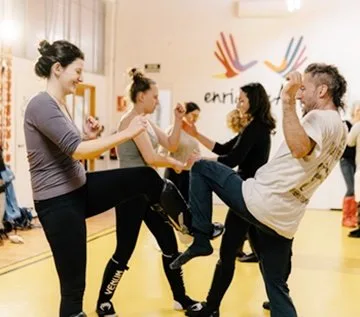
Community Development Project in Barcelona
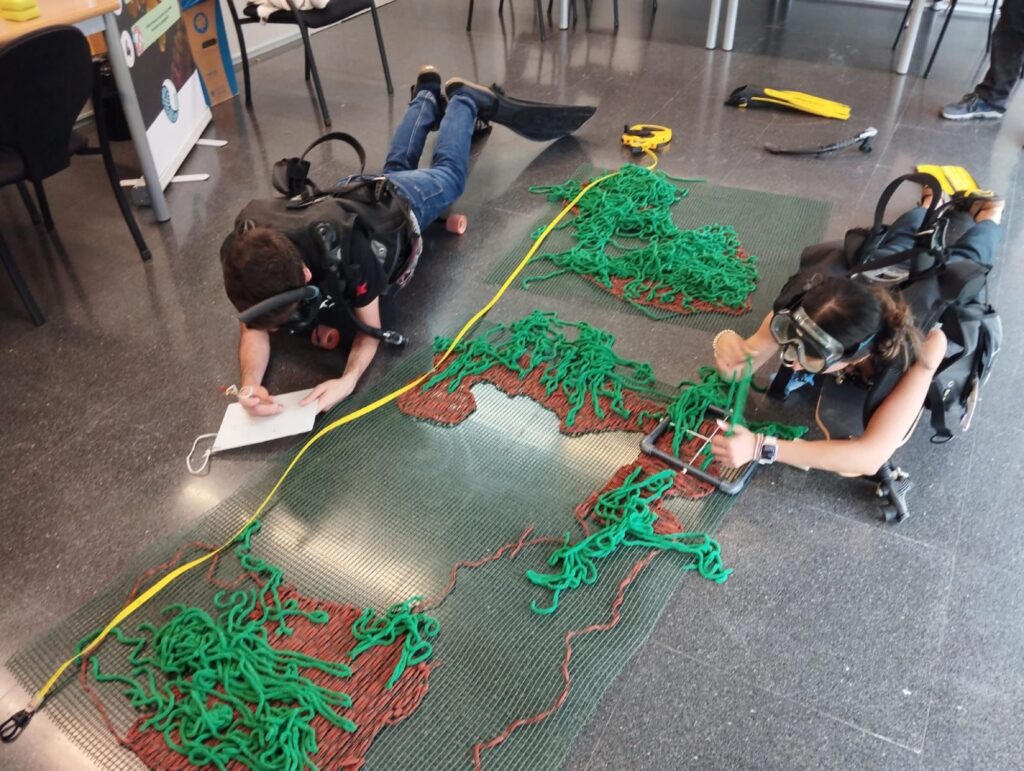
Environmental & Marine Conservation Volunteering in Valencia
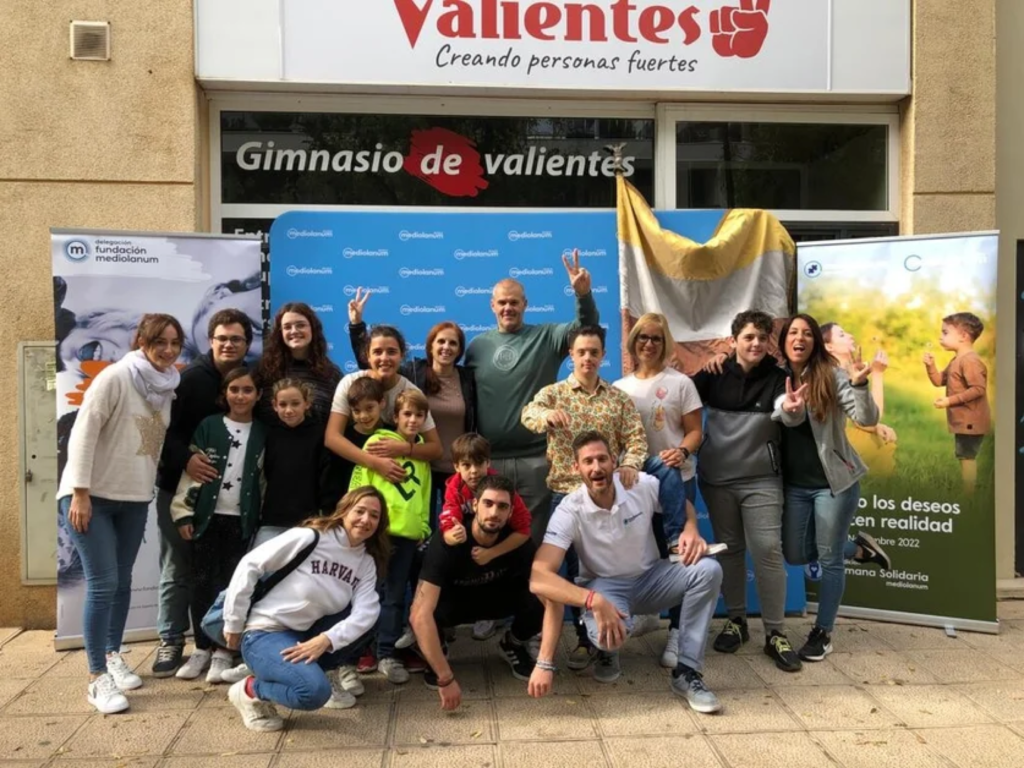
Social Inclusion & Community Volunteering in Valencia
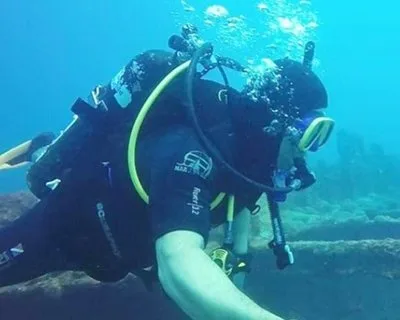
Underwater Conservation in Barcelona

Volunteering with children with multiple disabilities