 English (US) ▾
 Nederlands
 English (UK)
 Deutsch
 Italiano
 Português
 Español
Wildlife Conservation Volunteer Abroad Programs
Hands-on wildlife conservation abroad: elephants, big cats, marine life and rescue centers, run by local teams, from $724.
What wildlife conservation volunteering involves
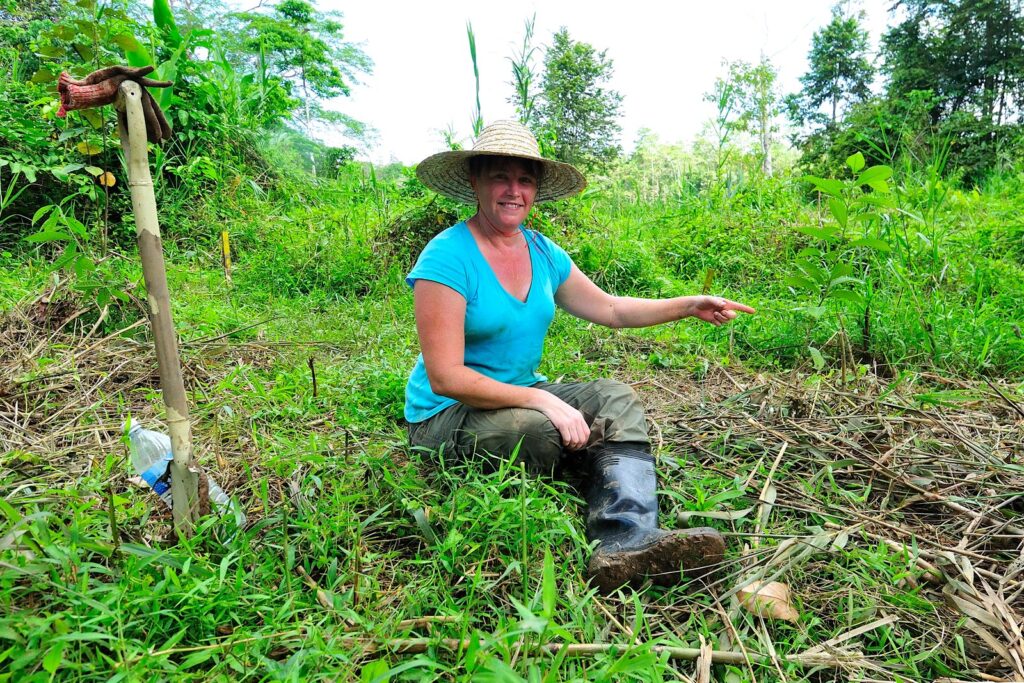
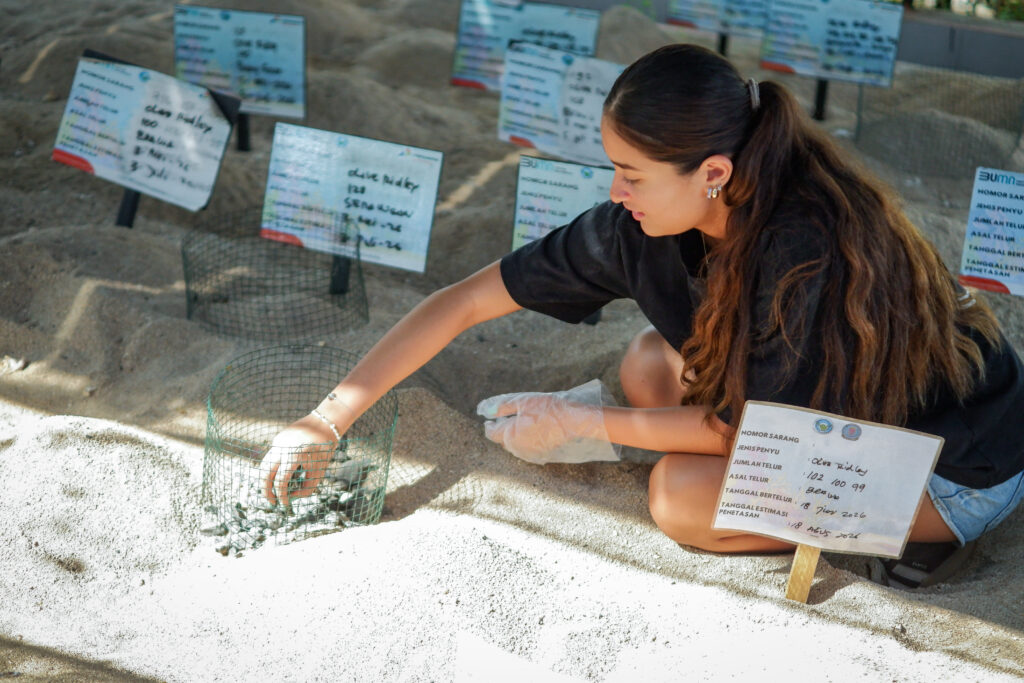
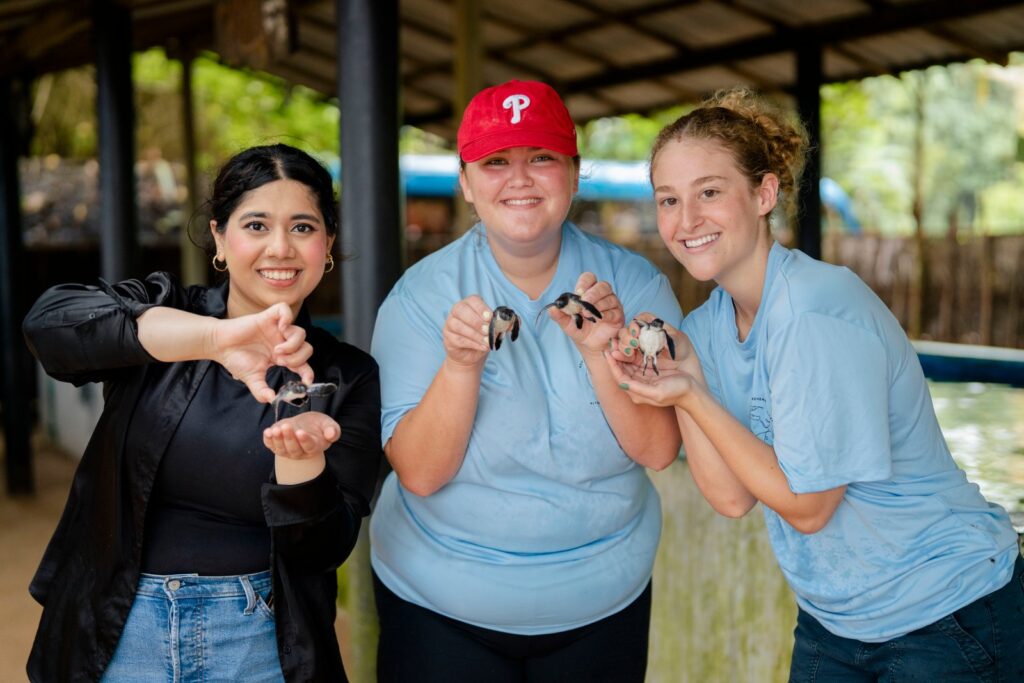
Wildlife conservation volunteering means practical, unglamorous work alongside local staff and conservationists: preparing food, cleaning enclosures, monitoring nesting beaches, logging observations and supporting habitat restoration. It suits people who like being outdoors, can follow instructions from people who know the animals, and don't expect close contact or photo moments with the animals themselves. No science background is required, though it helps in research-heavy roles.
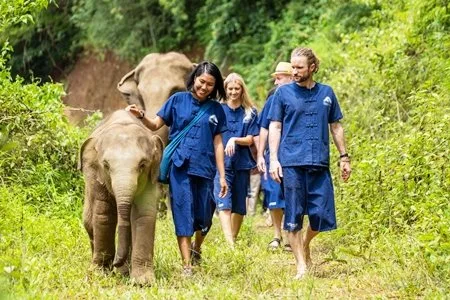
Volunteering Solutions runs these placements through local teams across Costa Rica, Malaysia, South Africa and Sri Lanka and other locations in Costa Rica, Malaysia, South Africa, Sri Lanka, Argentina, Bali and 7 more countries, covering wildlife & animal care, environment conservation, marine conservation, turtle conservation and elephant volunteering — including dedicated elephant volunteering and marine conservation placements. Every project follows welfare-first rules: volunteers work around the animals, not with them for entertainment. Programs run from 1 to 24 weeks, start from $724 with a $249 deposit, and the fee covers accommodation, meals and in-country support.
Projects you can join
24 programs across 13 countries, straight from our booking system — filter by country.

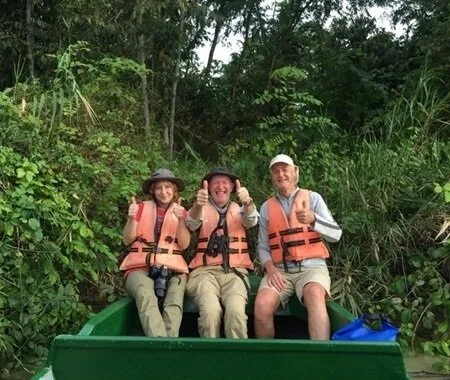
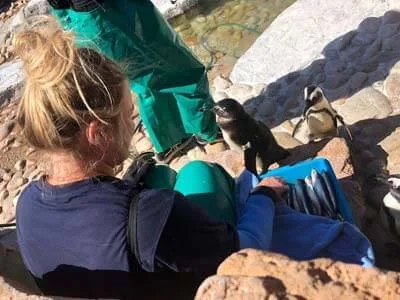
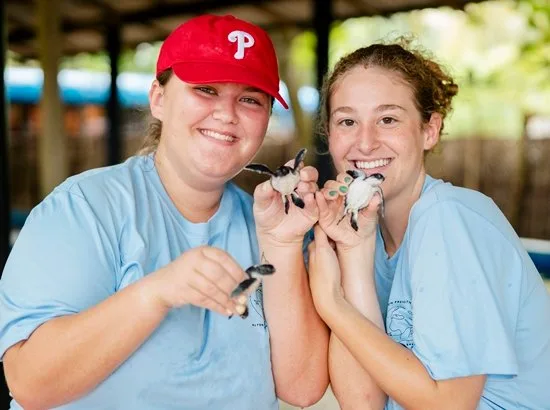
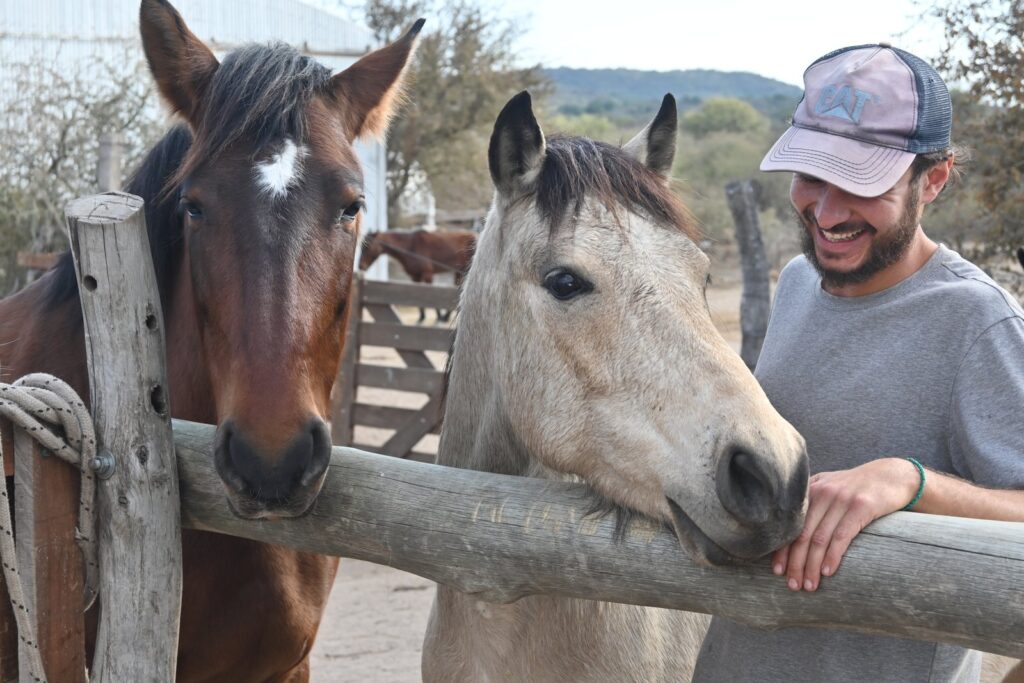
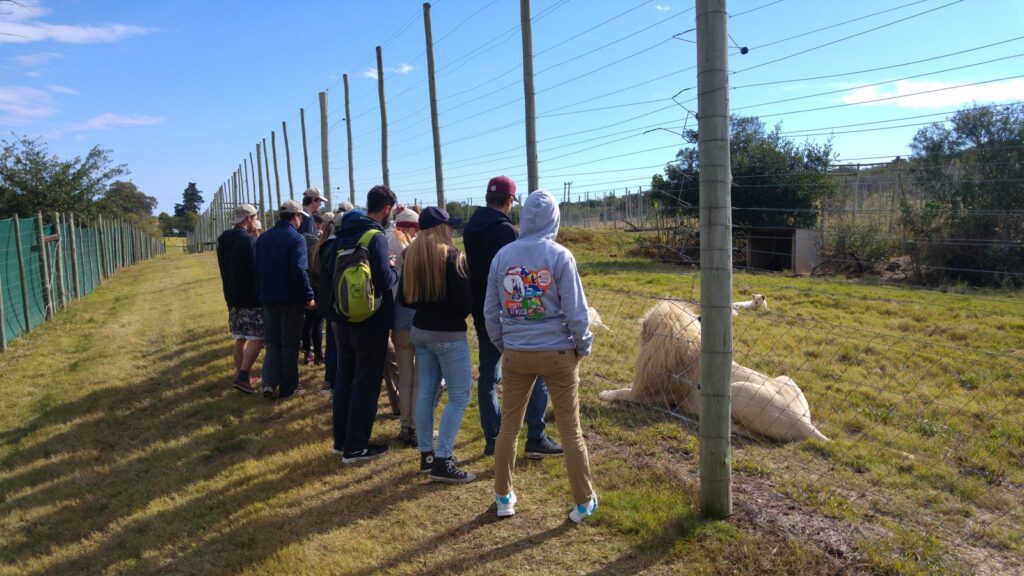
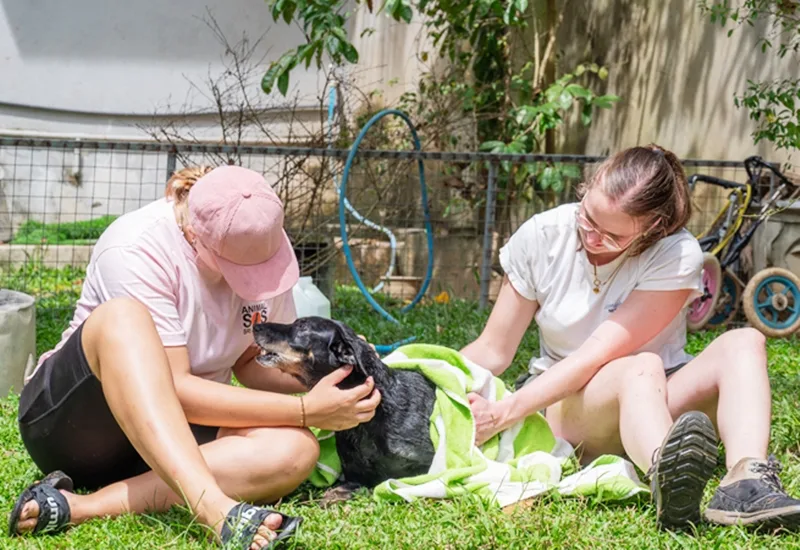
Where you can volunteer with wildlife
Each country page lists every program there with live prices, start dates and the local team's details.
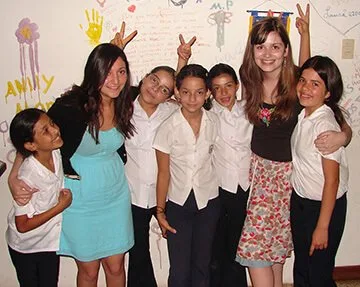
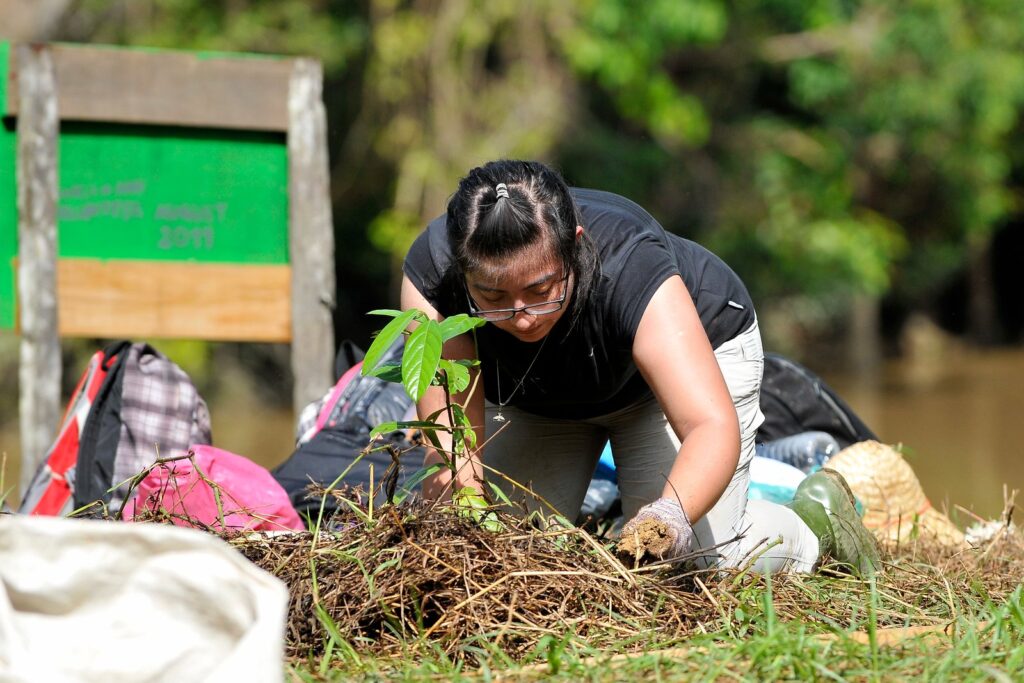


Who can join, how long you can stay, and what it costs
Before you apply
- Minimum age is 16+, though some placements require 18+ on some programs; check the specific project page.
- No experience or qualifications are needed for most animal-care and conservation-support roles; a science or veterinary background helps in research-focused work.
- A clean criminal background check is required for projects involving vulnerable animals or work that overlaps with children, such as combined childcare and elephant programs.
- Reasonable fitness and comfort working outdoors is expected; a few marine or diving-based projects also require swimming ability or a diving qualification.
- The program fee, from $724 with a $249 deposit, covers accommodation, meals and in-country support; flights and visas are separate.
- Programs run on fixed start dates year-round, with the next available date at 21 Sep 2026; check the start dates explorer before booking.
Cost by country
| Country | Programs | Minimum age | Duration | From |
|---|---|---|---|---|
| Bali | 2 | 17+ | 1–12 weeks | $724 |
| South Africa | 3 | 18+ | 1–12 weeks | $774 |
| Madagascar | 2 | 18+ | 1–12 weeks | $869 |
| Costa Rica | 3 | 18+ | 1–12 weeks | $984 |
| Sri Lanka | 3 | 16+ | 1–20 weeks | $998 |
| Thailand | 1 | 18+ | 1–6 weeks | $1,089 |
| Ecuador | 1 | 18+ | 2–12 weeks | $1,140 |
| Portugal | 1 | 18+ | 1–12 weeks | $1,292 |
| Malaysia | 3 | 18+ | 2 weeks · 7/12 days | $1,295 |
| India | 1 | 17+ | 2 weeks | $1,414 |
| Kenya | 1 | 18+ | 2–12 weeks | $1,499 |
| Argentina | 2 | 18+ | 2–24 weeks | $1,899 |
| Spain | 1 | 18+ | 2–8 weeks | $2,248 |
"From" is the all-in fee for the shortest stay and includes the $249 booking deposit; accommodation, the meals listed for the program, airport pickup where listed, orientation, placement and in-country support are covered. Flights, insurance, visas and personal spending are not. Each program page has the full week-by-week price table.
What are the highlights of wildlife & animal care volunteer abroad programs?
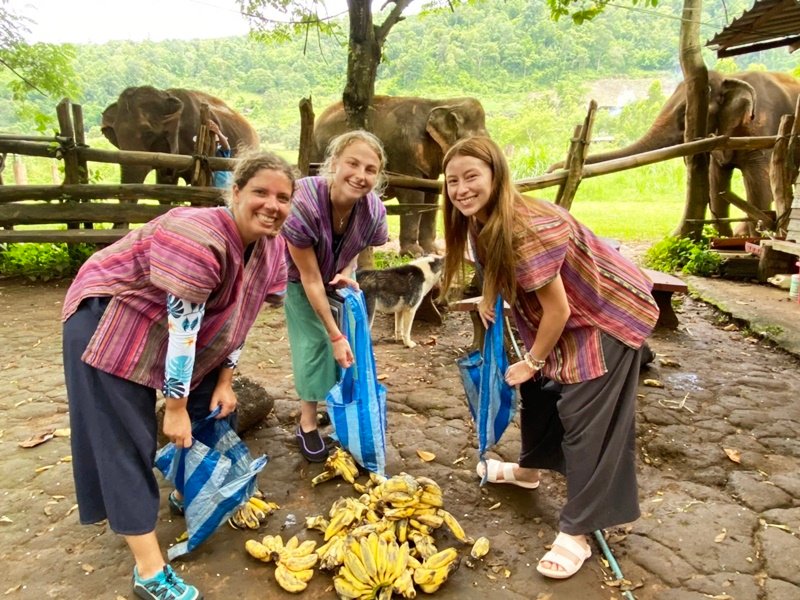
- Volunteers will get to learn about the habitation and living conditions of animals while volunteering with them, ensuring their utmost care.
- Volunteers will have the chance to work under professional conservationists, offering you a lifetime opportunity to learn wildlife conservation techniques.
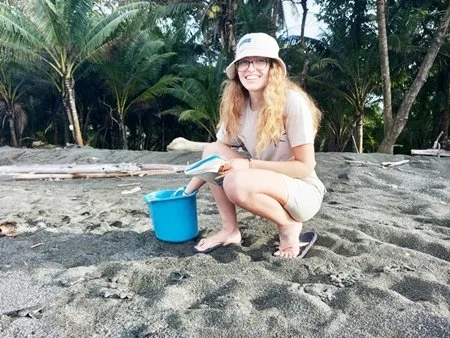
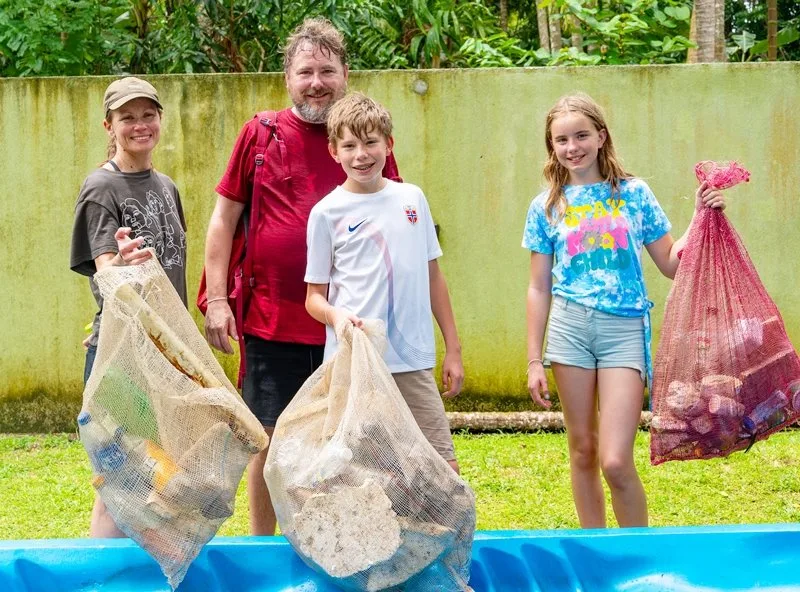
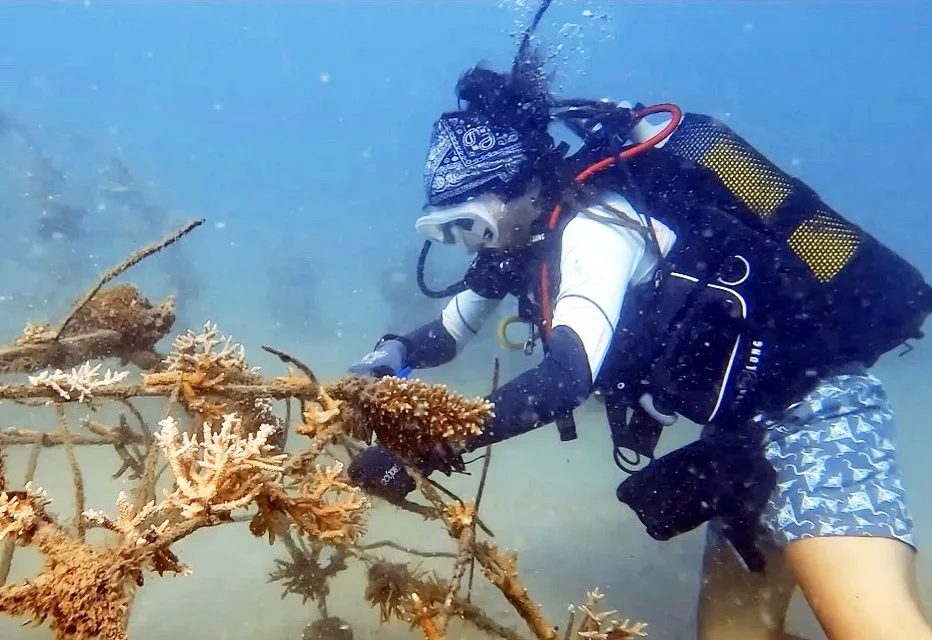
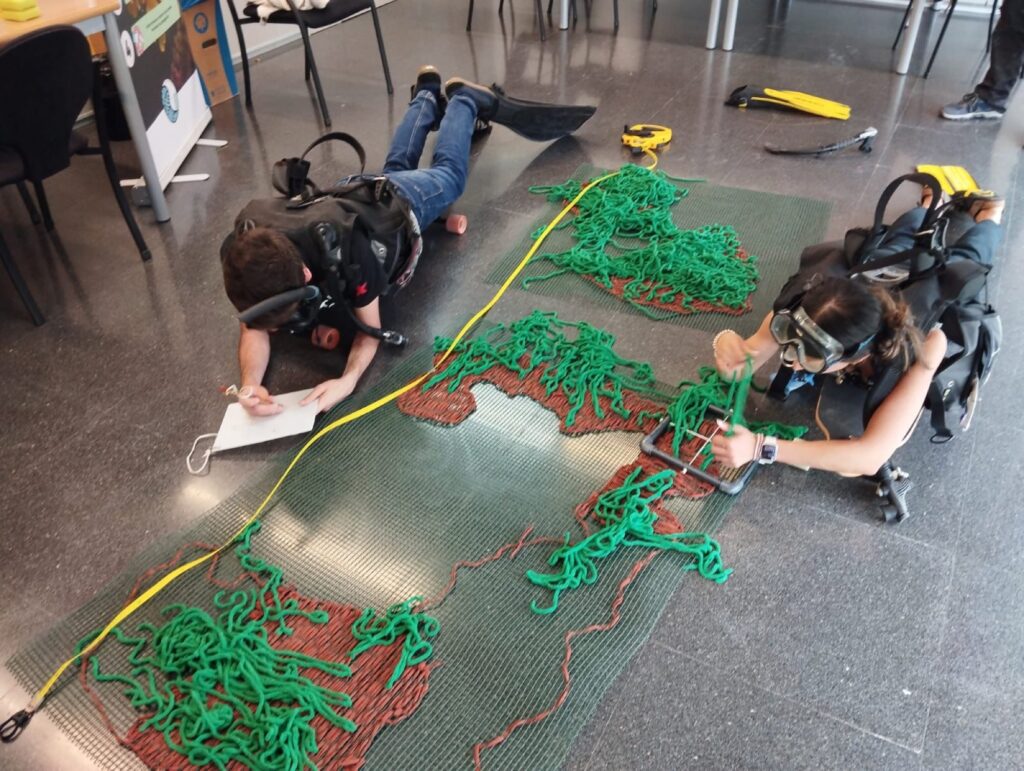
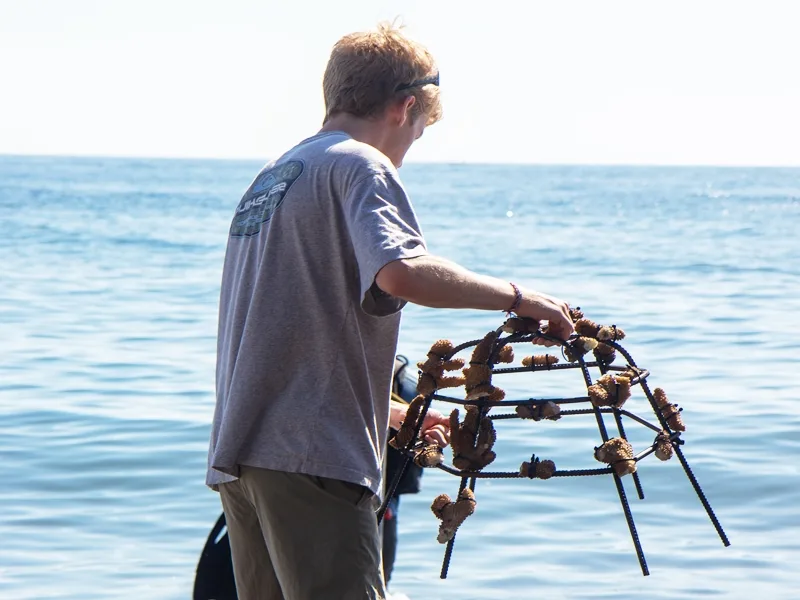
- Participating in the Marine Conservation Program, you'll clean beaches and raise awareness about reducing plastic usage.
- Gain first-hand international work experience and make a difference through your active contribution.
- Meet volunteer travelers from different parts of the world, expanding your global network and cultural understanding.
What are the benefits of these wildlife conservation volunteering programs abroad with Volunteering Solutions?
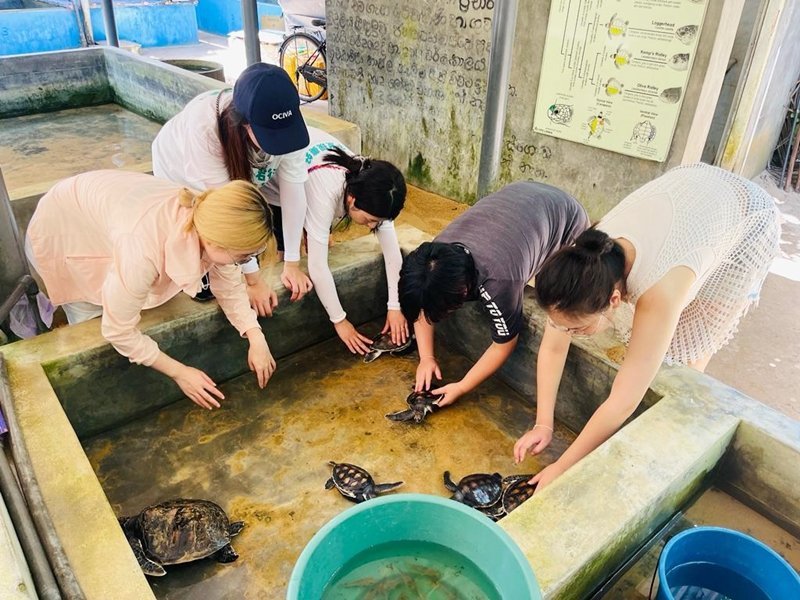
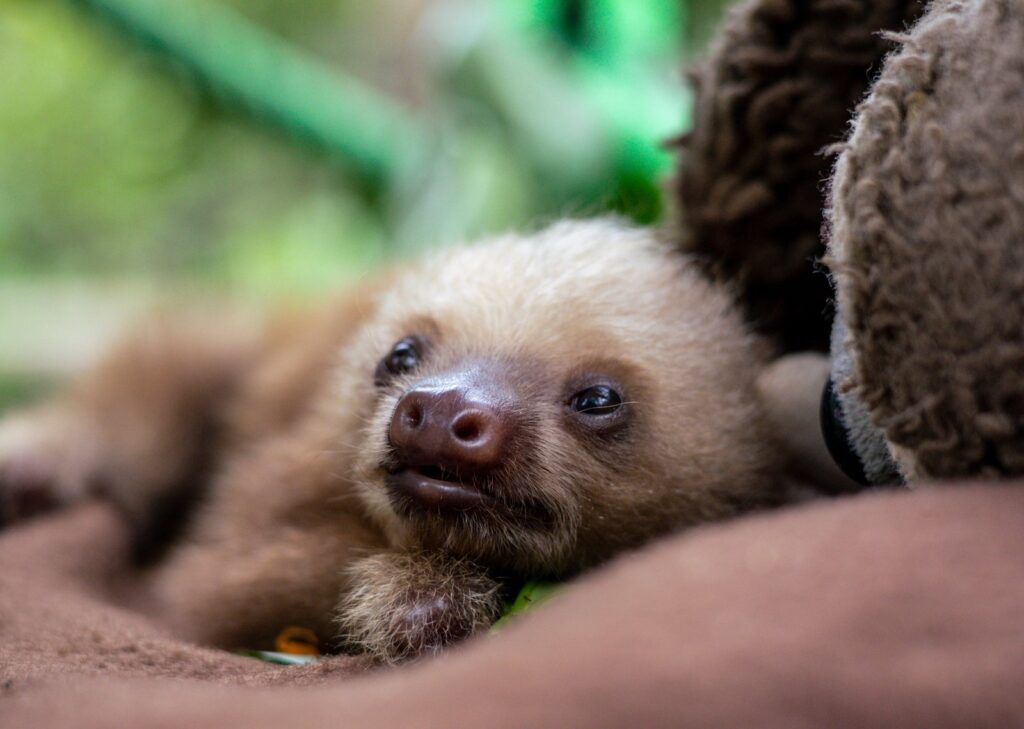
- Being a volunteer for the animal conservation programs, you'll get to travel to the most exotic locations around the world. From participating in Marine Conservation Programs along the Mediterranean coast to assisting at a Wildlife and Rescue Center nestled in the lush lands of Costa Rica, you'll have the opportunity to immerse yourself in diverse landscapes and experiences.
- You'll get to spend adequate time with the animals, learning about their habits and behaviors, while contributing towards their well-being. Working alongside professionals will also give you a better understanding of the adversities that these animals have to face.
- You'll meet fellow enthusiasts who share your passion for working with animals, and together, you'll get to make a difference.
- You'll get first-hand work experience, which will be immensely valuable in your career ahead.
- You'll also get a Certificate of Completion after you are successfully done with the project.
What do our past volunteers say?
“My experience in Portugal joining the Marine Conservation program has been incredible. In addition to learning about the importance of marine ecosystems, I have met wonderful people from all over the world. I would like to praise the work of Ana Matos, the program coordinator of Impactrip, and the two diving instructors I had, Nuno Pereira and Sydney. Their enthusiasm and experience helped me to achieve my goals within the volunteering program and fully enjoy my time in Portugal.” - Andrea M, Marine Conservation Program, Portugal
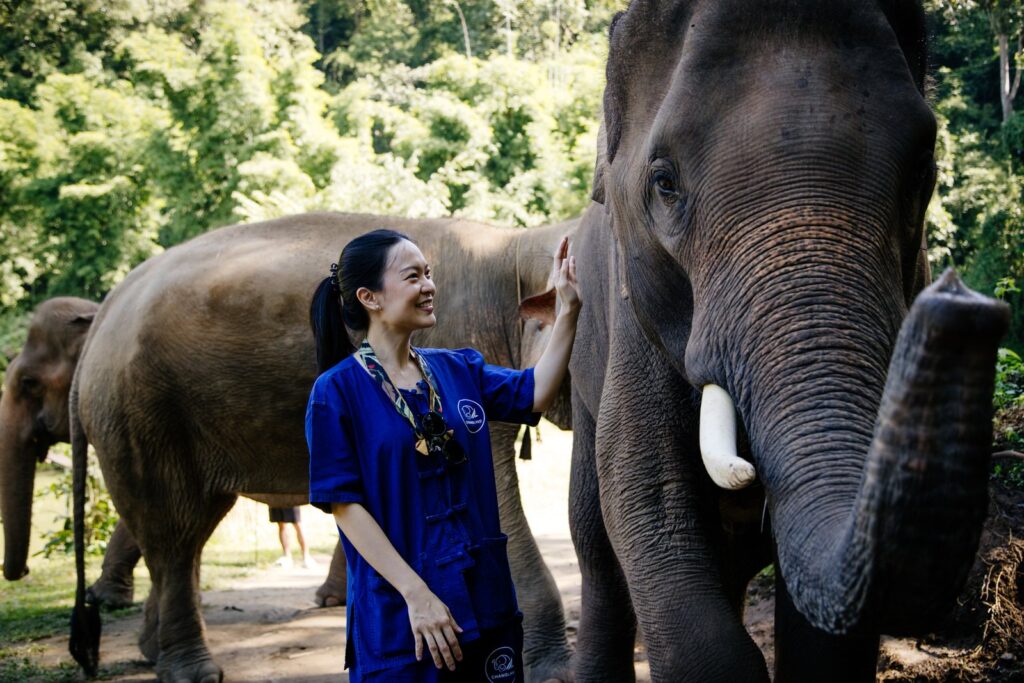
“The experience was all around great!! We chose the two-week special in Thailand. We loved our time at Happy Elephant Home. The people were amazing, the food was amazing, and the views were amazing! Everything ran super smoothly and there was not a time where I didn’t feel safe!” - Morgan H, Elephant Camp Program, Thailand
Keeping wildlife volunteering ethical
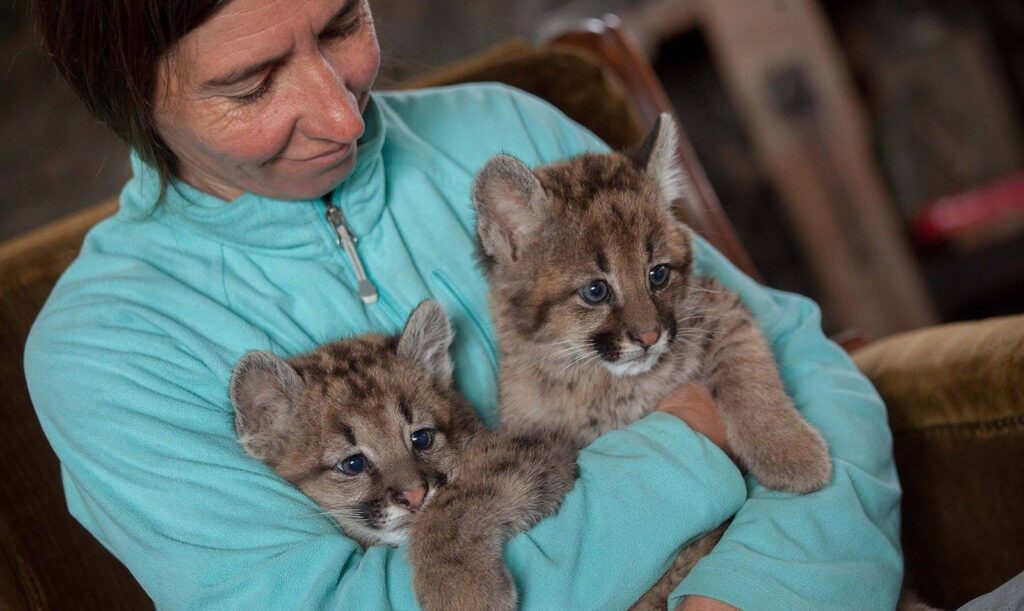
Volunteering Solutions builds wildlife placements around animal welfare, not entertainment. Volunteers do not ride, bathe, cuddle or take selfies with animals, and they never take sole charge of an enclosure or a rescue case — local staff and conservationists direct all animal-facing decisions. Projects are chosen for genuine conservation outcomes: rehabilitation toward release where that is possible, or long-term, non-commercial care for animals that cannot be released. Where a placement mixes animal care with work near children, the same child protection standards apply as elsewhere on the site.
- No hands-on contact with big cats or other apex predators.
- No captive breeding or set-piece photo encounters.
- Volunteers work around animals — food prep, enclosures, observation, research — not for cameras.
Our standards
- Safeguarding policyVetted placements, a code of conduct and background checks where you work with children or vulnerable adults.
- Child & vulnerable adult protectionHow placements with children are run and what volunteers may and may not do.
- Responsible volunteer travelCommunity-led projects, no work that displaces local jobs, honest about what a short stay can do.
- Certified B CorporationIndependently assessed on impact, transparency and accountability.
What our volunteers say
Wildlife Conservation Volunteer Abroad Programs: frequently asked questions
What does wildlife conservation volunteering with Volunteering Solutions involve?
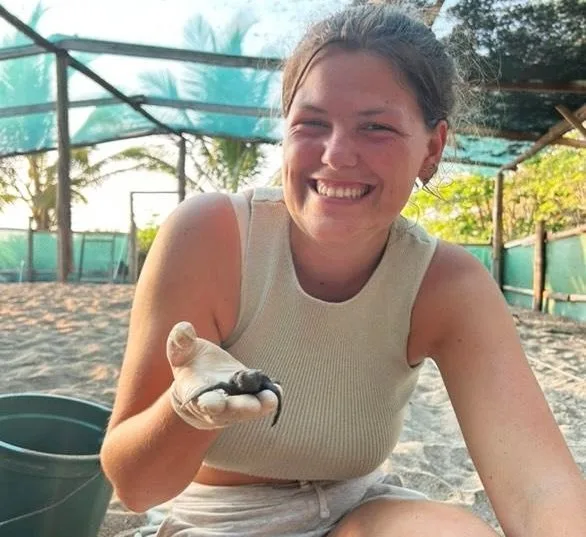
Day-to-day work is practical support, not entertainment: preparing food, cleaning enclosures and habitats, monitoring nesting beaches, logging behavior observations, and helping with habitat restoration or beach clean-ups. Volunteers work under local conservationists and staff, never taking sole charge of an animal or a rescue case themselves. Tasks vary by project — wildlife & animal care, environment conservation, marine conservation, turtle conservation and elephant volunteering — and change with the season, so a typical day depends on where you are placed and what the animals need that week.
Who is wildlife conservation volunteering abroad suitable for?
These programs suit anyone with a genuine interest in animal welfare who is comfortable working outdoors and taking direction from local staff. Minimum age is 16+ (18+ on some programs), and no prior experience or qualifications are required for most animal-care roles. Gap year travelers, students and career-break volunteers make up most groups. A science or veterinary background is useful for research-heavy placements but is not a requirement to join.
What does the program fee cover and how much does it cost?
Programs start from $724 with a $249 deposit at booking. The fee covers accommodation, meals, in-country support and a contribution to the project you join; flights, visas and personal spending are separate. Costs vary by country, project type and length of stay, so check the individual program page for exact pricing. See where the fee goes for a full breakdown.
How long can I volunteer and when do programs start?
Placements run from 1 to 24 weeks, so you can join for a short placement or stay longer to see more of a project's cycle, such as a turtle nesting season. Programs run on fixed start dates throughout the year; the next available date across the hub is 21 Sep 2026. Longer stays generally let you take on more responsibility once staff know your skills.
Where can I do wildlife conservation volunteering?
Wildlife conservation placements run in Costa Rica, Malaysia, South Africa and Sri Lanka and other destinations across Costa Rica, Malaysia, South Africa, Sri Lanka, Argentina, Bali and 7 more countries, covering rescue centers, sanctuaries, marine sites and field-research locations. Each country focuses on different work — for example, marine and turtle conservation on coastlines, or rescue and rehabilitation centers inland — so the right destination depends on which animals and project type interest you most.
Is wildlife volunteering abroad ethical?
It can be, if the project puts animal welfare and conservation ahead of entertainment. Look for no cub-petting, no elephant riding, no forced photo encounters, and clear rehabilitation-for-release goals or genuine lifelong care for animals that cannot be released. Volunteering Solutions builds its placements around these standards and is transparent about what each fee funds; read the responsible volunteer travel policy for the detail.
What support and safety measures are in place?
Every placement is run by an in-country team that provides orientation, on-site supervision and 24/7 in-country support for the length of your stay. Volunteers get training on animal-handling limits and safety before starting any task. If your plans change, the 45-day free-change policy lets you adjust dates or projects without a penalty, and your booking is covered by financial protection.
Do I need a science degree or prior experience?
No. Most animal-care and conservation-support roles are open to volunteers with no prior experience, and training is given on arrival. A biology, veterinary or environmental science background is useful for research-focused work, such as species monitoring or data collection, but it is not required to join the majority of projects on this hub.
What animals will I work with?
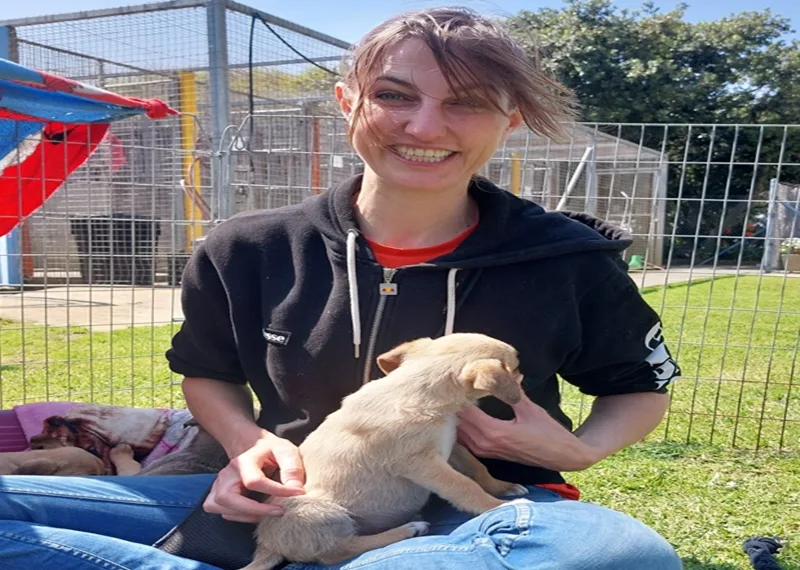
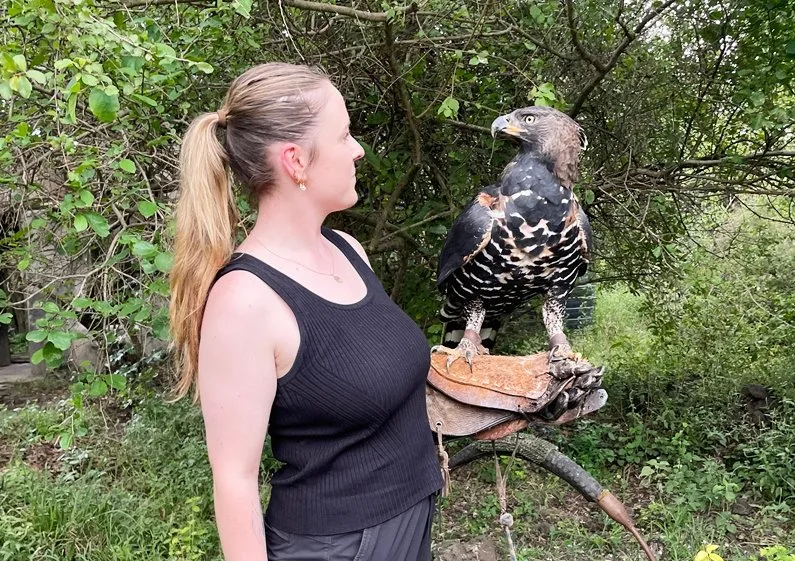
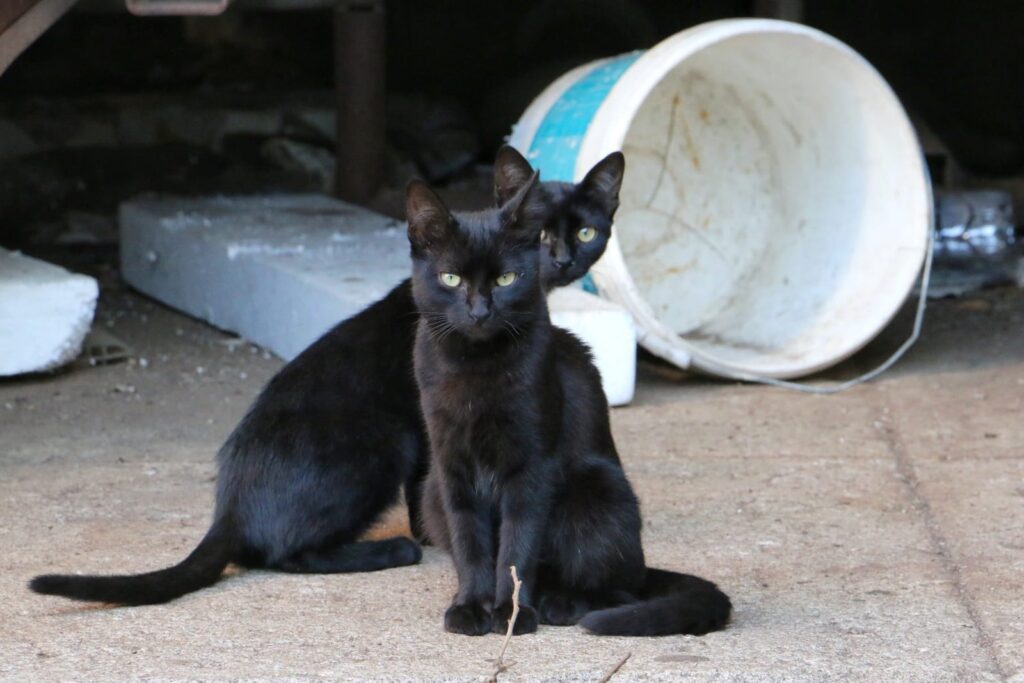
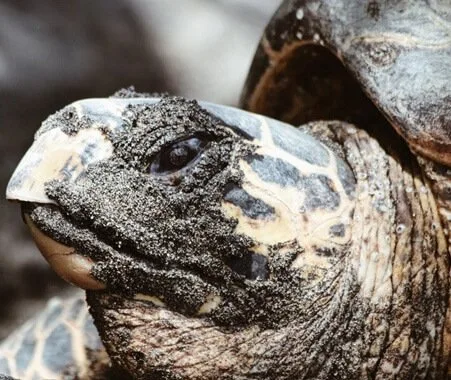
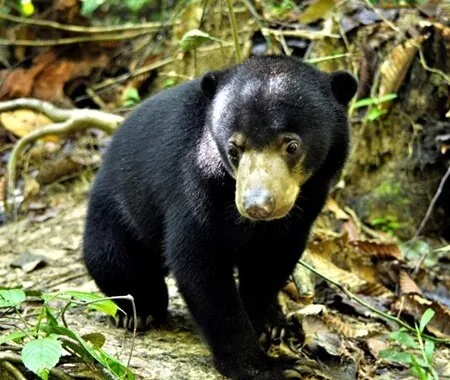
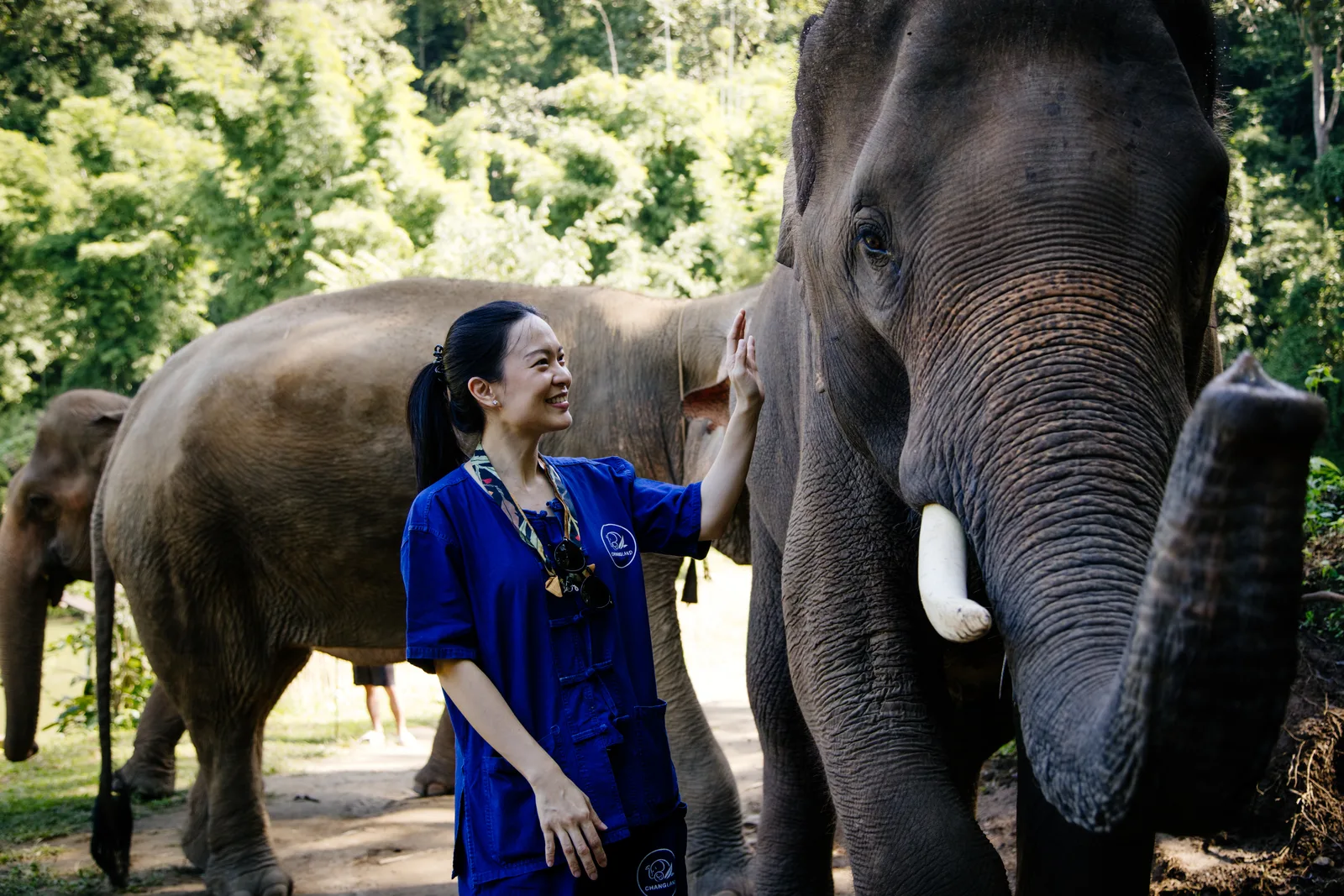
Depending on the destination, you may support elephants, big cats (hands-off only), primates, sea turtles, marine species, birds of prey, penguins, horses or shelter animals such as dogs and cats. Contact with animals is always limited and supervised by local staff — volunteers assist with care and conservation tasks rather than handling animals for entertainment.
How do I book and what should I prepare before I go?
Choose a program and start date, pay the $249 deposit to secure your place, and our team sends a pre-departure guide covering documents, vaccinations and what to pack. Some placements require a clean background check, and a few ask for specific vaccinations or a swimming or diving qualification. The balance of the fee is due closer to departure; see the flexible booking policy for changing dates.
Can I combine wildlife conservation with other types of volunteering?
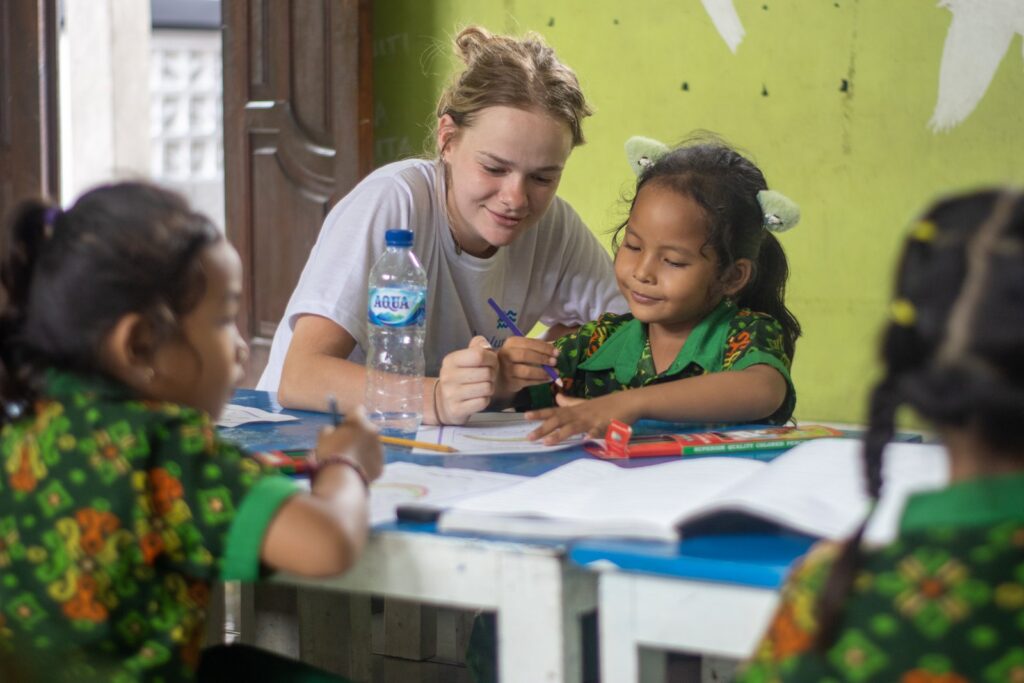
Yes, on some programs. A few placements pair wildlife or marine work with community or childcare tasks, such as the elephant and rescue-center project that also involves teaching. If you would rather focus purely on conservation, most projects on this hub run as dedicated wildlife or marine placements without any teaching or childcare component.
Find your wildlife conservation program
24 programs · 13 countries · from $724 · next start 21 Sep 2026
Free advice, no obligation. Change program, dates or destination free of charge up to 45 days before you start.