












Read time 2 minutes
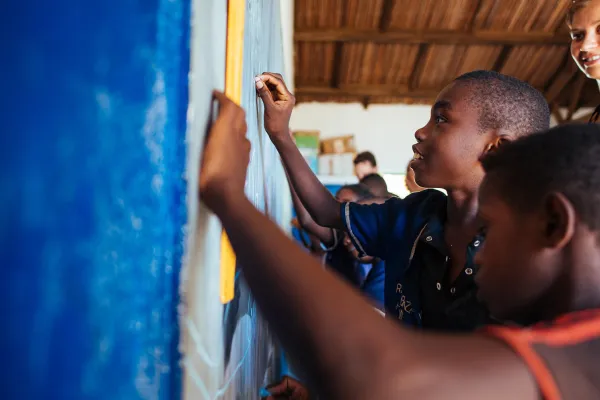
Teaching is one of the most rewarding and impactful volunteer activities, helping children living in rural areas access education and thrive through knowledge. With so many paths to take, from teaching English to older children and teens to kindergarten support, no two days are the same.
The best thing about volunteer teaching is that you don’t need any prior experience, so there’s nothing stopping you from making a meaningful difference in the lives of many. Keep reading to learn how to get the ball rolling on your volunteer teaching in Africa journey.
Teachers are needed all over the world, so deciding which continent to focus on is no easy task. There are plenty of advantages to choosing Africa, including:
African communities are often known for being very welcoming and hospitable to visitors, especially volunteers. Most have a deep sense of community that will be extended to you during your stay, making the experience much more enjoyable and worthwhile.
Most African countries don’t have enough teachers to meet the demands of growing children. Volunteering as a teacher is more impactful than other potential skills, helping you make a more meaningful contribution to the country.
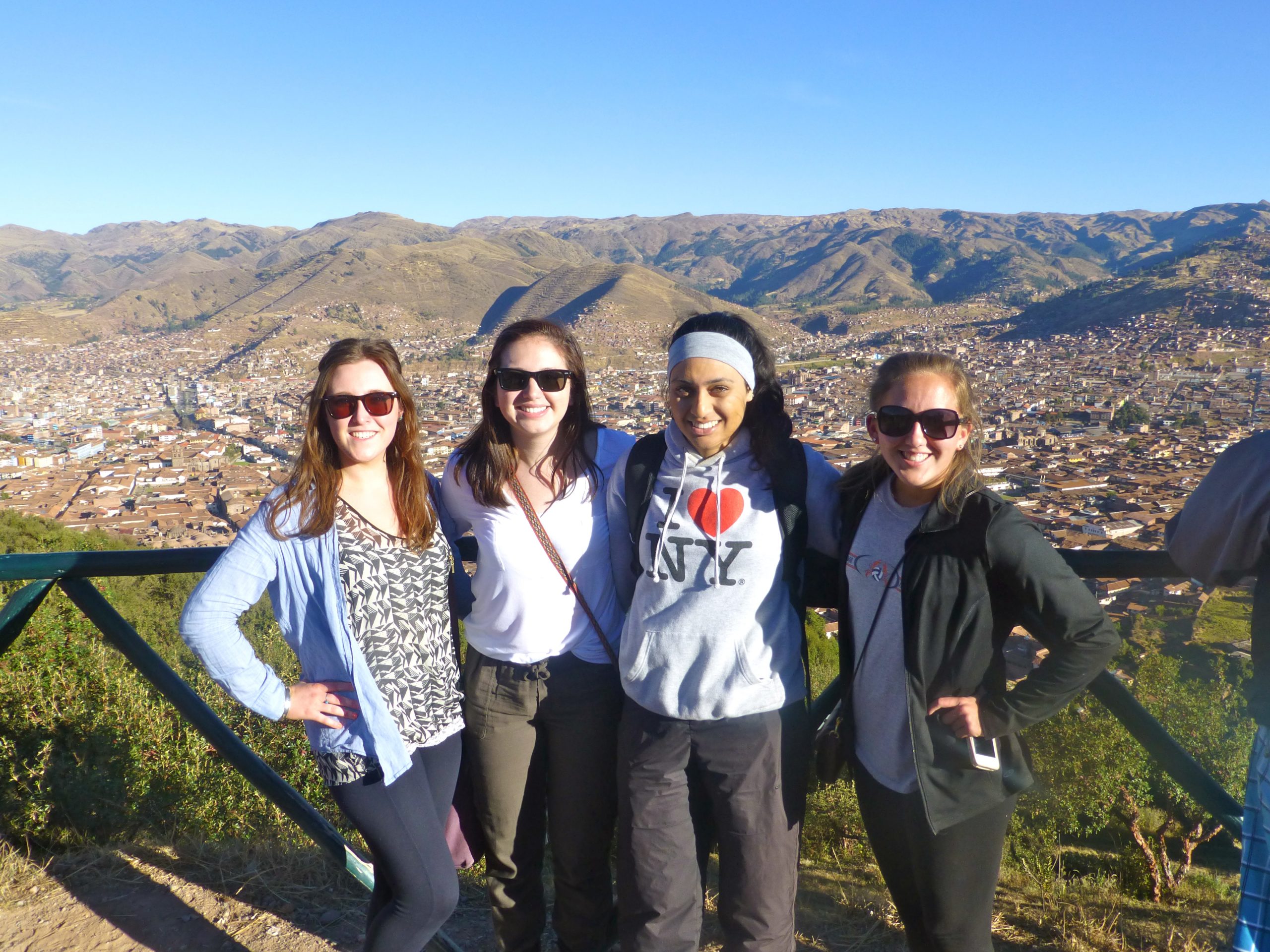
Volunteers often leave their teaching placement in Africa with a renewed sense of global awareness, teamwork, empathy, and knowledge. You’ll get to learn about a new culture and its traditions by immersing yourself in it, encouraging personal growth through reflection.
African countries are excellent starting points for many people’s travel journeys. Countries like Ghana, South Africa, and Tanzania offer a friendly cultural orientation to visitors and strong in-country support. You don’t need to be well-traveled to volunteer in Africa.
Countries all over Africa need teachers, so there’s no shortage of volunteering programs you can sign up for. An easy way to narrow down your search is to determine which country you want to volunteer in. Some of the most popular options include:
When looking for opportunities to do volunteer work in Africa, it’s important to know your goals and what you hope to achieve while in Africa. Stepping back and defining your goals beforehand gives you a better sense of purpose and helps you choose the right program.
1. Do you have prior teaching experience?
While no experience is required for the majority of teaching volunteer placements, having this in your arsenal can be helpful when choosing the right program for you. For example, if you have experience working with kindergarten children, you might want to play to your strengths and choose a similar program.
Alternatively, choose a different age range from the one you have prior experience with to experience something new.
2. What are your personal goals?
Why do you want to volunteer? Are you hoping to make the biggest difference that lasts a long time in your chosen country, or is your focus more on personal growth and development? Knowing your intentions before travelling makes it easier to choose the right project to work towards them.
3. Have you got a special skill in mind?
Teaching programs come in all shapes and sizes. Some focus on teaching the English language, while others focus on subjects like art, music, or maths. Knowing what you’ll find most interesting and worthwhile makes your decision process much easier, as the best volunteers are passionate about what they’re teaching.
It stands to reason that the longer you can volunteer, the bigger your impact will be. Most teaching positions from Volunteering Solutions run from one to 24 weeks, giving you the freedom to decide how long you want to stay. Your schedule, budget, and other commitments will determine how long you’re able to volunteer.
There are so many volunteer organizations with countless programs to choose from, so now’s the time to decide what you want from your experience. Some organizations book you onto your chosen program and leave you to find your own accommodation, food and transport. Others book this for you to avoid excess stress before your trip.
Here’s what to look for when finding the best volunteer program to aid your experience:
Volunteering as a teacher in Africa is an incredible experience that leaves you with meaningful connections to last a lifetime, plenty of memories, and the knowledge that you’re leaving your chosen community stronger than ever. Volunteering Solutions will be with you every step of the way, from offering pre-travel advice on visas and packing to in-country support.
Check out our teaching volunteer opportunities in Africa and take the first step in your journey today.
Do I need teaching qualifications to volunteer as a teacher in Africa?
No formal teaching qualifications are required for most teaching volunteer programs in Africa. Many placements are designed for first-time volunteers and will provide guidance, lesson ideas, along with local support once you arrive.
What age groups can I expect to teach while volunteering?
Teaching volunteers may work with a range of different age groups, from early years and primary school children to teenagers. The exact age group depends on the specific program and local school needs.
Which African countries are most popular for teaching volunteers?
Popular teaching destinations include Tanzania, Ghana, South Africa, Kenya, Morocco, and Madagascar. These countries offer well-established teaching programs and strong in-country support.
Can I volunteer teaching English even if I am not a trained teacher?
Yes. Many teaching placements focus on conversational English and pronunciation skills rather than formal curriculum teaching, making them accessible to non-qualified volunteers.
How long should I volunteer to make a meaningful impact?
While short-term placements of 1–2 weeks are possible, volunteering for 4–12 weeks allows more time to build relationships and settle into the classroom, allowing you to contribute more consistently to students’ learning.
Are teaching volunteer programs suitable for first-time travelers?
Yes. Teaching programs in countries such as Ghana, Tanzania, and South Africa are considered first-time traveler-friendly, offering structured orientation, accommodation, and local coordinators on hand.
What skills are most useful for teaching volunteers in Africa?
Patience, adaptability, creativity, and enthusiasm are more important than formal teaching experience. Volunteers who are open-minded and willing to engage with students tend to have the most positive impact.
Can I choose what subject I teach?
Some programs allow volunteers to focus on subjects such as English, maths, art or music. Availability depends on local needs and school resources.
Is it possible to combine teaching with travel in Africa?
Yes. Teaching placements often allow for free time on evenings or weekends, giving volunteers the chance to explore local culture and landscapes, along with nearby attractions during their stay.
How do volunteer organizations support teaching volunteers on placement?
Reputable organizations provide accommodation, meals, airport pickup, orientation sessions, teaching guidance, and ongoing in-country support to ensure volunteers feel confident and supported.


Language
Currency