 English (US) ▾
 Nederlands
 English (UK)
 Deutsch
 Italiano
 Português
 Español
Environment Conservation Volunteering Abroad Programs
Reforestation, coral reef restoration and habitat protection across Costa Rica, Spain, Sri Lanka and Bali, from $831.
Hands-on conservation, run responsibly
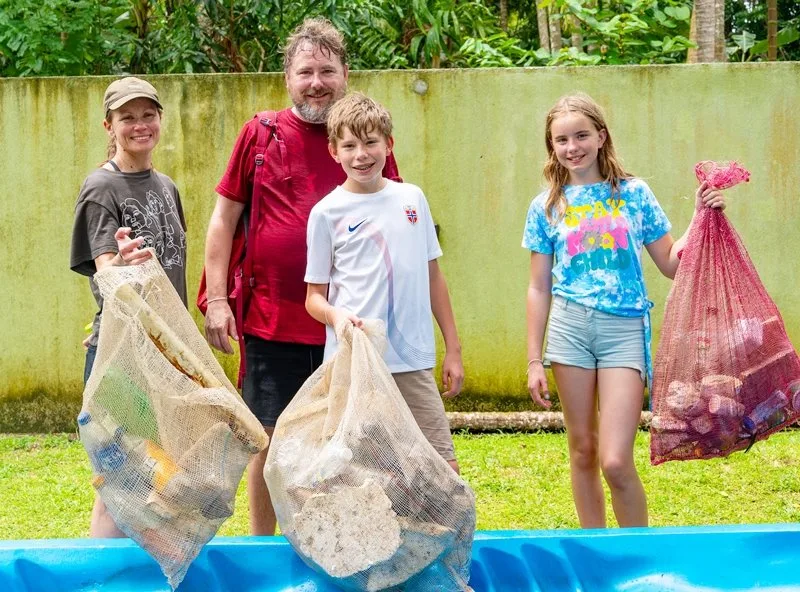
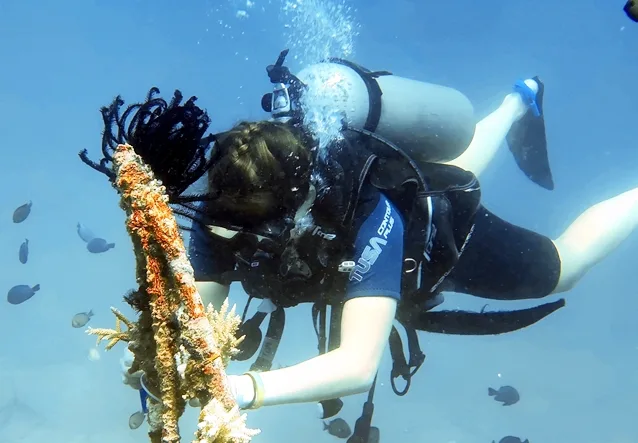
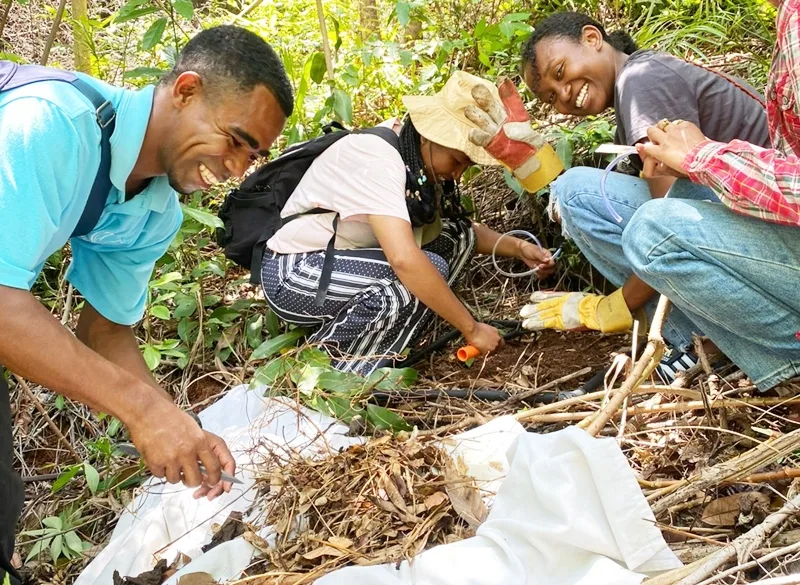
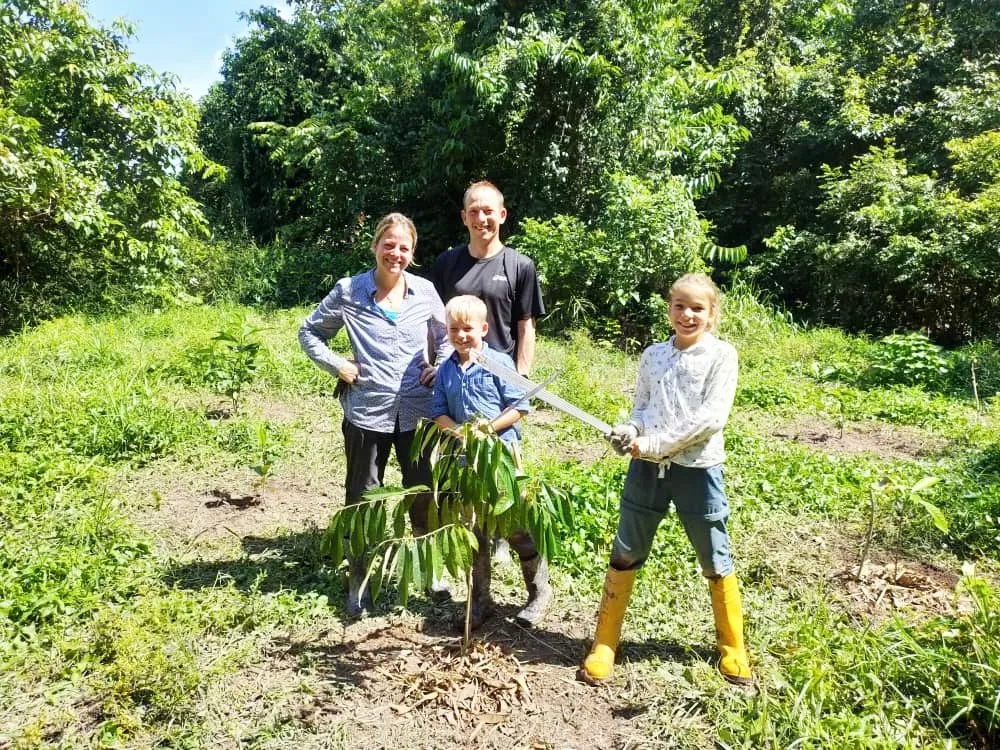
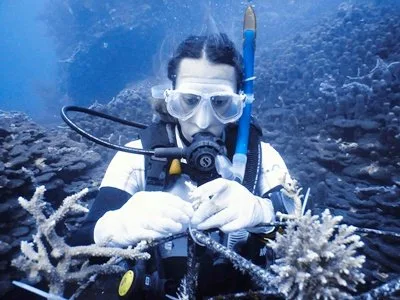
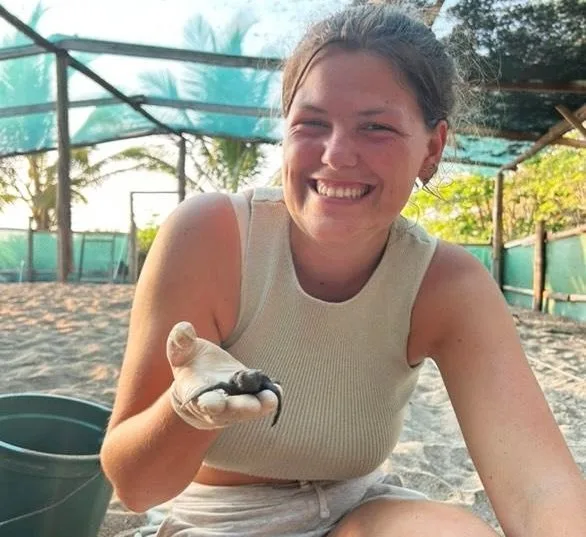
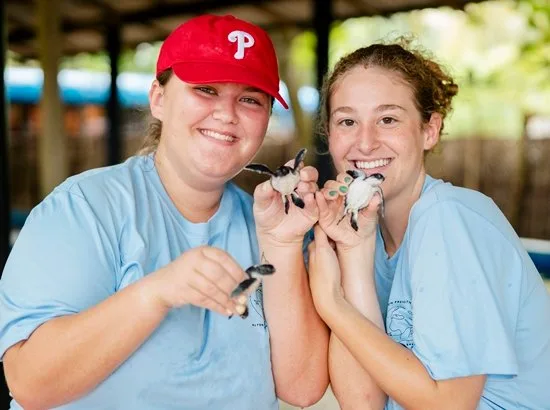
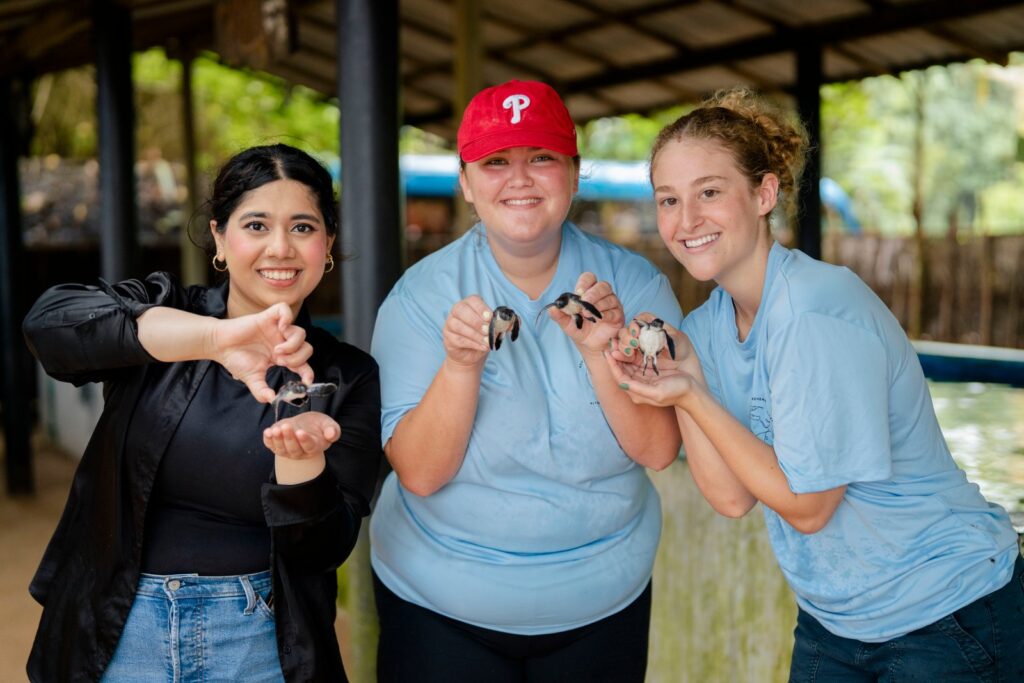
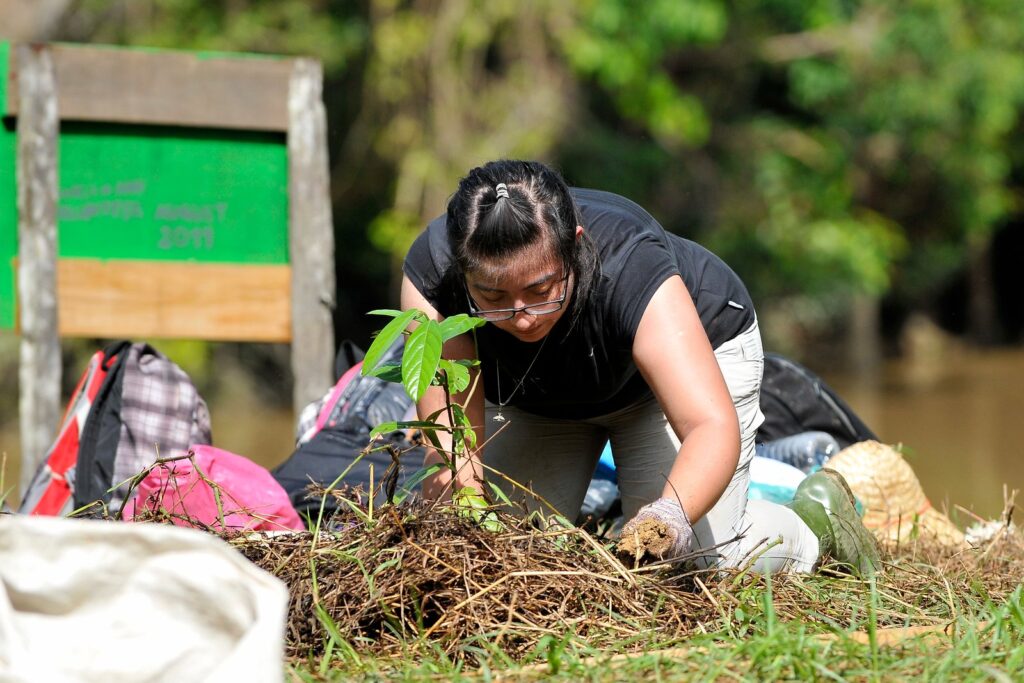
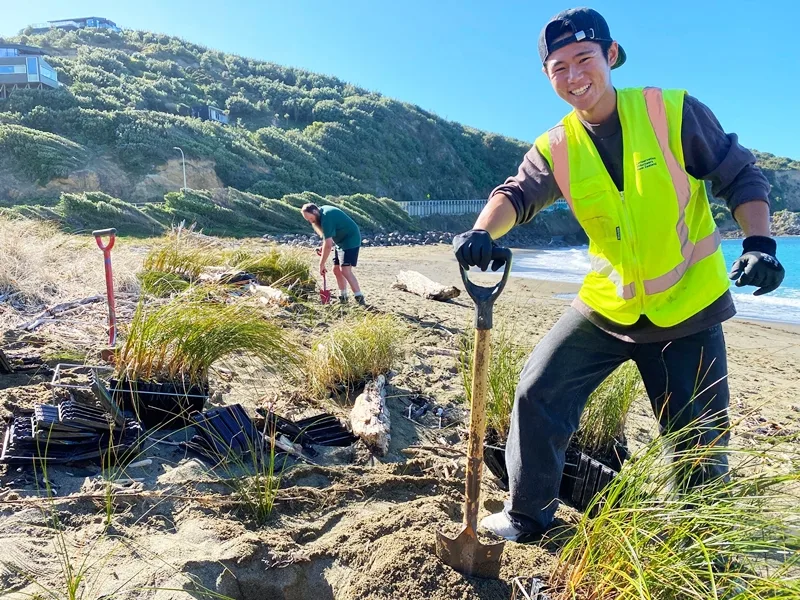
On an environment conservation placement you spend your days outdoors: replanting native forest, surveying coral reefs, monitoring sea turtle nesting beaches, clearing invasive species, or collecting data alongside local rangers and marine biologists. You learn the ecology of the place you're in rather than just visiting it, and you work to a plan set by the local project, not to entertain volunteers. It suits people who don't mind getting wet, muddy or sunburnt, who want a physical role, and who are at least 16 (18+ on some programs).
Volunteering Solutions has organized this kind of placement since 2007, and every project is run day to day by an in-country team who brief you on arrival, set safety rules for water and forest work, and stay reachable 24/7. Programs run across Costa Rica, Spain, Sri Lanka and Bali and more broadly in Costa Rica, Spain, Sri Lanka, Bali, Madagascar, Malaysia, New Zealand and Tanzania. Fees start from $831, with a $249 deposit to book, and normally cover accommodation, meals and in-country support — flights, visas and insurance are separate.
Projects you can join
11 programs across 8 countries, straight from our booking system — filter by country.
Where you can do conservation work
Each country page lists every program there with live prices, start dates and the local team's details.
Who can join, how long you can stay, and what it costs
Before you apply
- Minimum age is 16 on most programs, with 18+ on some programs; family projects can accept younger children with a parent.
- No prior conservation experience is required; diving-based coral programs ask for an Open Water certification or confident swimming.
- A clean background check is required for any placement that involves work with children, such as family programs.
- Reasonable physical fitness helps, since days include hiking, planting, diving or long stretches on your feet outdoors.
- The program fee covers accommodation, meals and in-country support; flights, insurance and visas are arranged separately.
- Programs run on fixed weekly or twice-monthly start dates, so book ahead if you have a particular date in mind, such as the 18 Sep 2026 intake.
Cost by country
| Country | Programs | Minimum age | Duration | From |
|---|---|---|---|---|
| New Zealand | 1 | 18+ | 1–8 weeks | $831 |
| Madagascar | 1 | 18+ | 2–12 weeks | $869 |
| Costa Rica | 2 | 18+ | 1–12 weeks | $984 |
| Sri Lanka | 2 | 16+ | 1–20 weeks | $998 |
| Malaysia | 1 | — | 7 days | $1,224 |
| Spain | 2 | 17+ | 1–8 weeks | $1,239 |
| Bali | 1 | 18+ | 2–8 weeks | $1,308 |
| Tanzania | 1 | 17+ | 2–12 weeks | $1,474 |
"From" is the all-in fee for the shortest stay and includes the $249 booking deposit; accommodation, the meals listed for the program, airport pickup where listed, orientation, placement and in-country support are covered. Flights, insurance, visas and personal spending are not. Each program page has the full week-by-week price table.
What are the responsibilities of a volunteer For Environment Conservation Programs?
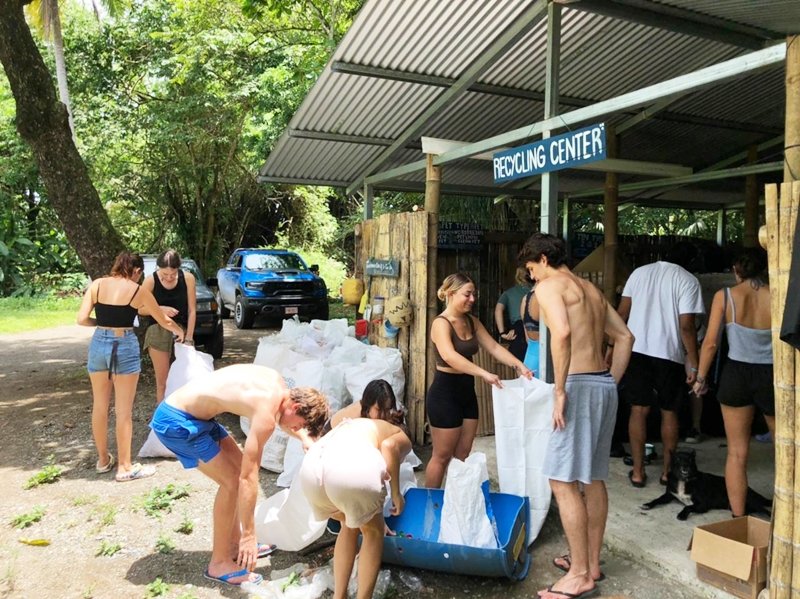
- Help in the conservation and preservation work as guided by the project coordinator.
- Help in the maintenance work and upkeep of the forests or allocated project area.
- Learn about the flora and fauna of the place where you're working, and enhance your knowledge.
- Work with local communities who live in the regions, and conserve the environment through indigenous methods.
- Spread awareness among the people regarding environmental protection and conservation.
Why should you volunteer for an environmental conservation program with Volunteering Solutions?
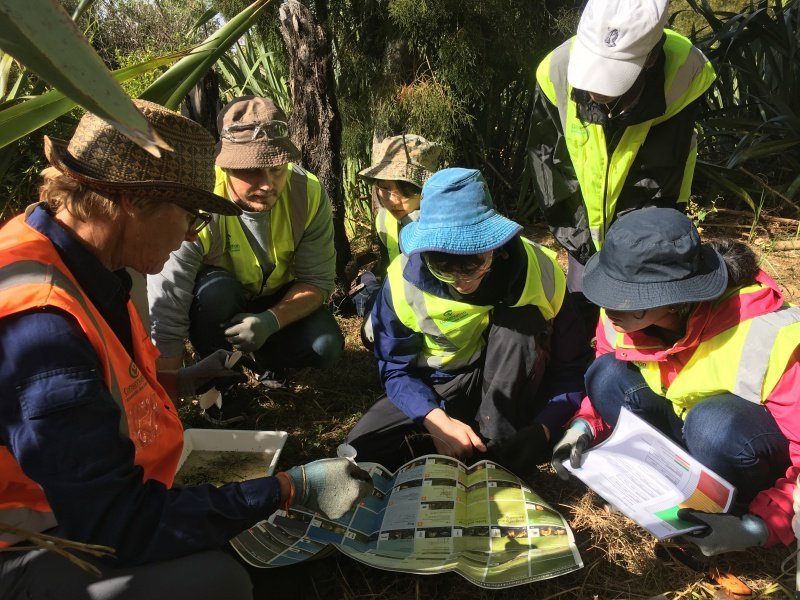
- You can actively contribute to preserving and protecting the environment, making a positive impact on the planet.
- It’ll be an incredible opportunity to learn about environmental issues, conservation techniques, and sustainable practices, fostering personal growth and development.
- Engaging in conservation work allows you to spend time outdoors, connect with nature, and appreciate the beauty of the natural world.
- By volunteering for these programs, you can help raise awareness about environmental issues and inspire others to take action in their own lives.
Environmental conservation is a global concern in this 21st Century, and by volunteering, you become part of a worldwide effort to protect the planet for future generations.
What do our past volunteers say?
“I spent 2 weeks volunteering on the islands of Kalamos and Kastos in Greece. The islands are very beautiful and remote (away from major tourist areas which is nice). The program itself was fairly relaxed, we did Posidonia (Seagrass) monitoring, gardening as well as camera and audio traps for bats, birds, and monk seals. We applied to the program only a few weeks before and volunteering solutions were very efficient in replying and getting back to us to get everything organized in time!” - Rachel, Volunteer in Greece
Conservation work without the gimmicks
Environment projects are chosen because a local reserve, community group or marine research station has identified real work that needs doing, not because it photographs well. Volunteers help under the direction of local rangers, biologists or community leaders, and never take charge of a survey, dive or planting site on their own.
- No riding, bathing, hand-feeding or posing with wildlife on any project.
- Marine tasks such as reef monitoring or turtle patrols follow the lead of qualified local staff.
- Projects report to the reserve or community they support, not to a volunteer's schedule.
Our standards
- Safeguarding policyVetted placements, a code of conduct and background checks where you work with children or vulnerable adults.
- Child & vulnerable adult protectionHow placements with children are run and what volunteers may and may not do.
- Responsible volunteer travelCommunity-led projects, no work that displaces local jobs, honest about what a short stay can do.
- Certified B CorporationIndependently assessed on impact, transparency and accountability.
What our volunteers say
Environment Conservation Volunteering Abroad Programs: frequently asked questions
What does environment conservation volunteering abroad involve?
Work varies by location but typically includes reforestation and nursery work, coral reef restoration, sea turtle nesting beach patrols, invasive species removal, and habitat surveys. You work outdoors alongside local rangers, marine biologists or community teams, following their conservation plan rather than working independently. Expect physical days — digging, planting, diving, or walking survey routes — plus some data recording and community outreach on environmental issues. Tasks are set locally and change with the season, so no two weeks look identical.
Who can join an environment conservation program?
Most programs set a minimum age of 16, with some requiring 18+; a handful of family programs welcome younger children accompanied by an adult. No previous conservation experience is required, though reasonable fitness matters since much of the work is physical and outdoors. Programs involving diving ask for an Open Water certification or comfort in the water. Anyone with a genuine interest in the environment and a willingness to follow local instructions can apply.
What is included in the fee, and how much does it cost?
Fees start from $831 for the shortest placements, with a $249 deposit due at booking to secure your place — see how the fee breaks down on our where the fee goes page. Costs typically cover accommodation, daily meals, airport pickup, orientation and in-country support for the length of your stay. Flights, travel insurance, visas and personal spending are not included, so budget separately for those.
How long can I volunteer for and when do programs start?
Placements run from 1 week up to 20 weeks, so you can fit a placement around a short break or a longer gap-year stretch. Start dates are fixed rather than rolling — most projects begin weekly or twice a month — and the next available start across the hub is 18 Sep 2026. Longer stays suit coral restoration or forest survey work, where you see more of a project's cycle.
Where do environment conservation programs run?
Programs are currently based in Costa Rica, Spain, Sri Lanka and Bali, with wider placements across Costa Rica, Spain, Sri Lanka, Bali, Madagascar, Malaysia, New Zealand and Tanzania. Each location focuses on a specific local issue — coral health, coastal forest loss, sea turtle nesting, or native habitat restoration — rather than a generic activity, so the work on Costa Rica's Osa Peninsula looks different from a coral program in Bali. See Volunteer in Costa Rica for one example.
How safe is this kind of volunteering, and what support is there?
Each project has an in-country team who run your arrival orientation, set the safety rules for water-based or forest work, and stay reachable 24/7 for the length of your stay. Volunteering Solutions has organized these placements since 2007 and is a certified B Corp. You're briefed on local hazards — currents, terrain, wildlife — before starting any task, and staff decide what work is appropriate on a given day.
How do you make sure conservation work is ethical?
Projects are selected because a local conservation body, reserve or community actually needs the labor, not to create a tourist activity. Volunteers do not ride, hand-feed, bathe or pose for photos with wildlife, and marine tasks such as turtle monitoring or reef surveys are carried out under the direction of local biologists or rangers. See our responsible volunteer travel policy for the full approach.
Do I need diving or swimming experience for coral or turtle projects?
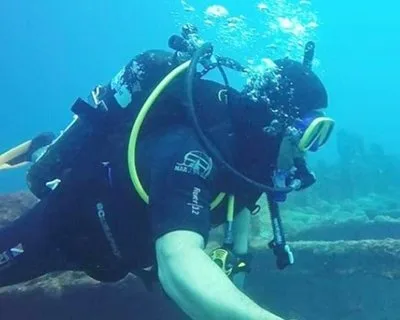
Some coral restoration programs require an Open Water diving certification, since the work happens underwater; others accept non-divers or ask only that you can swim confidently. Sea turtle and beach-based projects don't require diving at all — the work is nesting-beach patrols, data recording and habitat cleanup. Check the specific program page before booking, since requirements differ by country and project.
Can students, families or groups join these programs?
Yes. Several placements accept families with children, and gap-year and university students make up a large share of participants. School and university groups can also book together — see our school group trips page — while individual travelers join the same projects and are grouped with other volunteers on site. Minimum ages and group sizes vary by program, so confirm details before booking.
What's the difference between this hub and marine conservation or wildlife volunteering?
This hub covers land- and coast-based environmental work — reforestation, habitat restoration, coral reefs and sea turtle nesting beaches. If your interest is specifically ocean and reef work, our Marine Conservation Volunteering Abroad hub is more targeted; land animal rescue and welfare work sits under Wildlife Conservation Volunteer Abroad Programs. Sea turtle projects often overlap both, since they involve nesting-beach and coastal habitat work.
What do I need to prepare before booking?
You'll need a valid passport, a clean criminal background check for programs that involve children (such as family placements), and travel insurance, which our travel insurance partner can help arrange. Book with the $249 deposit to hold your place, then pay the balance before departure. Vaccination and visa requirements depend on the country, so check the program page and your embassy's guidance early.
Find your environment conservation program
11 programs · 8 countries · from $831 · next start 18 Sep 2026
Free advice, no obligation. Change program, dates or destination free of charge up to 45 days before you start.