

























Read time 2 minutes
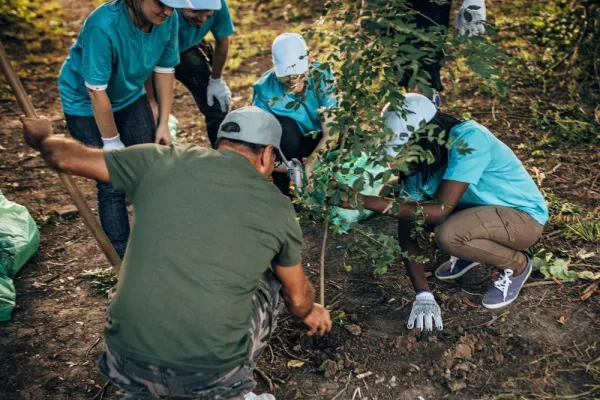
The importance of conservation volunteering in Asia lies in protecting the continent’s rich biodiversity, preserving endangered ecosystems, and supporting local communities that depend on them.
By taking part in conservation volunteering across Asia, you play an active role in safeguarding wildlife, restoring habitats, and promoting sustainable living. Whether you’re helping protect sea turtles in Thailand or supporting reforestation projects in Nepal, your contribution helps create a lasting positive impact on both nature and local communities.
If you are considering volunteering in Asia, keep reading to discover how your efforts can make a meaningful difference with Volunteering Solutions.
Conservation volunteering is offering your time and resources to organizations dedicated to protecting, repairing and restoring the environment. This might involve rehabilitating endangered species, conducting research on the impacts of global warming, or restoring habitats both on land and in water.
Conservation volunteering programs aim to create tangible, positive changes worldwide. No matter whether that’s in Asia, Africa or Europe, conservation efforts can create a ripple effect to enhance global ecosystems.
According to World Rainforests, Asia has lost approximately 40 million hectares of forest between 1990 and 2005. This represents a 12% decrease in forest cover. Deforestation is a significant issue in Southeast Asia, which is home to nearly 15% of the world’s tropical forests. Asia has the highest deforestation rate in the world, losing 1.2% of its forest every year.
Conservation efforts are essential to Asia, which is both biologically rich and environmentally vulnerable. Key reasons why it matters so much include:
Asia is home to some of the most diverse ecosystems in the world, including tropical rainforests, mangroves and tall mountain ranges. It’s also home to critically endangered species, such as tigers, orangutans, snow leopards, and Asian elephants. Conservation volunteering helps protect habitats and reduce pressures from illegal poaching, deforestation, and overfishing.
Deforestation in Southeast Asia is among the fastest in the world because of logging, palm oil and rubber production. Coral reefs are also being impacted by the increasing water temperature of the oceans and pollution. As a conservation volunteer, you’ll contribute to reforestation projects, marine protection and wildlife monitoring to slow down or reverse these losses.
Many communities in Asia rely heavily on natural resources, particularly those used for agriculture. Conservation volunteering often involves community-based projects that offer alternative methods to mitigate habitat and biodiversity loss, such as eco-tourism and sustainable farming. This helps find a good balance between human needs and environmental protection.
Asia is one of the most affected regions by climate change. Rising sea levels threaten island nations, while droughts and floods hit agriculture hard. Conserving forests, wetlands, and mangroves not only protects wildlife but also strengthens the climate’s resilience by absorbing carbon and creating a buffer against natural disasters.
The amazing thing about conservation volunteering is that you’re not only helping Asian ecosystems. Working to protect and restore regions like the Amazon rainforest, Southeast Asia’s rainforests, or the Coral Triangle’s reef can make significant global contributions. Your efforts support global biodiversity, oxygen production, and climate stability.
If you’re passionate about conservation and want to make a true difference in Asia, Volunteering Solutions has several opportunities to turn your dream into reality. We offer opportunities for both wildlife and environmental conservation programs:
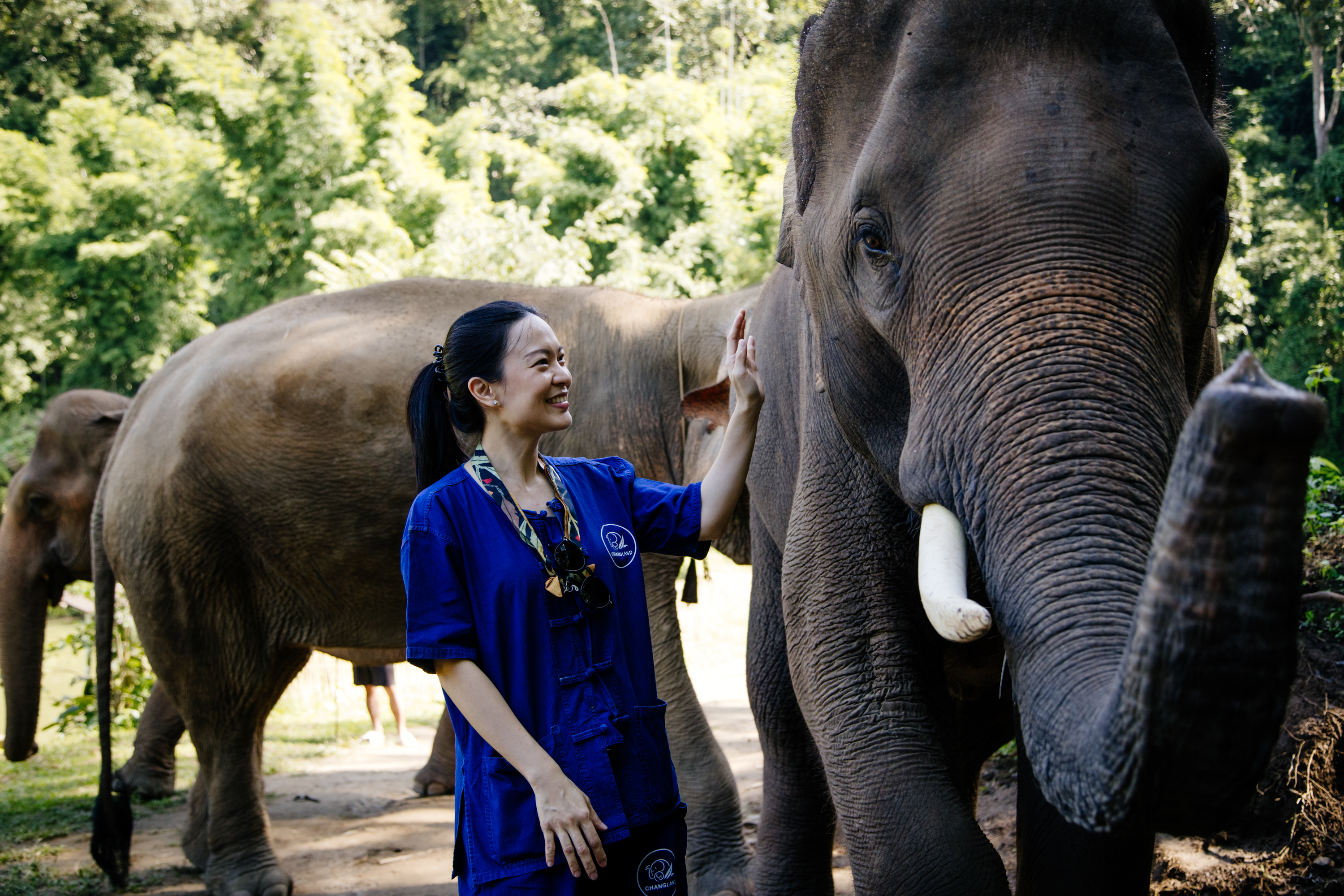
Travel to Thailand and Volunteer with Elephants in Chiang Mai. You’ll have the chance to feed elephants and take them for walks and baths, getting up close and personal with these magnificent animals. Elephants are notorious targets for poachers, so assisting with their protection ensures they lead happier, healthier lives.
Our Sri Lanka volunteer opportunities are based in Galle, offering you the chance to benefit both local and global ecosystems. Whether you’re passionate about Turtle Conservation and Dog Care or prefer to focus on Environmental Conservation Projects, there’s plenty of rewarding work to be done. Plan a Family Volunteer Adventure and maximize your collective efforts!
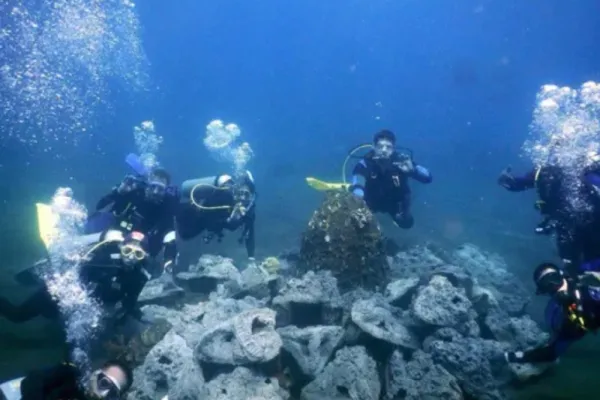
We offer opportunities in Serangan and Pemuteran, providing you with a choice of where to explore and assist. Learn how to dive and make the biggest impact by restoring Coral Reefs in North Bali or assisting the Turtle Conservation Project. Support professionals during the sea turtle nesting season to prevent wildlife and poachers from getting to the eggs.
Our Malaysian volunteering opportunities take you into the rainforest and other habitats, focusing your efforts on wildlife conservation, habitat restoration, community development and education. Our Family Volunteer Adventure provides tasks for volunteers of all ages, and the Borneo Wildlife Safari provides you with a short (just one week!) yet impactful experience.
Southeast Asia is one of the world’s biodiversity hotspots, boasting a wealth of amazing species to explore and protect. However, unfortunately, this also means that Asia is one of the largest participants in the illegal trade of wildlife and animal parts. While it’s prevalent around the world, China boasts the world’s largest market for illegal wildlife trade.
In Southeast Asia alone, the illegal trade in wildlife is estimated to be worth between $8 and $10 billion per year. Wildlife is taken and sold at an unsustainable rate in Asia, resulting in decimated ecosystems and driving species to extinction.
To learn more about the illegal wildlife trade in Southeast Asia, and how your volunteering efforts can help, keep reading here.
Despite the vast biodiversity found across Asia, many of its native animals are among the most endangered species on the planet. Three of the biggest threats to Asia’s wildlife are hunting, habitat loss through climate change, and illegal trade.
Some of the most endangered species in Asia include:

Human activity and interference are having a profoundly negative impact on the world’s natural resources. In Southeast Asia alone, up to 42% of all species could be lost by the end of the century if significant changes aren’t made. Biodiversity is essential for human livelihood, supporting food production, maintaining climate stability, and purifying water.
Habitat loss is detrimental to humans, animals, and the natural world. Here are some of the reasons why Asia is experiencing such severe loss:
Asia is a magnificent place to visit, with numerous wonderful sights to behold and unique species to observe. However, without the help of passionate volunteers, the local flora and fauna will continue to struggle and face an increased risk of extinction. Volunteering Solutions is passionate about assisting anyone who wants to lend a helping hand to do just that. Get in touch today to see how we can work together on a once-in-a-lifetime journey.
Check out our conservation volunteering programs in Asia and get the ball rolling on your assistance for a better tomorrow.

Language
Currency